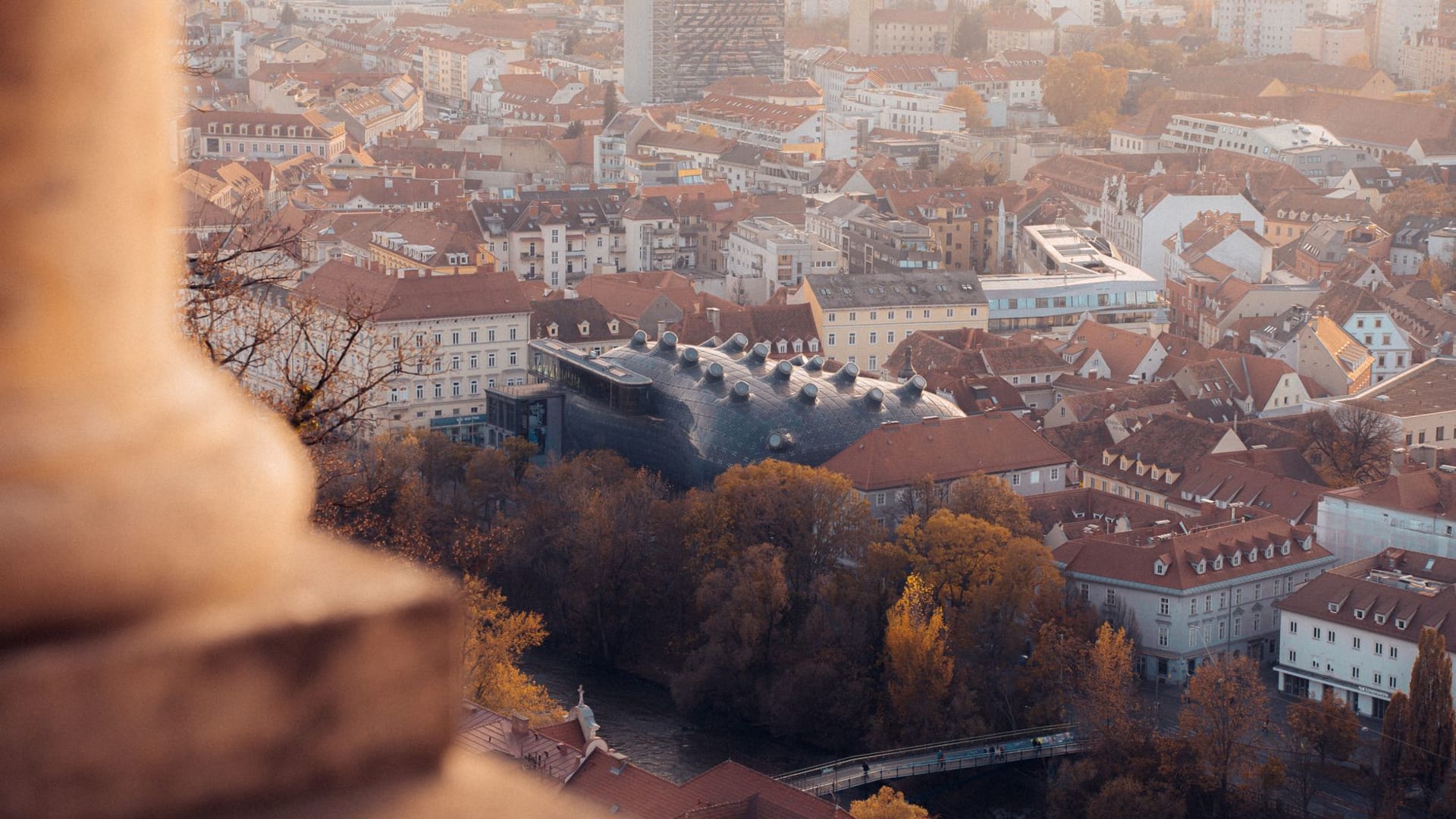
Graz operates on a different frequency from Vienna — quieter in its confidence, more deliberate in its power. The city's old-money architecture isn't a backdrop for tourism; it's the infrastructure of a regional elite that has always known how to conduct serious business discreetly. Schloss Seggau, perched above the Leibnitz wine country, is the kind of private venue that never advertises itself — which is precisely the point. Helicopter access, cellar dining, and a guest list drawn from industry and old titles rather than social media. The Schöcklstraße unfolds from the city's eastern edge into the Styrian highlands, a driver's road that rewards composure over speed — tight switchbacks, cathedral-pine canopy, summit views that belong to those willing to earn them. Back in the city, the Herrengasse corridor functions as Graz's private club in plain sight: gallery owners, architects, and private equity partners moving between Biedermeier facades with the ease of people who need no introduction. There are no megayachts here — the currency is land, wine estates, and the kind of institutional memory that doesn't require a press release. Arrive accordingly.
Where Habsburg authority meets Alpine precision — Graz rewards those who arrive in something worthy of its grandeur