Spain
Luxury Car Rental in Ibiza
143 vehicles available · Delivered to your location · Model guaranteed
See our fleet in Ibiza →
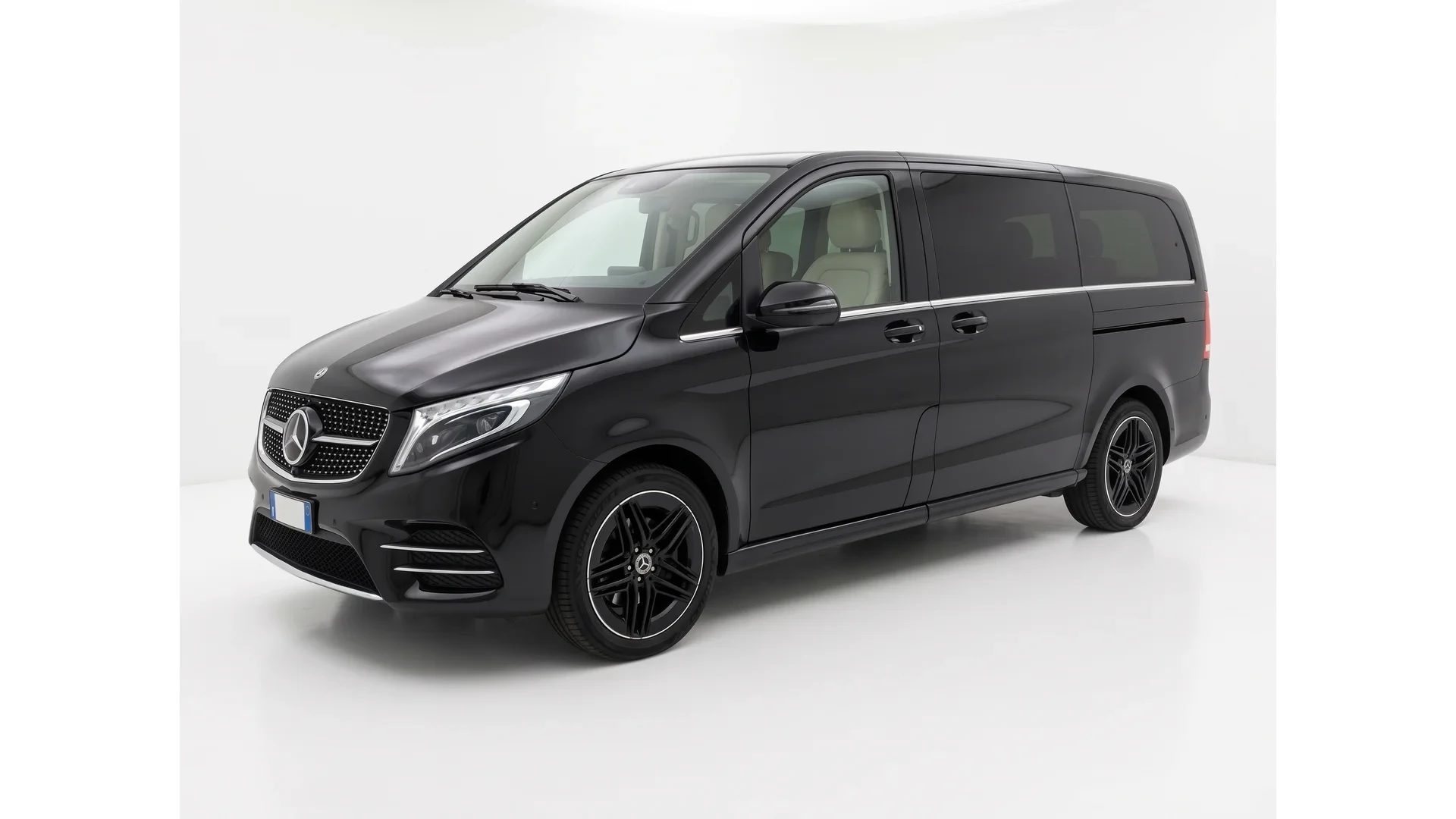
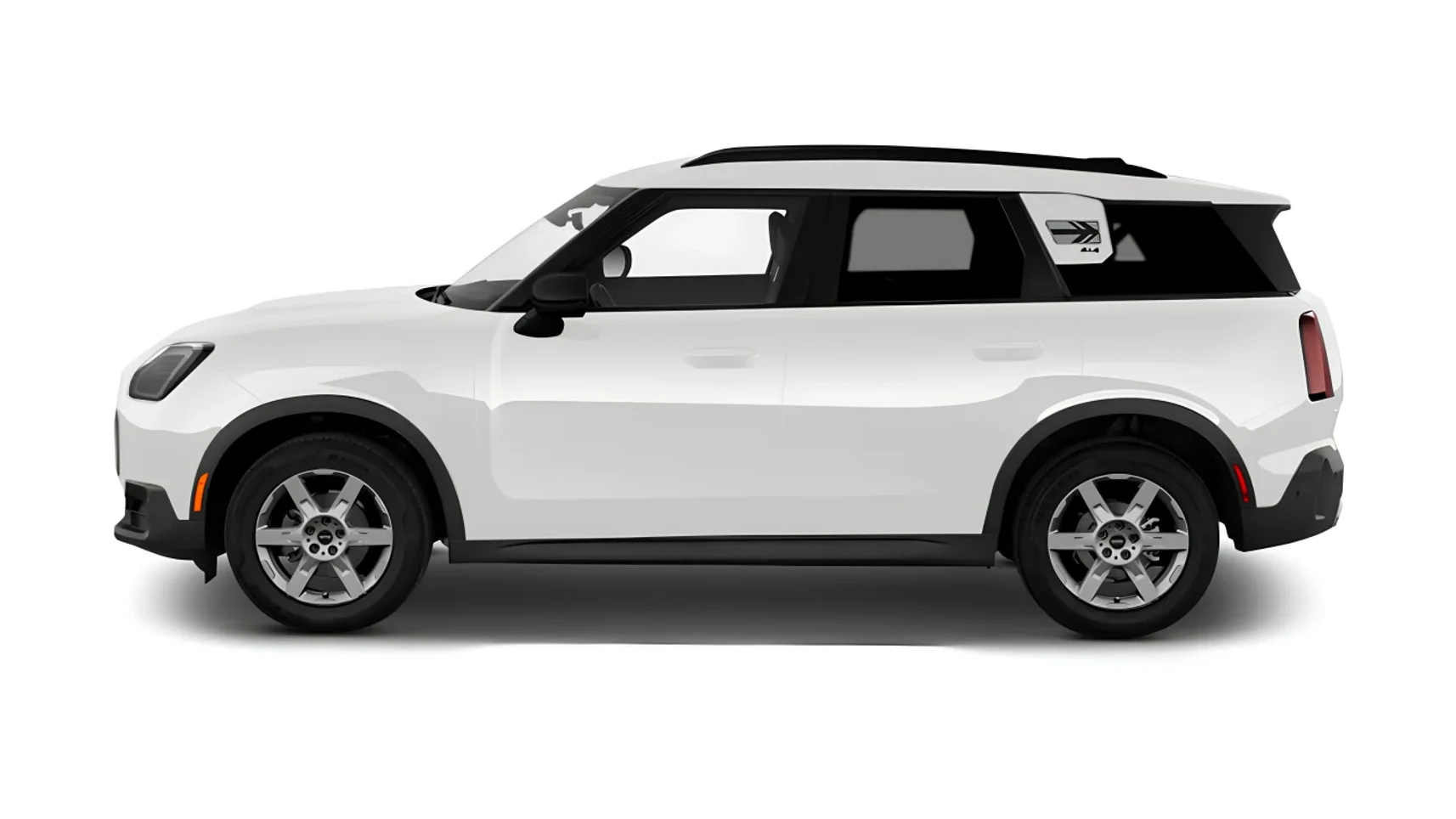
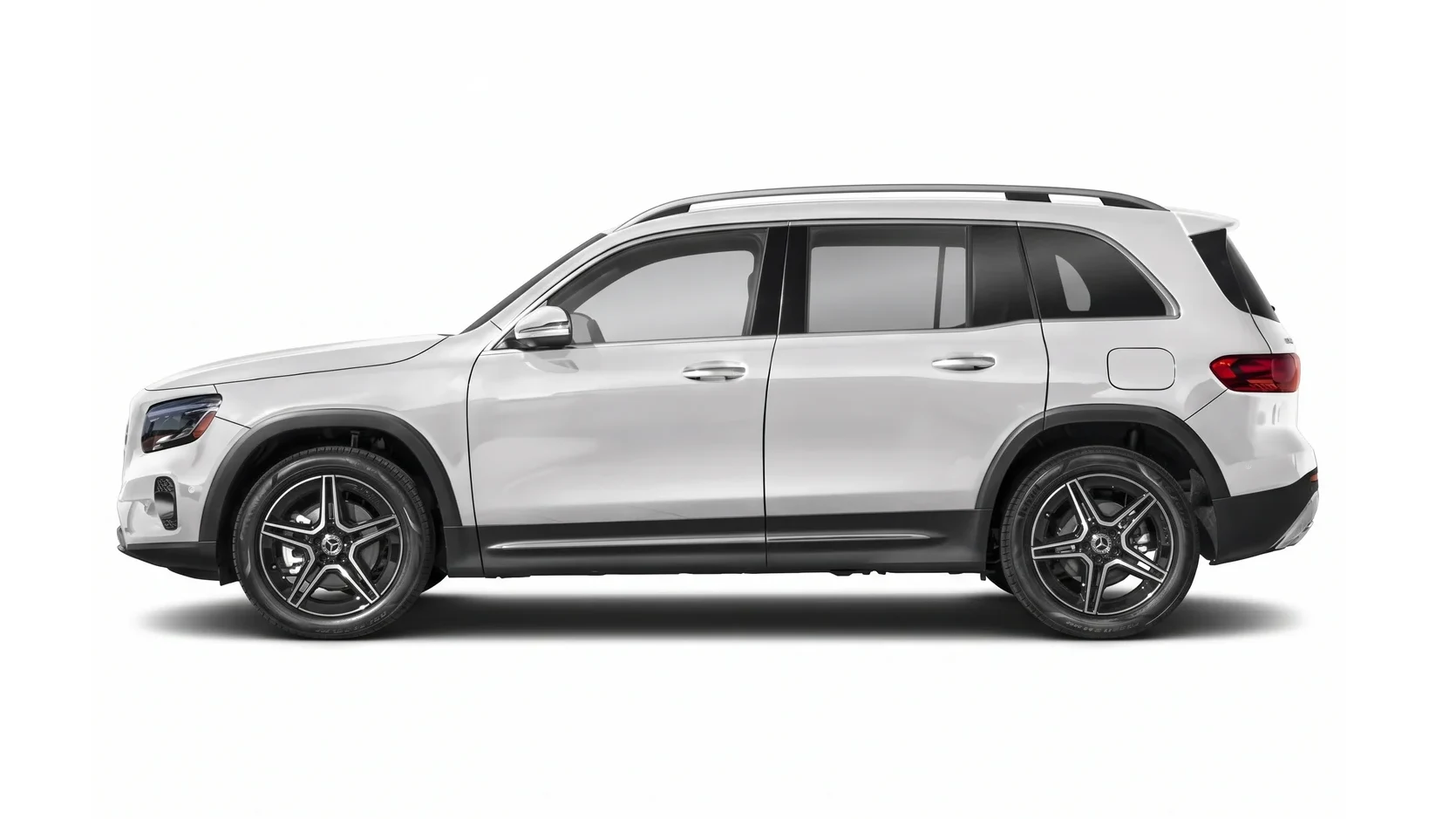
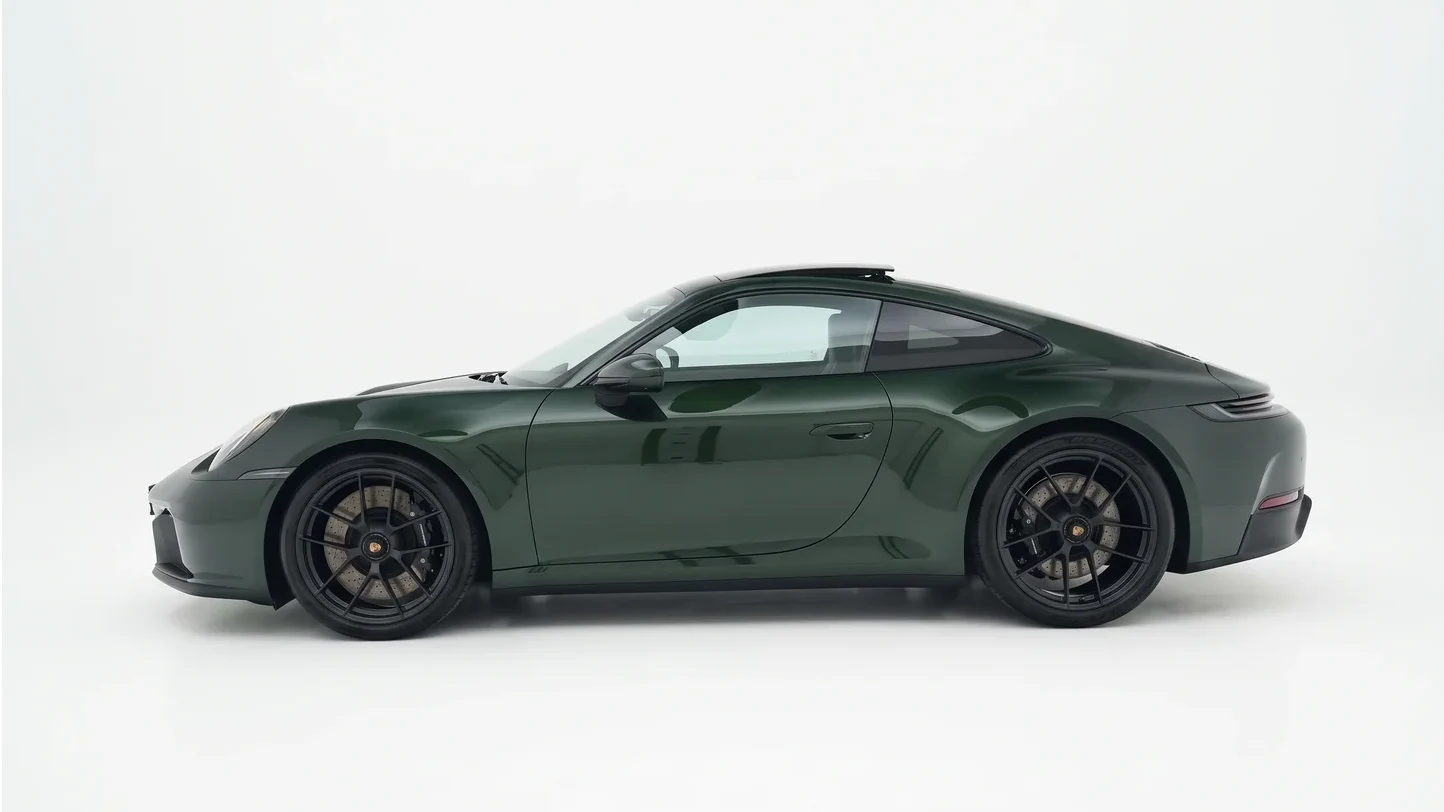
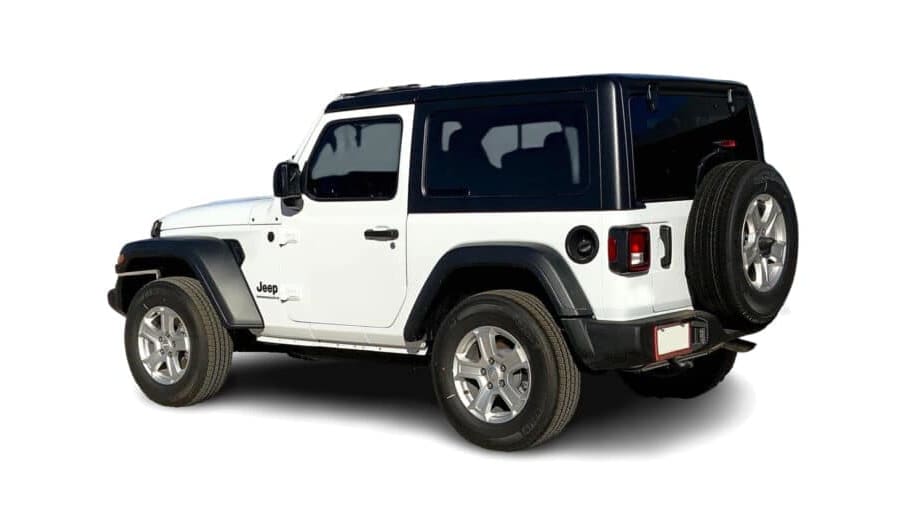
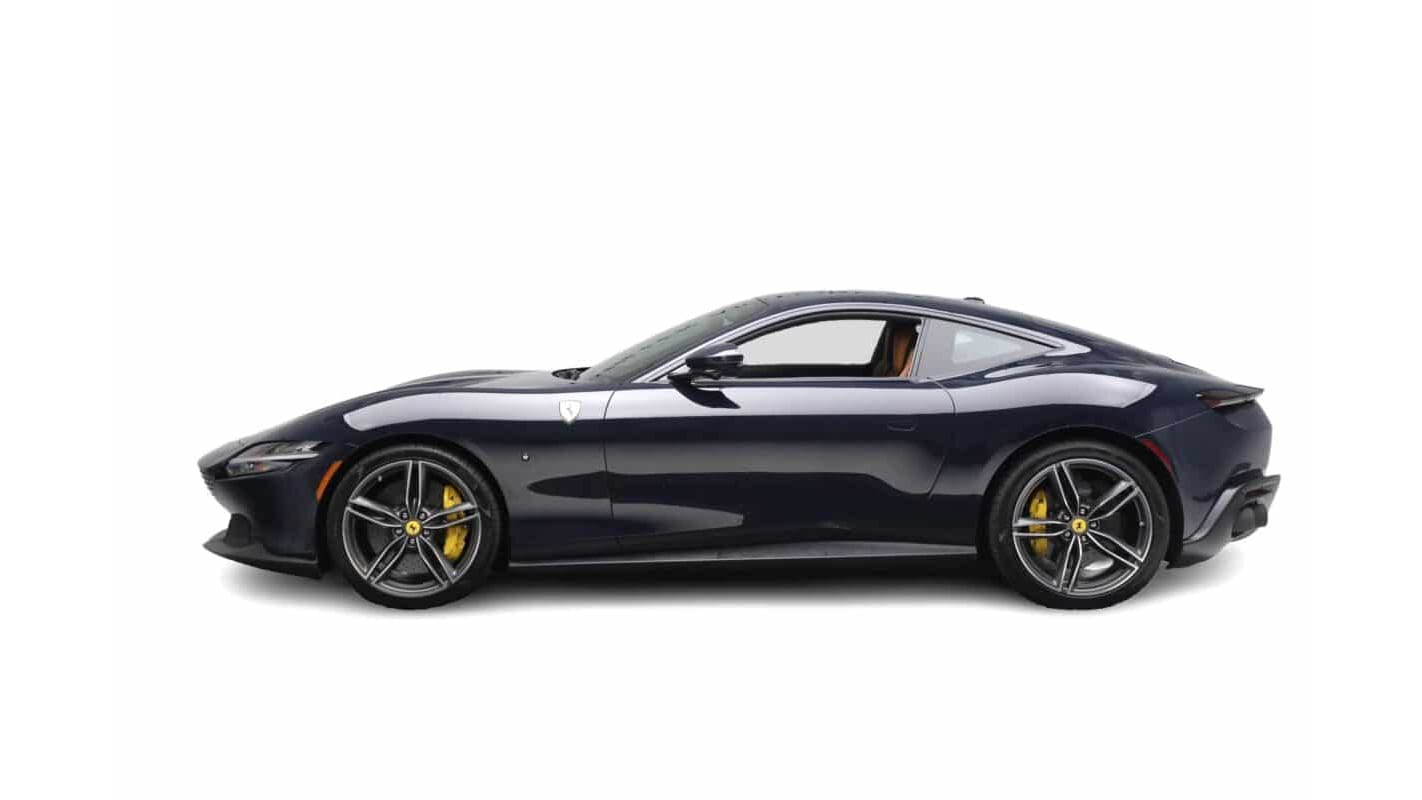
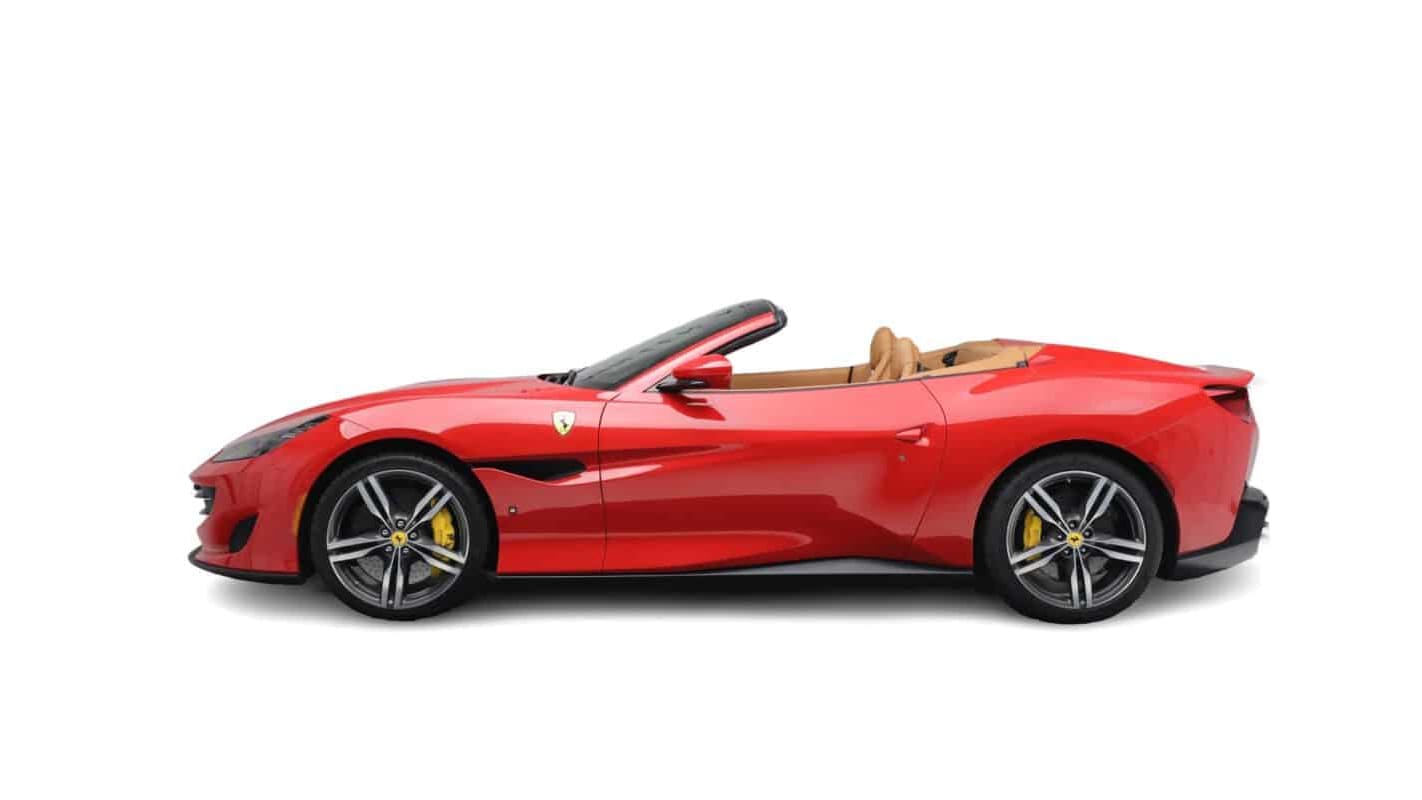
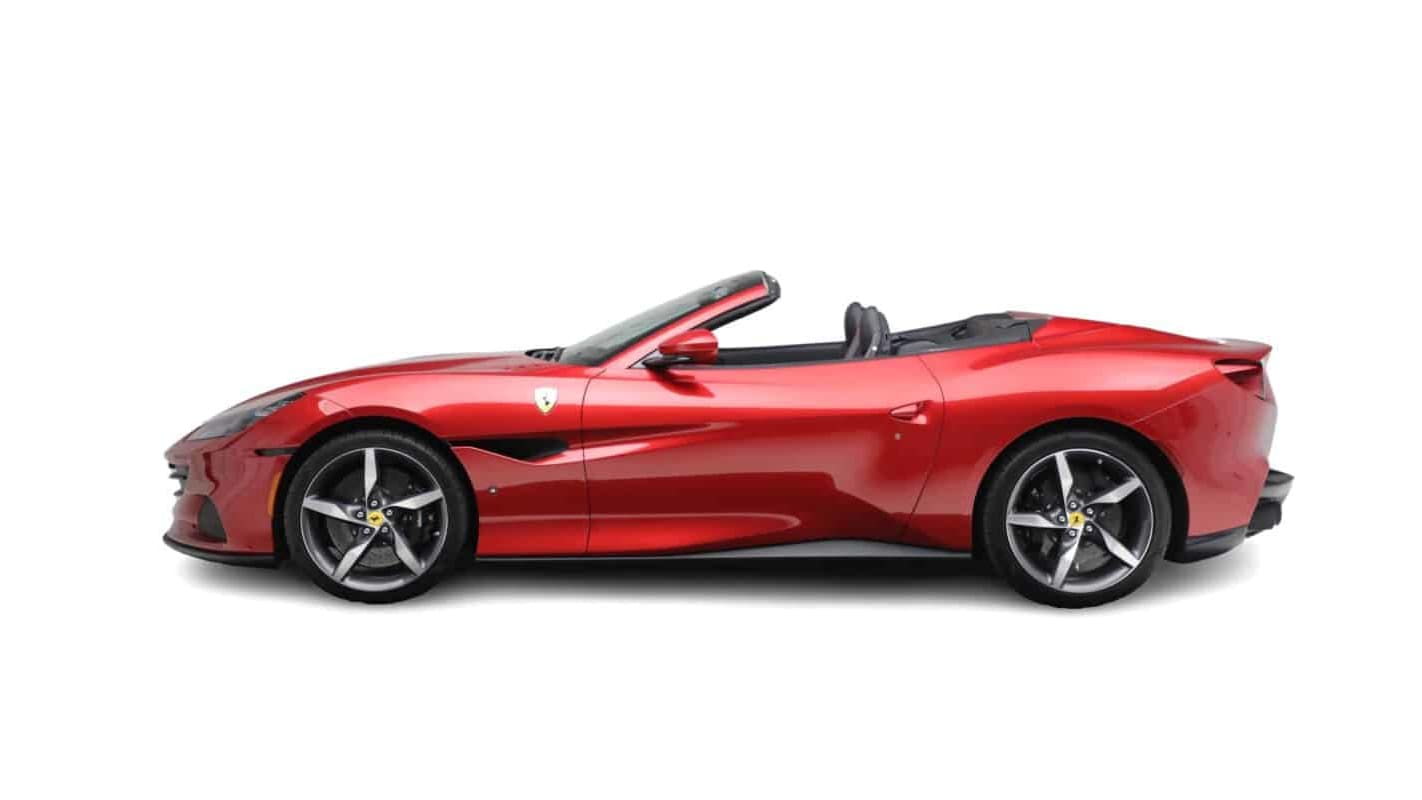
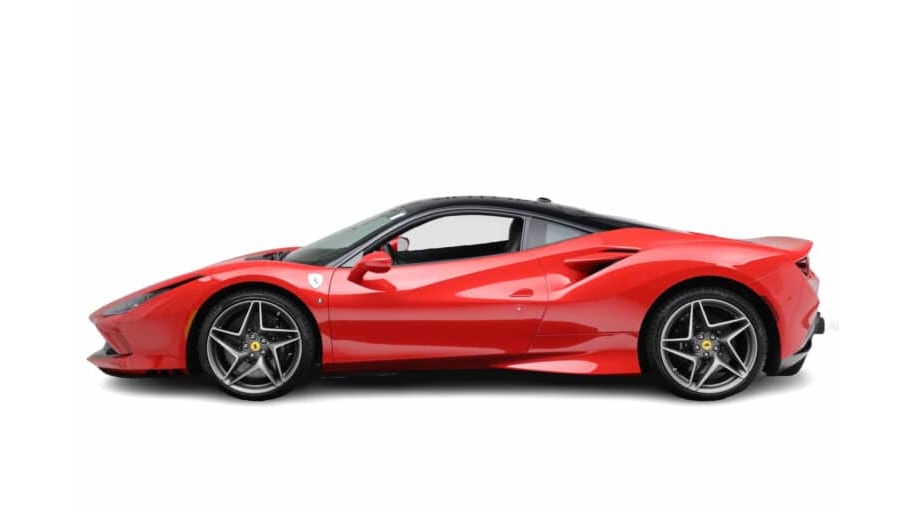
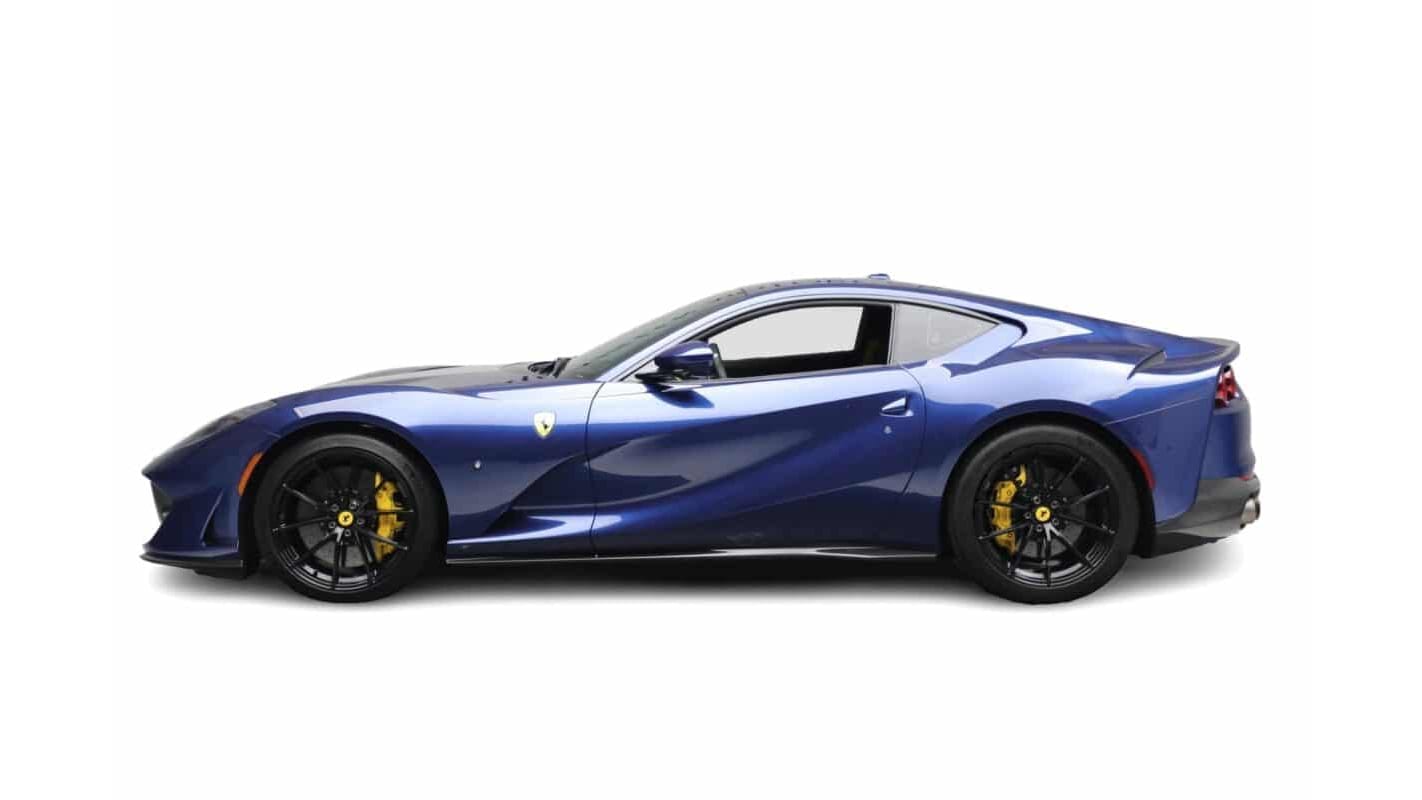
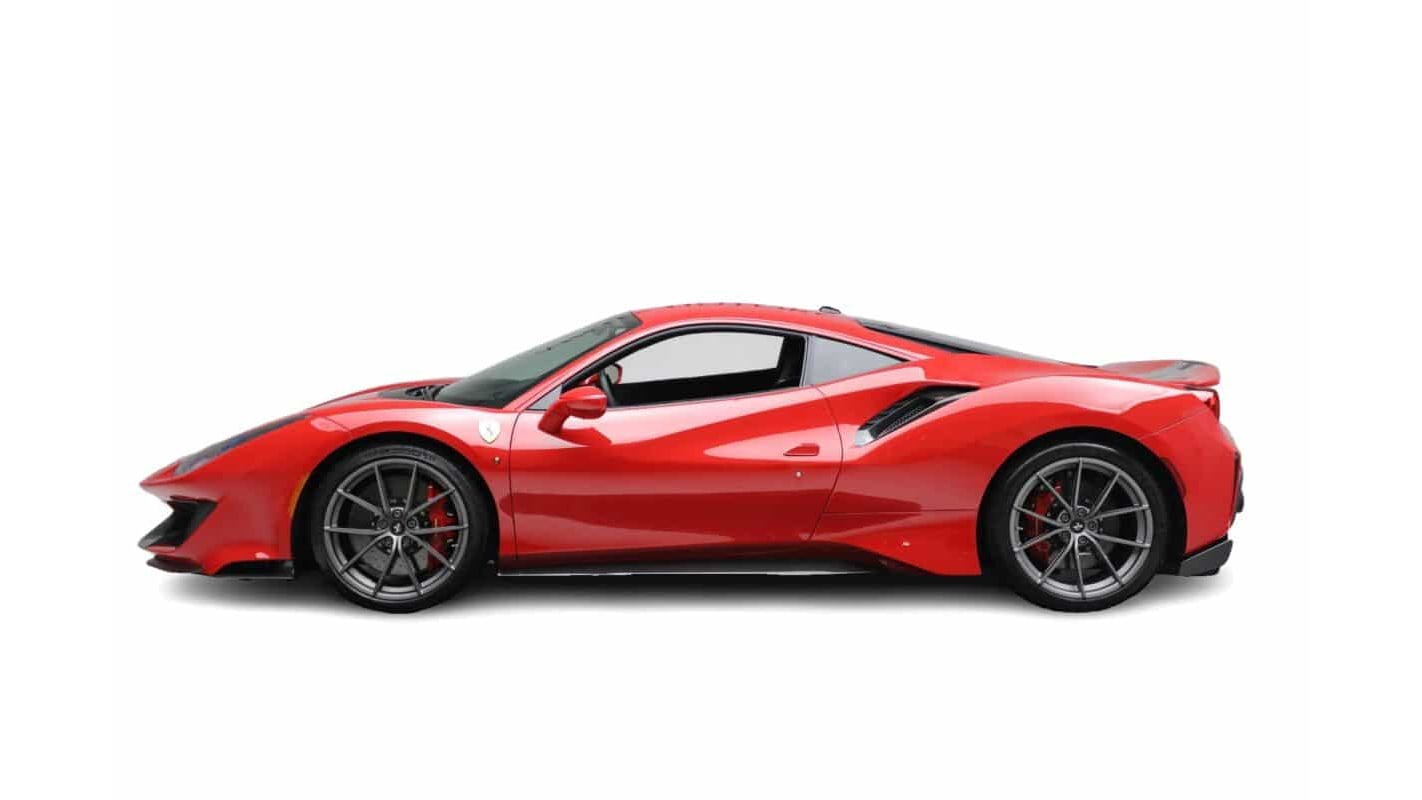
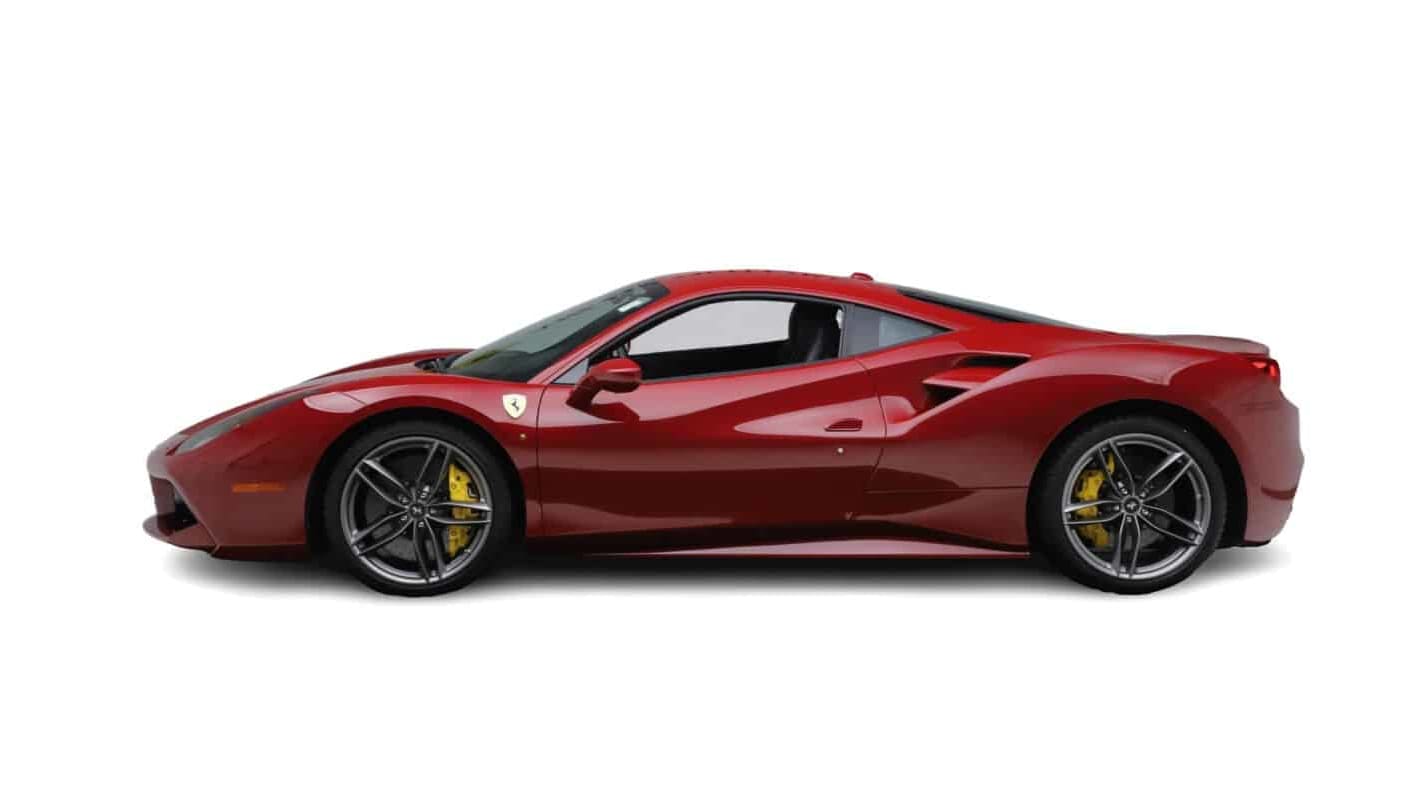
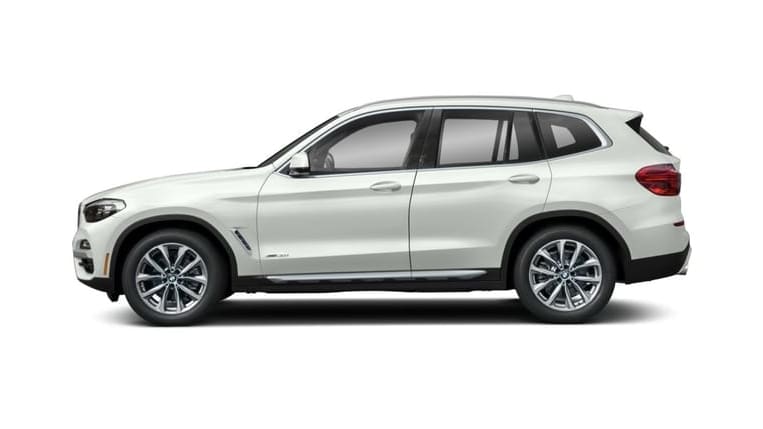
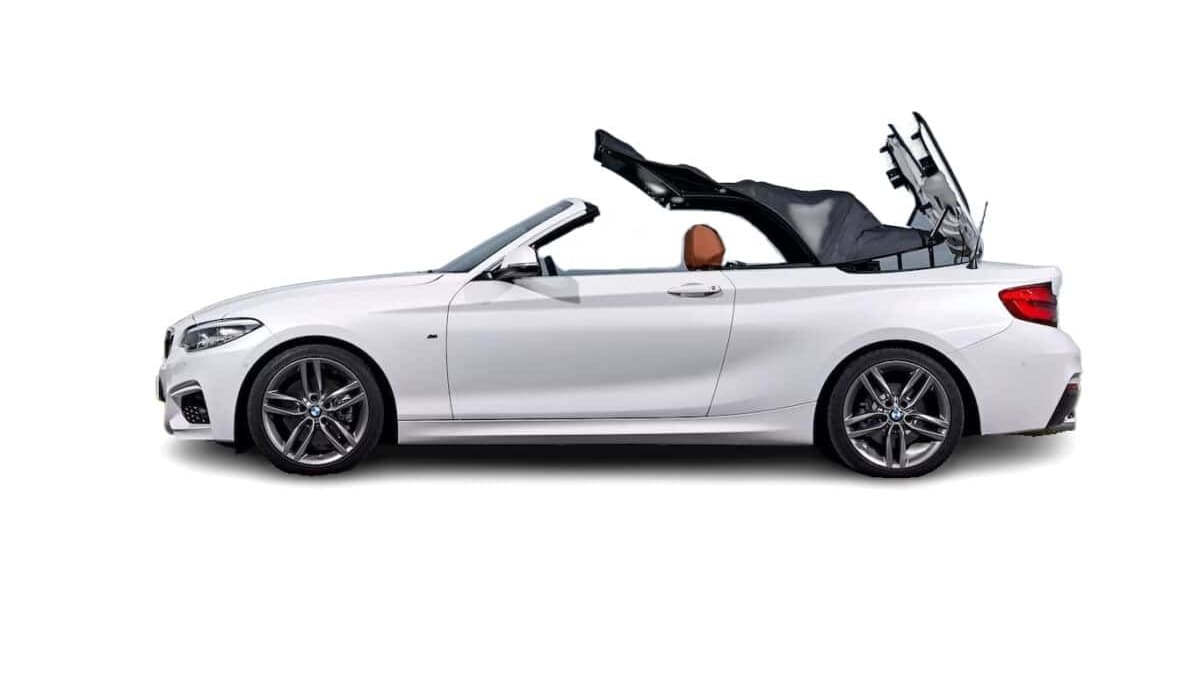
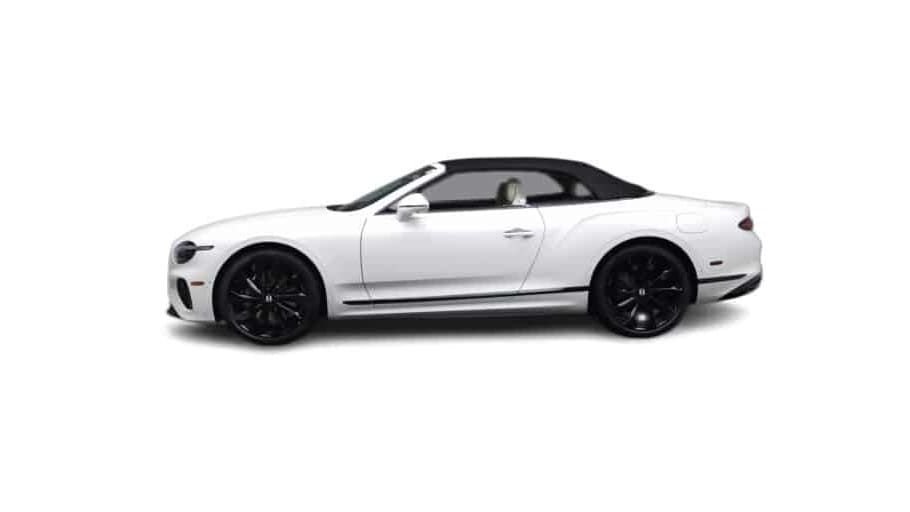
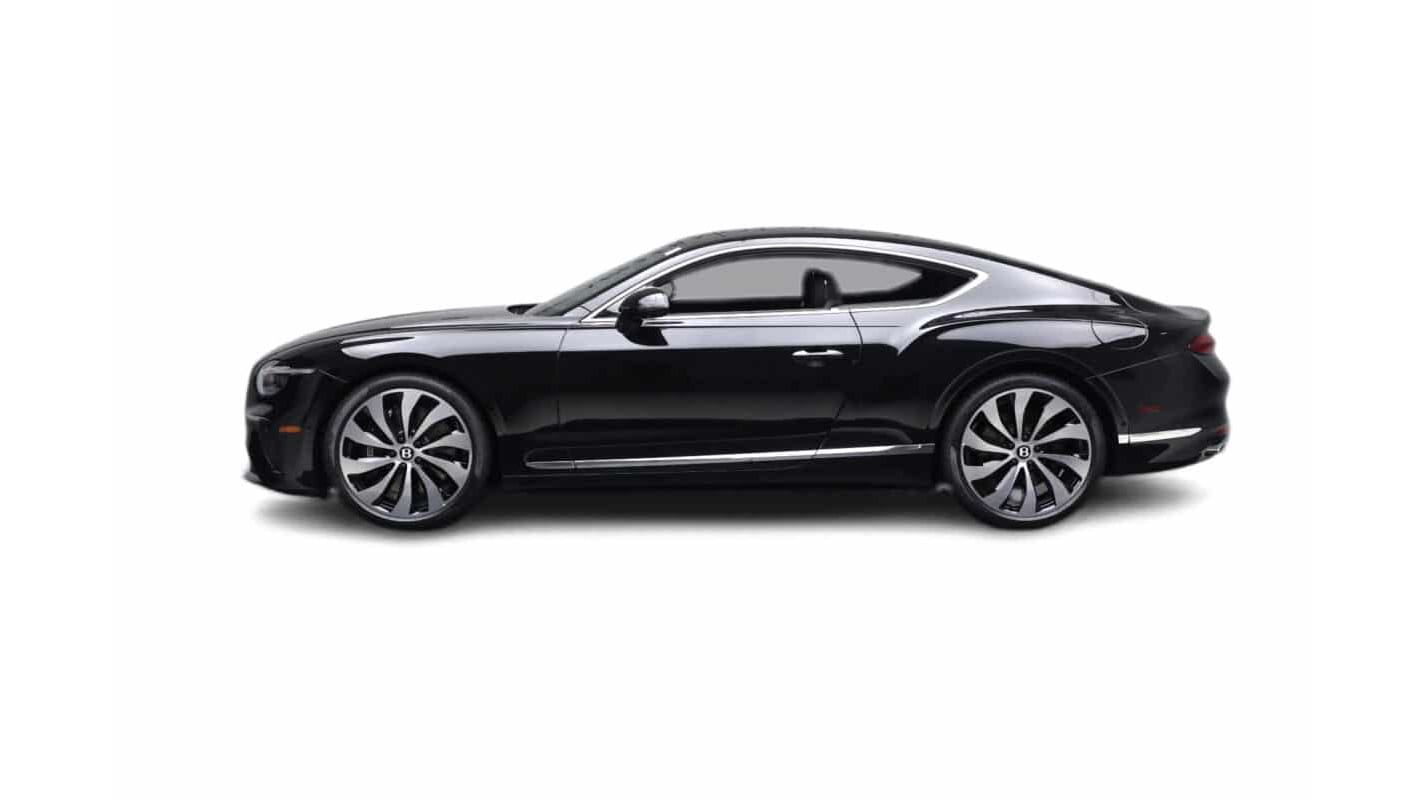
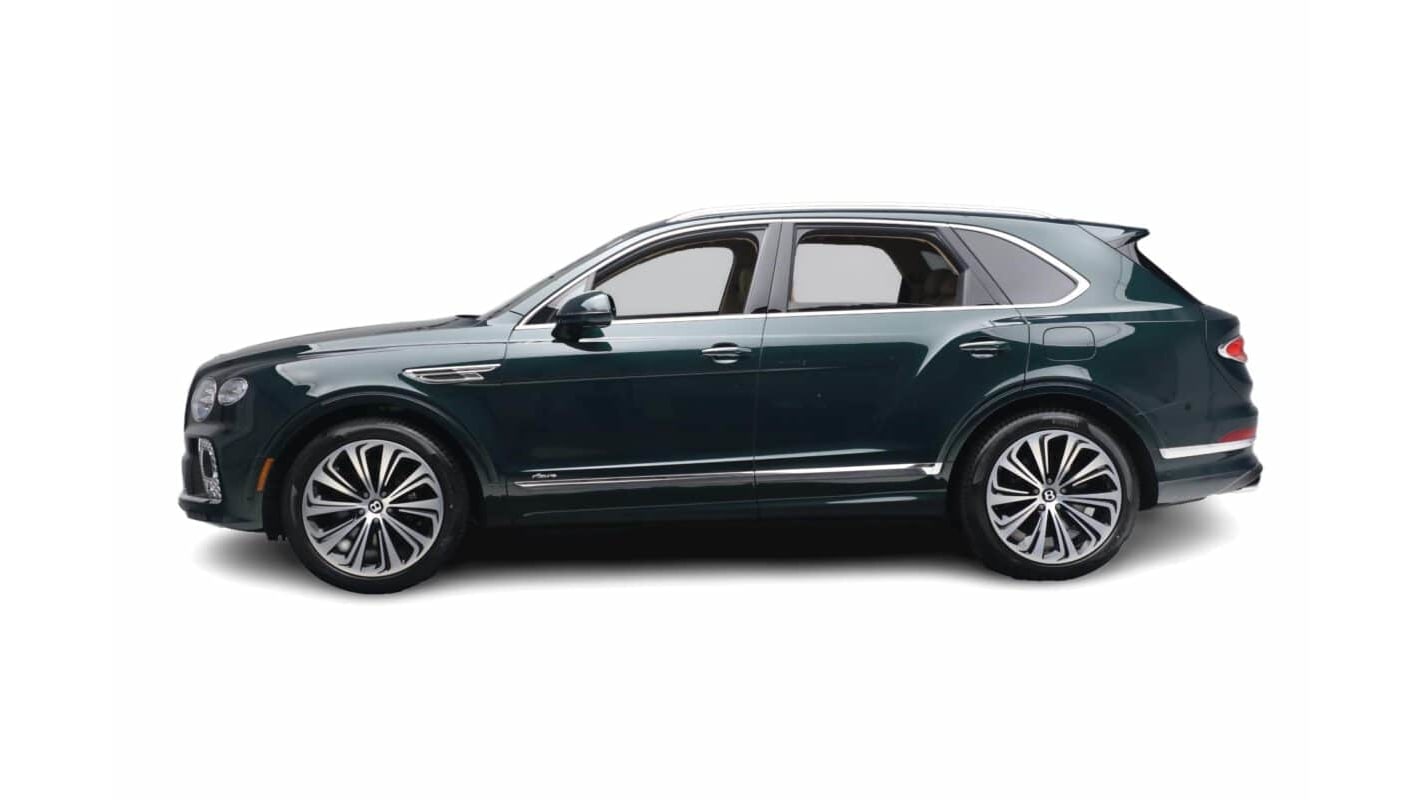
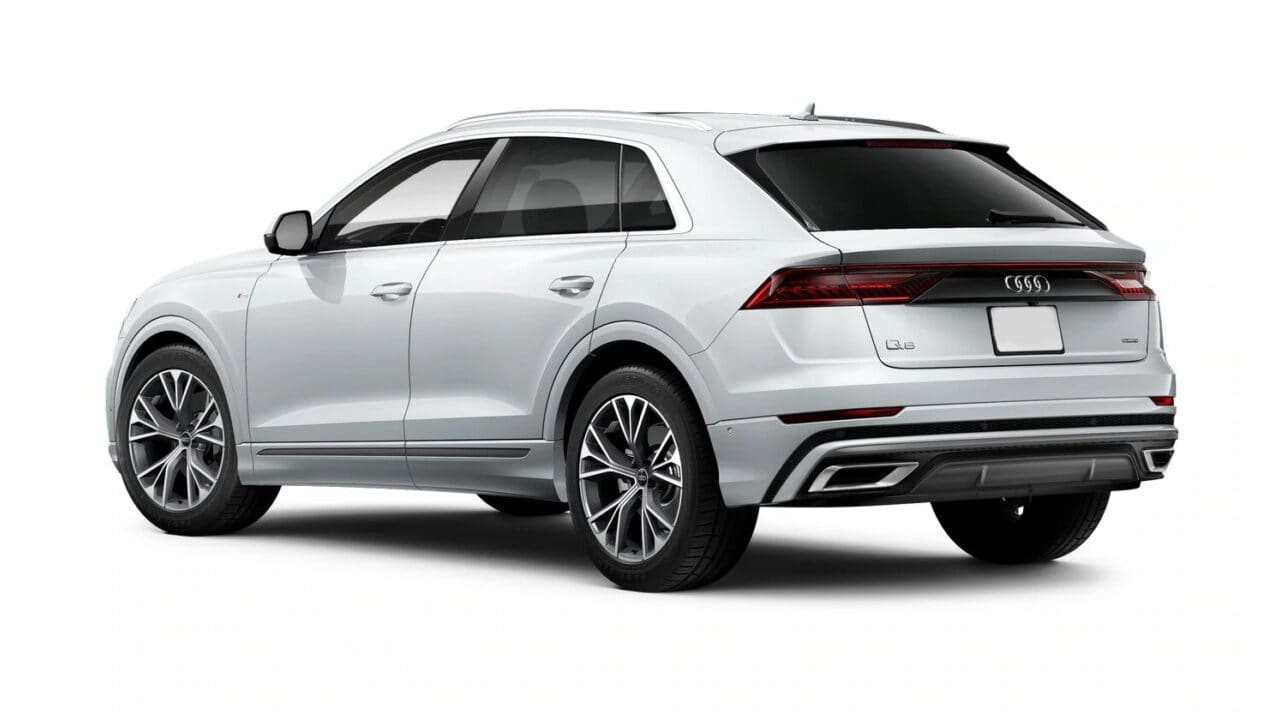
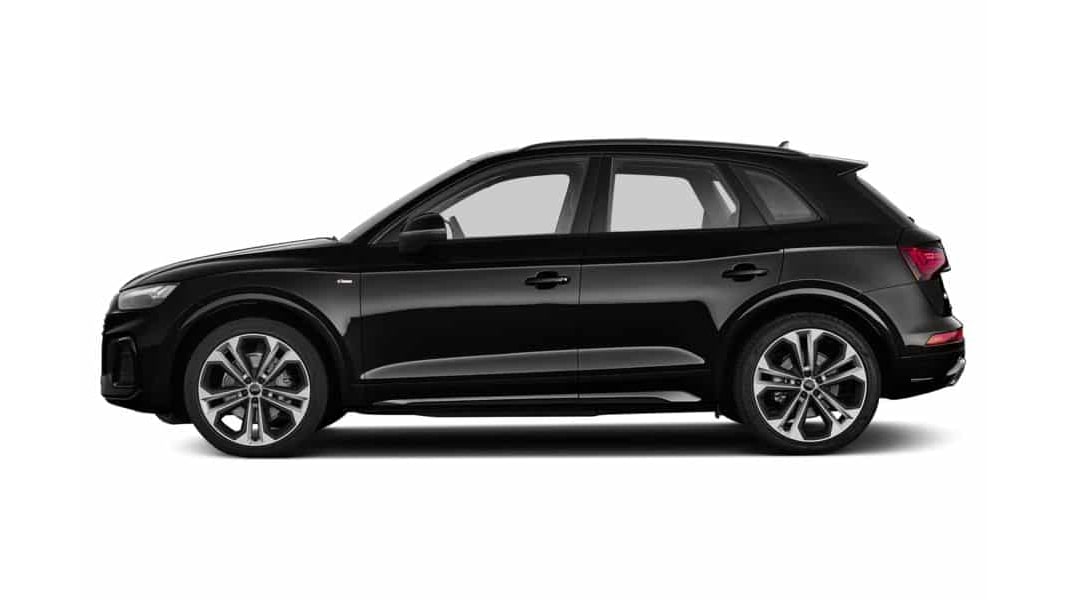
Luxury car rental in Ibiza meets you at the airport (IBZ), the port, a marina, your hotel or your villa through Zeus Prestige, so the island opens up the moment you arrive. Reach for a supercar, a roomy luxury SUV or a convertible, and wander the island whenever the mood takes you. Supercar rental in Ibiza pairs with the coast roads of the north, and open-top car hire pairs with the sunsets of the west.
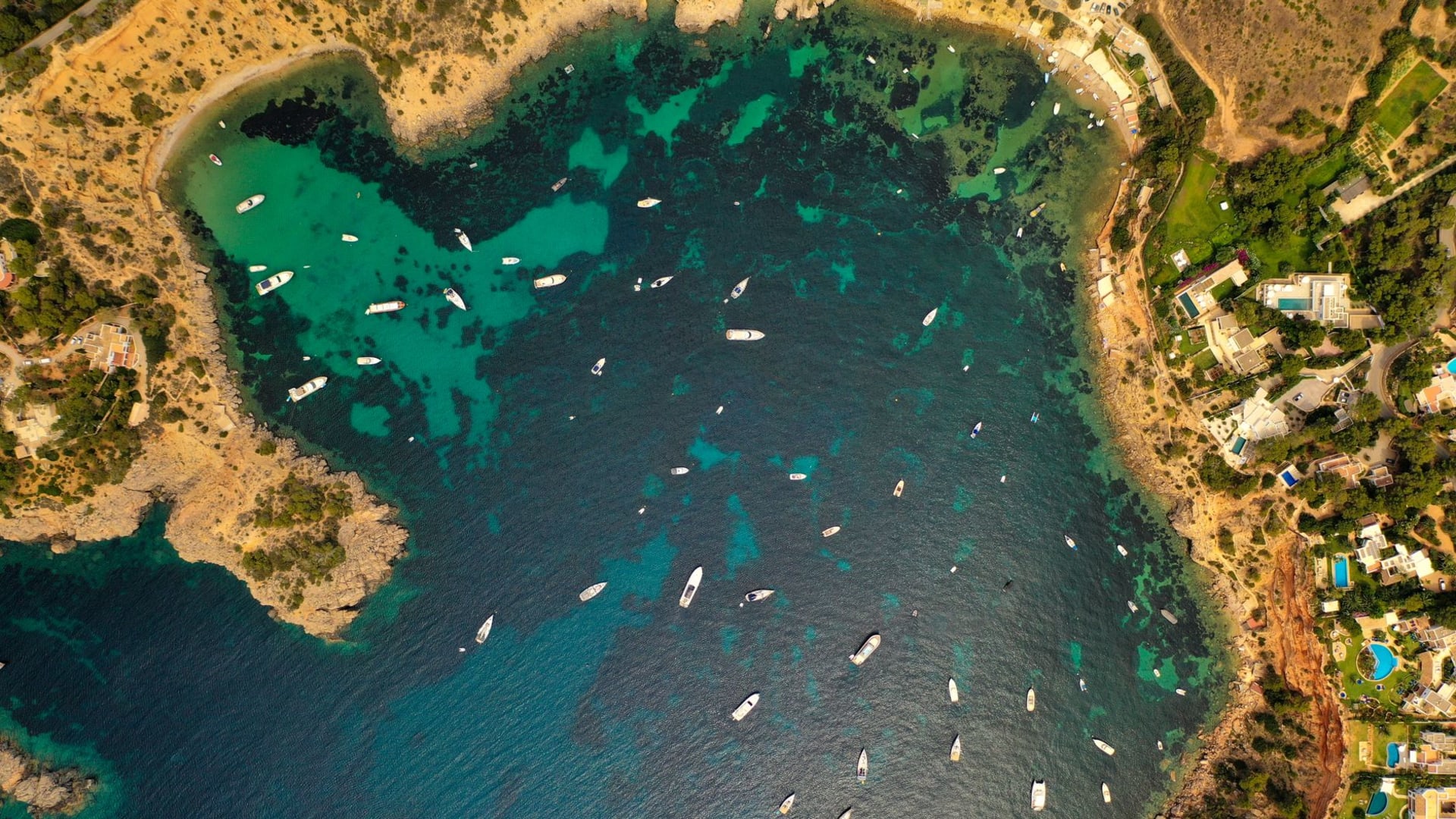
Phoenician settlers founded a port here in 654 BC, and in 1999 UNESCO recognised the old town of Ibiza with its Renaissance walls, together with the Phoenician settlement of Sa Caleta and the Posidonia seagrass meadows offshore. The island covers about 572 square kilometres and holds around 159,000 people, with roughly 52,000 in Ibiza Town and some 41,600 in Santa Eulària des Riu.
Sant Antoni on the west coast is the island's nightlife hub, while ferries leave daily from Ibiza Town, Santa Eulària and Platja d'en Bossa for Formentera. Beyond the beach clubs lie pine woods, red earth, small white churches and farmland, and the car is the best way to find them.
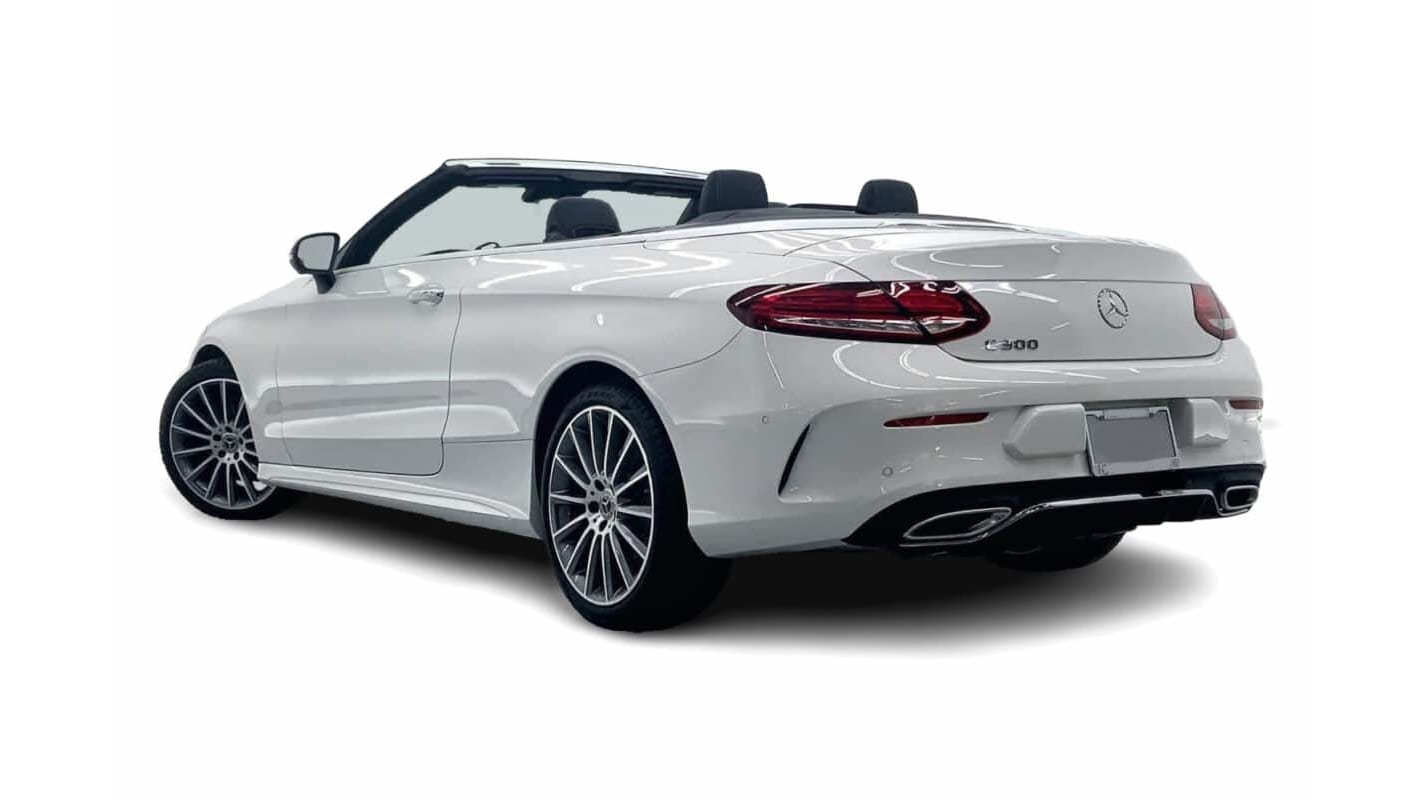
Take the roof off for the south-west corner of the island. The road drops through pines toward Cala d'Hort, where the rock of Es Vedrà rises sheer out of the sea. Late afternoon is the hour, with the air smelling of resin and warm salt and the light turning the water copper. Park at the viewpoint, watch the sun go down behind the rock, and drive back with the first stars out.
This road wants a supercar. From Santa Eulària des Riu the route winds north through Sant Carles and Sant Joan de Labritja, over low ridges and between pine-covered hills, and the bends come faster the further north you go. Your pulse picks up with each tightening curve. At Portinatx, on the northern tip, the road ends at a small sheltered cove. Sit on the rocks, listen to the engine cool, and take the same road back.
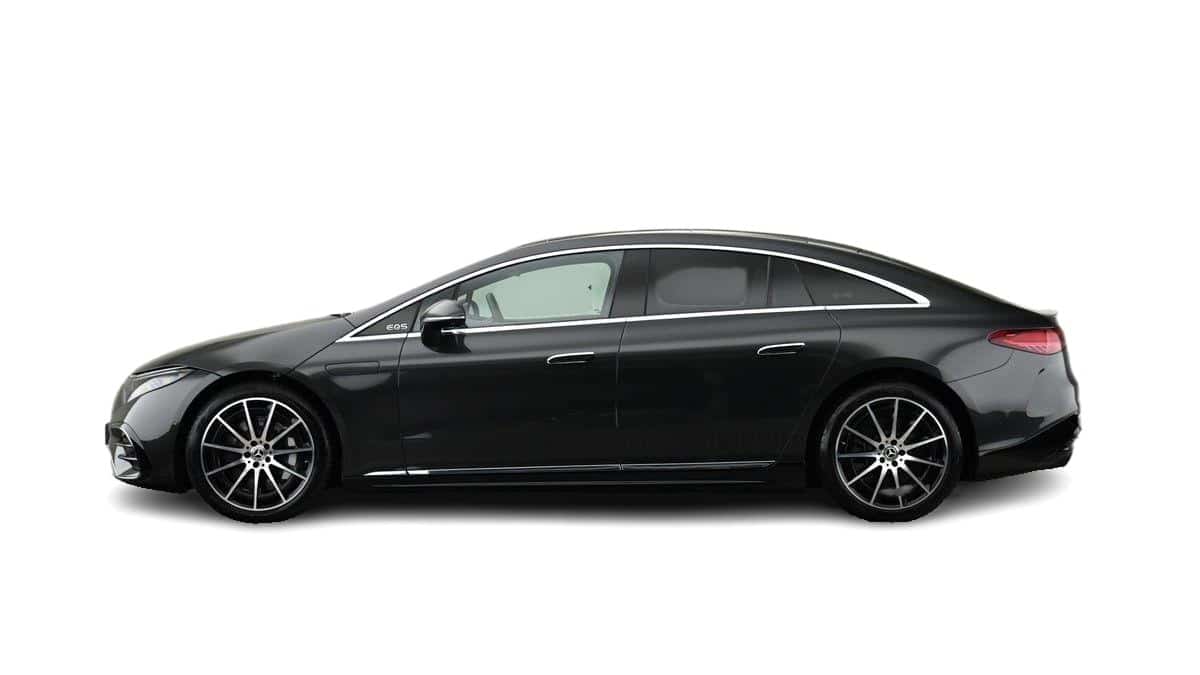
For a grand tourer, spend the day on Ibiza Town and the south. The walled old town climbs its hill above the harbour, and a walk through its lanes takes you up to the cathedral and a view across the port. Afterwards the road runs south to the salt pans of Ses Salines, flat and glittering under the sun. The cabin stays cool and silent, and the drive passes like a slow exhale.
Yes. Zeus Prestige meets you at Ibiza Airport (IBZ), including its private aviation terminal (ICAO LEIB), and at ports, marinas, hotels and villas across the island. Tell us when your flight touches down and a car will be waiting.
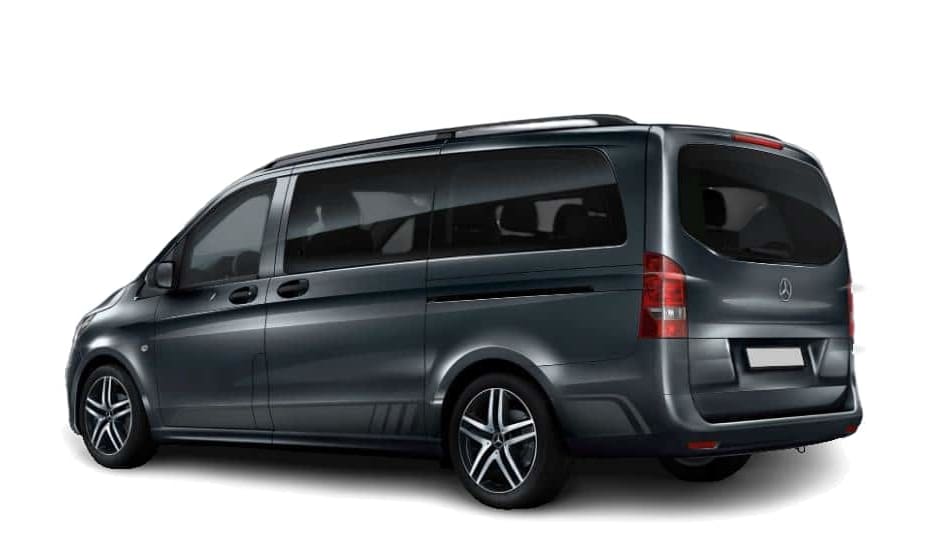
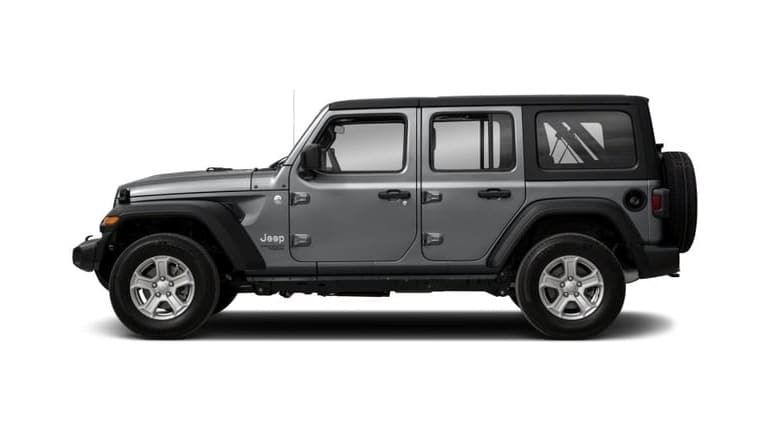
A convertible fits the sunset runs, a supercar fits the winding north coast, and a luxury SUV fits groups heading to beaches and villas with luggage.
The airport lies roughly 7 kilometres from Ibiza Town, about 15 minutes by car.
Yes. The island is small, so most beaches, villages and viewpoints sit a short drive from one another.
Yes. Palma de Mallorca lies on the neighbouring island of Mallorca, and the mainland ports of Valencia and Barcelona are the usual gateways for a wider Spanish tour.
Browse our cabriolets, supercars, exotics and SUVs, share your arrival plans, and the keys will be ready for your luxury car hire.