Italy
Luxury Car Rental in Capri
143 vehicles available · Delivered to your location · Model guaranteed
See our fleet in Capri →
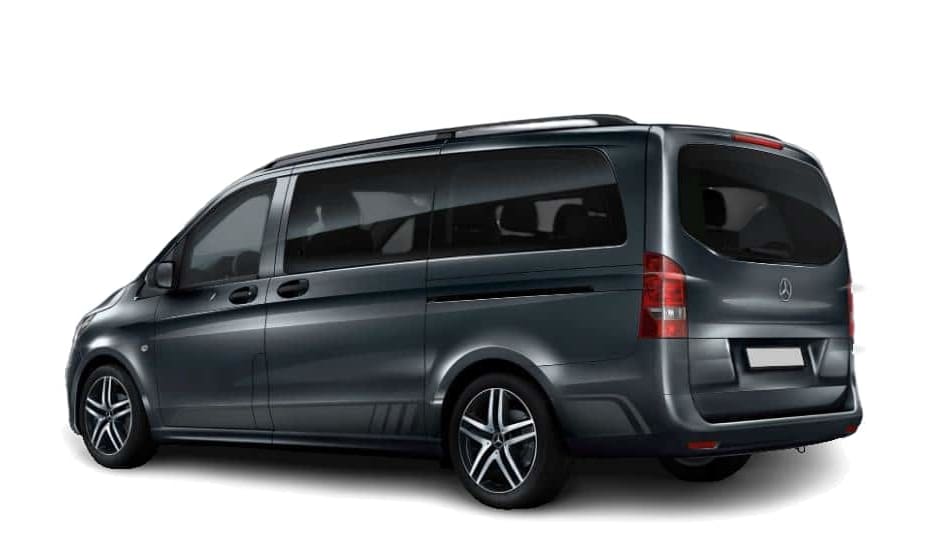
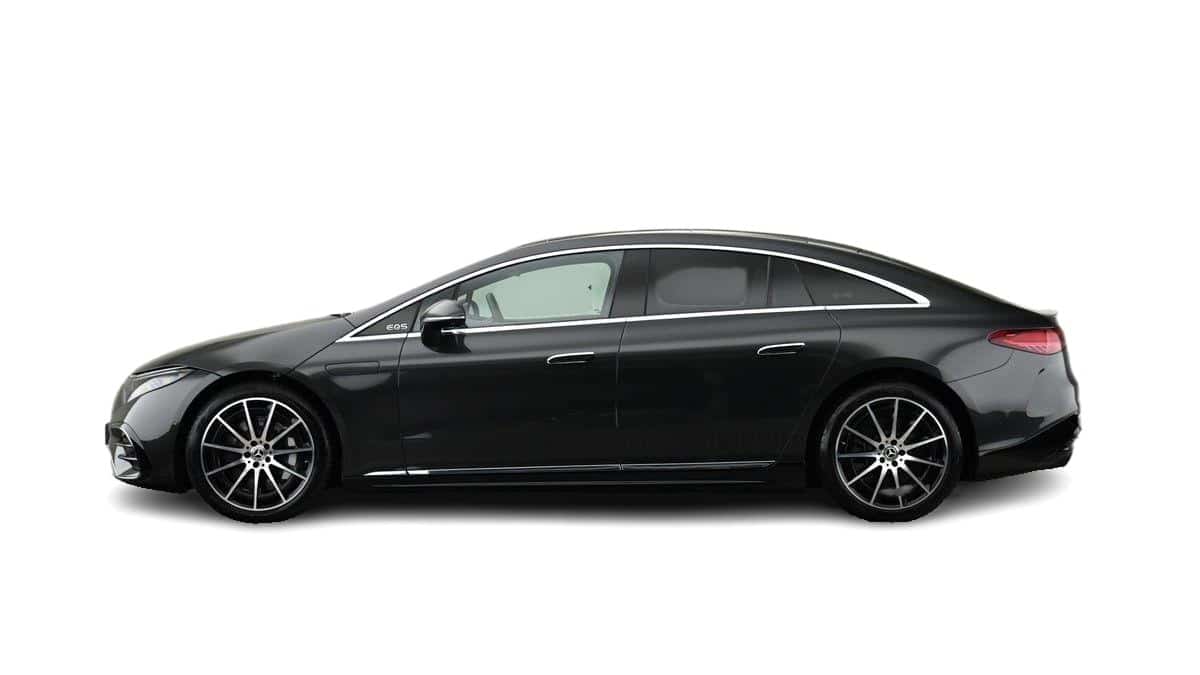
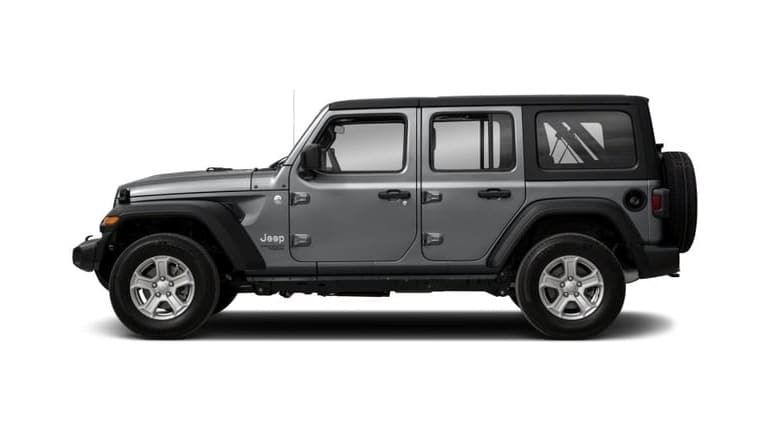
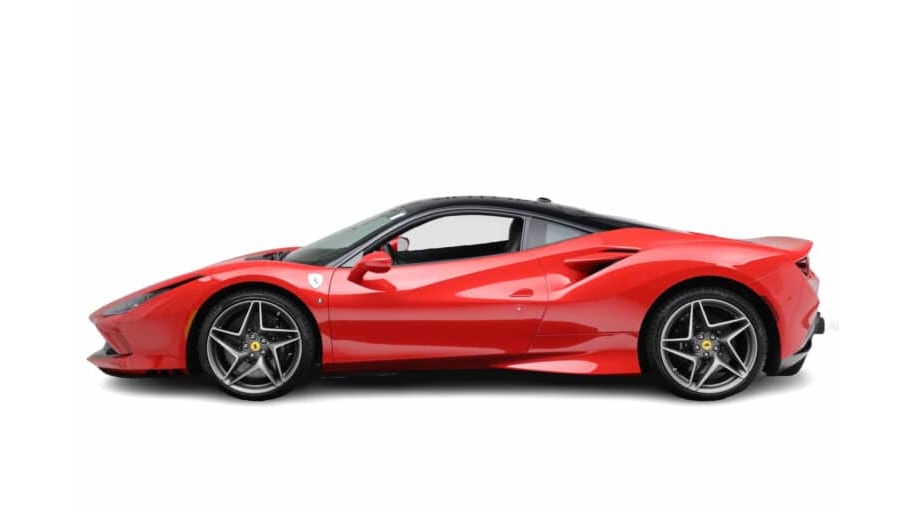
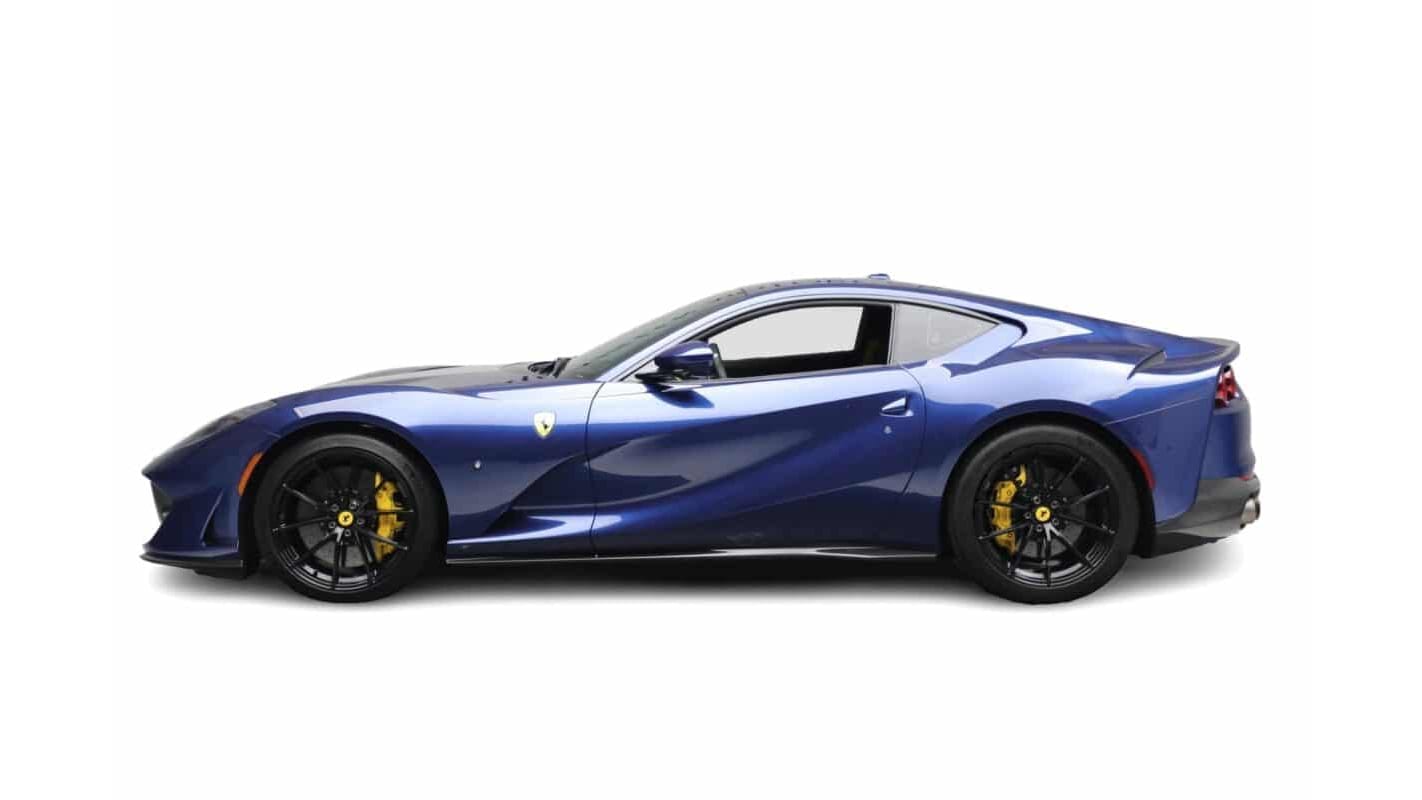
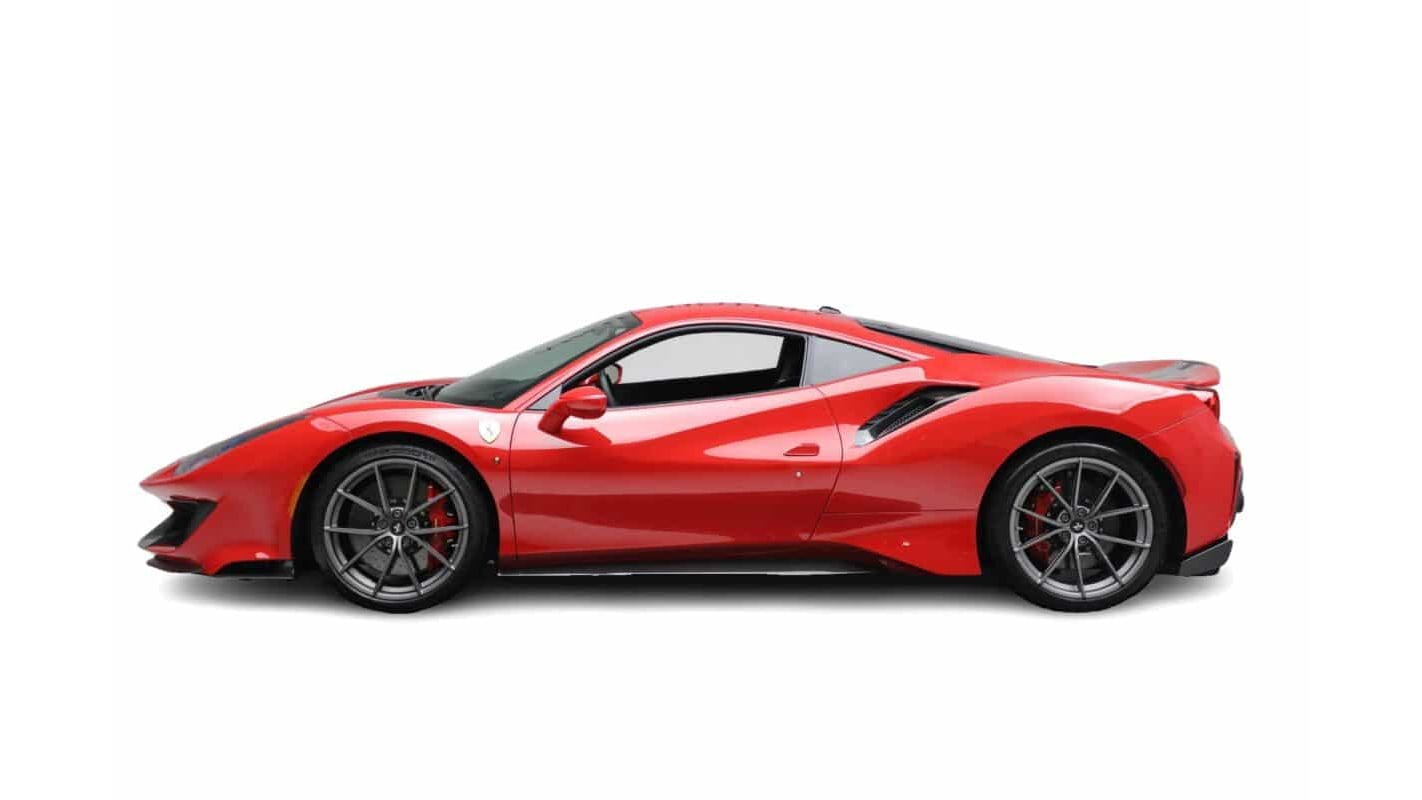
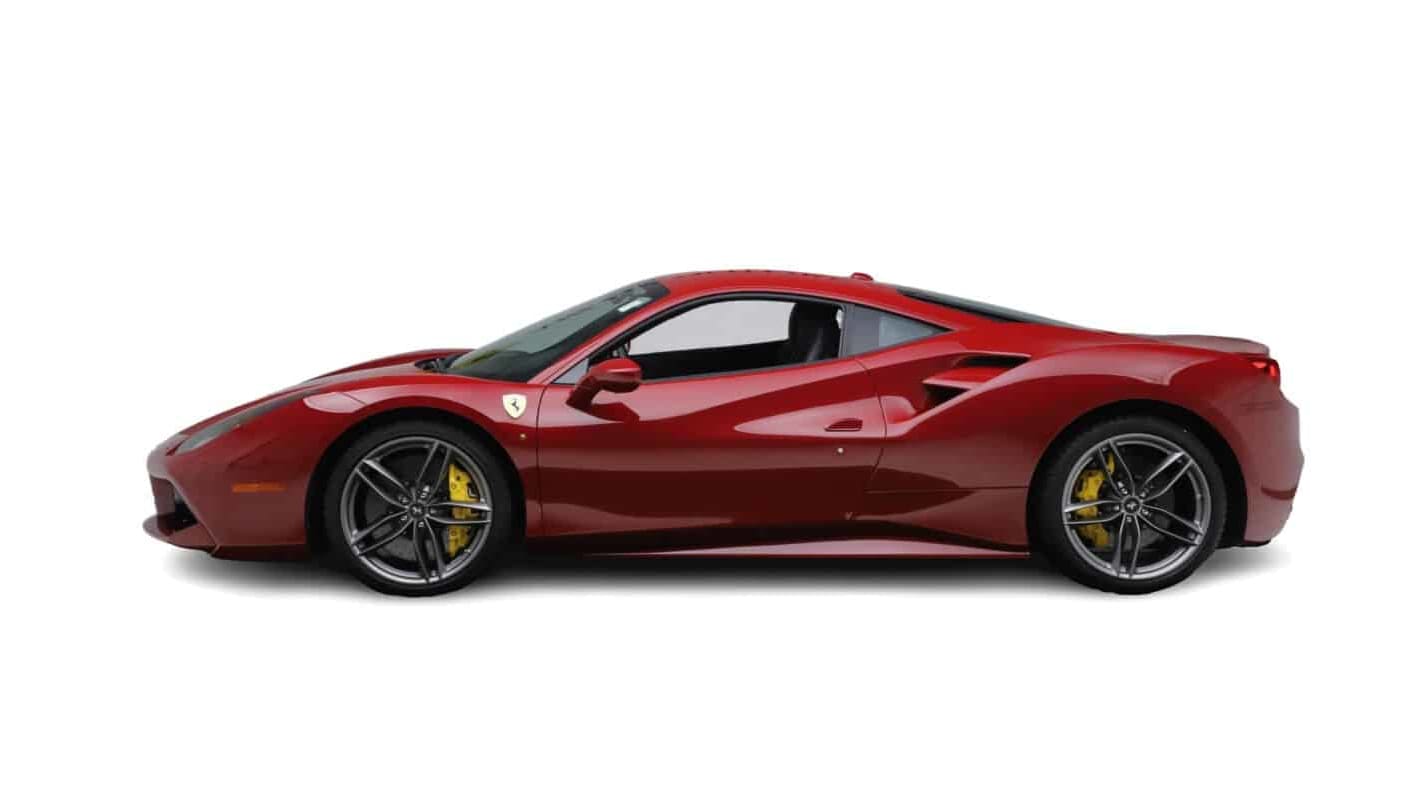
Luxury car rental for a Capri stay works a little differently, because for most of the year visitors' cars are not allowed on the island. Zeus Prestige delivers your car on the mainland: at the ferry ports of Naples or Sorrento, at Naples Airport (NAP), or at your hotel on the coast. Rent or hire a convertible, a sports car, a supercar or a luxury SUV for the days either side of the crossing, and it will be ready before you sail or waiting when you return.
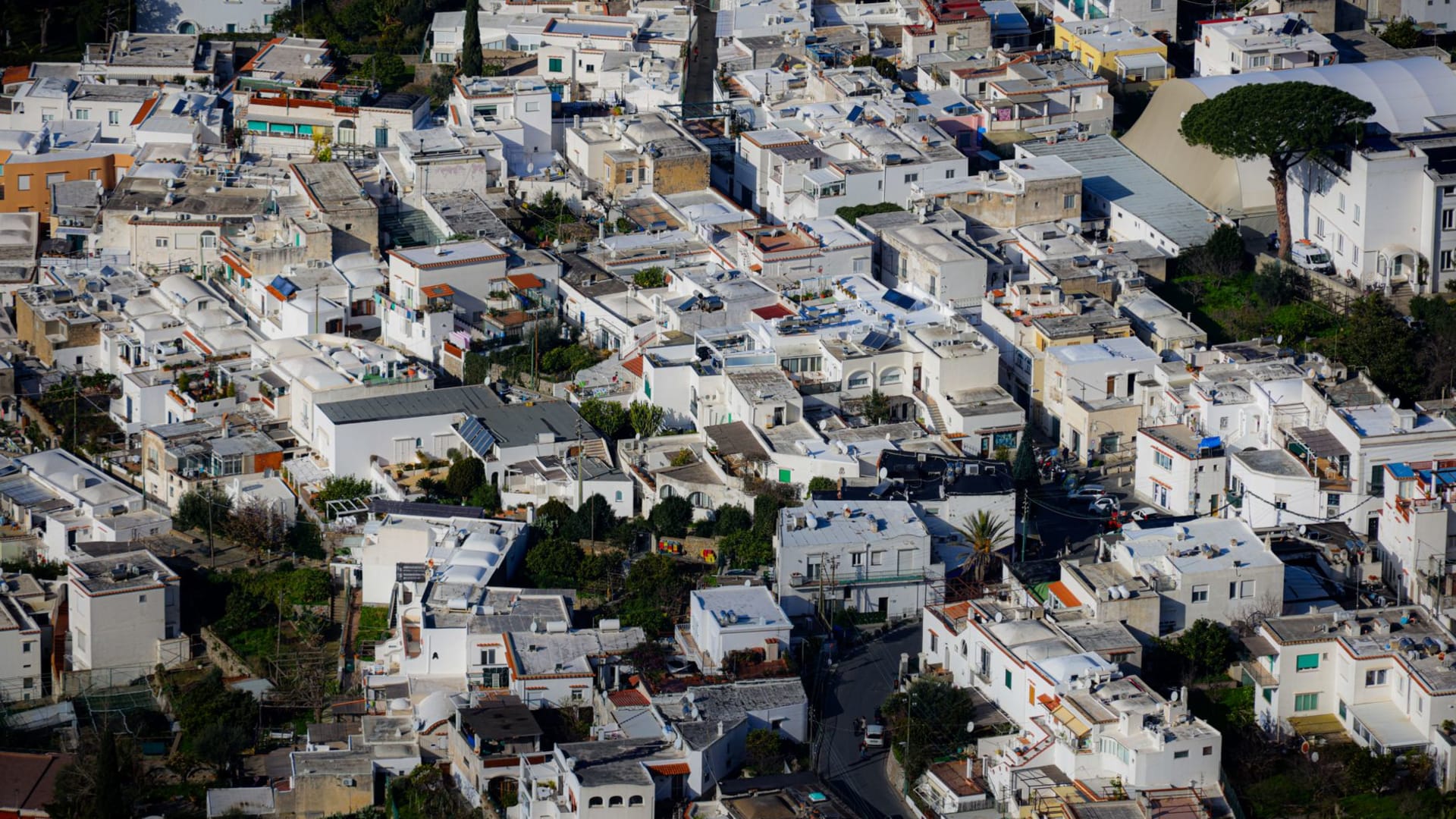
Capri rises from the Bay of Naples in white limestone cliffs, about six kilometres long and reached only by sea. The emperor Tiberius ruled Rome from a villa here for the last decade of his life. A funicular has climbed from the harbour at Marina Grande to the Piazzetta since 1907, and from that small square lanes lead to the boutiques of Via Camerelle and the gardens above the Faraglioni, three rock stacks standing in the water. Higher up, Anacapri keeps a slower pace, with a chairlift to the summit of Monte Solaro at 589 metres.
Island days are spent on foot and afloat. A boat round the coast to the Blue Grotto, lunch above a rocky cove, a lemon granita in the shade, the Piazzetta at aperitivo hour. Hydrofoils cross from Naples in under an hour and from Sorrento in less than half that. The driving belongs to the mainland, where the bay offers ancient craters, a royal palace and a celebrated coastline, all within an hour of the quay.
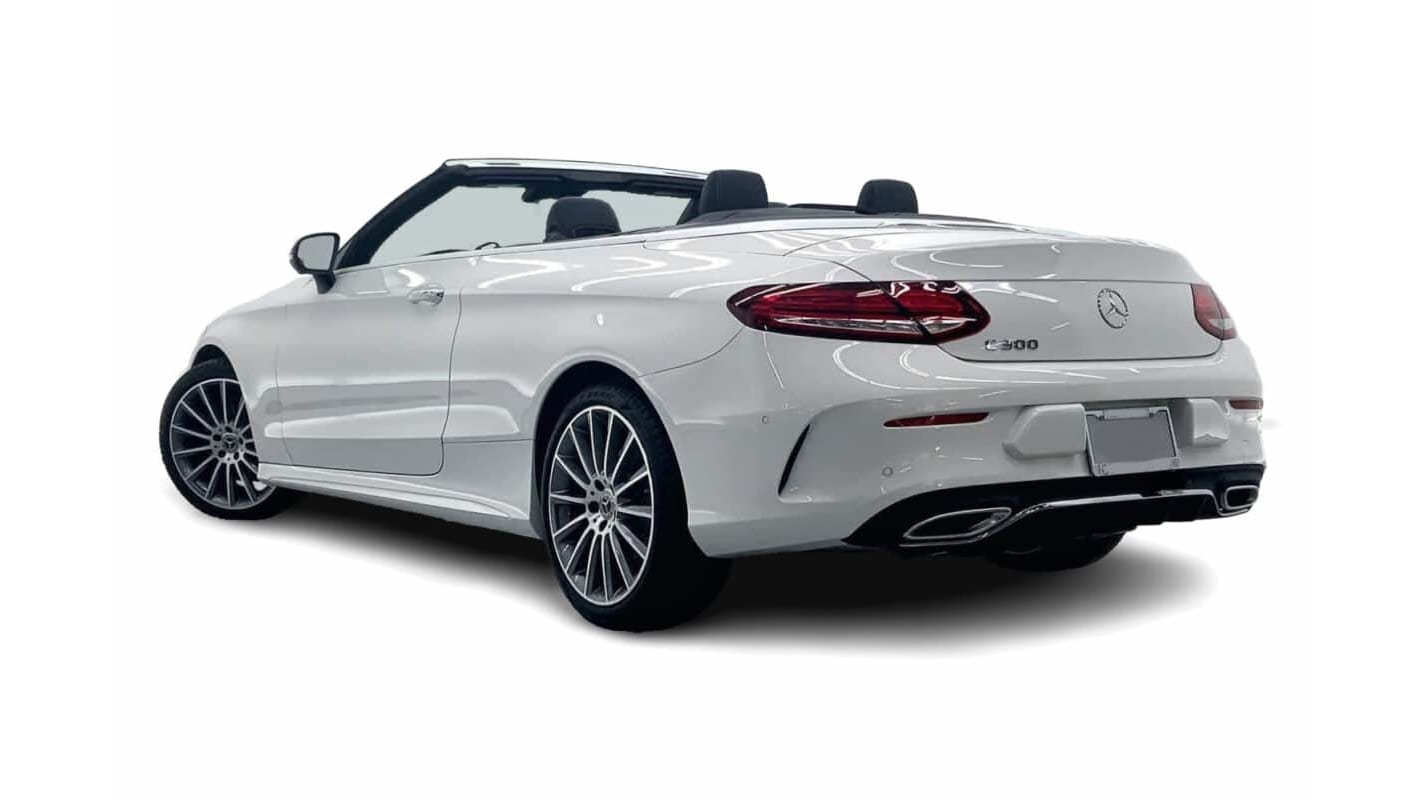
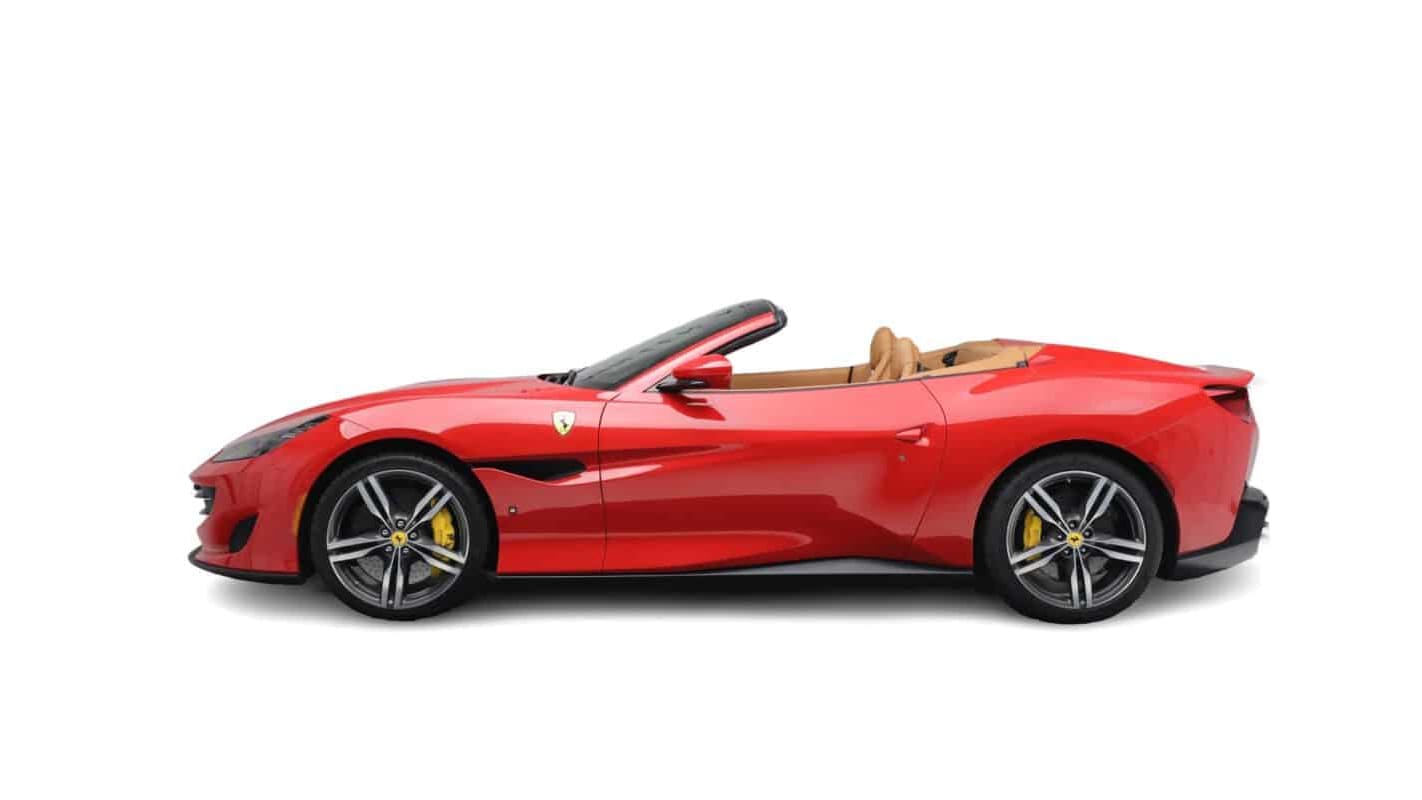
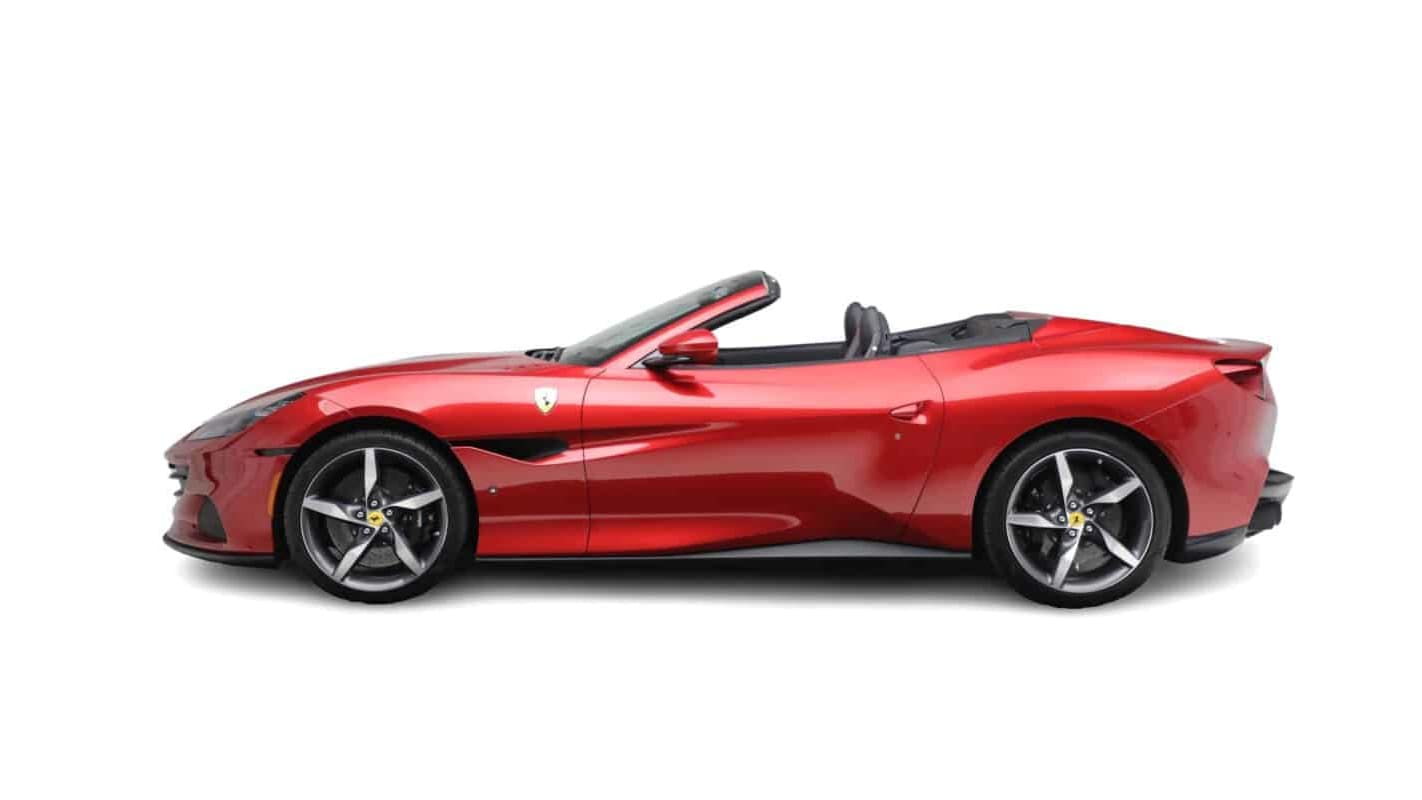
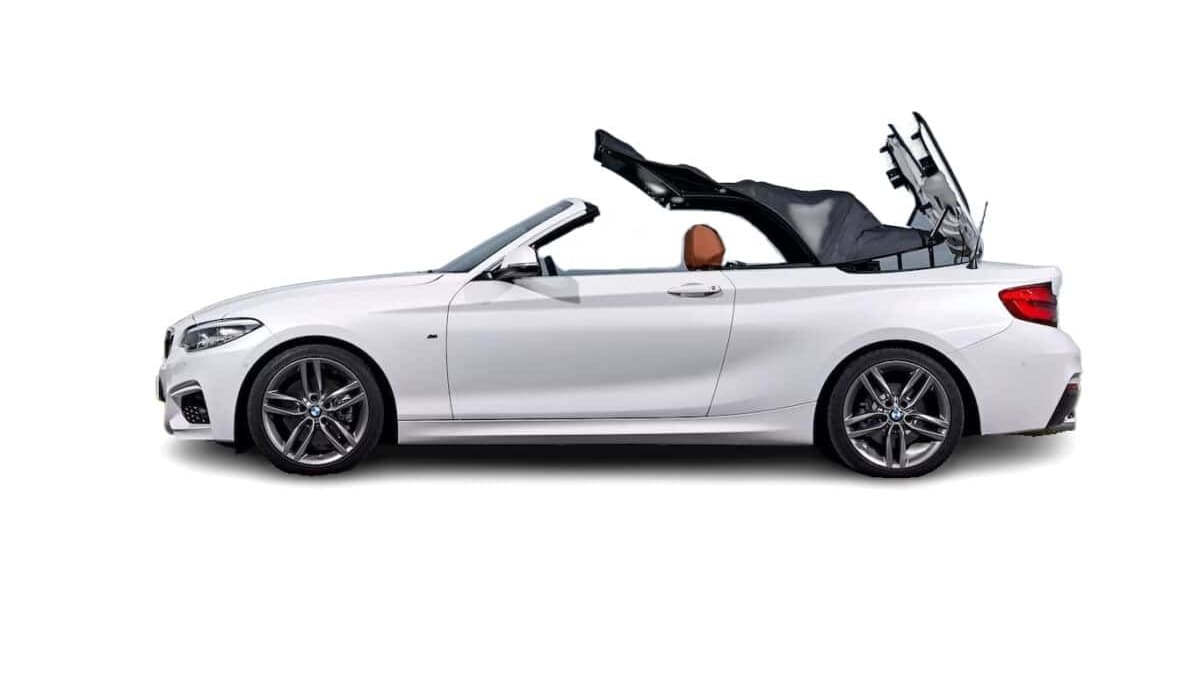
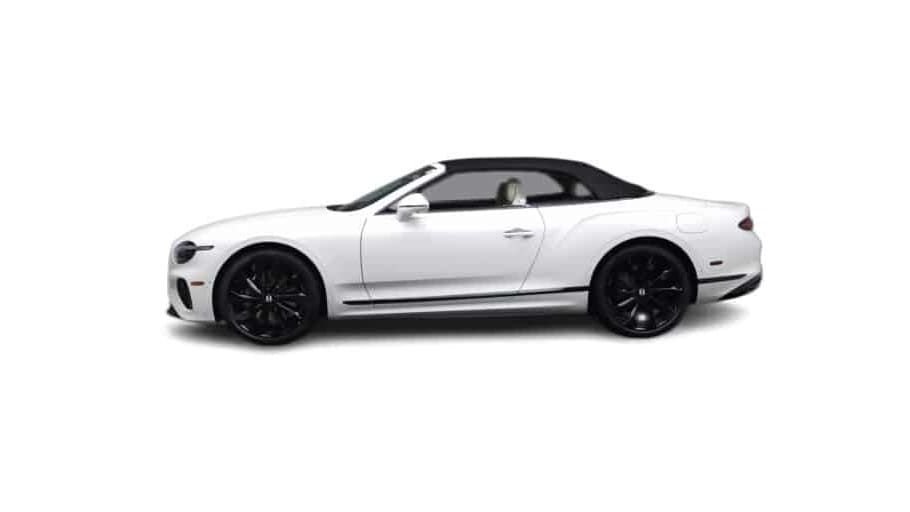
Take the roof down for the western bay. From the port of Naples, follow the seafront to Posillipo, the headland of villas where the whole gulf opens out and the first sight of Capri on the horizon lifts your pulse. Then drop to Pozzuoli and the Phlegraean Fields, a landscape of old craters. Pozzuoli keeps the third largest Roman amphitheatre in Italy. Lake Avernus, round and still, was the entrance to the underworld for the ancients, and Baia was the resort where Rome's rich built their seaside villas. A faint tang of sulphur drifts on the air. End at Capo Miseno, where the Roman fleet was based, and look back across the water. The car has an easy afternoon of it, roof open, never more than a few minutes from the sea.
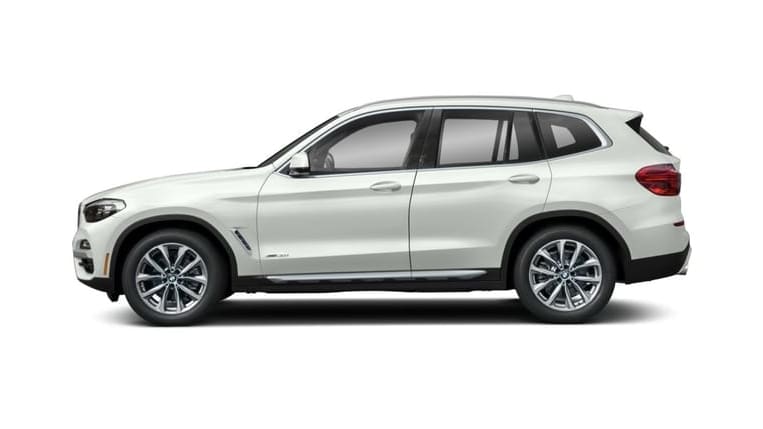
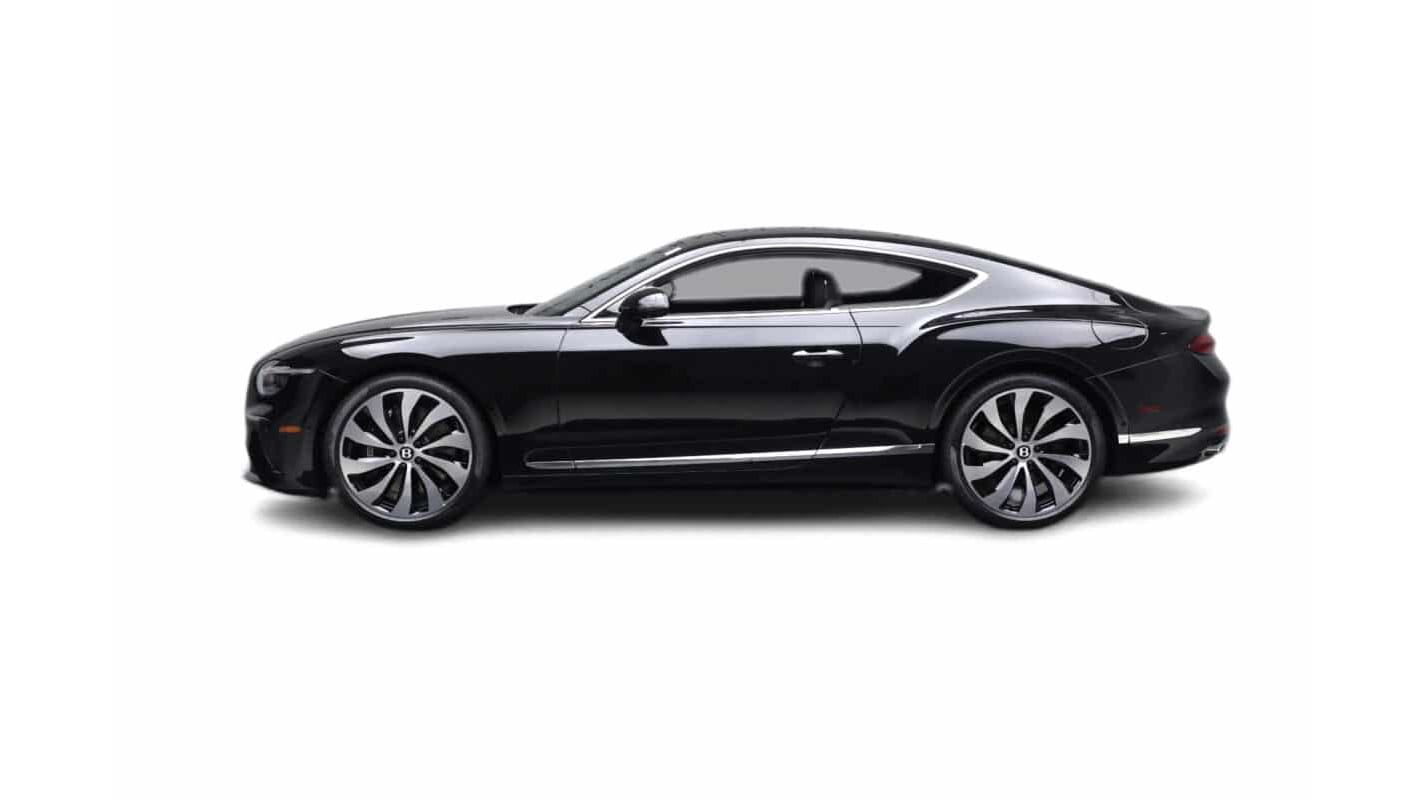
A grand tourer or a luxury SUV suits the run inland. Forty minutes north of Naples, the Bourbon kings built a palace to rival Versailles: begun in 1752 to designs by Luigi Vanvitelli, with some 1,200 rooms and a park that runs three kilometres to a cascade on the hillside. UNESCO listed it in 1997. The village of San Leucio, just beyond, was the royal silk works. This is buffalo country too, and the local dairies sell mozzarella at the door. The motorway is flat and quick, the cabin is cool and hushed in the heat of the plain, and the car has you at the port in good time for the evening boat.
In the months when visitors' cars are permitted, a small convertible or a compact sports car can take the ferry and drive the island's one great road. From Marina Grande it climbs to Capri town, then follows a ledge cut into the cliff face to Anacapri, with hairpins at either end and the bay several hundred metres below your door. Your stomach tightens at the first glance over the wall. Beyond Anacapri a lane runs down to the lighthouse at Punta Carena, the island's western tip and the best place for sunset. The distances are tiny and the roads are narrow, so size and agility are what matter here, and a nimble car makes the most of every metre.
For most of the year, no. A regional decree bars vehicles that do not belong to island residents, hire cars included, from landing or driving on Capri during the busy months. In 2026 the restricted periods were 30 March to 2 November and 28 December to 3 January. New dates are published every year, so confirm them before you plan a crossing with a car.
On the mainland. Zeus Prestige delivers to the ferry ports in Naples and Sorrento, to Naples Airport, and to hotels along the bay and the Amalfi Coast, including Positano. Tell us your sailing times and we will fit the handover around them.
Yes. Private flights for Capri land at Naples Airport (IATA: NAP, ICAO: LIRN), which has a General Aviation Terminal. Your self-drive hire car is delivered to that terminal, and the port is a short drive away.
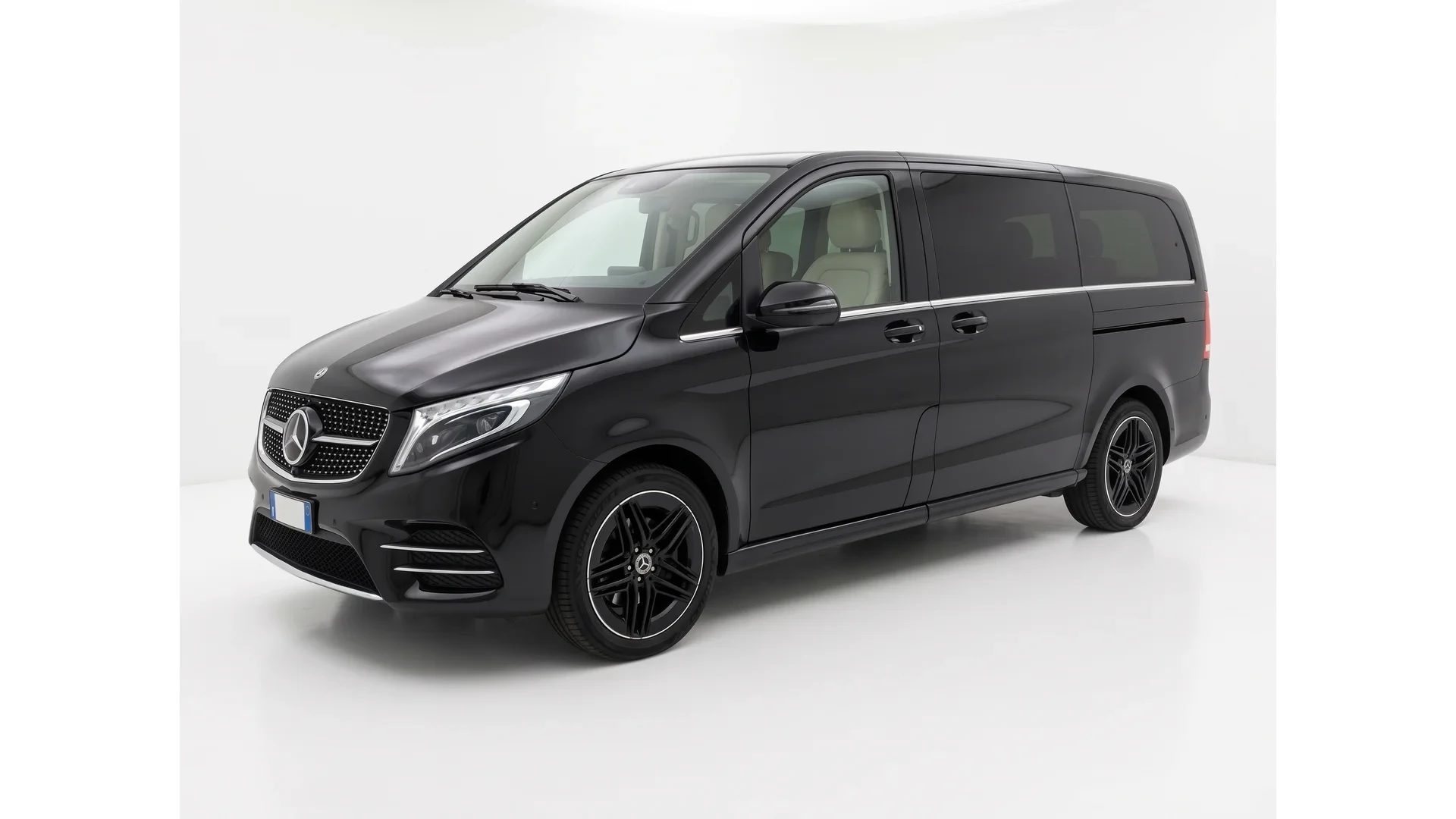
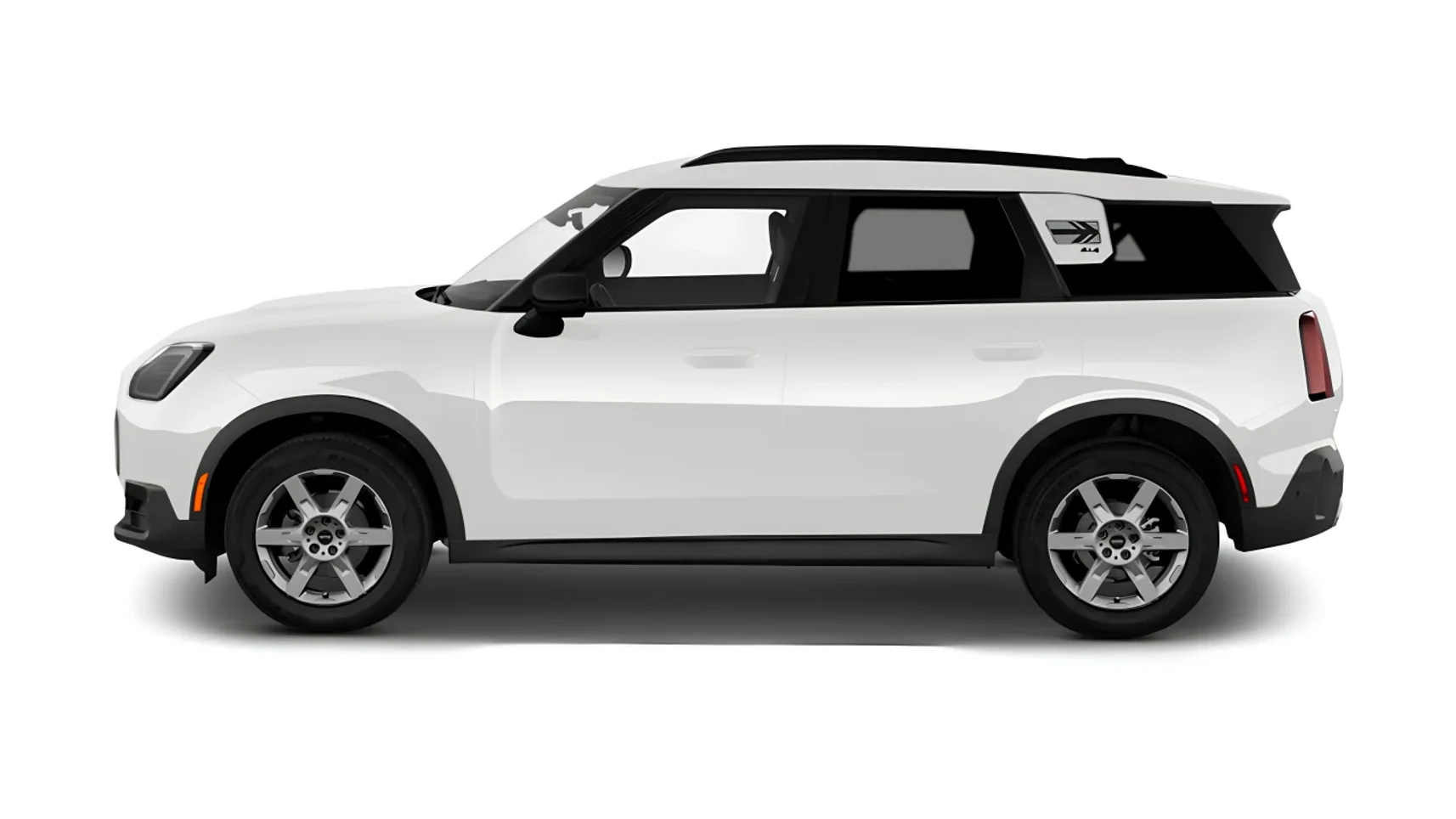
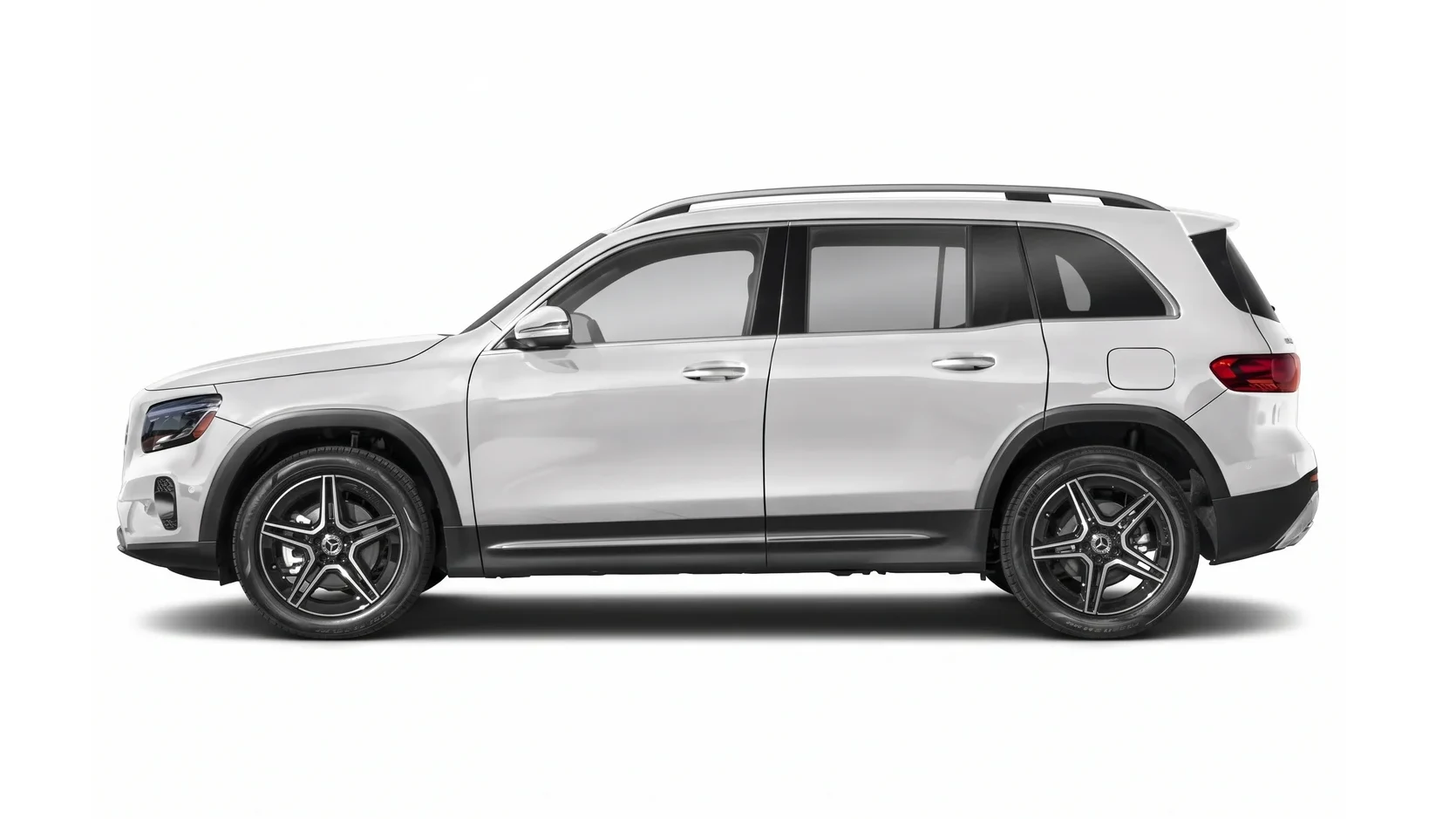
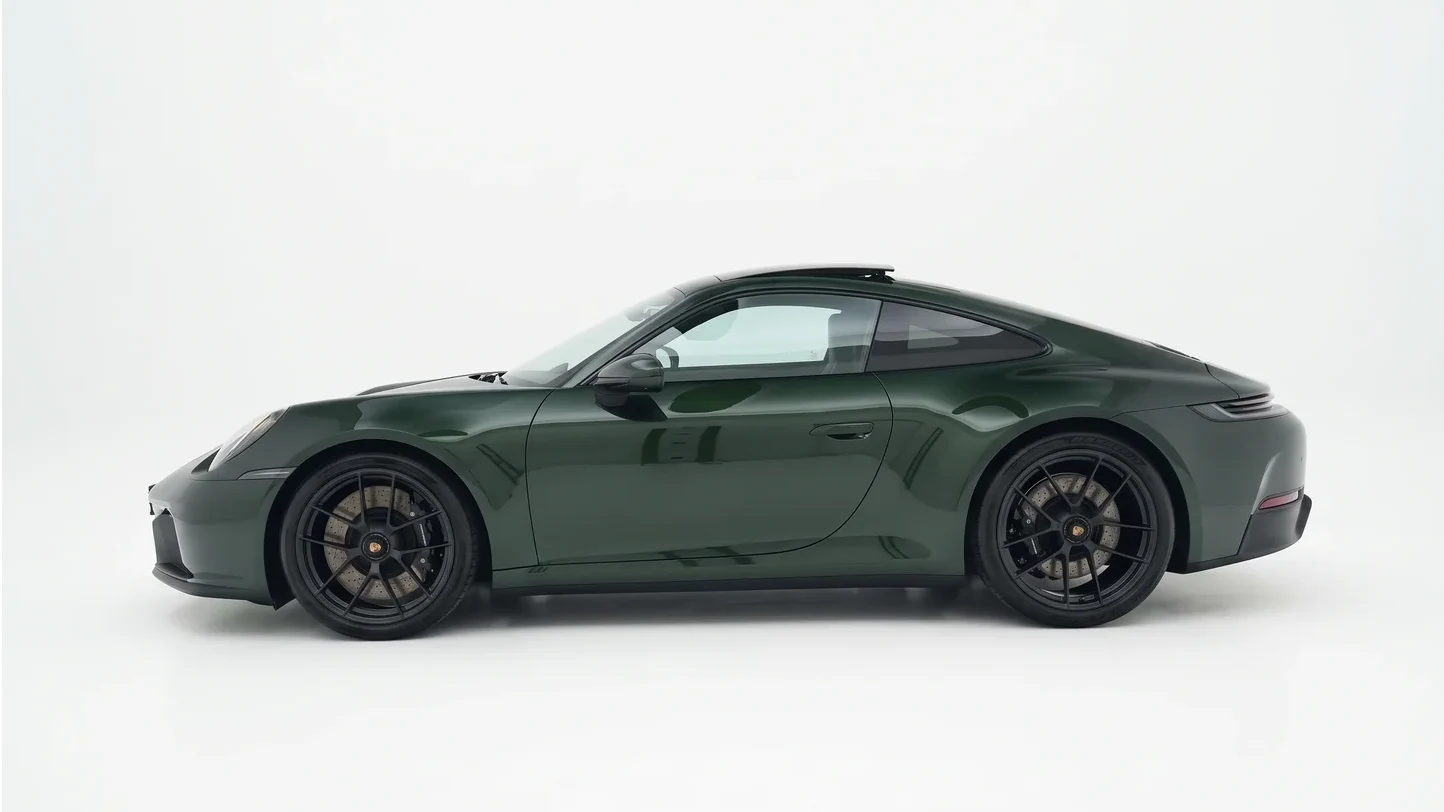
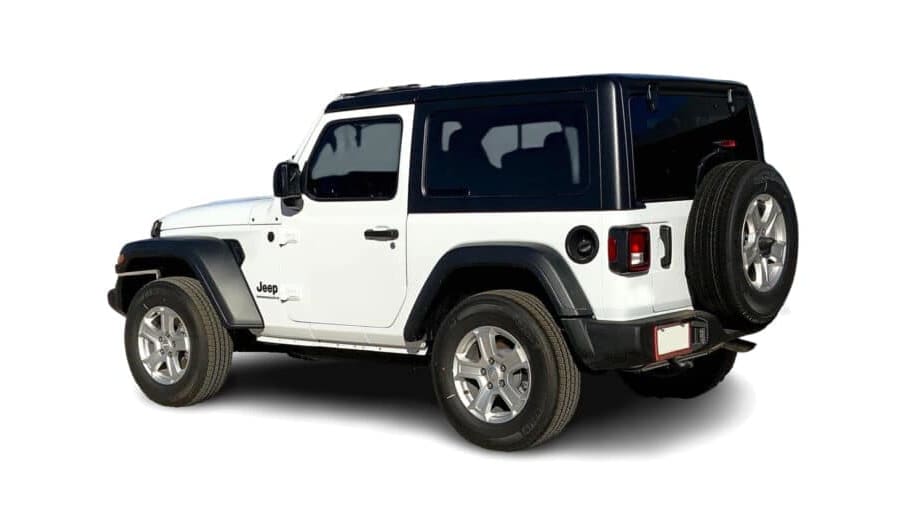
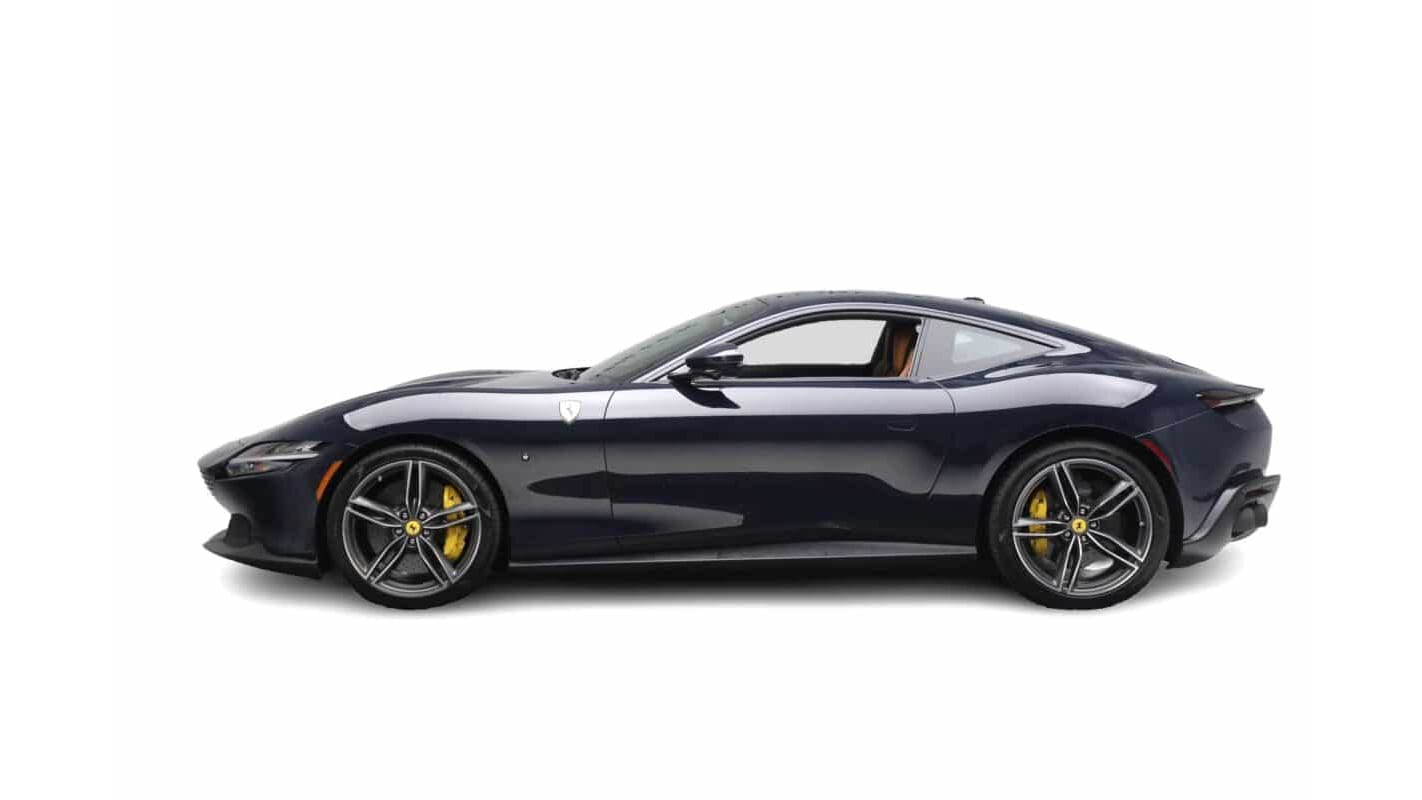
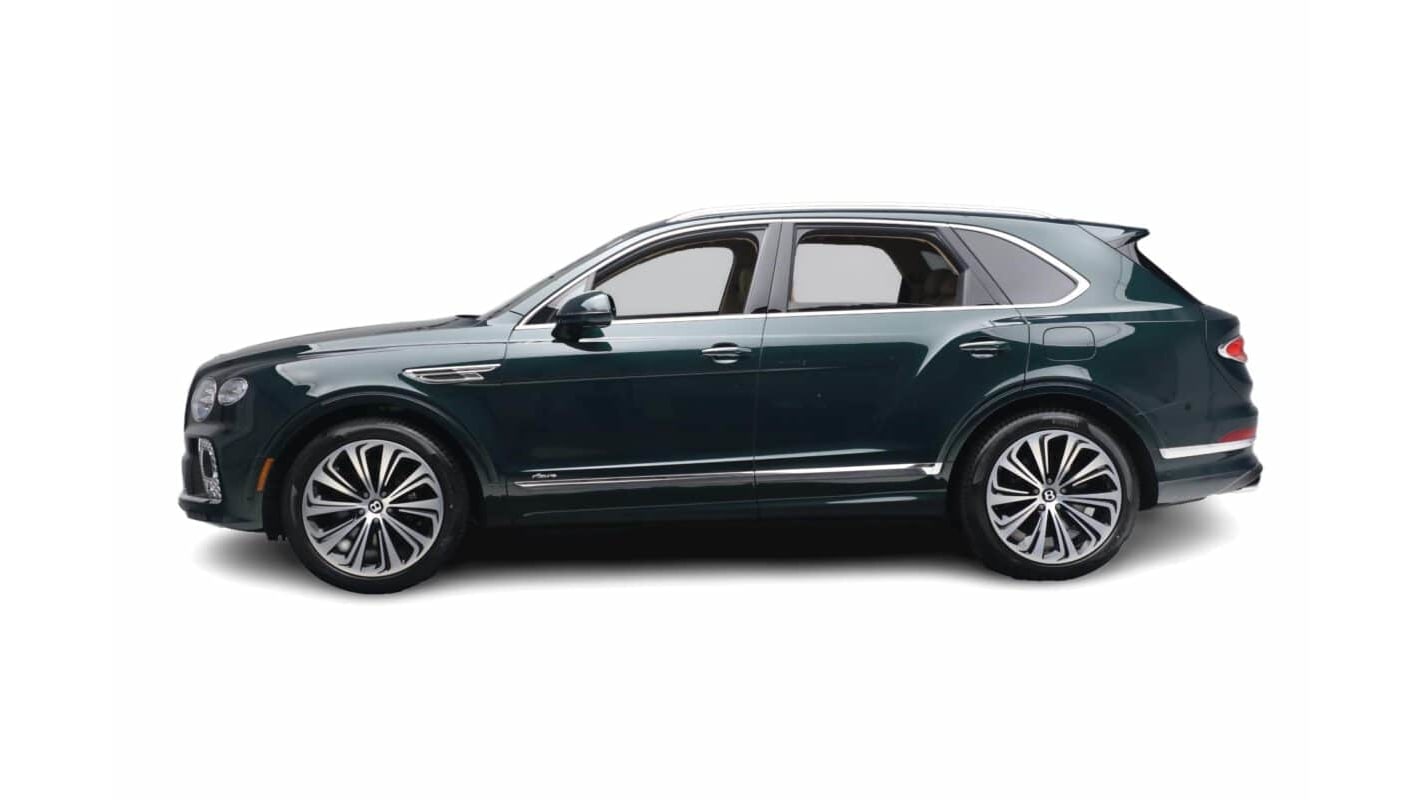
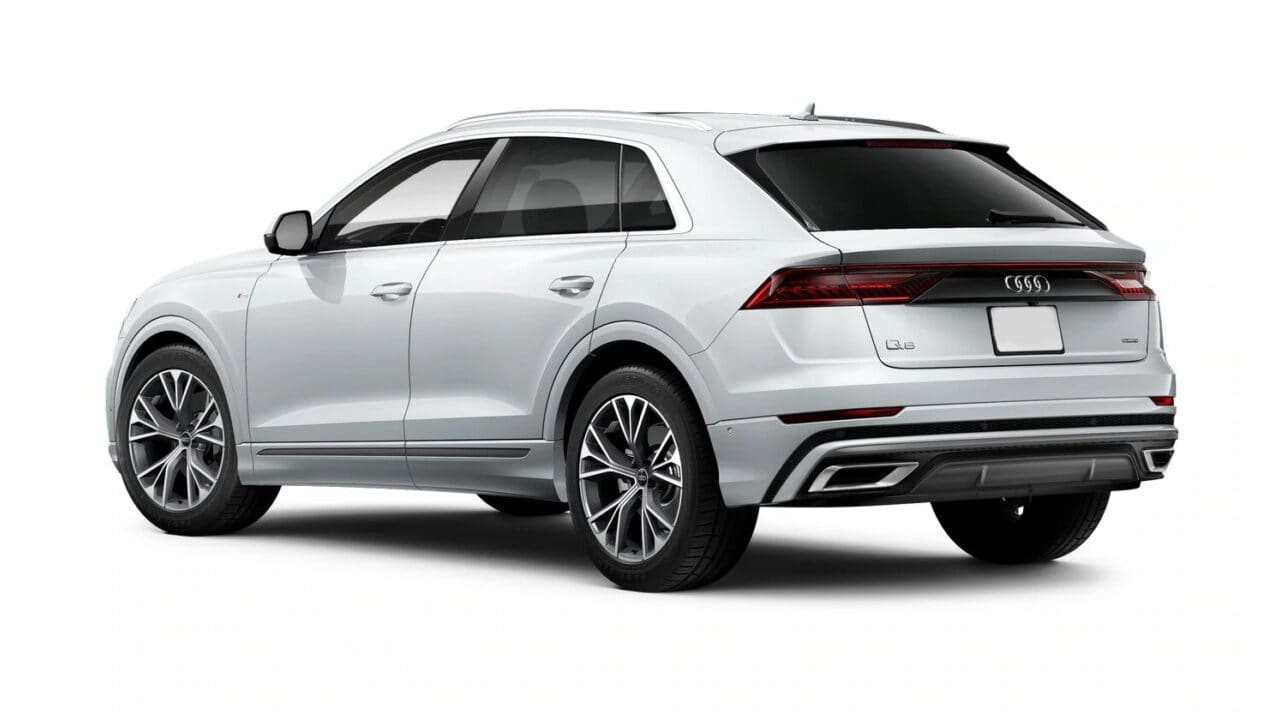
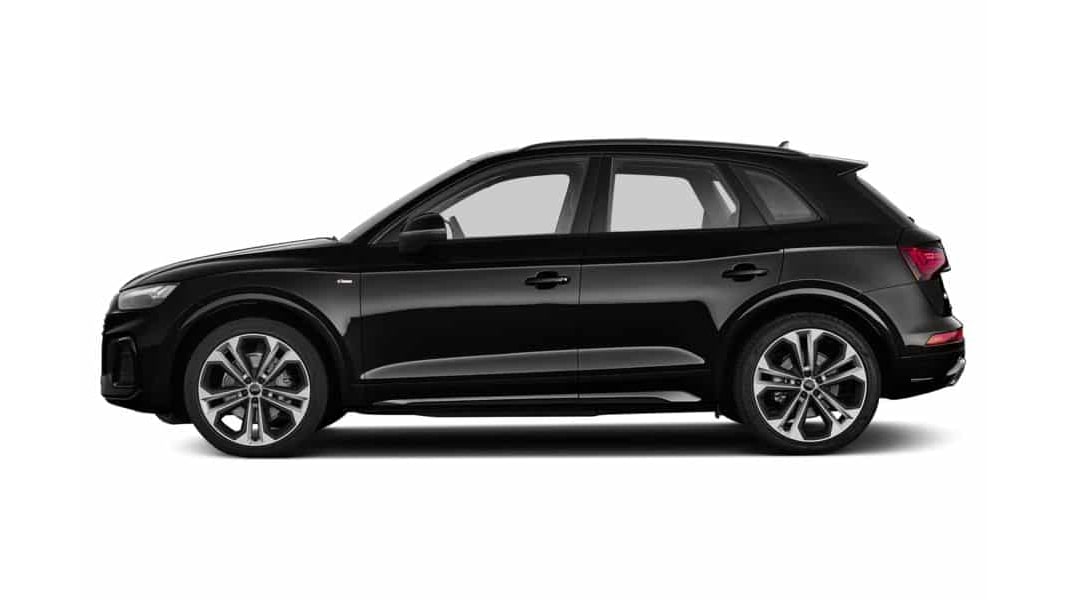
Choose a convertible for the coast roads of the bay, a sports car or supercar for the hill roads of the Sorrento peninsula, and a grand tourer or luxury SUV for longer days inland or down to the Amalfi Coast.
Drive from the airport to the port of Naples, usually 20 to 30 minutes, then take a hydrofoil or ferry to Marina Grande. The crossing takes around 50 minutes by hydrofoil. From Sorrento it is about 25 minutes.
Yes. Most visitors pair a few days on the island with time on the mainland. Naples, Sorrento and the Amalfi Coast are all within an hour of the ferry ports, and Rome is around two and a quarter hours up the motorway.
Choose from our cabriolets, SUVs, sports cars and supercars, give us your sailing times, and the keys will be ready for your luxury car hire.