Italy
Luxury Car Rental in Turin
143 vehicles available · Delivered to your location · Model guaranteed
See our fleet in Turin →
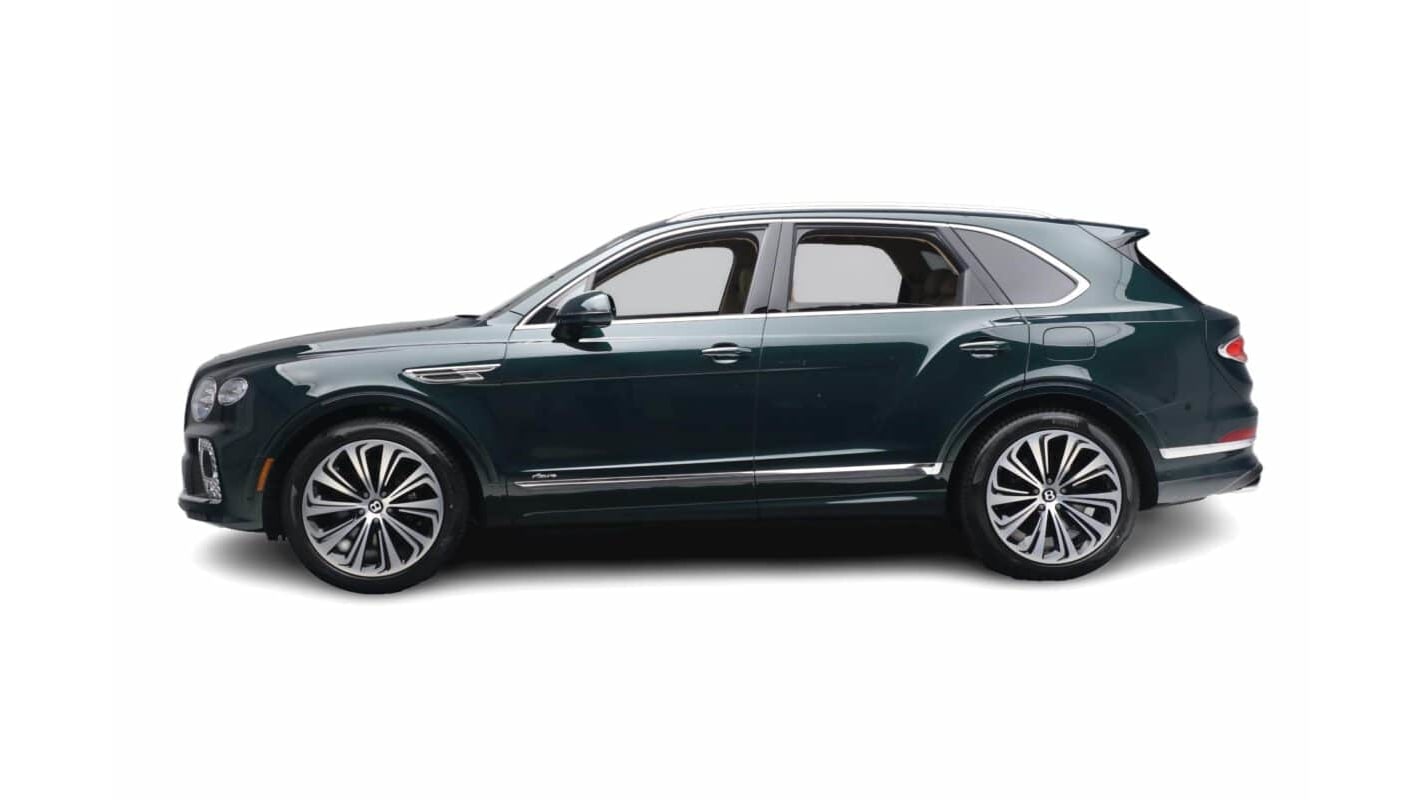
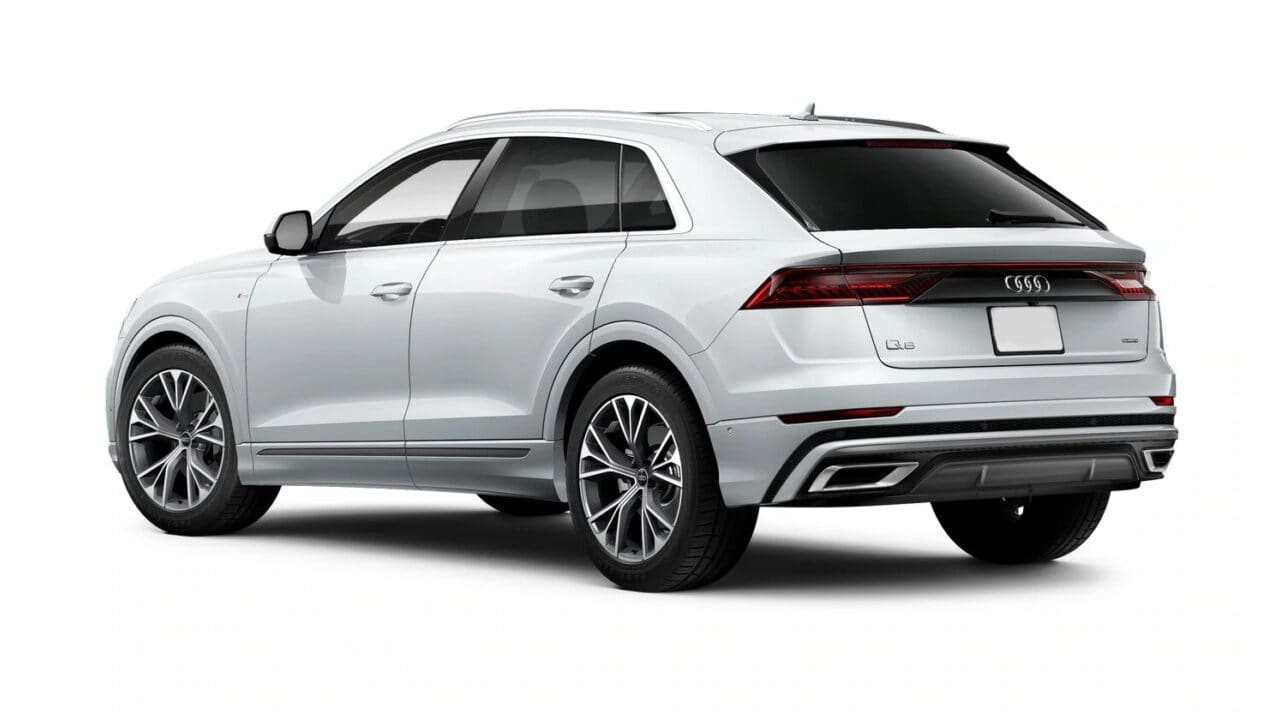
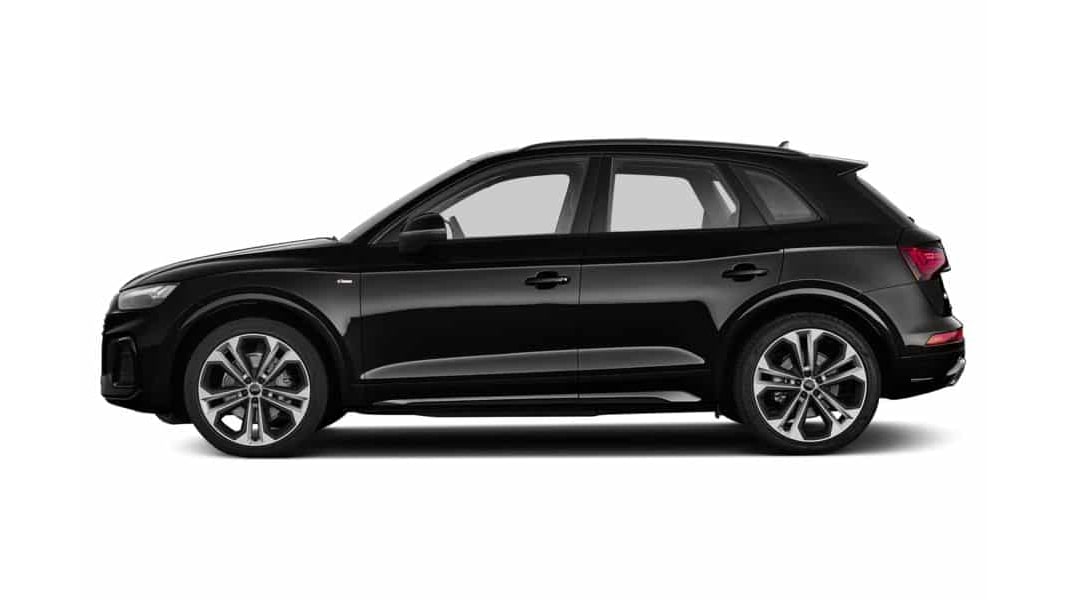
Zeus Prestige delivers luxury car rental in Turin to Turin Airport (TRN), your hotel, or an address in the city. Rent or hire a sports car, a convertible, a supercar or a luxury SUV and choose your own road through Piedmont. Luxury car hire in Turin puts the Alps an hour to the west and the wine hills of the Langhe an hour to the south.
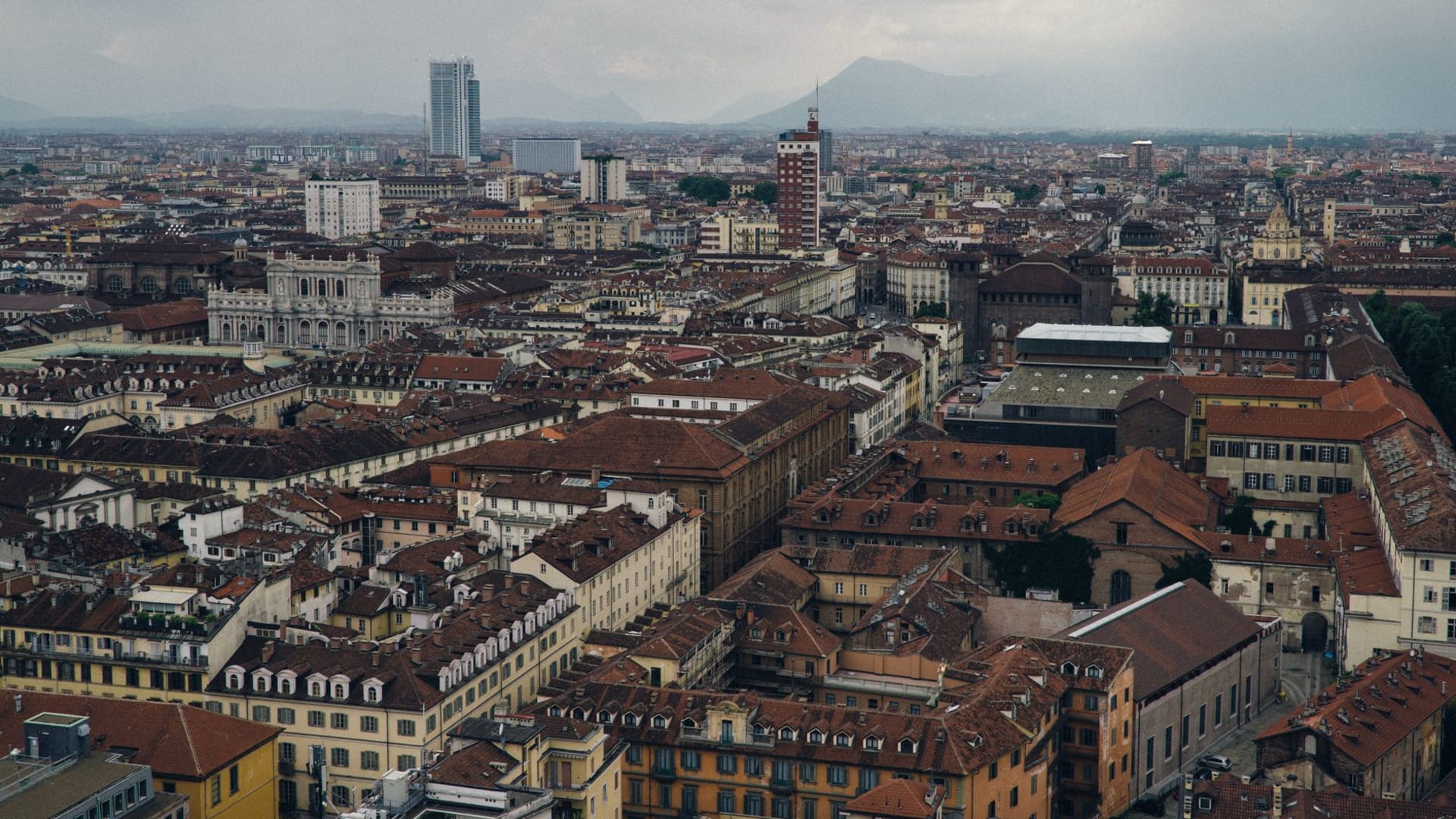
Turin was the first capital of unified Italy, in 1861, and the House of Savoy left it a grid of straight avenues, royal palaces and some 18 kilometres of arcades. The Mole Antonelliana, finished in 1889, rises 167 metres over the rooftops and now holds the national cinema museum. The Egyptian Museum, founded in 1824, is the oldest in the world devoted to ancient Egypt. Italy's car industry began here in 1899, and the old Lingotto factory, where finished cars once circled a test loop on the roof, is now a gallery and garden.
The city's pleasures are small and exact. A bicerin, layered coffee, chocolate and cream, has been served in the same café since 1763. Gianduiotti, the hazelnut chocolates, were first made here, and vermouth was created in a shop on Piazza Castello in 1786. The aperitivo hour follows naturally. On a clear day the Alps stand in a white arc at the end of every west-facing street, and the roads lead straight to them.
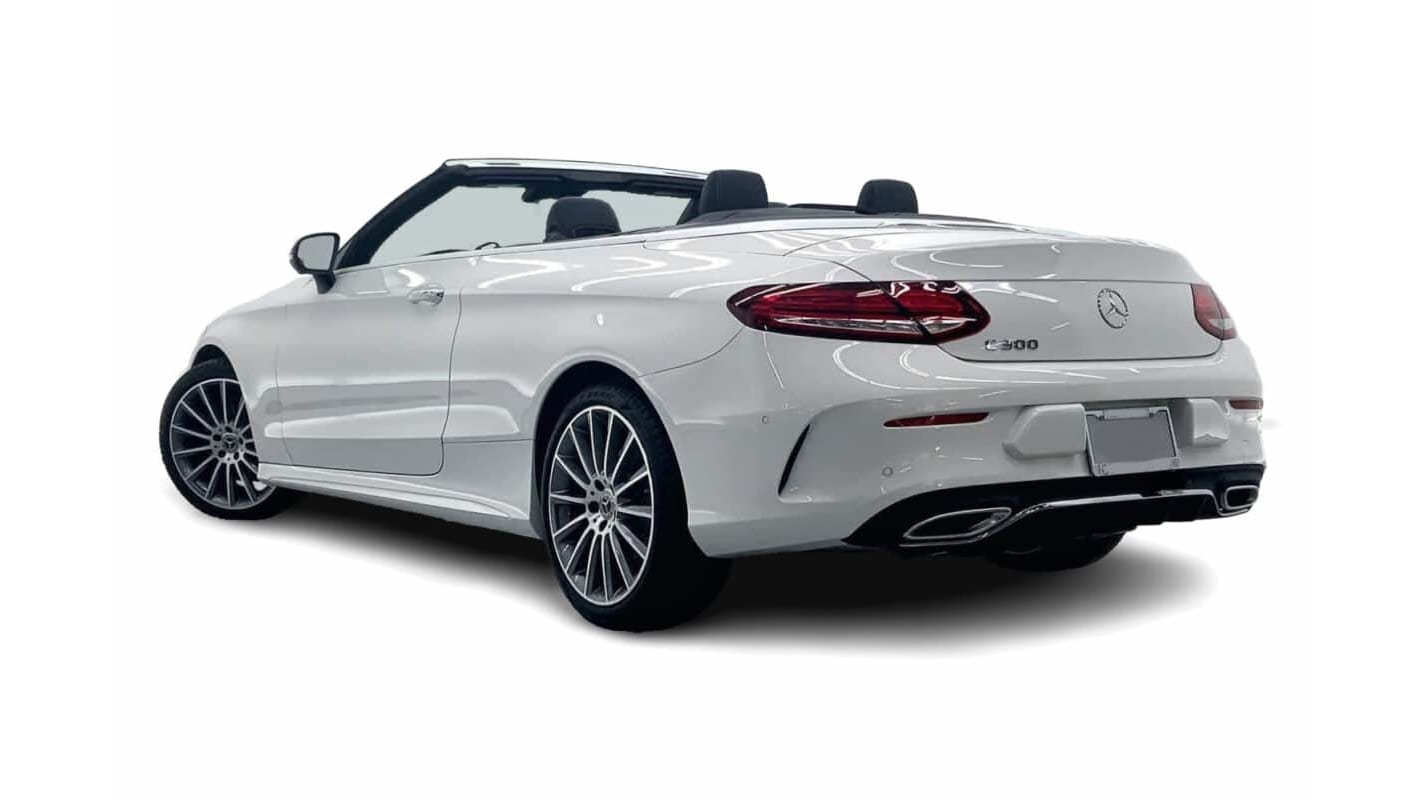
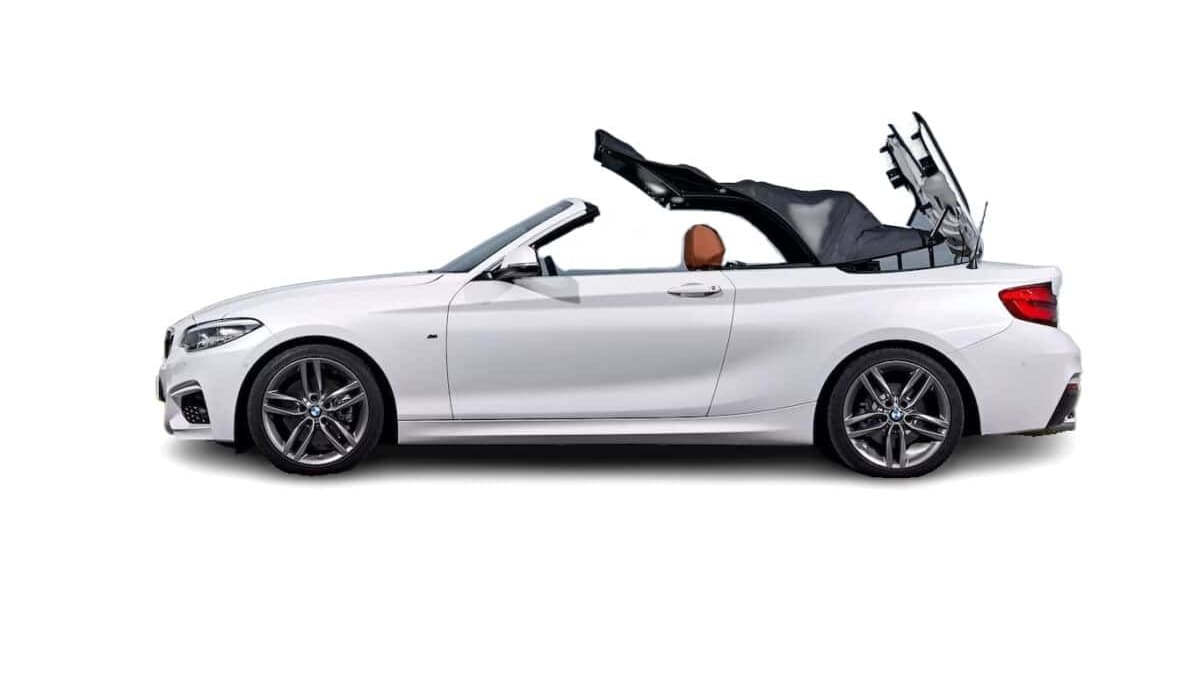
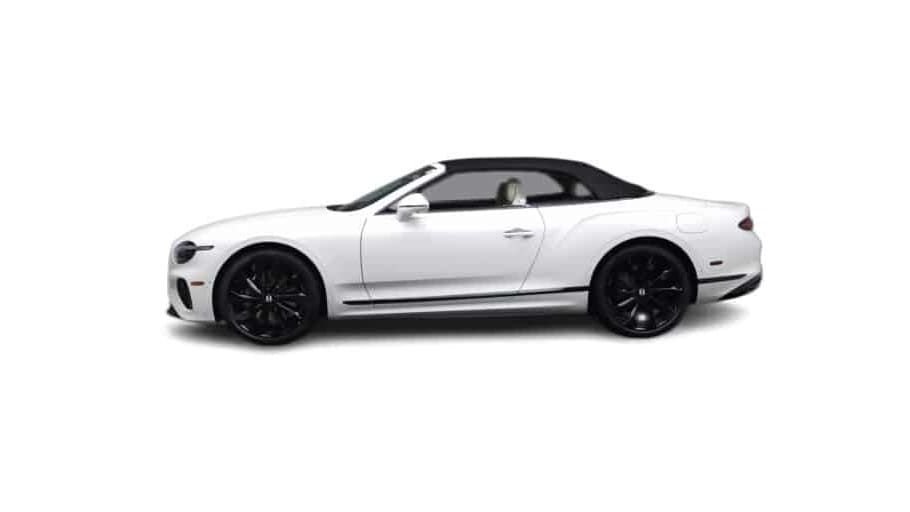
Take the roof off for the hills. An hour south of Turin the motorway reaches Alba, and from there small roads climb through the Langhe, a UNESCO World Heritage landscape since 2014, to Barolo, La Morra and Barbaresco. Vineyards cover every slope in combed rows, and each ridge carries a village with a castle or a bell tower on top. In autumn the air smells of fermenting grapes and, in Alba, of white truffle, and the narrow crest roads make you sit a little straighter where the hillside falls away on both sides. Stop at the belvedere in La Morra for the view across the whole Barolo valley. The car idles through these villages with the roof open, then finds its stride on the sweeping road back down to the plain.
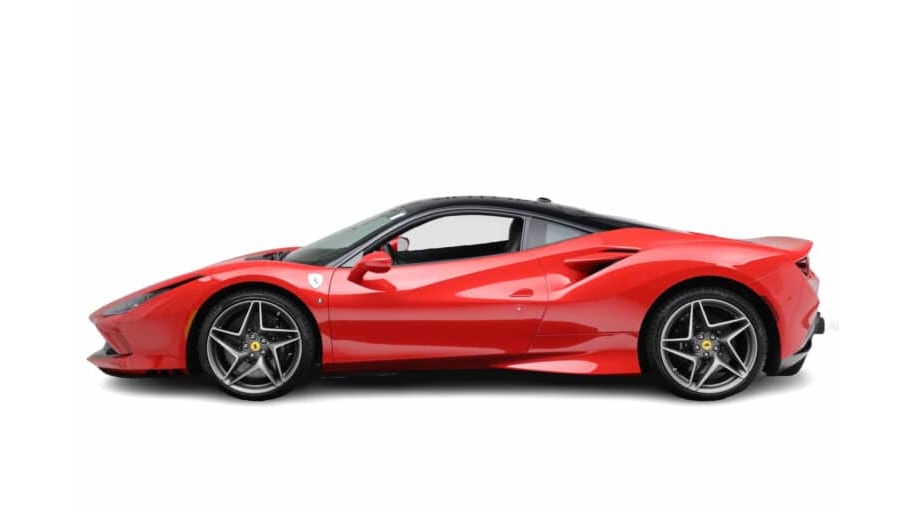
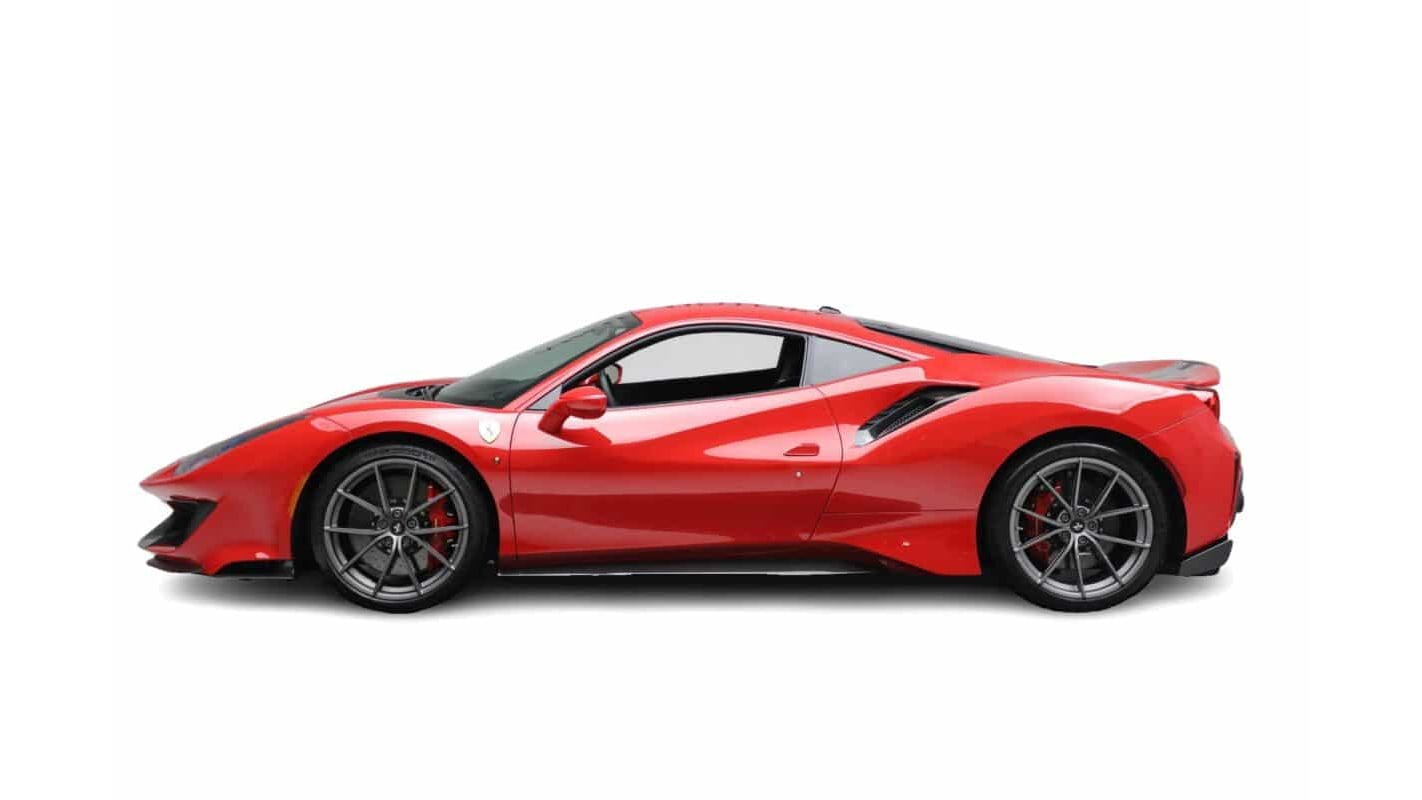
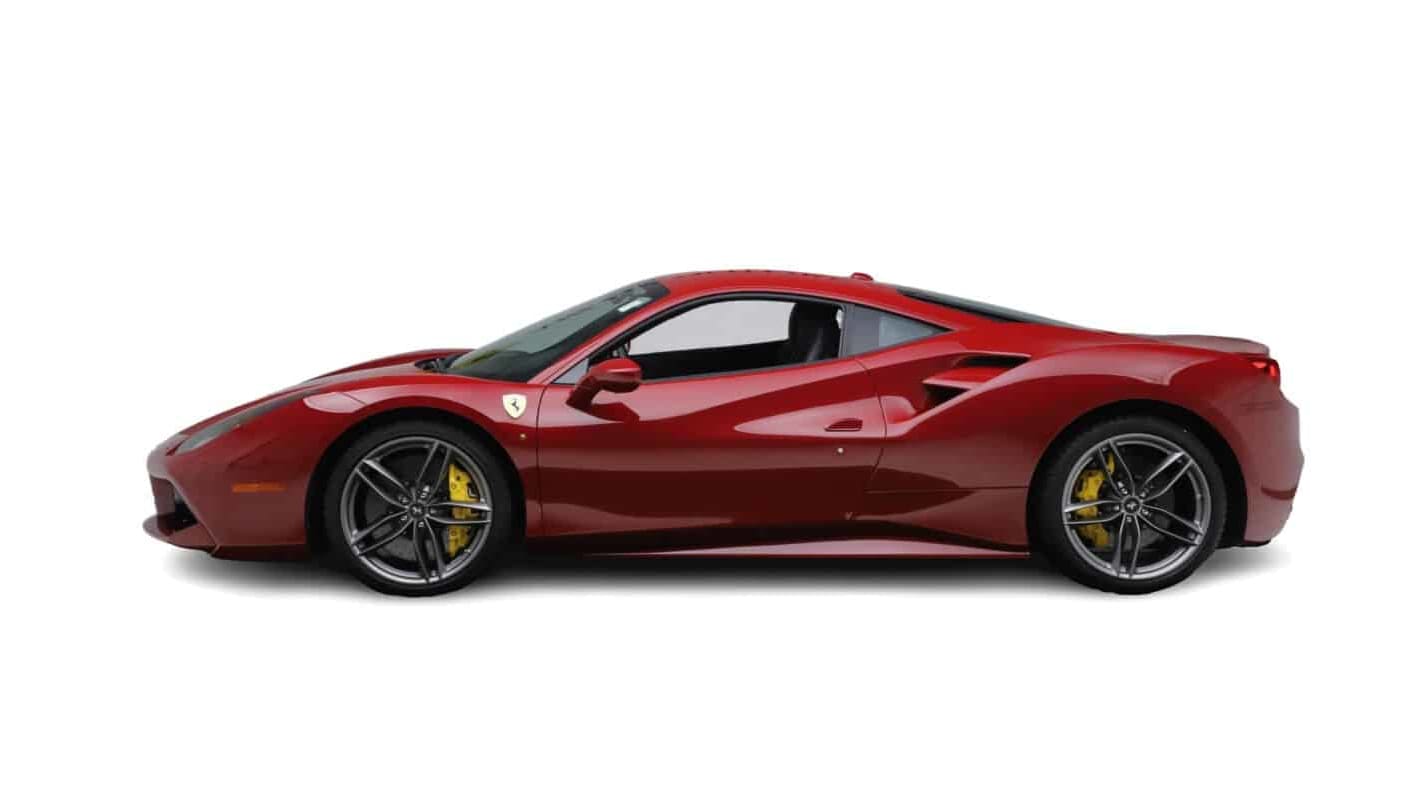
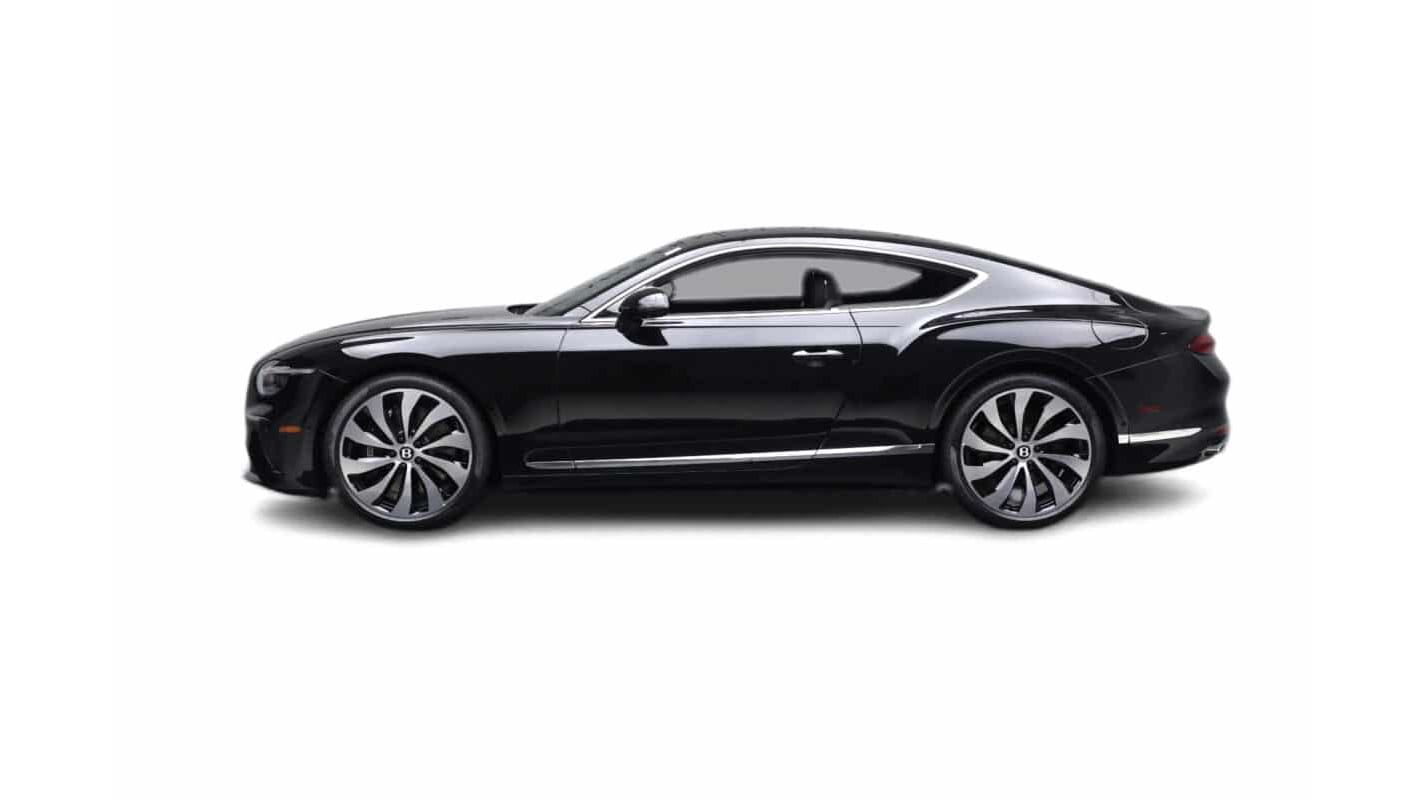
Sports car, supercar: this is their road. The SS23 leaves the plain at Pinerolo and climbs the Val Chisone for some 50 kilometres to the Colle del Sestriere at 2,035 metres. On the way up, the fortress of Fenestrelle runs up the mountainside in full view of the road, a chain of walls and covered stairways. The pass takes its name from the sixtieth Roman milestone out of Turin, and the resort at the top hosted events at the 2006 Winter Olympics. The road is broad and the bends are open, so the car can stretch, and your heart rate climbs with the altitude. Descend the far side to Cesana and return down the Susa valley by motorway. The loop fills half a day, and the car is in its element for all of it.
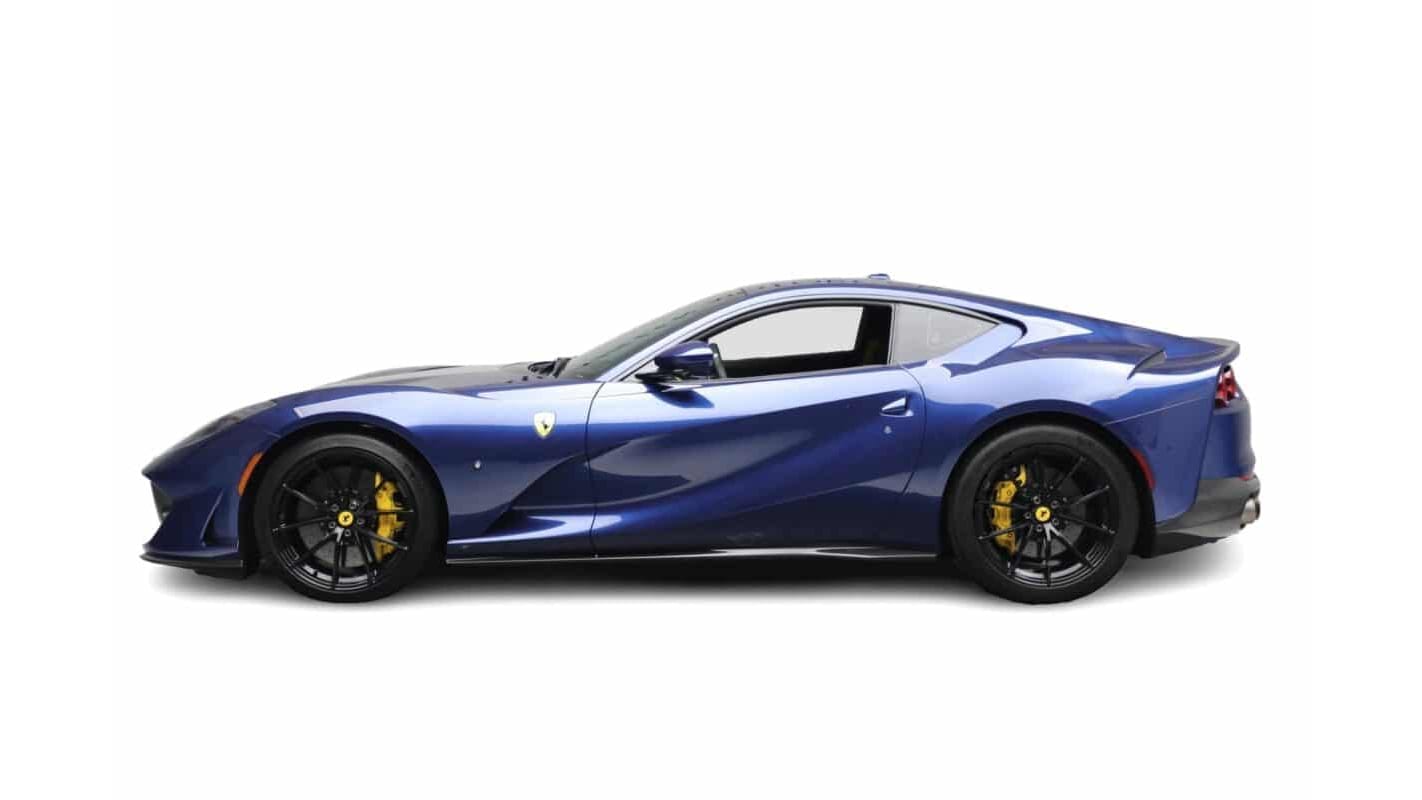
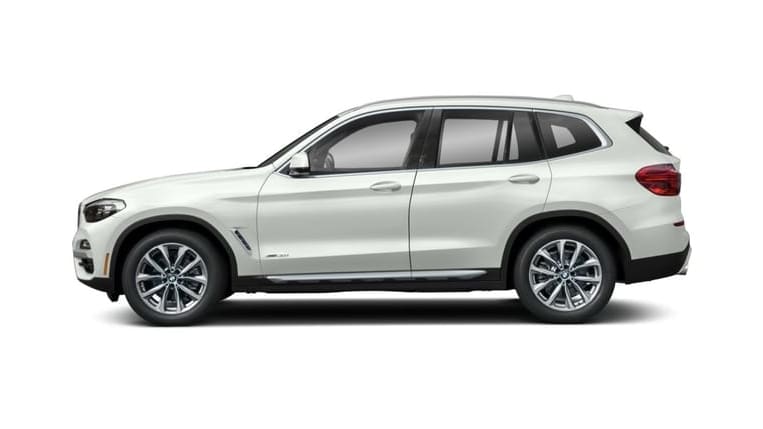
The road to Mont Blanc is one for a grand tourer, or for a luxury SUV when there is snow about. The A5 runs north past Ivrea into the Aosta Valley, where castles guard each bend of the river and the Forte di Bard closes the gorge. Aosta keeps a Roman arch and theatre from the 1st century BC. Courmayeur lies about an hour and three quarters from Turin at the foot of Mont Blanc, where a rotating cable car climbs to 3,466 metres at Punta Helbronner. Back in the car the heating has taken the chill off, the cabin is hushed, and the peaks slide past the glass. It returns you to the city unhurried, with the mountains in the mirror.
Yes. Our team delivers to Turin Airport (TRN), also known as Caselle, and to hotels and addresses across the city. Let us have your flight number and the car will be there when you come through.
Yes. Turin Airport (IATA: TRN, ICAO: LIMF) handles private flights through its own general aviation terminal. Your self-drive hire car is delivered there for your arrival.
A convertible suits the Langhe wine hills, the Sestriere road and the Alpine passes are for supercars and sports cars, and the Aosta Valley is a day for a luxury SUV or grand tourer, especially in winter.
Sestriere is about 100 kilometres west of Turin, roughly an hour and a half. Courmayeur, at the foot of Mont Blanc, is about 150 kilometres north, around an hour and three quarters by motorway.
The airport is at Caselle, about 16 kilometres north of the centre, usually half an hour by car.
Yes. The Langhe and the first Alpine valleys are an hour away. Milan is about an hour and three quarters east and Genoa about two hours south, while Monaco and Geneva are each around three hours.
Choose from our sports cars, cabriolets, supercars and SUVs, tell us when you reach Piedmont, and the keys will be ready for your luxury car hire.