Italy
Luxury Car Rental in Positano
143 vehicles available · Delivered to your location · Model guaranteed
See our fleet in Positano →
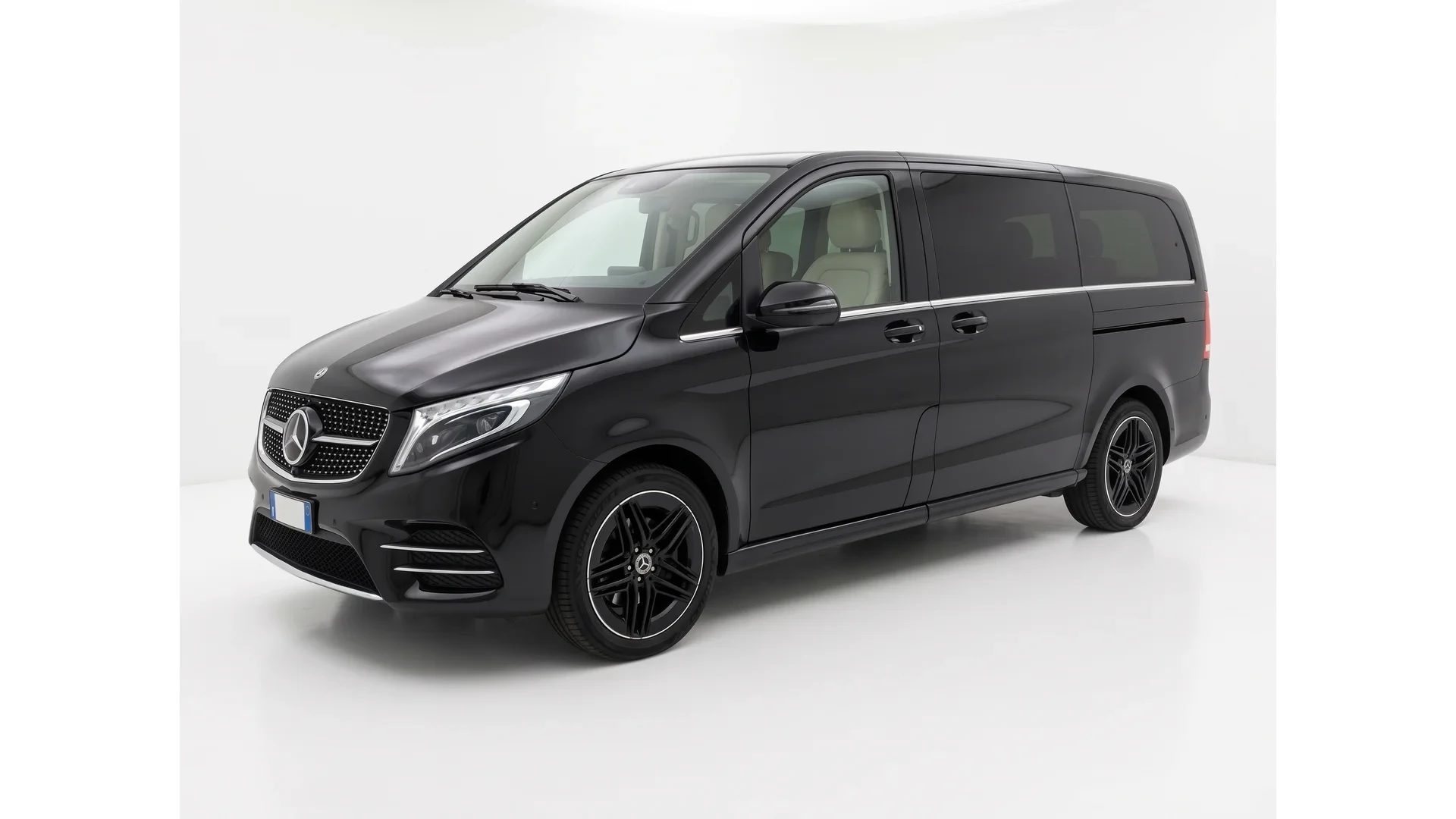
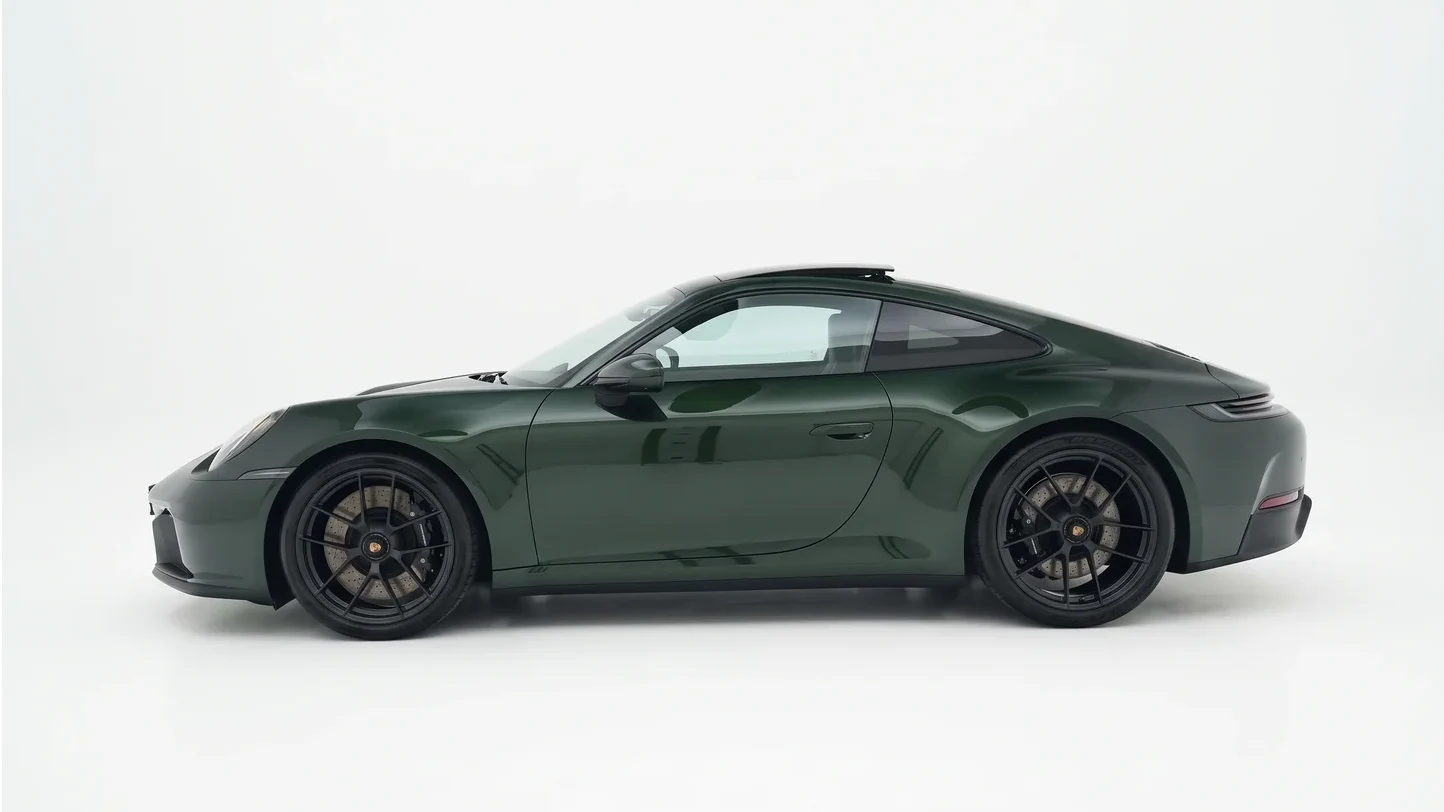
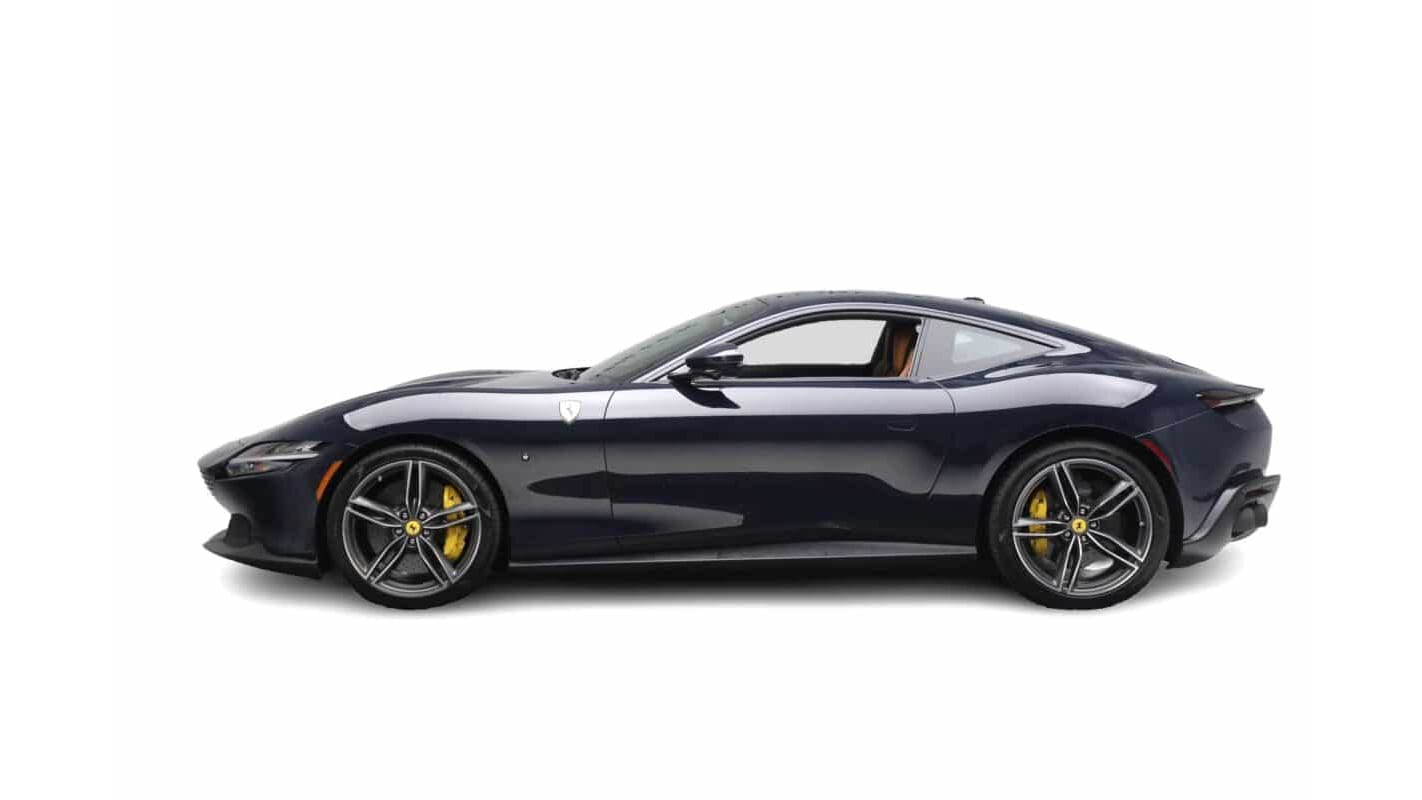
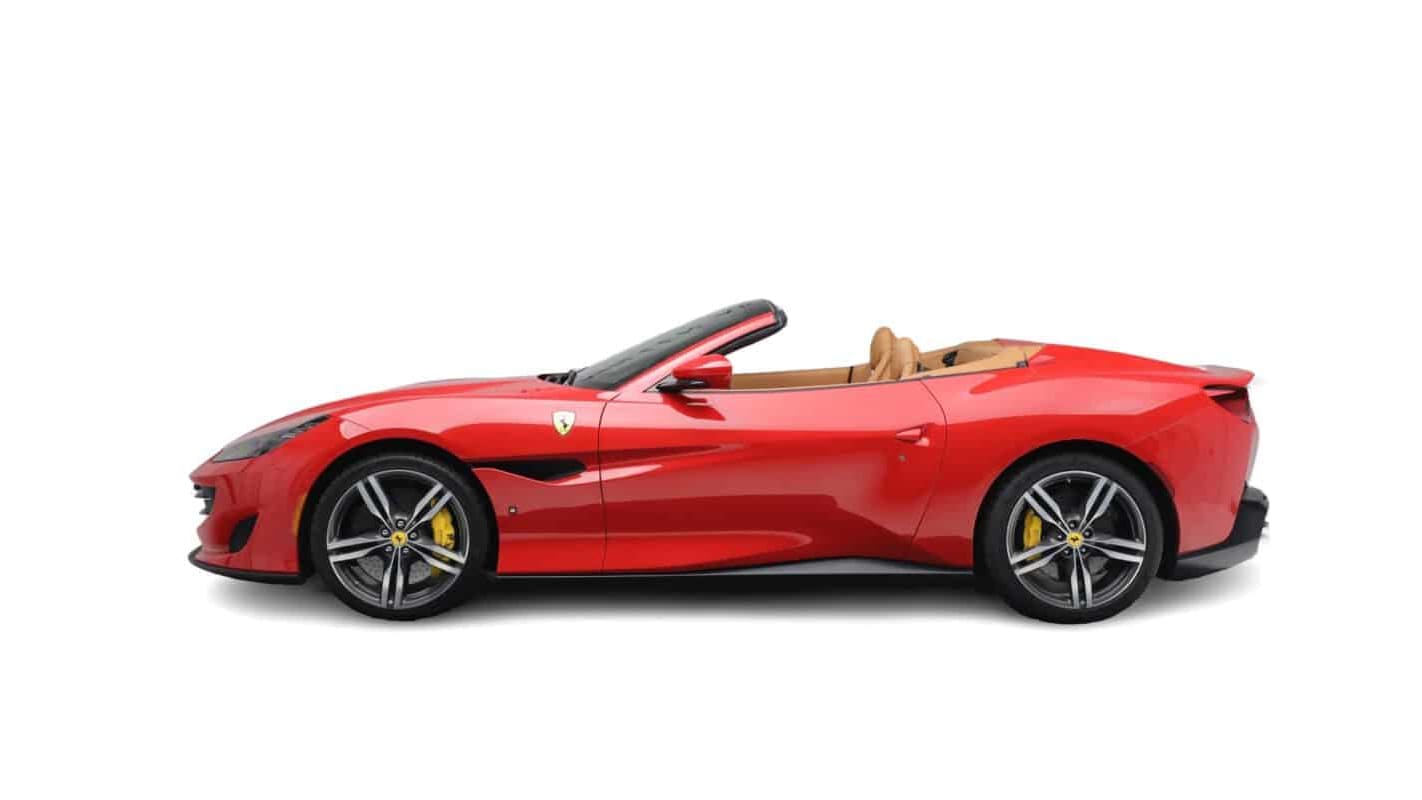
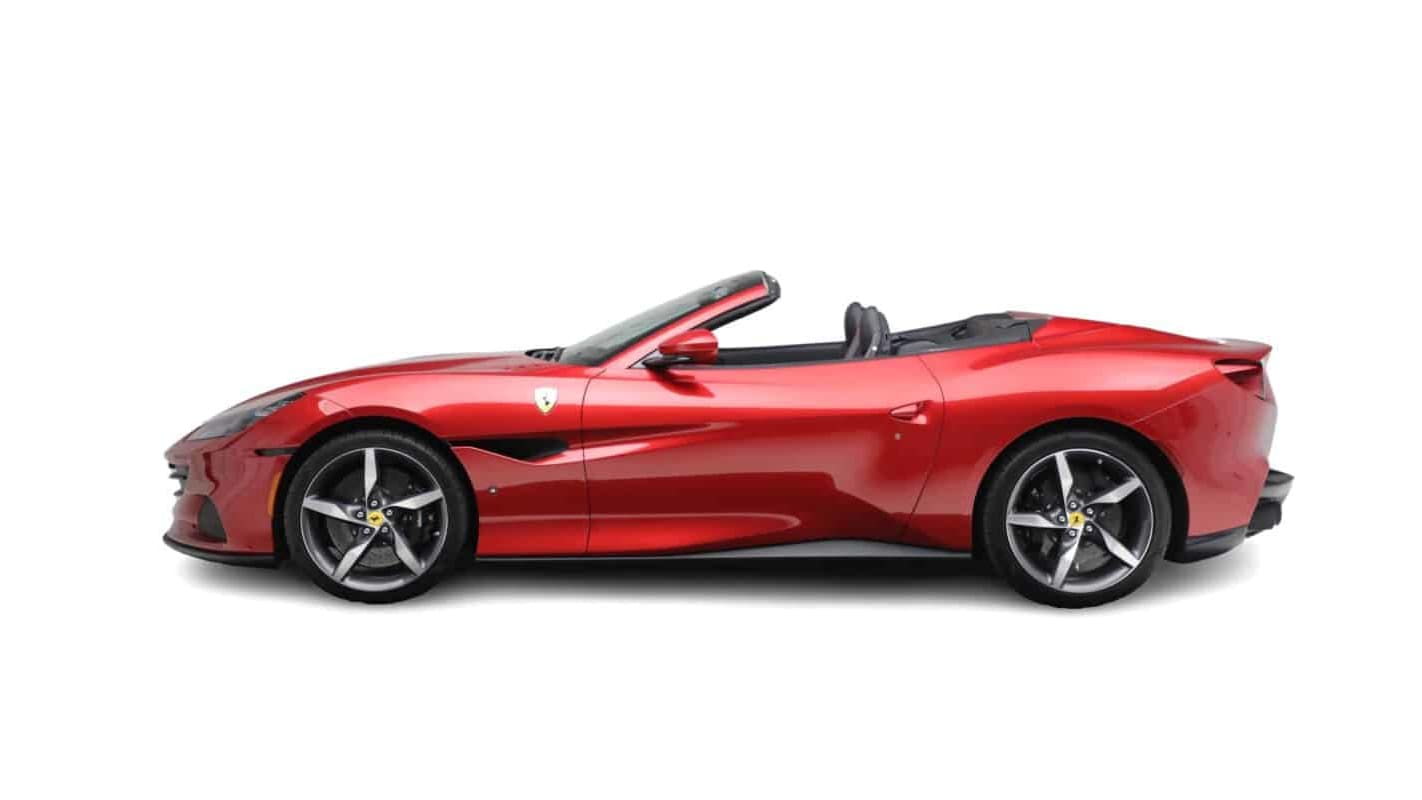
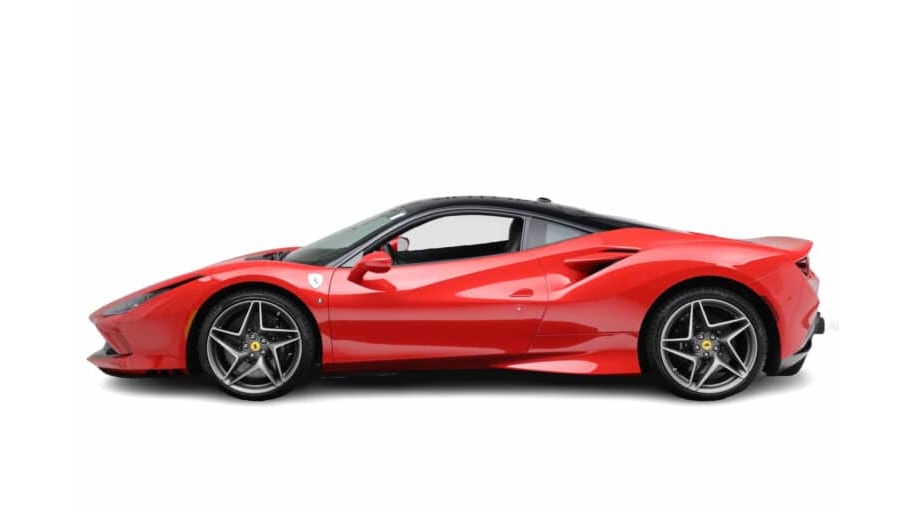
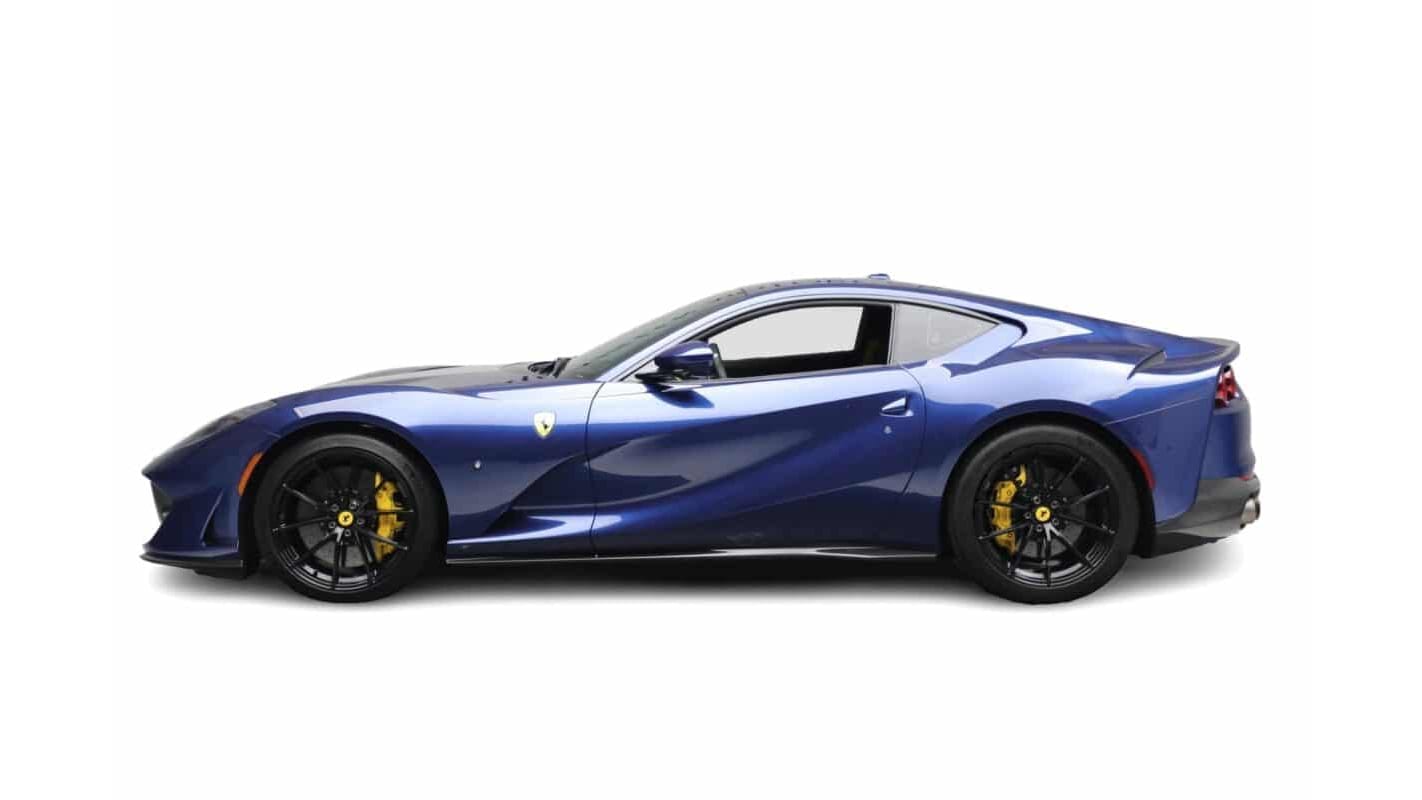
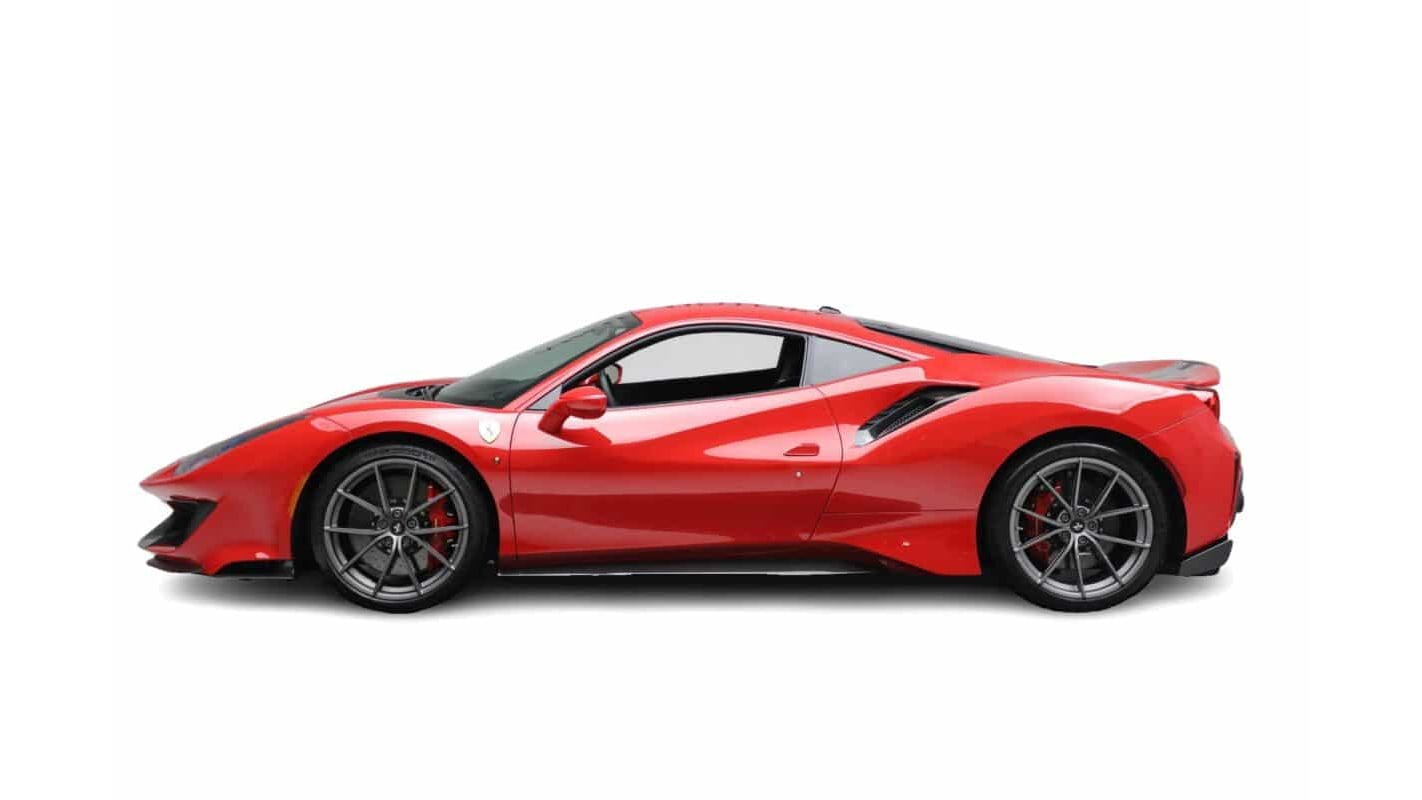
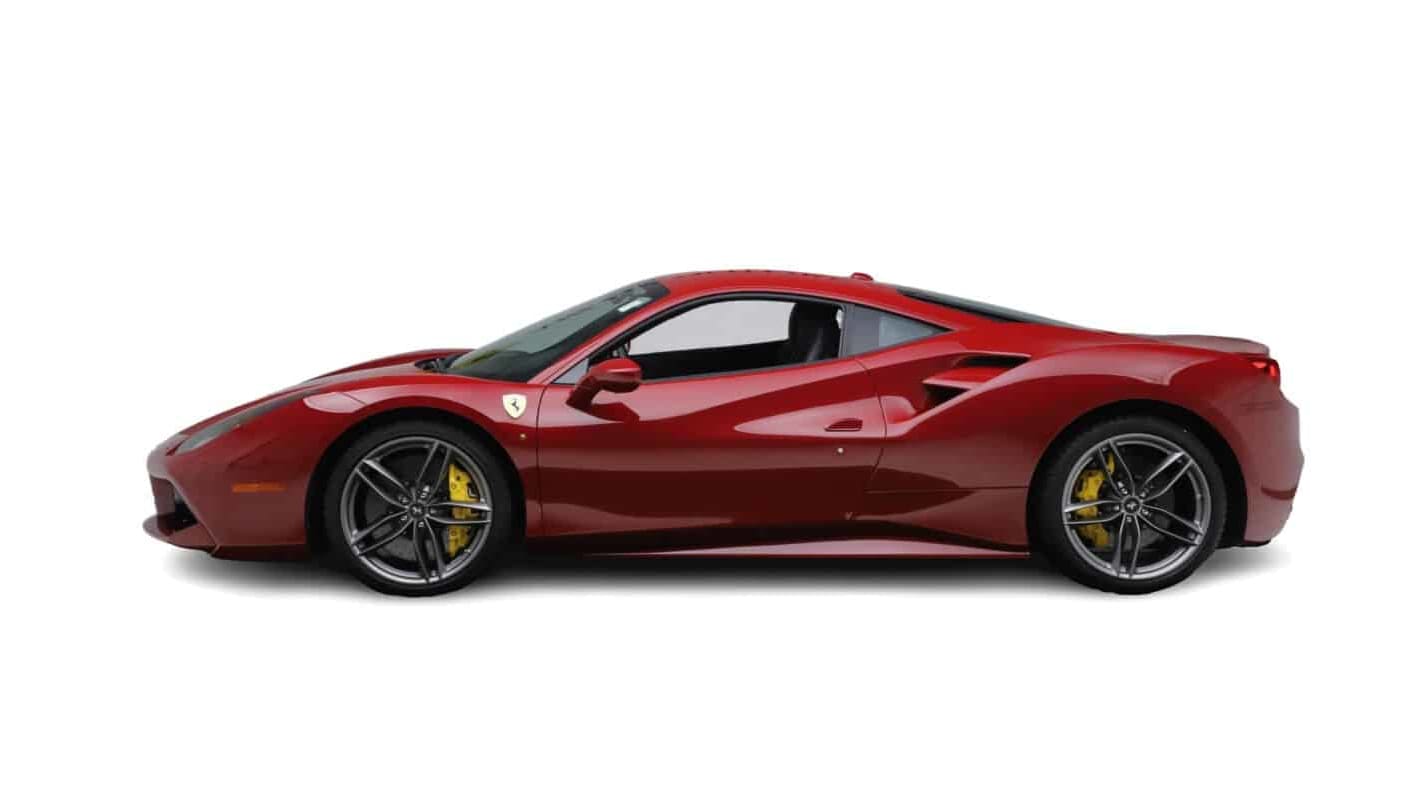
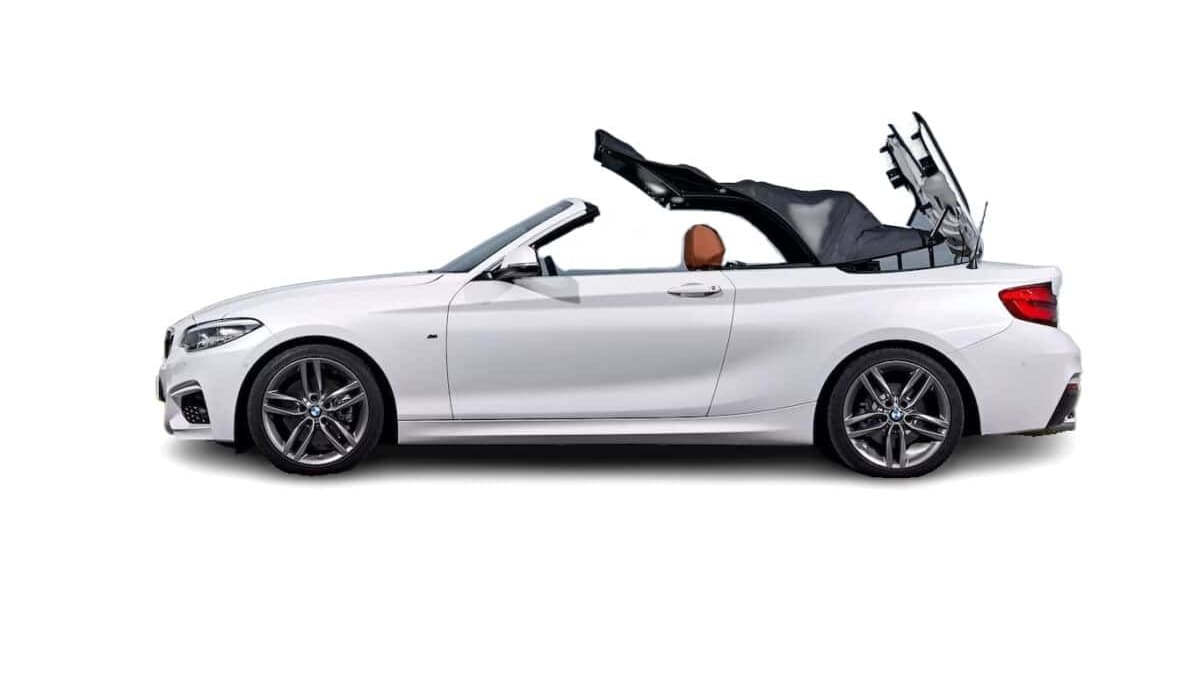
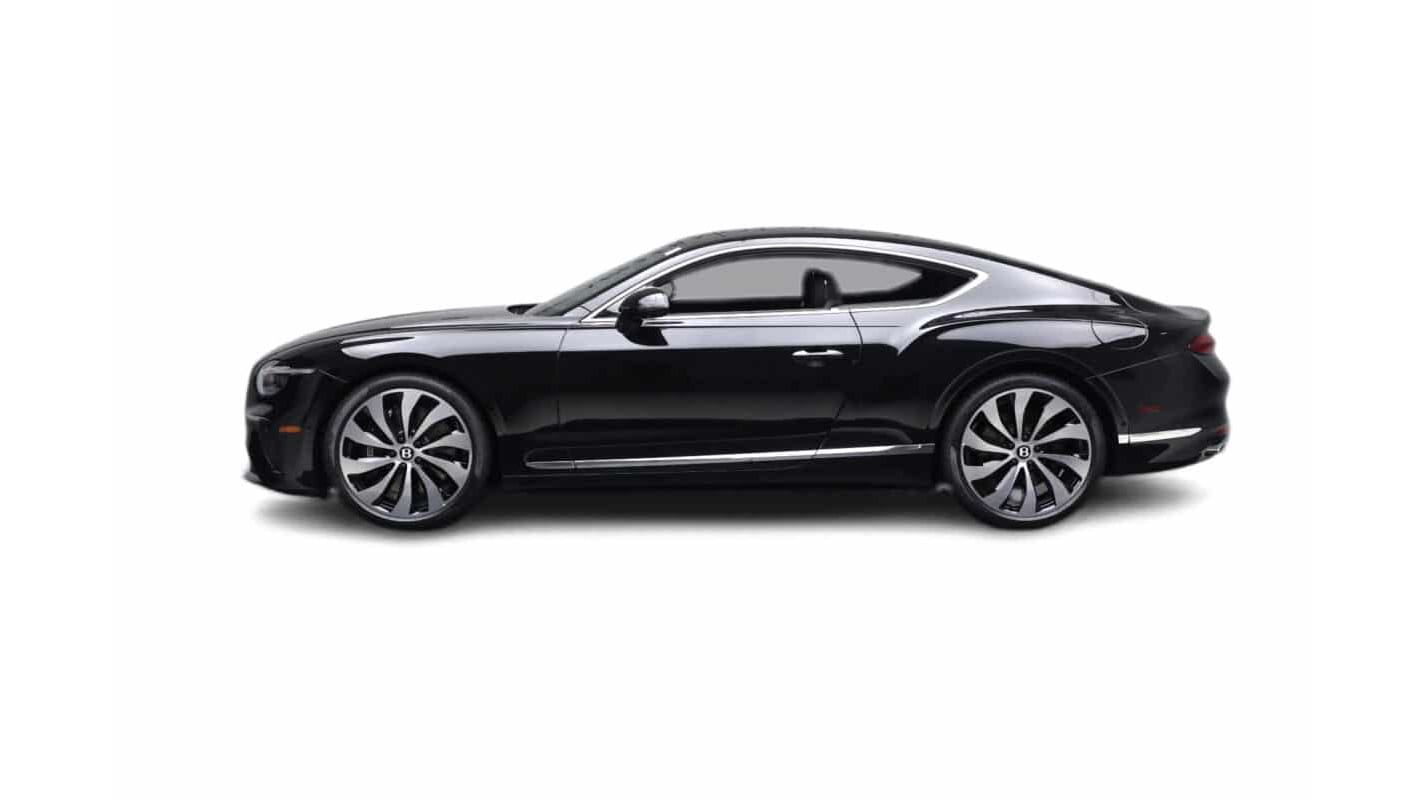
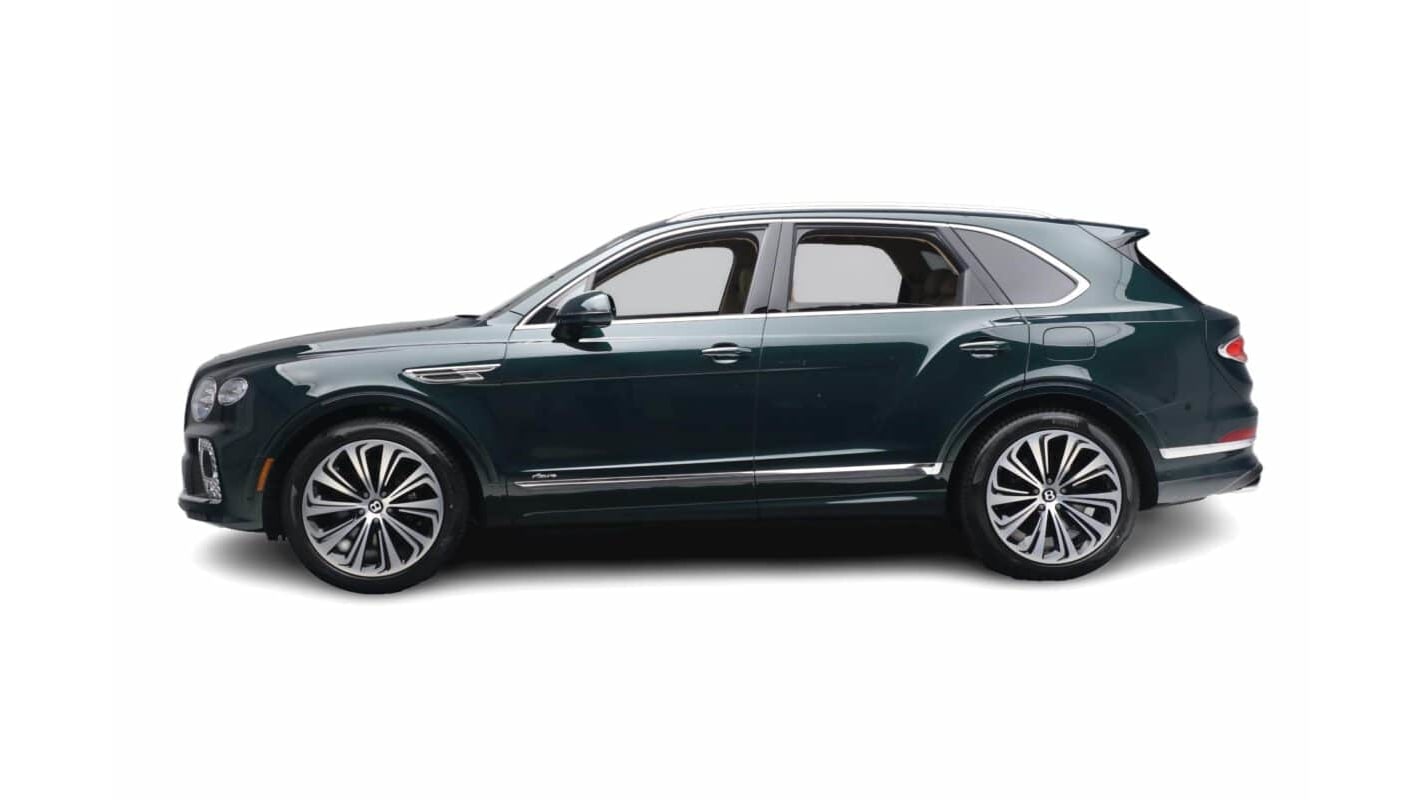
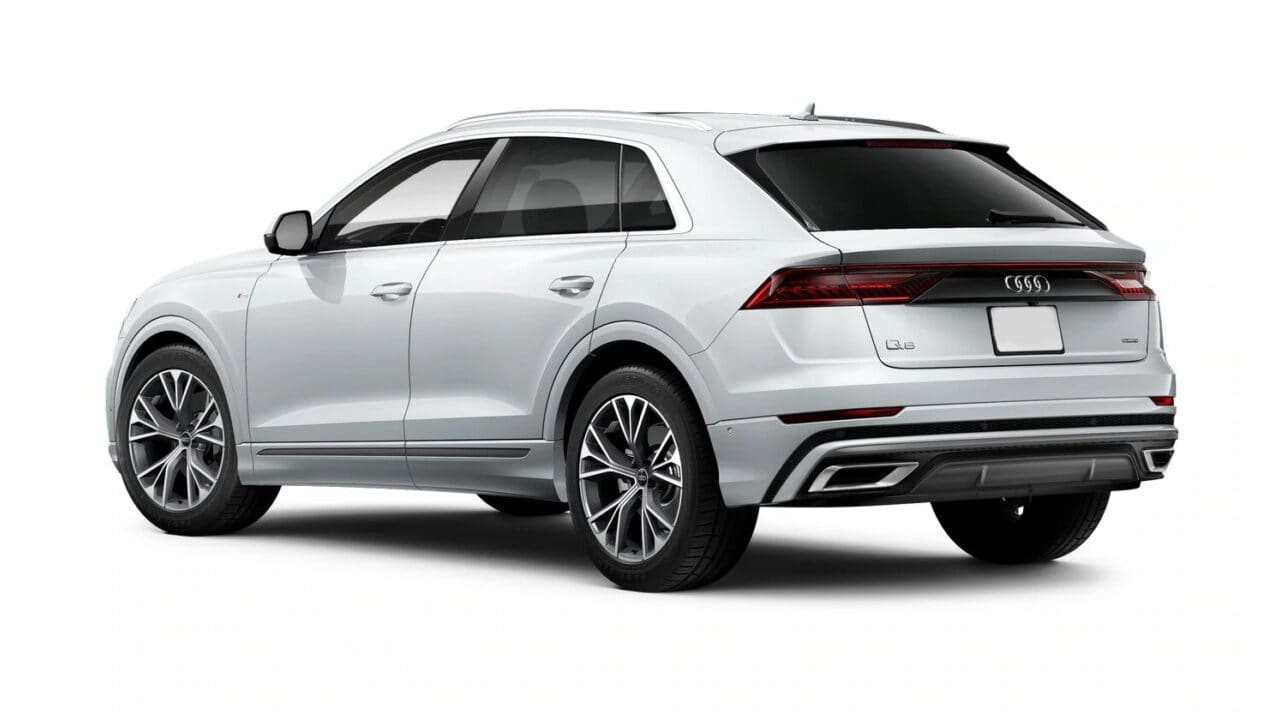
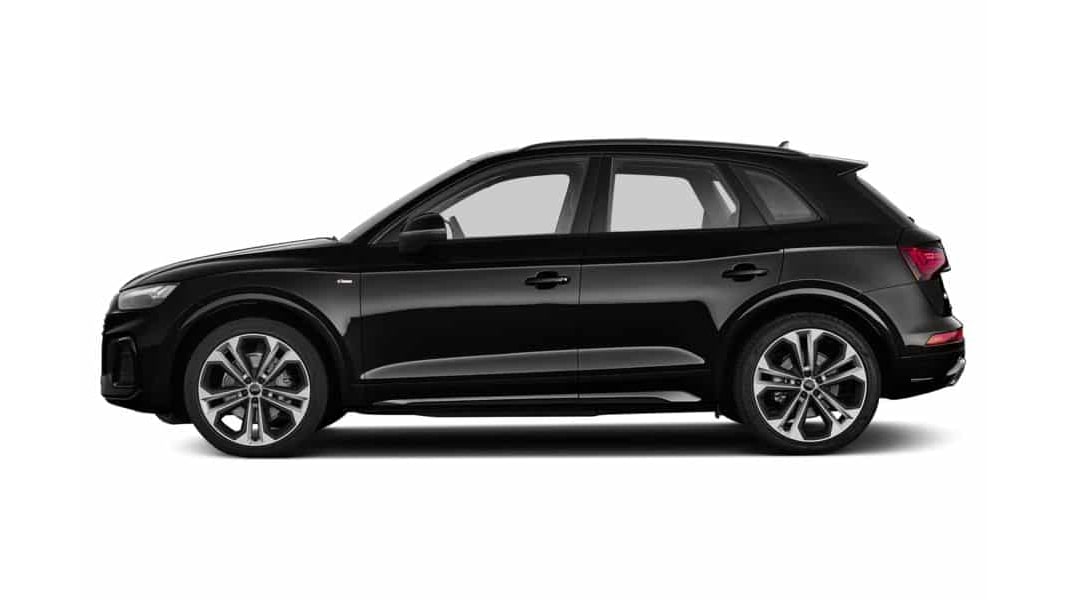
In Positano, luxury car rental with Zeus Prestige comes to your hotel or villa on the Amalfi Coast, or to Naples Airport (NAP) for the drive down. Rent or hire a convertible, a sports car, an exotic or a luxury SUV and take the coast road yourself. Car hire in Positano is best matched to the road: narrow, steep and unforgettable, it favours a car you can place with precision.
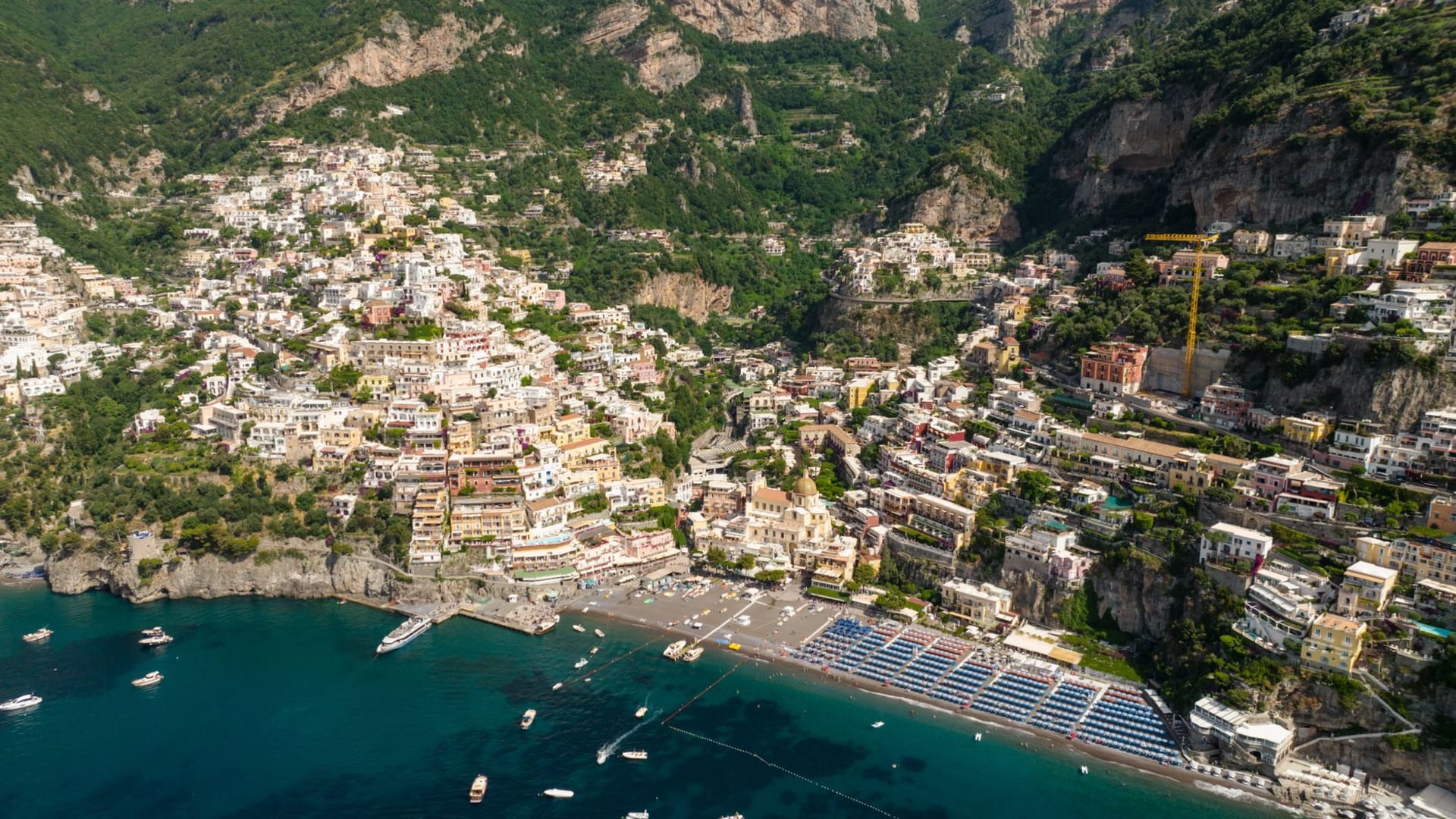
Positano is built on a slope so steep that every house has a sea view and every errand involves stairs. At the bottom, the majolica dome of Santa Maria Assunta stands over the Spiaggia Grande in green, yellow and blue. John Steinbeck came in 1953 and told American readers about it, and the linen and sandals of Positano fashion followed in the sixties. One road, the Viale Pasitea, loops down through the village in a single direction and climbs back out to the coast road above.
The day begins with coffee and a lemon pastry on a terrace, with the Li Galli islets on the horizon. Boats leave the beach for coves along the coast, and high above the village the Path of the Gods follows the cliffs toward Agerola. Cars stay in garages near the road while you are in the village. They come out for the drives.
Open the roof and turn east. The SS163 runs about 16 kilometres from Positano to Amalfi, past Praiano and the narrow fjord at Furore, with the sea on your right the whole way. Amalfi was a maritime republic a thousand years ago, and its cathedral still stands at the top of a broad flight of steps. From there a side road climbs in hairpins to Ravello, some 350 metres above the water, for the gardens of Villa Rufolo and the terrace at Villa Cimbrone. Wild fennel and salt are on the air, and each coach that appears round a blind corner firms your grip on the wheel. In high season a number plate rule limits daytime driving on this road, so go early. The car is at its best here before breakfast, roof open, with the coast to itself.
A compact sports car is ideal for the climb to Agerola. From Amalfi the road turns away from the sea and rises through a long run of hairpins to a plateau of pastures more than 600 metres up, known for its fior di latte cheese. Steering, brakes and second gear do the work, and your pulse keeps pace with the altitude. At Bomerano, the Path of the Gods begins its traverse back toward Positano. You can carry on through the tunnel toward Gragnano, a town that has made dried pasta for centuries, or turn round at the top. Either way the descent, with the whole coast laid out below the bonnet, is where the car shows what it can do.
Cross the peninsula to Pompeii in a grand touring car or a luxury SUV, about an hour from Positano. The city was buried by Vesuvius in AD 79 and covers some 66 hectares inside its walls, around a third of it still unexcavated. Allow half a day for the forum, the baths, the amphitheatre and the frescoes of the Villa of the Mysteries. There is little shade, and after hours on Roman paving the car is a relief: cool air, soft seats, a quiet cabin. It carries you back over the hills in the evening with Vesuvius and the bay in the mirrors.
Yes. Zeus Prestige delivers luxury hire cars to hotels and villas in Positano and along the coast, including Praiano, Amalfi and Ravello. Share your address and dates and the handover is planned with you.
Yes, within the local rules. Between Positano and Vietri sul Mare, the SS163 operates an alternating number plate system from 10:00 to 18:00 on set dates. In 2026 it applied in Easter week, at weekends and on public holidays in June, July and October, and daily in August and September. Before 10:00 and after 18:00 the road is open to everyone. Hotel guests may also drive on their arrival and departure days with proof of booking. Check the current year's dates before you travel.
Street parking is very limited. Most visitors use their hotel's parking or one of the private garages along the Viale Pasitea, so ask your hotel what it offers before you arrive.
Naples Airport (IATA: NAP, ICAO: LIRN) is the main gateway, about 60 kilometres away and usually an hour and a quarter to an hour and a half by car. Private flights use its General Aviation Terminal. Delivery is available at the airport or at your hotel on the coast.
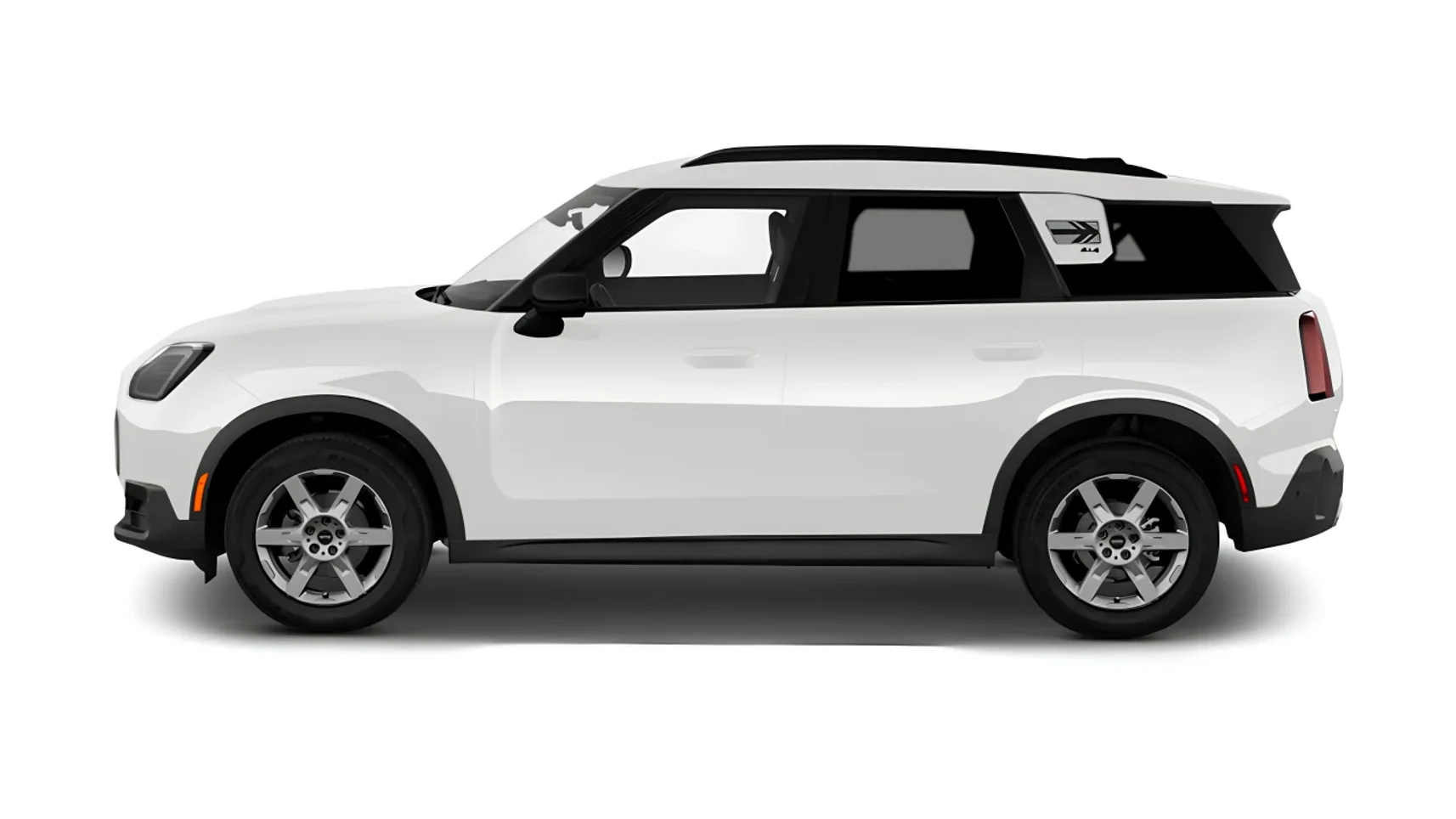
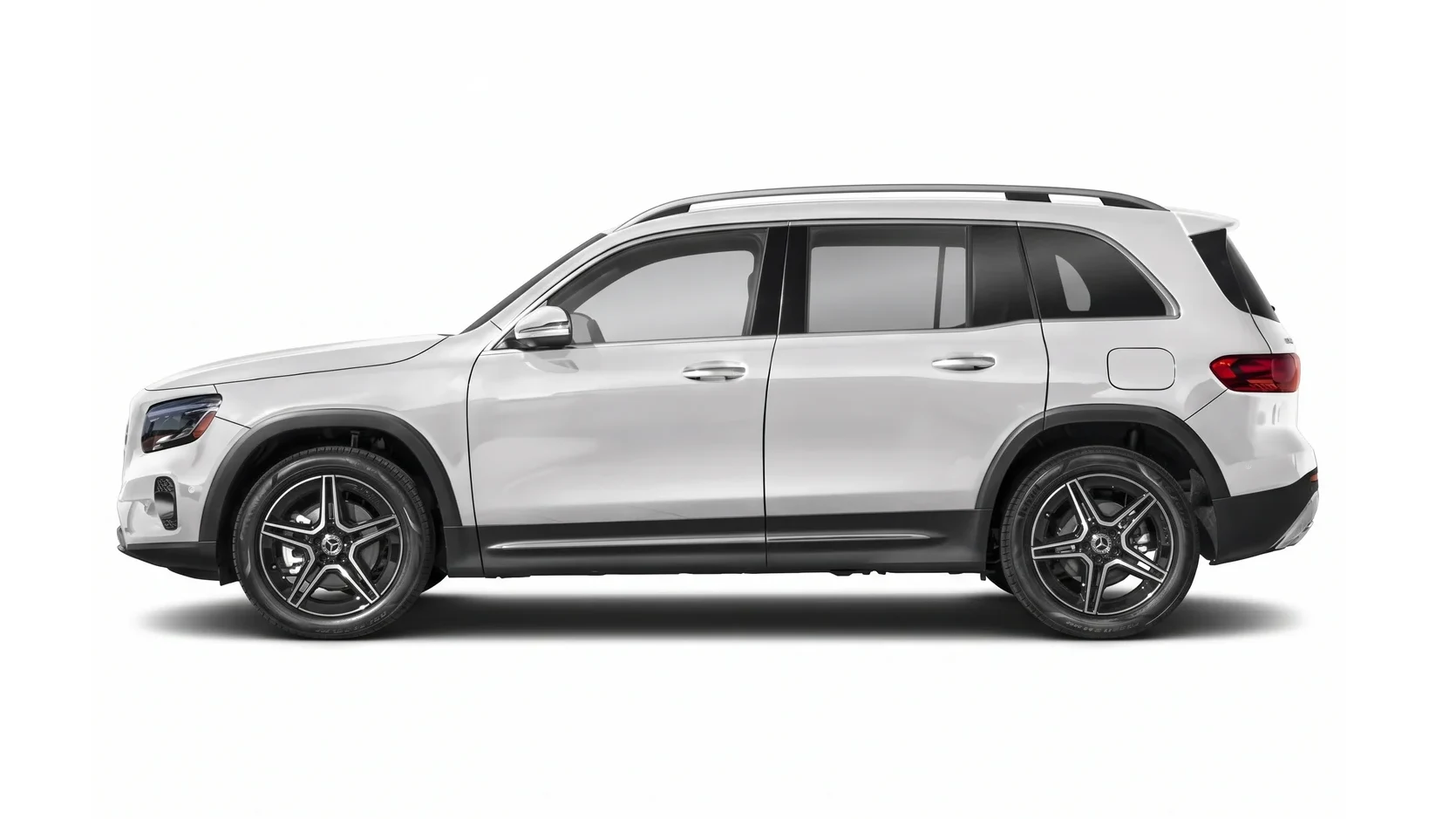
Smaller is easier here. A small convertible or sports car is the natural choice for the coast road and the climbs behind it. A grand tourer or luxury SUV is better for a family with luggage and longer days out to Pompeii, Naples or Paestum.
Yes, for the coast. Amalfi is about 40 minutes away, Ravello about an hour and Sorrento about 40 minutes. Capri is reached by boat from the beach in season, and Rome is around three and a half hours north.
Choose from our cabriolets, sports cars, exotics and SUVs, let us know which hotel or villa is yours, and the keys will be ready for your luxury car hire.