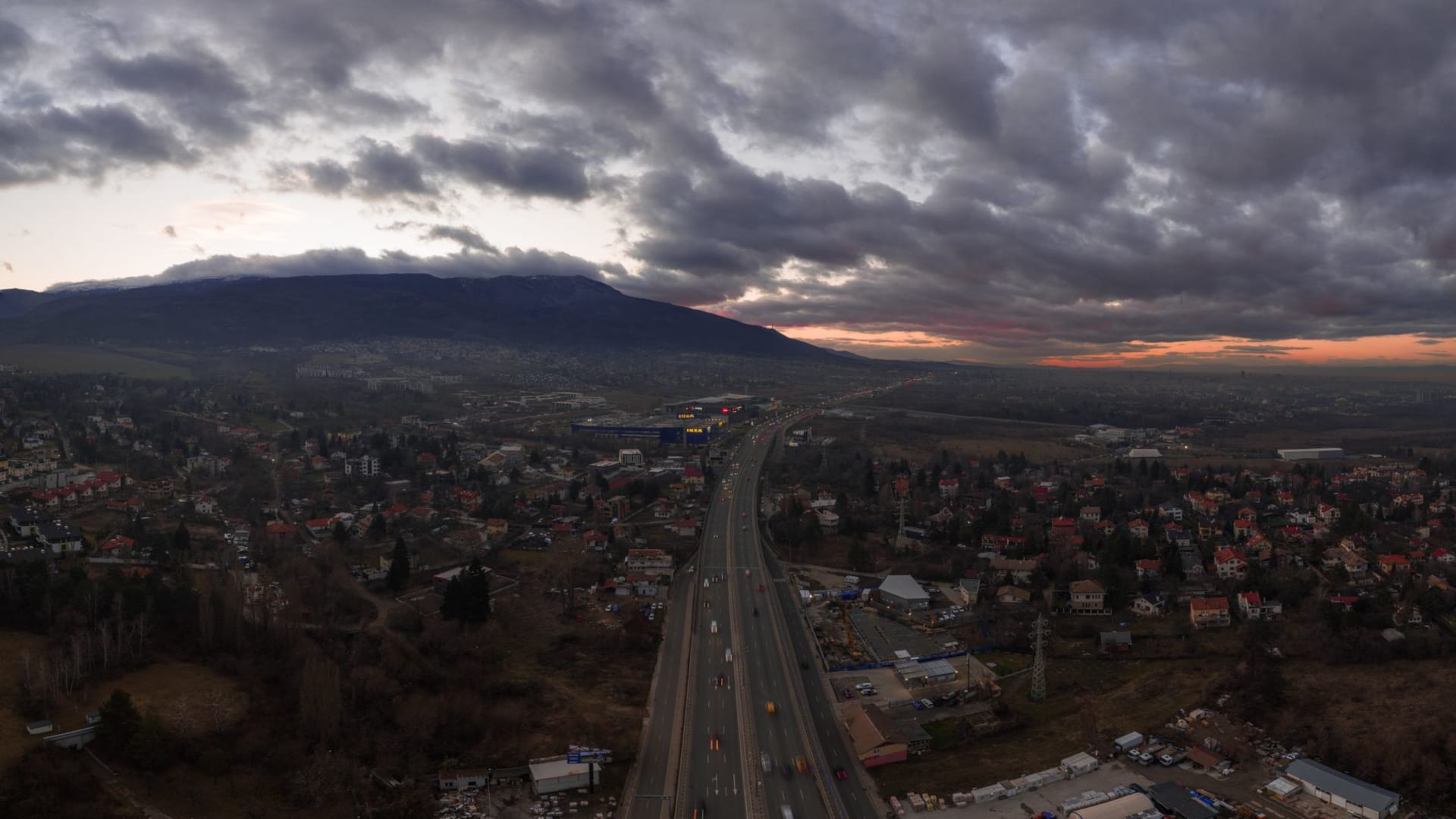
From Vitosha's upper reaches, Sofia reveals itself in layers — not all at once, but incrementally, the way a city earns your attention. The descent from the mountain along the Boyana corridor is a study in contrasts: dense pine giving way to Soviet-era geometry softened by Orthodox gold domes catching the morning light. The car does the interpretive work here, holding the road with the kind of authority that turns a commute into a declaration. Sofia is not a city that performs for visitors. It is occupied with itself — with its 7,000-year palimpsest of Thracian, Roman, Ottoman, and Soviet occupation — and that self-containment is precisely what makes arrival feel like discovery rather than tourism. The Arena di Serdica Residence Hotel sits above the excavated ruins of the ancient Roman Serdica, which you can view through glass floors in the lobby — a detail that says more about Sofia's relationship with its own past than any guidebook could. This is a capital in the process of becoming, not yet polished into the kind of European sameness that makes cities interchangeable. Which is exactly why you drive here now.
Where Roman foundations meet alpine roads and a city still discovering its own grandeur