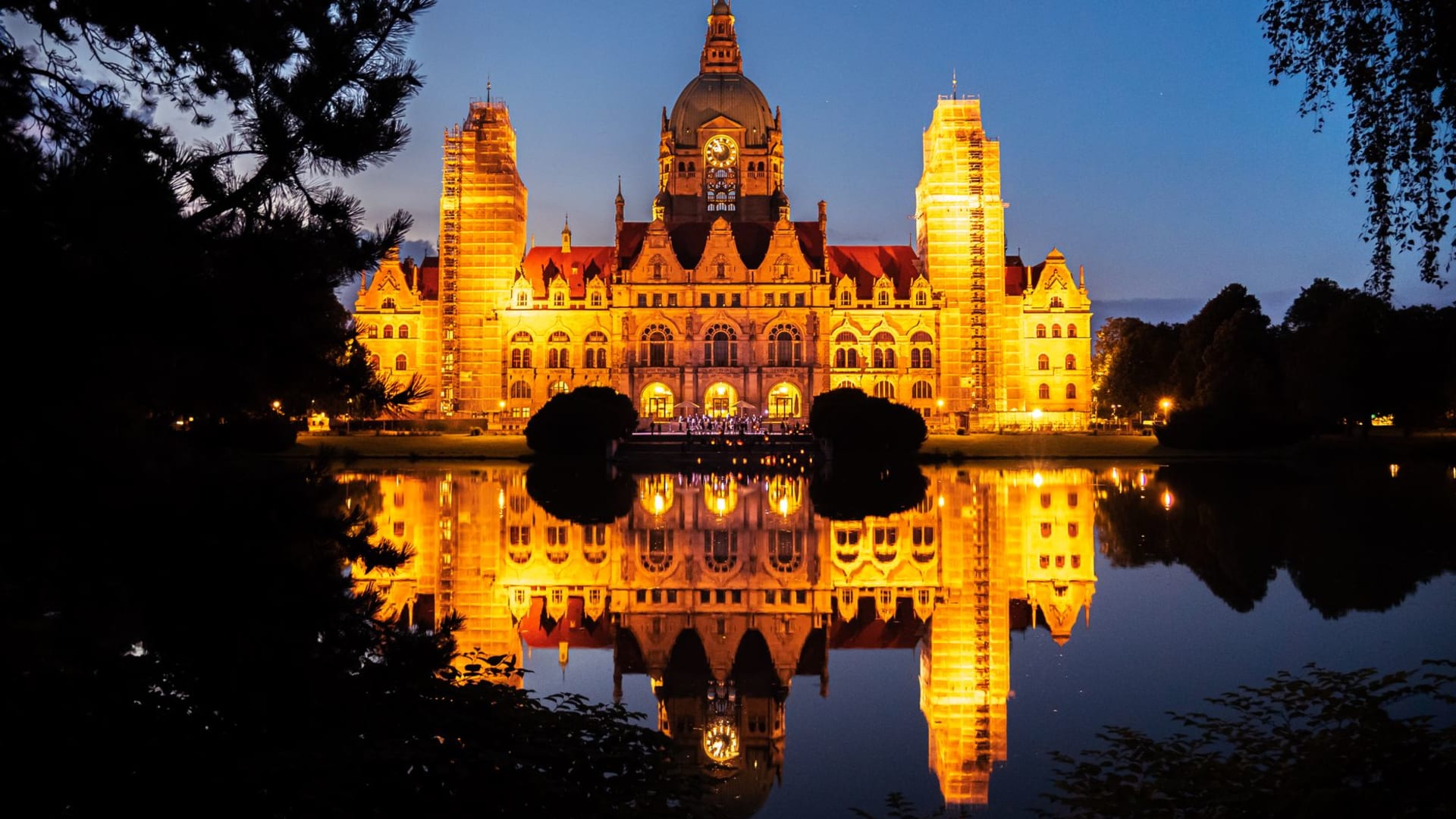
The light arrives differently here. Coming along the B6 Deister Road as afternoon bleeds into gold, the forested ridge of the Deister hills catches the last hour of sun in a way that feels almost architectural — shadow and light arranged with the same deliberate care that shaped this city's rebuilt streets after the war. Hanover does not announce itself. It earns your attention gradually, through the weight of its royal gardens, the seriousness of its museum mile, the particular quiet of a city that rebuilt itself with ambition rather than nostalgia. Pull into the city center and the shift is immediate: Baroque facades standing beside confident modernist insertions, a dialogue between eras that never feels unresolved. Kastens Hotel Luisenhof anchors the experience with the authority of an institution — its 19th-century address on Luisenstrasse carries the kind of restrained opulence that suits a city of this temperament perfectly. Hanover rewards those who resist the urge to pass through. It is a place for drivers who understand that the approach matters as much as the destination, and that arriving well is its own form of arrival.
Where Hanoverian precision meets a city quietly rewriting its own story, one grand facade at a time