Luxury Car Rental
Wiesbaden – BMW
From €195 per day · Delivered to your location · Available now
See BMW in Wiesbaden →
The Rheingau begins just west of Wiesbaden, and the Rheingauer Rieslingpfad is its backbone, a ribbon of road threading between south-facing slate vineyards and the wide grey Rhine, where Cistercian monks spent centuries perfecting what Germany would eventually consider its finest white wine. Drive it properly, which means unhurried, in a car with enough presence to belong on roads this deliberate. Wiesbaden itself trades in a quieter kind of grandeur, thermal spas and Belle Epoque facades that have never needed to raise their voice. The Hotel Nassauer Hof anchors that same restraint, an address built for people who expect quality to be assumed rather than announced.
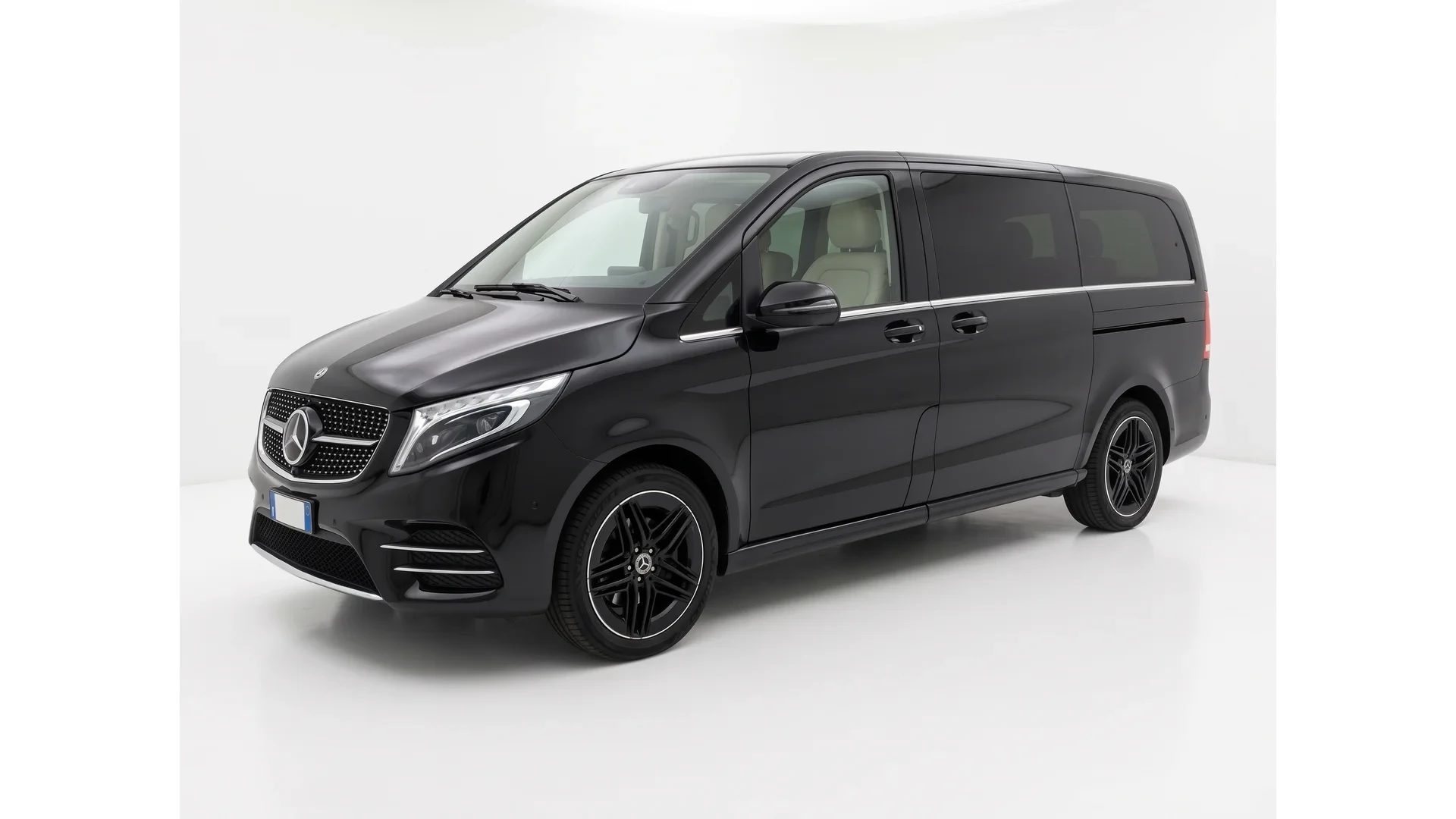
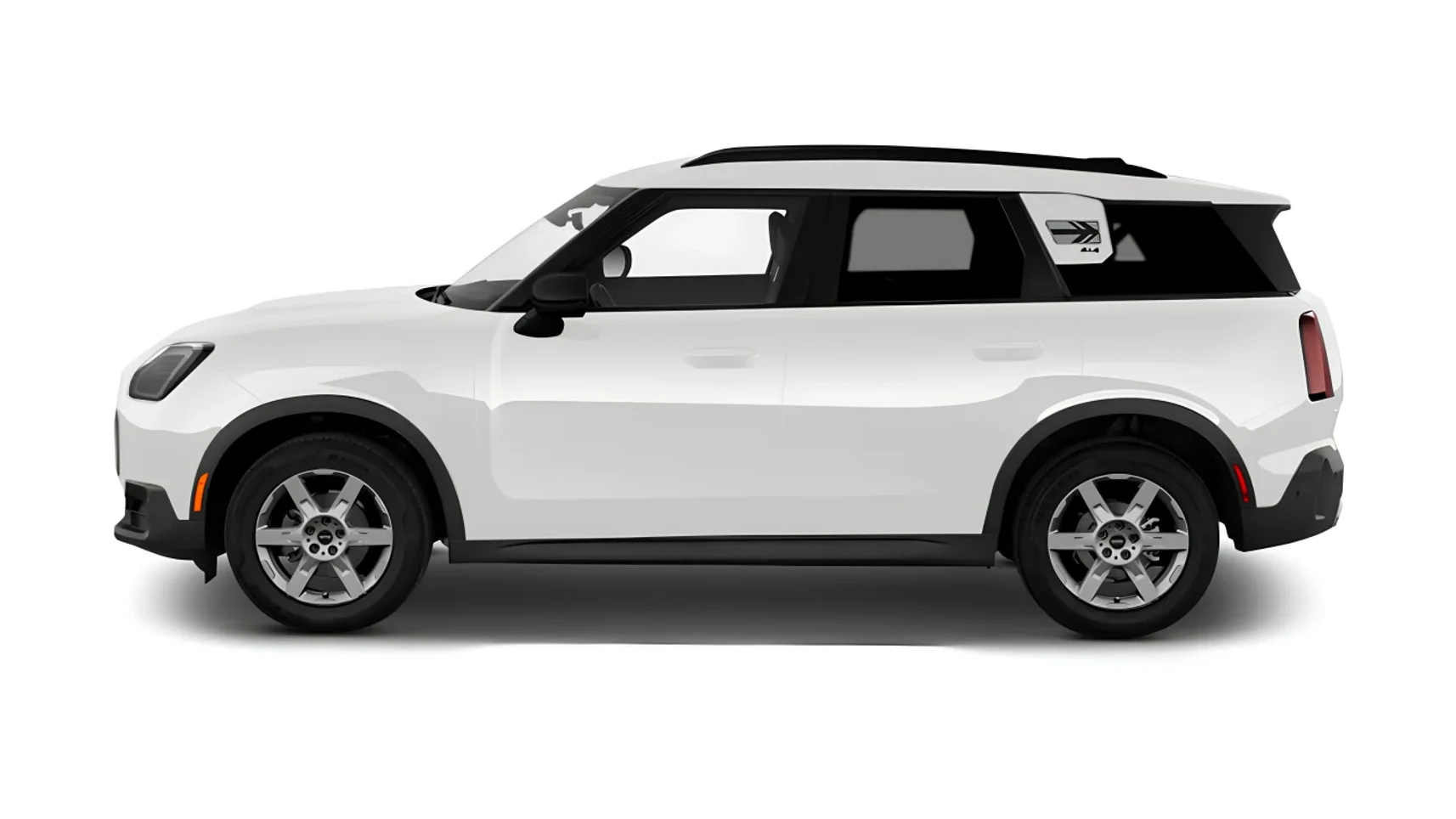
BMW brings a confident, driver-focused character in Wiesbaden. Rent or hire a BMW with Zeus Prestige and it arrives exactly as booked, ready for the Rheingauer Rieslingpfad's vineyard slopes or a quiet arrival at the Hotel Nassauer Hof.
Rent or hire a luxury car with Zeus Prestige and the Rieslingpfad is exactly the kind of road built for a properly chosen car. Clients arranging sports car rental in Wiesbaden tend to request this same stretch, vineyards sliding past at whatever pace the Rhine seems to be setting that day.
Browse the full Sports Cars collection available in Wiesbaden for more like it.