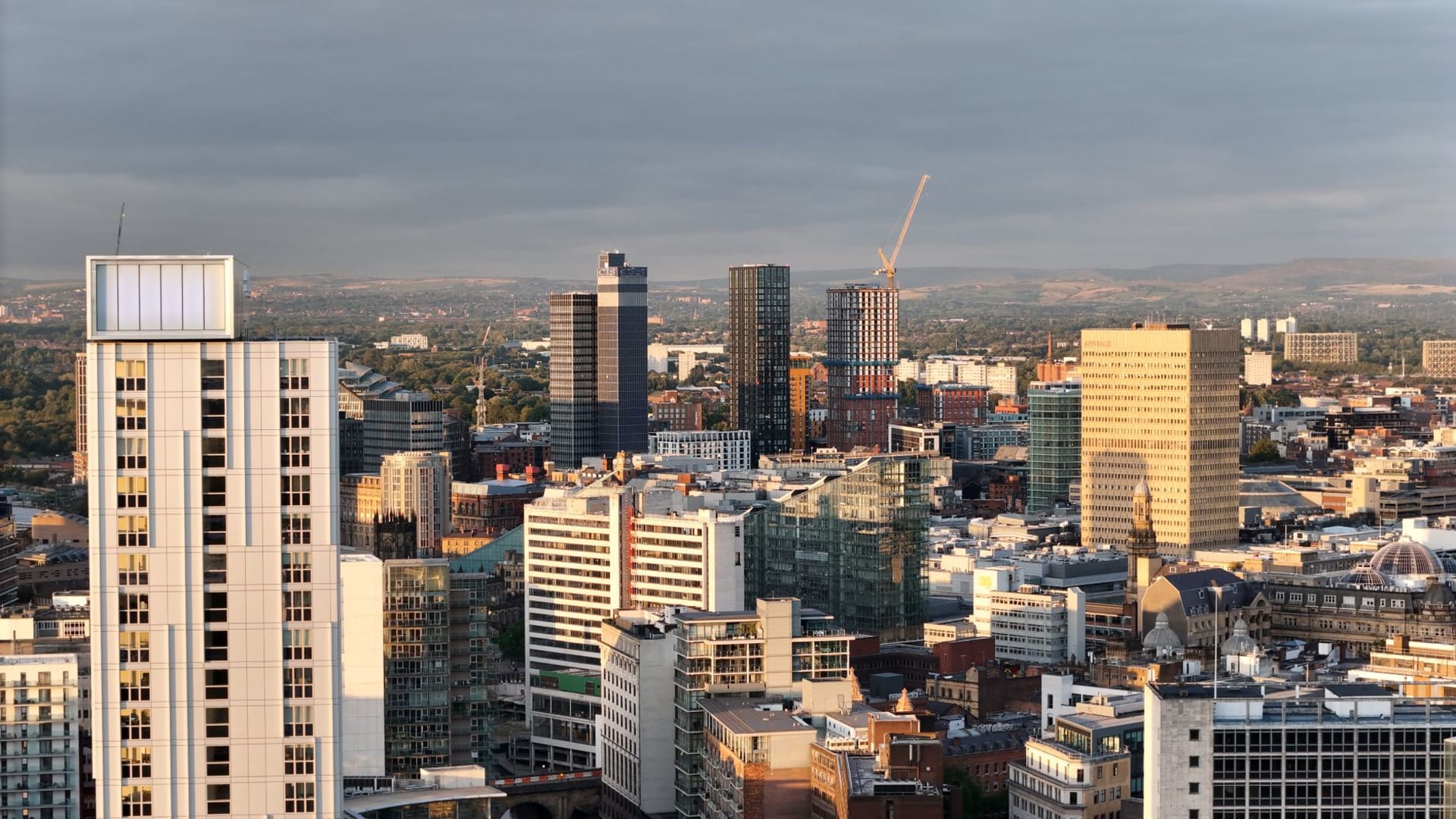
Manchester does not ease you in gently. The city announces itself in cotton-exchange grandeur and red-brick cathedral weight, centuries of mercantile confidence pressed into every Georgian facade. Begin in the historic core, where Deansgate narrows and opens in rhythmic surprise — a medieval lane giving suddenly onto the soaring nave of the Cathedral, or the Barton Arcade's iron-and-glass arcade ceiling catching northern light with unexpected precision. This is a city of earned authority, not decorative charm.
At King Street Townhouse, the rooftop pool sits above one of the most architecturally layered streets in England — an Edwardian bank converted with the restraint of a house that knows exactly what it is. From here, Manchester becomes a different proposition: a base for territory, not just a destination.
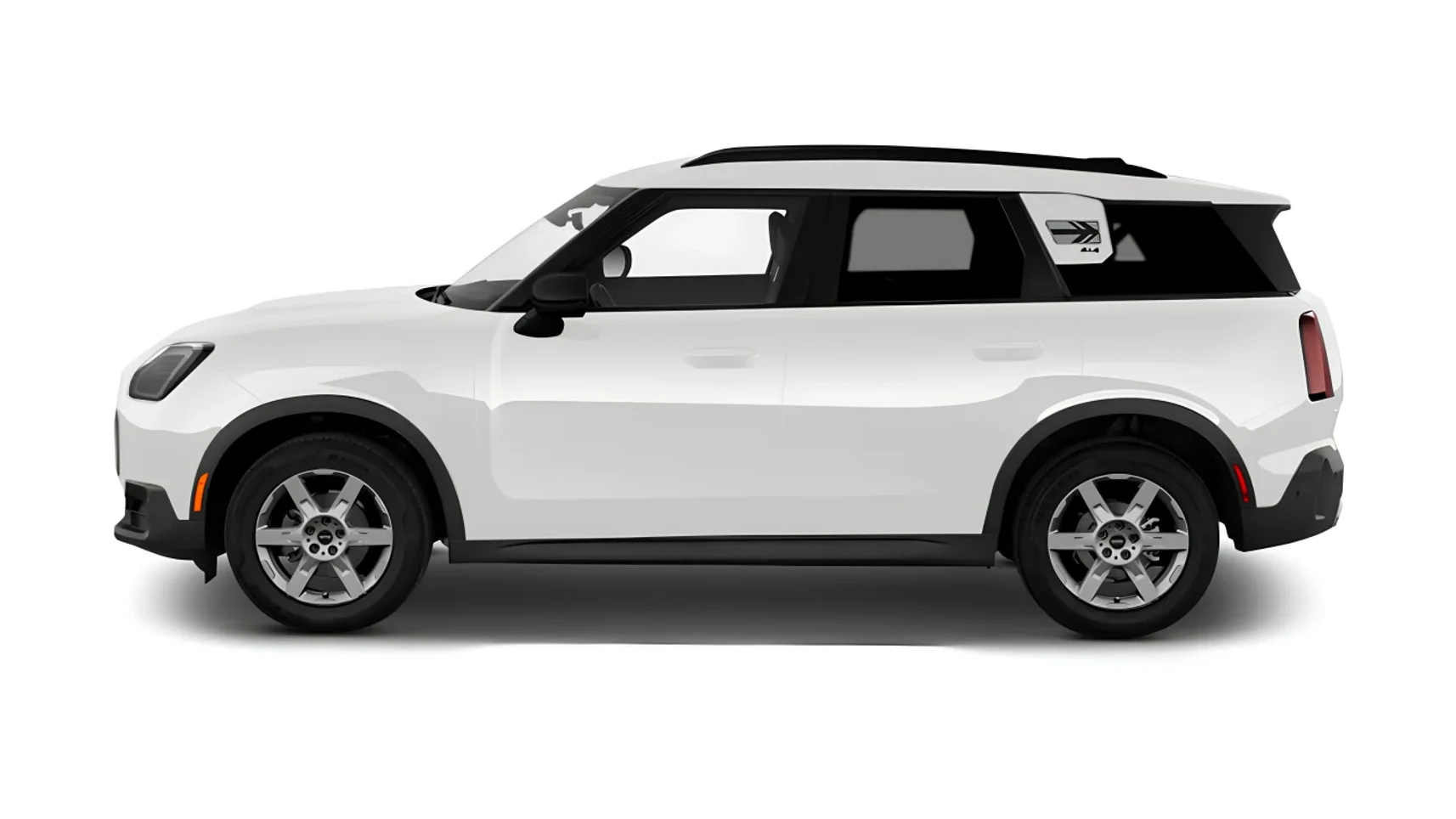
Pull the car toward the Pennines and Snake Pass opens the landscape entirely — a raw, moorland ribbon climbing above the tree line, demanding the kind of mechanical commitment that only an exotic car can answer. The road is unforgiving and utterly honest. Back in the city, that contrast — Gothic weight against open altitude — is precisely the tension that defines driving Manchester at its fullest.
Where Victorian mill-town ambition gave way to cultural authority — drive Manchester on your own terms