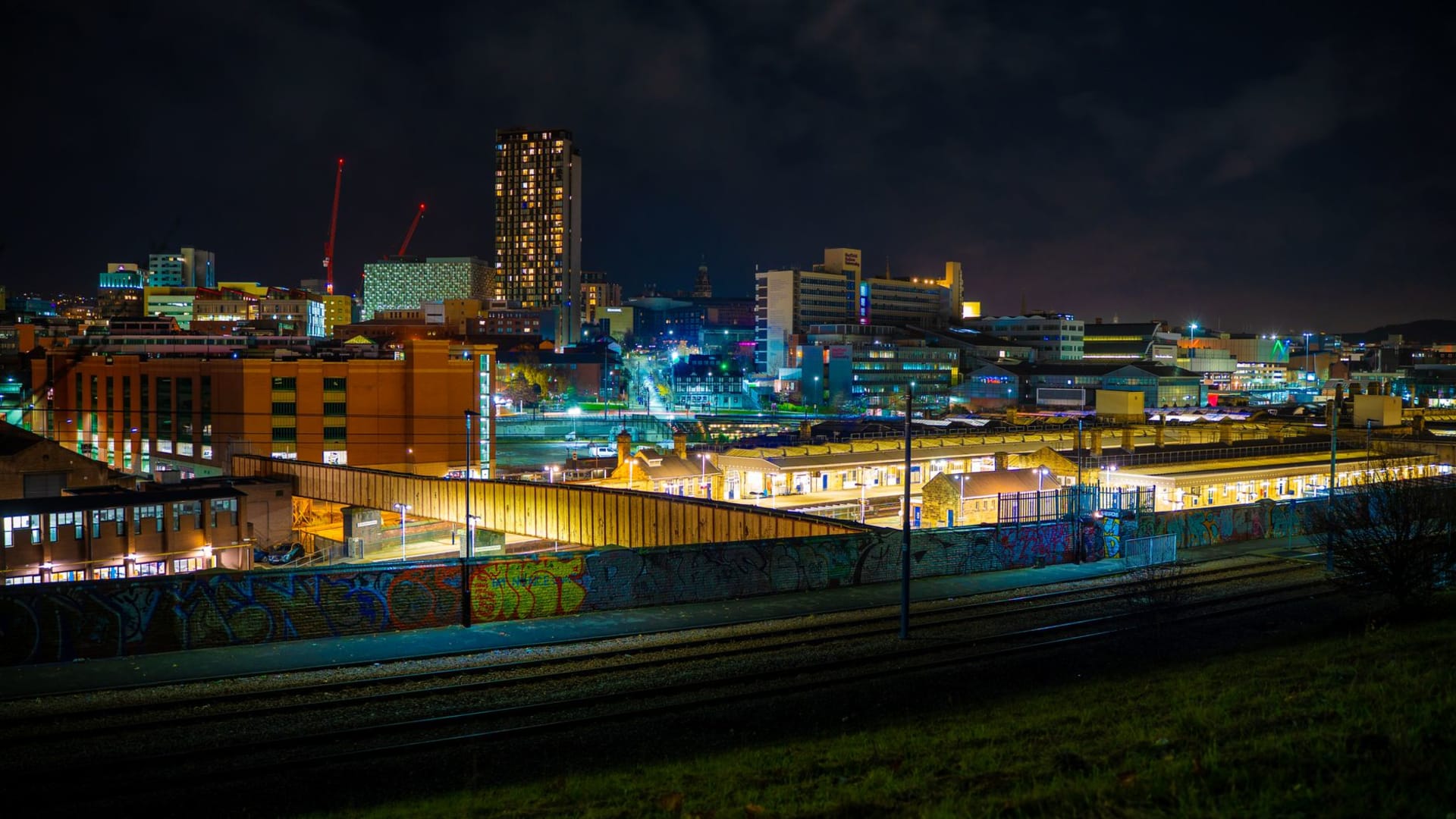
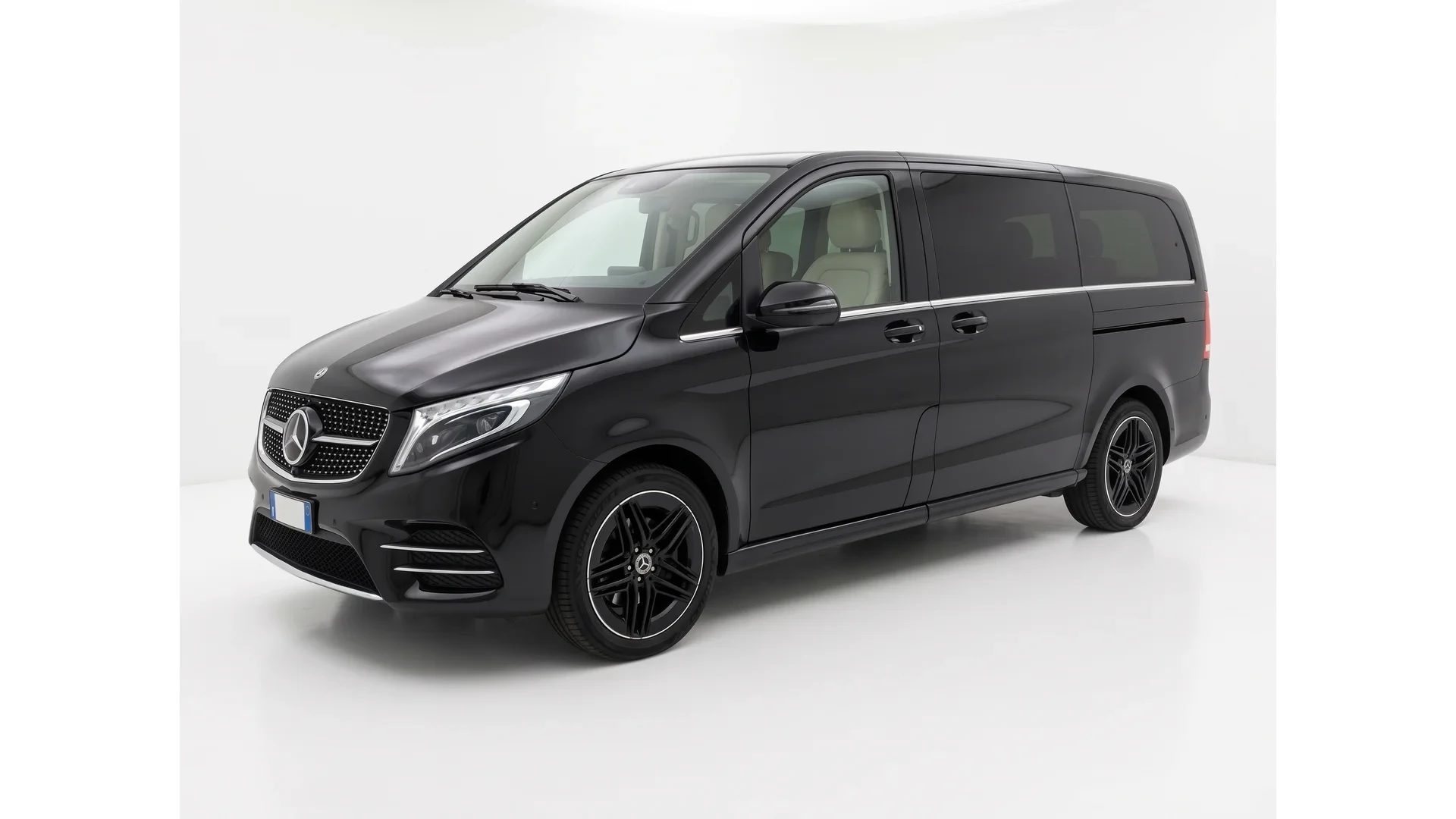
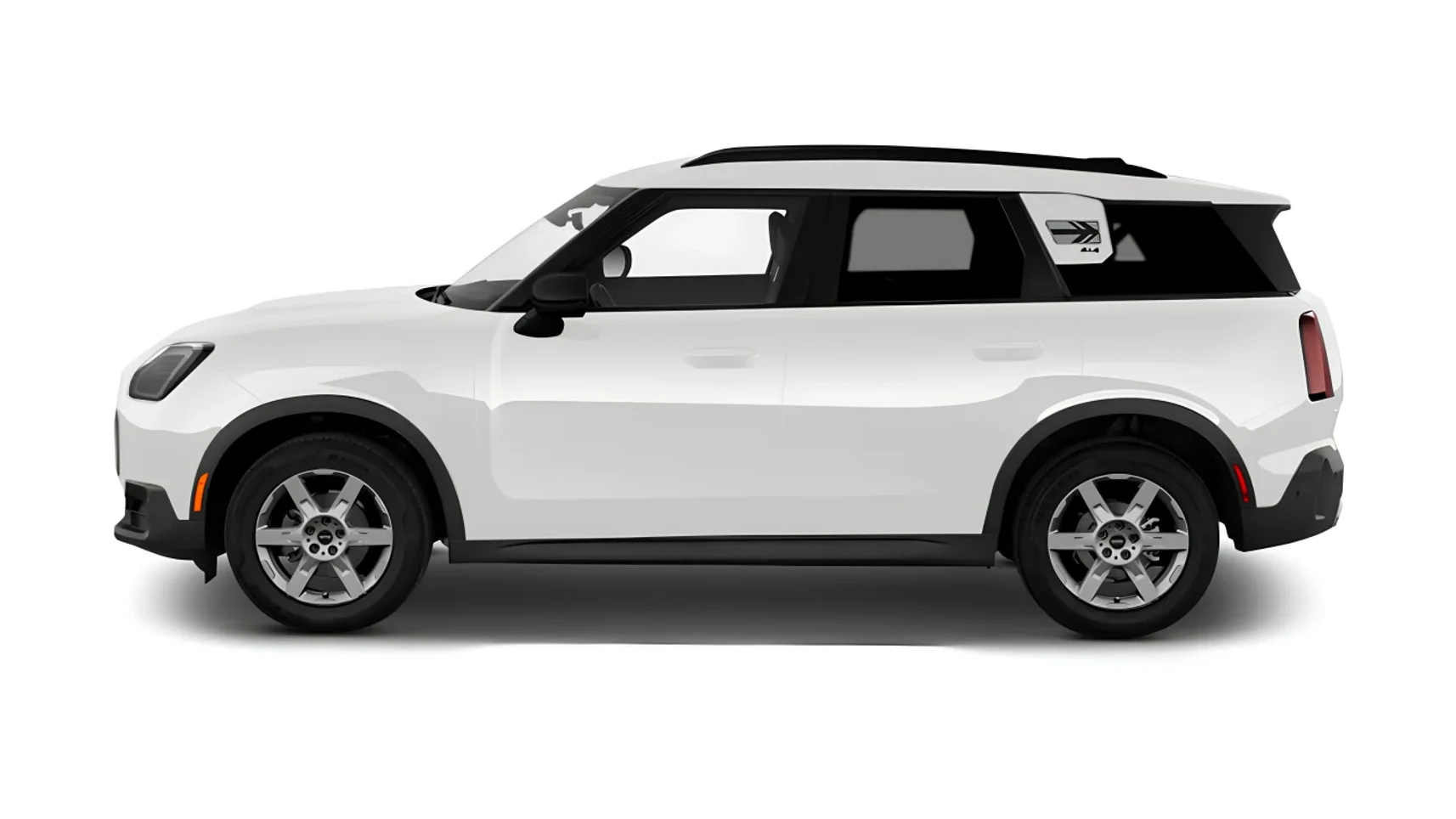
There is a version of Sheffield that most visitors never encounter. It exists between five and seven in the morning, when the mist rolls down from the moors and pools in the Don Valley, and the roads belong entirely to you. Point a car toward the A57 and the Snake Pass materialises gradually — dry-stone walls emerging from grey air, moorland opening without ceremony, the tarmac rising into silence so complete you begin to trust it. This is not a city asking to be photographed. It is a city asking to be driven. Sheffield earned its reputation through furnaces and forged steel, and something of that temper remains in its architecture, its directness, its refusal to perform for outsiders. The brutalist campus buildings stand unapologetically beside Victorian red brick. Former cutlery works have become studios and restaurants without shedding their industrial bones. By the time you return from the high moors and settle into Brocco on the Park — a refined townhouse overlooking Endcliffe Park, where breakfast arrives with the composure of a city finally stirring — Sheffield feels less like a destination than a discovery made entirely on your own terms.
Sheffield rewards those who arrive before the city wakes — steel heritage and Peak District wilderness on a single key