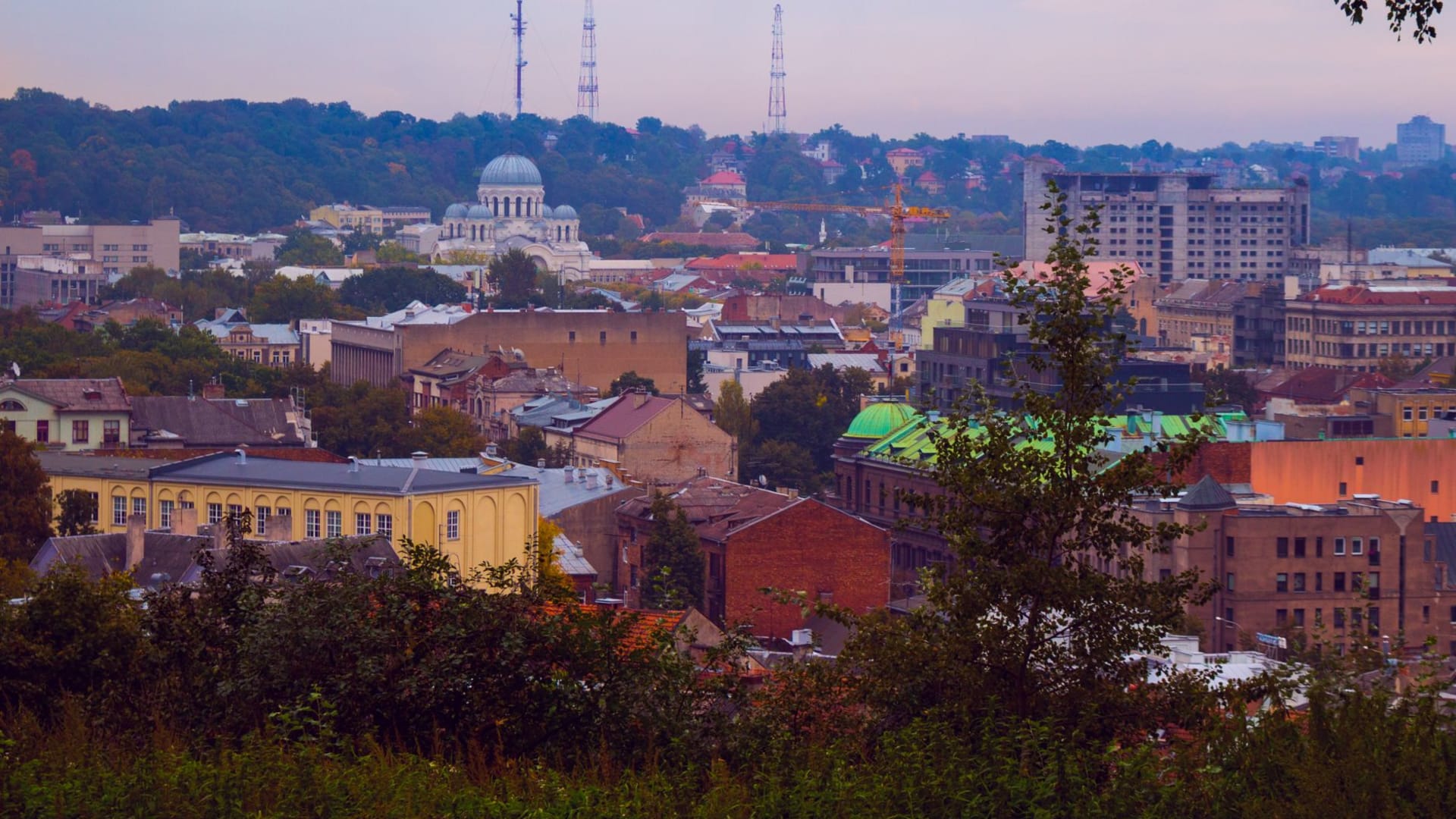
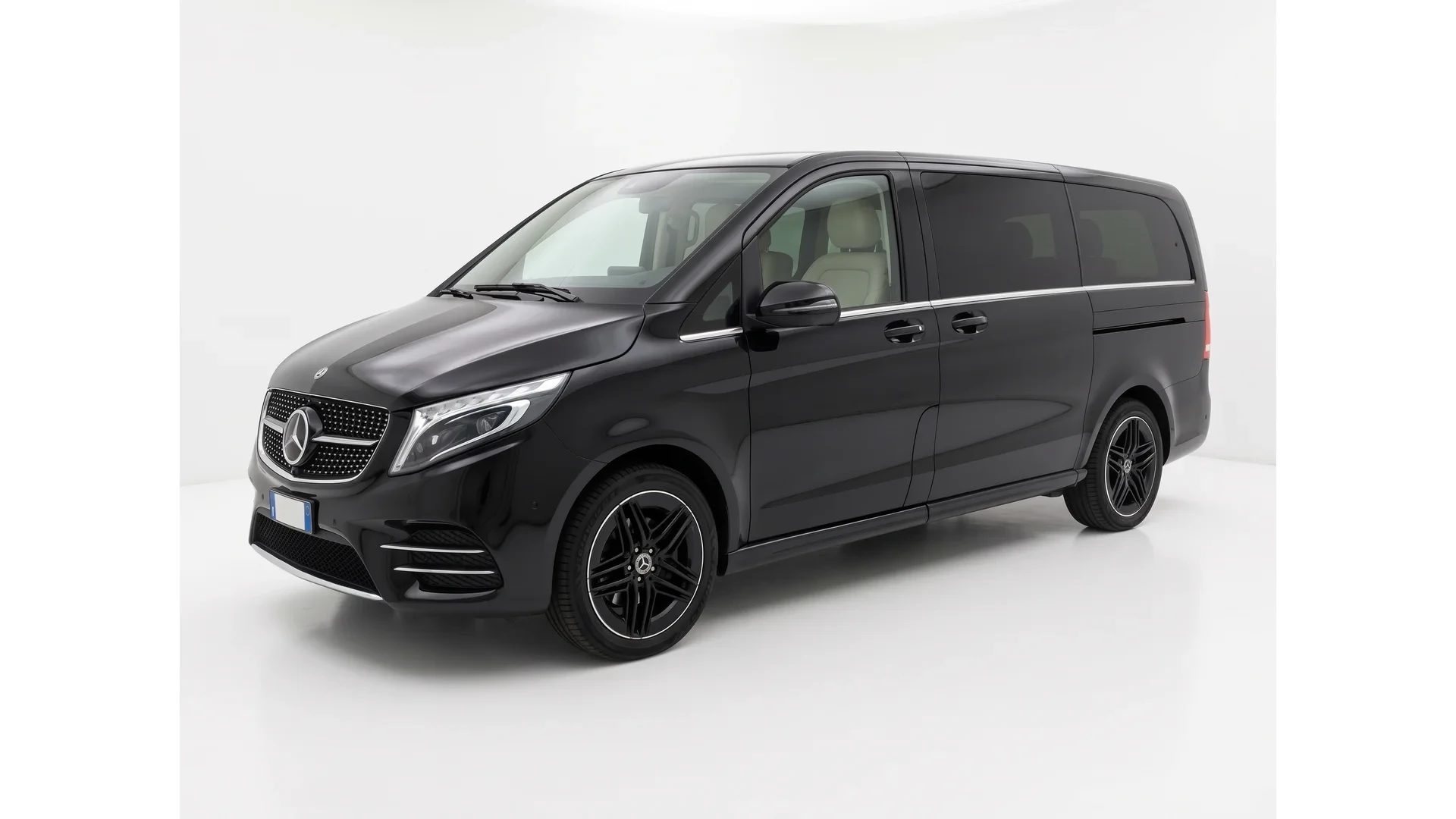
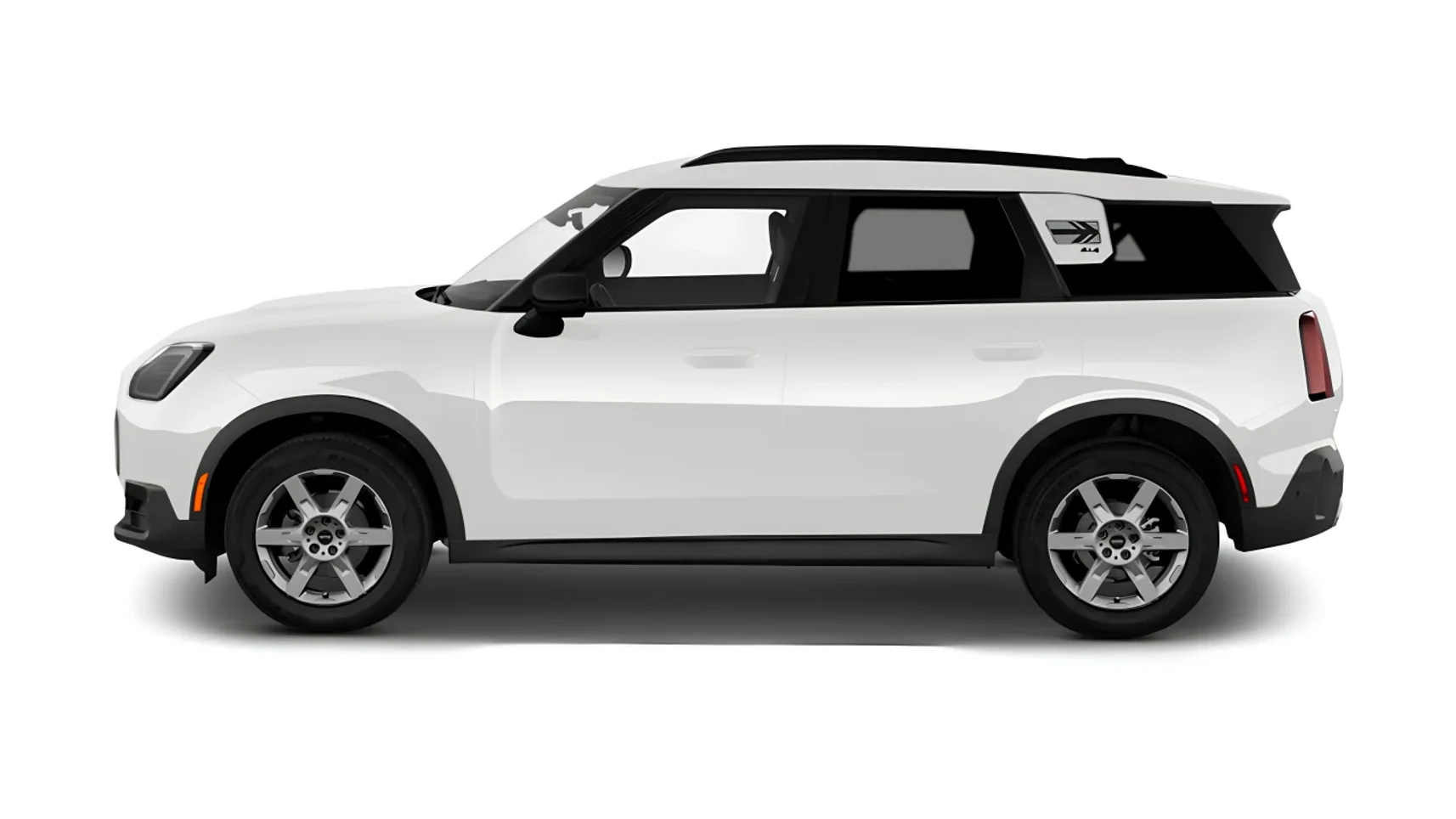
The Nemunas Delta road delivers you into Kaunas the way the city deserves to be met — through fading amber light that turns the river into hammered bronze and catches the white facades of Laisvės Alėja like a slow reveal. Lithuania's second city earned its architectural identity during a brief, precise window of interwar independence, and that clarity of vision never left. The boulevard stretches nearly two kilometres without a single interrupting vehicle, a pedestrian axis of art deco and functionalist buildings that architects come from across Europe to study. Park at the edge of the Old Town and the contrast sharpens — Gothic brick beside geometric plaster, centuries compressed into a single city block. Kempinski Kaunas provides the appropriate counterpoint: a restored landmark property that understands how to hold history without being consumed by it, with rooms that frame the Nemunas confluence rather than merely acknowledge it. Kaunas doesn't perform for visitors. It maintains its own internal logic — intellectual, composed, quietly self-assured. The right car parked outside the right hotel on this boulevard doesn't announce arrival. It simply completes the picture.
Where interwar modernism meets Baltic light — Kaunas rewards those who arrive with intention and a worthy car