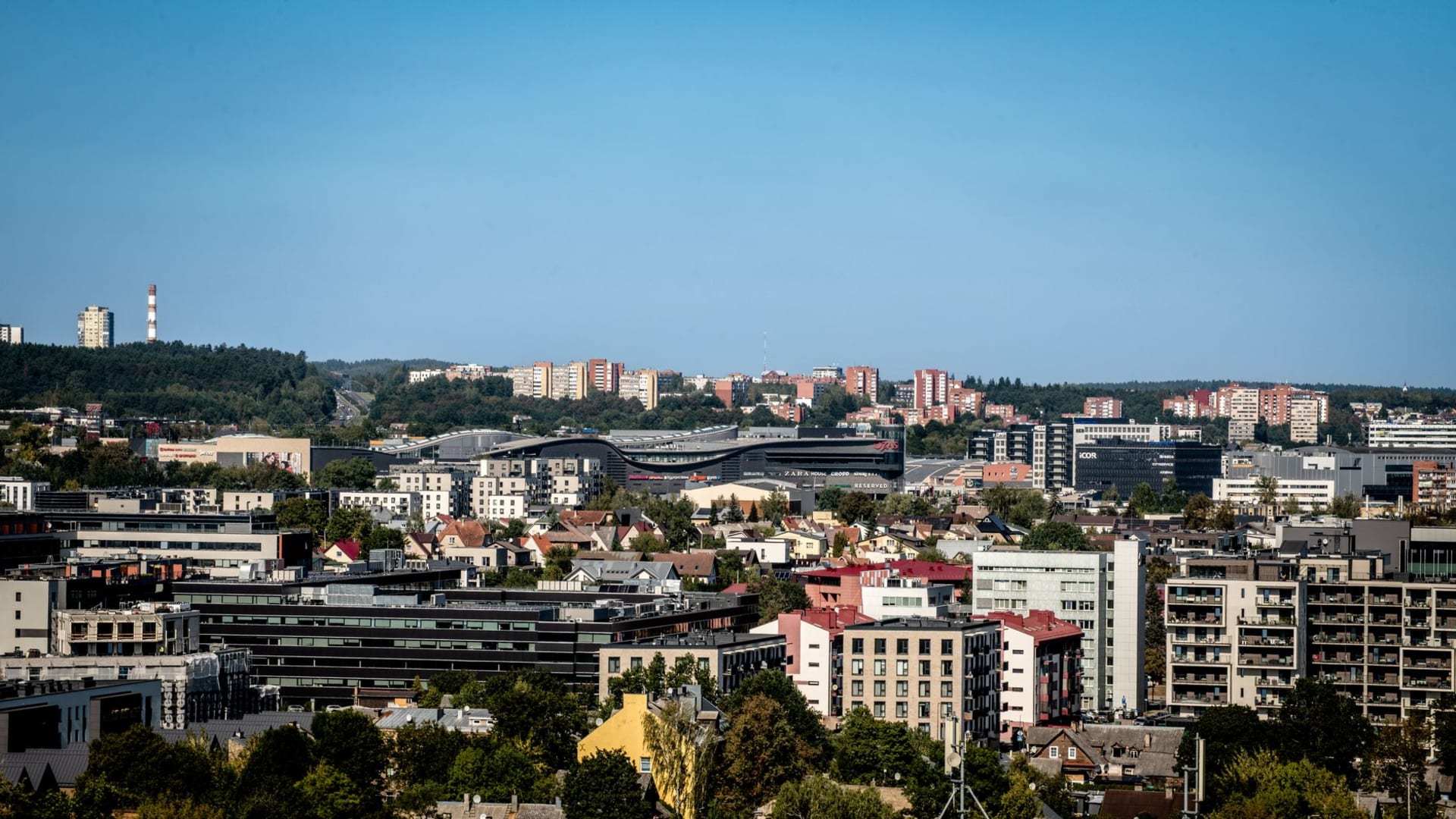
Vilnius has quietly become one of the most serious culinary destinations in Northern Europe, and the best way to understand why is to move through its landscape as much as its dining rooms. Begin at Pacai Hotel Vilnius, a former baroque palace whose stone courtyards set the register for the entire visit — unhurried, architecturally precise, charged with old-world authority. From here, the culinary logic unfolds outward. The Neris River Valley Road via Verkiai carries you through dense pine corridors and manor estates where foraging traditions run centuries deep — the same wild herbs, fermented rye, and woodland mushrooms that now appear on tasting menus in the Old Town once fed monastery kitchens along these very banks. Lithuanian natural wine has arrived with conviction: small-production bottles from the Aukštaitija highlands pair with cold-smoked pike and aged curd in ways that feel less fashionable than genuinely inevitable. The city's top chefs draw no hard line between terroir and memory, treating smoked meats, amber honey, and foraged greens as a serious culinary vocabulary rather than rustic nostalgia. Arrive hungry. Leave with a considerably longer list of producers to track down.
Where a 17th-century capital rewrites itself in Michelin ambition and quiet aristocratic confidence