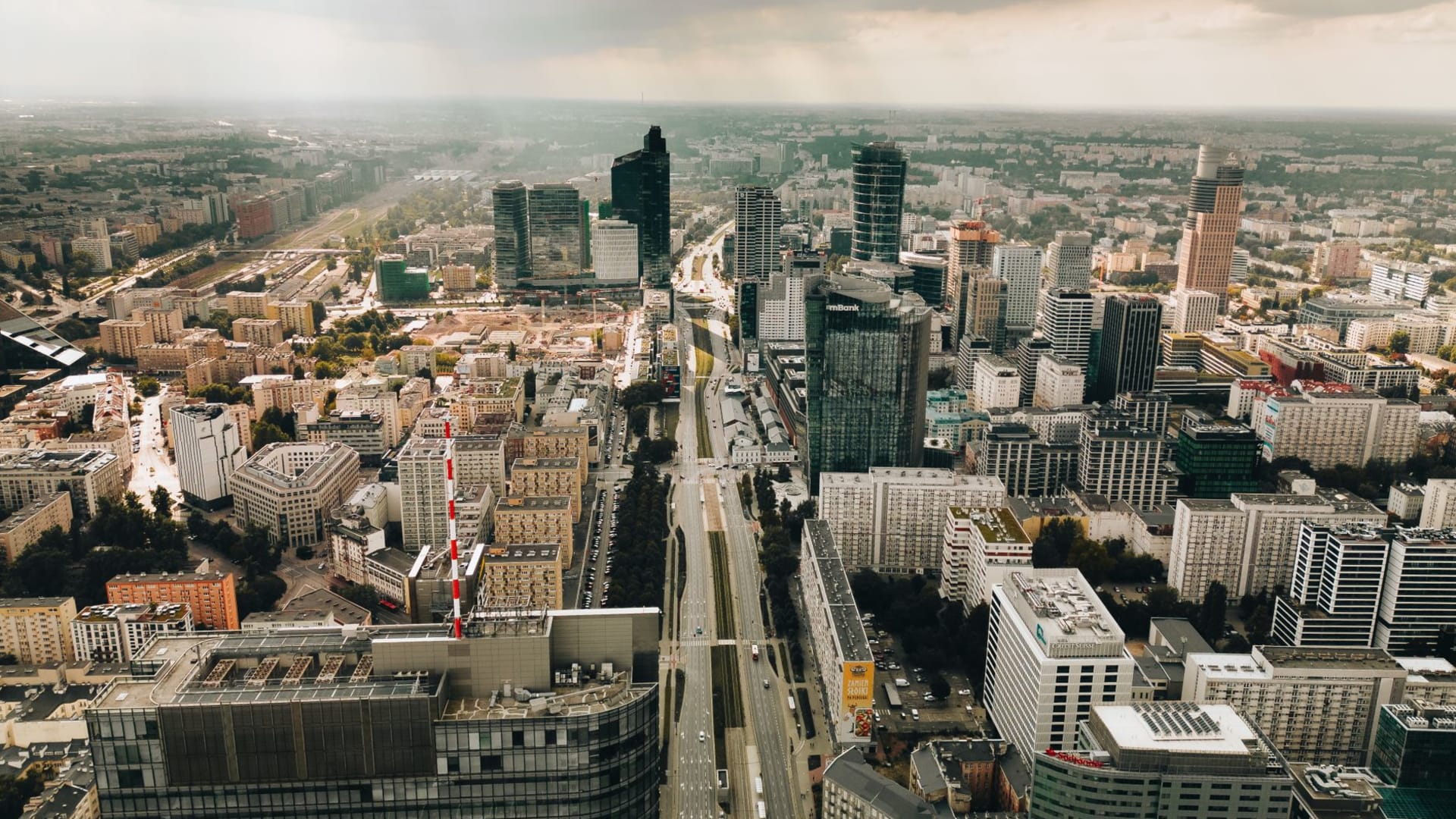
Begin in the medieval grain of the Old Town, where the cobblestones tighten and the proportions feel almost theatrical — a city reconstructed brick by brick from wartime photographs, now convincingly eternal. The deeper you press into Stare Miasto, the more the streets conspire to surprise: a sudden courtyard, a pale neoclassical façade, a passageway that exhales into Castle Square with the quiet drama of a curtain rising. Warsaw does not announce itself. It reveals itself, incrementally, to those moving through it at the right pace. Thread south along Al. Ujazdowskie — the Łazienkowska Route — where linden-lined boulevards carry you past embassies and palaces toward Łazienki Park, a landscape that rewards a slow approach far more than a hurried glance. Return to Krakowskie Przedmieście and take a table at Hotel Bristol Warsaw, the city's most storied address, where the Belle Époque interiors have hosted heads of state and artists in equal measure. Warsaw is a city of earned grandeur — nothing here was handed down untouched. That history gives it a particular weight, and a particular confidence, that no amount of polish alone can manufacture.
Warsaw wears its contradictions like haute couture — rebuilt from ash, now dressed in marble and ambition