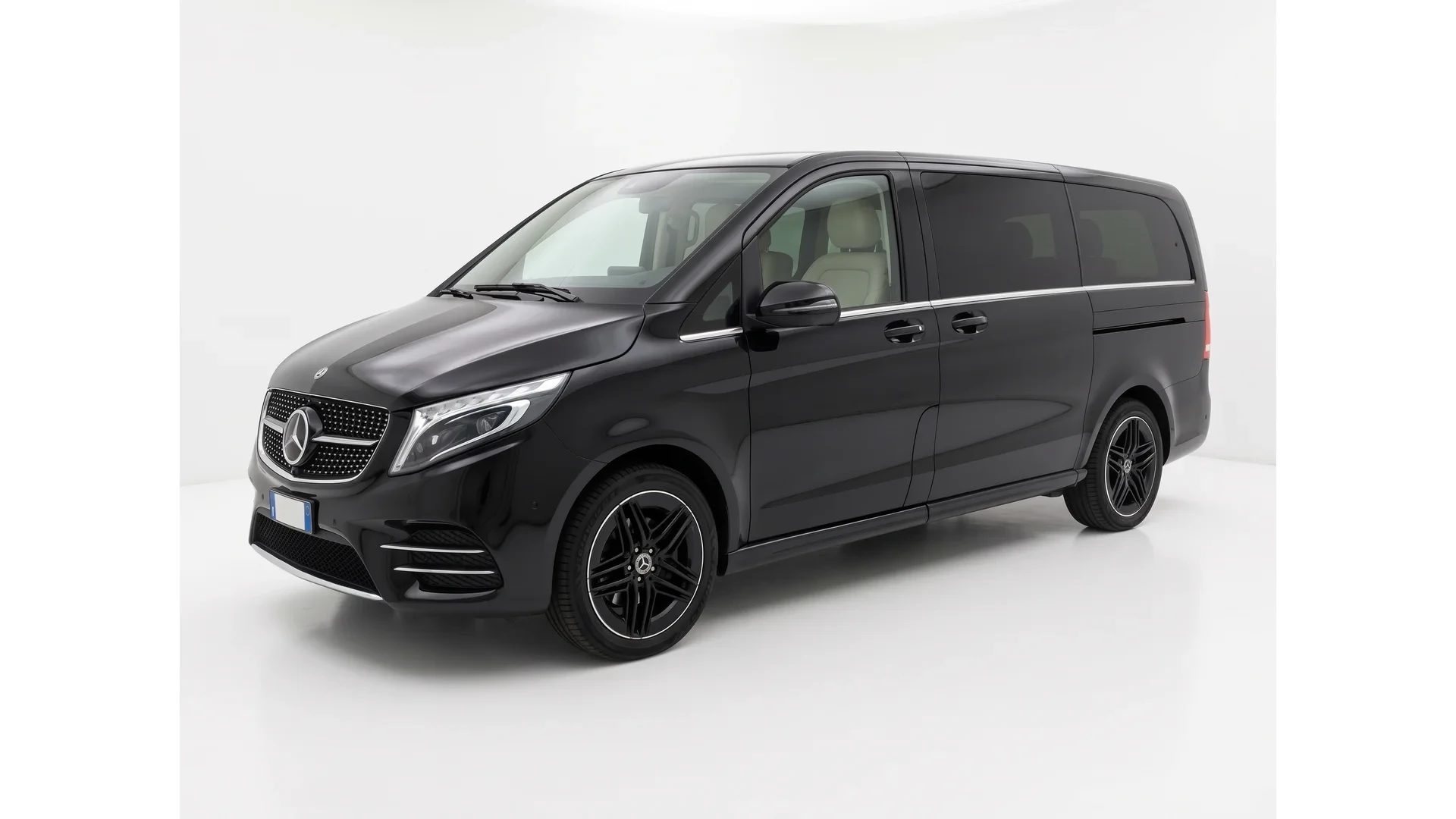
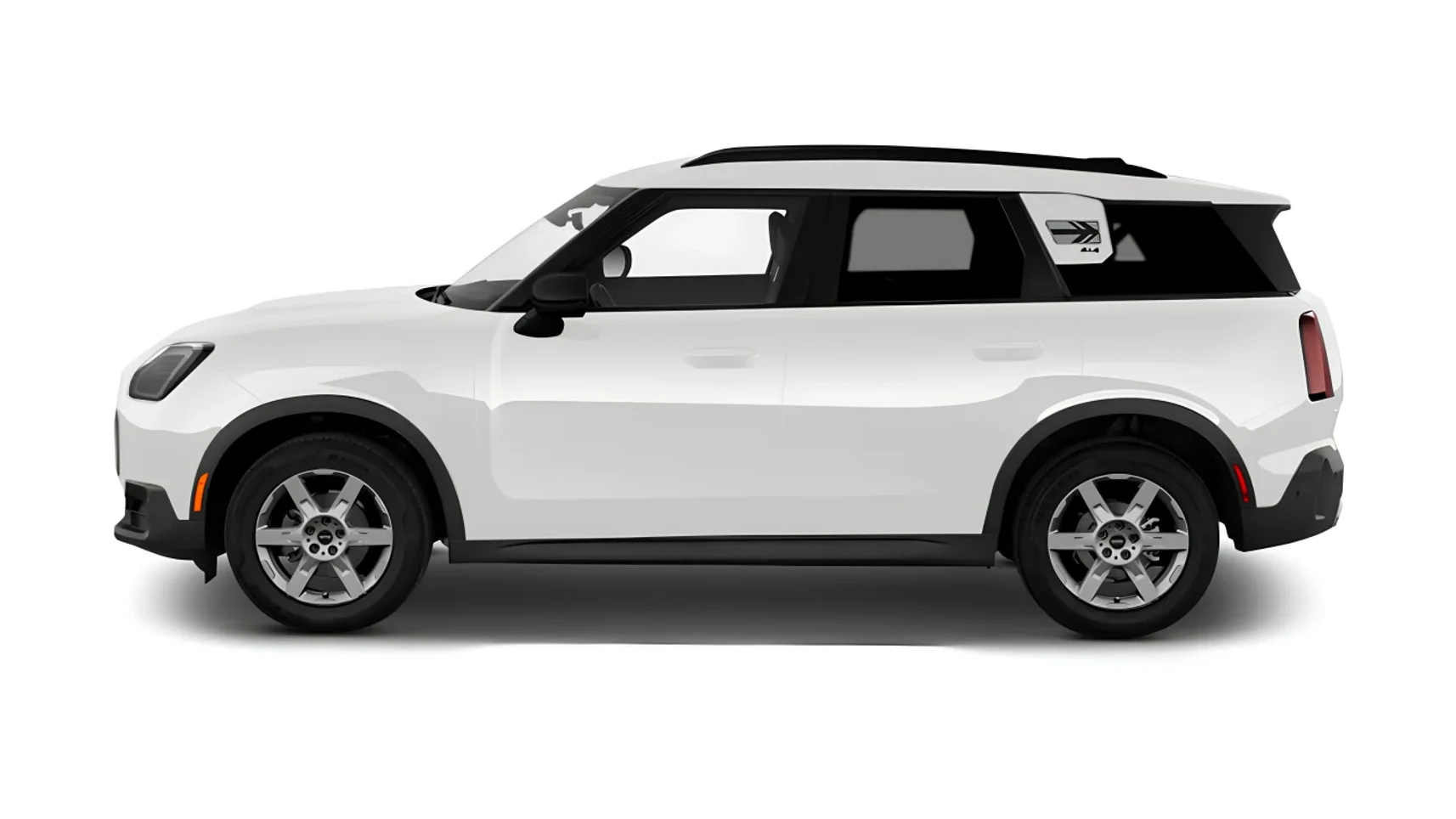
Luxury Car Rental
Aston Martin Rental in Canton of Basel-Stadt
From €850 per day · Delivered to your location · Available now
See Aston Martin in Canton of Basel-Stadt →
Luxury car rental in Basel with Zeus Prestige can start at EuroAirport Basel Mulhouse Freiburg (BSL), at your hotel in the old town or at an address of your choice. Rent or hire a supercar, a sports car or a convertible, or bring a luxury SUV for the longer days, and explore the Rhine, the Jura hills and Lake Biel.
Basel sits on the Rhine at the point where Switzerland, France and Germany meet, and the river shapes the city. The name is first recorded in the third century, and the Basel Minster, begun in 1019 and finished in 1500, rises above the bank. From the eleventh century Basel served as a prince-bishopric, and it joined the Swiss Confederation in 1501.
The University of Basel, founded in 1460, is the oldest in Switzerland. The Kunstmuseum's collection traces back to 1661 and was the first art collection open to the public, which helps explain why Basel is commonly called the cultural capital of Switzerland. The city is also a major centre of chemistry and pharmaceuticals.
Evenings gather along the Rhine, and from the city the Jura hills, the river valley and the lakes to the south-west open in different directions.
The roof comes off for Lake Biel, south-west of Basel through the Jura. On the northern shore the vineyard villages of Twann and Ligerz cling to the slope above the water, and St. Peter's Island rises from the lake as a wooded peninsula. Jean-Jacques Rousseau spent two months there in 1765 and called it the happiest time of his life. A priory founded in 1107 now serves as a hotel and restaurant. The air smells of lake water and sun-warmed vines. Take a lakeside lunch and drive back with the roof still down.
A supercar finds its stage on the Passwang, the road across the Jura between Beinwil and Mümliswil that links the Basel countryside with the canton of Solothurn. The tarmac climbs through forest and pasture in quick, tight bends, and the heart rate rises with every one. Descend the far side with the engine settling on the overrun, then turn around and take the whole sequence again.
A grand tourer suits the short run east along the Rhine to Augusta Raurica, about 20 kilometres from Basel. This Roman colony held around 20,000 people in the second century, and its theatre, the largest Roman theatre north of the Alps, seated between 8,000 and 10,000 spectators. The Roman Museum shows the Kaiseraugst silver treasure and a reconstructed Roman house. Leather warms in the afternoon sun through the glass, and the cabin keeps the road noise to a murmur on the way back.
Yes. Basel's old town, hotels and homes are covered, so name the spot when you book.
Yes. We deliver to EuroAirport Basel Mulhouse Freiburg (BSL / MLH), including its private aviation terminal (ICAO LFSB). The airport lies just north-west of the city, on the French side of the tri-border region.
Go open-top for Lake Biel, take a supercar to the Passwang, and choose a grand tourer for Augusta Raurica and longer journeys through the Jura.
Zurich lies to the east, Freiburg im Breisgau to the north in Germany and Strasbourg to the north in France, while Geneva sits to the south-west.
Yes. Basel sits in the north-western corner of the country with the Jura hills, Lake Biel and Roman Augusta Raurica all within reach, and the motorways run on toward Zurich and Geneva.
Choose from our supercars, sports cars, cabriolets and SUVs, tell us where in Basel to deliver, and the keys will be ready for your luxury car hire.
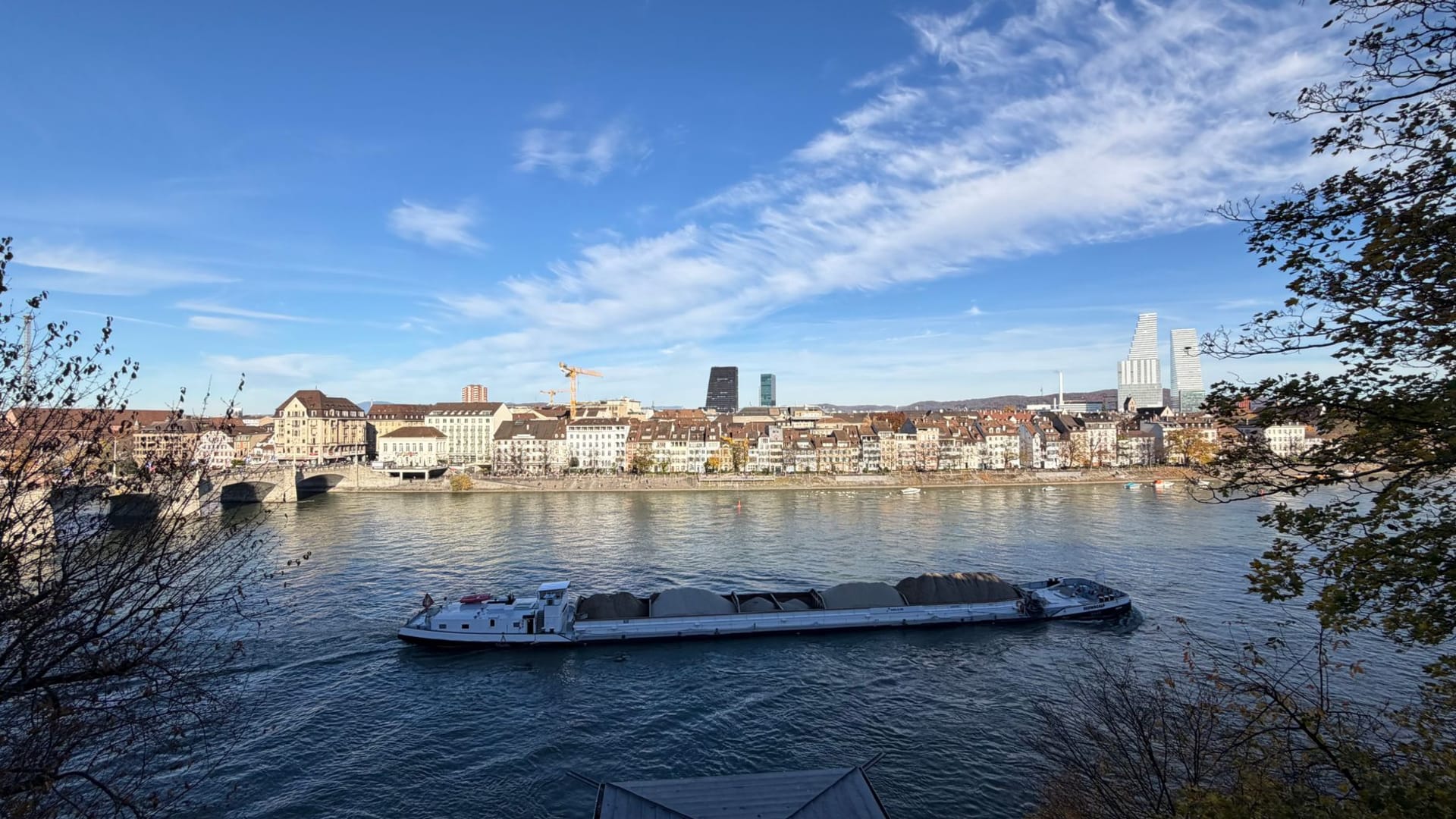
Luxury car rental in Basel, delivered to your hotel, your address or EuroAirport Basel Mulhouse Freiburg, with drives to Lake Biel, the Passwang and Augusta Raurica.