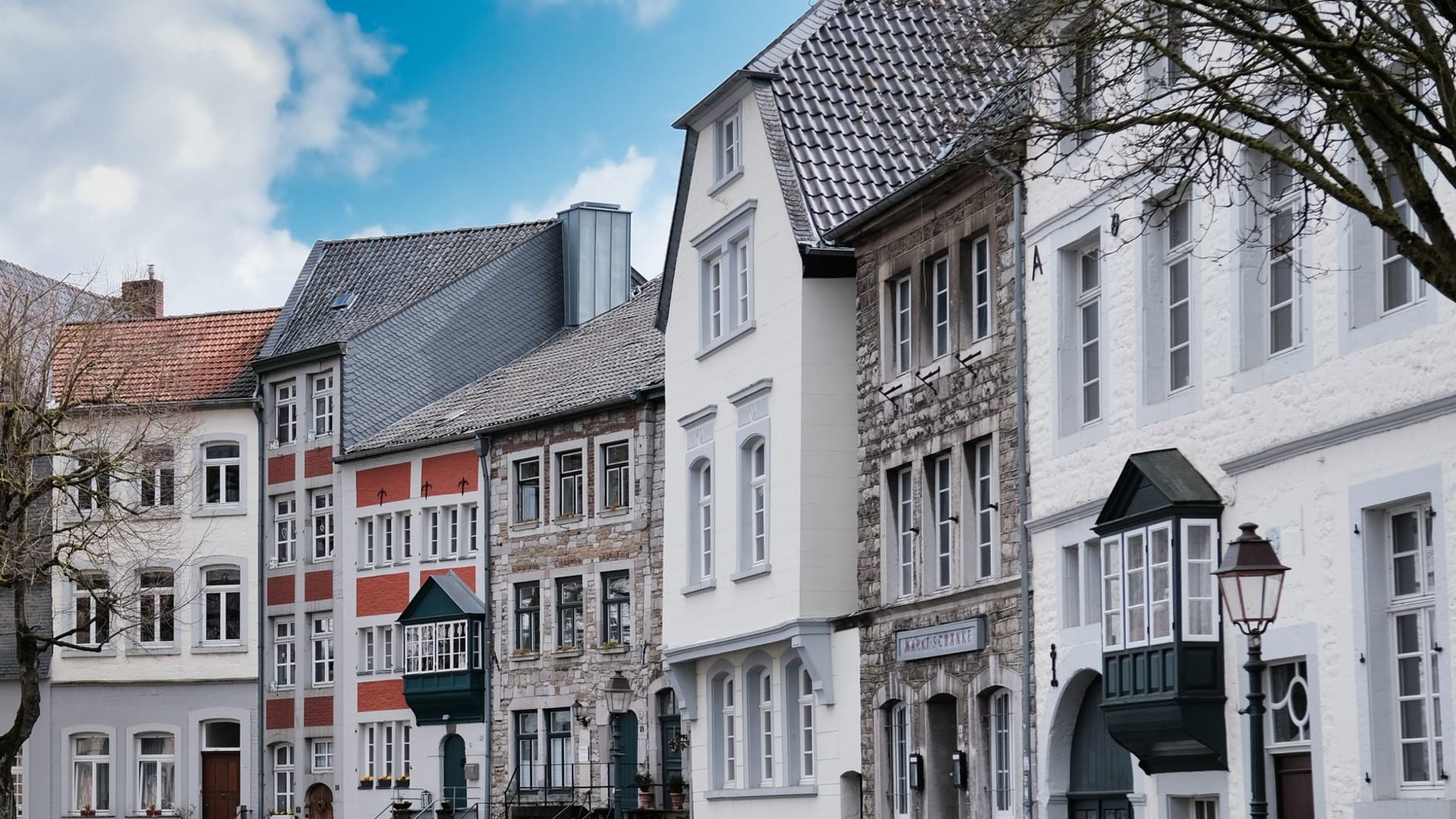
Descending from the volcanic uplands of the Eifel along the B258, the land flattens with a kind of deliberate authority — forests yielding to the spires and rooftops of a city that once administered half a continent. Charlemagne chose this place not for its geography alone but for its waters, and that same mineral-laced warmth still rises through the earth beneath the old town's cobblestones. The approach from above gives Aachen something most German cities cannot offer: perspective. You see the cathedral dome before you see the streets, and the sequence matters. Park the car where it deserves to be seen — then walk. The Hotel Pullman Aachen Quellenhof anchors the western edge of the city with the unhurried confidence of a grande dame institution, its spa drawing on the same thermal sources that made Roman generals linger here longer than campaigns required. Aachen sits at the precise junction of Germany, Belgium, and the Netherlands, which gives its restaurant culture an unusual triangularity — technically German, instinctively Francophone, quietly Flemish. This is a city whose power was absolute and whose atmosphere, centuries later, still carries the residue of that certainty.
Where Carolingian empire meets thermal mineral springs — Aachen rewards those who arrive in something worthy of its history