Luxury Car Rental
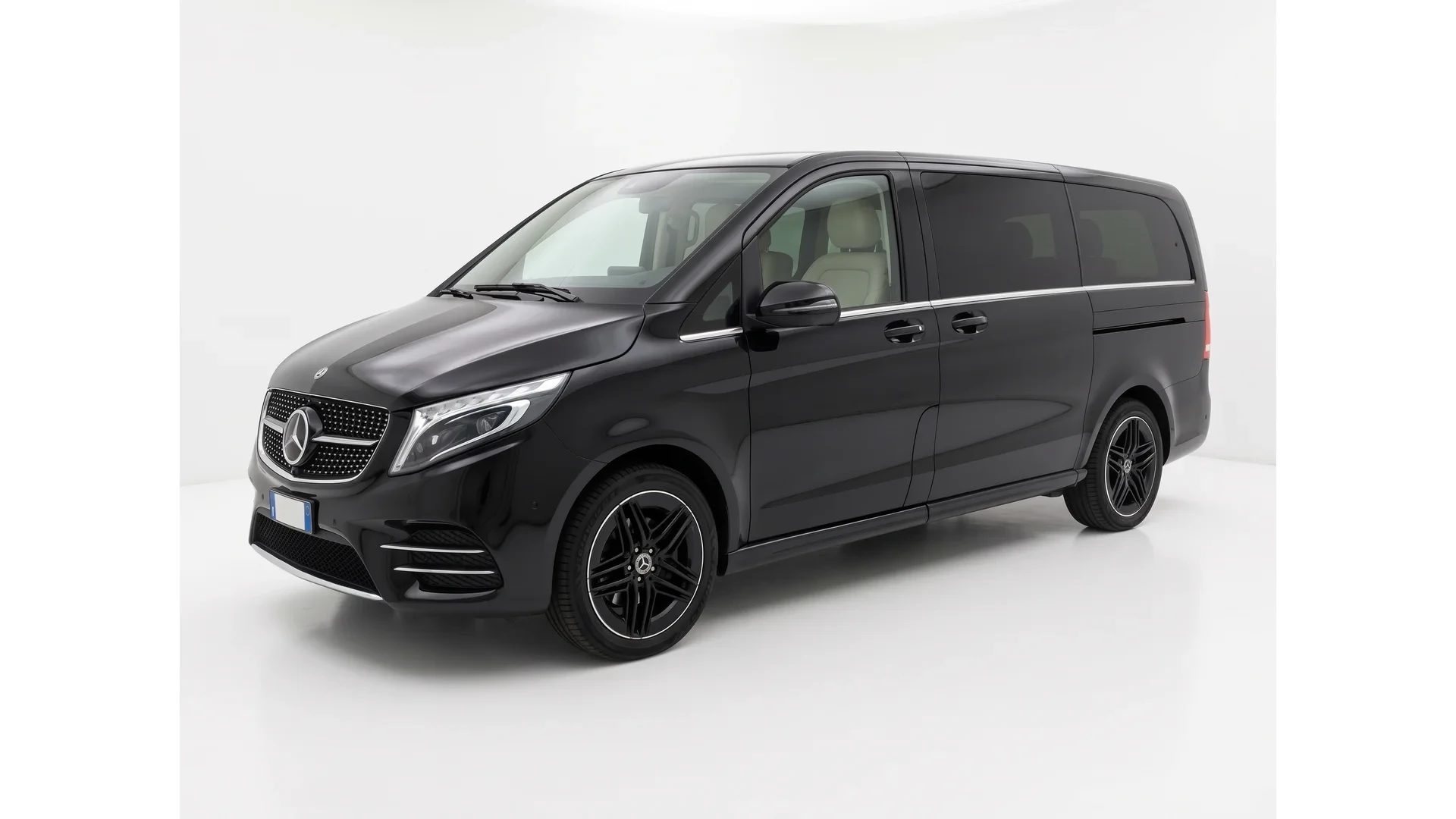
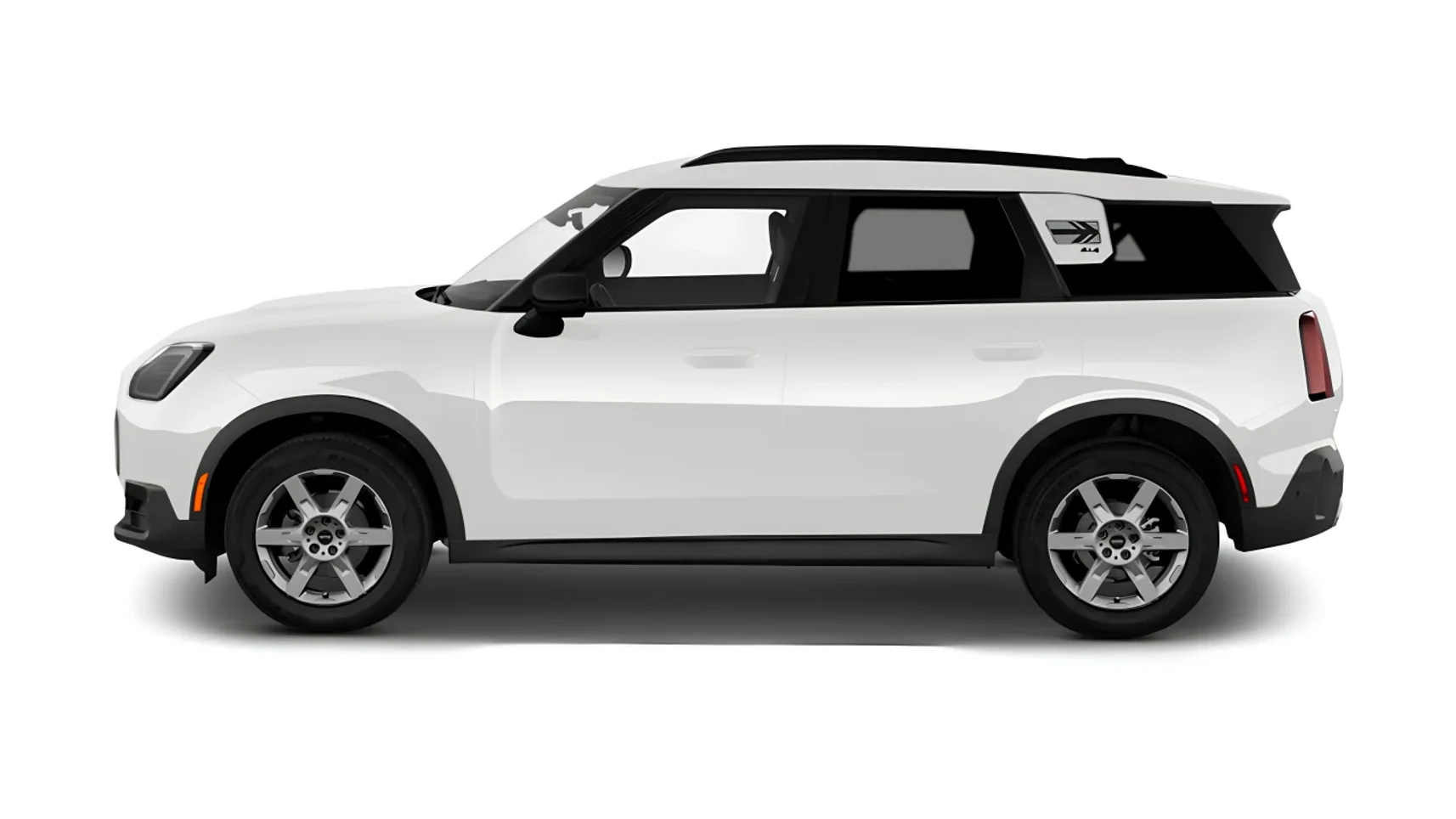
Land Rover Rental in Berlin
From €275 per day · Delivered to your location · Available now
See Land Rover in Berlin →
Zeus Prestige delivers luxury car rental in Berlin to Berlin Brandenburg Airport (BER), to your hotel in Mitte or Charlottenburg, or to any address in the city. Pick an exotic car or a supercar for the open road, a sports car for the lanes, or a luxury SUV for the lakes, and set the pace yourself. Luxury car hire in Berlin puts the palaces of Potsdam, the forests of Brandenburg and the canals of the Spreewald within easy reach.
The Brandenburg Gate went up between 1788 and 1791 under King Frederick William II of Prussia. Carl Gotthard Langhans designed it, and Johann Gottfried Schadow made the bronze quadriga on top. From 1961 until 1989 the Berlin Wall ran beside it. Museum Island, five museums on an island in the Spree, joined the UNESCO World Heritage list in 1999.
Berlin is a city of water and woodland. The Spree runs through the centre, the Havel opens into lakes on the western edge, and the Tiergarten lies a few steps from the Reichstag. Tempelhof Airport closed in 2008 and its airfield is now a public park, while Berlin Brandenburg Airport opened in October 2020 and took over from Tegel and Schönefeld.
Evenings run late, from the cafés and galleries of Mitte to the canalside bars of Kreuzberg, and at weekends the city empties onto its lakes.
Drop the roof for the Havel lakes, west of the city. Wannsee comes first, then the Glienicke Bridge, where Cold War prisoner exchanges took place, and beyond it Potsdam. Frederick the Great built the summer palace of Sanssouci between 1745 and 1747, and the palaces and parks of Potsdam joined the UNESCO list in 1990. Cecilienhof hosted the Potsdam Conference of 1945. The air carries the smell of lake water and cut grass. Park by the water, walk the terraces, and drive back through the evening with the roof still down.
A sports car or supercar finds its rhythm north-east of Berlin in the Schorfheide, a UNESCO biosphere reserve of beech forest, heath and lakes. Avenues of old trees run straight toward Chorin Abbey, a Cistercian monastery in brick Gothic from the thirteenth century, and toward the Werbellinsee. The road clears ahead, the throttle opens between the trunks, and the heart pounds against the ribs. Stop at the abbey to let it settle, then take the same avenues home.
Settle into a luxury SUV for the Spreewald, south-east of Berlin, a UNESCO biosphere reserve where the Spree divides into a maze of canals. Lübbenau and the villages around it stand beside the water, and flat-bottomed punts still glide through the channels. Stop for lunch and try the pickled gherkins the region is known for. The cabin stays hushed on the long straight roads, and the car passes quietly beneath the alders that line the canals.
Yes. Berlin hotels, apartments and offices are covered, as is the surrounding Brandenburg area. Share the address when you book.
Yes. We deliver to Berlin Brandenburg Airport (BER), including its private aviation terminal (ICAO EDDB). BER opened on 31 October 2020 and replaced Tegel and Schönefeld airports, so travellers who used either of those now arrive here.
A supercar or sports car suits the avenues of the Schorfheide, a convertible the Havel lakes, and a grand tourer the Spreewald and longer journeys to Saxony and beyond.
Hamburg lies to the north-west, Leipzig and Dresden to the south, and Prague to the south-east across the Czech border.
Yes. Lakes and forests fill the land around the city limits, and from Berlin the roads lead south through Saxony toward Bohemia and west toward the cities of the Rhine.
Choose from our exotics, supercars, sports cars and SUVs, tell us where in Berlin to deliver, and the keys will be ready for your luxury car hire.
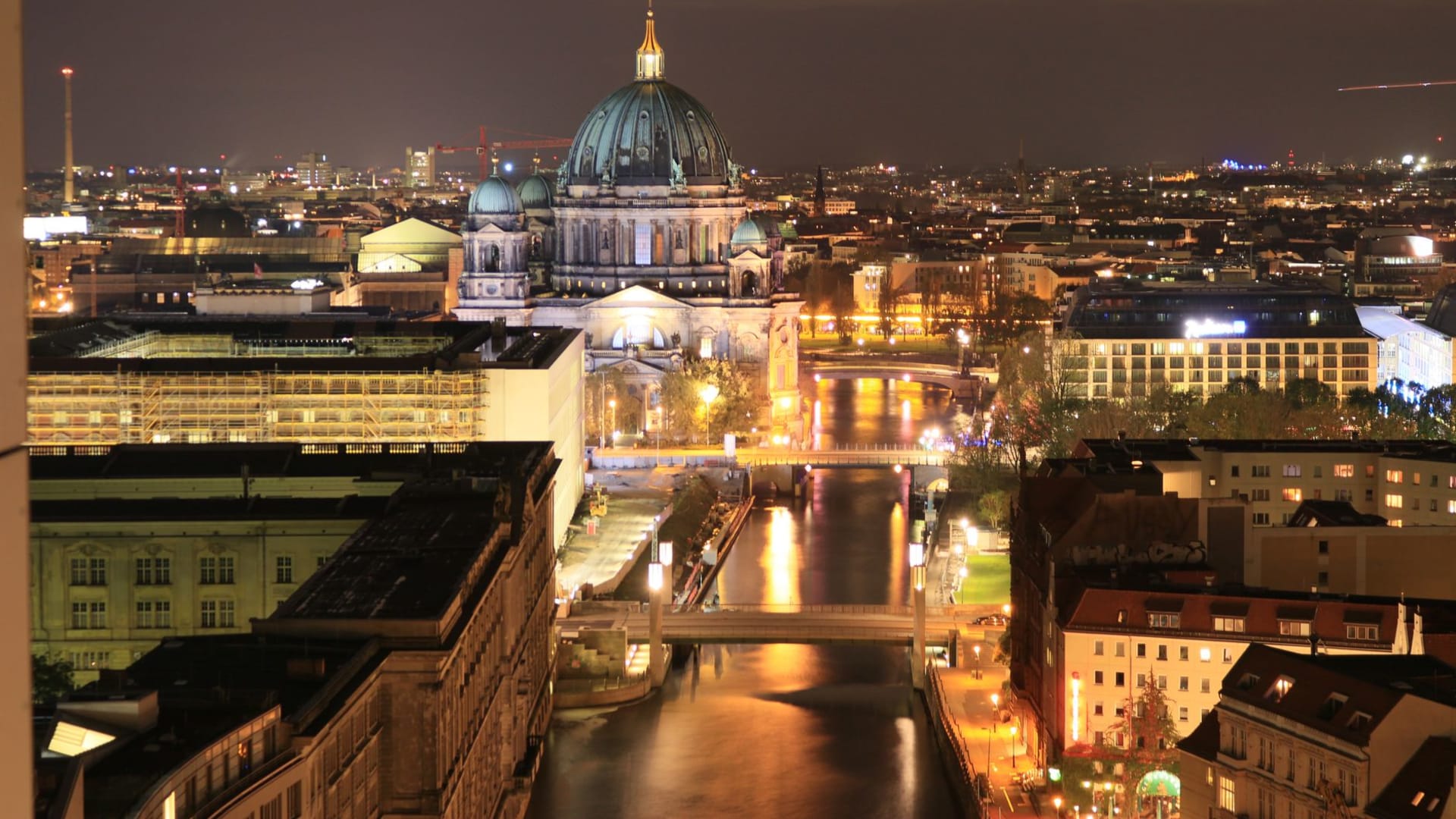
Luxury car rental in Berlin, delivered to your hotel, your address or Berlin Brandenburg Airport, with drives to Potsdam, the Schorfheide and the Spreewald.