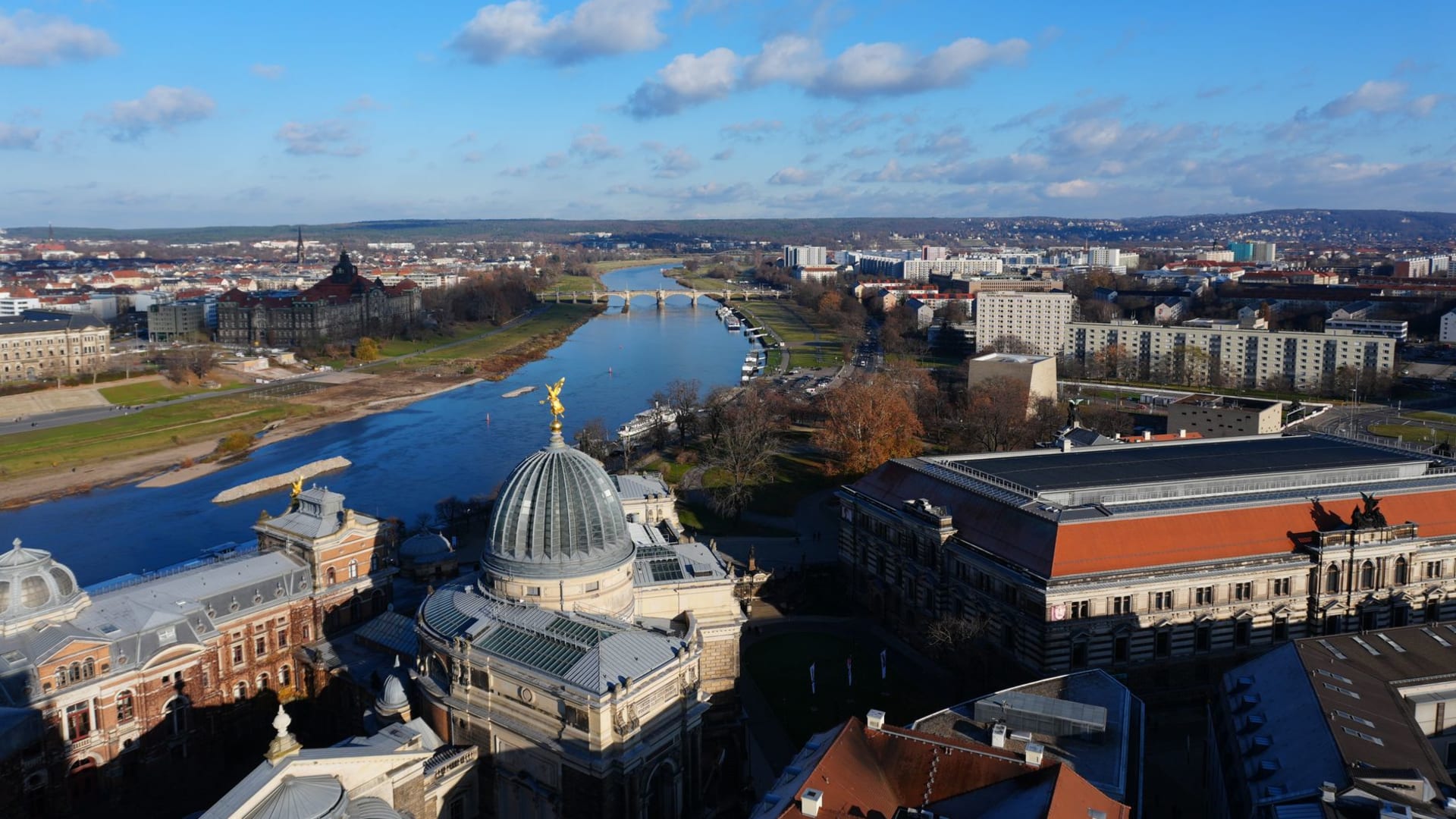
The descent from the Erzgebirge changes everything about how Dresden presents itself. Coming down through the forested ridgelines, the city materializes not as a skyline but as a silhouette — the Frauenkirche's reconstructed dome, the Hausmannsturm, the long pale ribbon of the Elbe reflecting a sky that shifts between pewter and gold depending on the hour. This is not an accidental arrival. Dresden was designed to be seen from a distance, its Baroque architecture conceived as civic theater before you ever reach the cobblestones.
The Sächsische Weinstraße threads through the Elbe Valley on approach, vineyard terraces cut into slopes that somehow exist this far north, producing dry whites that the city's sommeliers treat with quiet seriousness. By the time you reach the Bülow Palais Hotel, Dresden's register has shifted entirely — baroque cornicing above, underfloor heating below, and a level of personal service that treats discretion as an architectural feature rather than a policy.
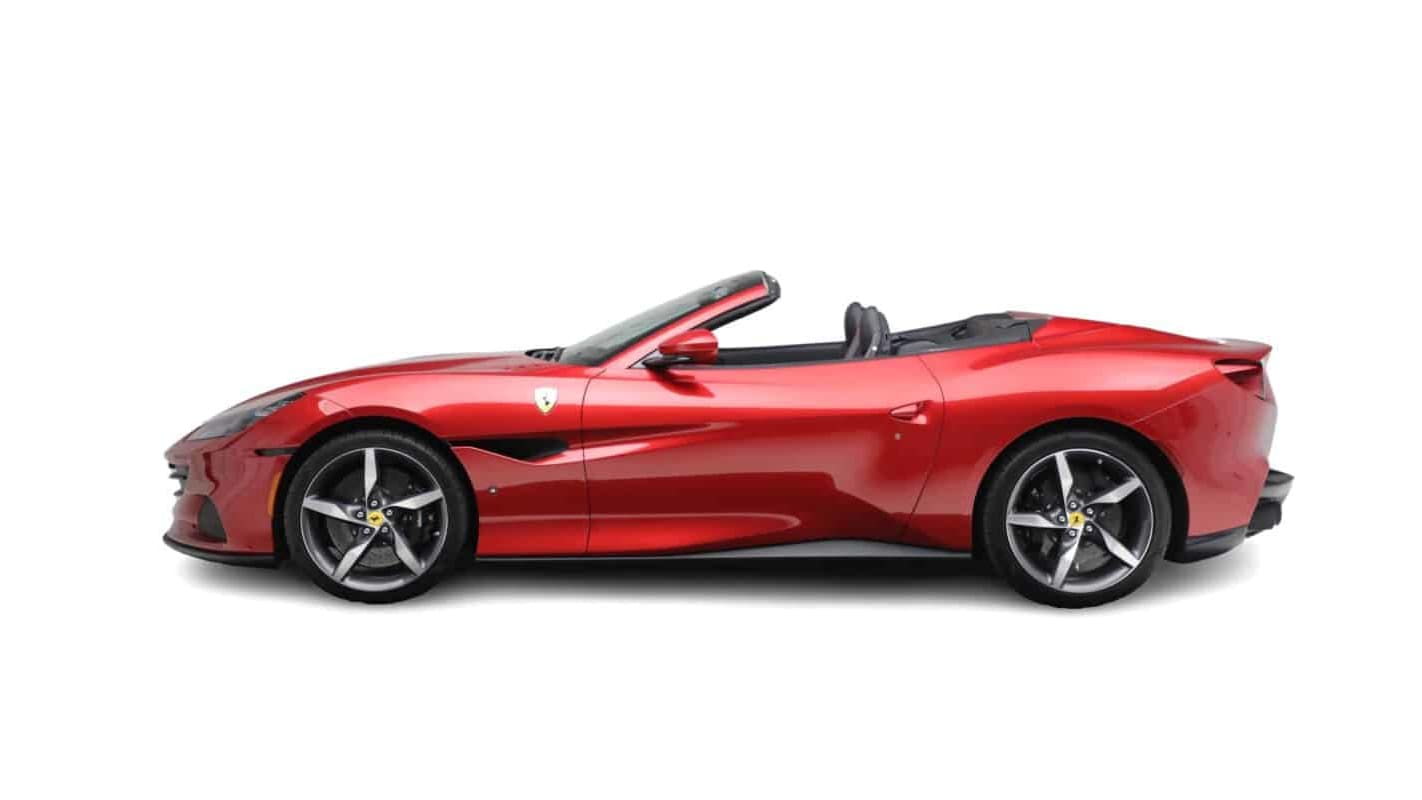
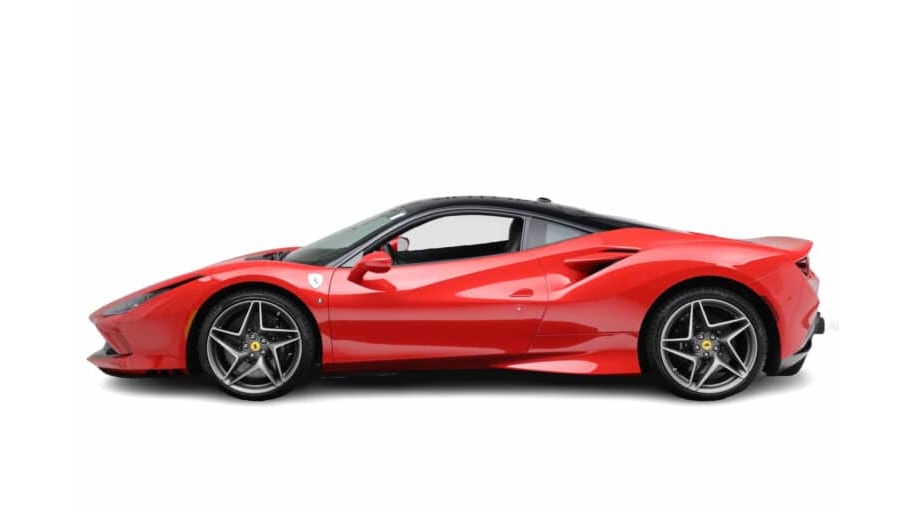
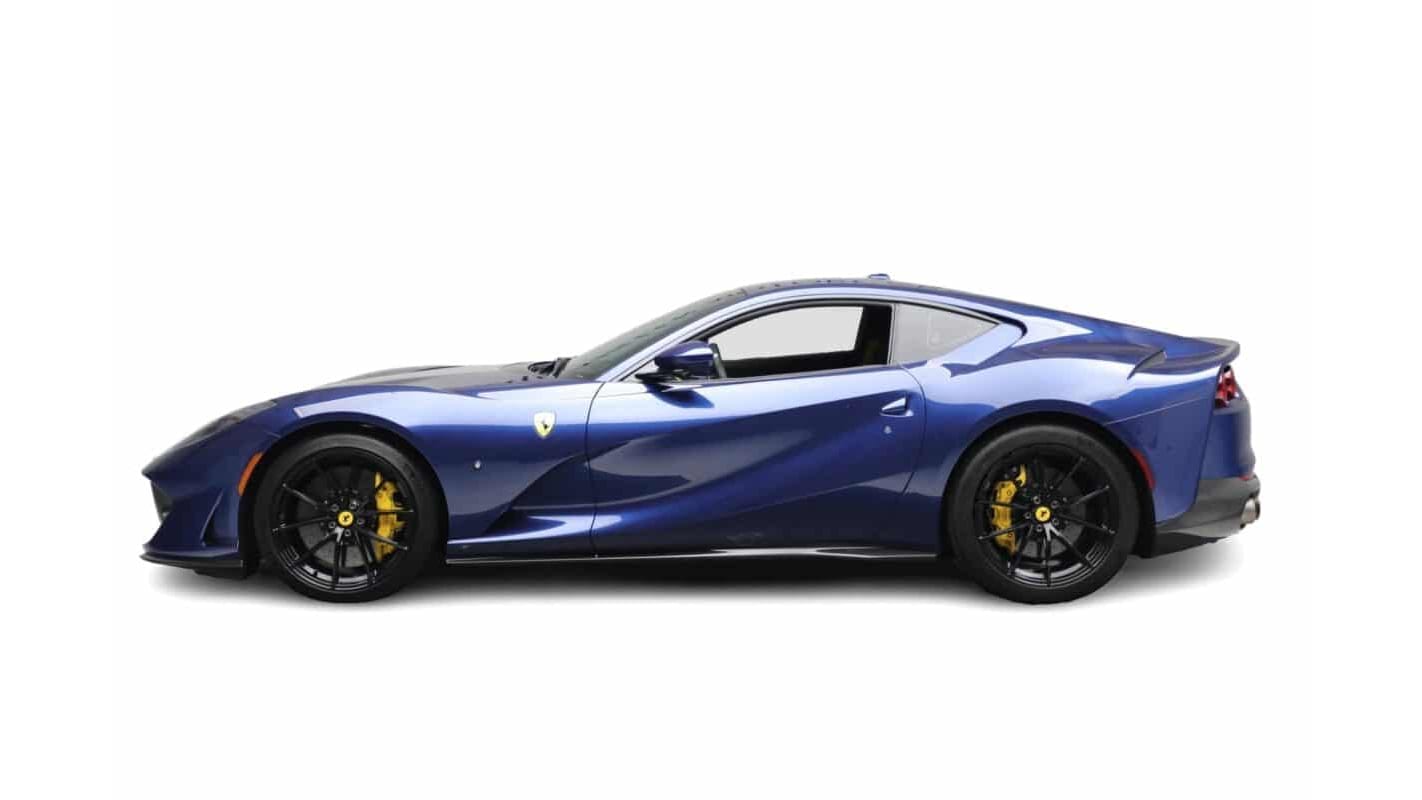
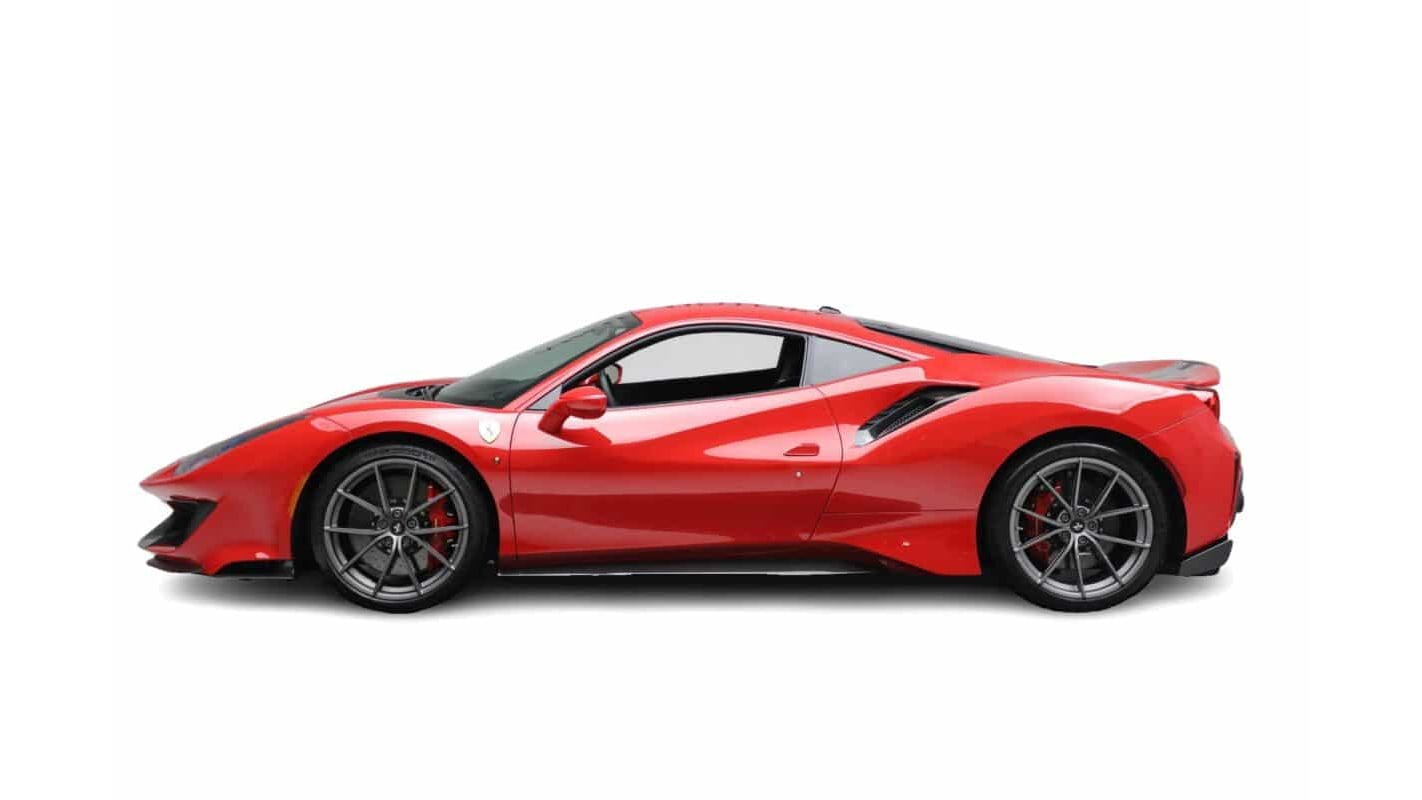
What defines Dresden is its refusal to be sentimental about its own reconstruction. The city rebuilt with precision and moved forward. Arrive in something that matches that standard.
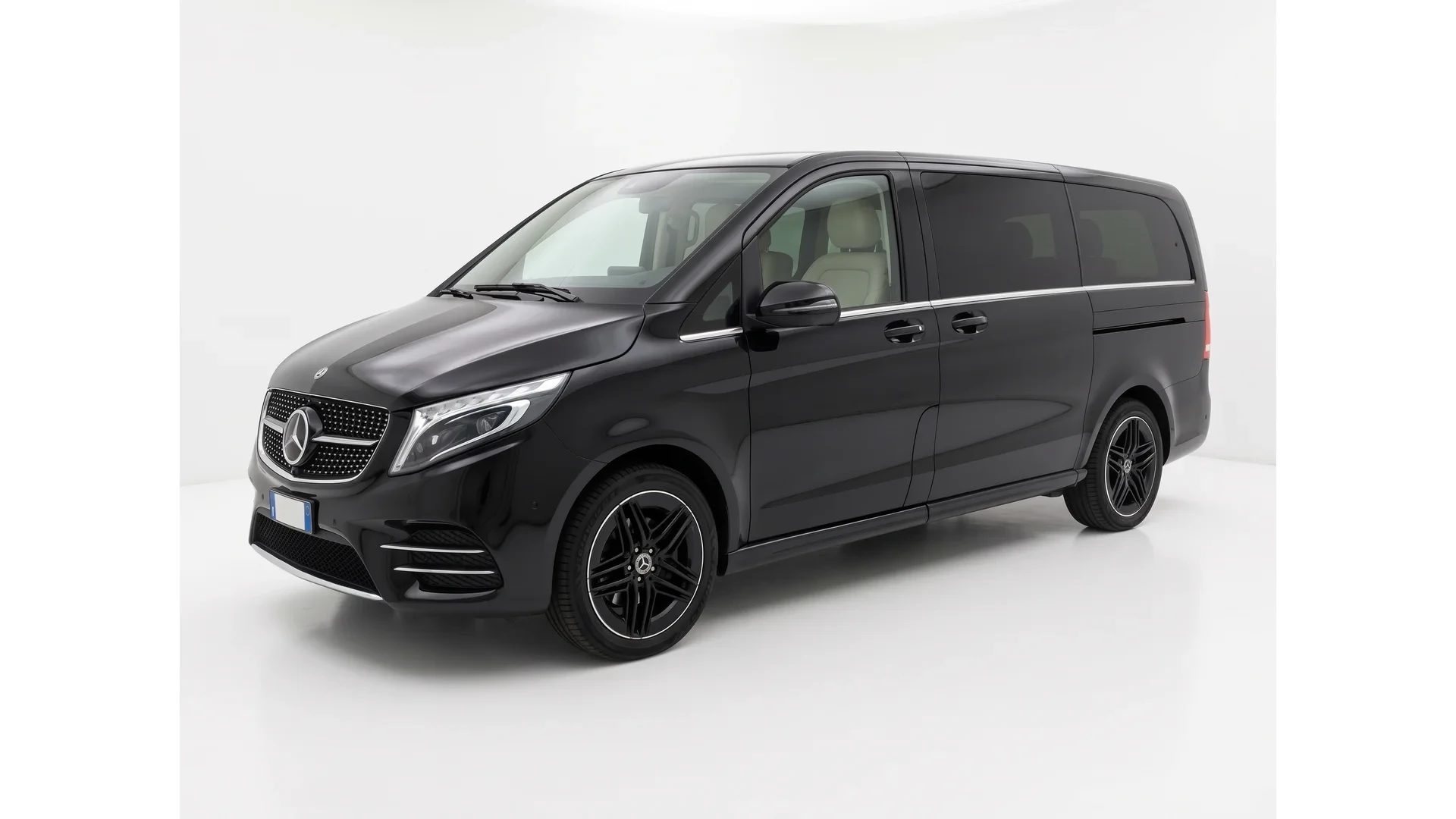
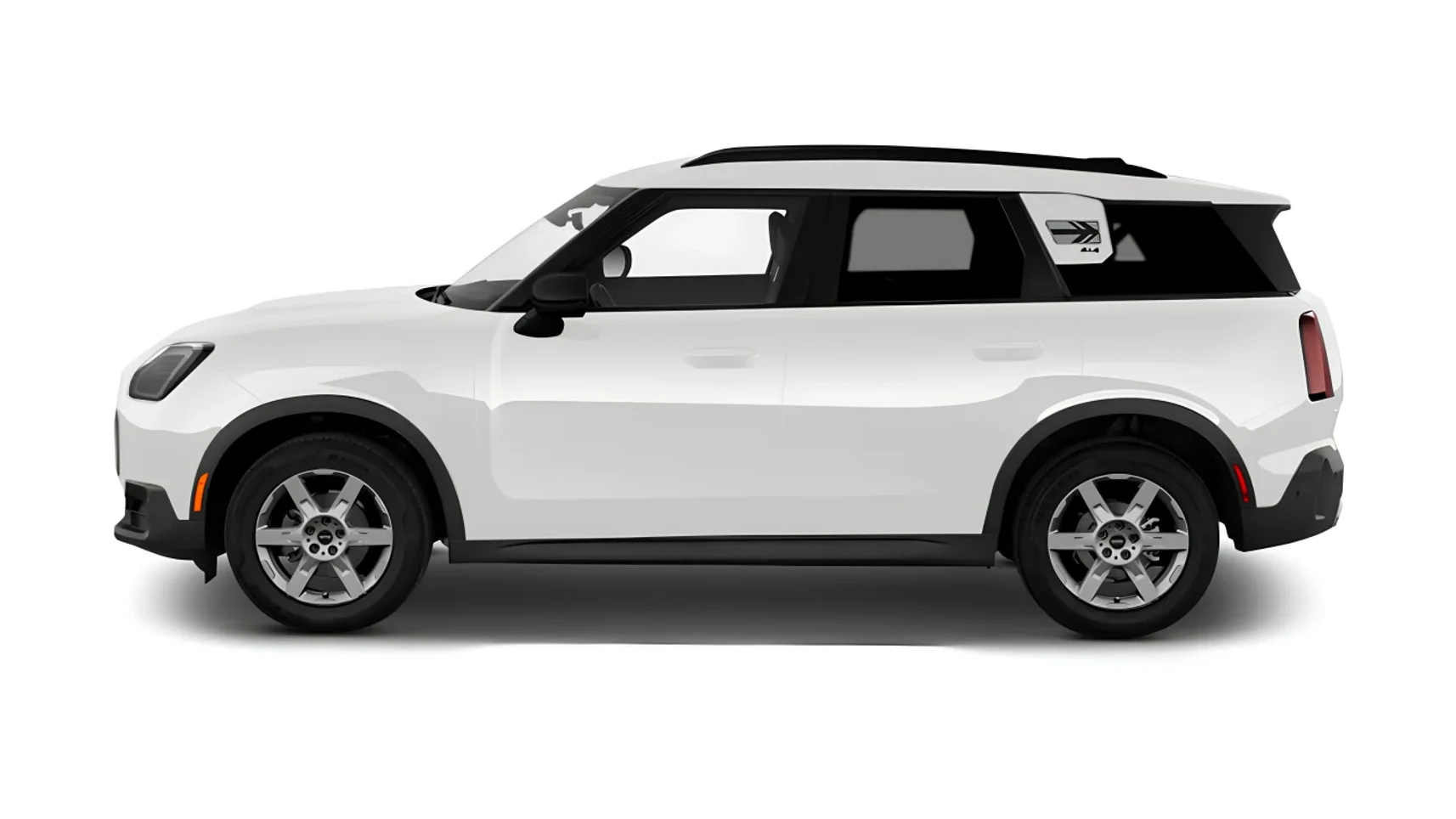
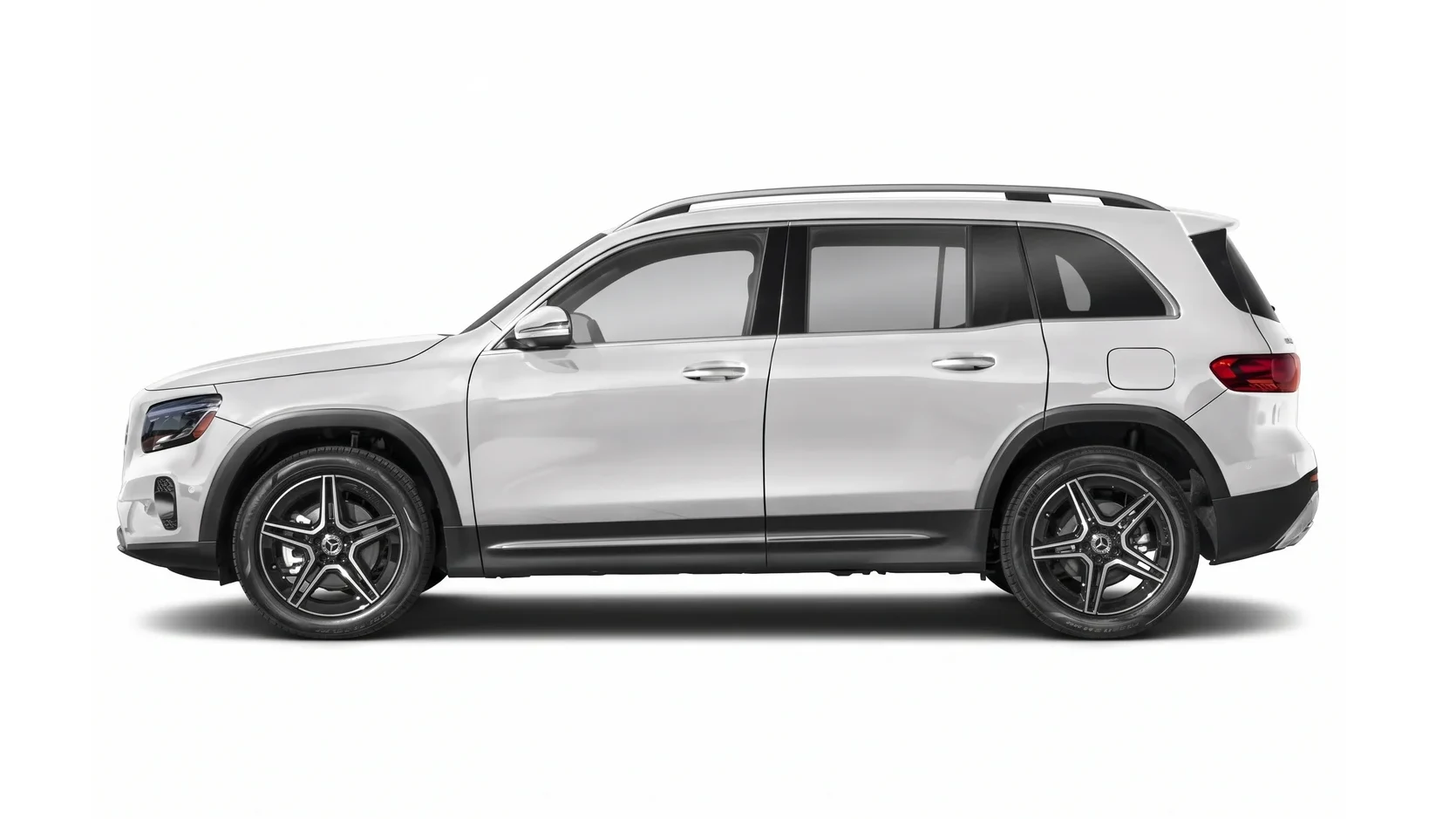
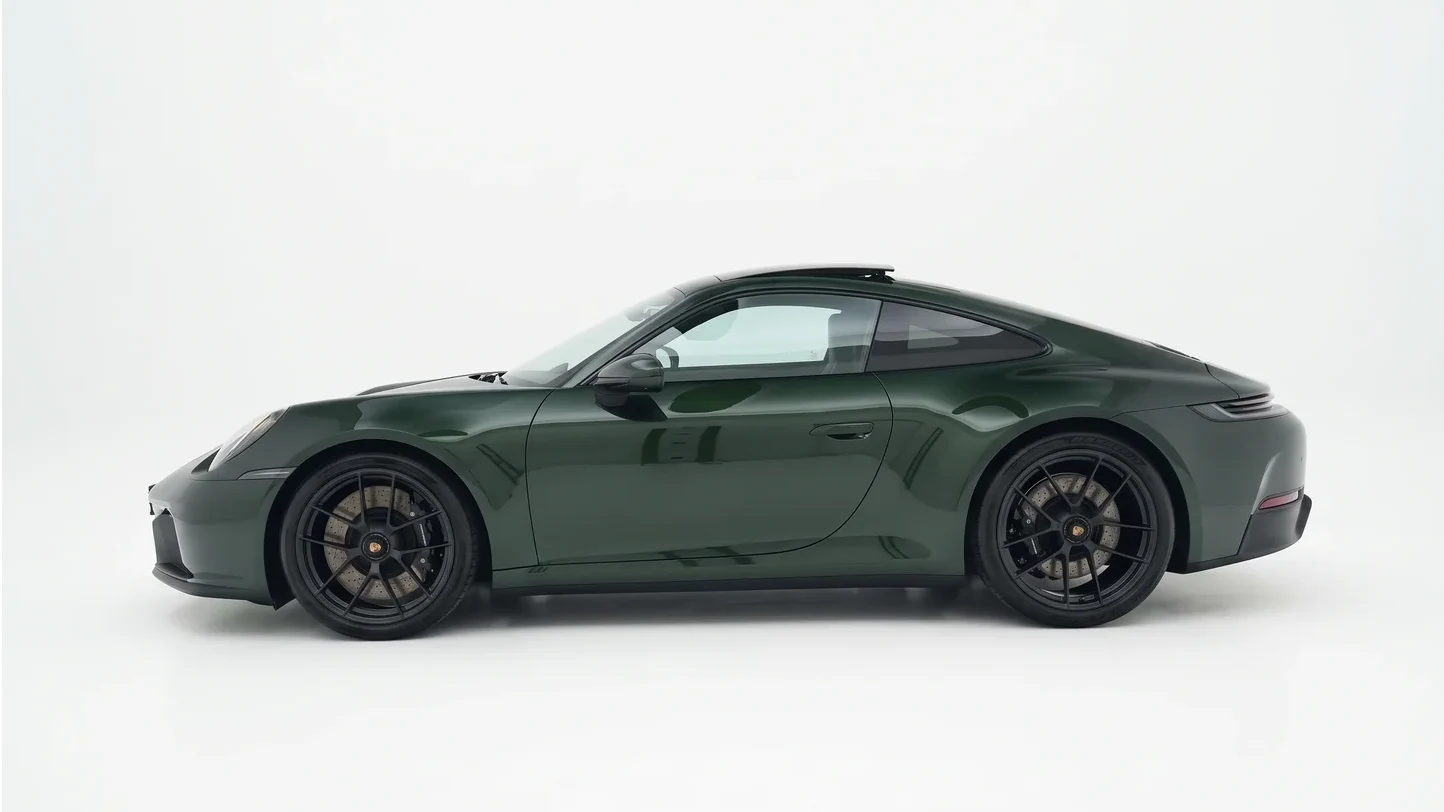
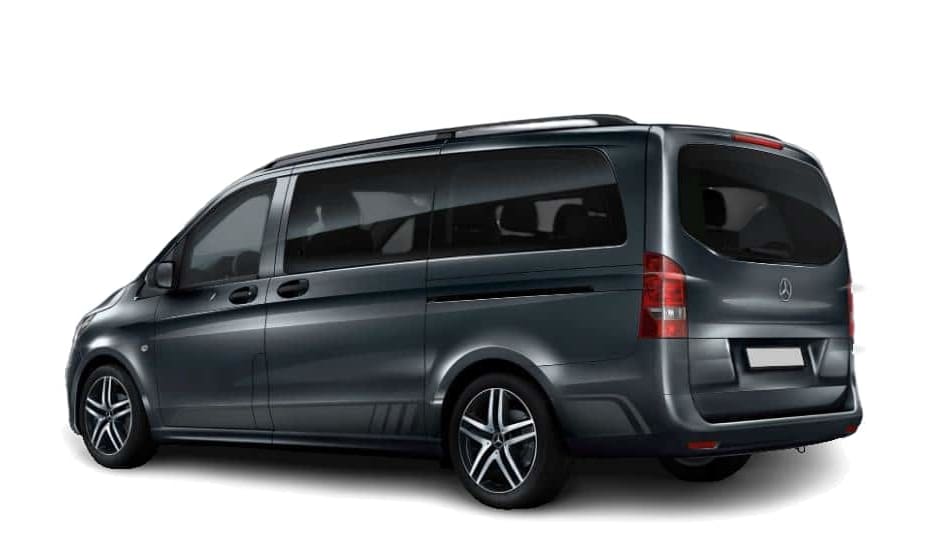
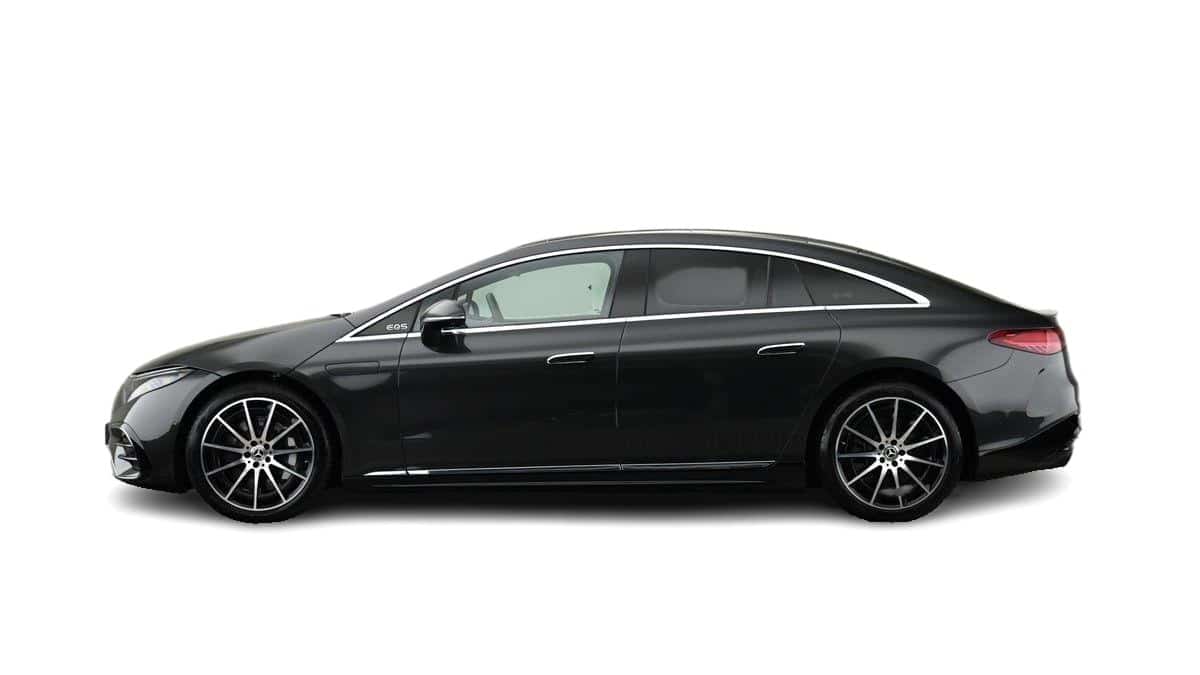
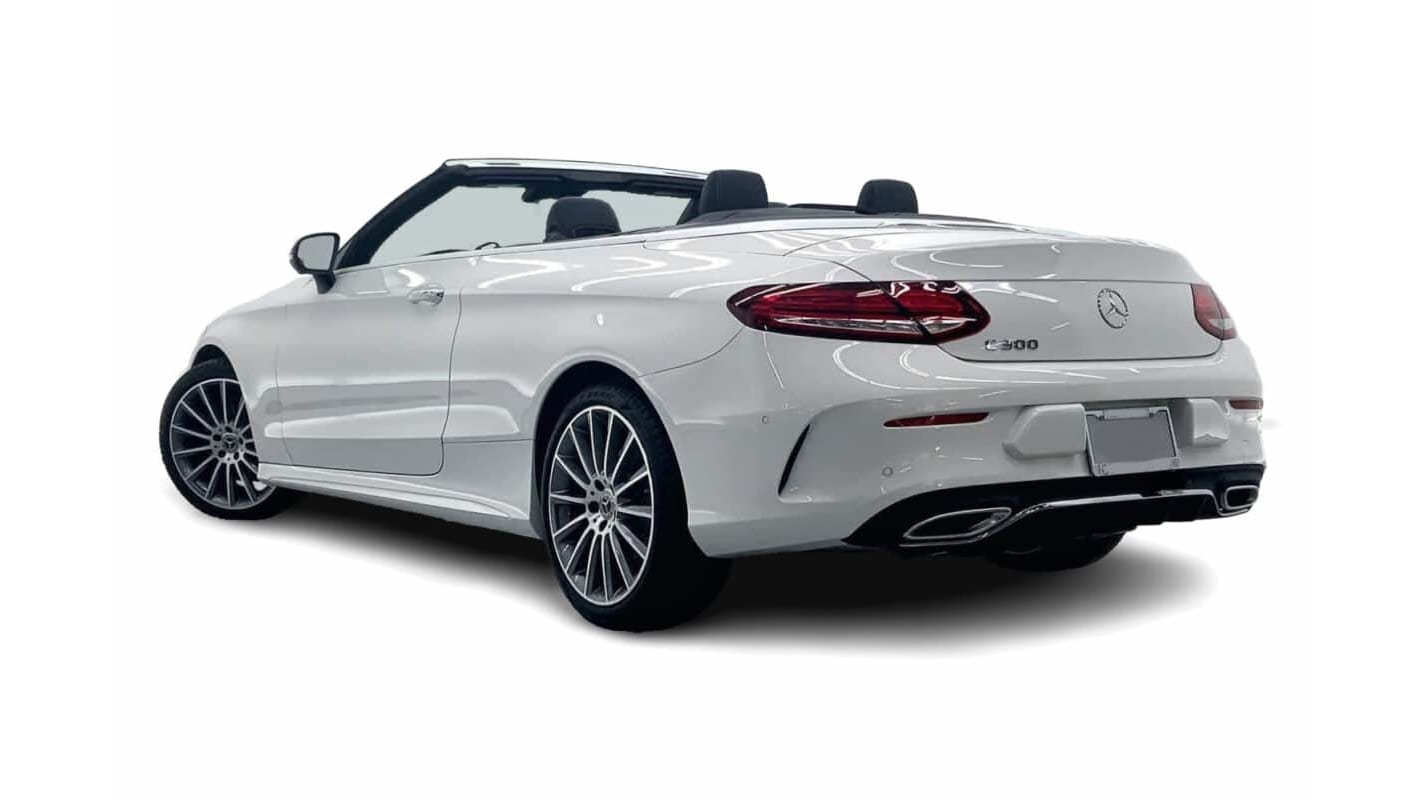
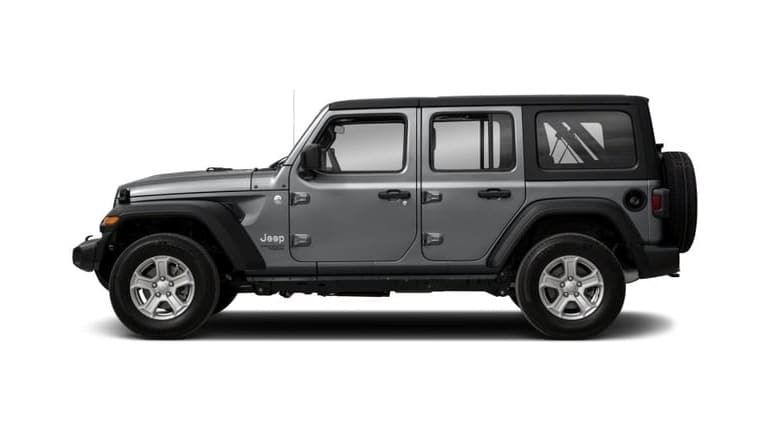
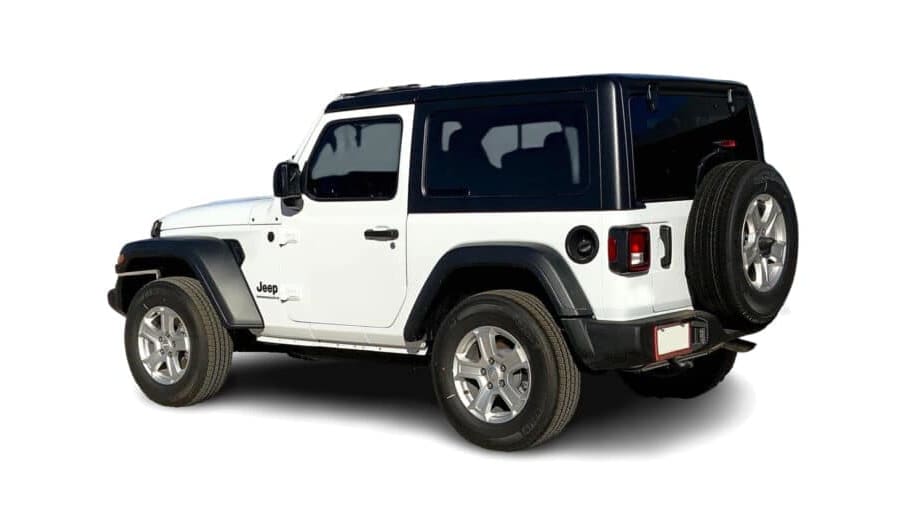
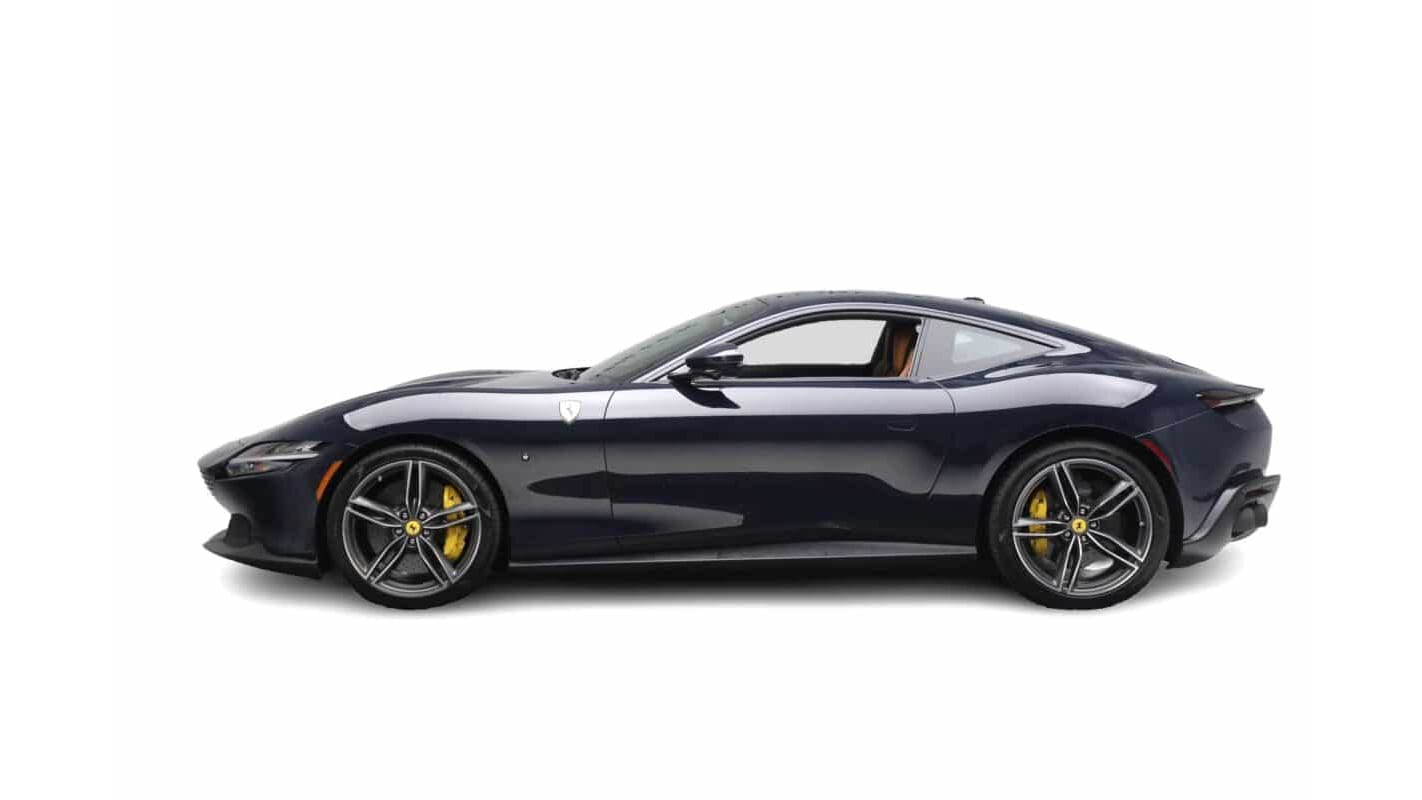
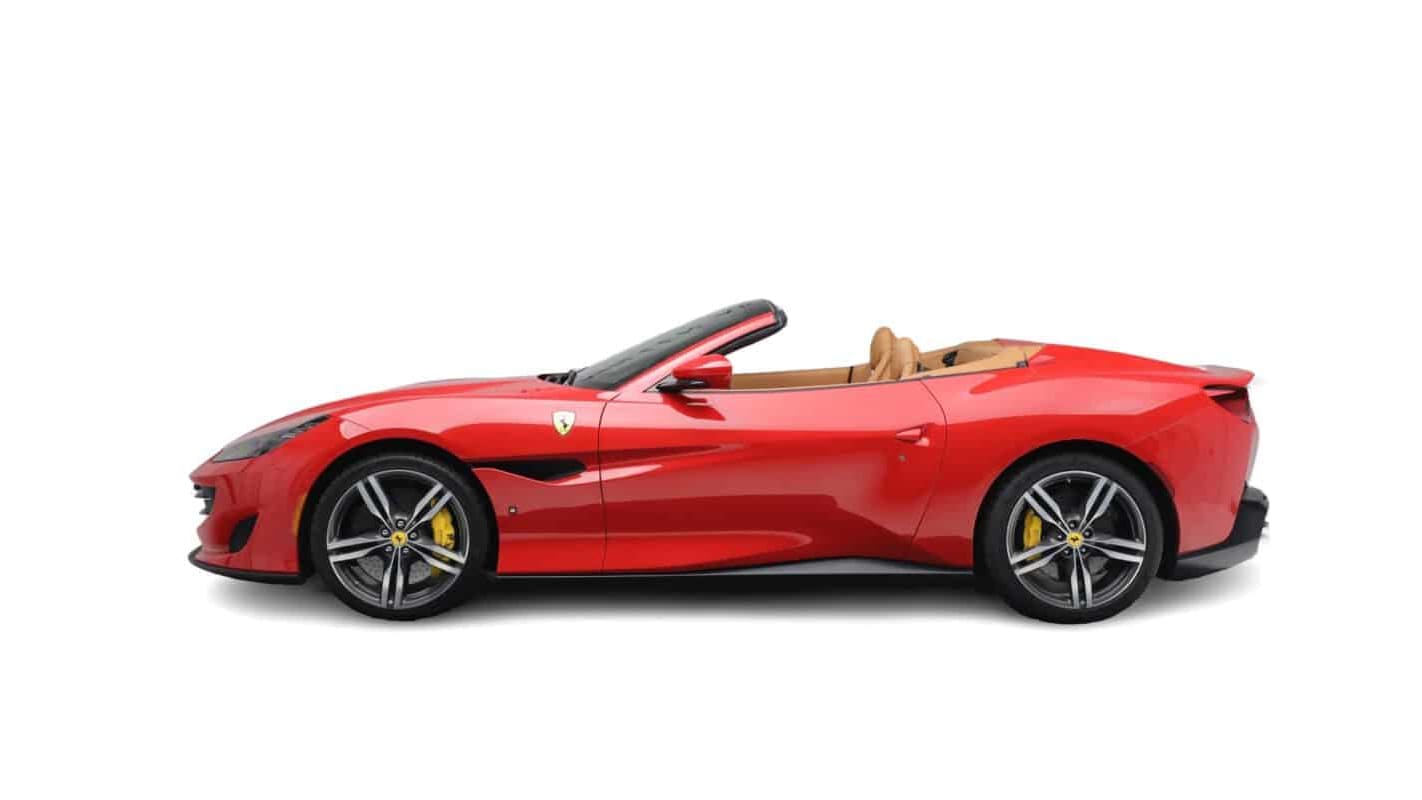
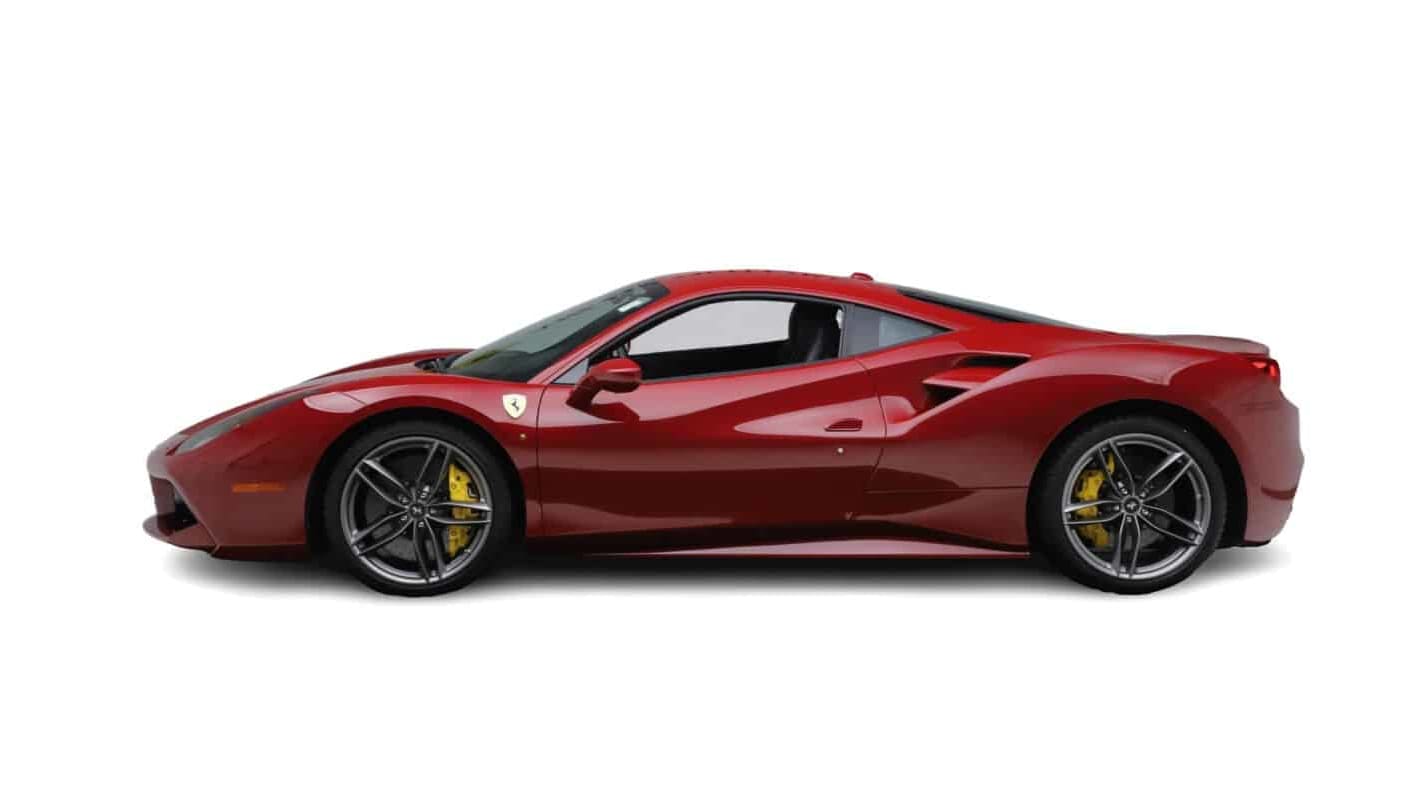
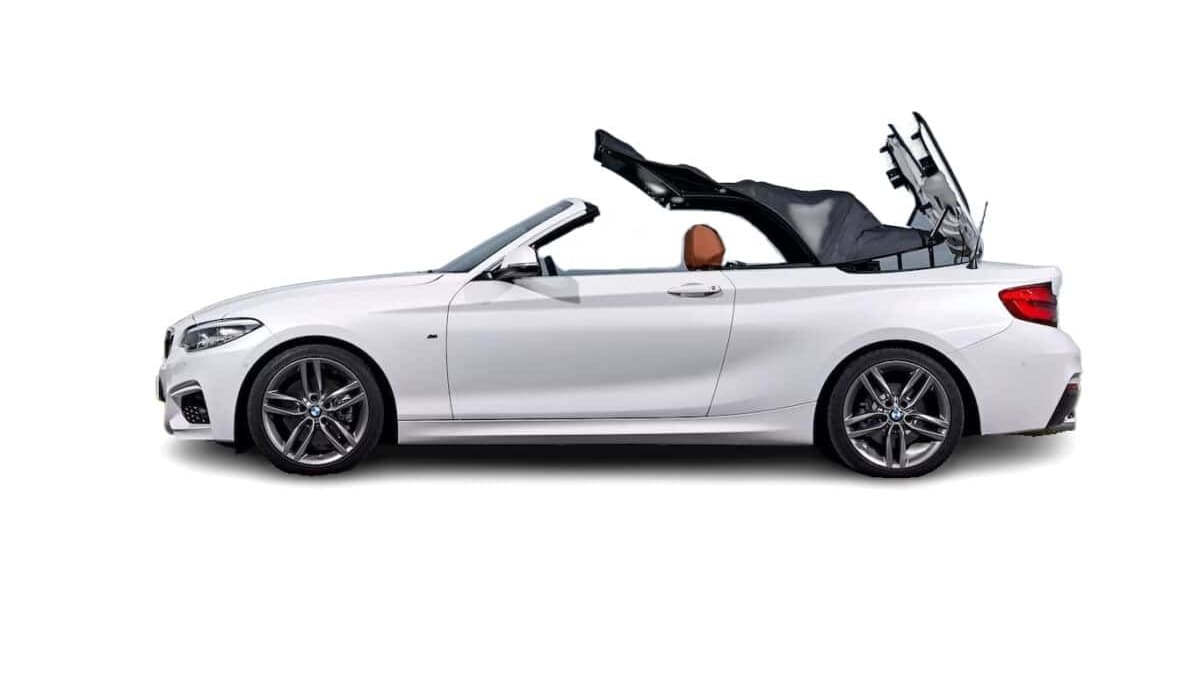
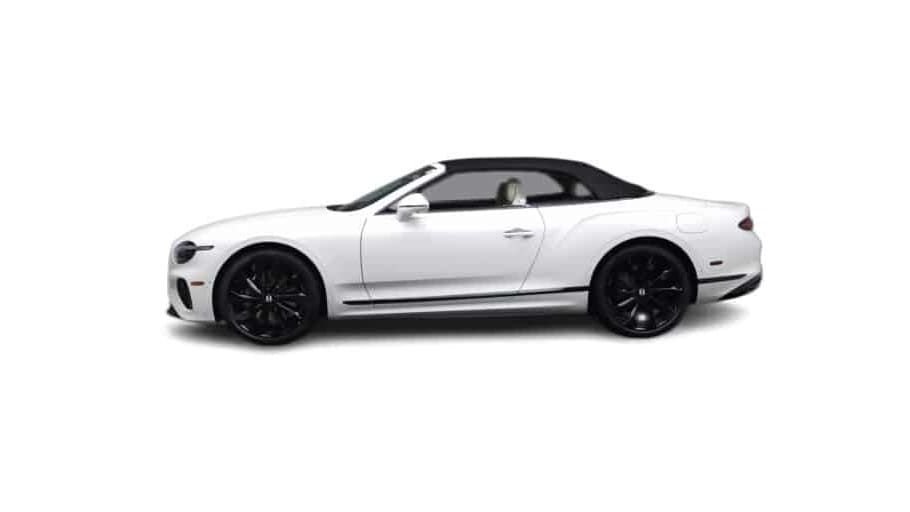
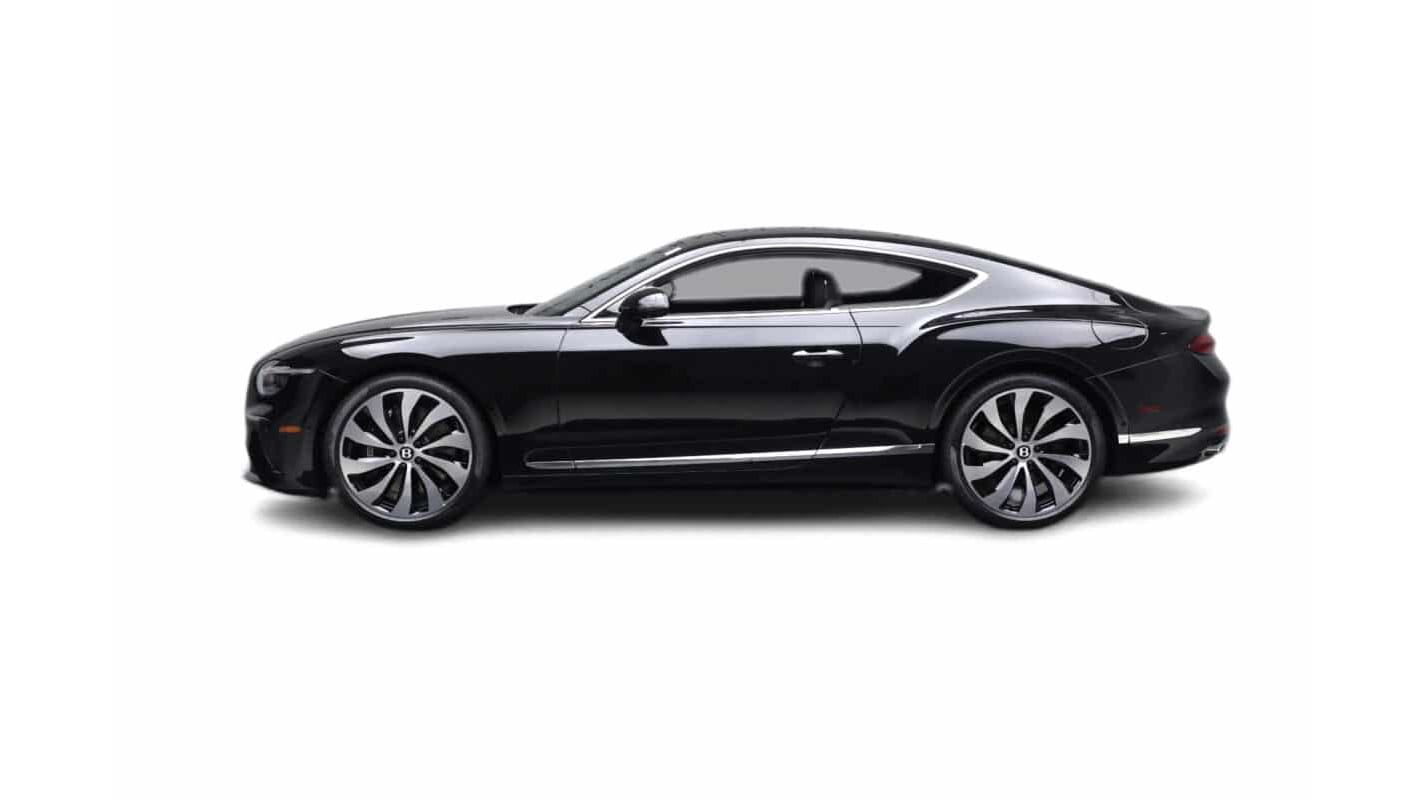
Full Fleet in Dresden
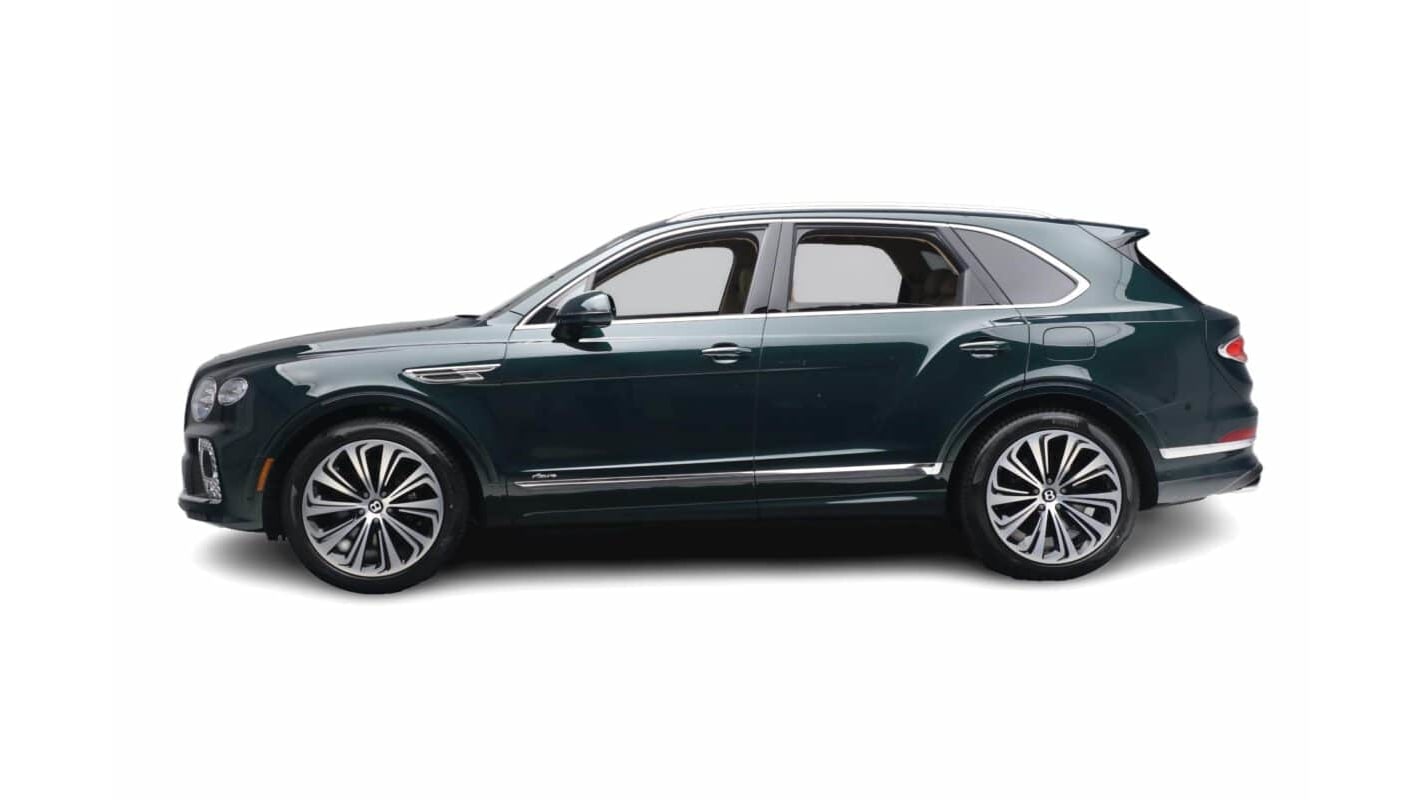
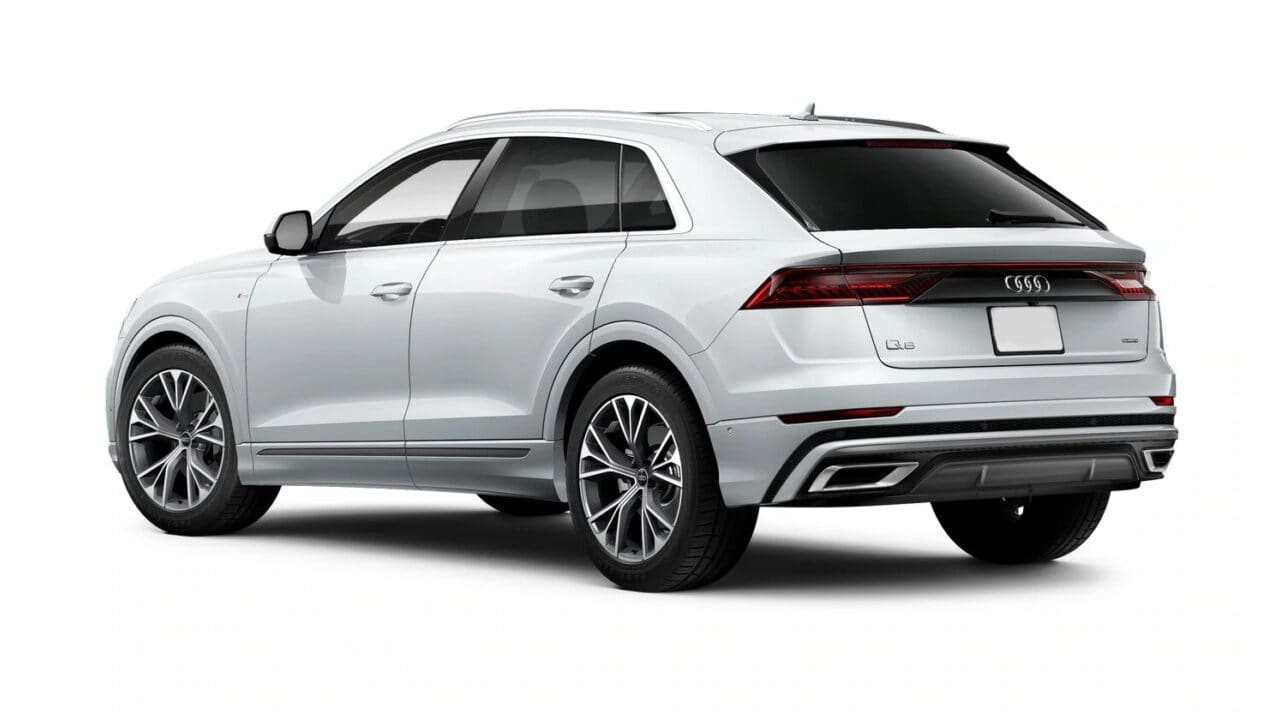
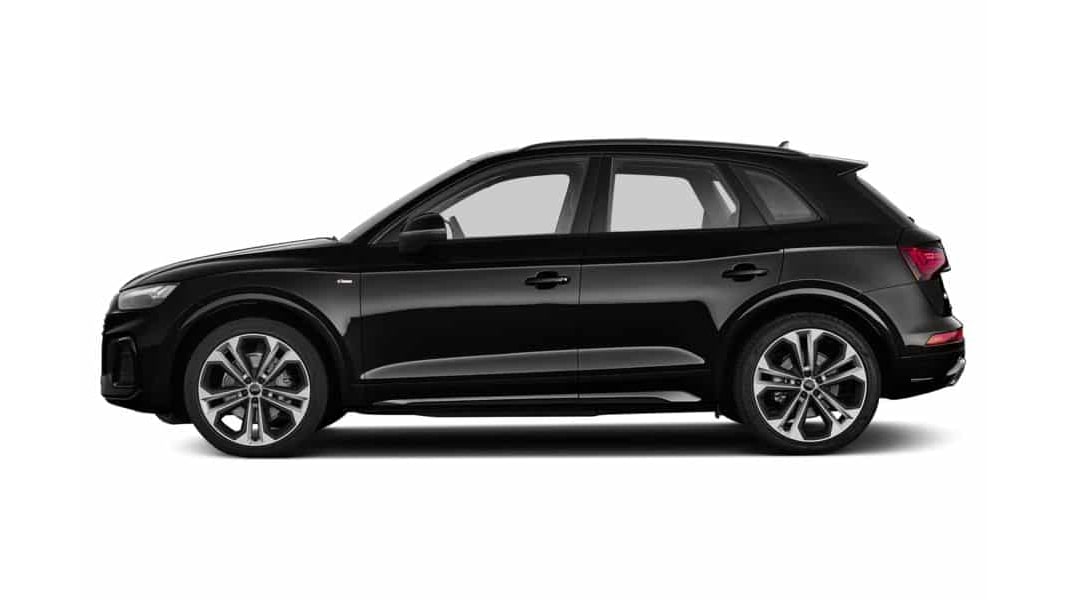
143 vehicles — exact model guaranteed, delivered to you