Luxury Car Rental
Rostock – Tesla
From €349 per day · Delivered to your location · Available now
See Tesla in Rostock →
Rostock keeps its best hour before the rest of the city wakes. Warnemunde's harbour mouth still holds the night's quiet as the first fishing boats clear it, salt air thick enough to taste before the promenade properly stirs. The Hotel Neptun Warnemunde emerges from the haze above the beach, its mid-century solidity a counterpoint to everything softer around it. Breakfast here, with the Baltic still colourless in the early light, feels earned. Rostock does not perform for visitors; it simply exists, salt-aired, unhurried, architecturally honest, best met by those who arrive before the rest of the world remembers it's there. Rent or hire a sports car with Zeus Prestige and the coast road out past Warnemunde is exactly the kind of drive that suits an early start.
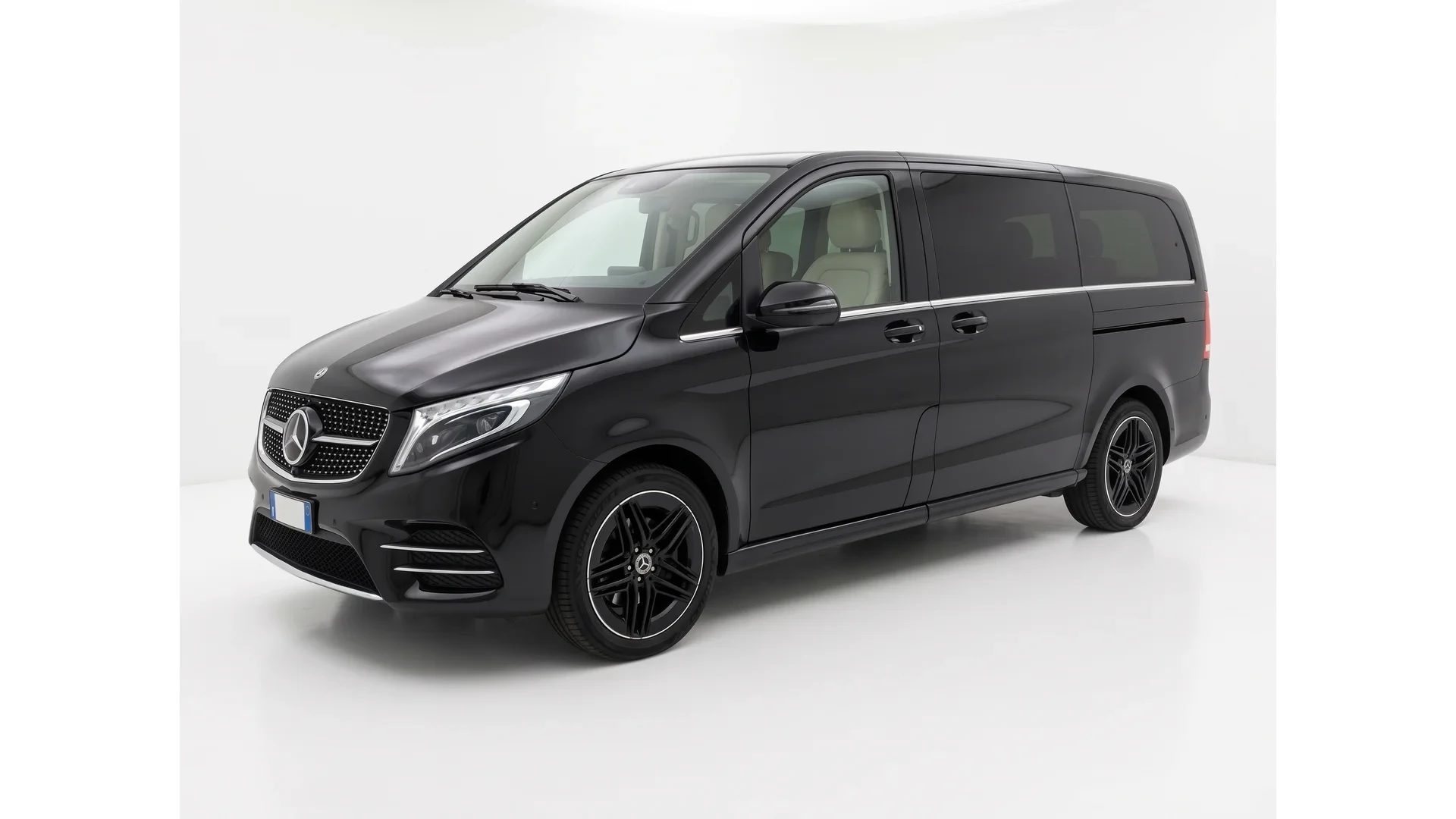
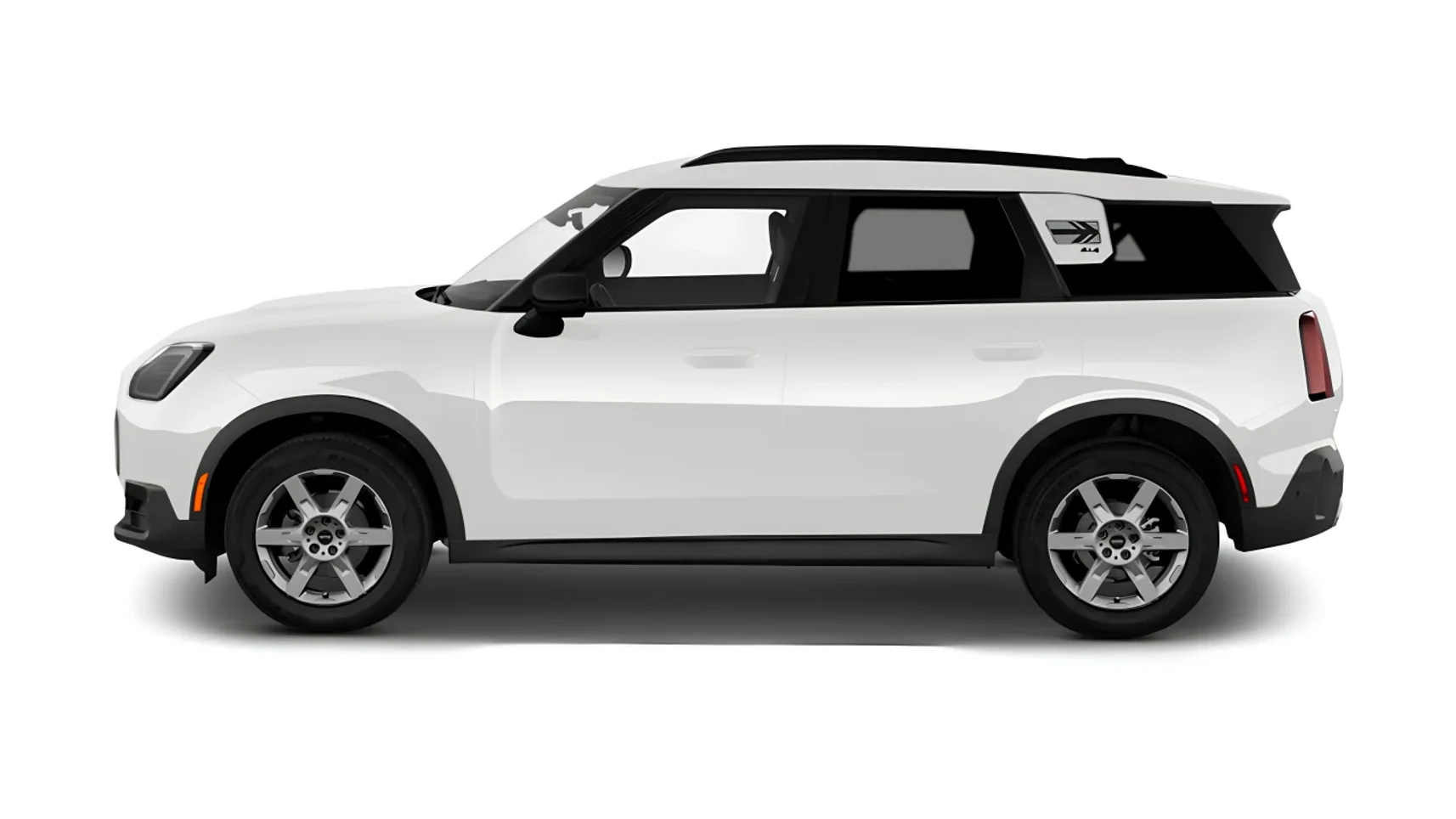
Tesla brings a different kind of quiet, silent velocity instead of an engine note, minimalism instead of chrome in Rostock. Rent or hire a Tesla with Zeus Prestige and it arrives exactly as booked, ready for the coast road out past Warnemunde while the harbour is still asleep.
Clients arranging Ferrari rental in Rostock tend to time it for this same hour, harbour still quiet, engine the only thing awake.
Browse the full Executive collection available in Rostock for more like it.