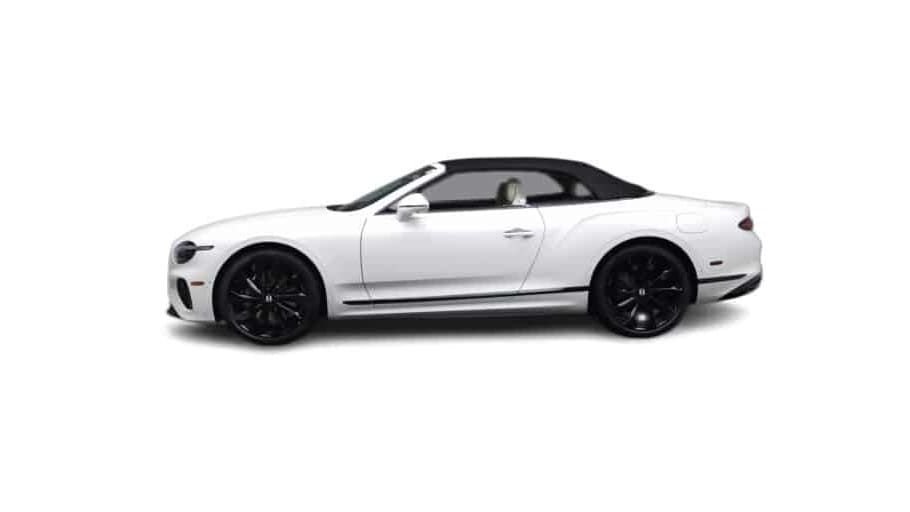
Luxury Car Rental
Bentley Rental in Montpellier
From €845 per day · Delivered to your location · Available now
See Bentley in Montpellier →
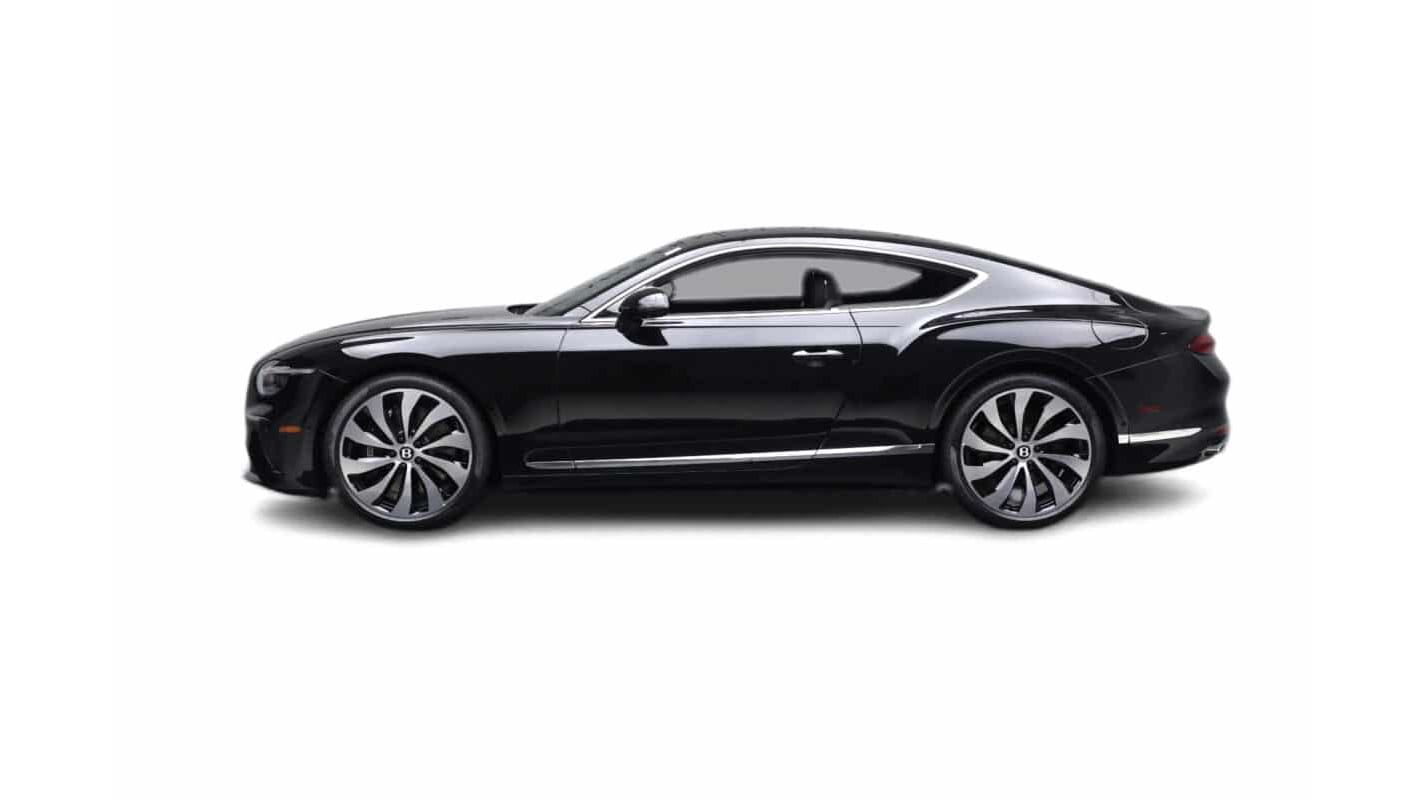
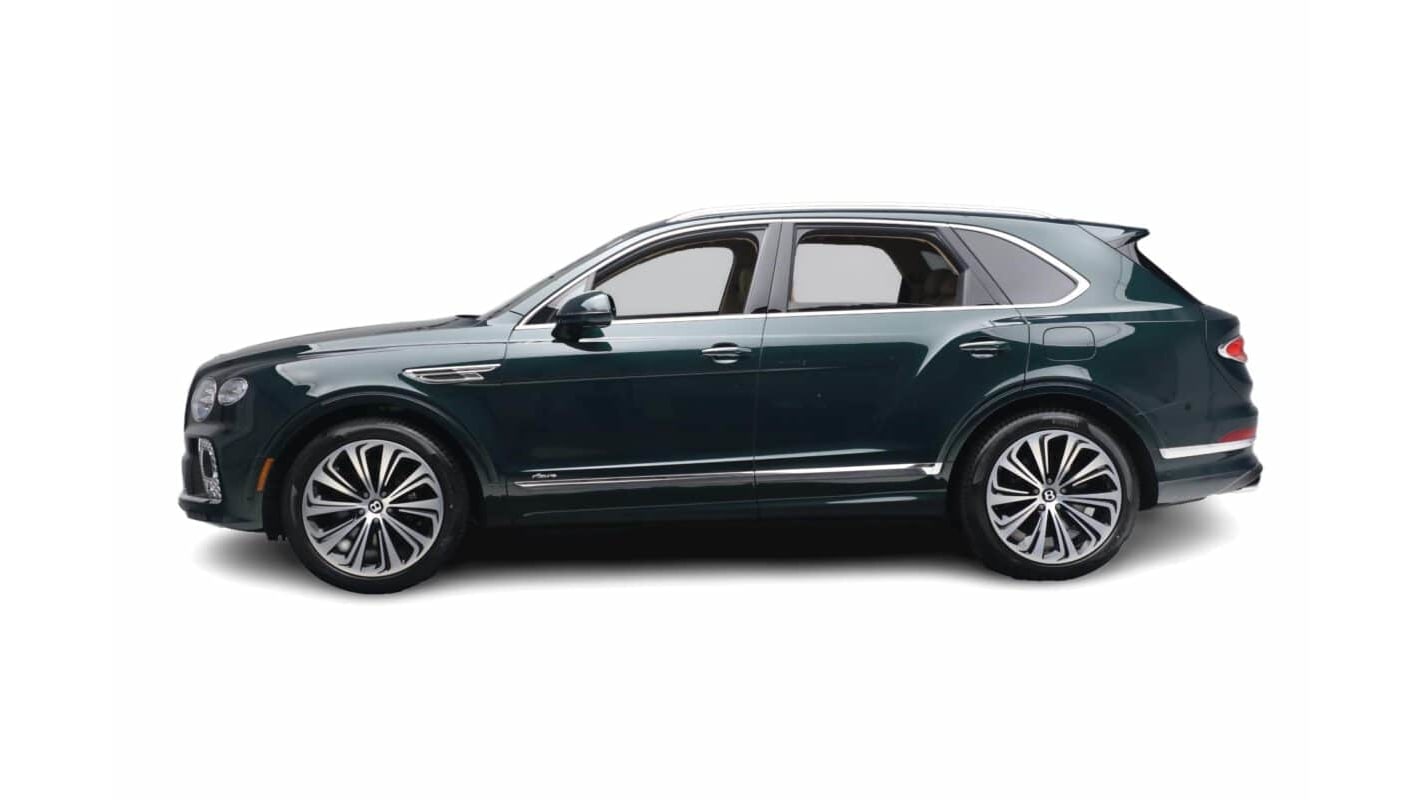
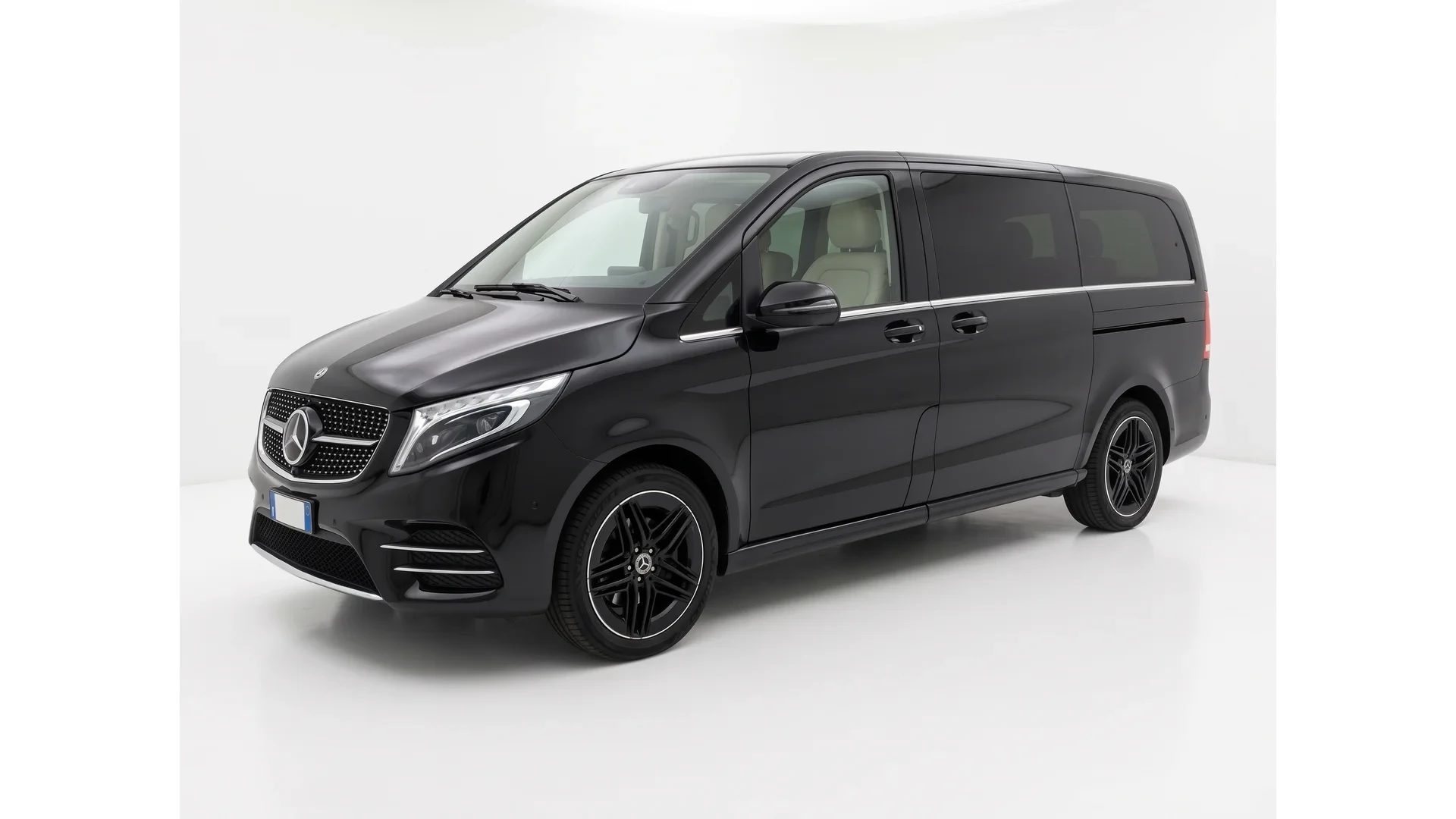
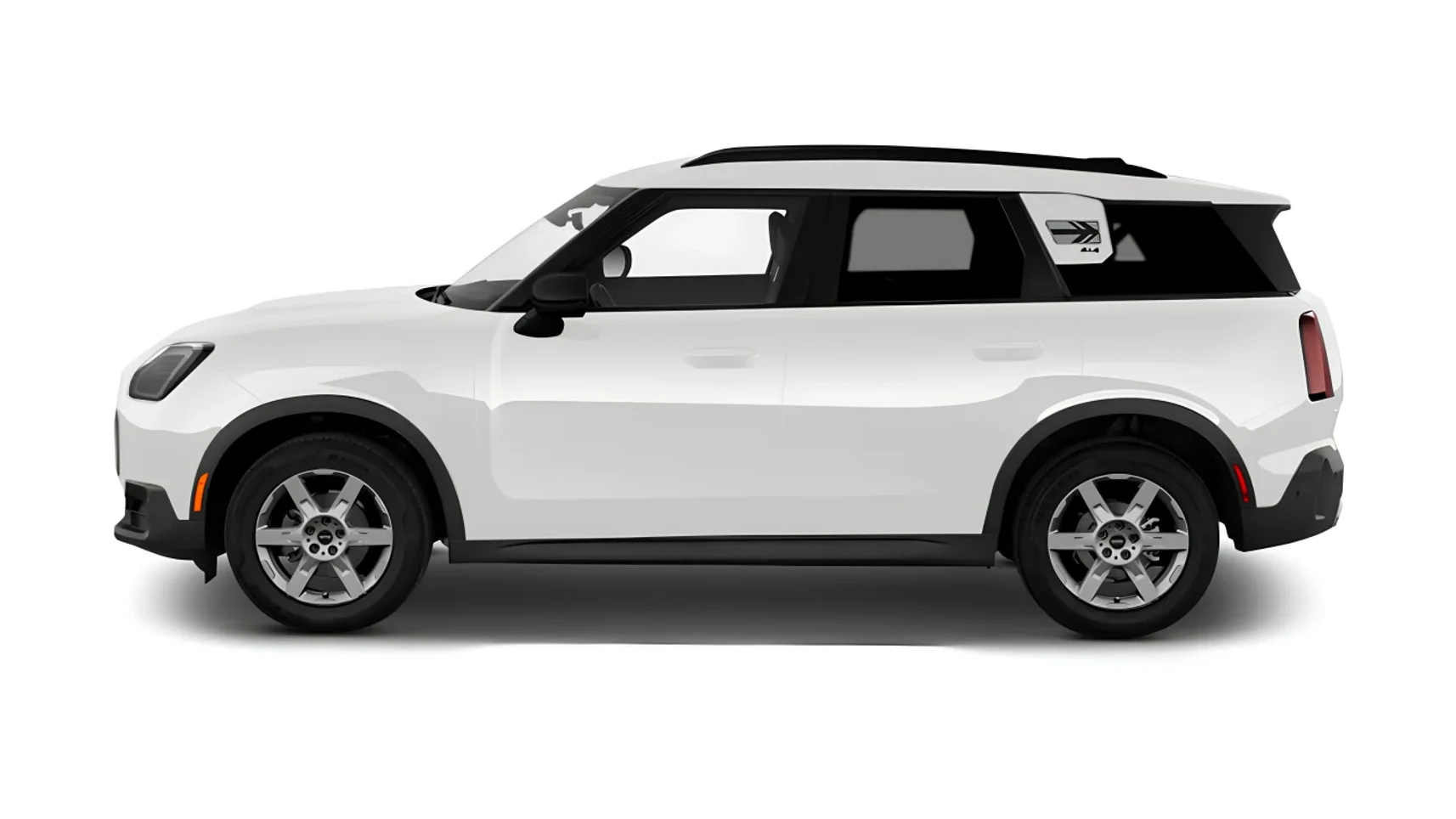
Montpellier lies about 10 kilometres from the Mediterranean, and our team brings luxury car rental to a hotel by the Place de la Comédie, an address in the Antigone district or Montpellier Méditerranée Airport. A convertible suits the salt marshes of the coast, a prestige car or spacious SUV the Roman bridge to the north-east, and a sports car the gorges of the Hérault.
Montpellier first appears in records in 985. The Kings of Aragon held it from 1204 until the French crown bought it in 1349. The University of Montpellier was established in 1220 and still operates the oldest medical school in the world. The Jardin des Plantes, founded in 1593, is the oldest botanical garden in France, and Ricardo Bofill designed the Antigone district.
Montpellier is home to some 310,000 people, and students make up roughly a quarter of them. The climate is Mediterranean, with hot, fairly dry summers and mild winters. Within the hour the city gives way to wetlands, Roman stonework and the limestone valleys of the Hérault.
Fold the roof away for the coast. In 1240 Louis IX obtained Aigues-Mortes from the monks for direct access to the Mediterranean, and the town became the port from which he sailed on crusade. The Tour de Constance, begun in 1242 and finished in 1254, measures 22 metres across, and the ramparts run for some 1,650 metres. Salt production here goes back to the Neolithic period. Sea wind carries the tang of salt marsh into the cabin, and the flat horizon opens ahead.
An unhurried tourer is the right companion for the Roman bridge on the Gardon. The Pont du Gard rises 48.8 metres in three tiers of 6, 11 and 35 arches, and carried the aqueduct of Nîmes, which runs about 50 kilometres from the Fontaine d'Eure near Uzès. Excavations suggest it was built around the middle of the first century AD, and UNESCO listed it in 1985. The seats cradle you for the whole trip, the cabin hums softly as the stone arches appear between the trees.
Sports cars come into their own on the road up the gorges. Count Guillaume of Gellone founded the abbey of Saint-Guilhem in 804, when the valley was almost empty, and the monks later said they held a relic of the True Cross. The abbey and the Pont du Diable joined the World Heritage list in 1999 as part of the pilgrim routes to Santiago de Compostela. Only 237 people live in the village now, and the Grotte de Clamouse lies close by. The bends tighten between the cliffs, the engine note rings off the cliff walls and your palms grow damp.
Yes. Hotels near the Place de la Comédie, addresses in Antigone and private homes around the city can all be handover points. Share the details and the dates, and our team does the planning.
Yes. We deliver to Montpellier Méditerranée Airport (MPL, ICAO LFMT), private aviation terminal included, so the car is ready when you step off the aircraft.
An open-top car fits the road to Aigues-Mortes, a relaxed tourer fits the run to the Pont du Gard, and a sports car fits the gorges of the Hérault.
UNESCO added the Pont du Gard to the World Heritage List in 1985. The bridge stands 48.8 metres above the Gardon river.
Yes. Our southern cities also include Marseille and Toulouse, and Barcelona lies beyond the Pyrenees.
Choose from our cabriolets, prestige cars, sports cars and SUVs, tell us where you are staying in Montpellier, and the keys will be ready for your luxury car hire.
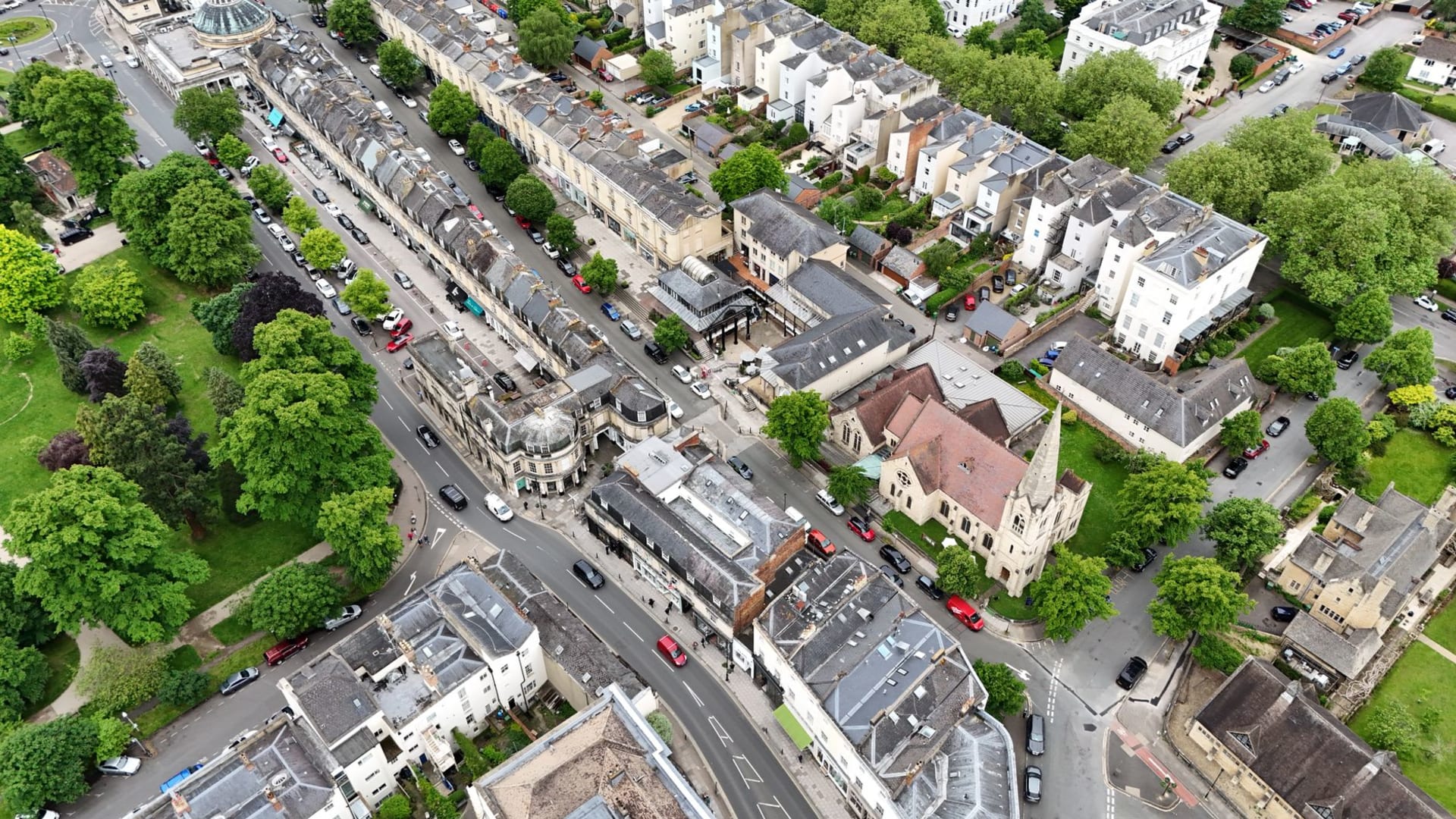
Luxury car rental in Montpellier, delivered to your hotel, address in the city or Montpellier Méditerranée Airport, with three drives to Aigues-Mortes, the Pont du Gard and Saint-Guilhem-le-Désert.