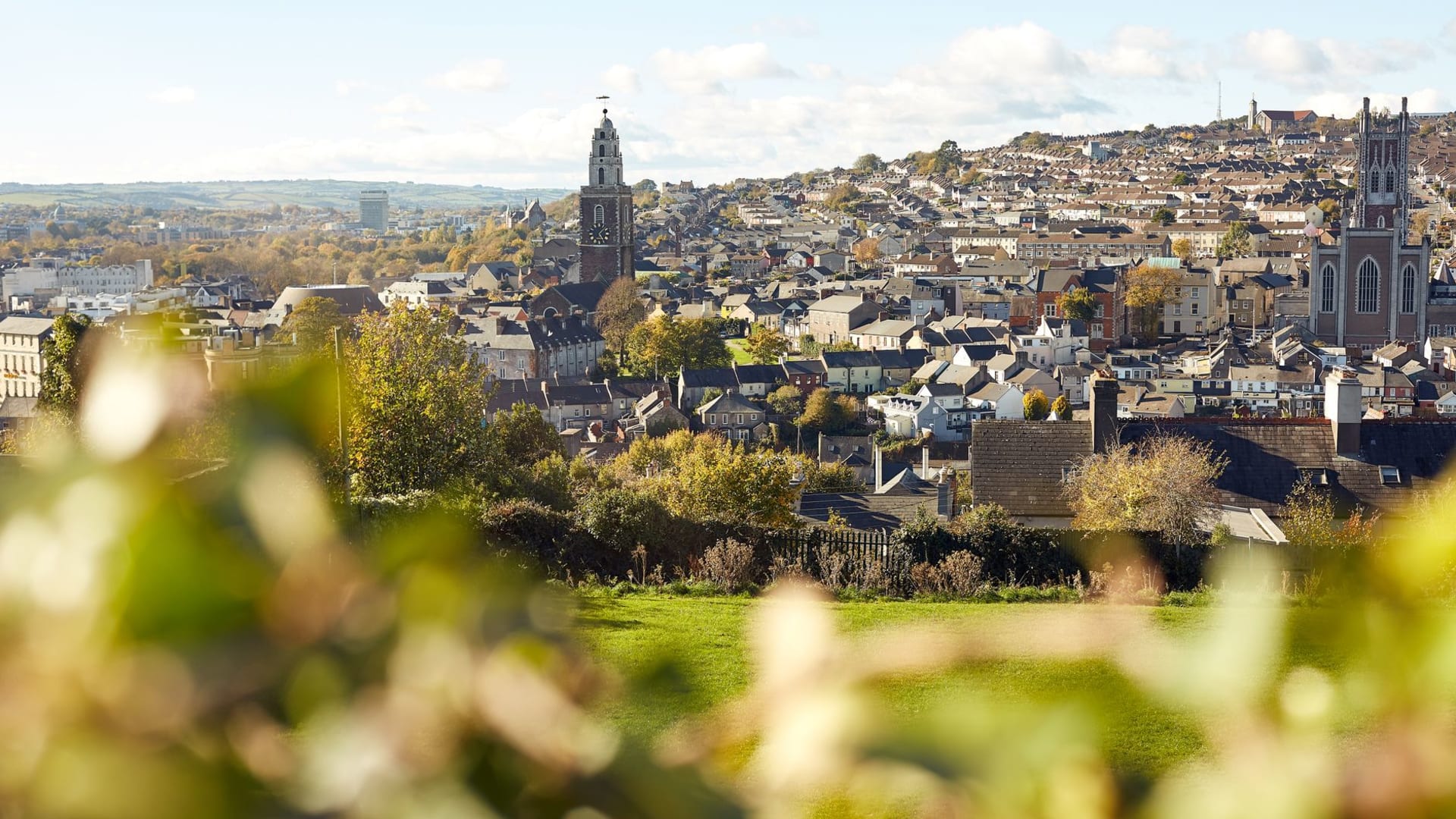
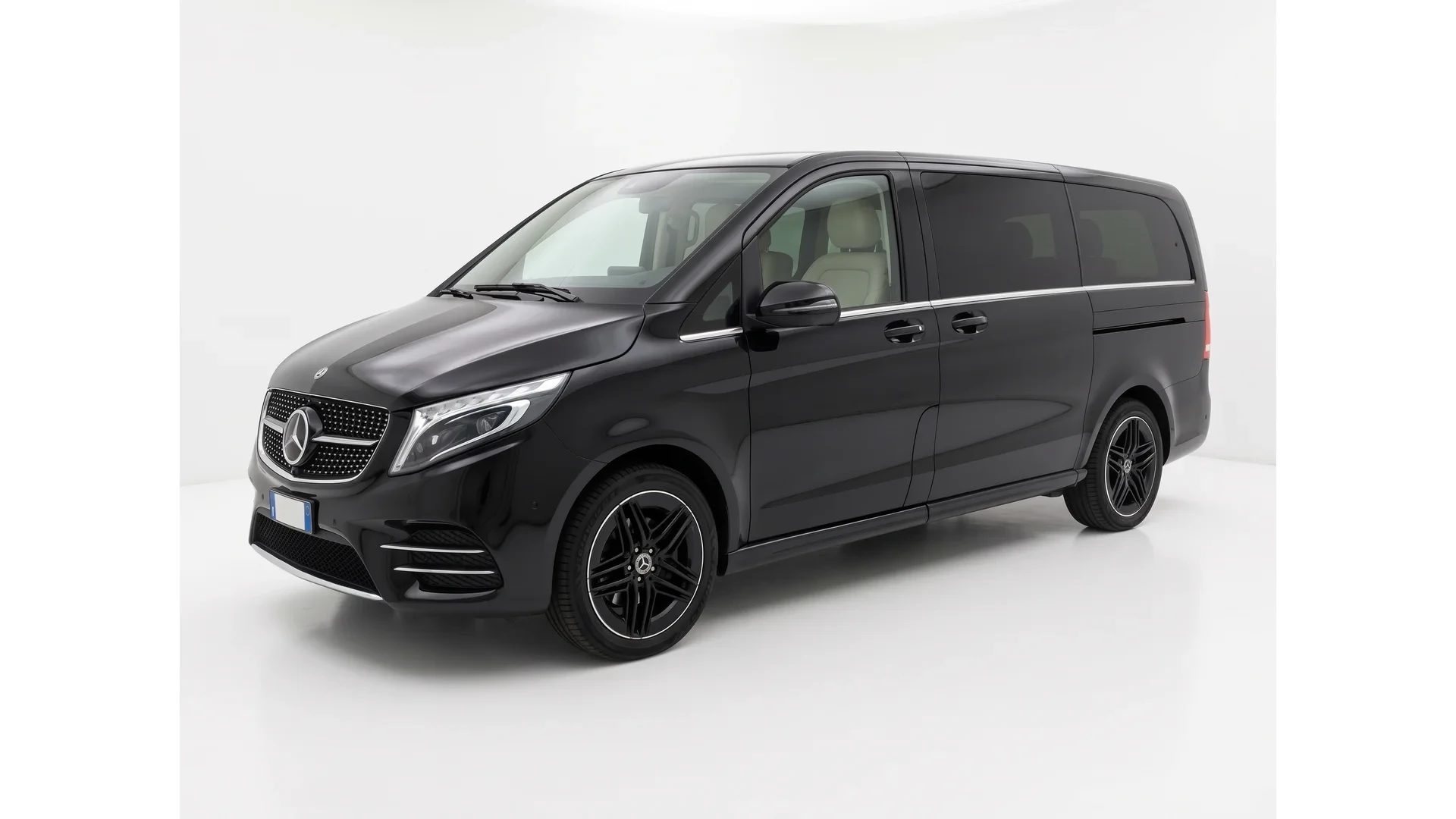
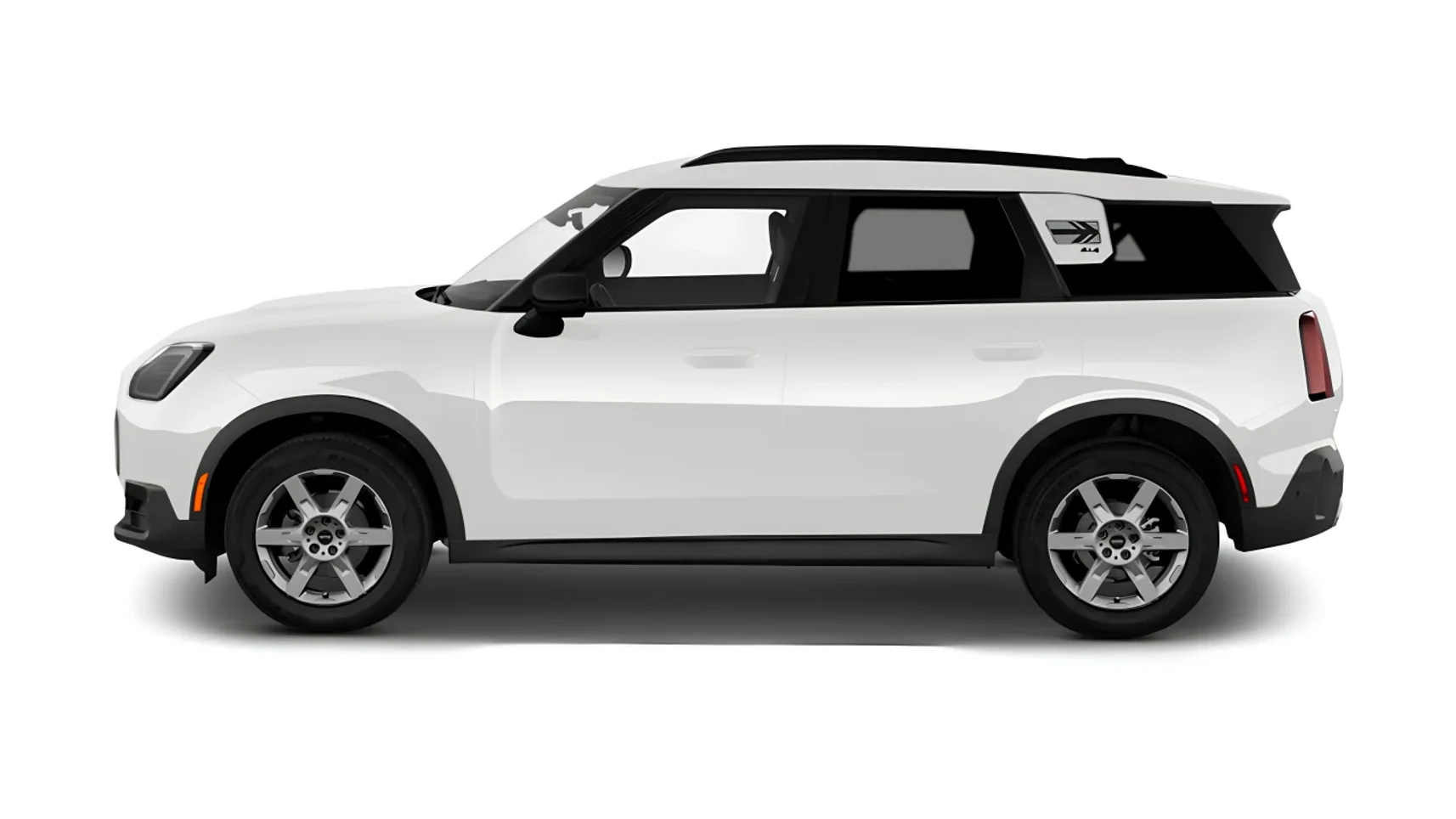
Cork belongs to the early riser. Before the city remembers itself, there is a particular quality of silence along the Lee — fog sitting low on the water, the old butter exchange emerging slowly from grey light, and roads entirely your own. This is the hour Cork reveals itself without performance. Pull out of Hayfield Manor when the grounds are still dewy and the staff are lighting the first fires, and head south toward the R600 where the Wild Atlantic Way begins to assert itself in earnest. The hedgerows are chest-high. The road surface — improbably smooth in places — curls through Timoleague and out toward the headlands where the Atlantic makes its first argument of the morning. In a low, powerful car, the experience is almost conspiratorial: you and the coastline, no witnesses. Cork city proper rewards the return journey. The English Market at opening hour, before the crowds arrive, operates with the quiet authority of something that has never needed to advertise itself. That restraint — unhurried, deeply sure of its own worth — is precisely what defines this corner of Ireland.
Where Ireland's wild southern coast meets a city that rewards those who arrive before the world wakes up