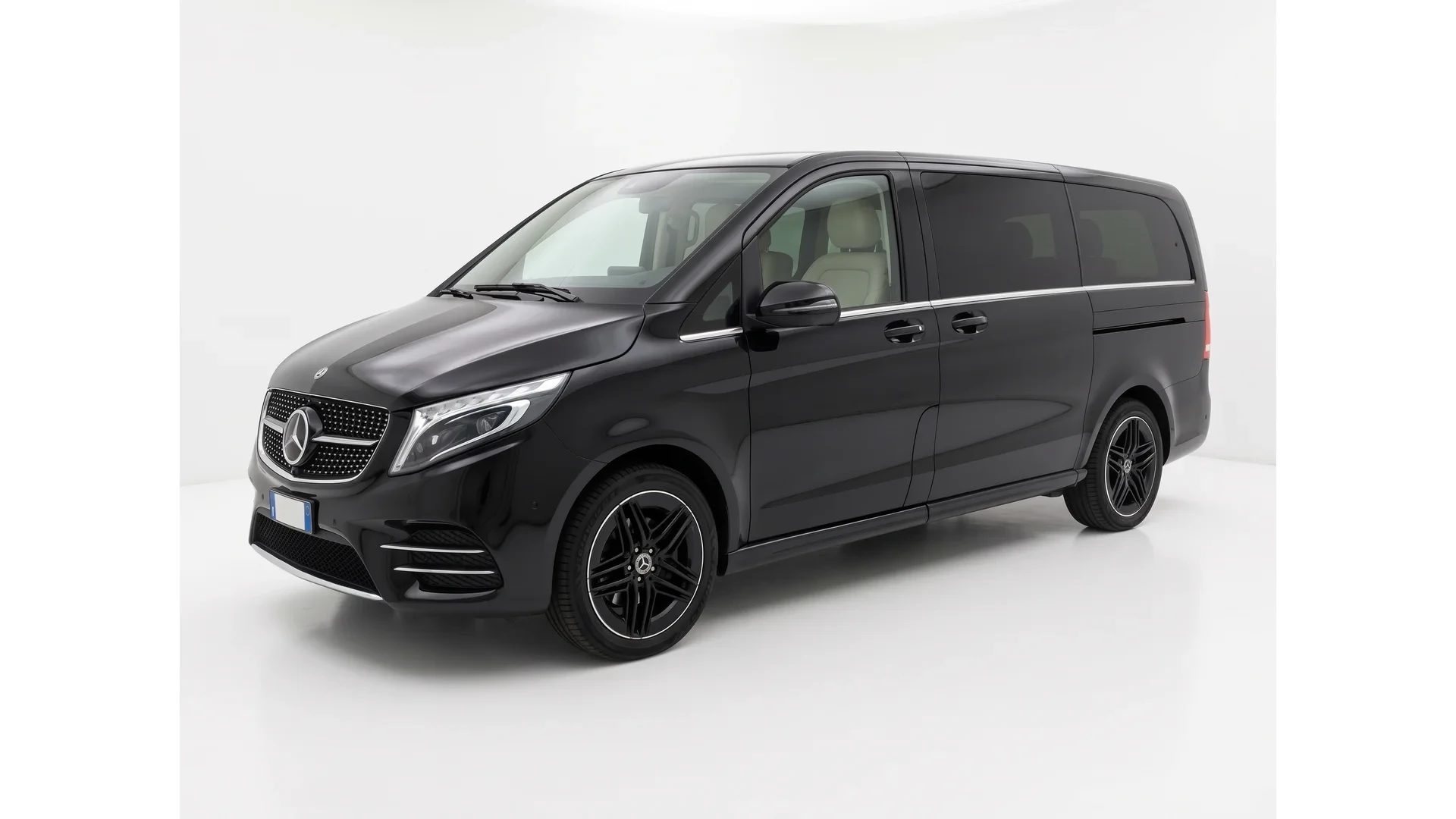
Luxury Car Rental
Aston Martin Rental in Trieste
From €850 per day · Delivered to your location · Available now
See Aston Martin in Trieste →
Zeus Prestige brings luxury car hire in Trieste to your hotel, a villa or the harbour, and to Trieste Airport (TRS) at Ronchi dei Legionari. Rent a supercar, a sports car, a SUV or a cabriolet and head out along the Gulf. Open-top rental in Trieste fits the shore road to Duino, while the high plateau behind the city belongs to something with more power.
Trieste is a port of about 199,000 people on the northeastern edge of Italy, with Slovenia only about 8 kilometres to the east. Emperor Charles VI declared it a free port in 1719, and it prospered as the Habsburg Empire's gateway to the sea. In 1947 it was declared an independent city state under United Nations protection, the Free Territory of Trieste. The cathedral of San Giusto dates to 1320.
Writers and coffee shaped the city's character. James Joyce lived here from 1904 to 1915 and taught Italo Svevo, Rainer Maria Rilke began the Duino Elegies nearby in 1912, and Illy, the coffee company, is based in town. The Canal Grande cuts into the centre, and a dry, cold wind called the bora rolls down from the northeast, reaching 140 kilometres per hour on the piers.
Fold the roof away and follow the shore northwest. Miramare Castle stands on a cliff between Barcola and Grignano, built from 1856 to 1860 for Archduke Maximilian and his wife Charlotte, with a 22-hectare park running down to the water. Farther along, Duino Castle perches on cliffs above the Gulf, where Rilke walked as he began the Duino Elegies. Salt air and sun on the stone reach you with the roof down, and the car cools in the afternoon breeze.
Take a performance car up onto the Karst. The plateau rises behind the city, about 200 square kilometres and riddled with roughly 1,500 caves, and the Grotta Gigante is often called the largest show cave in the world. The region produces a strong red wine called teran. Stone walls, scrubby oaks and tight corners come quickly, the road narrows, and your pulse rises with each bend while the engine echoes off the limestone.
The longer run suits a comfortable coupe or a spacious SUV. Aquileia was founded as a Roman colony in 181 BC and grew into a city of around 100,000, and UNESCO listed it in 1998. Grado, the Island of the Sun, lies beyond, reached by a road across the lagoon built in 1905. Its Basilica of Sant'Eufemia has a sixth-century mosaic floor. Inside, the cabin is hushed and faintly scented with leather, and the lagoon slides past without a ripple.
Yes. We deliver to Trieste Airport (TRS, ICAO LIPQ) at Ronchi dei Legionari, to hotels and villas in Trieste, and to the harbour. Give us your flight and hotel details, and we take care of the handover.
A convertible suits the Duino shore road. The Karst rewards a quick performance car, and Aquileia and Grado favour a comfortable coupe or large SUV.
Miramare Castle stands about 8 kilometres from the city centre, on the Gulf between Barcola and Grignano.
The bora is a cold, dry wind that blows from the northeast and can reach 140 kilometres per hour on the piers. It is strongest on exposed stretches, so check the forecast before an open-top drive.
If you plan to drive across borders, tell us when you book. Cross-border trips need confirming at booking so the insurance covers them.
Yes. The Gulf, the Karst, Aquileia and Grado are all within easy reach. We also operate in Venice and Padua if your route continues west.
Browse our supercars, sports cars, SUVs and cabriolets, tell us where in Friuli Venezia Giulia you are staying, and the keys will be ready for your luxury car hire.
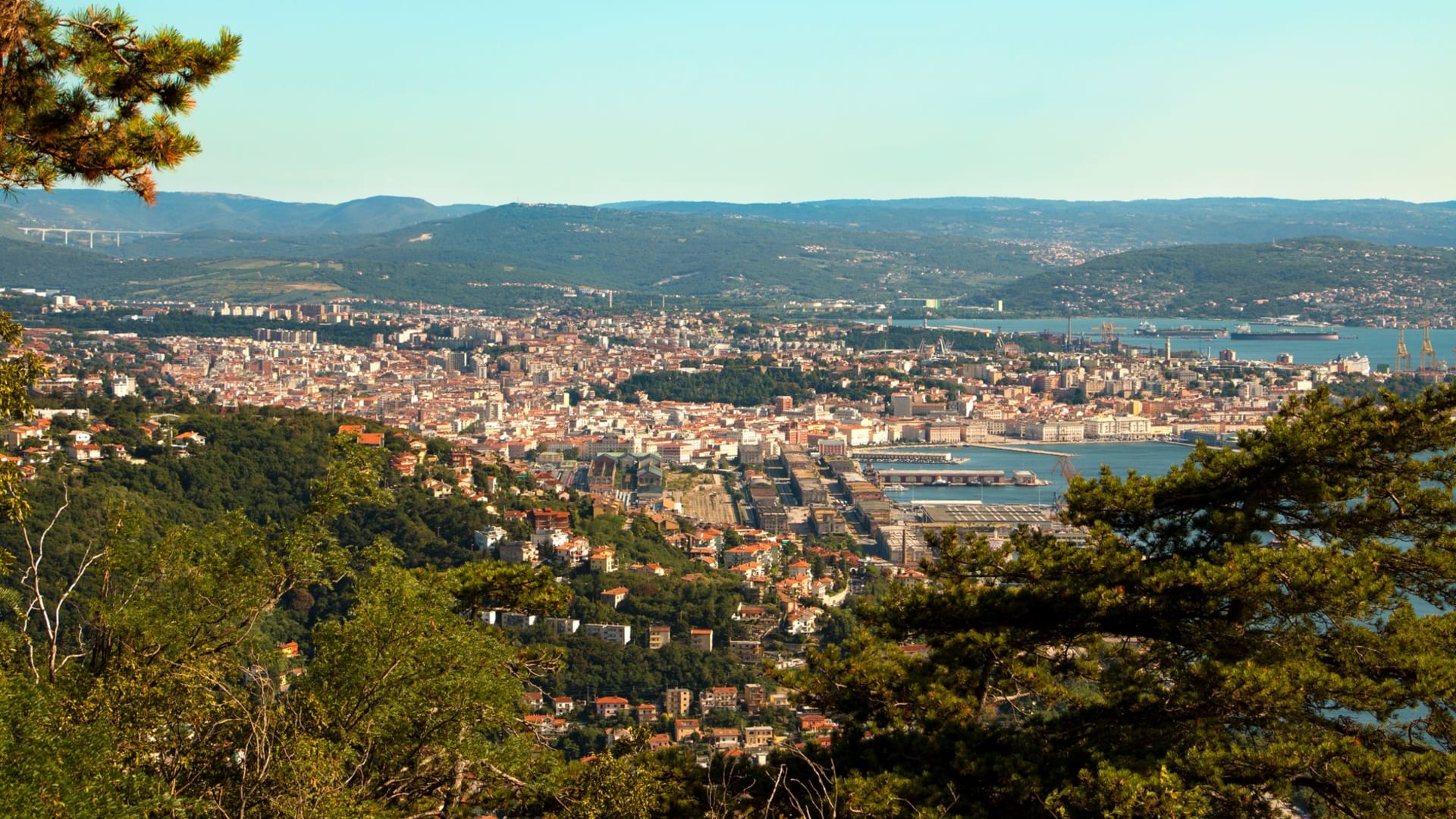
Luxury car rental in Trieste with delivery to hotels, the harbour and the airport, plus drives to Miramare, the Karst and Grado.