Italy
Luxury Car Rental in Padua
143 vehicles available · Delivered to your location · Model guaranteed
See our fleet in Padua →
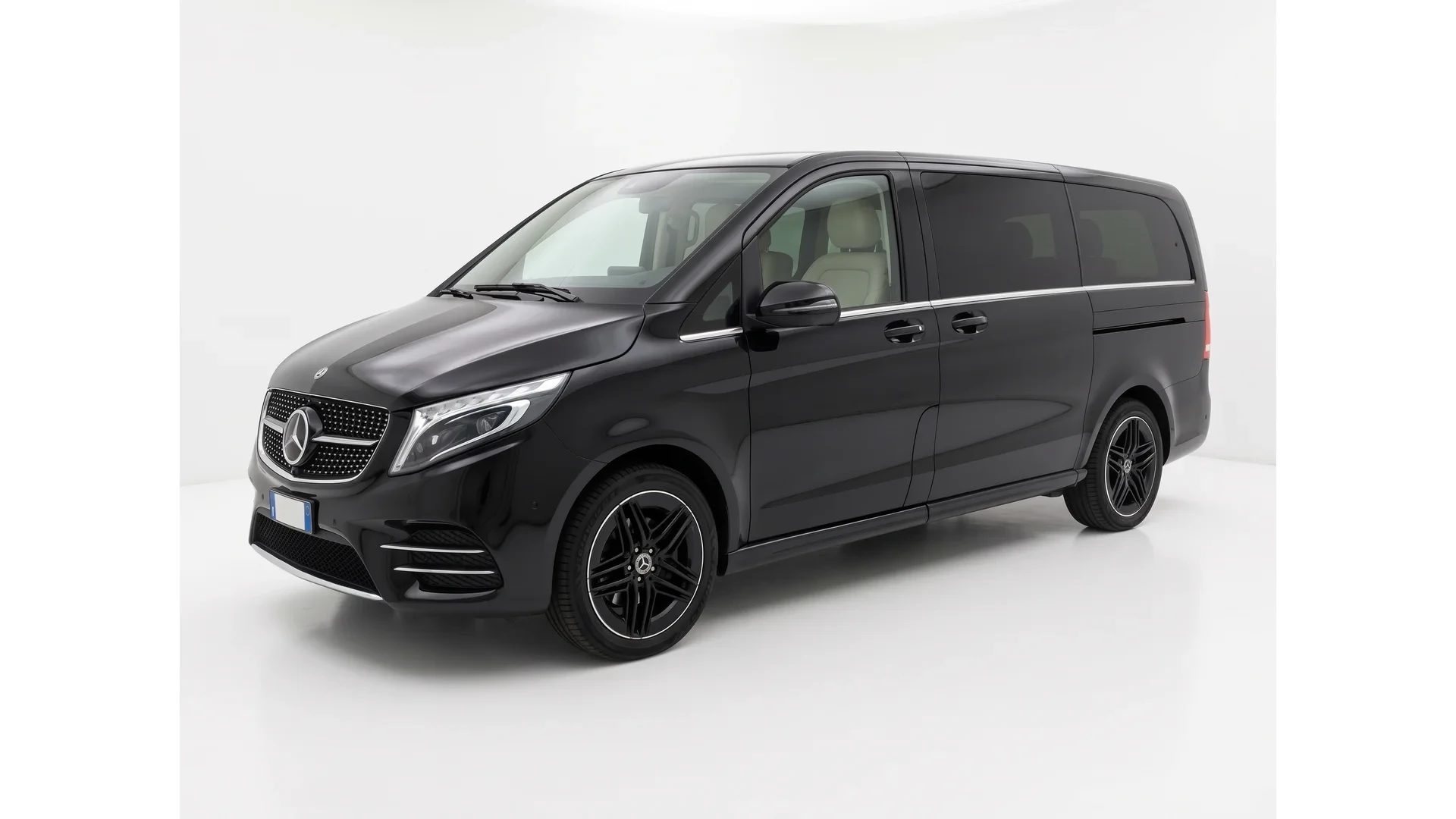
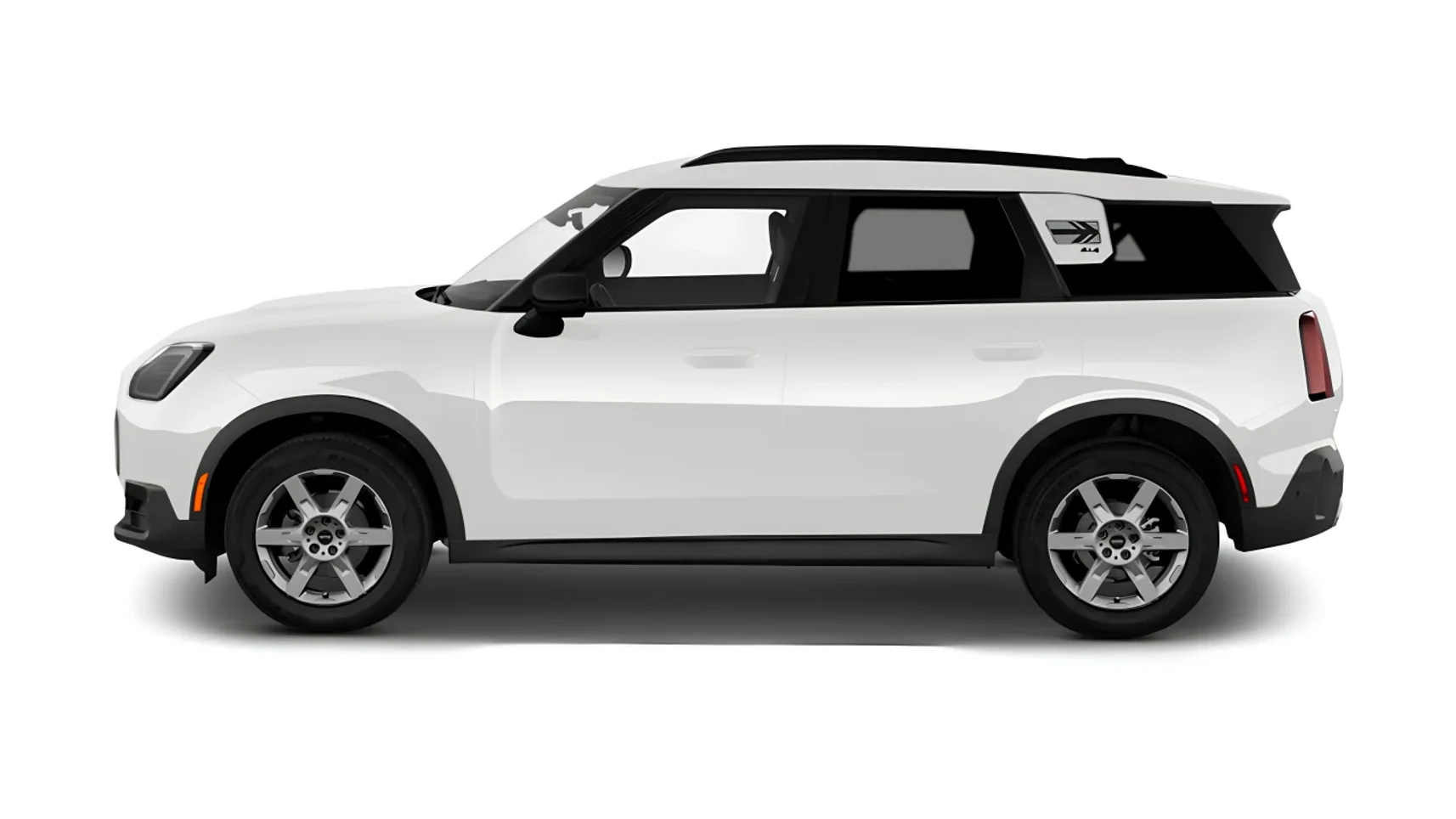
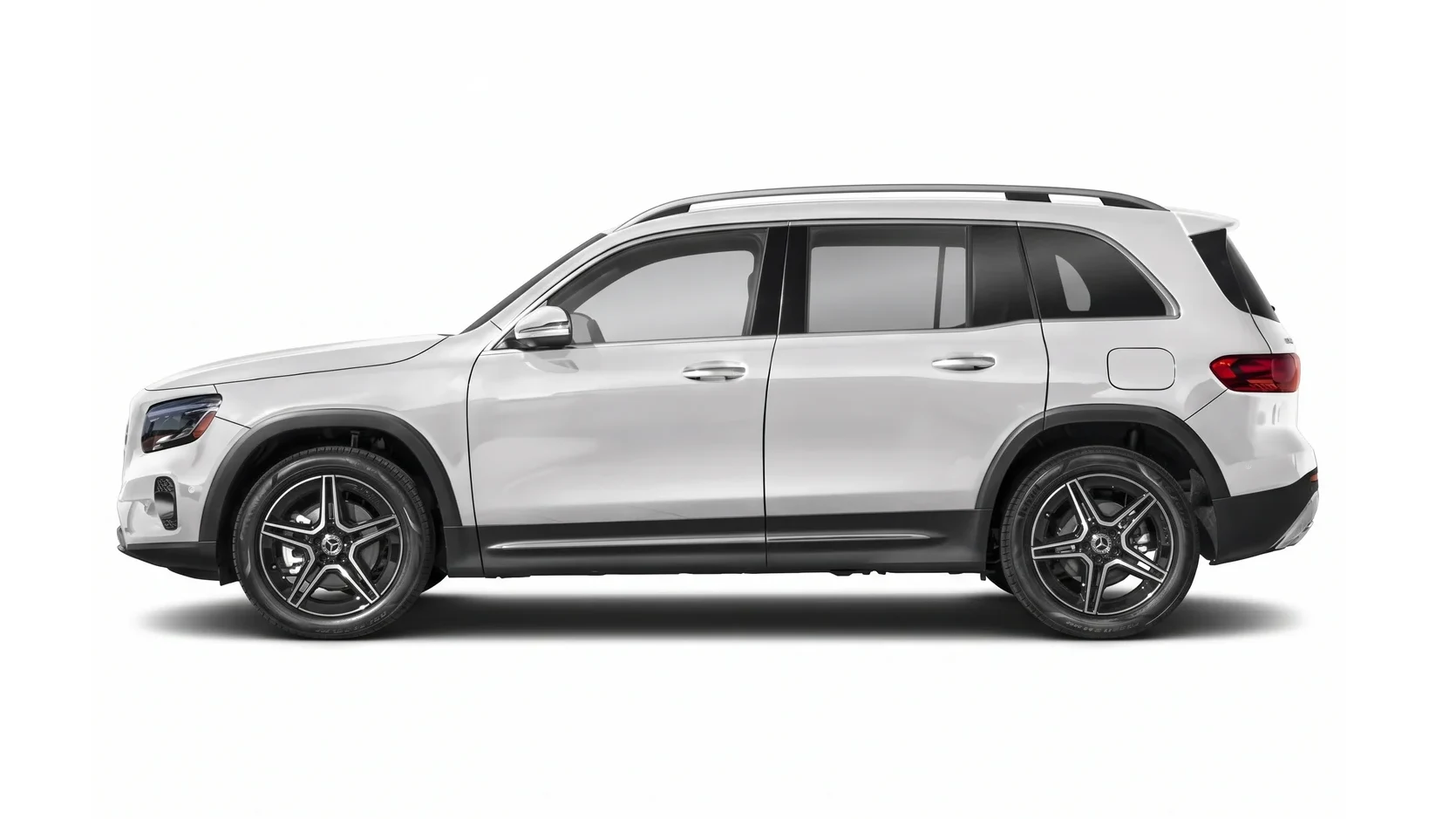
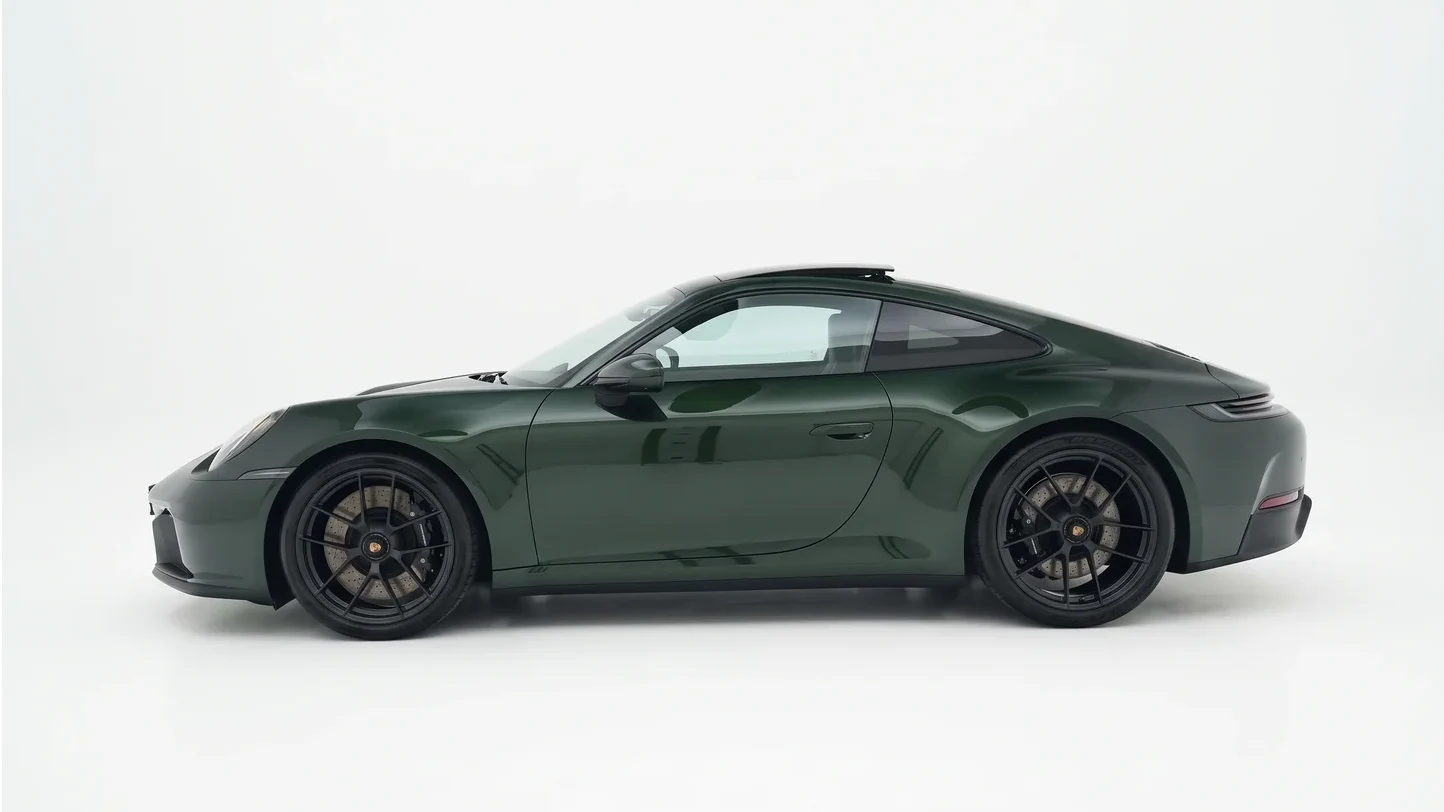
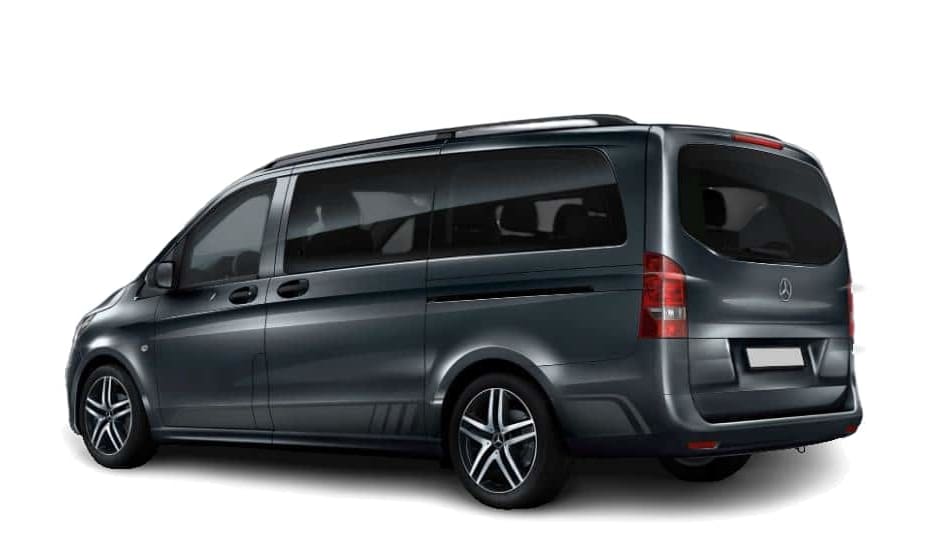
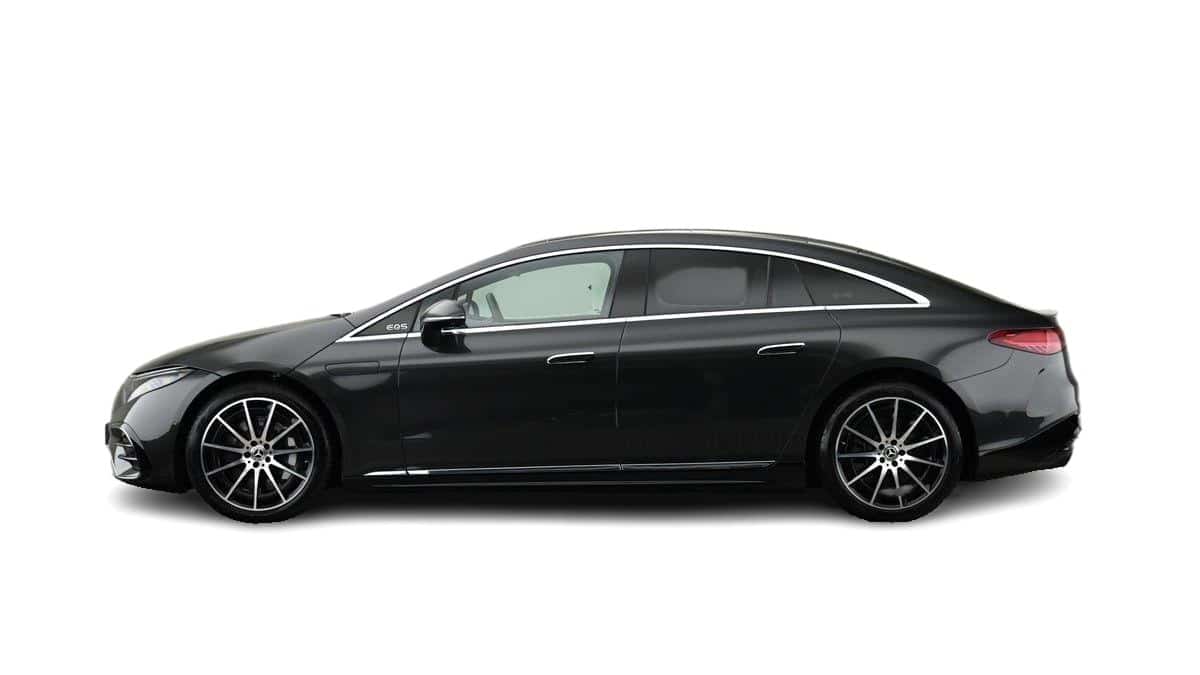
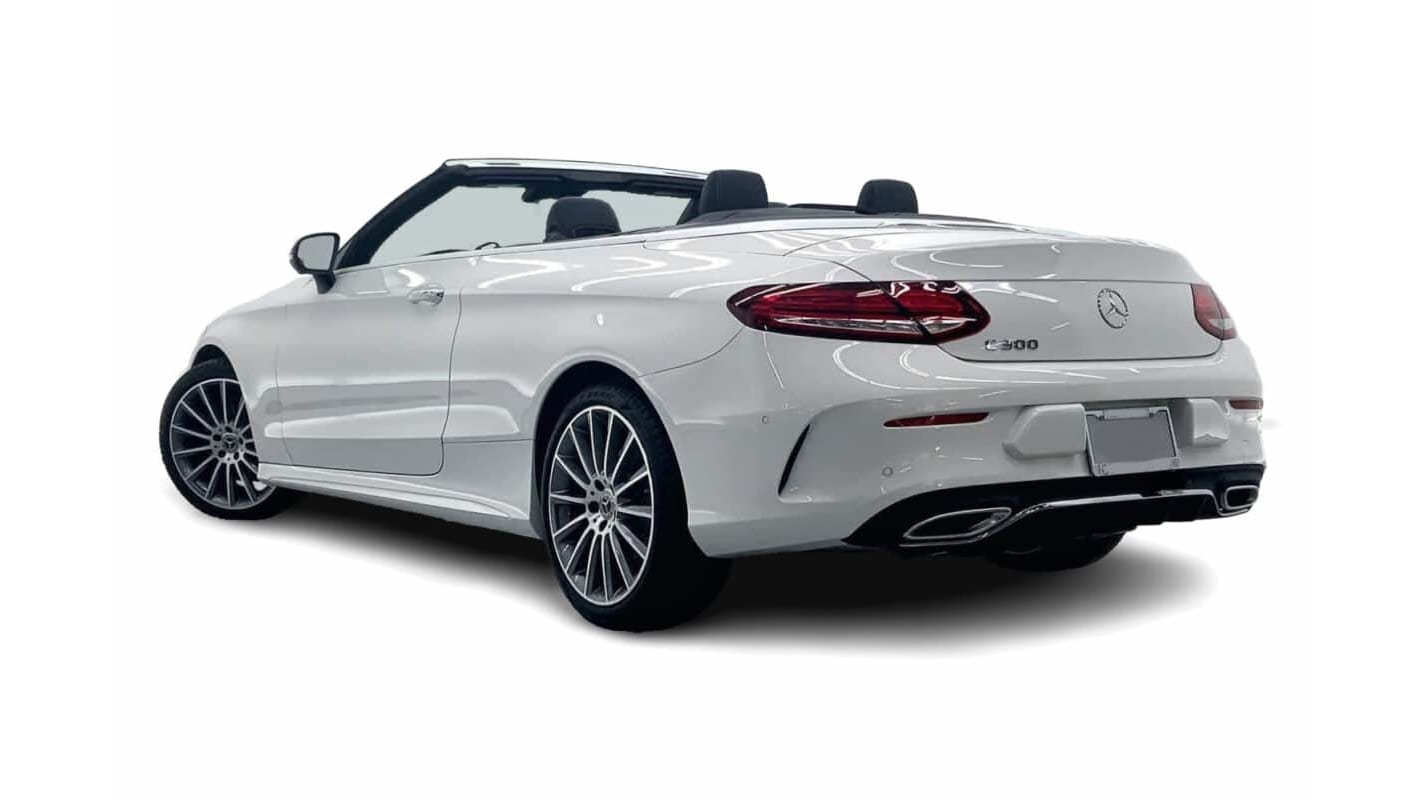
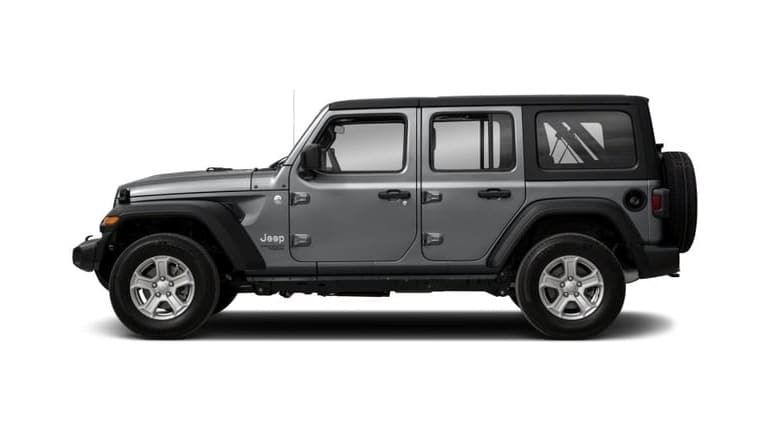
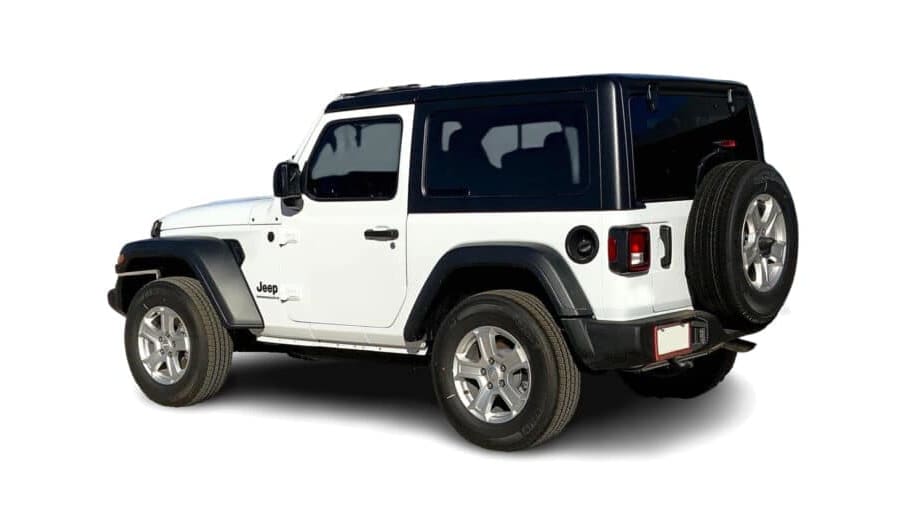
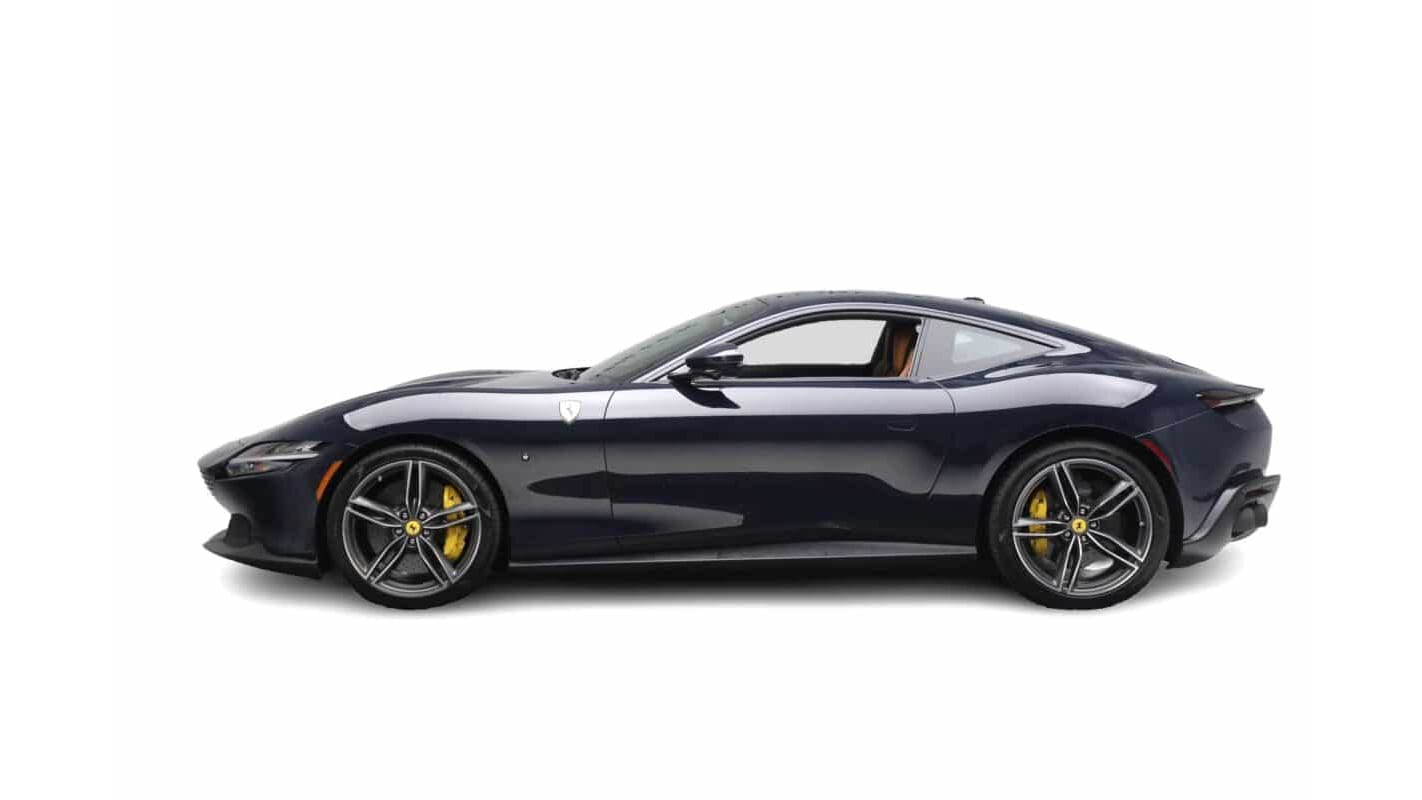
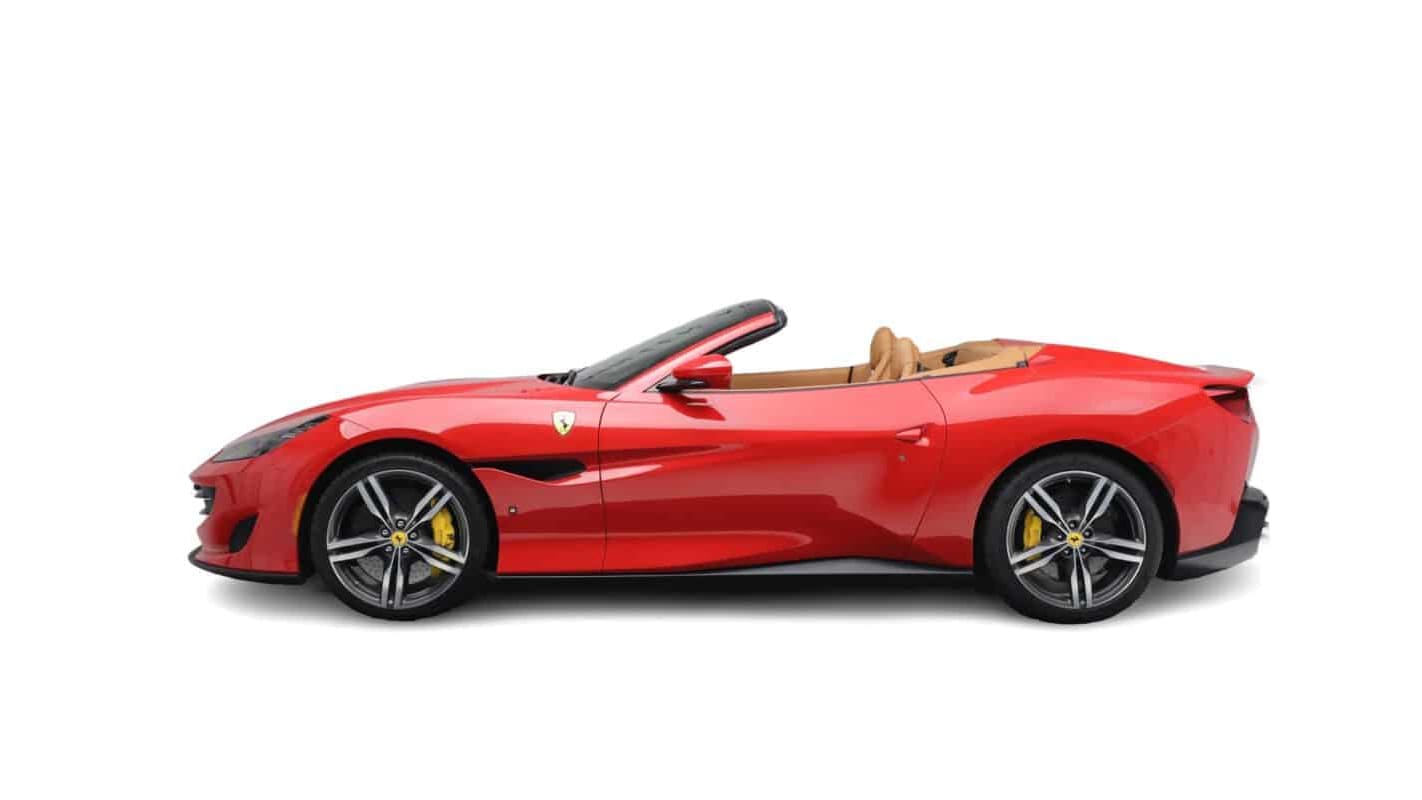
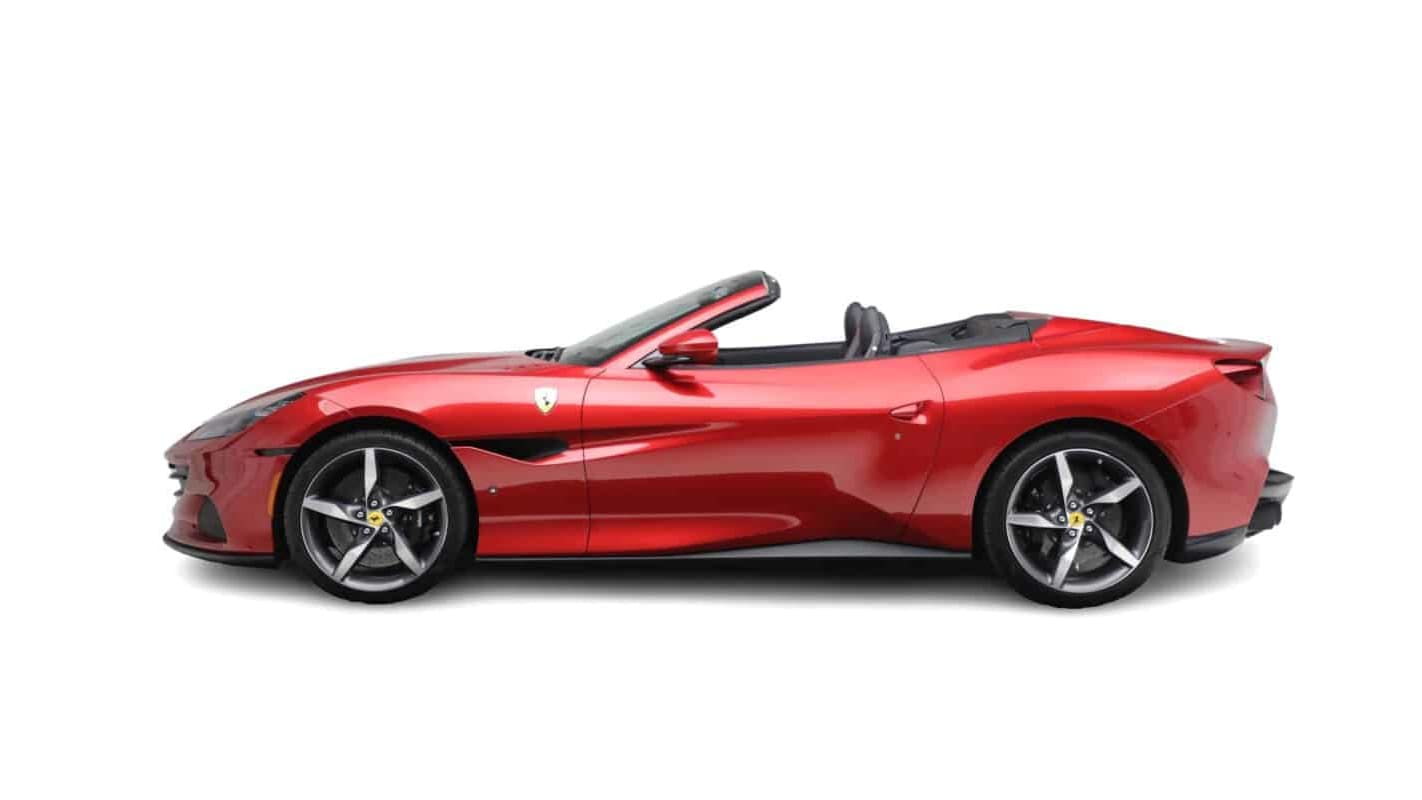
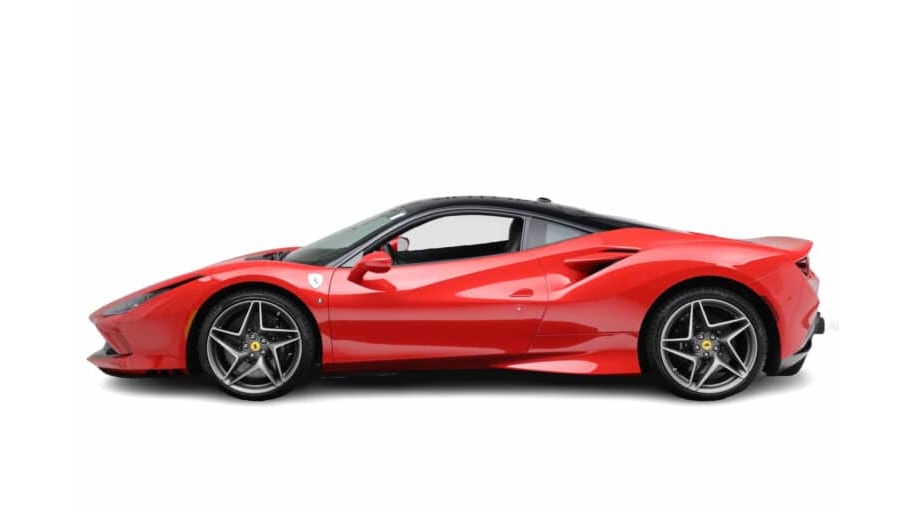
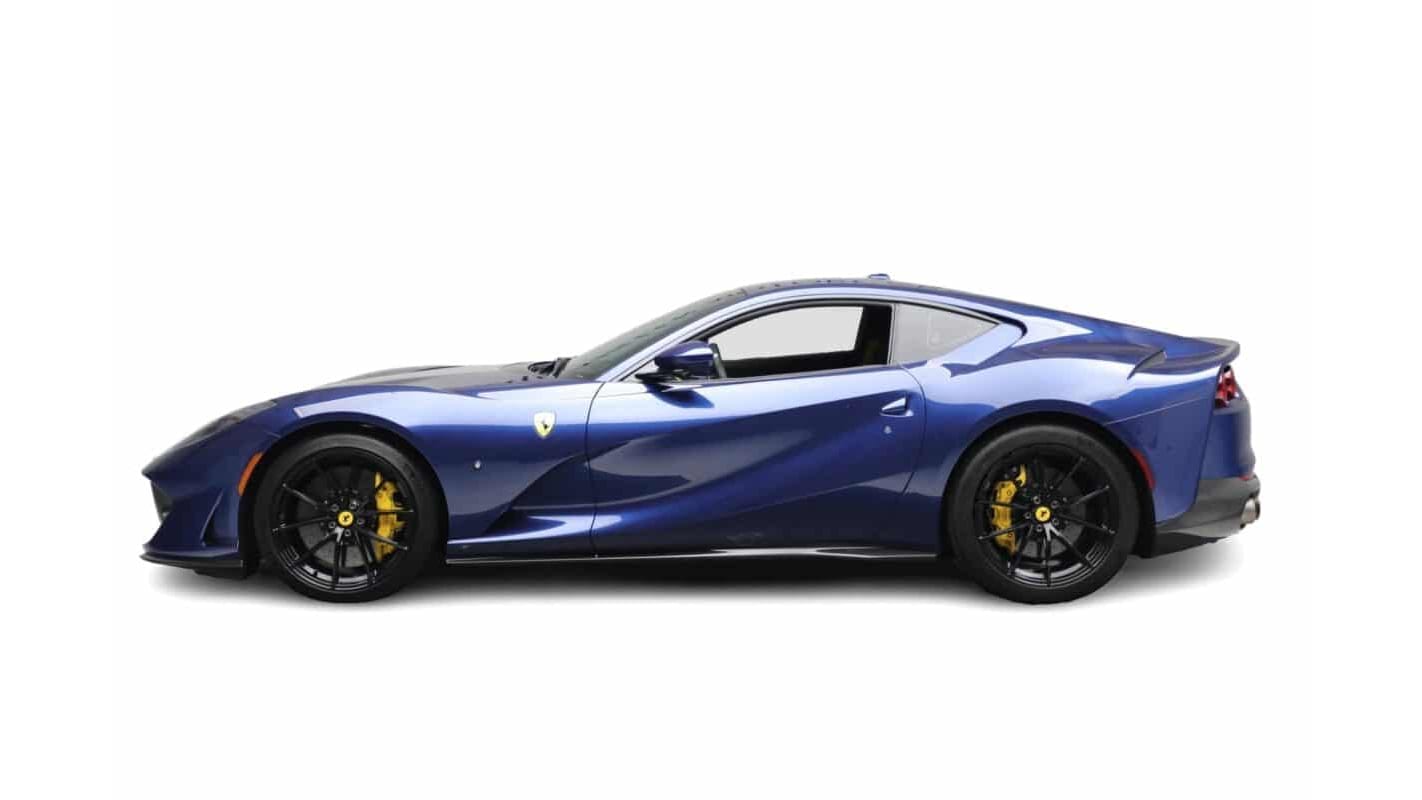
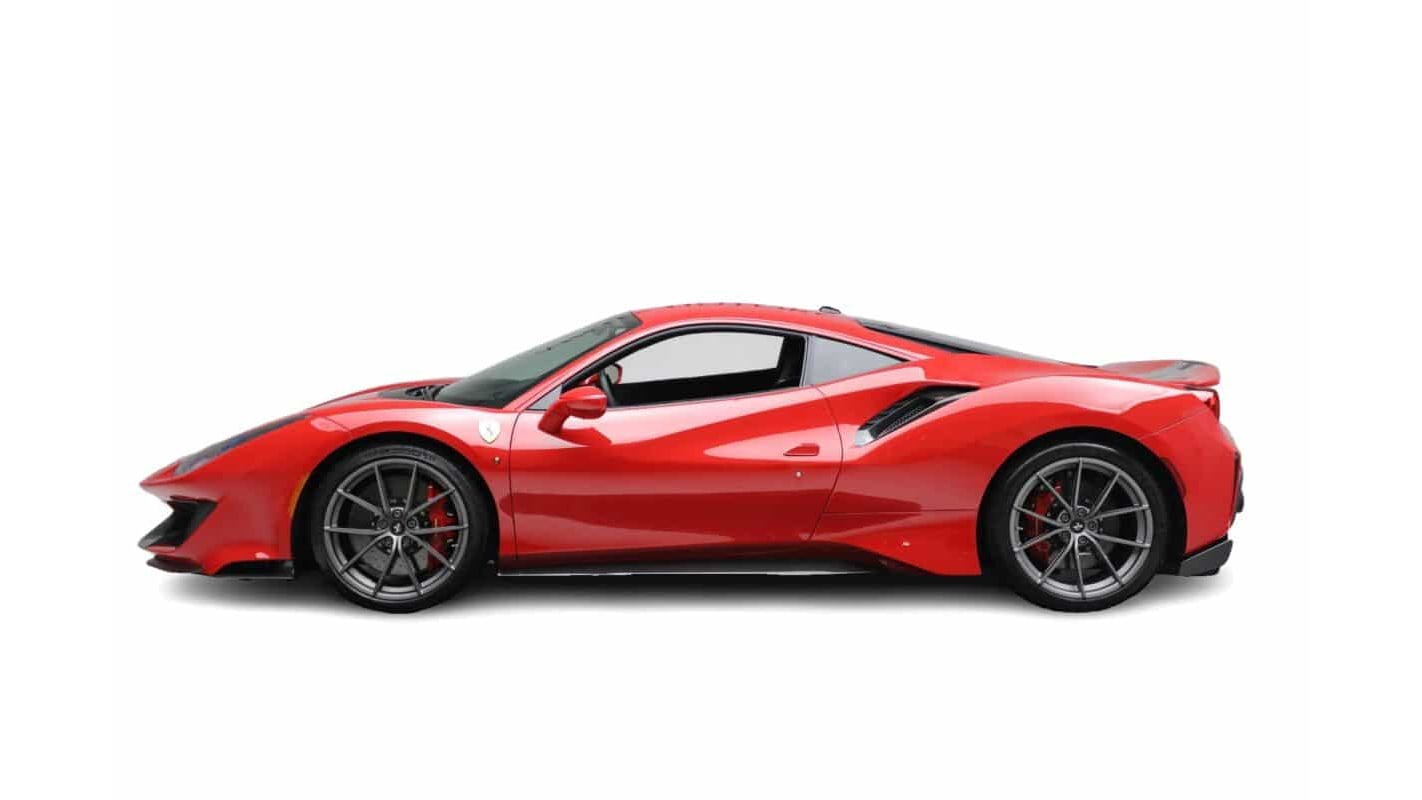
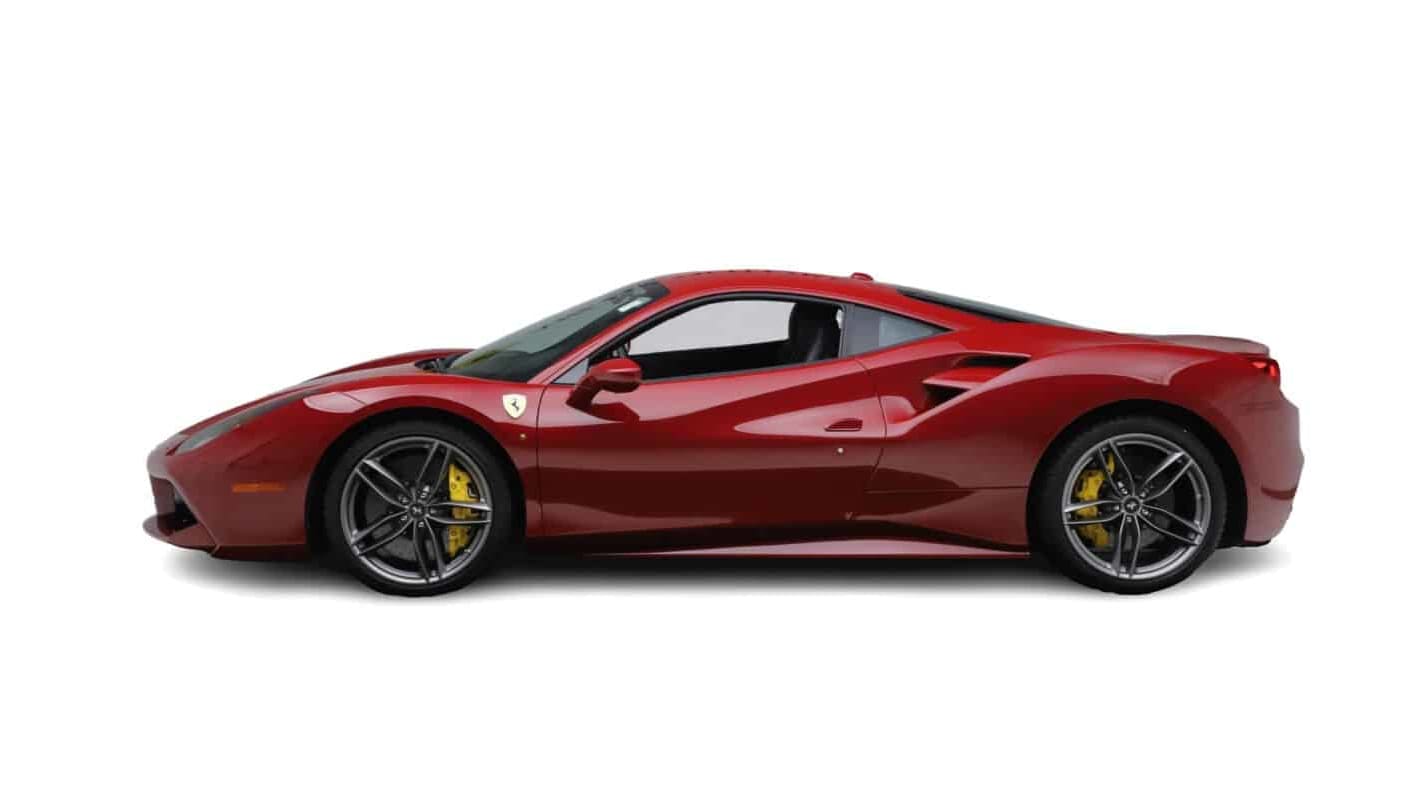
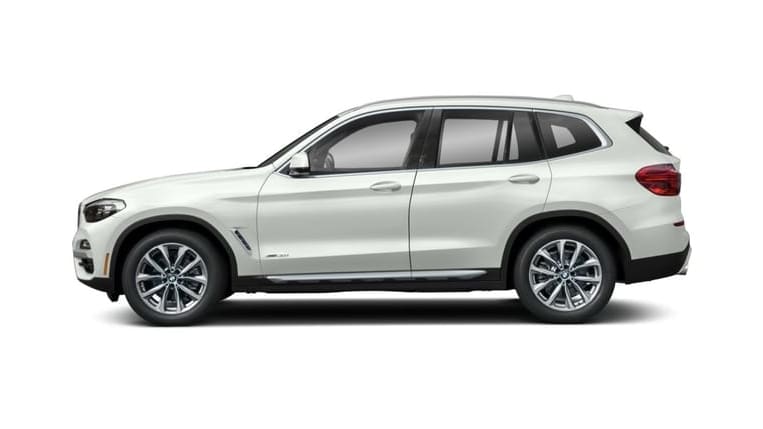
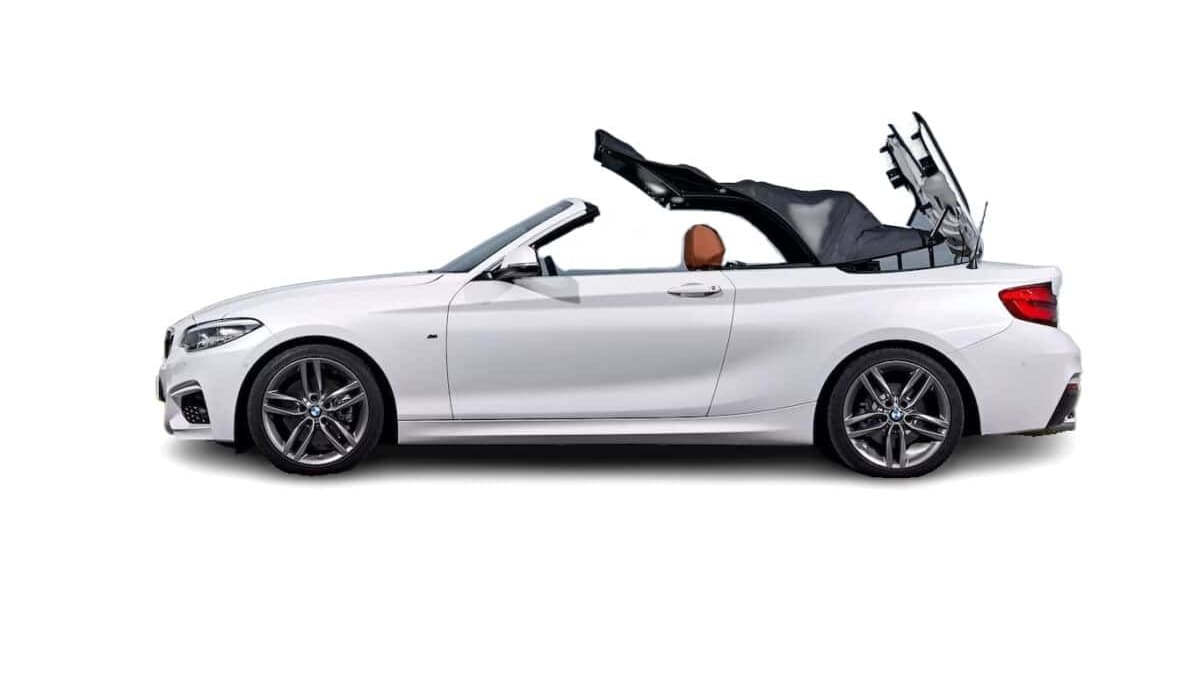
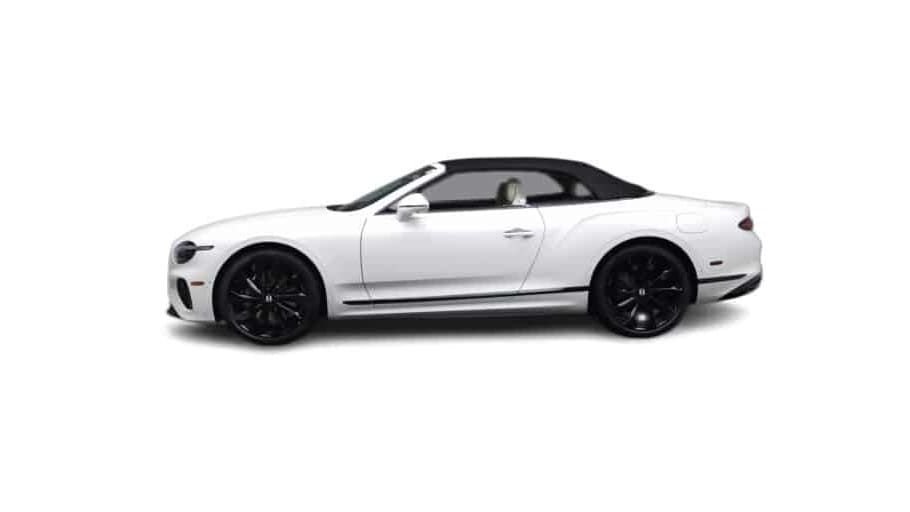
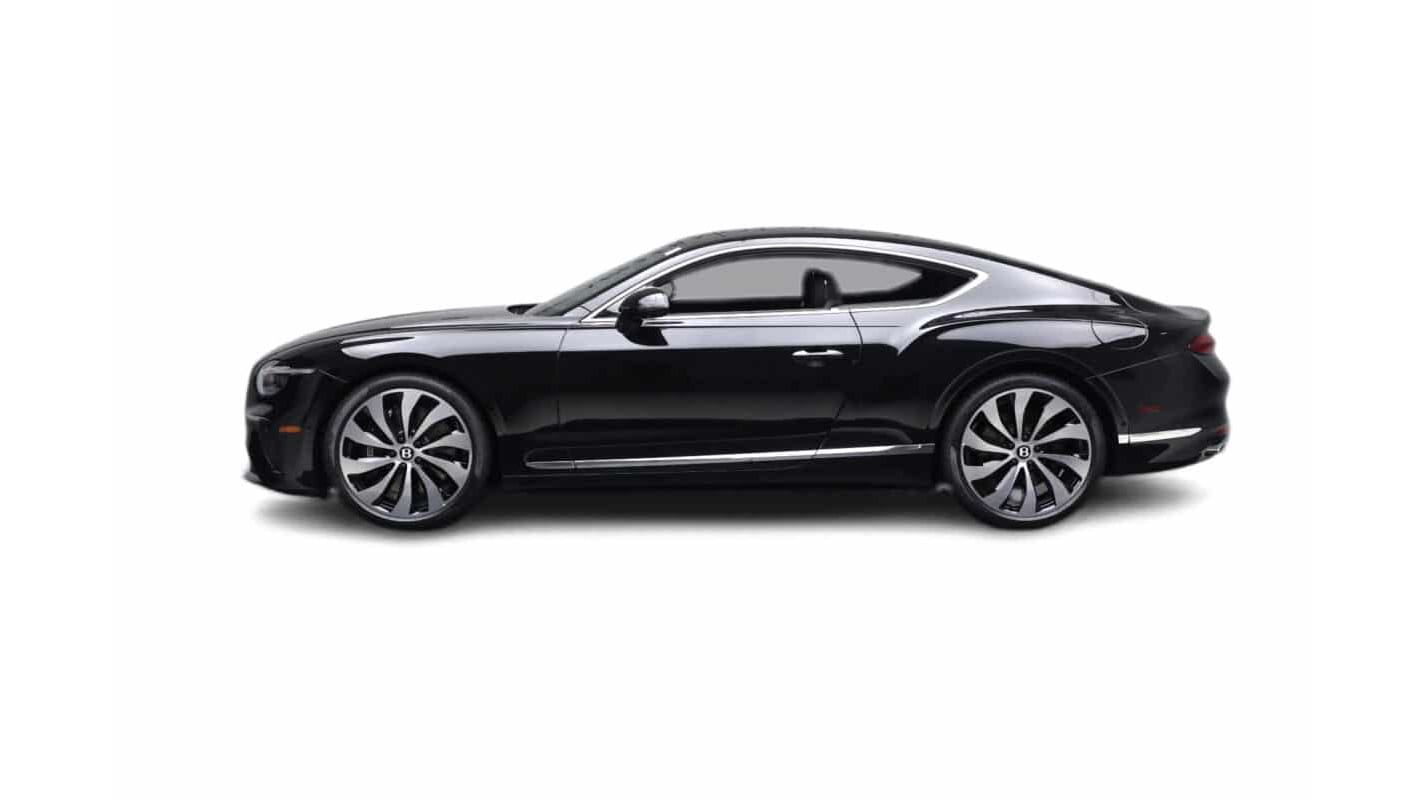
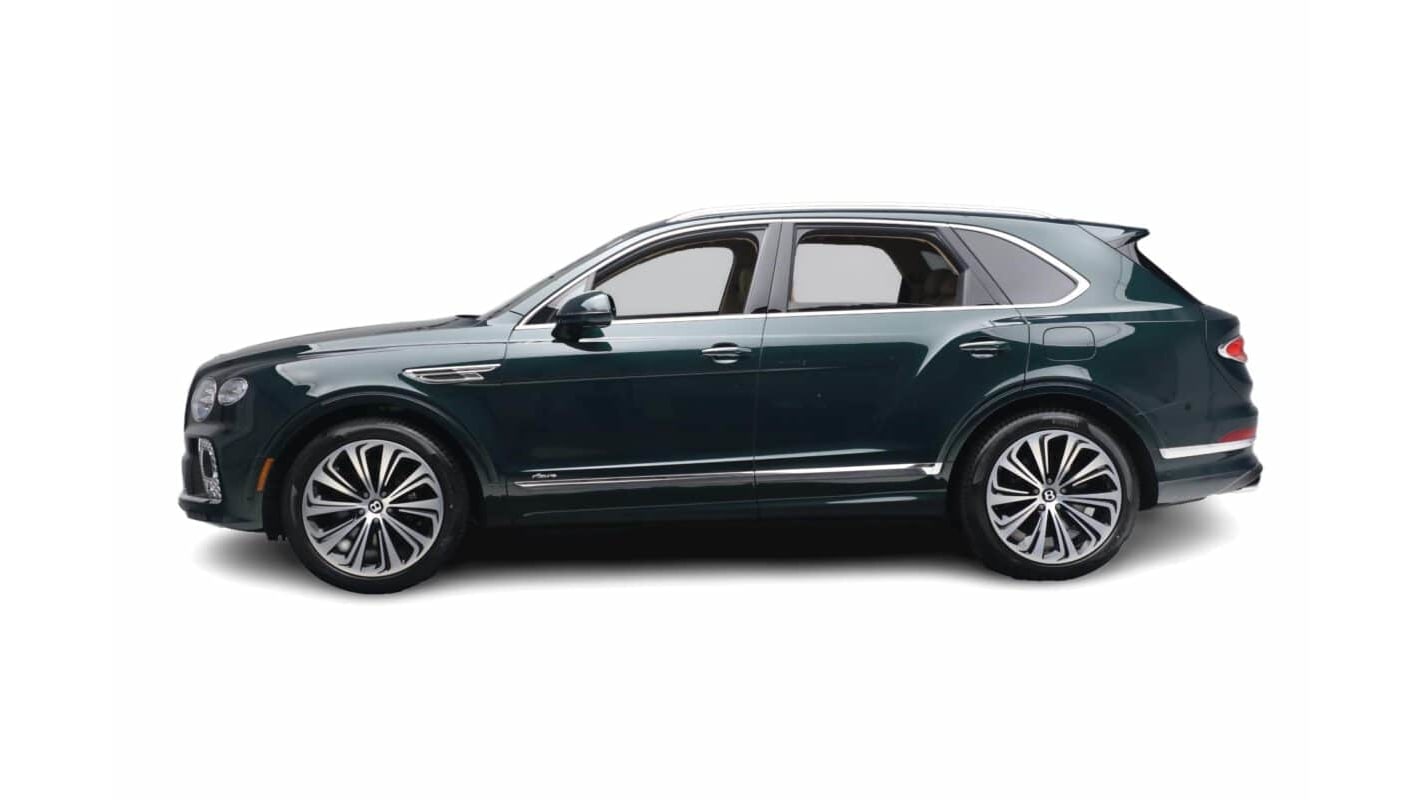
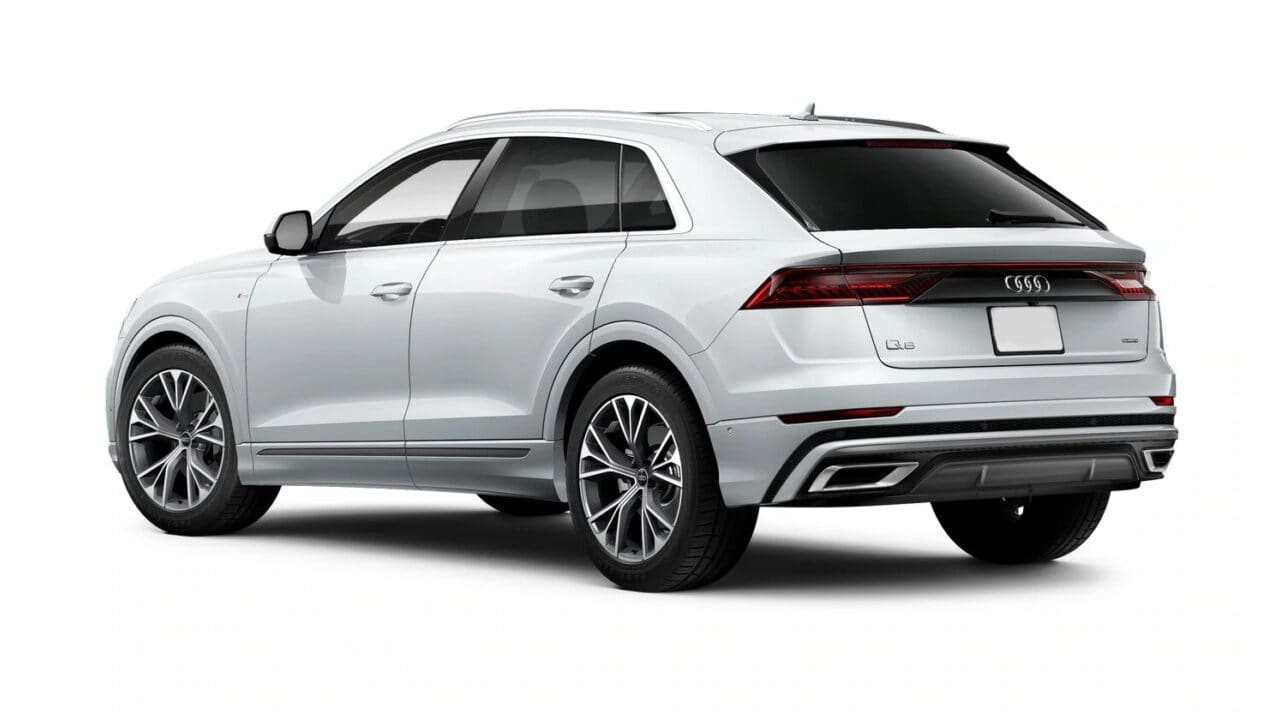
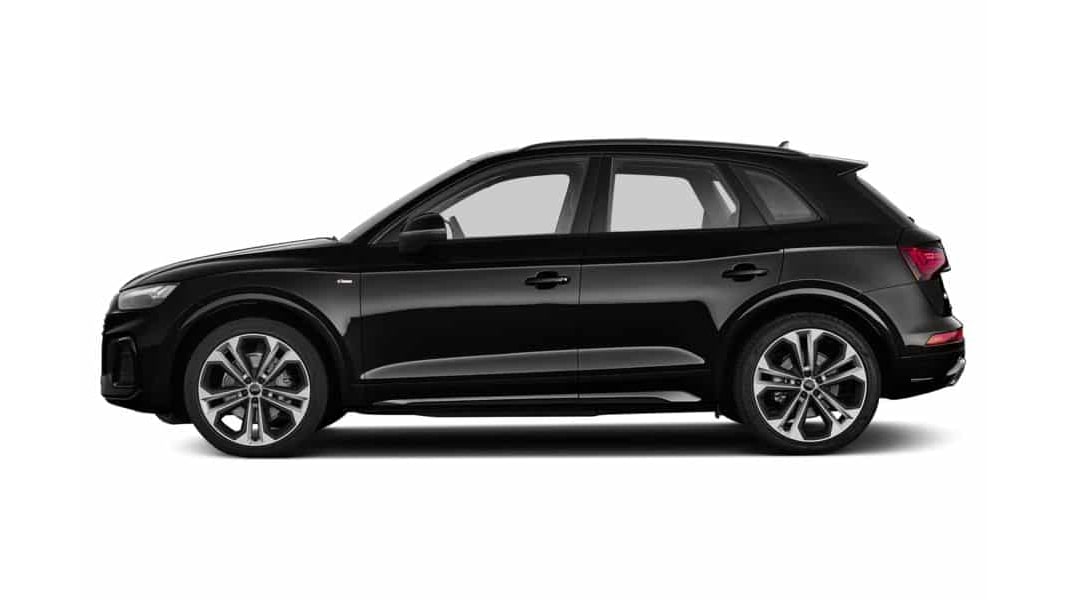
Arrive in the Veneto with luxury car rental in Padua, delivered to your hotel or villa, to the airports at Venice (VCE), Treviso (TSF) and Verona (VRN). Choose a luxury SUV, a prestige car, a convertible or a sports car and set your own pace through the hills and river villas around the city. Convertible hire suits the Euganean Hills, and exotic car rental in Padua suits the climb to Monte Grappa.
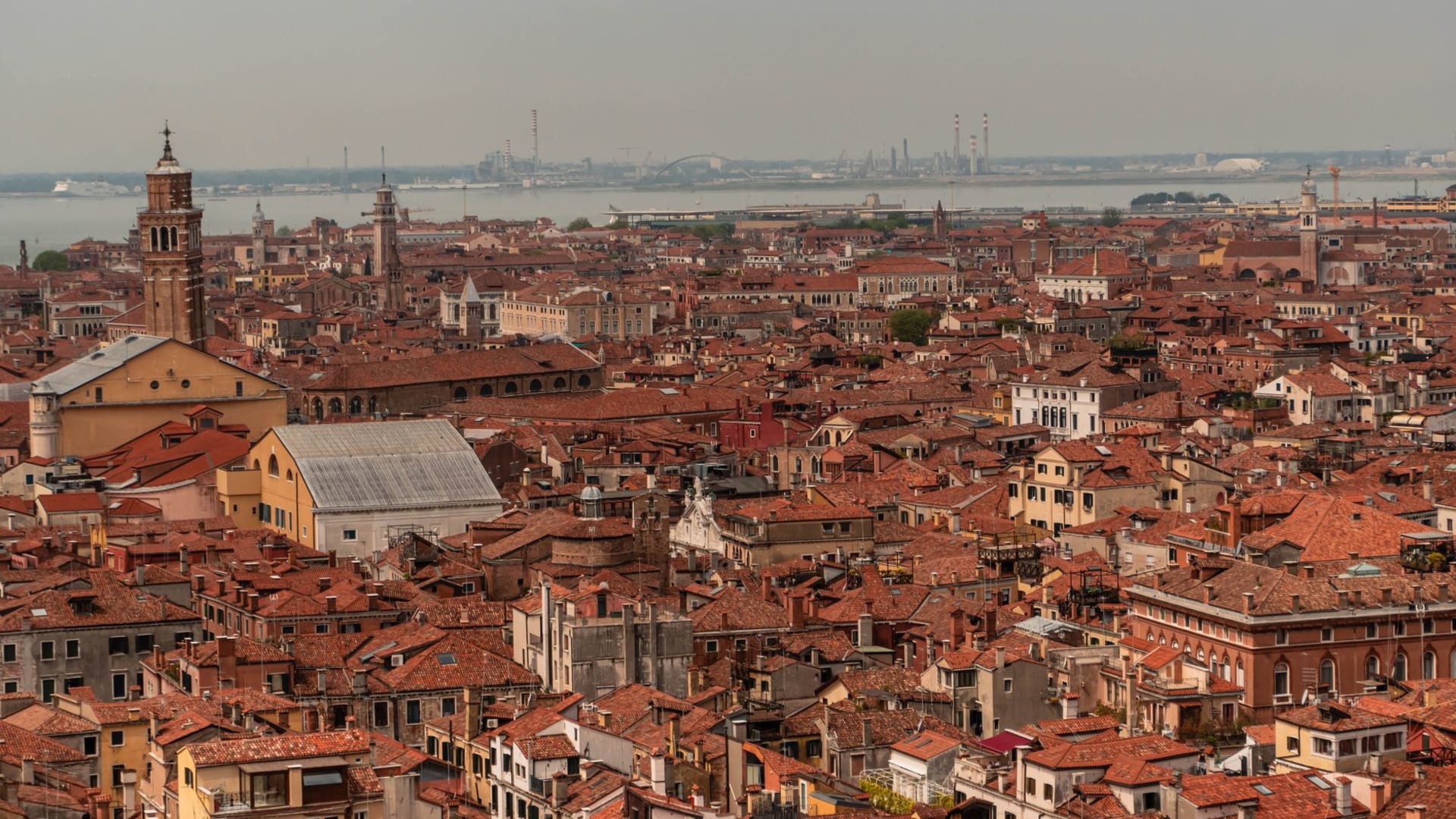
Padua sits about 40 kilometres west of Venice, a university city of roughly 208,000 people. The University of Padua dates to 1222, the second oldest in Italy, and Galileo taught here before he turned a homemade telescope on the moons of Jupiter in 1610. Giotto finished the fresco cycle of the Scrovegni Chapel in 1305, and those frescoes now share a UNESCO listing with the Botanical Garden, founded in 1545 and counted as the oldest in the world.
Daily life gathers around its squares. Prato della Valle is an elliptical expanse of about 90,000 square metres, laid out by Andrea Memmo in the late eighteenth century, and one of the largest squares in Europe. The great hall of the Palazzo della Ragione is roughly 81 metres long under a roof with no supporting columns, and pilgrims arrive all year at the Basilica of Saint Anthony, begun around 1230, where the saint's remains are kept.
Drop the roof and head south, where the hills lift out of the plain only a few kilometres from the city. The Euganean Hills became the first regional park in the Veneto in 1989, and Monte Venda tops them at 603 metres. Vineyards climb the slopes, and the lanes lead to Arquà Petrarca, the village where the poet Petrarch spent his last years and where his house is now a museum. Warm stone, cut grass and the faint scent of ripening grapes drift through an open cabin, and the afternoon passes without a single motorway.
The mountain calls for a supercar or sports car. Bassano del Grappa lies north of Padua on the Brenta, where Palladio designed the covered wooden bridge in 1569, and above the town the road climbs toward the summit of Monte Grappa at 1,775 metres. Near the top stands the memorial ossuary holding the remains of 12,615 soldiers, a quiet end to a loud climb. Every downshift into a bend sets the pulse running faster, your grip tightens at the first blind crest, and the engine settles with a tick as you stop to look south over the whole Venetian plain.
Follow the Brenta in a grand tourer or a large SUV, the old waterway that links Padua with Venice. At Stra, Villa Pisani rises beside the river, begun in the early eighteenth century for Alvise Pisani, who became doge in 1735, with a ballroom ceiling painted by Giovanni Battista Tiepolo between 1760 and 1762 and a garden maze behind it. The villa lies roughly 30 kilometres from Venice. The cabin is hushed, the leather smells faintly of warm sun, and the car rolls on at a gentle pace between the villa gates and the water.
Yes. We bring the car to your hotel or villa in Padua, and to Venice (VCE), Treviso (TSF) and Verona (VRN), including their private aviation terminals (ICAO LIPZ, LIPH and LIPX). Share your hotel name and arrival day, and we will arrange the handover.
A convertible fits the Euganean Hills and the wine villages. Pick a supercar or sports car for Monte Grappa, and a grand tourer or roomy SUV for the villas along the Brenta, where you may carry luggage and passengers.
Venice Marco Polo is about 50 kilometres from Padua, so you can pick up the car there and be in the city within an hour.
Venice lies about 40 kilometres east of Padua. Cars cannot enter the historic centre of Venice, so most drivers leave the car on the mainland.
Yes. The Euganean Hills, the Brenta villas and Bassano all sit within easy reach of the city. We also operate in Venice and Verona if your route continues east or west.
Browse our prestige cars, cabriolets, sports cars and SUVs, tell us where in the Veneto you are staying, and the keys will be ready for your luxury car hire.