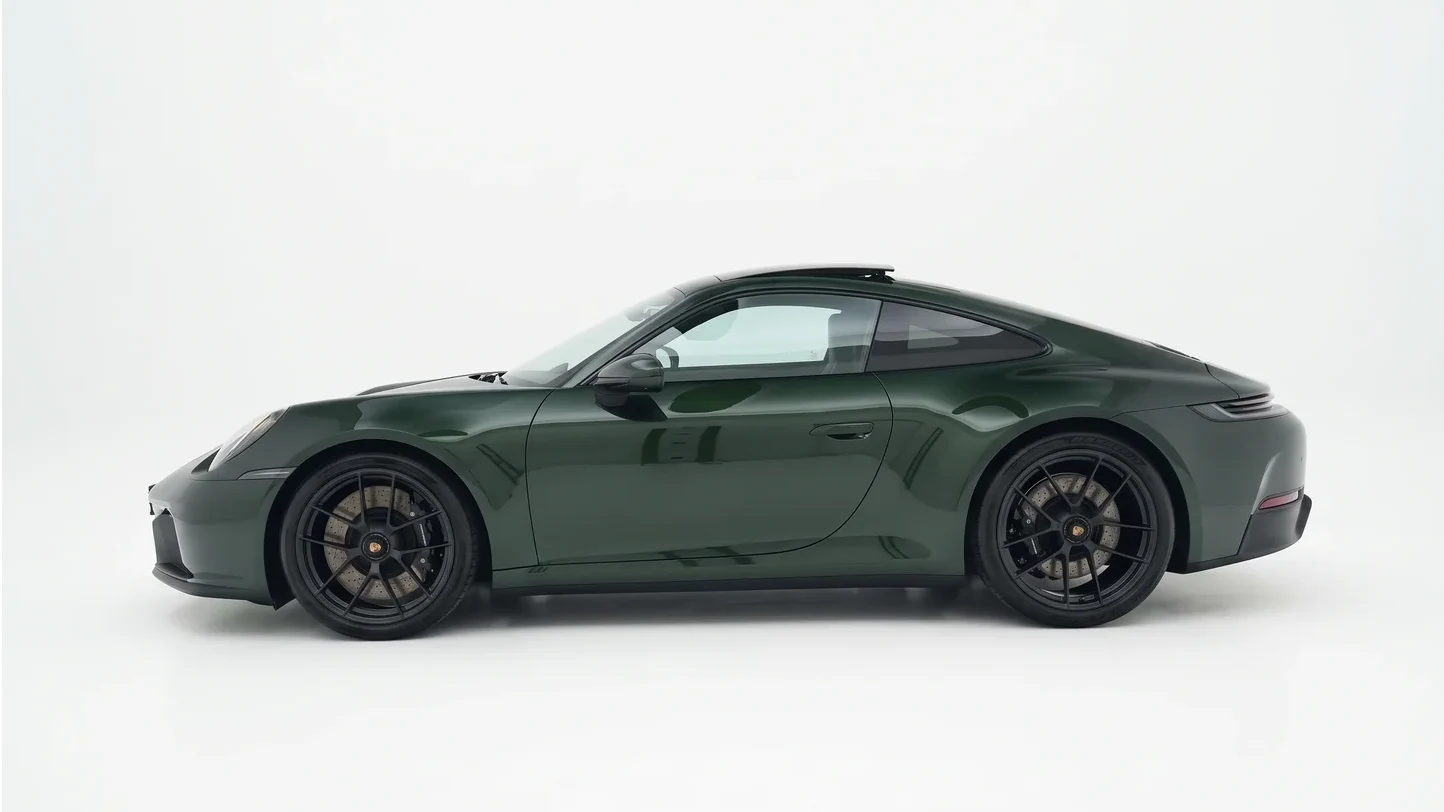
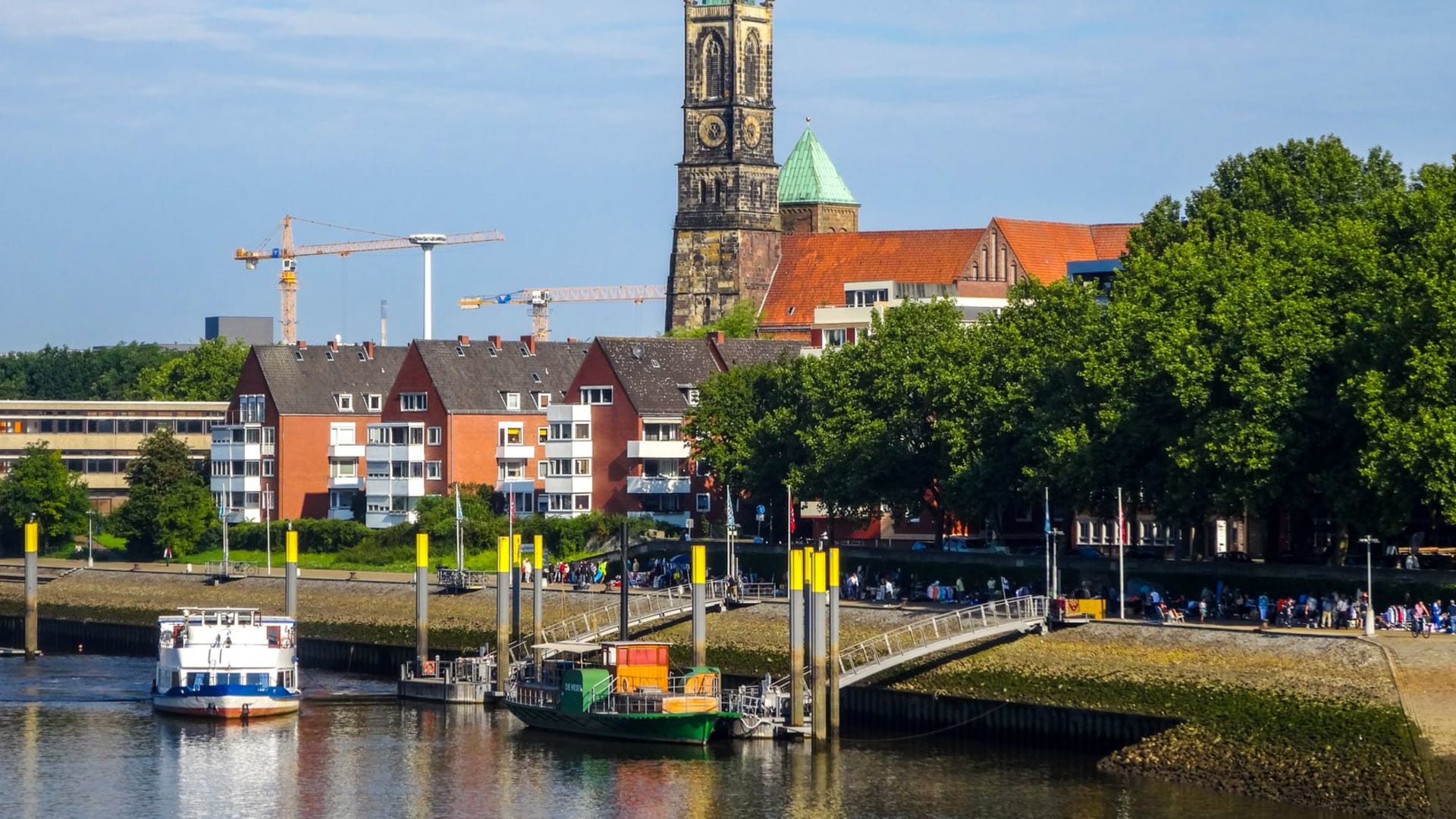
Bremen belongs to those who arrive before the city wakes. In the grey-blue hour before seven, when mist rolls off the Weser and the cobblestones of the Böttcherstraße hold not a single footstep, the Alte Weserstraße opens itself entirely to whoever is behind the wheel. The B75 cuts south along the river through low farmland and sleeping villages, visibility softened by morning fog, the road surface cool and unhurried. There is no performance here — only precision, the kind that demands a car worthy of the silence. Bremen does not announce itself. Its wealth is old, its architecture unshowy, its confidence inherited rather than performed. That restraint runs through Hotel Zur Post, a property where the service is fluent in discretion and the rooms face a city that still moves at a human pace. Return before the market squares fill and you will have seen something most visitors never will — a Hanseatic capital caught entirely off guard, its red-brick facades still dark with dew, the river carrying the first light without drama. This is what northern Europe does better than anywhere: beauty as a private matter.
Where merchant history and open road converge in northern Germany's most quietly assured city