Luxury Car Rental
Hamburg – Porsche
From €295 per day · Delivered to your location · Available now
See Porsche in Hamburg →
Back at the center of the city, The Fontenay sits on the Aussenalster with the composure of a building that has never needed to announce itself, which says most of what you need to know about Hamburg. It keeps its finest things behind unassuming facades, and the historic Speicherstadt is the clearest example: Europe's largest warehouse district, now a UNESCO monument, pulling you through brick archways and iron bridges before the scale of it opens unexpectedly, canal after canal catching a sky that changes tone every quarter hour in the northern light. This is a city built on merchant confidence, and that confidence never left.
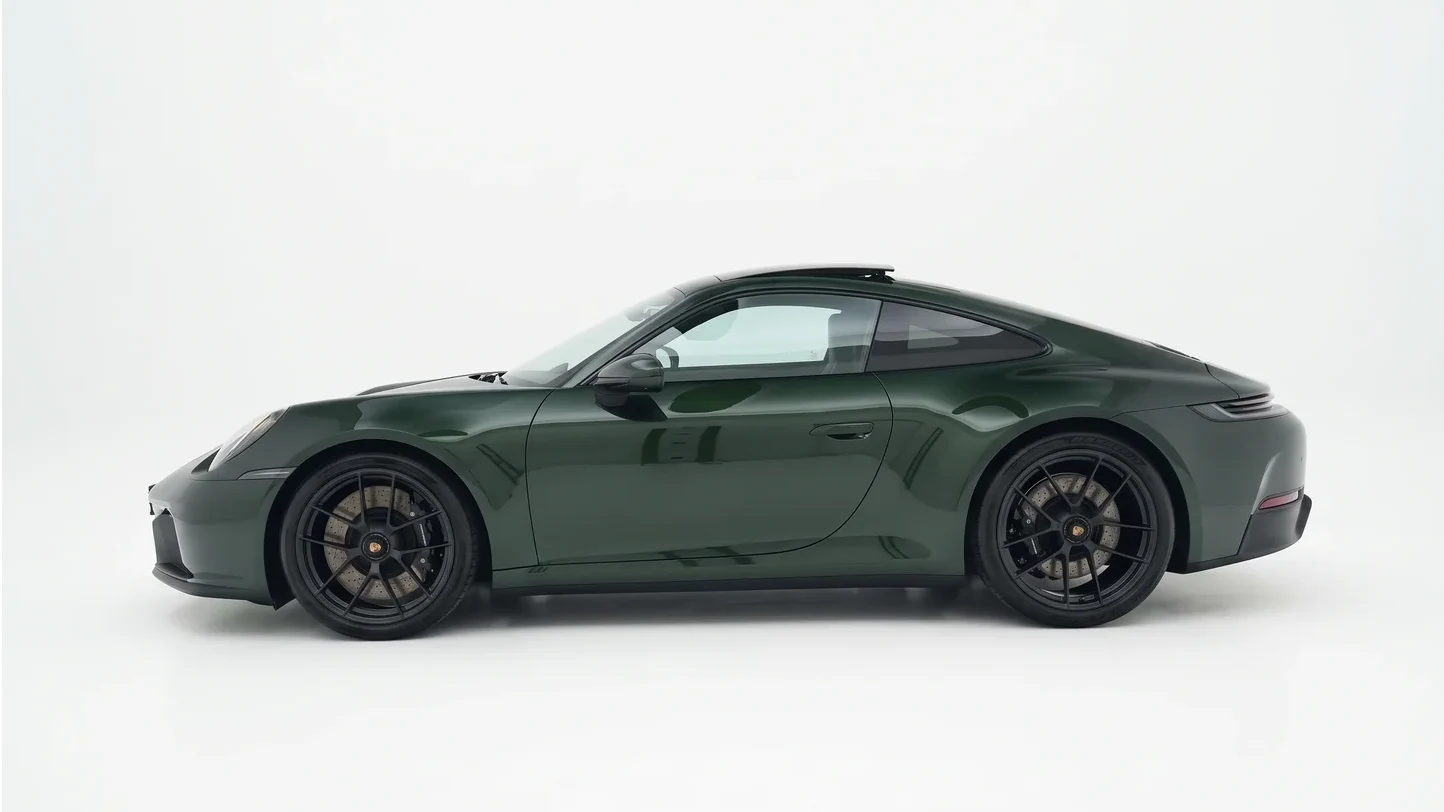
The Porsche 911 and the Porsche 718 Boxster take Hamburg's harbor roads and the unhurried stretch out along the Elbe with equal ease. Rent the 911 Carrera S or hire the 718 Boxster and Zeus Prestige delivers exactly as booked. Rent or hire your sports car with Zeus Prestige in Hamburg, delivered exactly as booked.
Follow Elbchaussee westward along the Elbe afterward and a quieter Hamburg takes over, patrician villas retreating behind mature linden trees, river views that belong to no postcard. The road has a deliberate, unhurried cadence, exactly the kind of stretch that reminds you why the car matters.
Browse the full Sports Cars collection available in Hamburg for more like it.