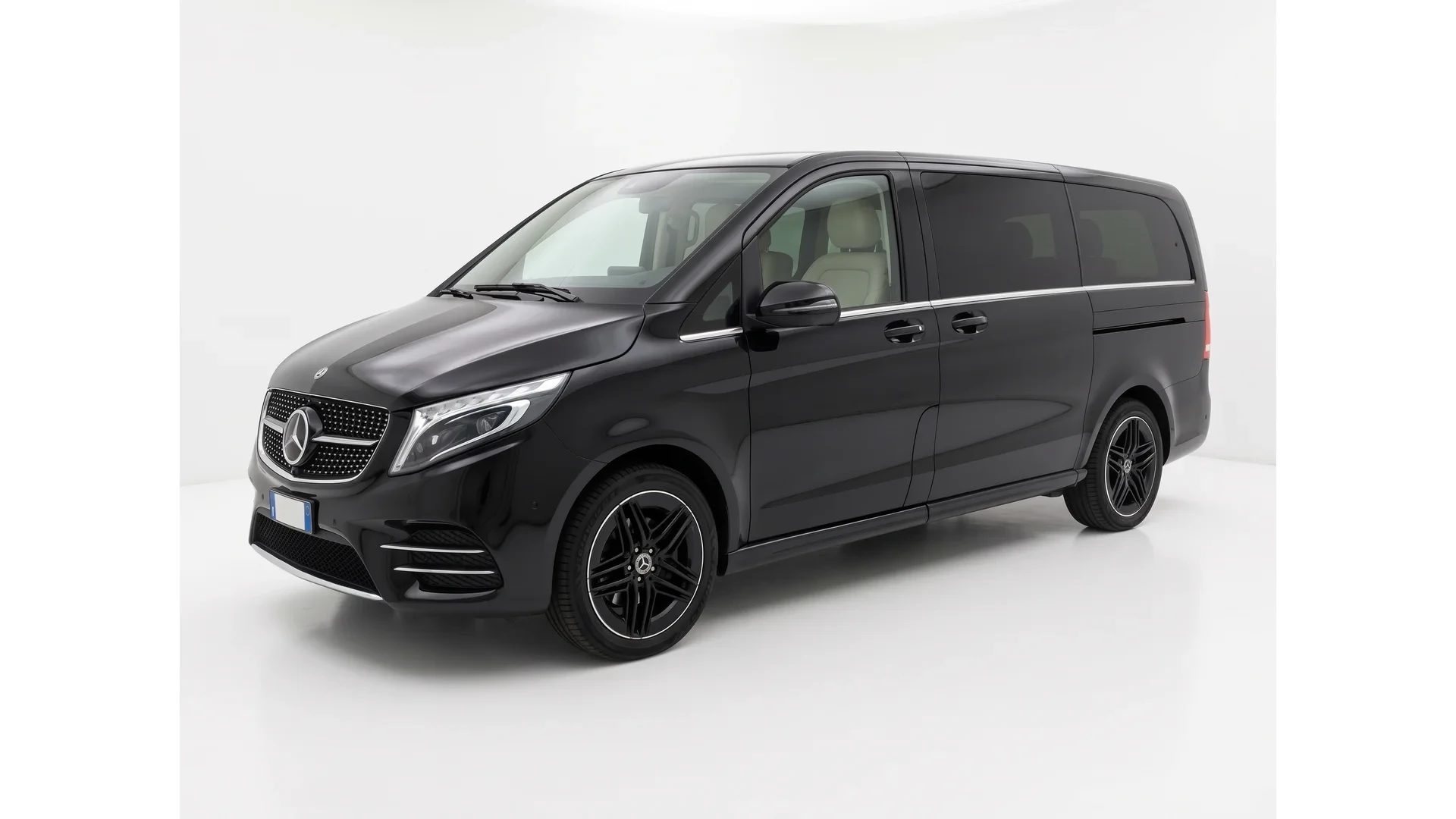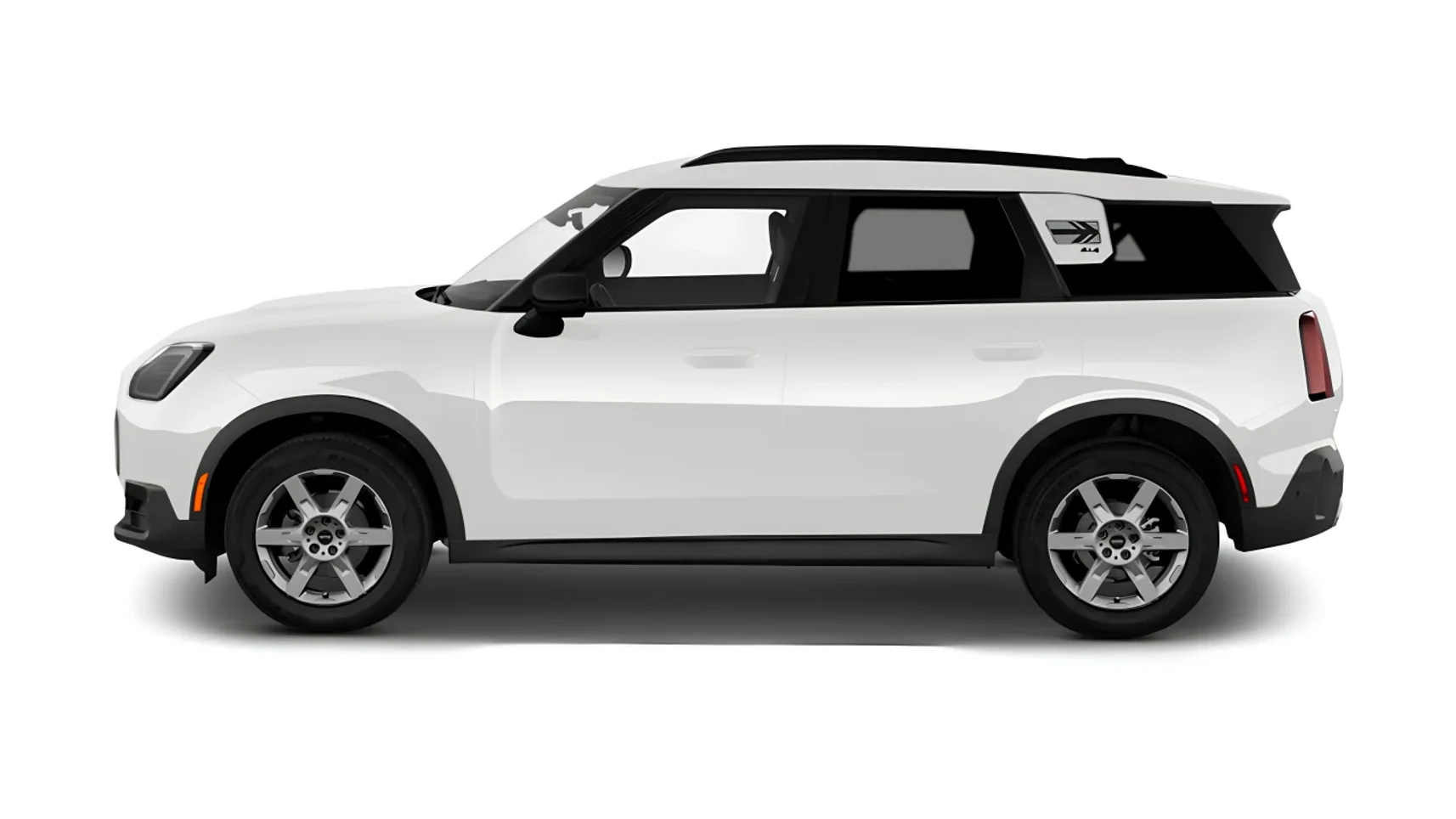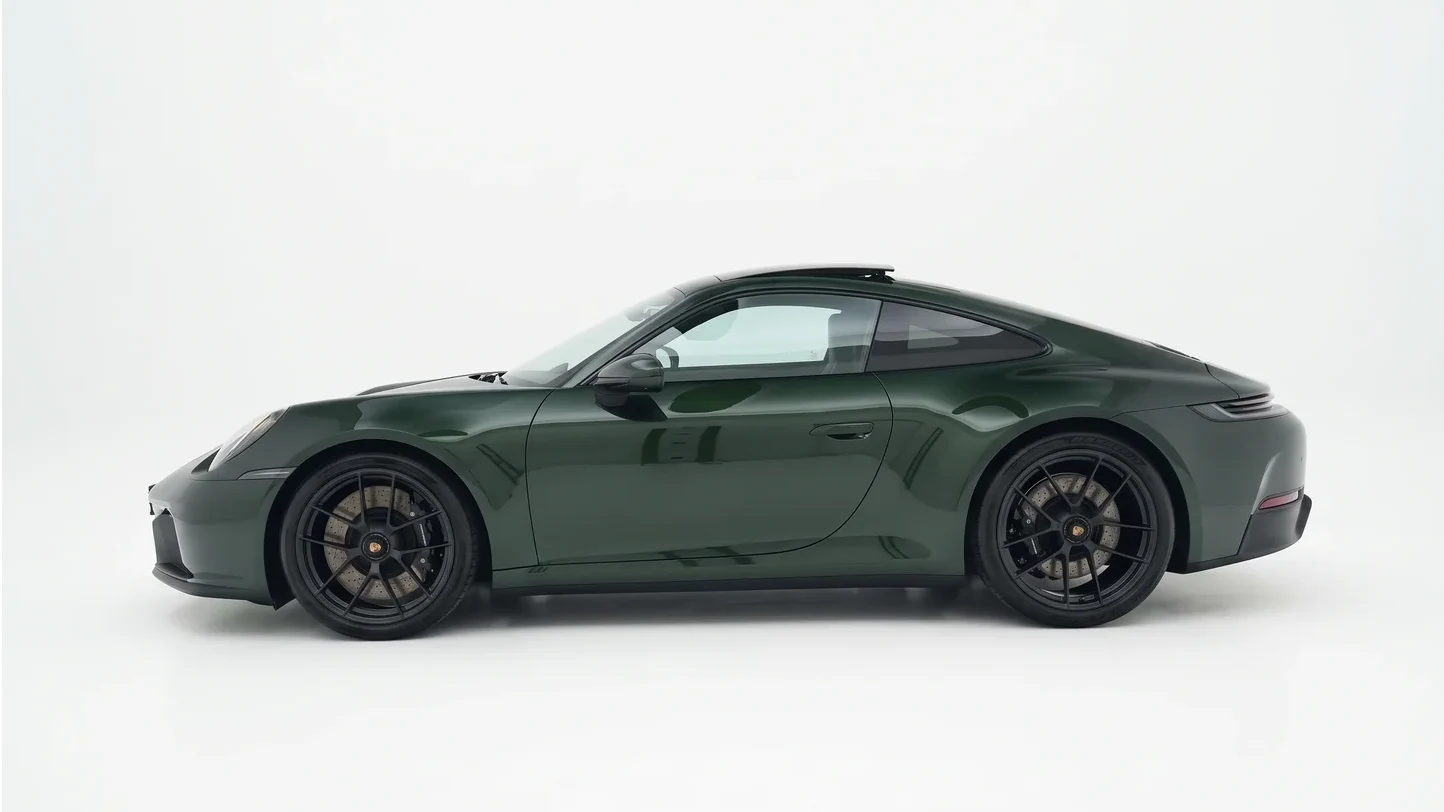
Luxury Car Rental
Paris – Porsche
From €295 per day · Delivered to your location · Available now
See Porsche in Paris →
That distinction, small and unspoken, is exactly what Paris trades in. There is a precise moment — somewhere between the périphérique and the first glimpse of the Eiffel Tower's iron lattice catching the night — when Paris announces itself not as a destination but as a verdict. Pull onto the Avenue des Champs-Élysées and the city performs: a corridor of amber light and architectural ambition stretching toward the Arc de Triomphe like a statement of intent.
Porsche's unshowy precision draws surprisingly few glances on a Paris side street, a city long accustomed to beautiful things arriving without announcement. Rent or hire a Porsche with Zeus Prestige and it arrives exactly as booked, ready for the Peripherique and the boulevards beyond it.
You were always supposed to be here. The engine note changes against the buildings. People on the terraces look up. This is the point of it. Paris at night is a city that rewards unhurried movement. Rue de Rivoli at midnight. The glassed reflection of headlights across the Seine. The geometry of Haussmann's boulevards seen from behind a wheel rather than a metro window. When you arrive at Hôtel Le Meurice — Dalí's preferred address, a palace that faces the Tuileries with quiet authority — the valet receives your keys with the composure of someone who has seen remarkable cars. He has. But he notices yours.
Browse the full Sports Cars collection available in Paris for more like it.