Luxury Car Rental
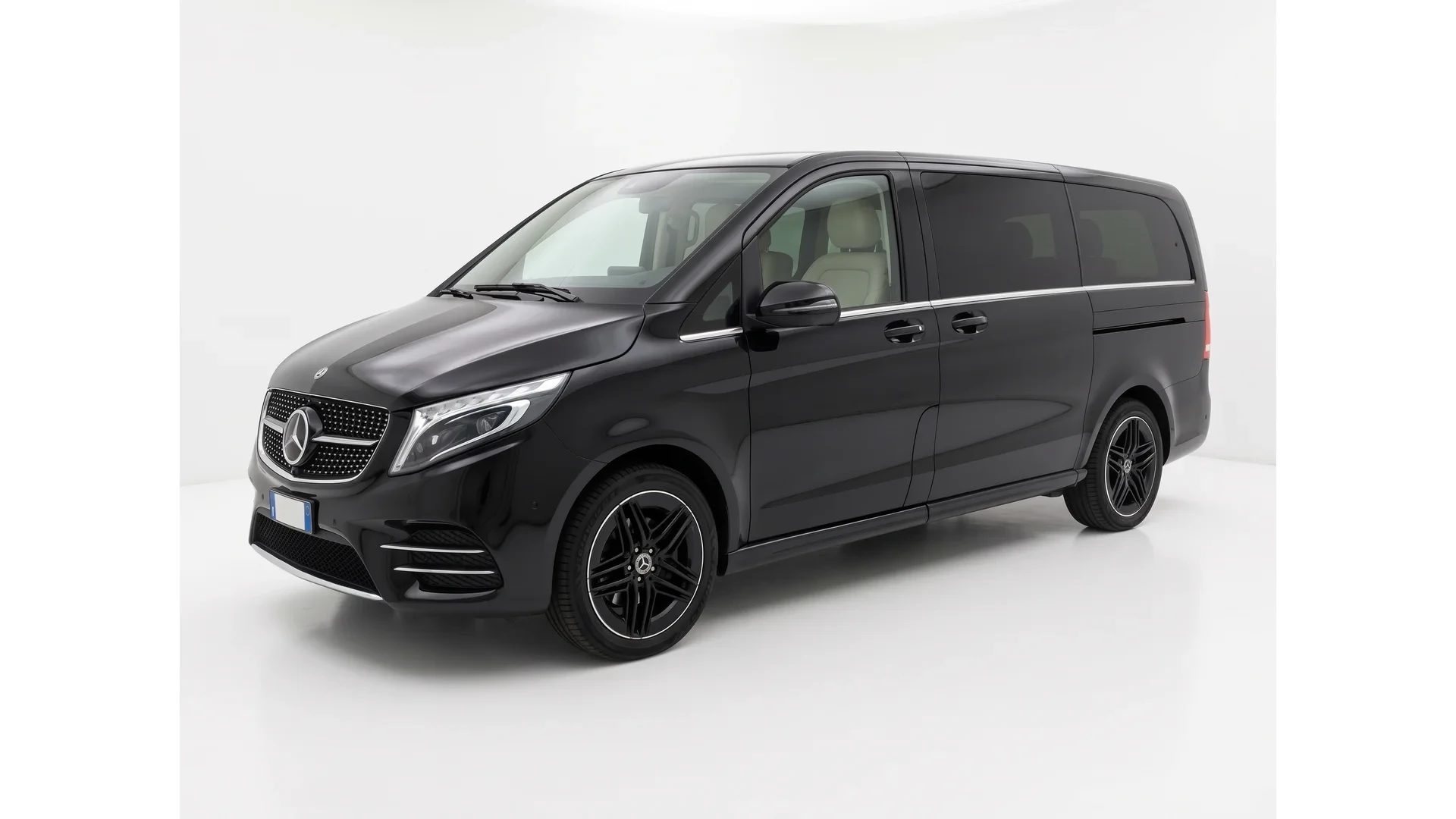
Tesla Rental in Palermo
From €349 per day · Delivered to your location · Available now
See Tesla in Palermo →
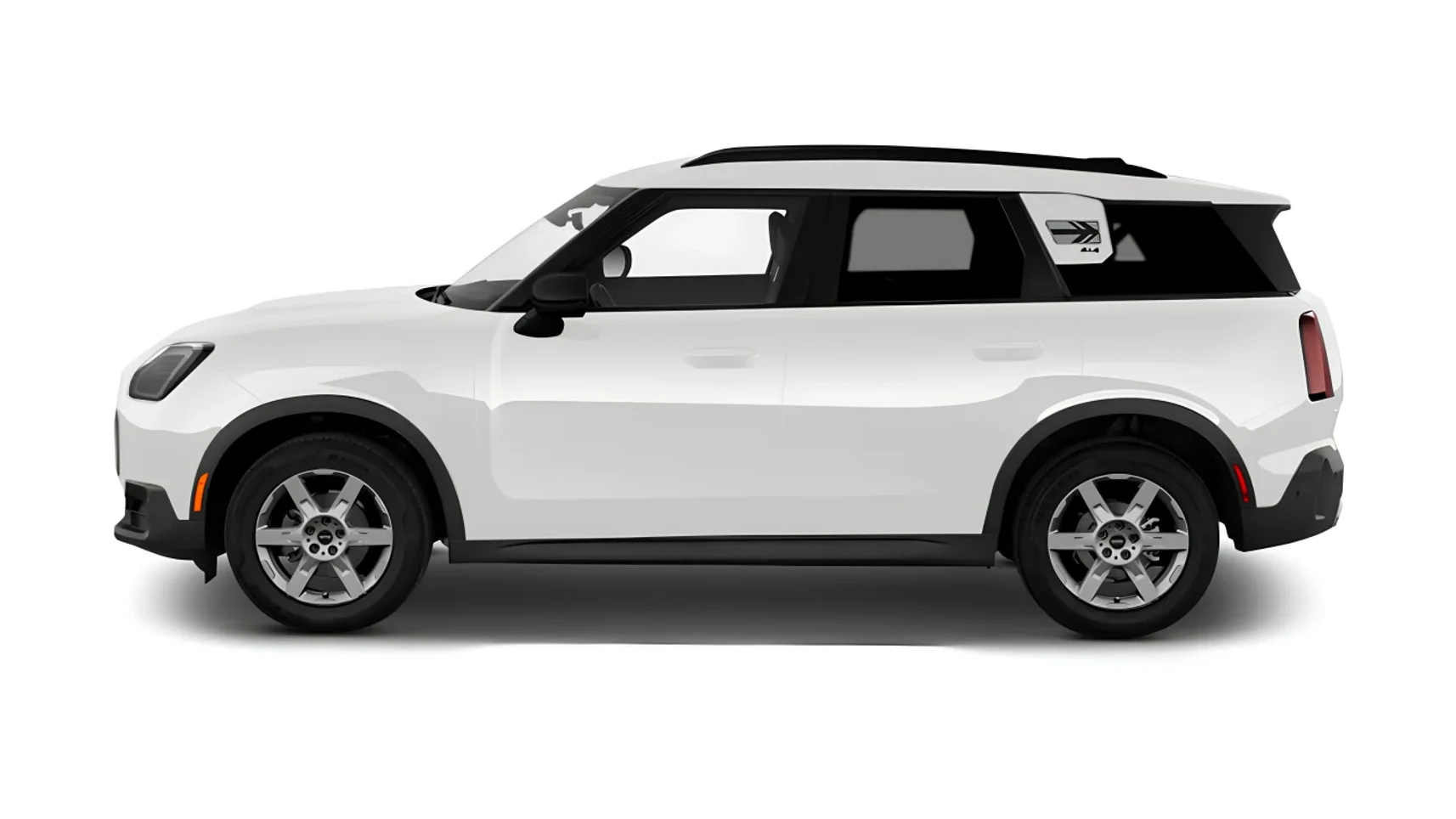
Discover Sicily's capital with luxury car rental in Palermo, brought to your hotel or villa, the port and Falcone-Borsellino Airport (PMO). Pick a exotic car, a convertible, a luxury SUV or a supercar and head out along the northern coast at your own pace. Sports car hire in Palermo suits the road above the city, and open-top hire suits the bay at Mondello.
Palermo was founded by the Phoenicians in the eighth century BC and later served as the capital of the Kingdom of Sicily, which lasted from 1130 to 1816. The Normans left the Palatine Chapel inside the Palazzo dei Normanni, a twelfth-century chapel with mosaics and a wooden ceiling made by Saracen craftsmen. The Arab-Norman buildings of Palermo, together with the cathedrals at Cefalù and Monreale, form a single UNESCO World Heritage Site.
About 626,000 people live in the municipality today. The Quattro Canti marks the crossing of the two main streets, Corso Vittorio Emanuele and Via Maqueda, under four curved Baroque façades. Markets such as Ballarò, Vucciria and Capo fill the old streets with fruit, vegetables and fish, and the Teatro Massimo, opened in 1897, is the biggest opera house in the country.
Roof down, head north to the seaside district of Mondello. Its bay curves for about 1.5 kilometres between Monte Pellegrino and Monte Gallo, and the villas along the seafront follow the Liberty style that Ernesto Basile and his students made their own. The road crosses La Favorita Park, a 400-hectare stretch of green that separates Mondello from the city. Salt air and the smell of the pines follow you on the way, and you can climb the flank of Monte Pellegrino, about 600 metres high, for a view back over the gulf.
The hillside road to Monreale rewards a sports car. William II began the cathedral here in the 1170s, and its walls hold around 6,500 square metres of glass mosaics, with a cloister of 216 paired white marble columns beside it. The bends tighten as the road climbs from Palermo, the steering weighs up in your hands, and your pulse picks up with every switchback. Park in the town, stay as long as the mosaics deserve, and give the engine a moment to cool.
For the run east, pick a grand touring coupe or a spacious luxury SUV. Cefalù lies around 70 kilometres from Palermo, at the foot of a great rock called La Rocca. Roger II began its cathedral in 1131, and the apse holds a Christ Pantocrator mosaic dated to 1148. The cabin stays quiet on the way, the leather carries a hint of warmth, and you reach the old town with the sea beside the road and no need to hurry.
Yes. Cars arrive at hotels and villas in Palermo, at the port and at Falcone-Borsellino Airport (PMO). Give us the hotel and the day you land, and the car meets you there.
A convertible suits Mondello and the coast, while the climb to Monreale favours a lively sports car, and a touring coupe or large SUV for Cefalù and the longer days.
Parts of the old centre are restricted traffic zones, so check the signs before you enter. Name your hotel and the handover can happen outside them.
Cefalù is about 70 kilometres east of Palermo along the coast.
Yes. The coast, the Norman cathedrals and the hills are all within a day's drive. We also operate in Catania and Messina if you continue east across the island.
Choose from our exotics, cabriolets, supercars and SUVs, tell us where in Sicily you are staying, and the keys will be ready for your luxury car hire.
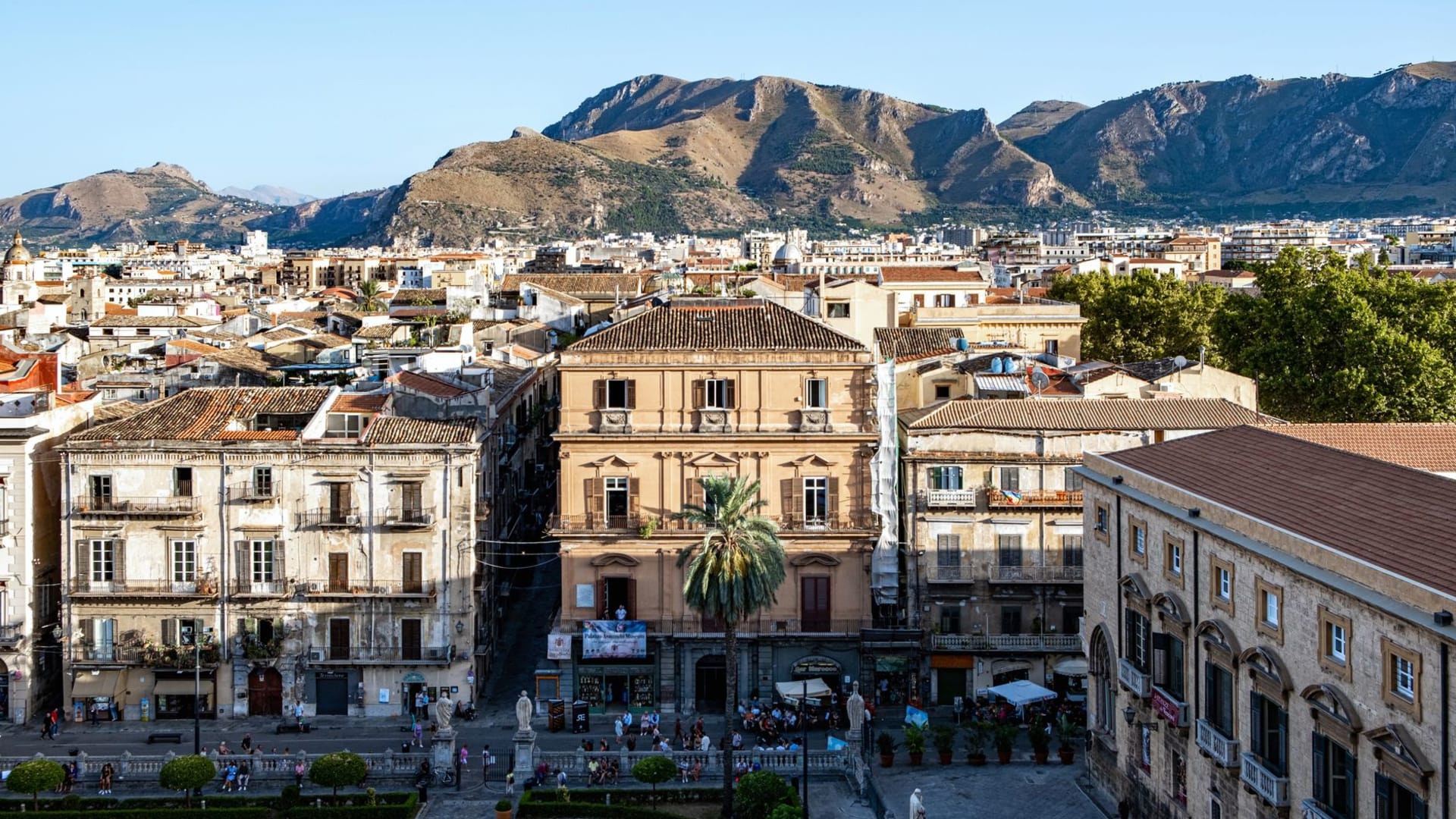
Luxury car rental in Palermo with delivery to hotels, the port and the airport, plus drives to Mondello, Monreale and Cefalù.