Italy
Luxury Car Rental in Catania
143 vehicles available · Delivered to your location · Model guaranteed
See our fleet in Catania →
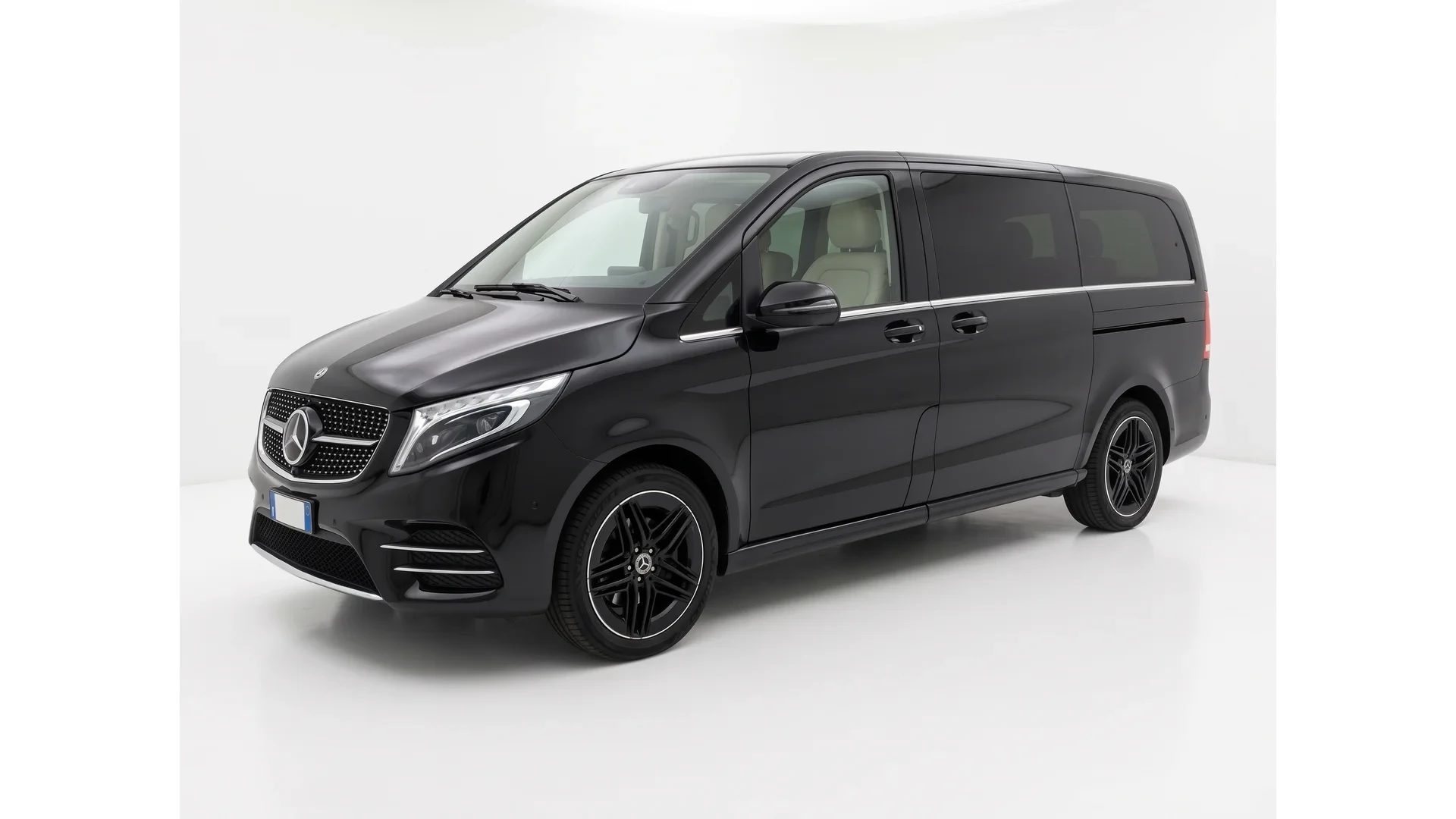
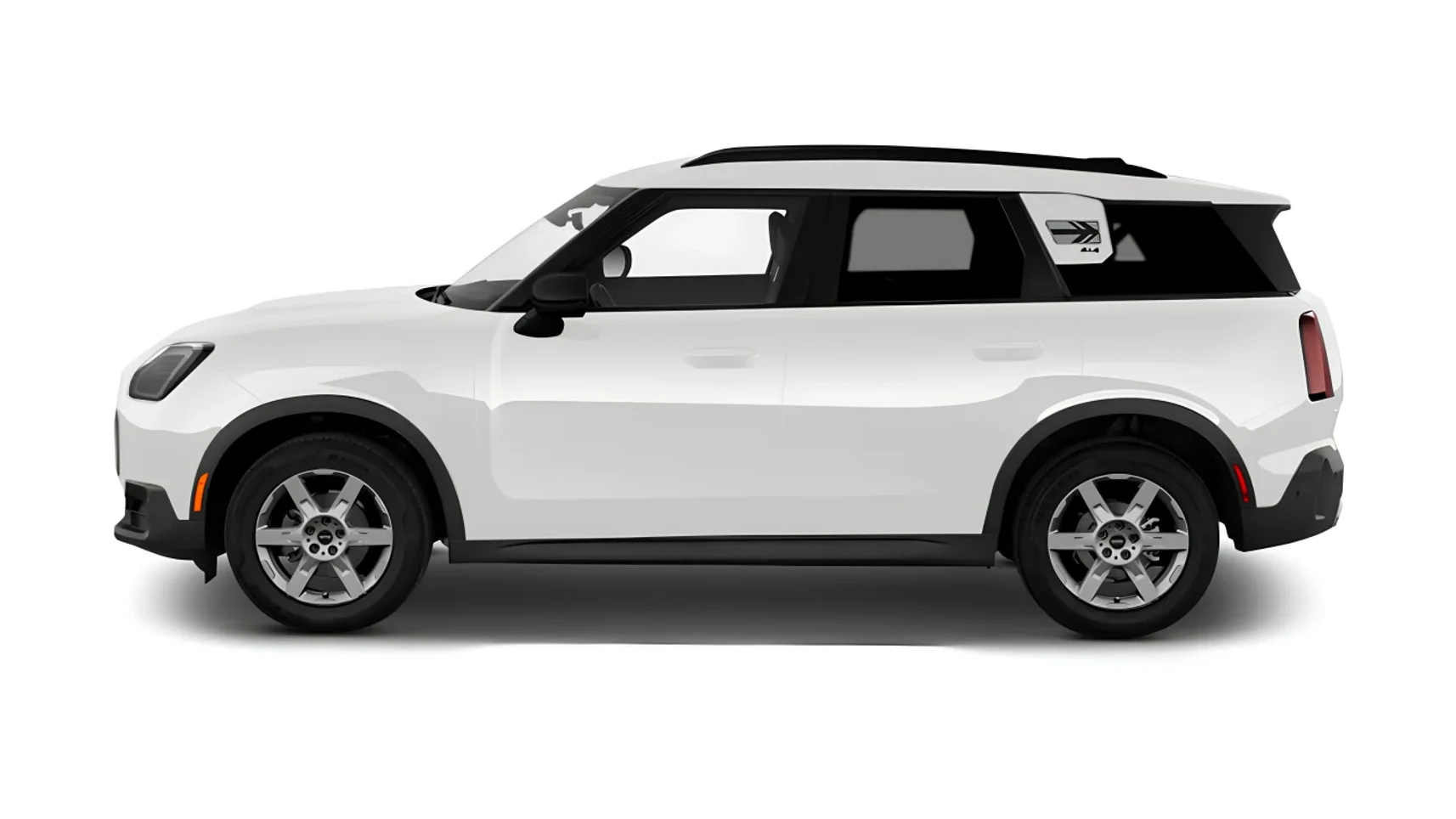
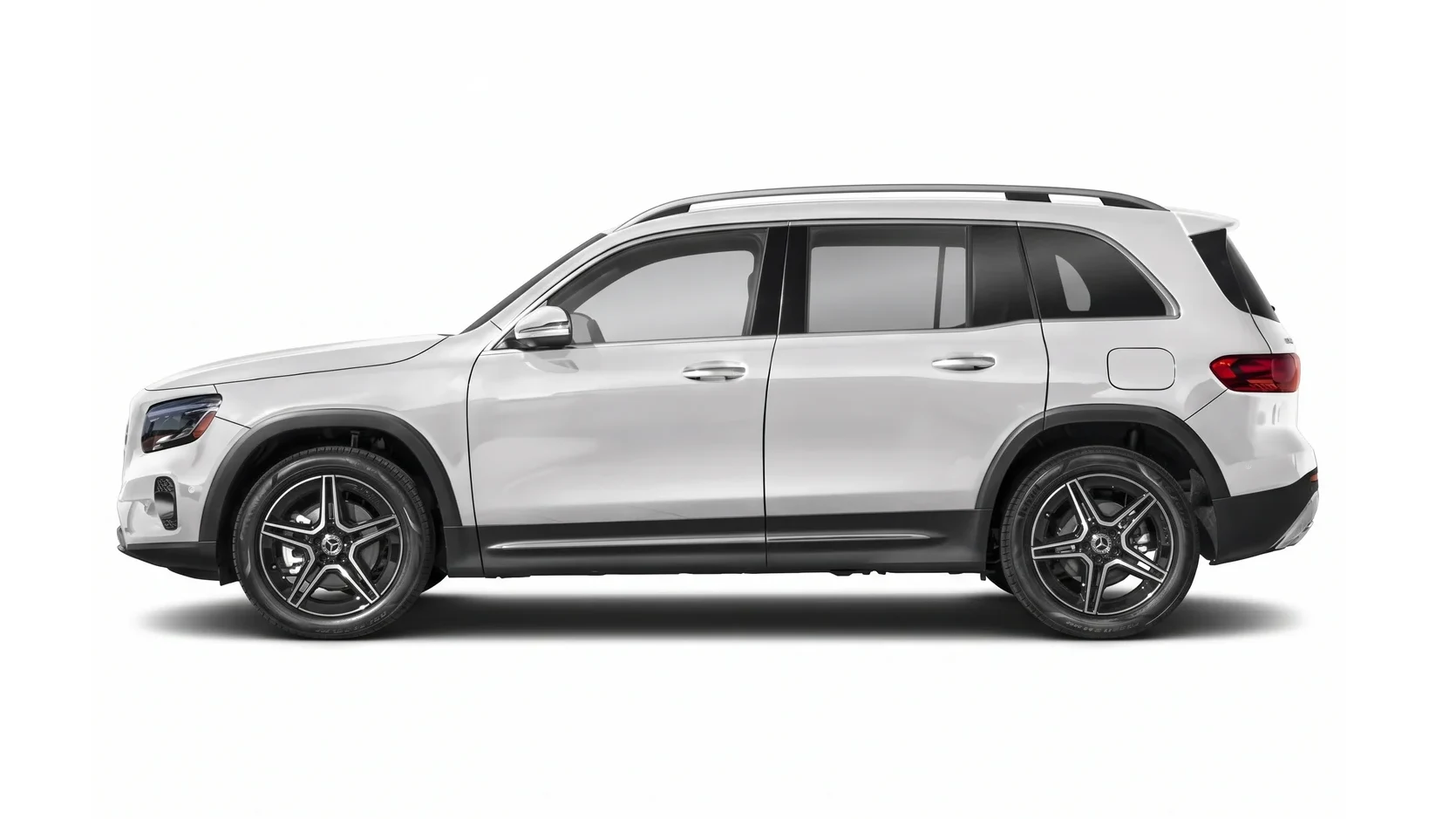
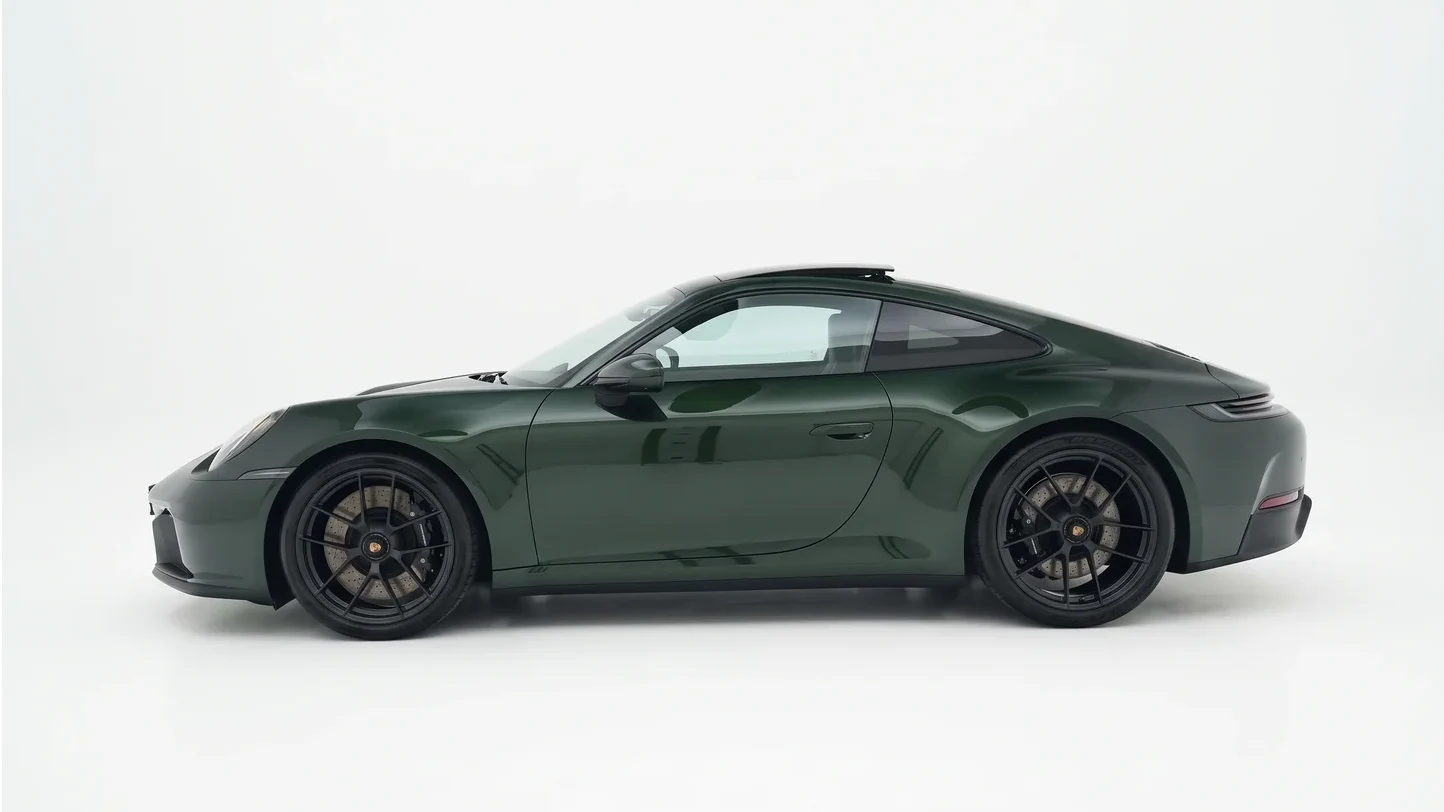
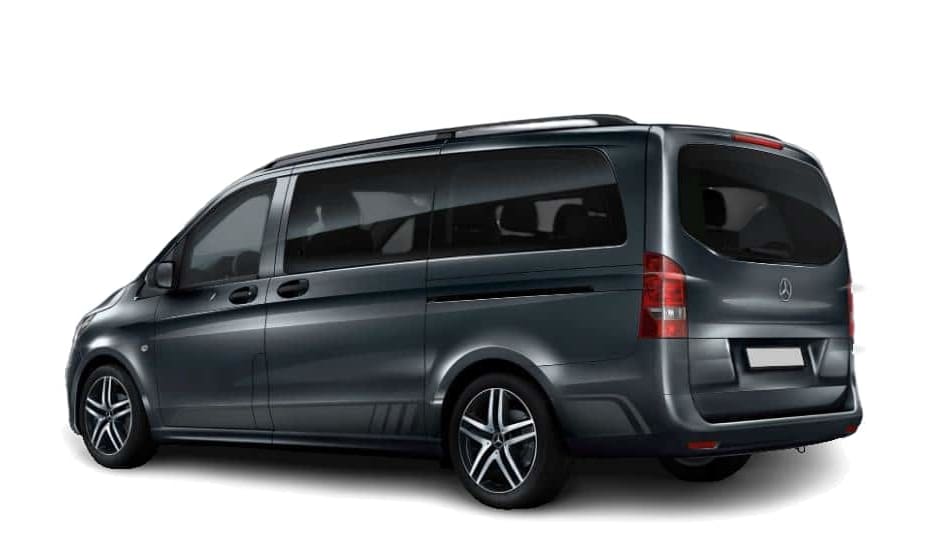
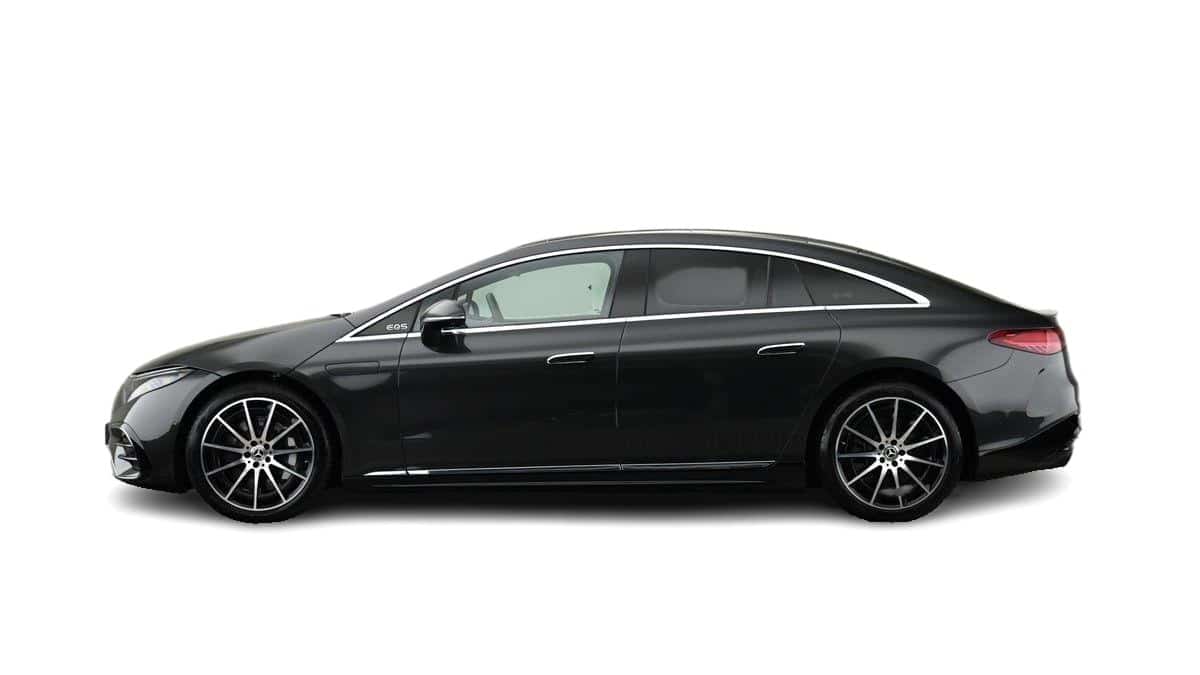
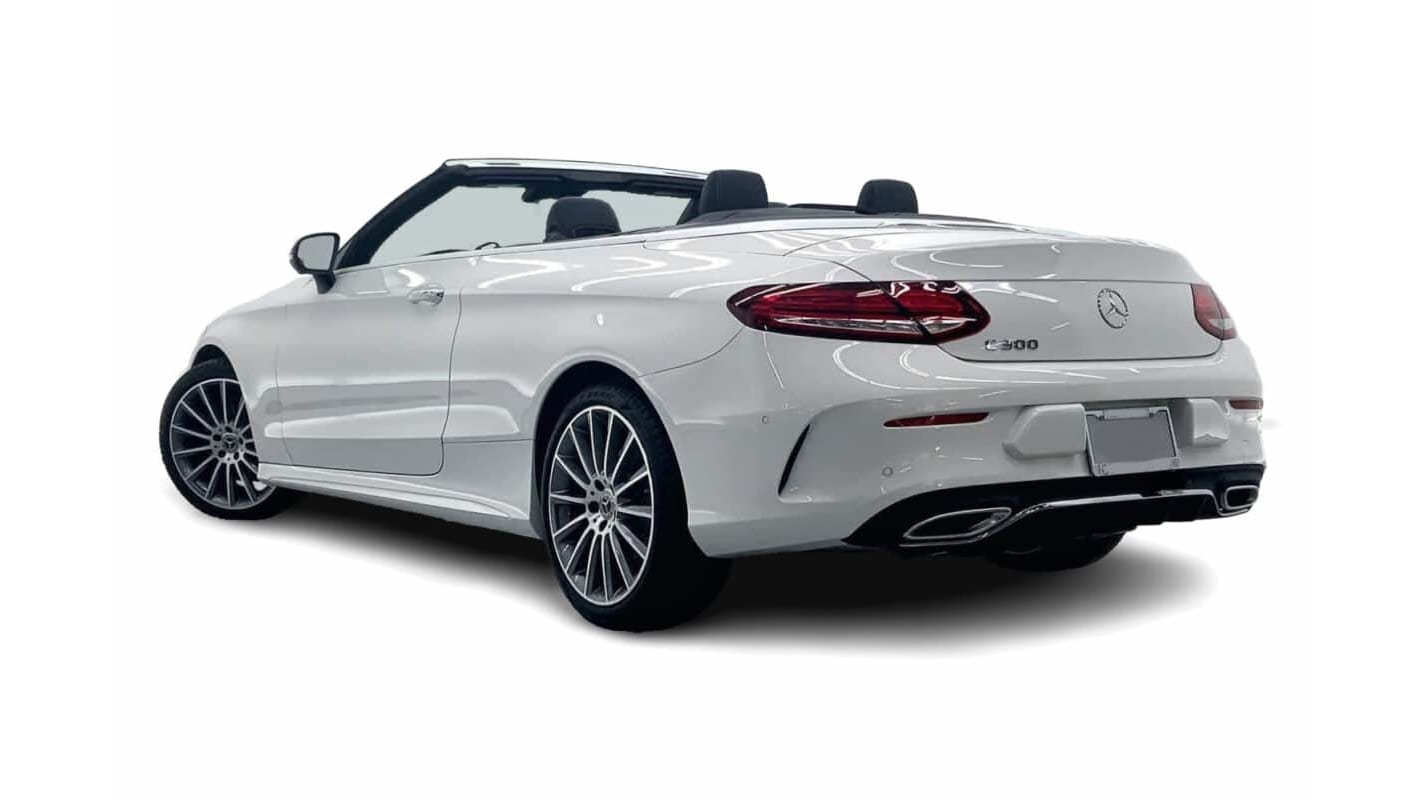
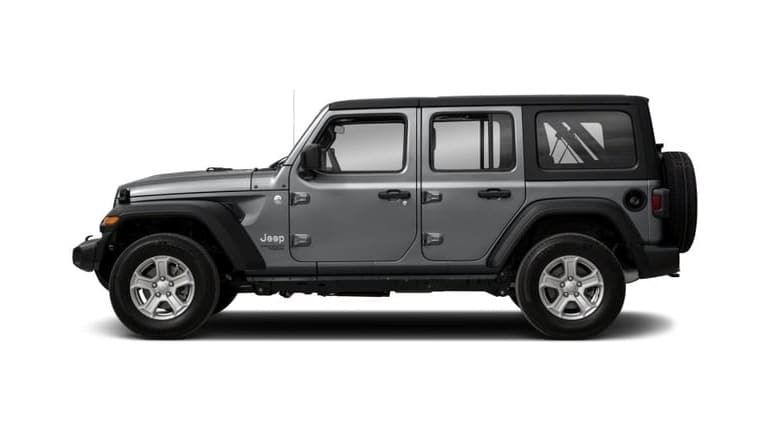
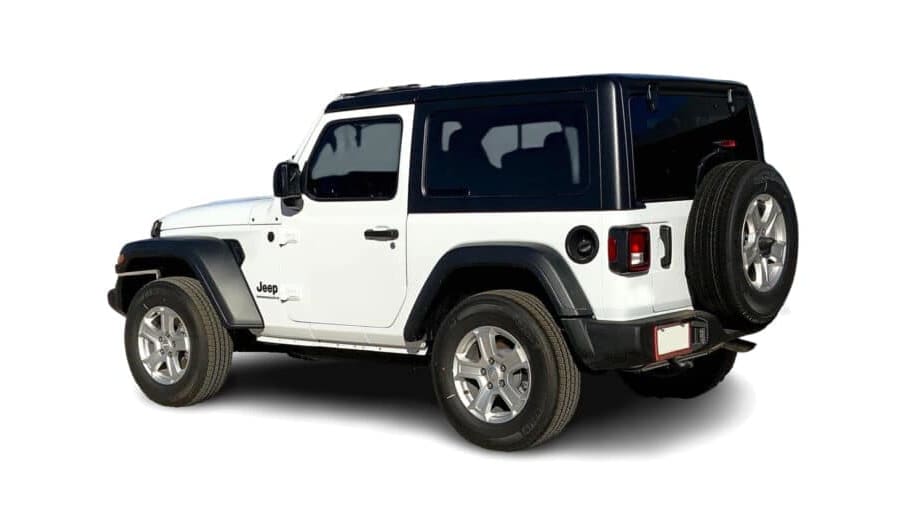
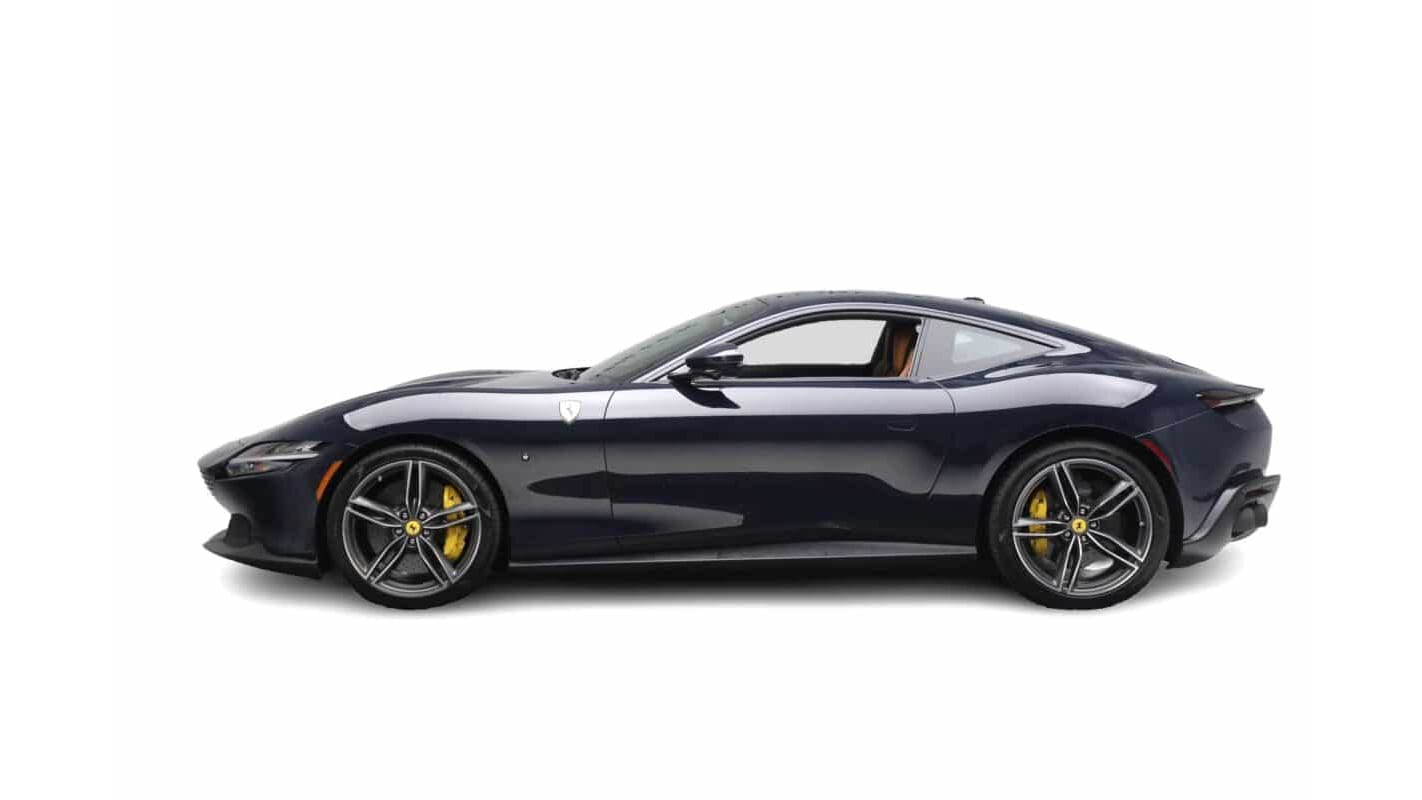
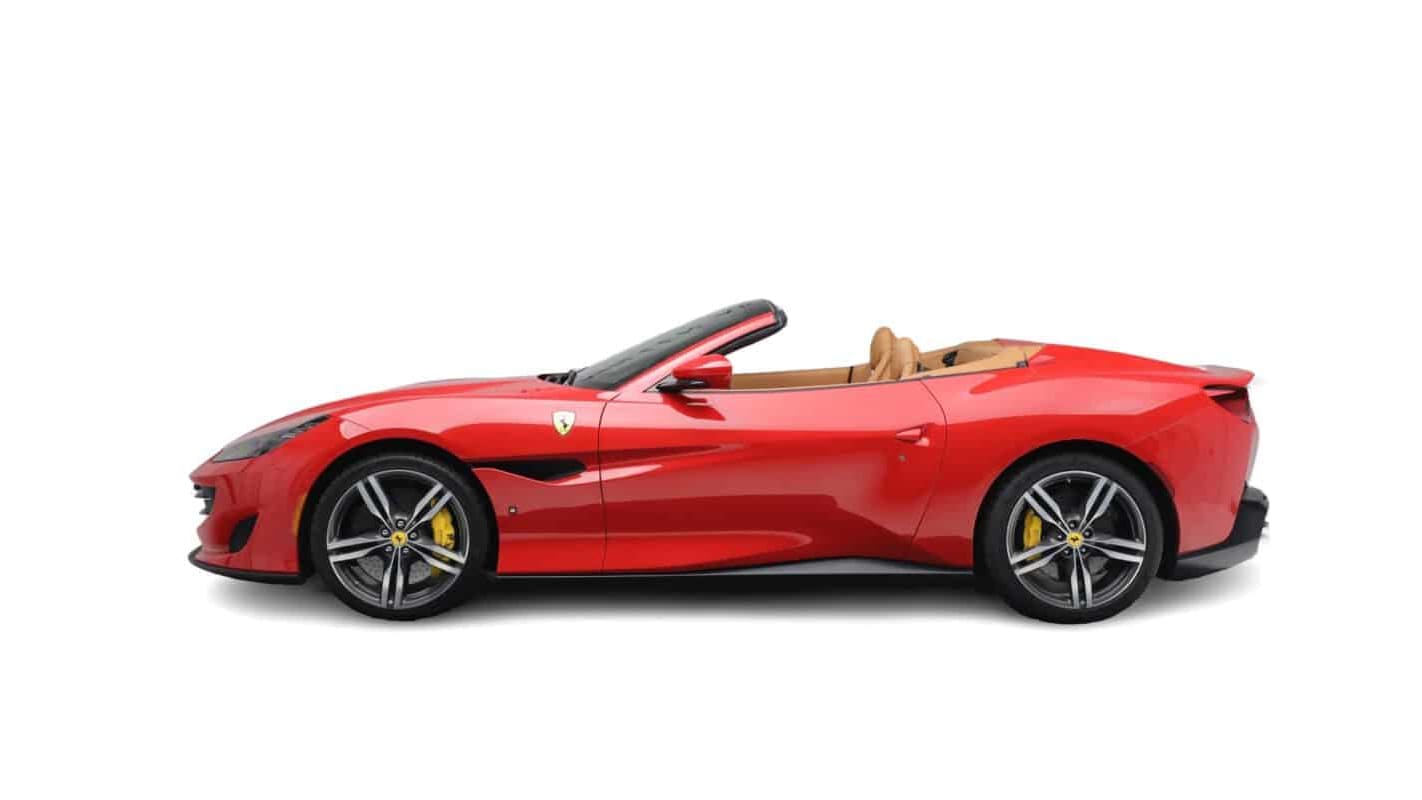
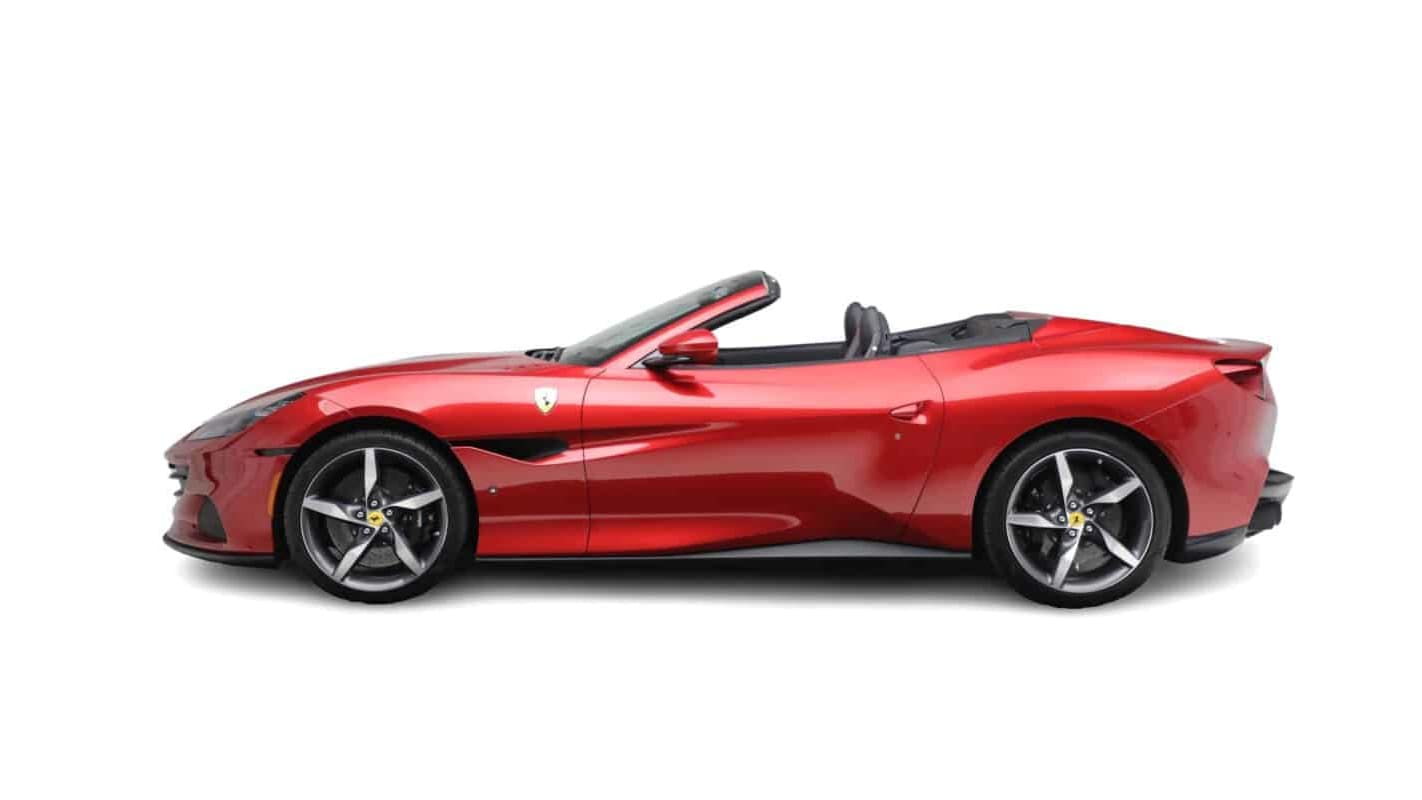
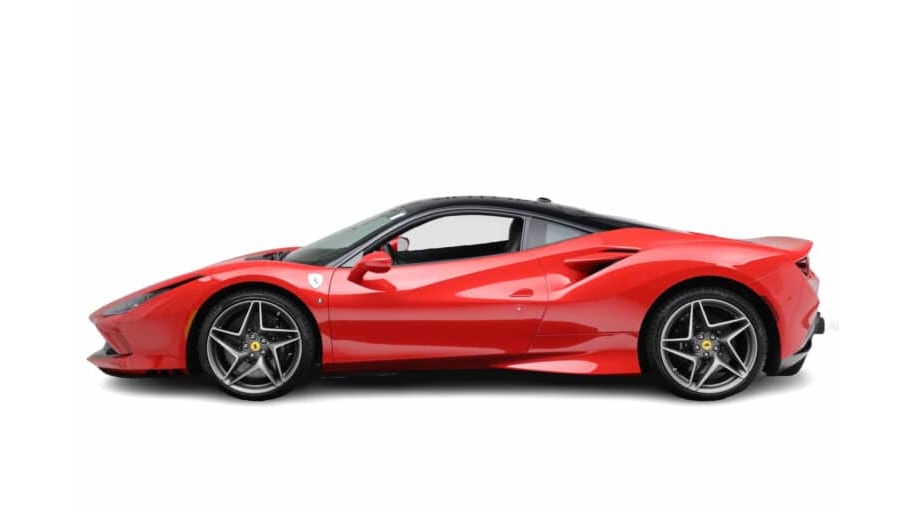
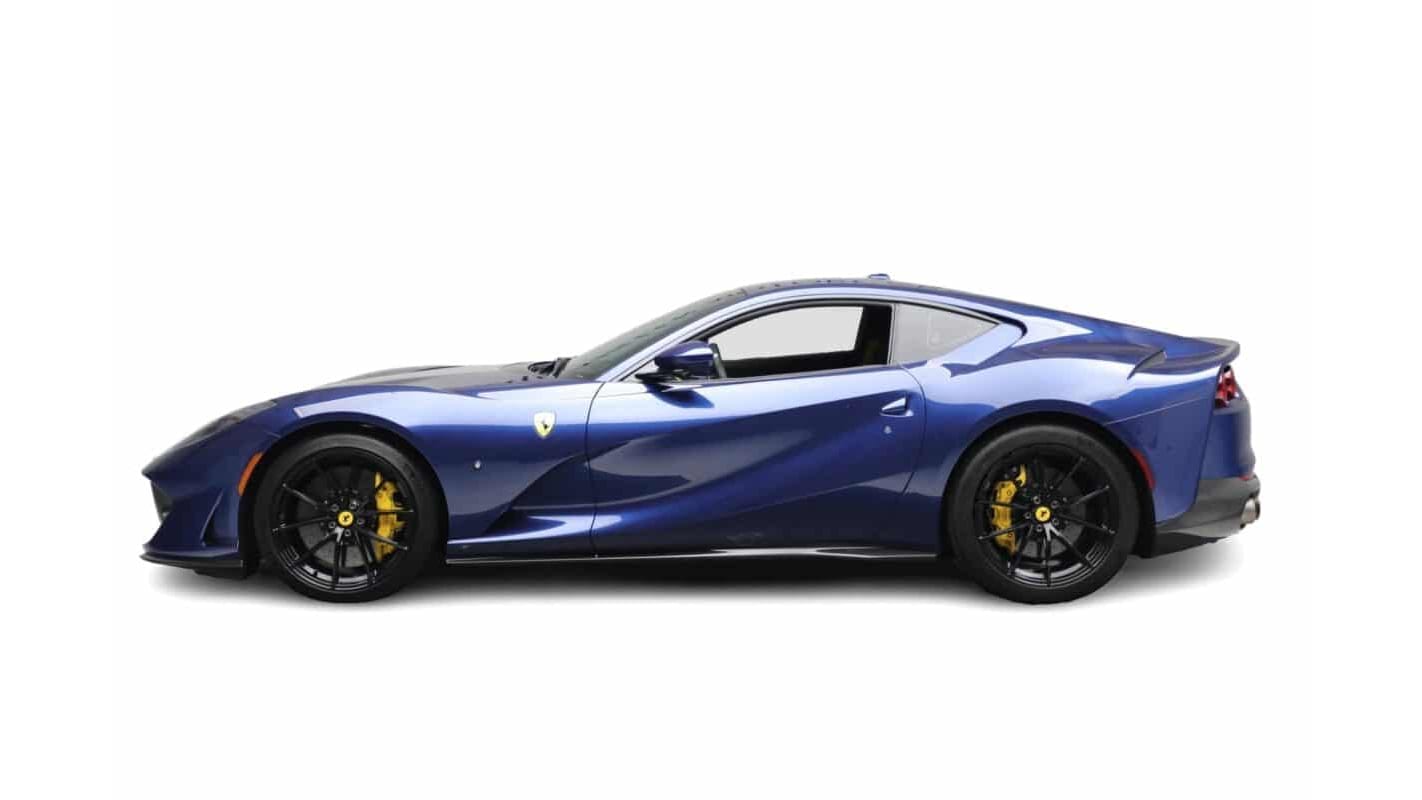
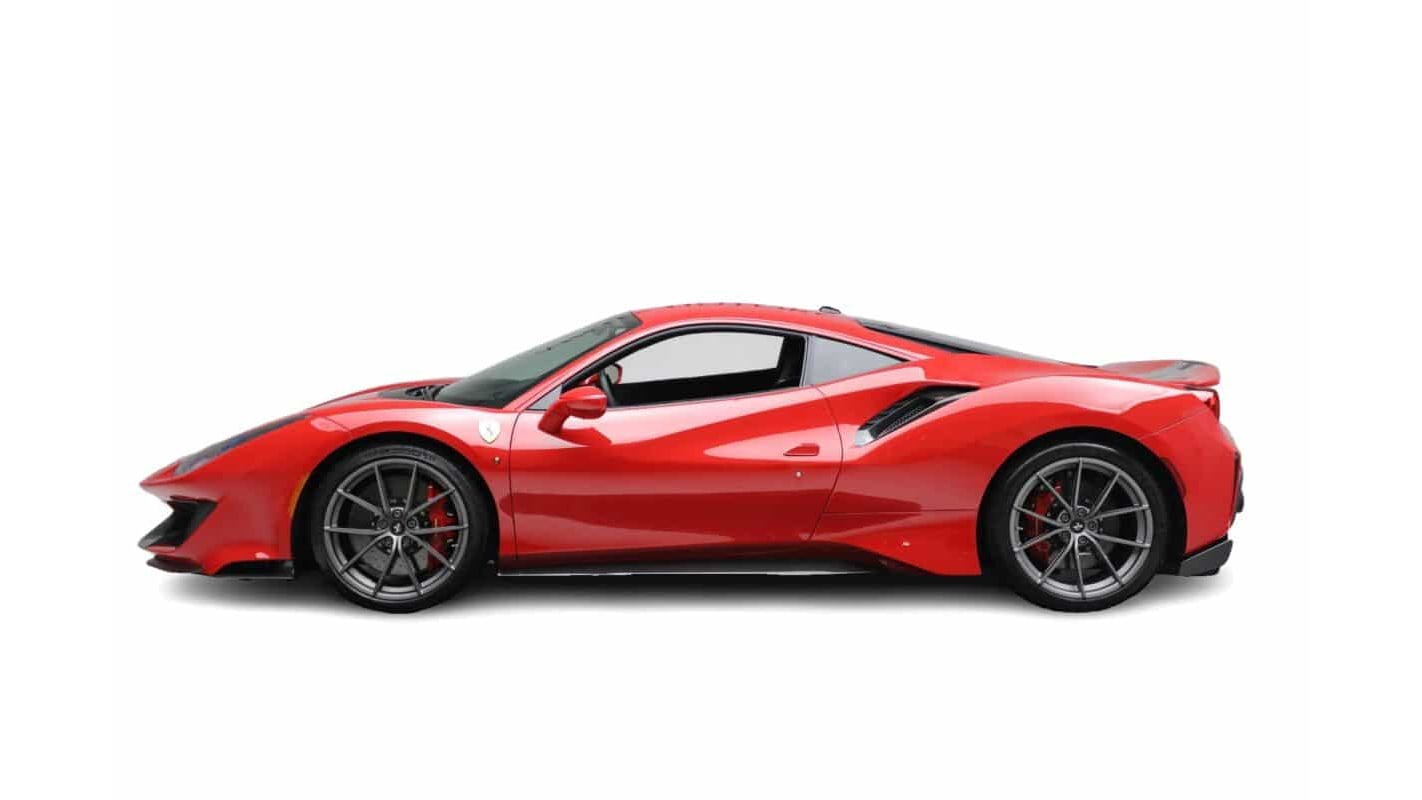
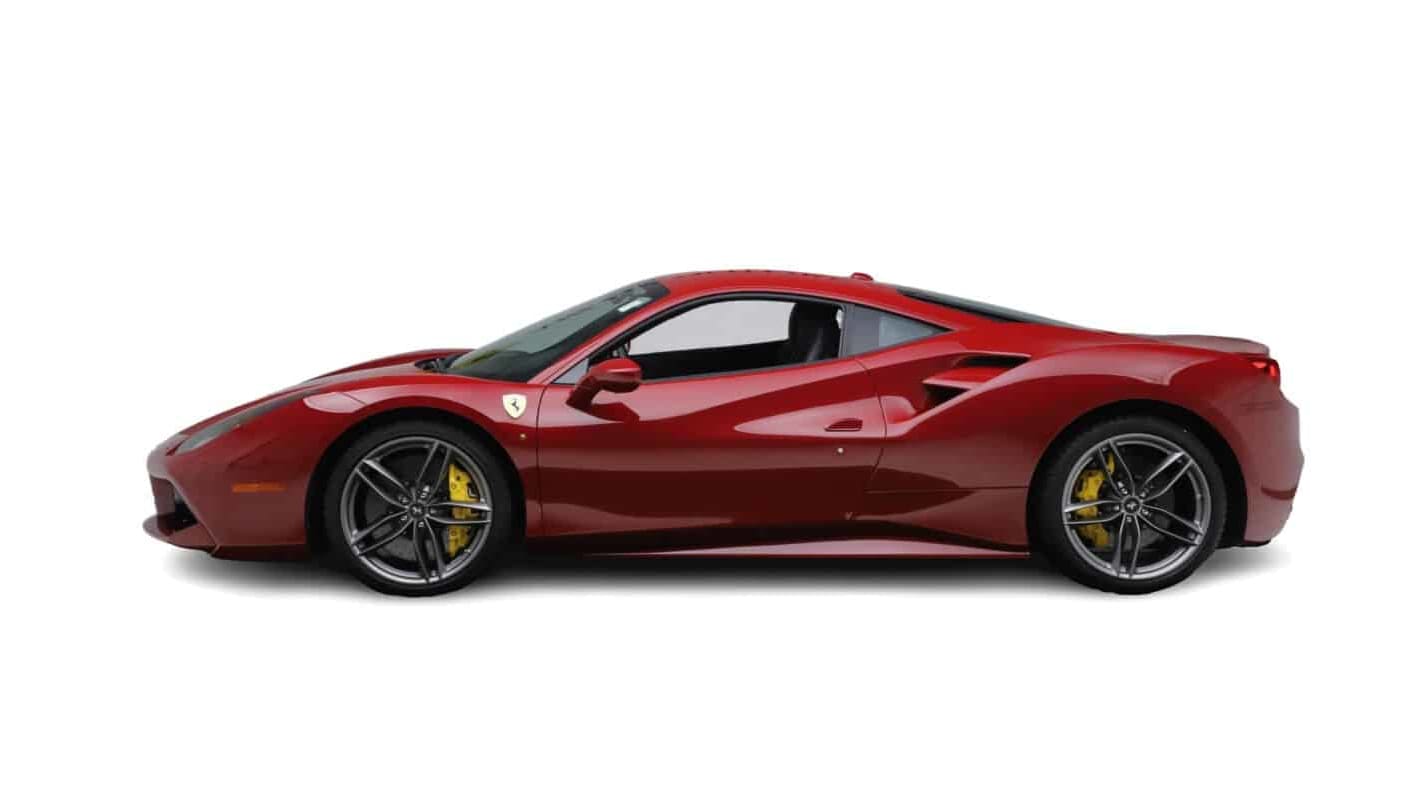
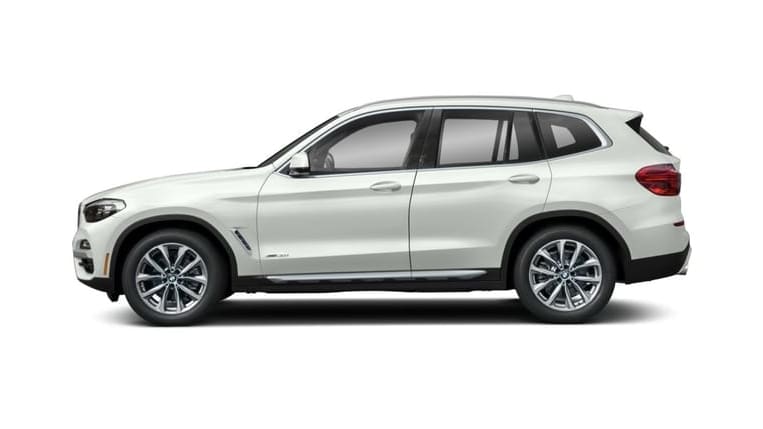
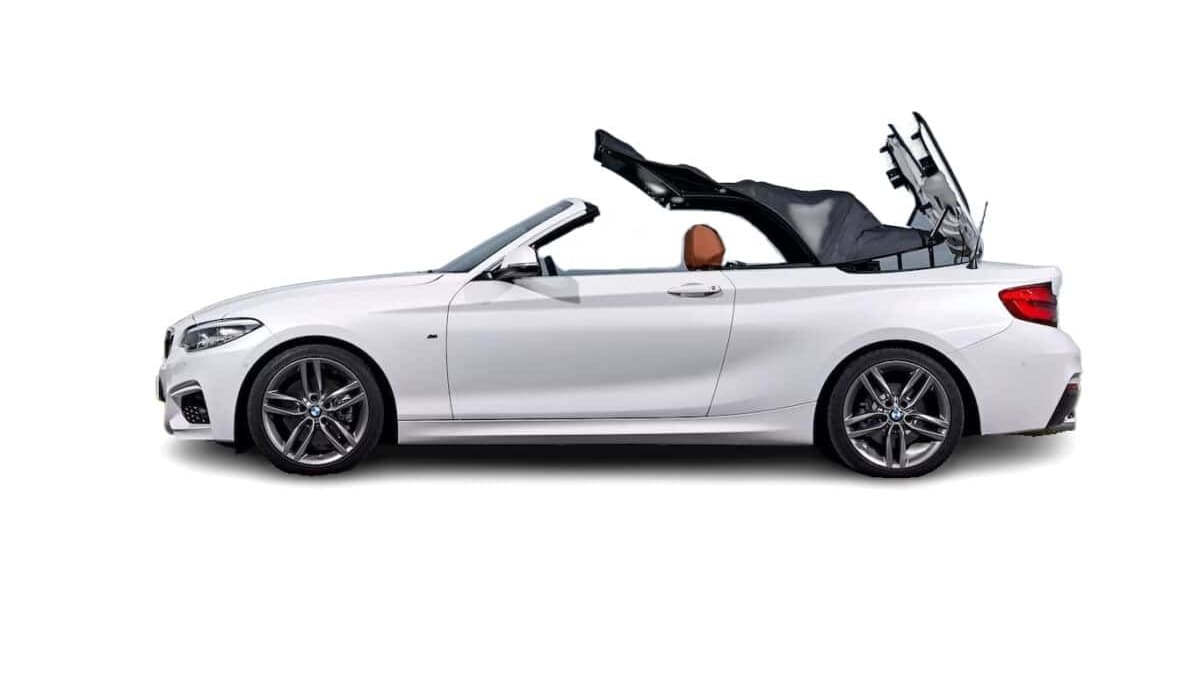
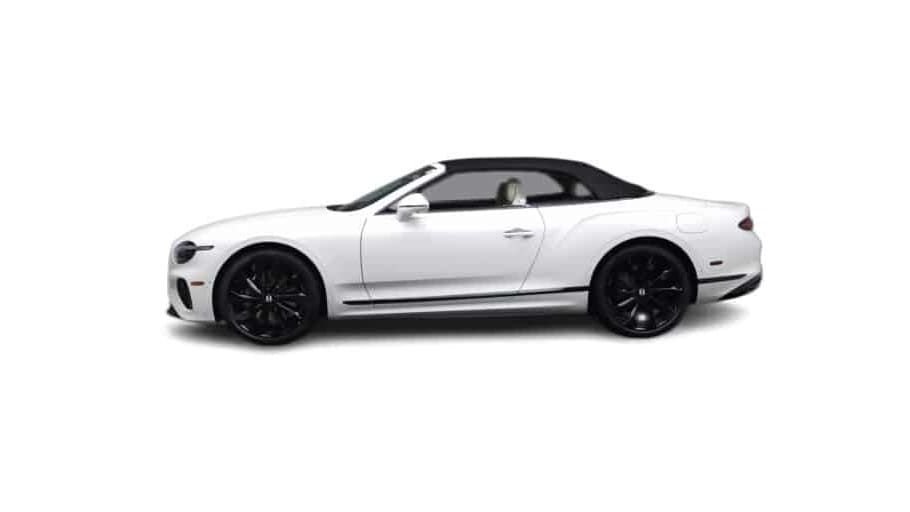
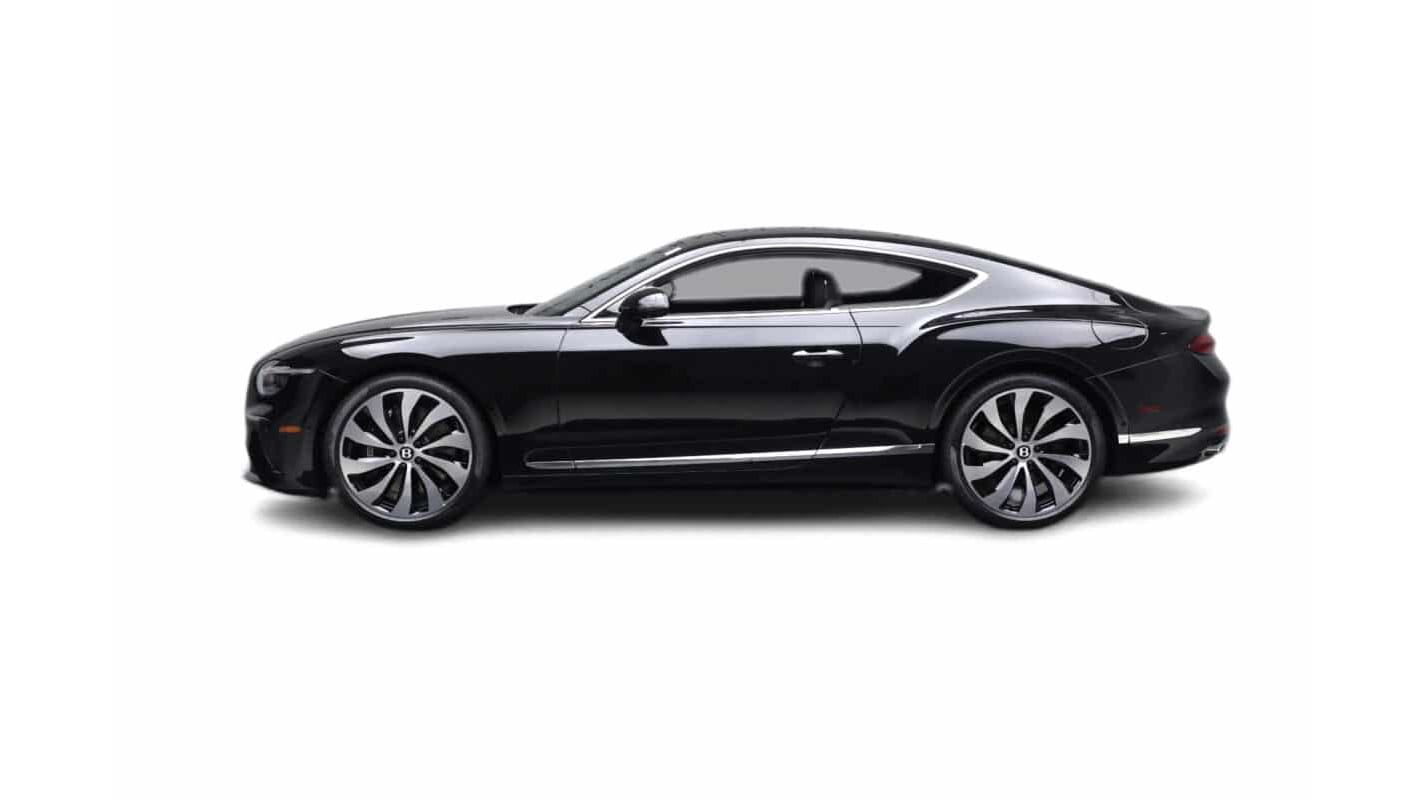
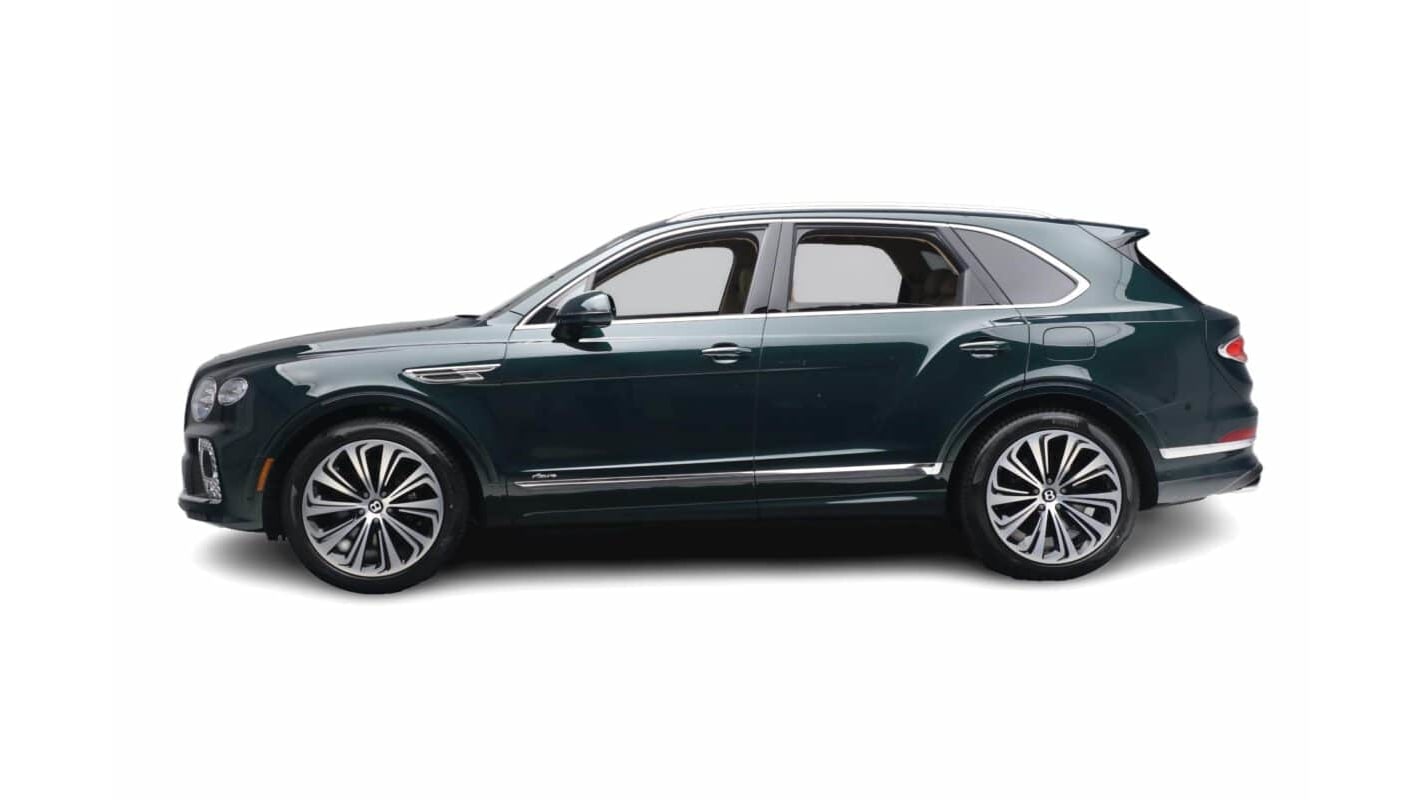
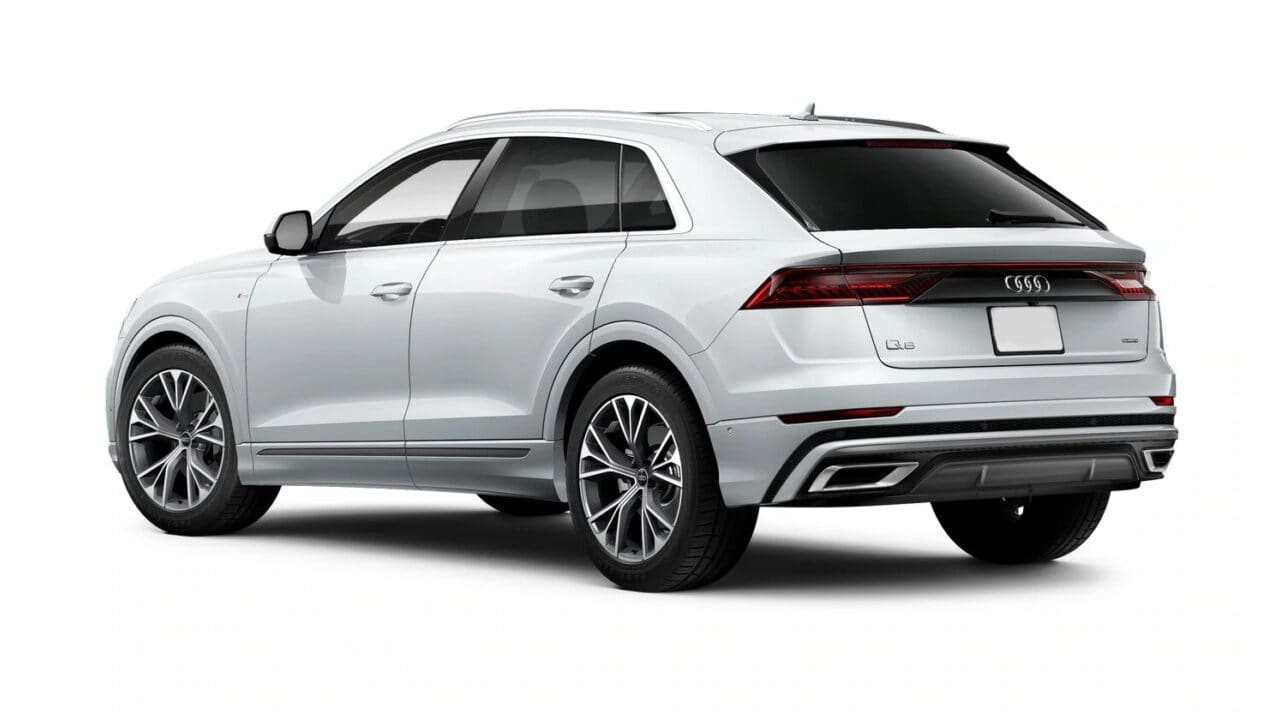
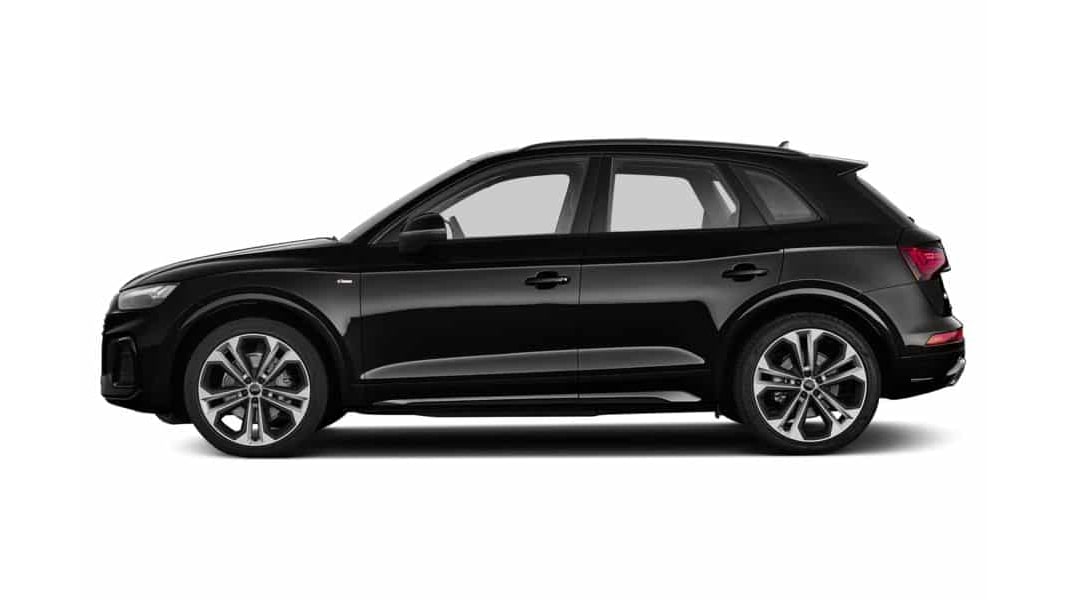
Luxury car rental in Catania from Zeus Prestige is delivered to Catania Fontanarossa Airport (CTA), to your hotel, to a villa in the hills or to the port. Rent or hire a luxury SUV, a sports car, a convertible or a supercar and drive eastern Sicily yourself. Convertible hire suits the Ionian coast, and sports car and exotic car rental in Catania suit the long climb up Etna.
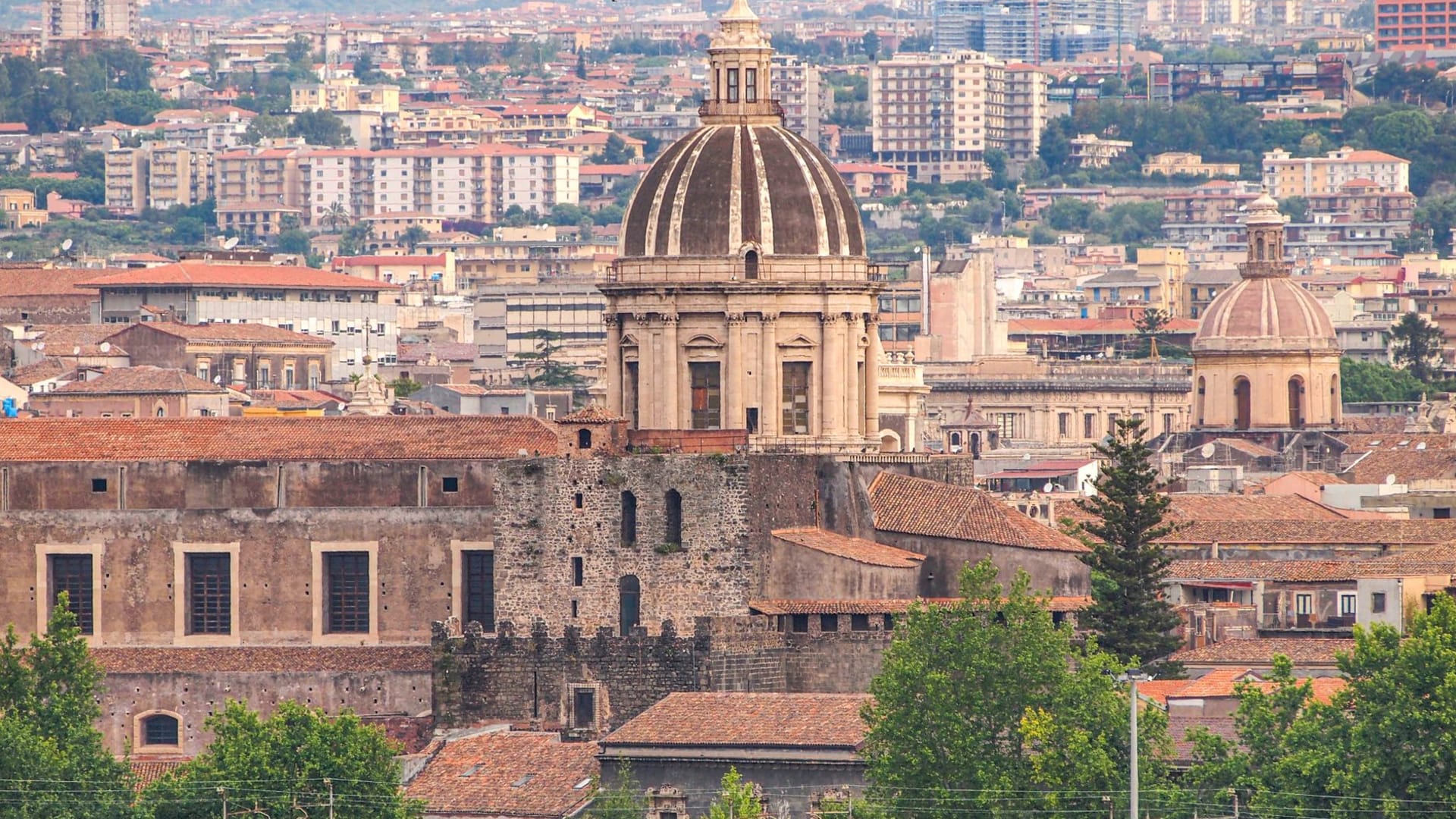
Catania sits on Sicily's east coast at the foot of Mount Etna, and the volcano has shaped the city again and again. Greek settlers from nearby Naxos founded it around 729 BC, lava reached its walls in 1669, and an earthquake almost completely destroyed it in 1693. The Baroque rebuilding produced the Fountain of the Elephant in Piazza del Duomo, a lava-stone elephant topped with an Egyptian obelisk, and the old town now sits on UNESCO's list as part of the Late Baroque Towns of the Val di Noto.
Daily life runs between sea and mountain. Fishing boats work from Ognina, the city's main fishing port, and the composer Vincenzo Bellini was born in the centre, in a palazzo that now holds a museum about him. The Teatro Massimo Bellini opened in 1890 and stages its season from December to May, while Etna, a UNESCO World Heritage Site since 2013, dominates the horizon.
A convertible earns its place on the road north from Catania. Past Ognina, the Norman castle at Aci Castello stands at the water's edge, and a few kilometres on, Aci Trezza looks out to three sea stacks that locals call the Islands of the Cyclops, said to be the boulders hurled at Odysseus in Homer's Odyssey. The road continues to Taormina, about 55 km from Catania, where the old town clings to a cliff roughly 250 metres above the Ionian Sea. The salt air carries over the windscreen the whole way, and the convertible rolls back into Catania at the end of the afternoon with the roof still folded away.
A supercar or sports car finds its purpose on the slopes of Mount Etna. About an hour from the city centre, the SP92 climbs from Nicolosi to Rifugio Sapienza on the volcano's southern flank, roughly 1,910 metres above the sea. Black lava from past eruptions lines the tarmac. Every gear change sends your pulse a little higher, and the engine note bounces back off the lava. The practical reason for the trip is the view from the refuge. The engine behind you has other plans. At the top it settles to idle, still ticking, and the descent begins.
The long run south into the Val di Noto suits a luxury SUV for the taller view, or a grand tourer for those who like to sit low. Syracuse lies about 70 km from Catania, its historic core on the island of Ortygia, joined to the mainland by two bridges and home to Baroque palaces and the Fountain of Arethusa. From there the road continues about 32 km southwest to Noto, rebuilt after the 1693 earthquake on a new site closer to the coast, its soft tufa buildings turning honey-coloured in the sunlight. Noto belongs to the same 2002 UNESCO listing as Catania's own old town. The cabin stays hushed throughout, and on the road north the only sound is the soft tick of the indicator.
Yes. Zeus Prestige delivers to Catania Fontanarossa Airport (CTA), which lies under 5 km southwest of the centre, and to hotels, villas and the port. Share your flight number and the handover will be timed to your arrival.
Parts of the historic centre are limited traffic zones with camera-controlled entry, so read the signs before you drive in. Give us the name of your hotel and we will pick a handover point that keeps you clear of them.
Choose a convertible for the Ionian coast, a sports car or exotic for the climb up Etna, a grand tourer for Syracuse and Noto, and a luxury SUV for longer days across the island.
Taormina is about 55 km north of Catania, roughly an hour by car.
Yes. Etna, Taormina and Syracuse all sit roughly an hour from the city, and Noto is a little further on. Zeus Prestige also has locations in Messina and Palermo if your route takes you further across the island.
Browse our SUVs, exotic cars, supercars and convertibles, tell us where in Sicily you are staying, and the keys will be ready for your luxury car hire.