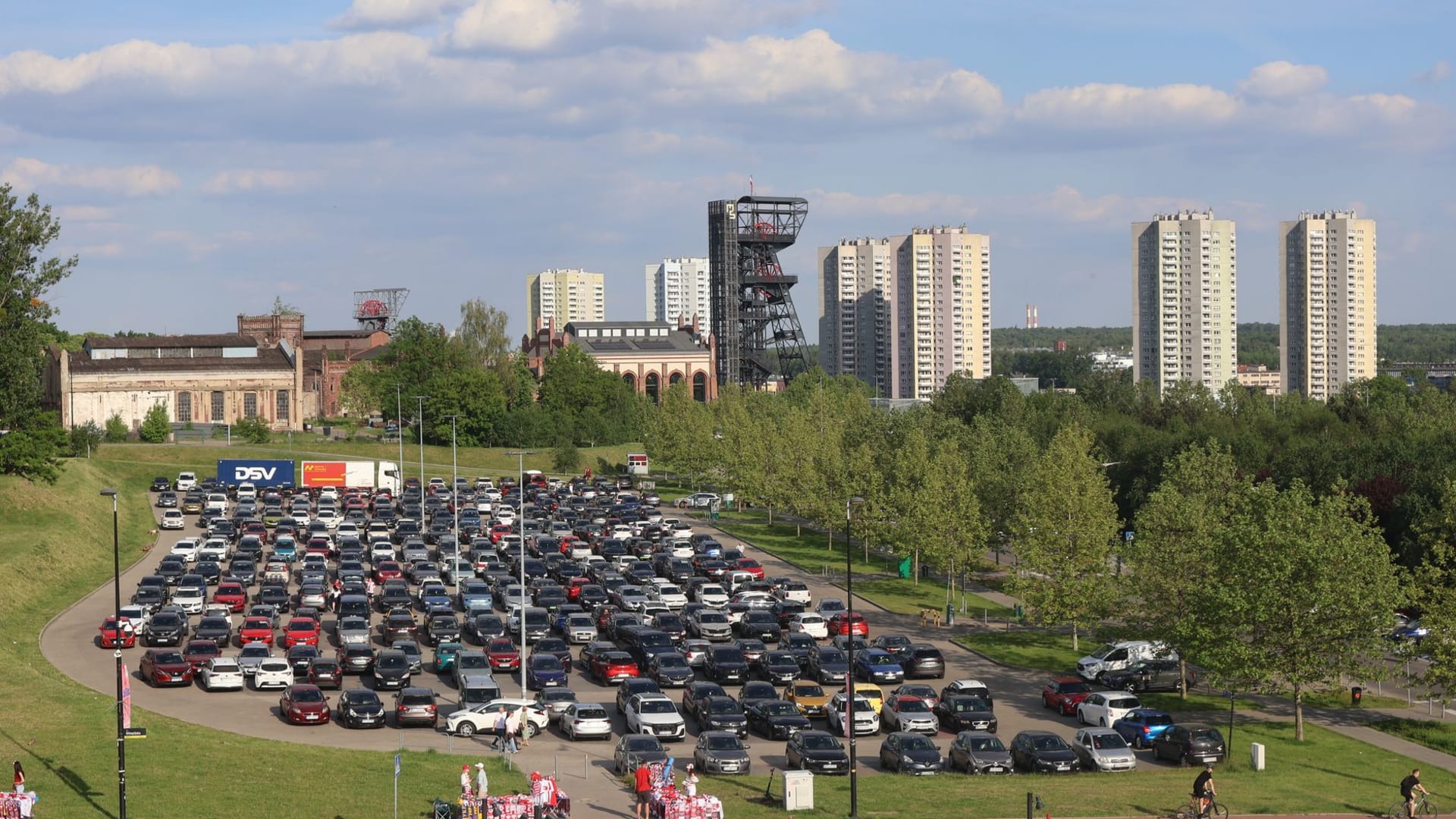
Drop from the Beskid Śląski and the city reveals itself not gradually but suddenly — a flat industrial horizon interrupted by the angular titanium shell of the NOSPR concert hall catching afternoon light like something that landed rather than was built. This is Katowice on its own terms. Take Droga Krajowa 81 as the terrain levels and the architecture begins its argument: Brutalist monuments stand shoulder to shoulder with postmodern cultural institutions in a city that never apologised for its manufacturing bones. It chose instead to rebuild on top of them. Check into Hotel Monopol Katowice, a 1912 Art Nouveau address that has hosted Marlene Dietrich and somehow still feels like a private discovery — its interiors worn smooth by history rather than restored into lifelessness. Katowice rewards the driver who approaches with curiosity rather than expectation. The Silesian Museum, sunk deliberately below a former coal mine, the renovated Spodek arena rising from the city's centre like a Cold War spacecraft — these are not footnotes. They are the point. Few European cities have converted industrial weight into cultural authority with this particular kind of confidence.
Where Silesian coal-black history meets a city reinventing itself in steel, design, and quiet ambition