Germany
Luxury Car Rental in Augsburg
143 vehicles available · Delivered to your location · Model guaranteed
See our fleet in Augsburg →
Luxury car rental in Augsburg with Zeus Prestige arrives at your hotel, your front door or Augsburg Airport (AGB). Rent or hire a sports car, a convertible or an exotic car, or settle into a luxury SUV, and spend the day in Bavarian Swabia, on the Ammersee or in the foothills of the Alps. Luxury car hire in Augsburg puts lakes, mountains and the Danube valley within an easy drive.
The Romans founded Augsburg in 15 BC as Augusta Vindelicorum, named for Emperor Augustus, and by 120 AD it served as capital of the province of Raetia. The city became a Free Imperial City in 1276 and kept that status until 1803. The Lech and the Wertach meet here, and the canals and water towers that grew up around them earned UNESCO World Heritage status in 2019.
In the sixteenth century the Fugger and Welser banking families made Augsburg a centre of early European capitalism. Jakob Fugger founded the Fuggerei for the city's needy, and it still houses residents as the oldest social housing complex in the world. The Augsburg Confession was presented to the emperor here in 1530, and the Peace of Augsburg of 1555 protected the rights of religious minorities in imperial cities.
The Town Hall of 1620 holds the Golden Hall, and the Perlachturm bell tower rises beside it. Leopold Mozart, father of Wolfgang Amadeus, was born in the city in 1719, and the playwright Bertolt Brecht in 1898. Evenings gather along the canals of the Lech quarter, and the roads south lead straight toward the Alps.
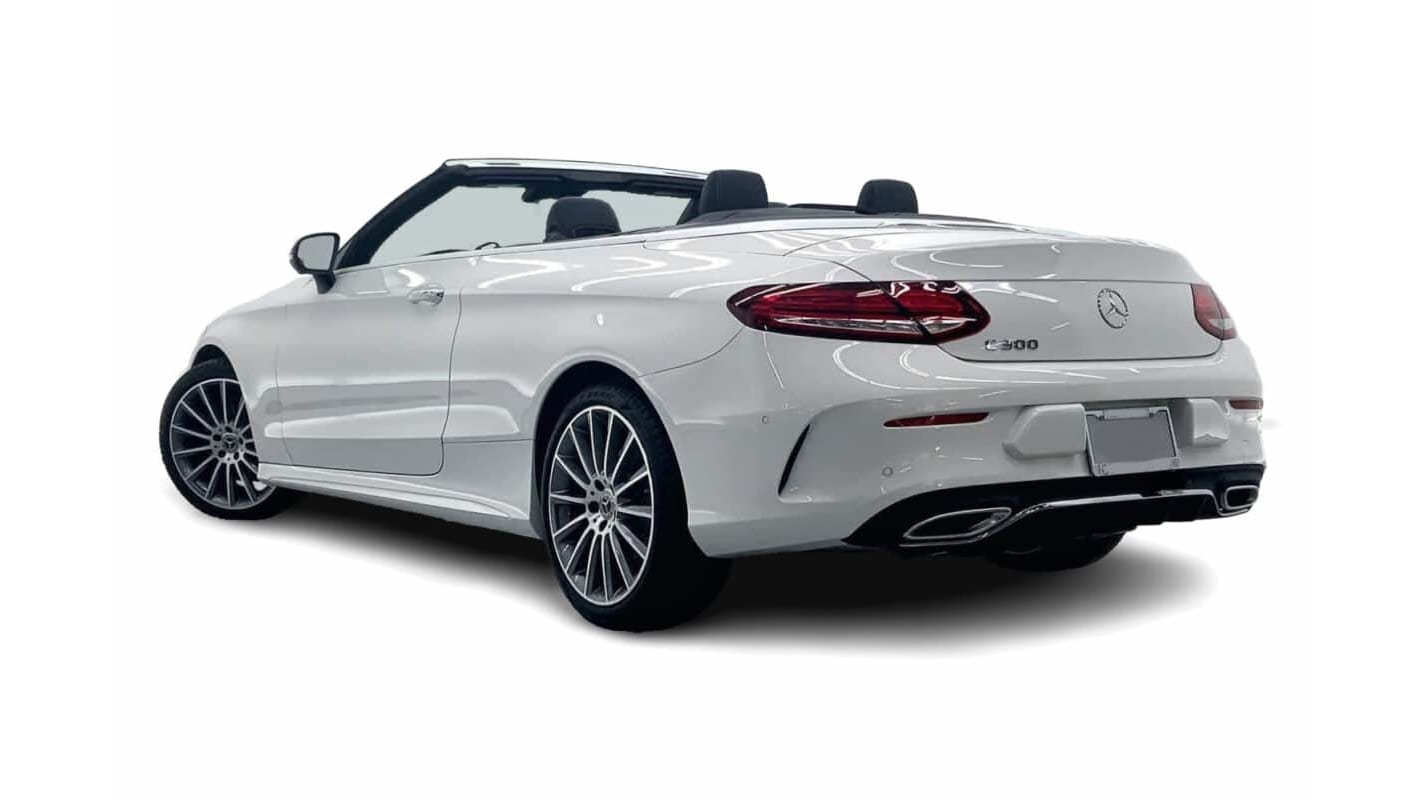
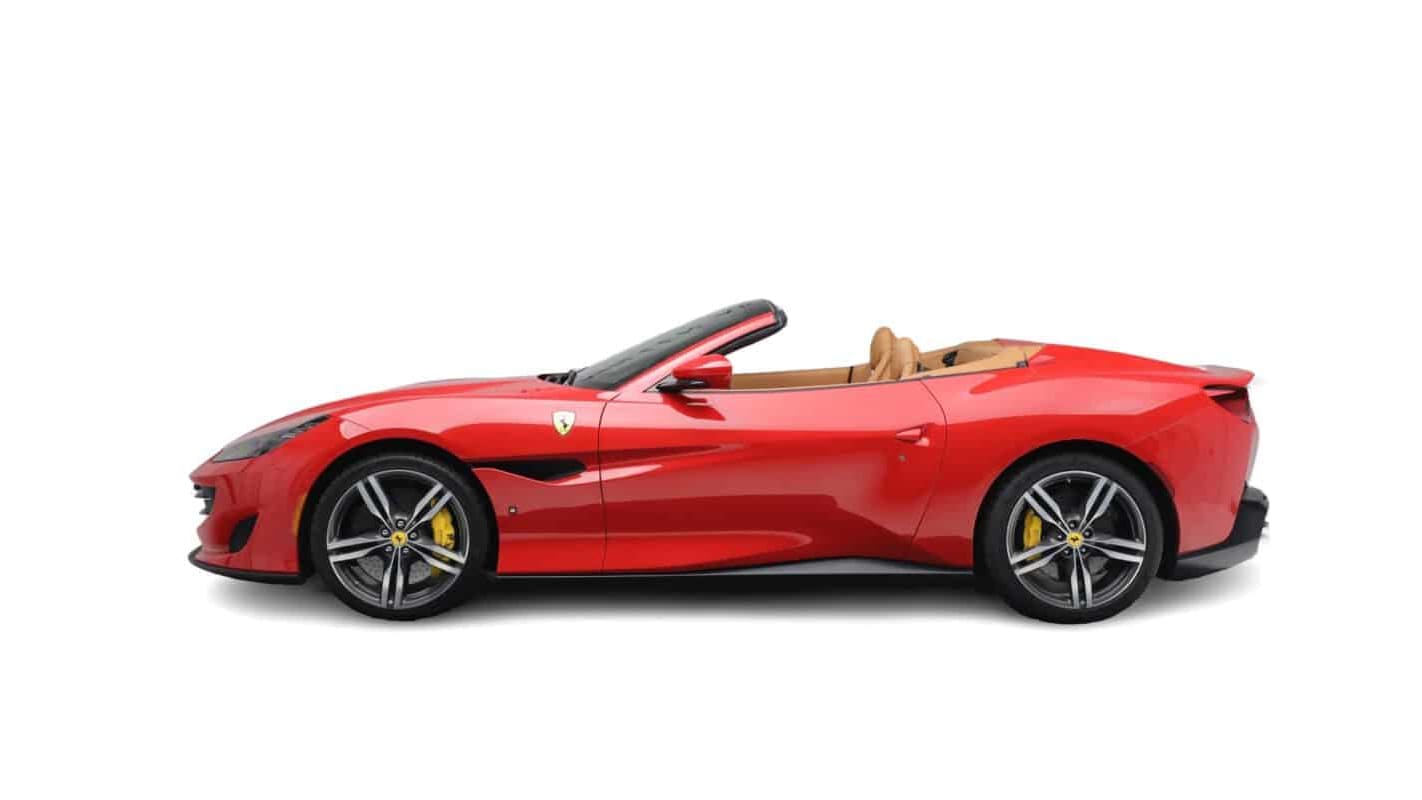
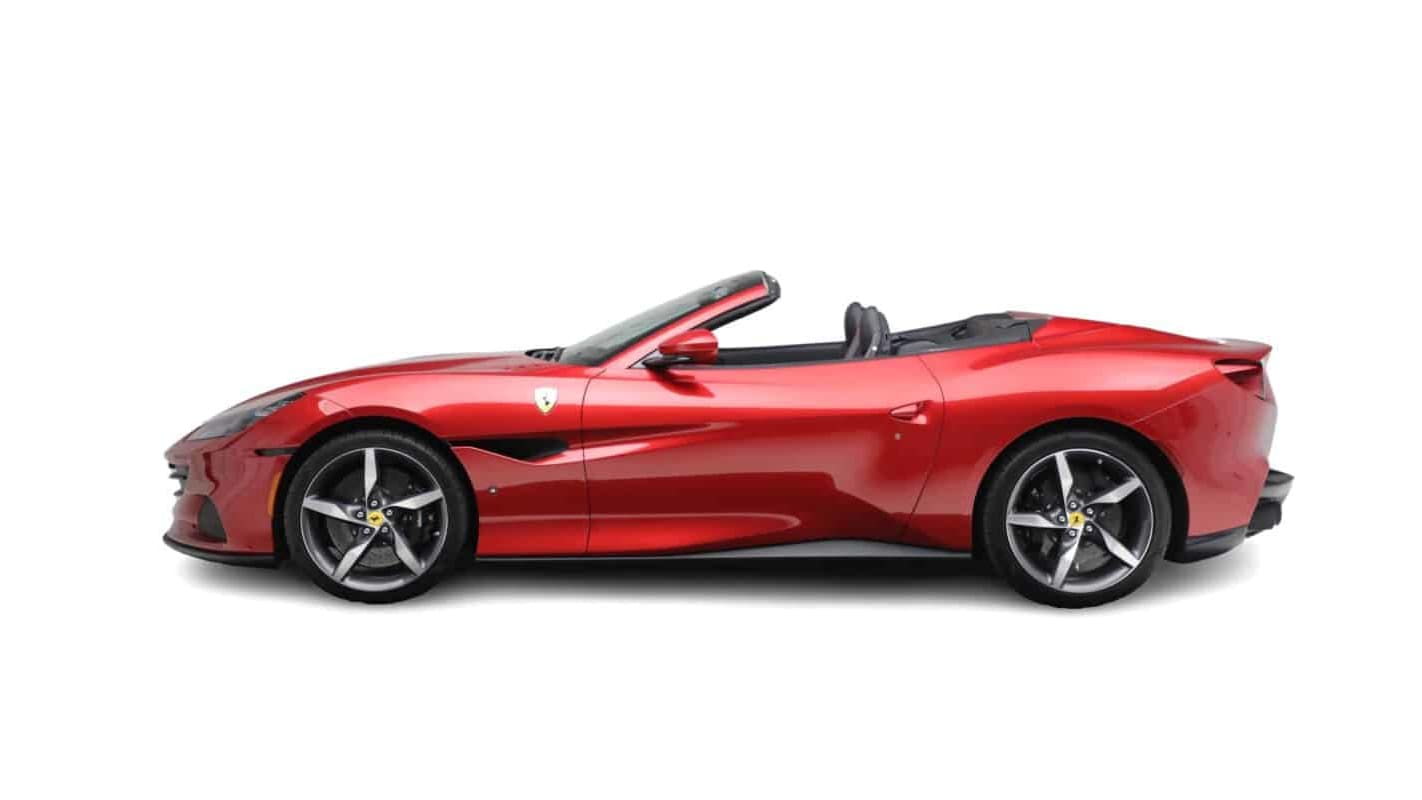
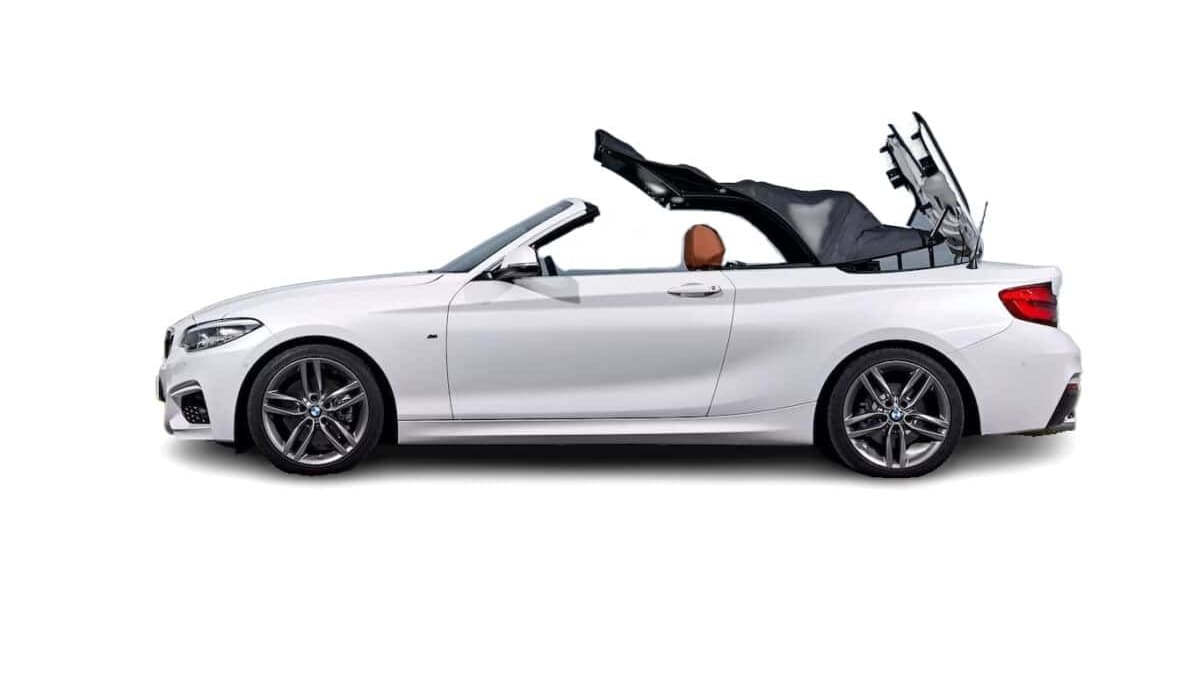
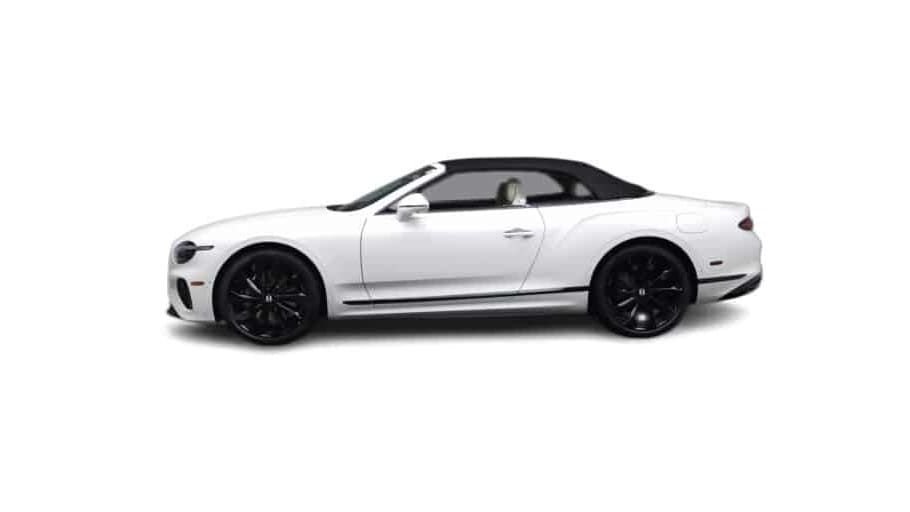
The roof belongs down on the road to the Ammersee, south-east of Augsburg. Start at Dießen, where the Rococo Marienmünster rises above the shore, and follow the water round to Herrsching. Above Herrsching the road climbs to Andechs, the Benedictine monastery on the Holy Mountain, famous for its brewery and its beer garden. The air smells of cut meadow and cold lake water, and every bend opens another stretch of blue between the trees. Roll home in the late light with the roof still open.
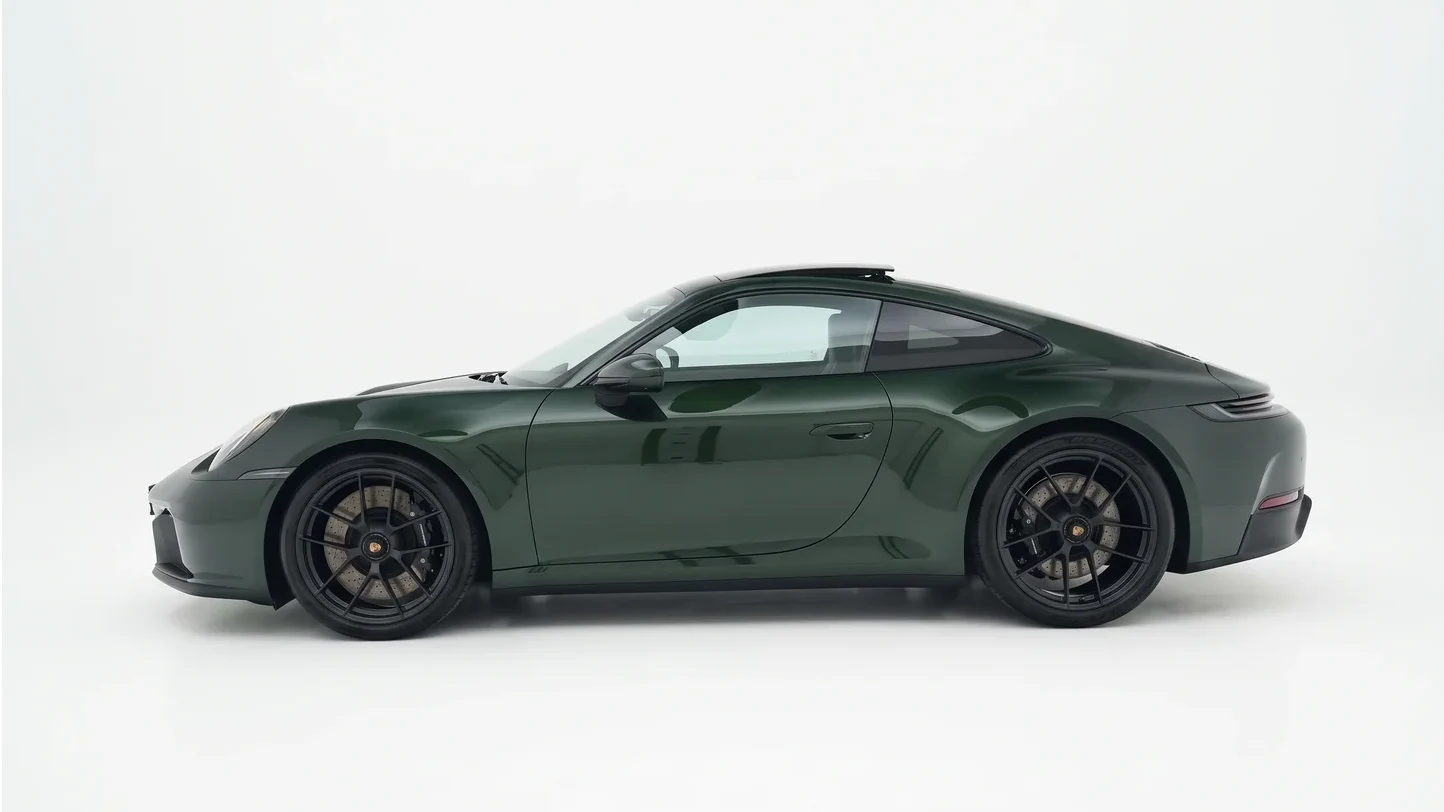
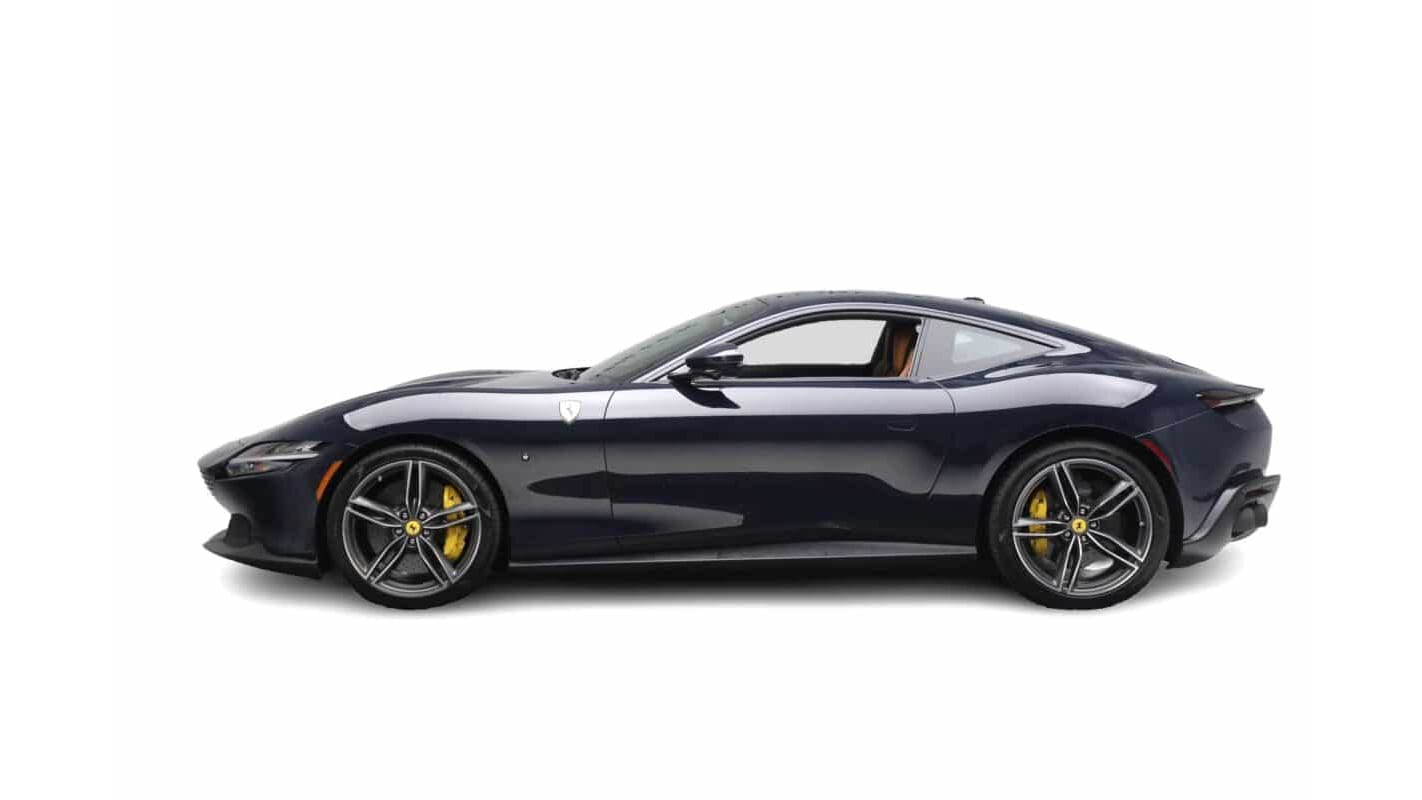
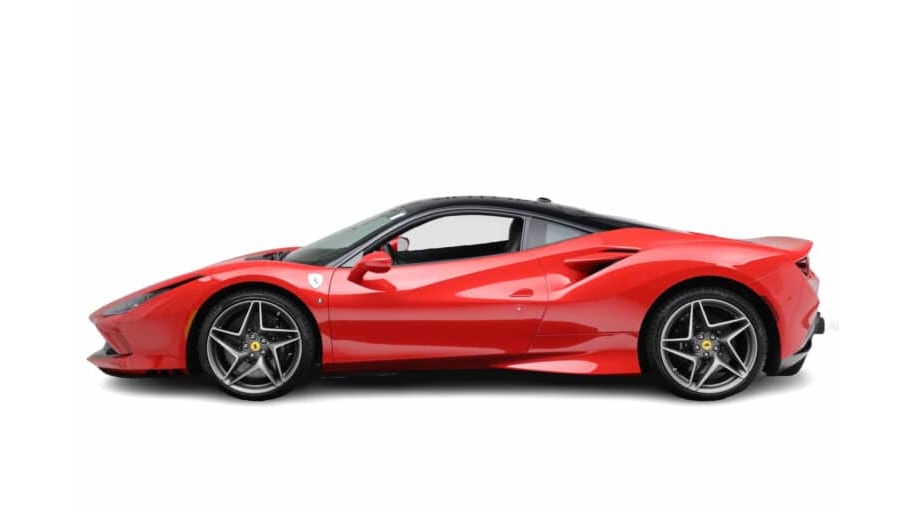
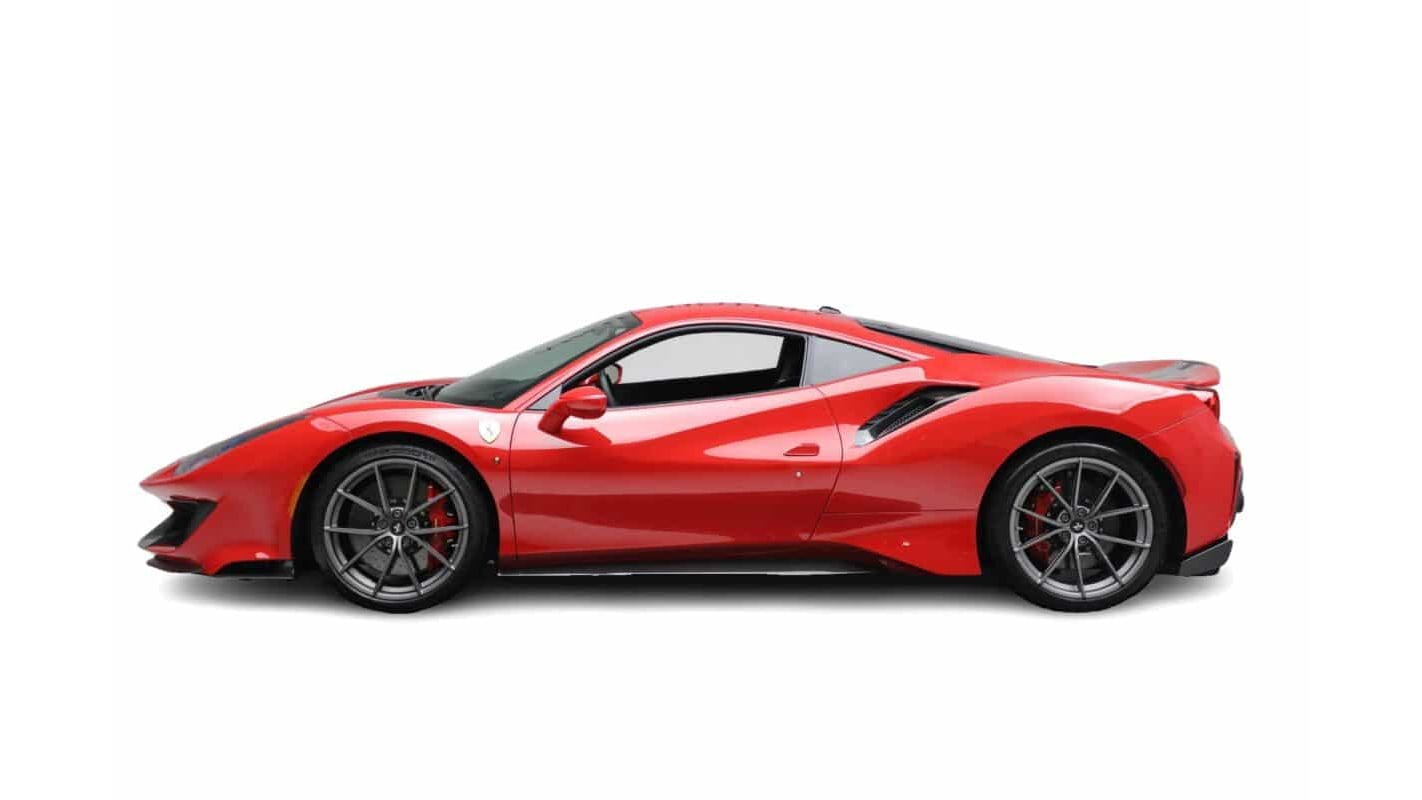
Sports car country begins in the Ammergau Alps. The road climbs in tight bends to Ettal, where Emperor Louis IV founded the abbey in 1330. Oberammergau follows, home to a Passion Play staged every ten years since 1634, and a quiet valley beyond leads to Linderhof, the smallest of King Ludwig II's palaces and the only one finished in his lifetime. The pulse picks up with each hairpin as the valley floor drops away behind you.
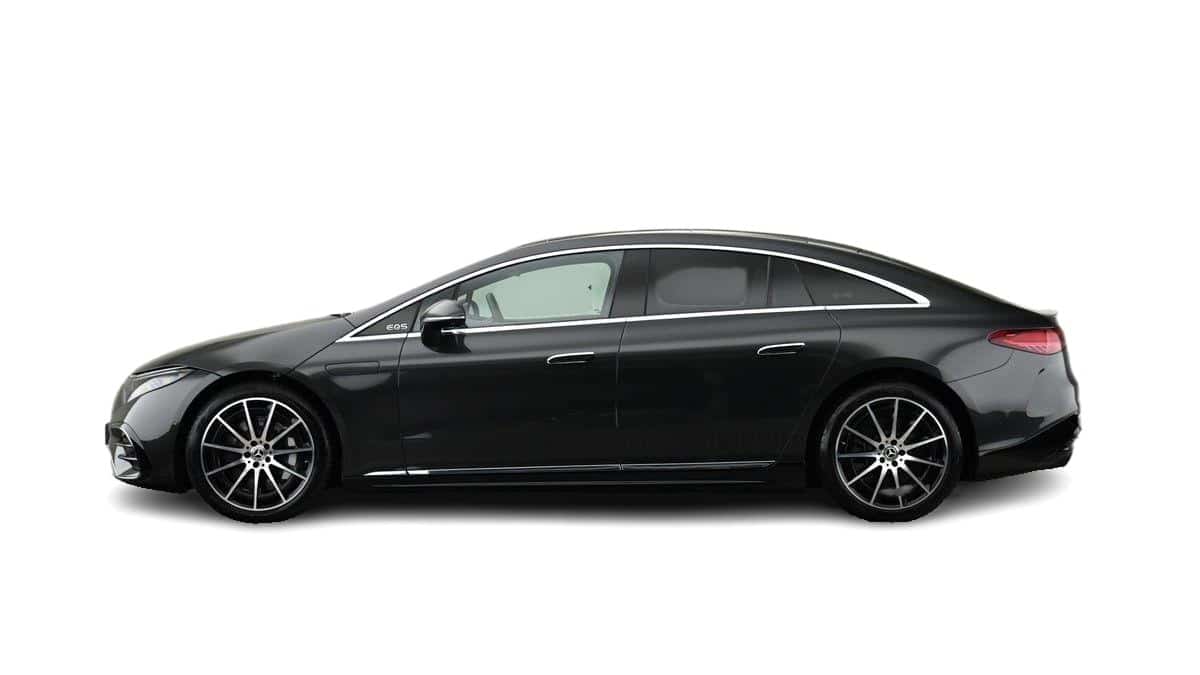
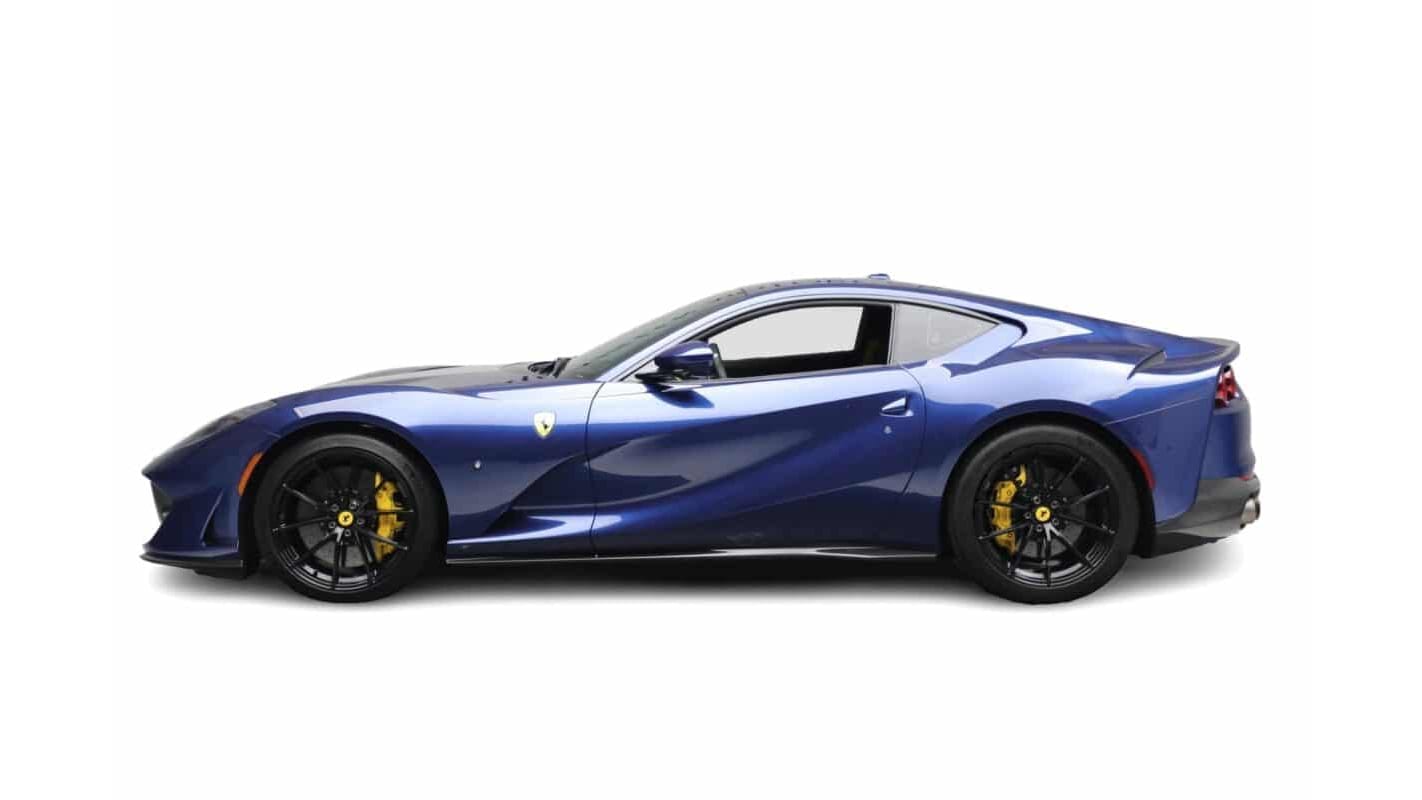
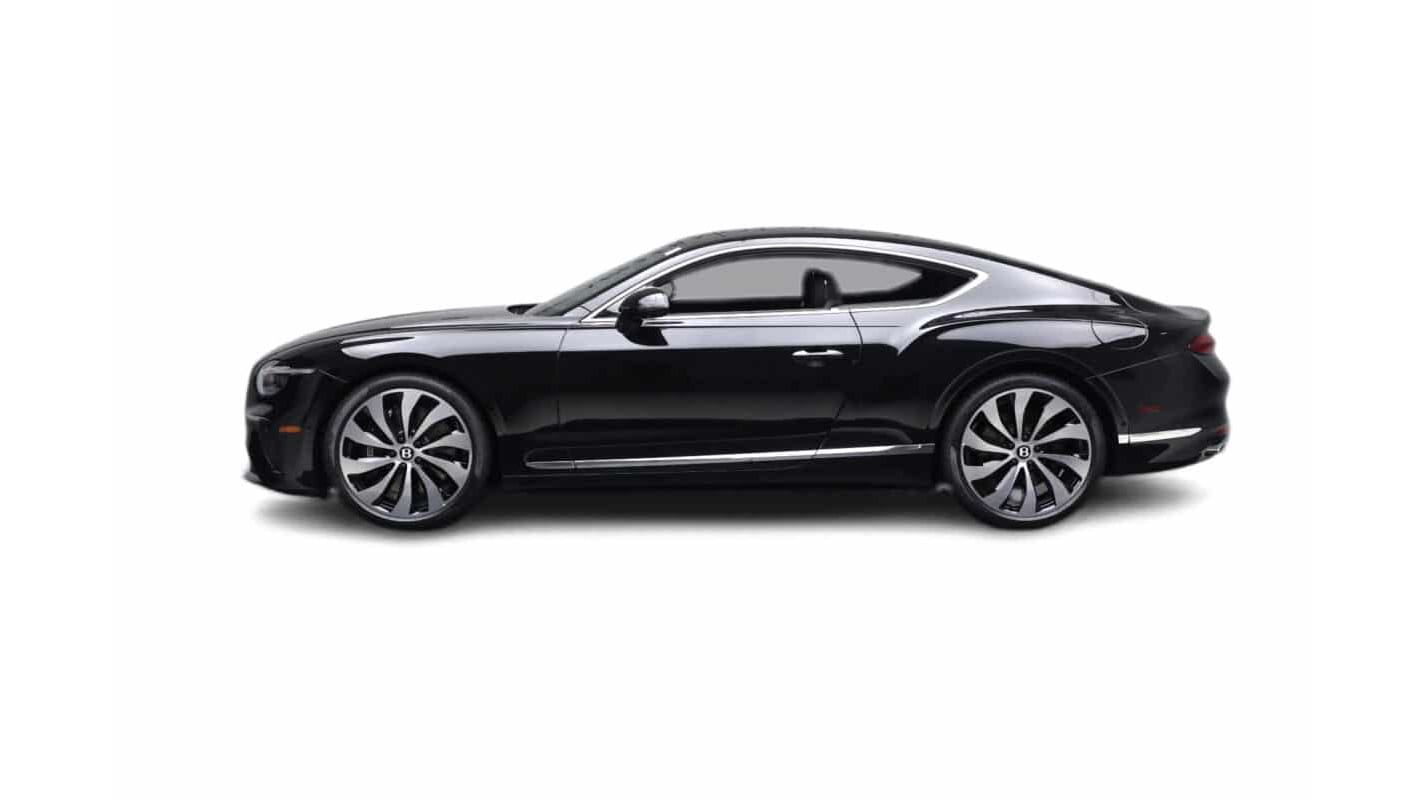
A grand tourer suits the run west to Ulm, where the Danube valley widens below the Swabian Alb. The Minster rises 161.5 metres, the tallest church steeple in the world, and Albert Einstein was born in the city in 1879. Walk the Fishermen's Quarter, where crooked half-timbered houses lean over the little river Blau, and lunch beside the water. Back in the car the scent of leather warms the cabin, and the motorway miles pass almost unnoticed.
Yes. We bring the car to hotels, offices and private addresses in Augsburg and across Bavarian Swabia. Tell us where you would like to start and we will arrange the handover.
Yes. We deliver to Augsburg Airport (AGB), including its private aviation terminal (ICAO EDMA), and to Munich Airport (MUC, ICAO EDDM), the main international gateway for the region.
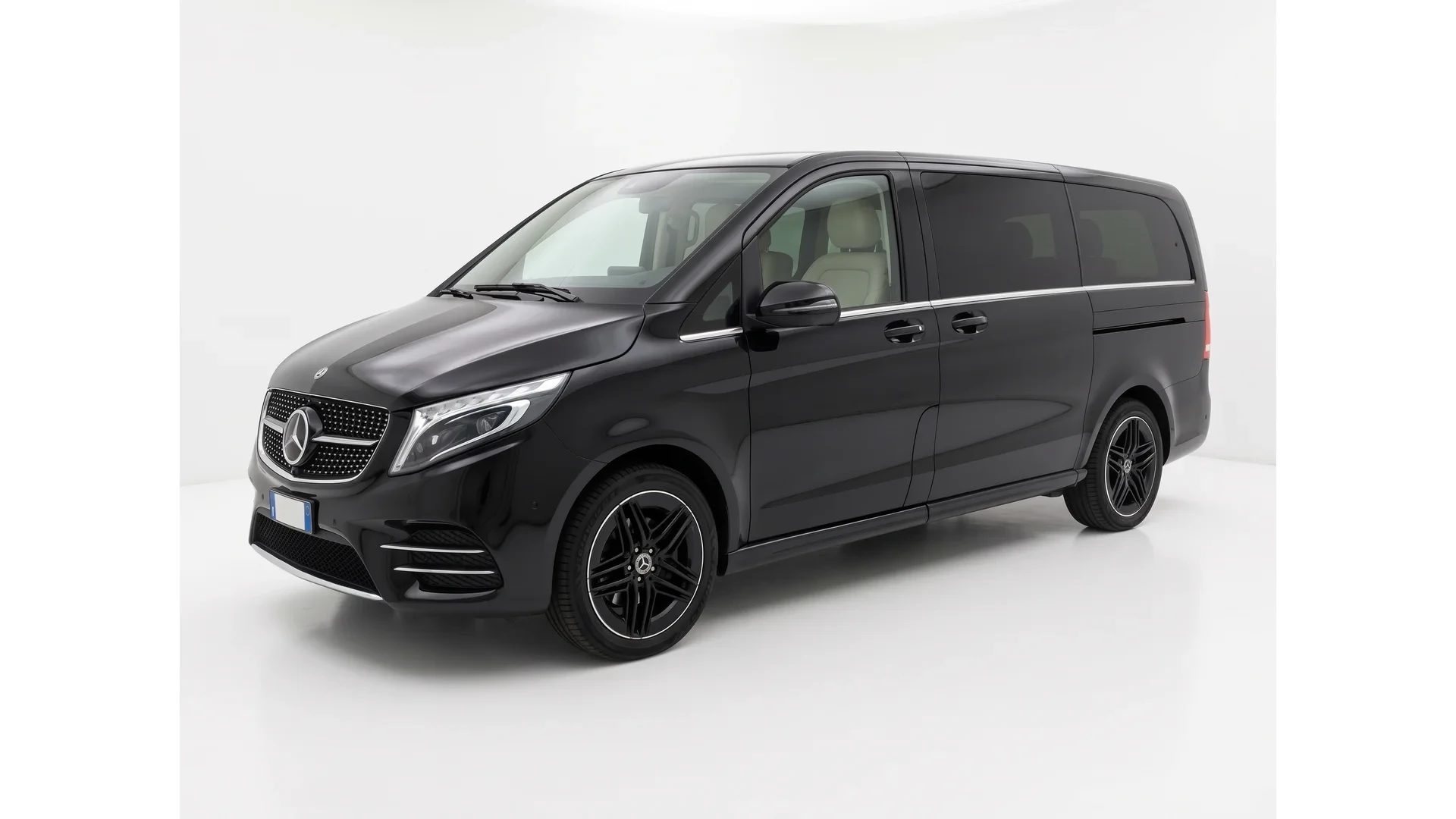
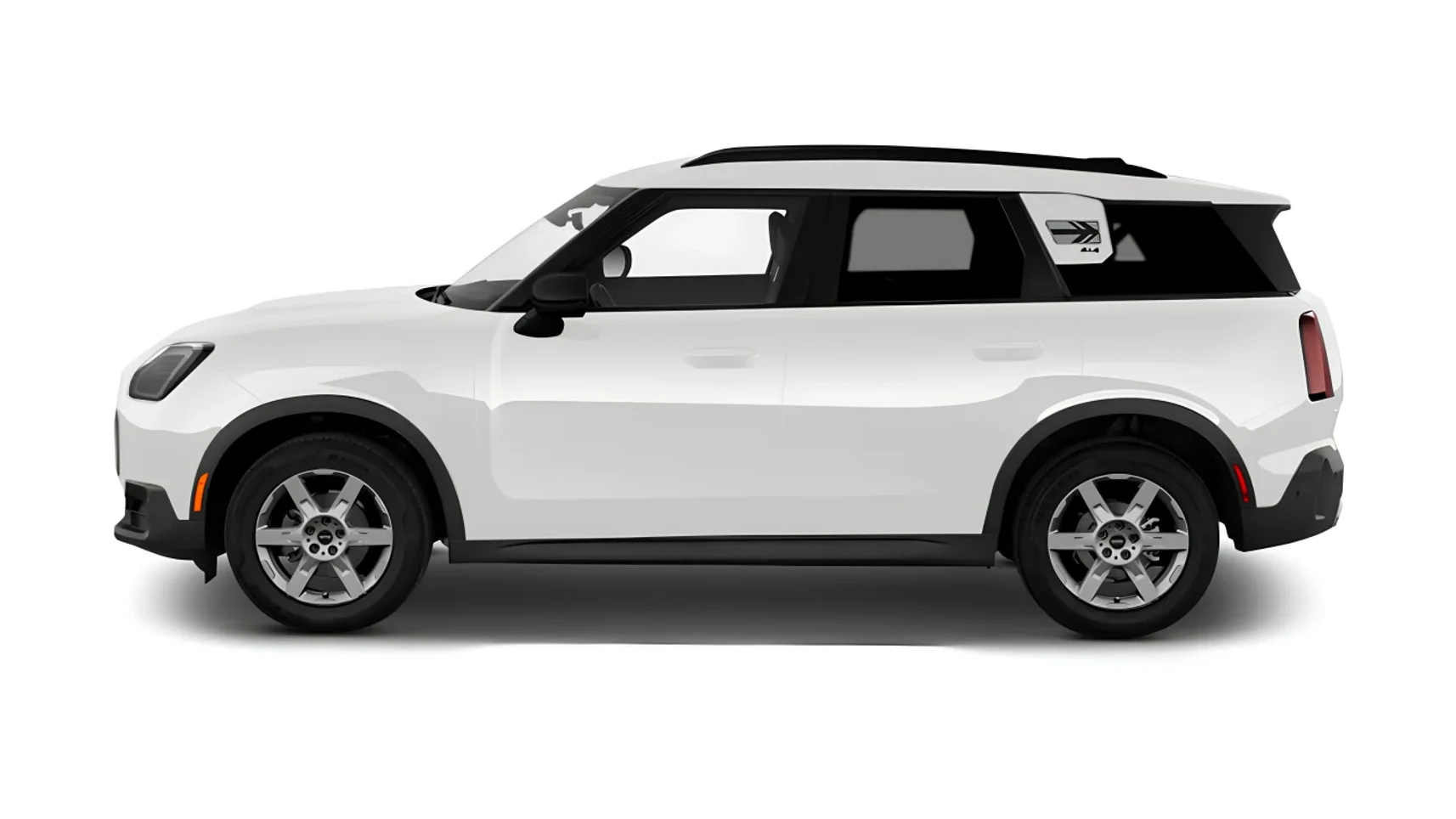
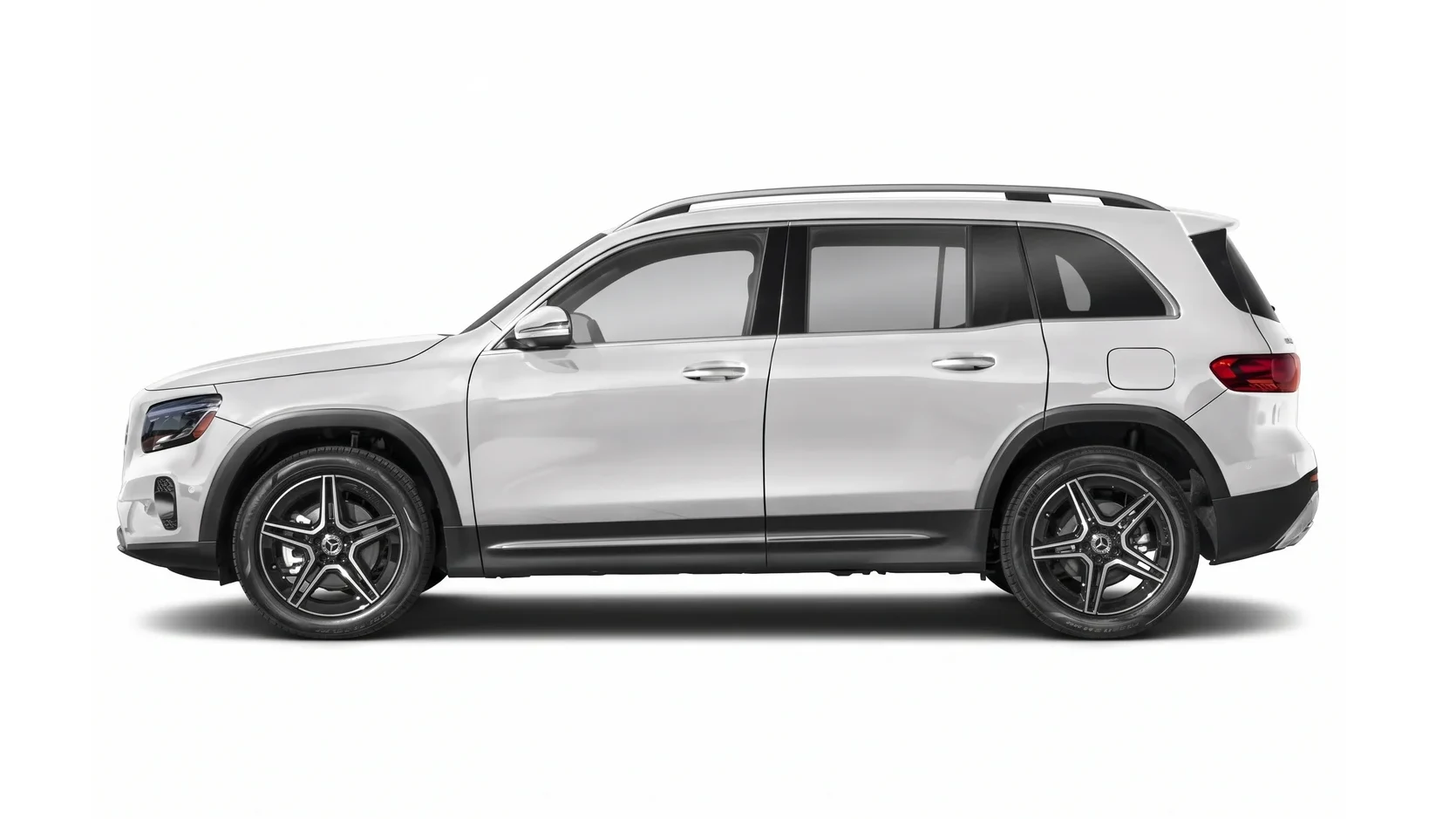
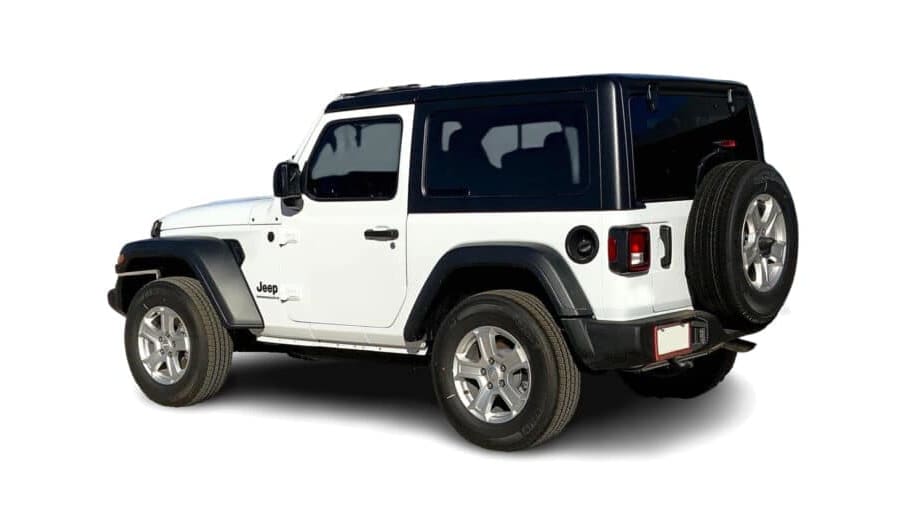
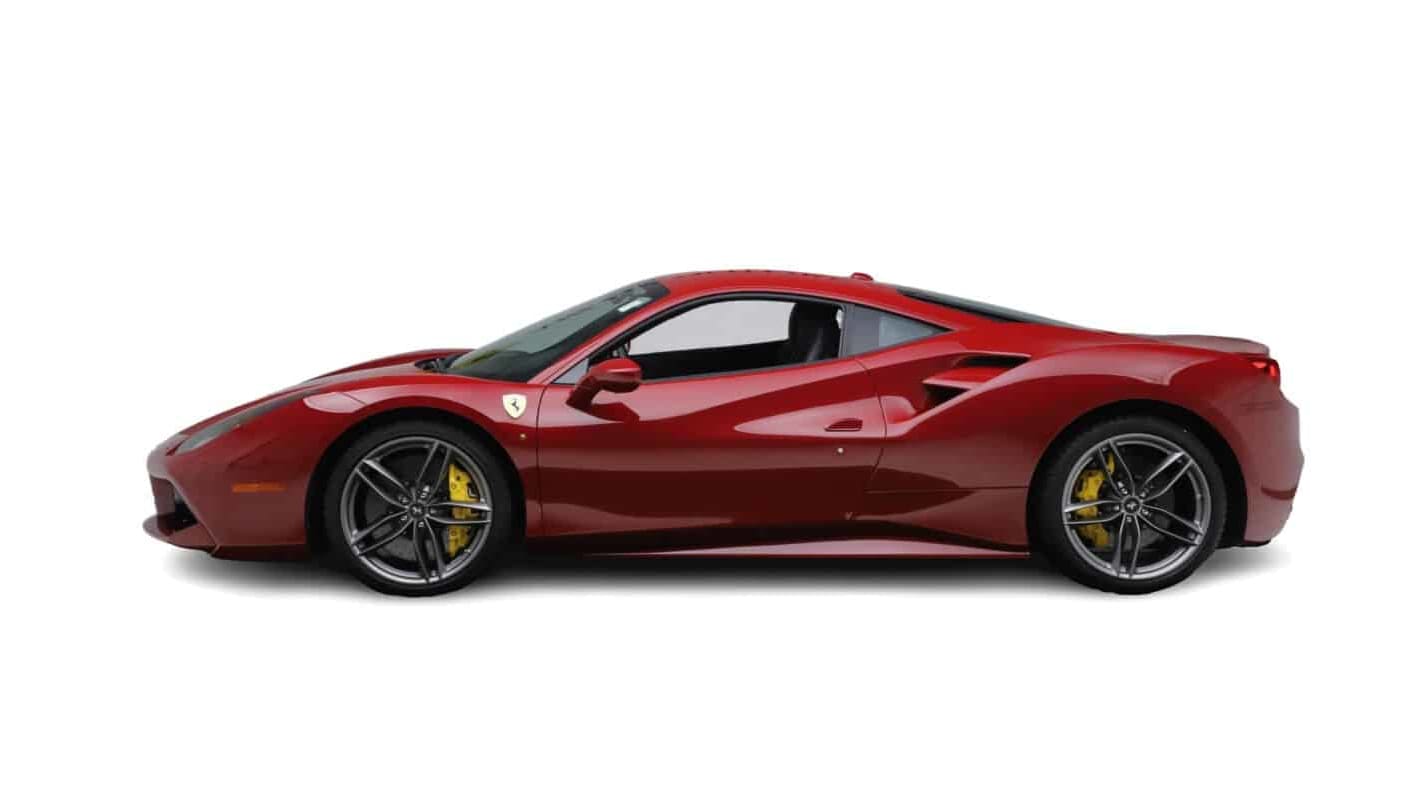
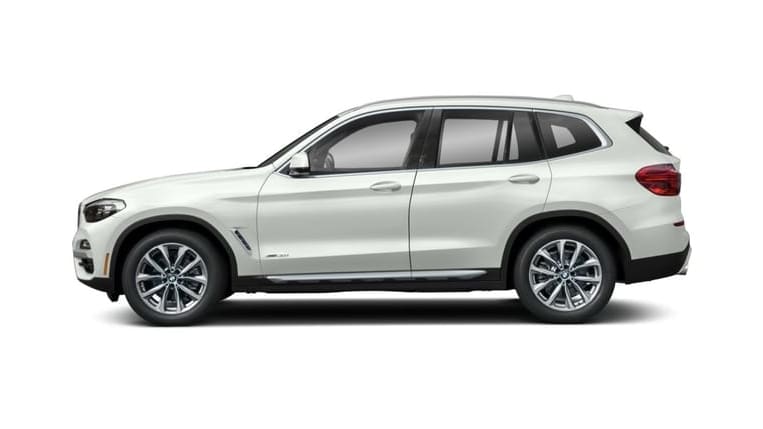
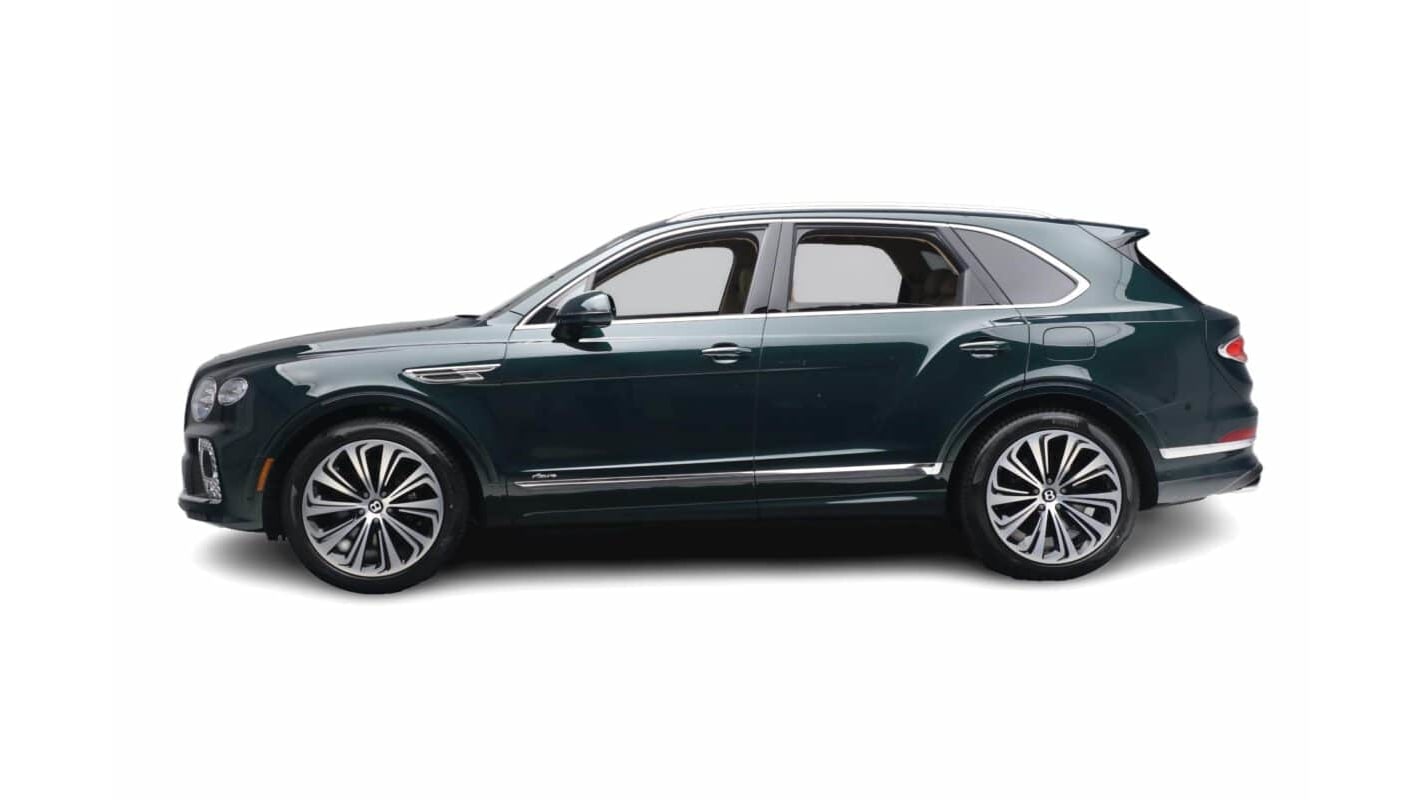
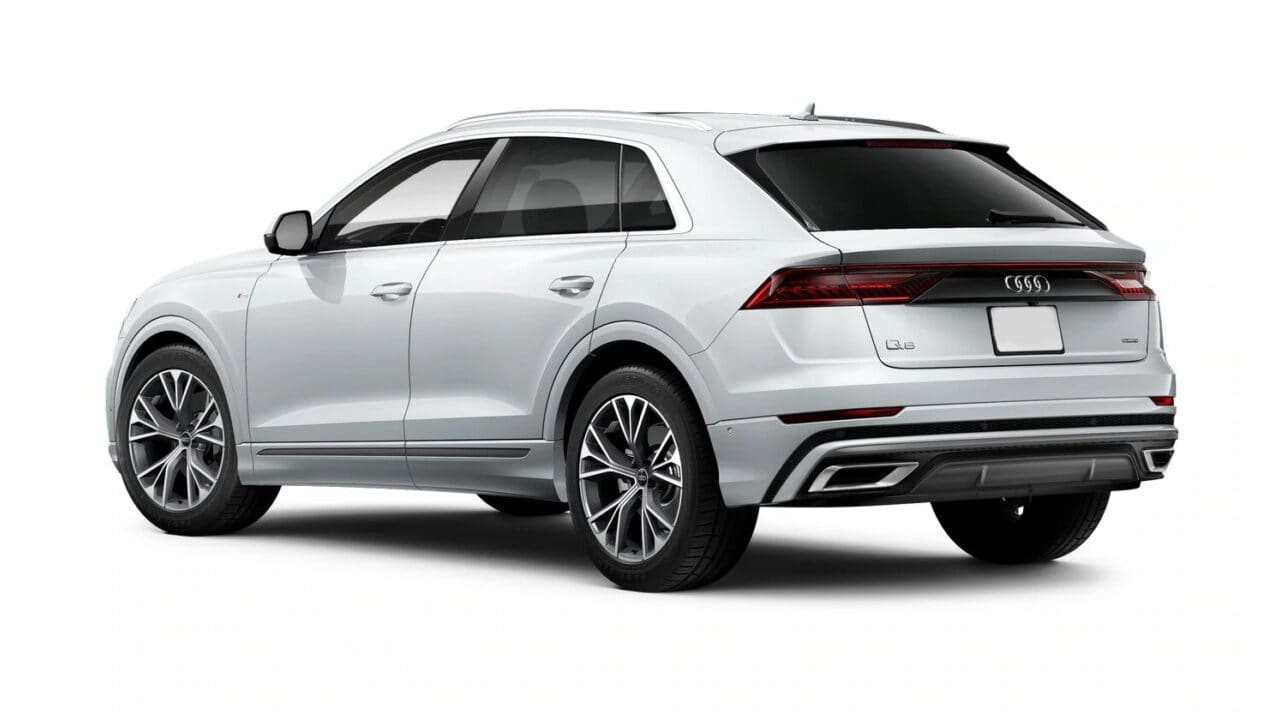
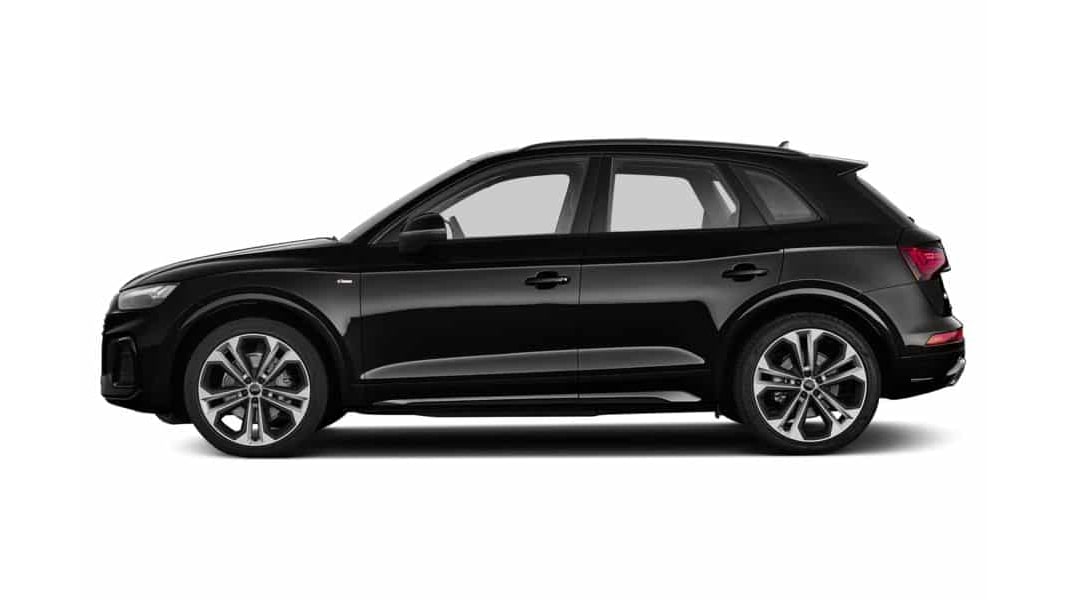
Choose a convertible for the Ammersee, a sports car or supercar for the Ammergau Alps, and a grand tourer or luxury SUV for Ulm and longer journeys across southern Germany.
Munich lies to the east, Stuttgart to the west and Nuremberg to the north-east, each connected by motorway. The Alps begin to the south.
Yes. Augsburg sits between Munich and Stuttgart with the Alps to the south and the Danube valley to the west. Spend a few days around the Ammersee and the Ammergau Alps, then continue north toward Nuremberg or on to Frankfurt.
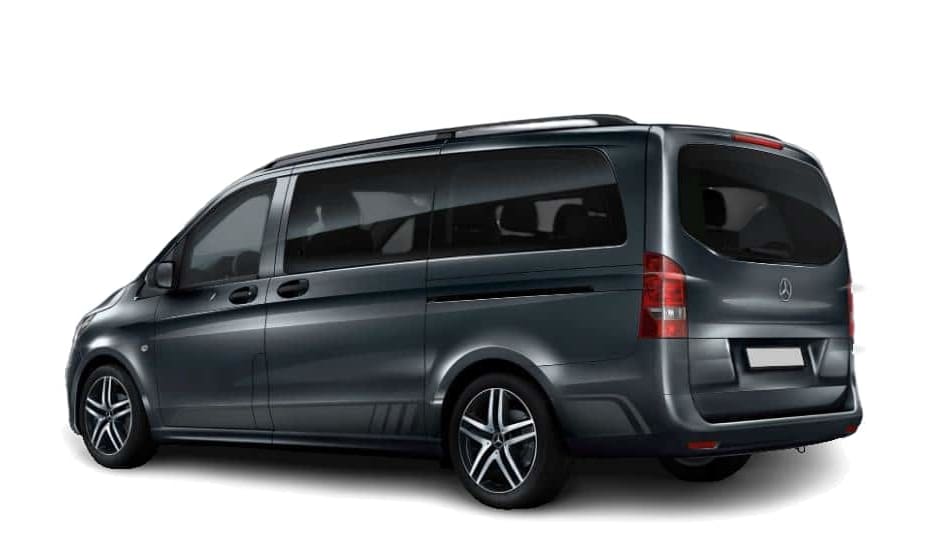
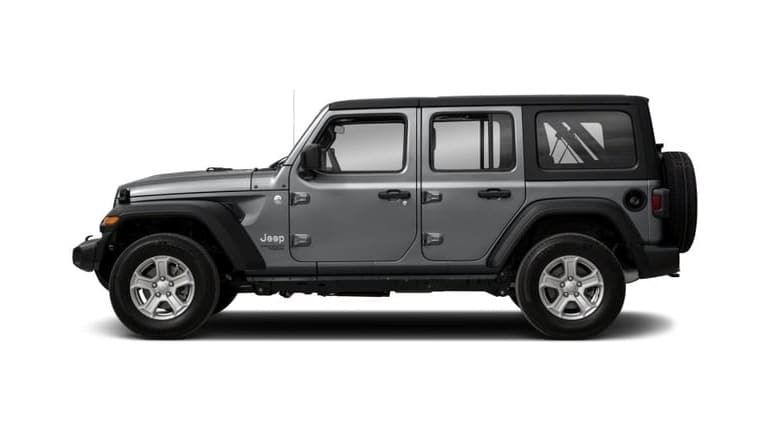
Choose from our SUVs, cabriolets, supercars and sports cars, tell us where in Augsburg to deliver, and the keys will be ready for your luxury car hire.