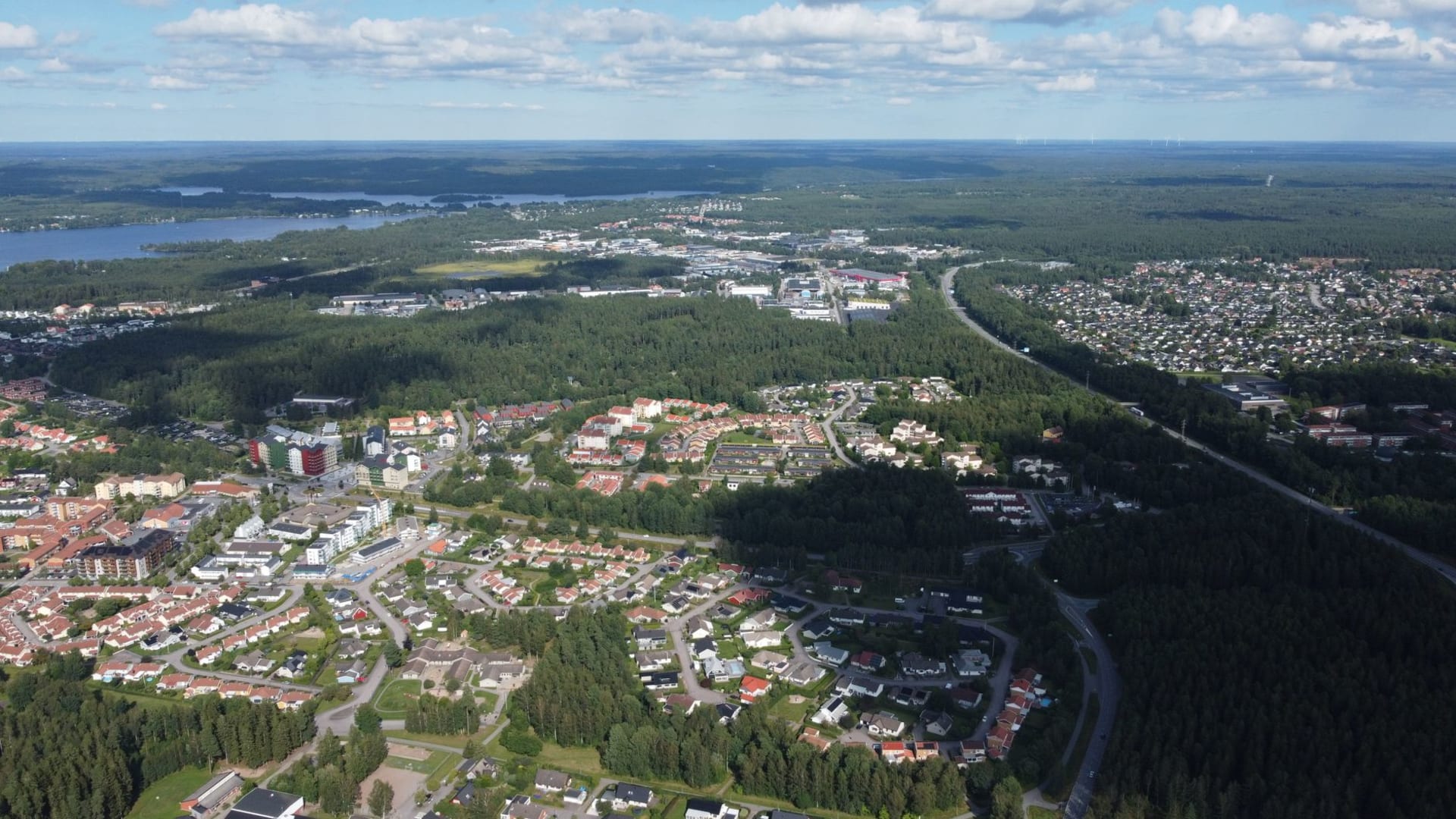
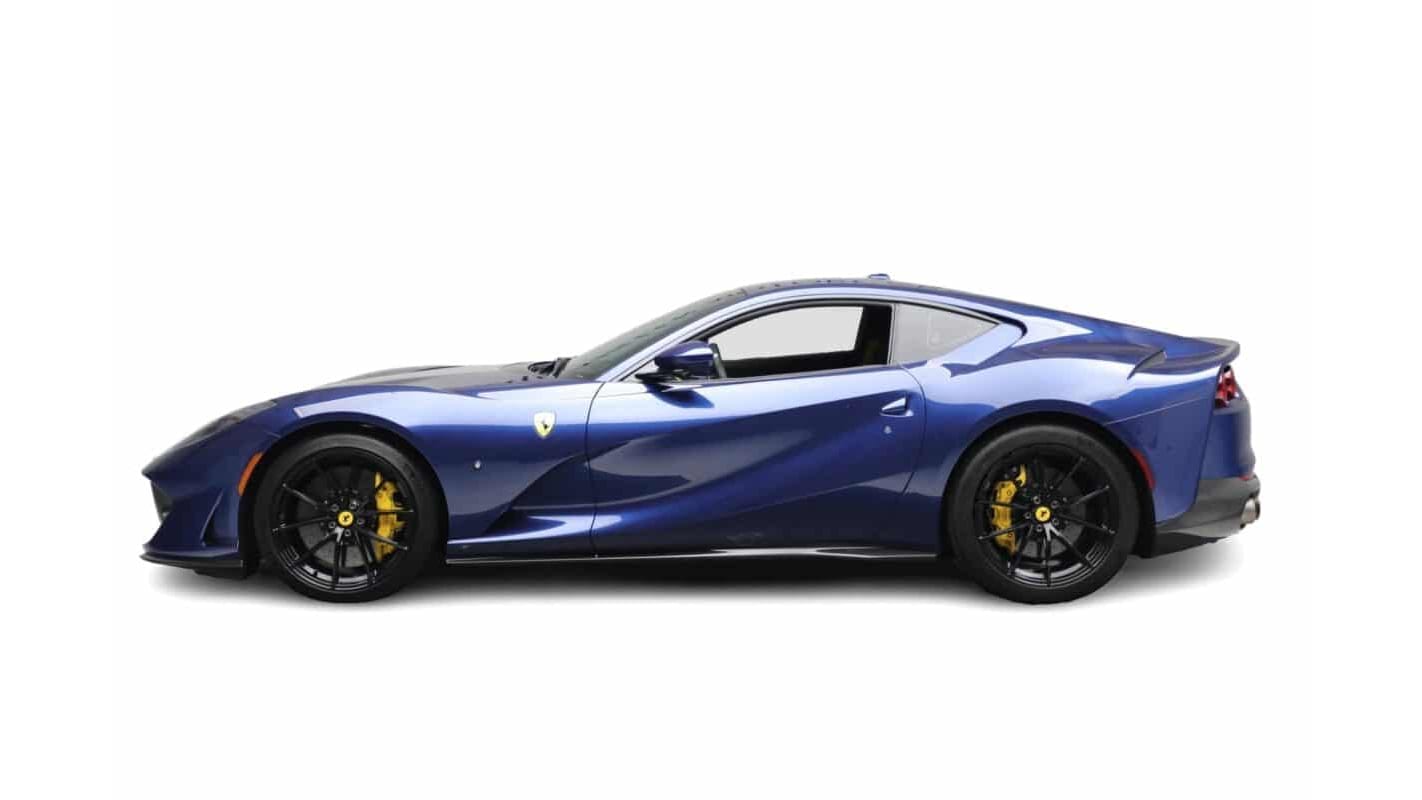
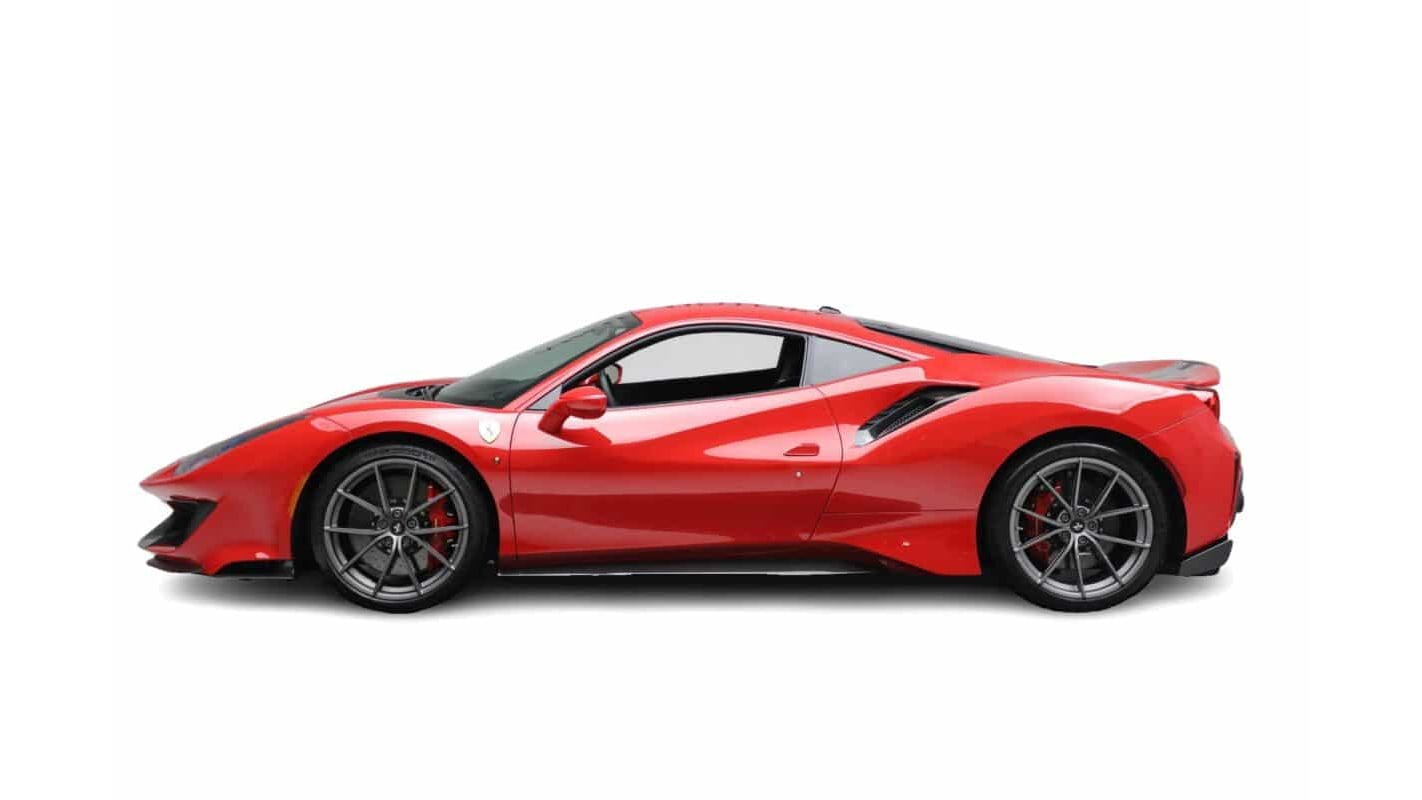
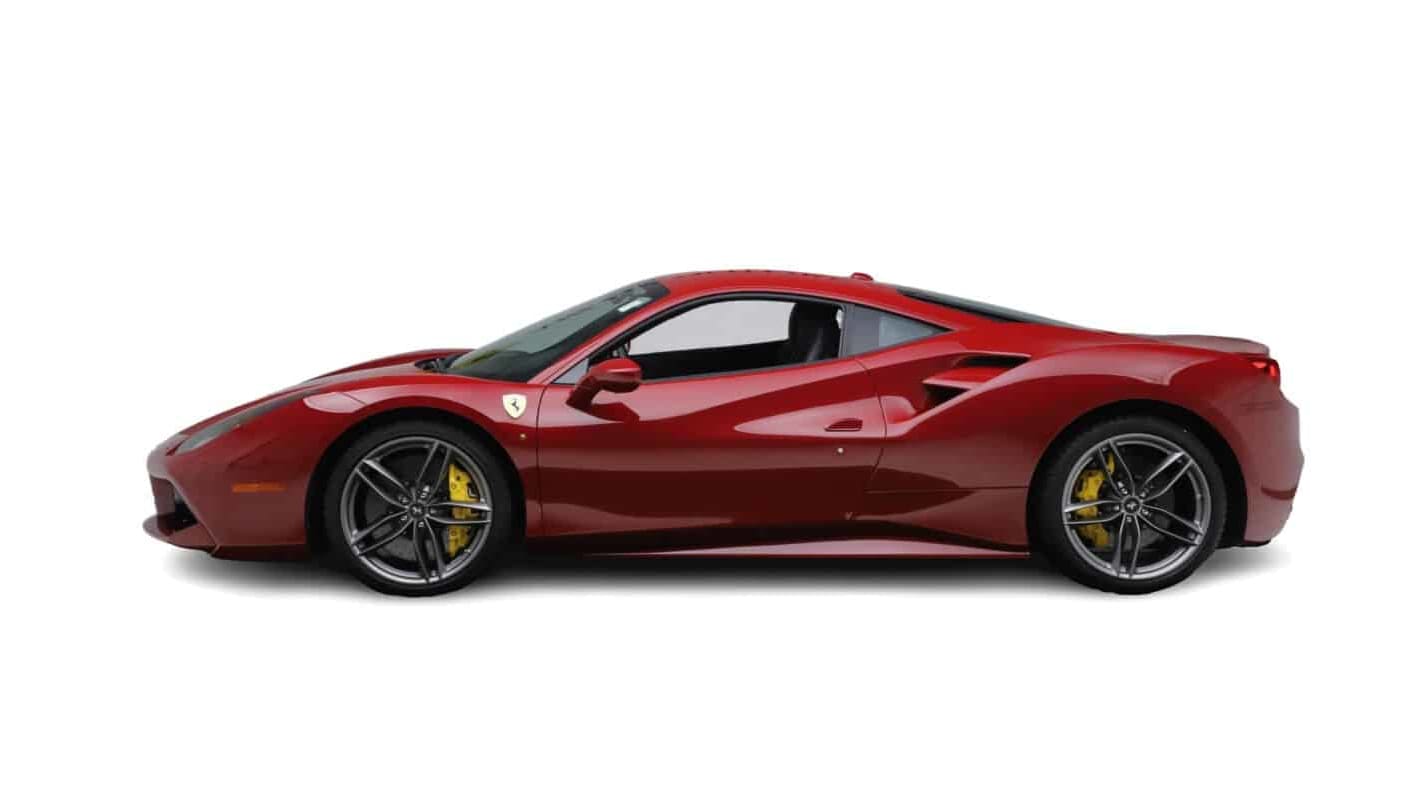
Espoo resists easy categorization, and that is precisely its appeal. The city's historic core carries the unhurried gravity of a place that has never needed to perform — old stone pathways compress into narrow corridors before releasing you into the open arms of civic squares lined with architecture that takes its cues from the surrounding forest and ice-carved coastline. Drive the King's Road, the ancient trading artery that once connected Stockholm to St. Petersburg, and you begin to understand how deeply history is encoded into this landscape — not as spectacle, but as texture beneath your wheels. At Hanasaari Cultural Centre, positioned between two countries both literally and philosophically, Scandinavian restraint reaches a kind of clarity that few built environments manage. The interiors speak without raising their voice. Back in the city, the streets narrow again before opening to the water, and it is this rhythm — compression then release, shadow then light — that defines the Espoo experience. Behind the wheel of something exceptional, the contrast sharpens considerably. Precision engineering and Nordic precision thinking make for an unusually honest conversation.
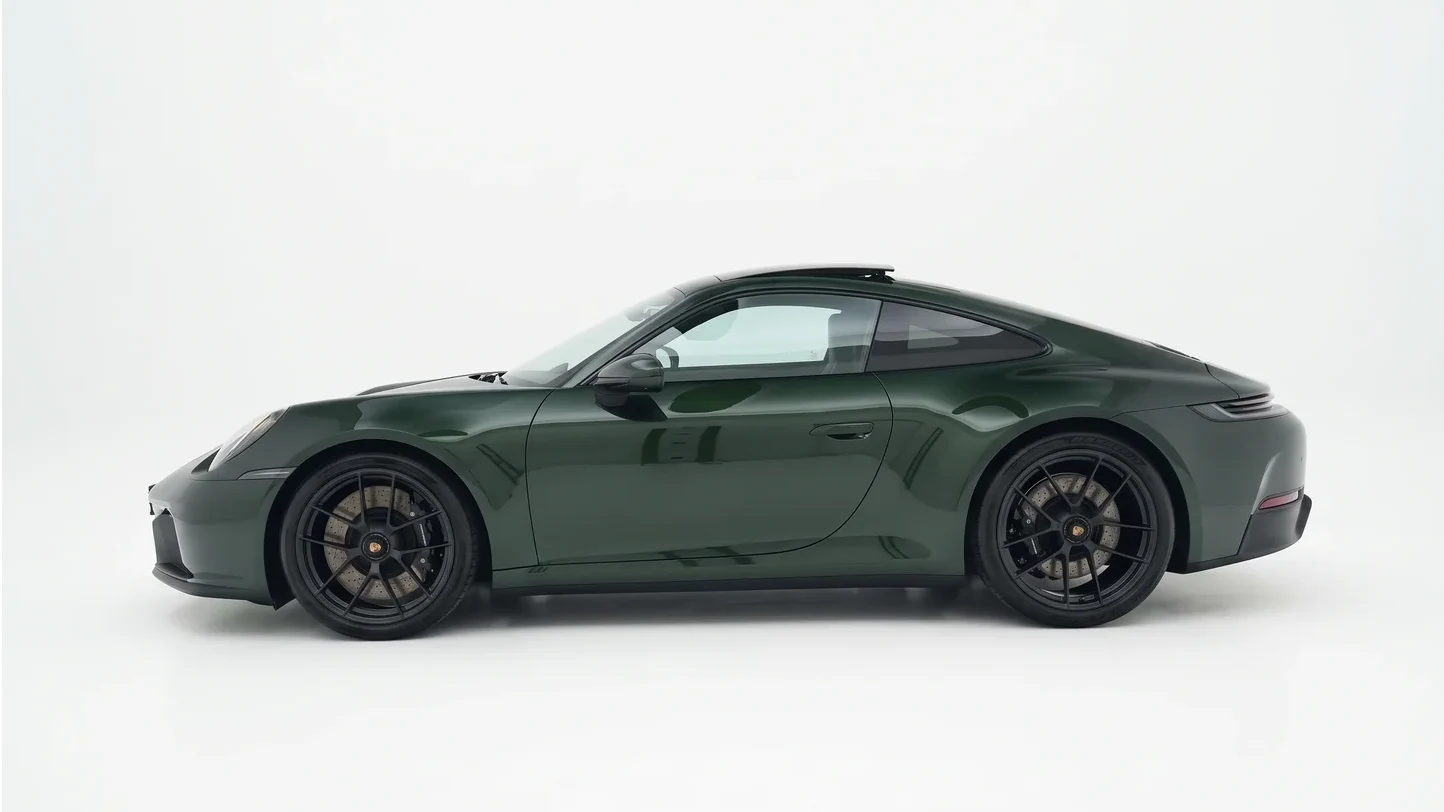
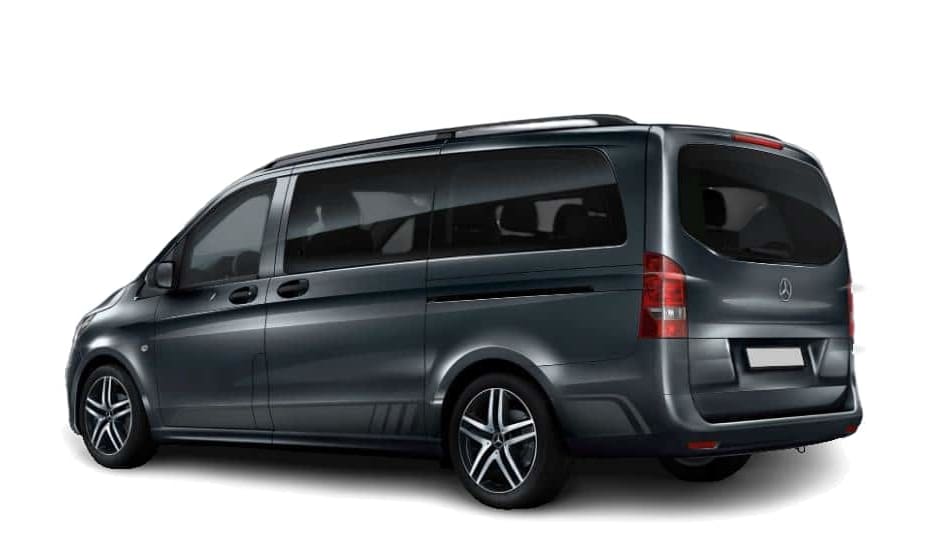
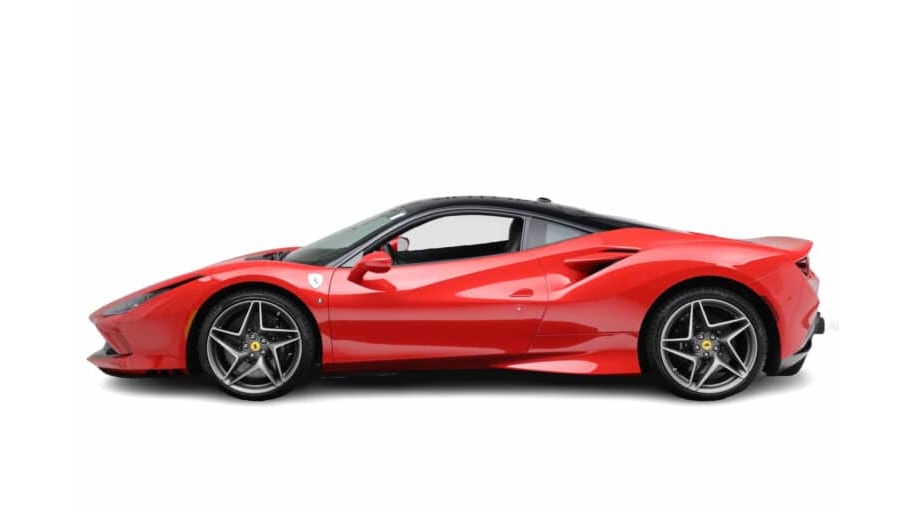
Full Fleet in Espoo
143 vehicles — exact model guaranteed, delivered to you