France
Luxury Car Rental in Grenoble
143 vehicles available · Delivered to your location · Model guaranteed
See our fleet in Grenoble →
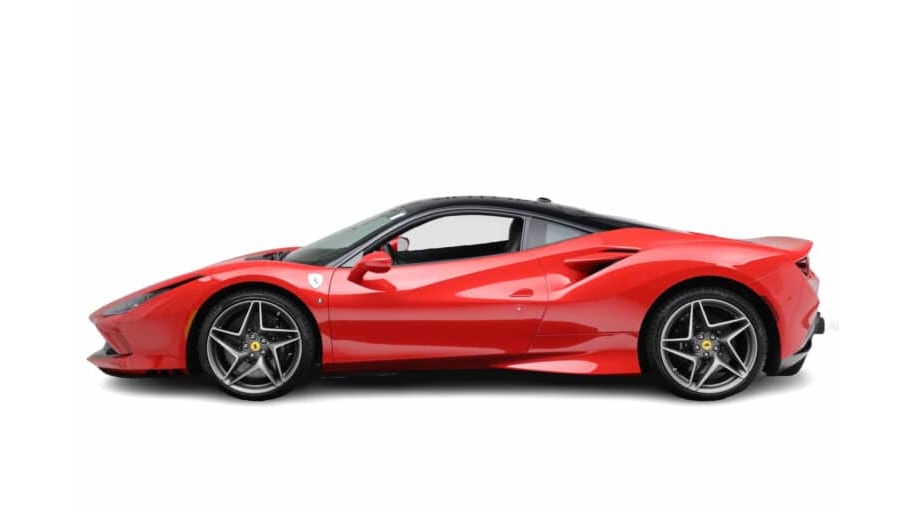
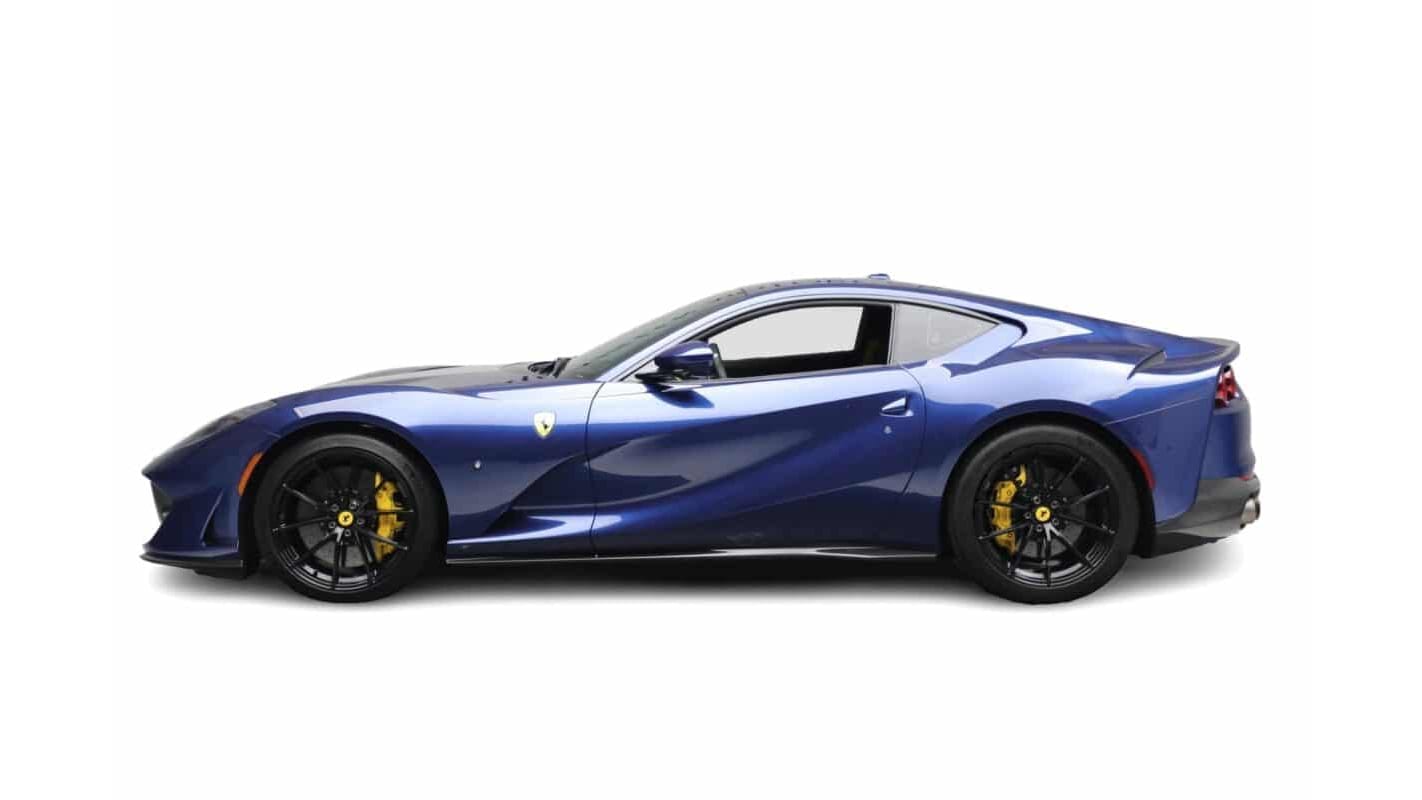
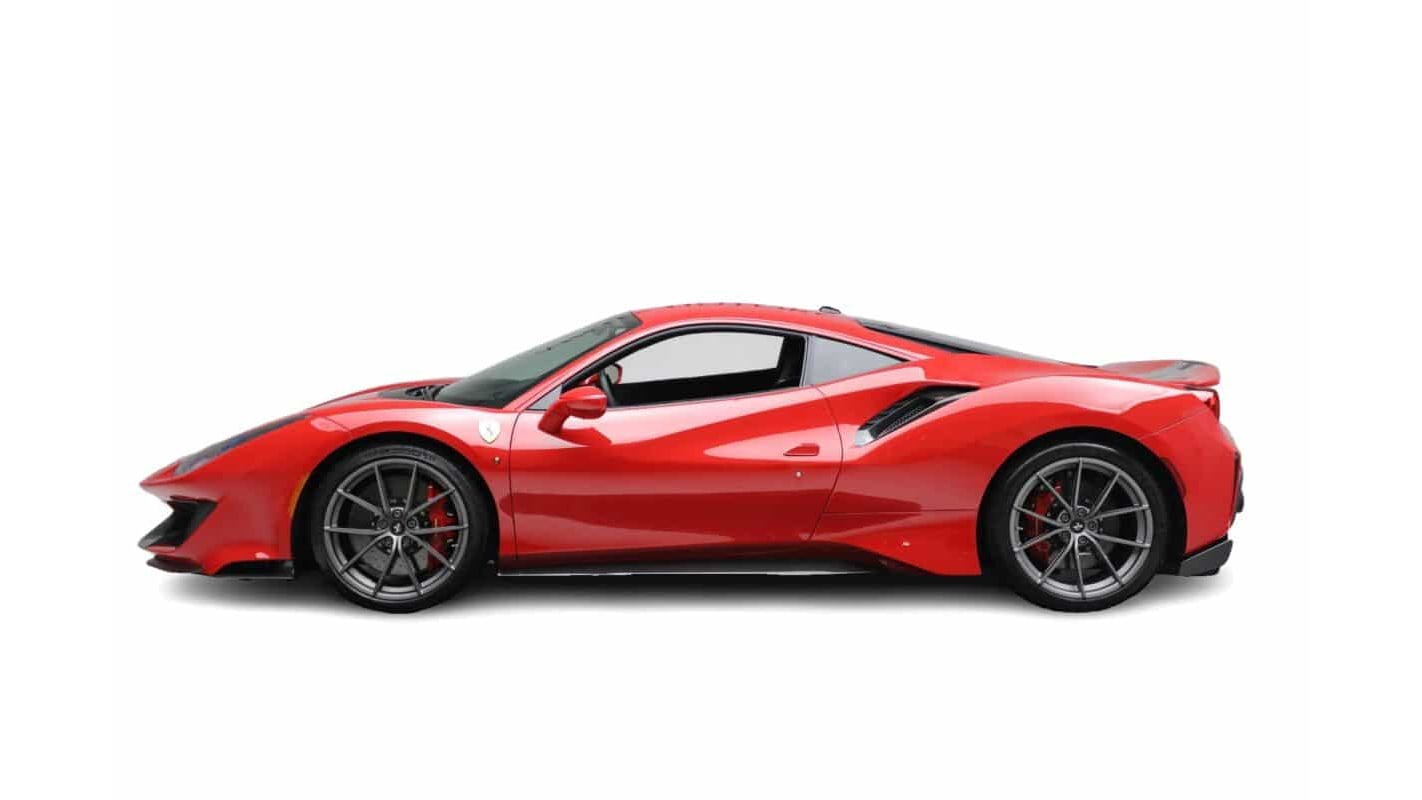
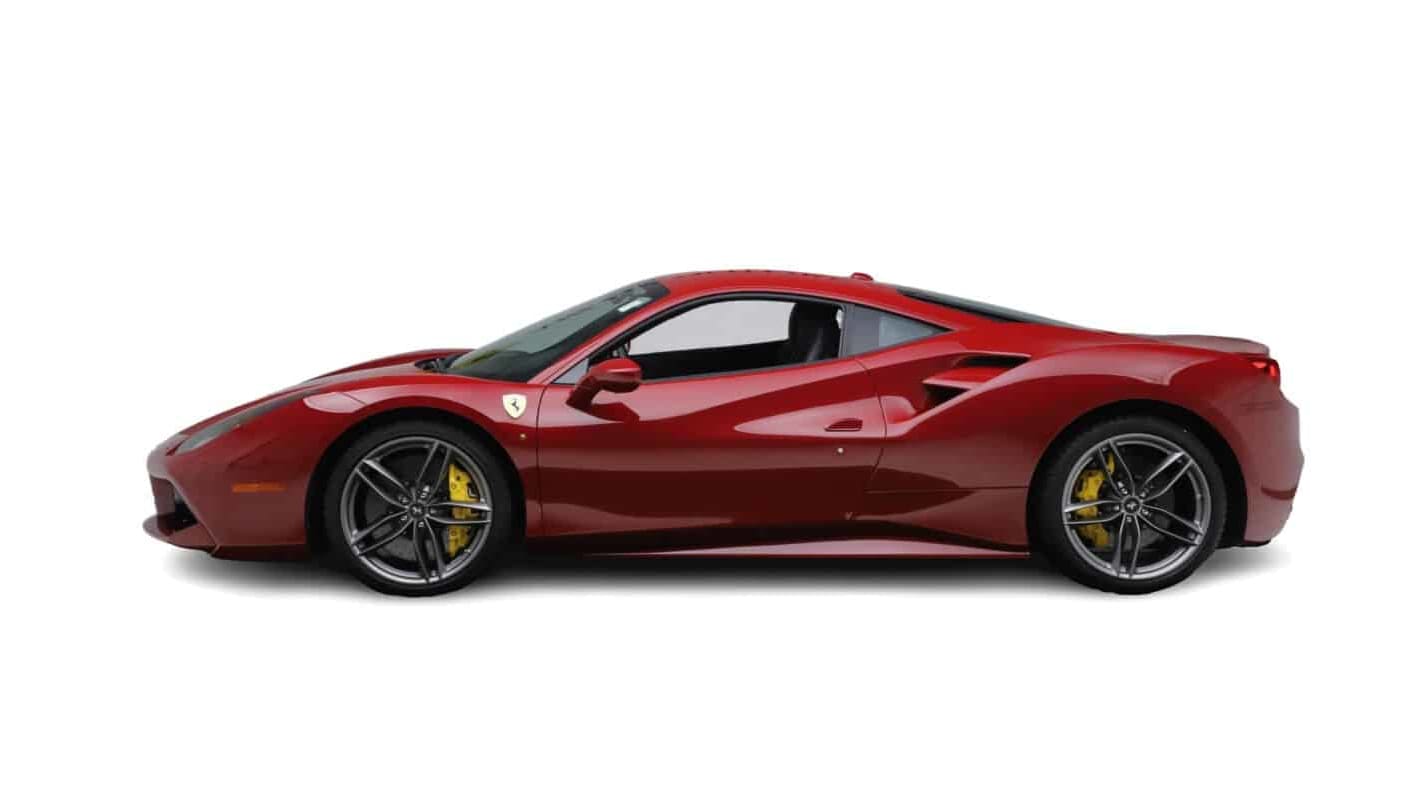
Luxury car rental in Grenoble puts the Alps on your doorstep. Zeus Prestige sends the car to a hotel, a city address or Grenoble Alpes-Isère Airport, ready for the climbs ahead. Take a supercar up the famous hairpins, a convertible onto the limestone plateaus, or a prestige car out to the mountain monasteries.
The Allobroges village of Cularo stood on this site in 43 BC, and it became Gratianopolis in 381 before taking the name Grenoble. The city served as capital of the Dauphiné from the 11th century and passed to France in 1349. The University of Grenoble dates from 1339, the city hosted the 1968 Winter Olympics, and a cable car has carried visitors up to the Bastille fortress since 1934.
About 156,000 people live in Grenoble, and the city calls itself the Capital of the Alps. Mountains close in on every side, and within an hour the streets give way to cliffs, high pastures and some of the most famous hairpins in cycling.
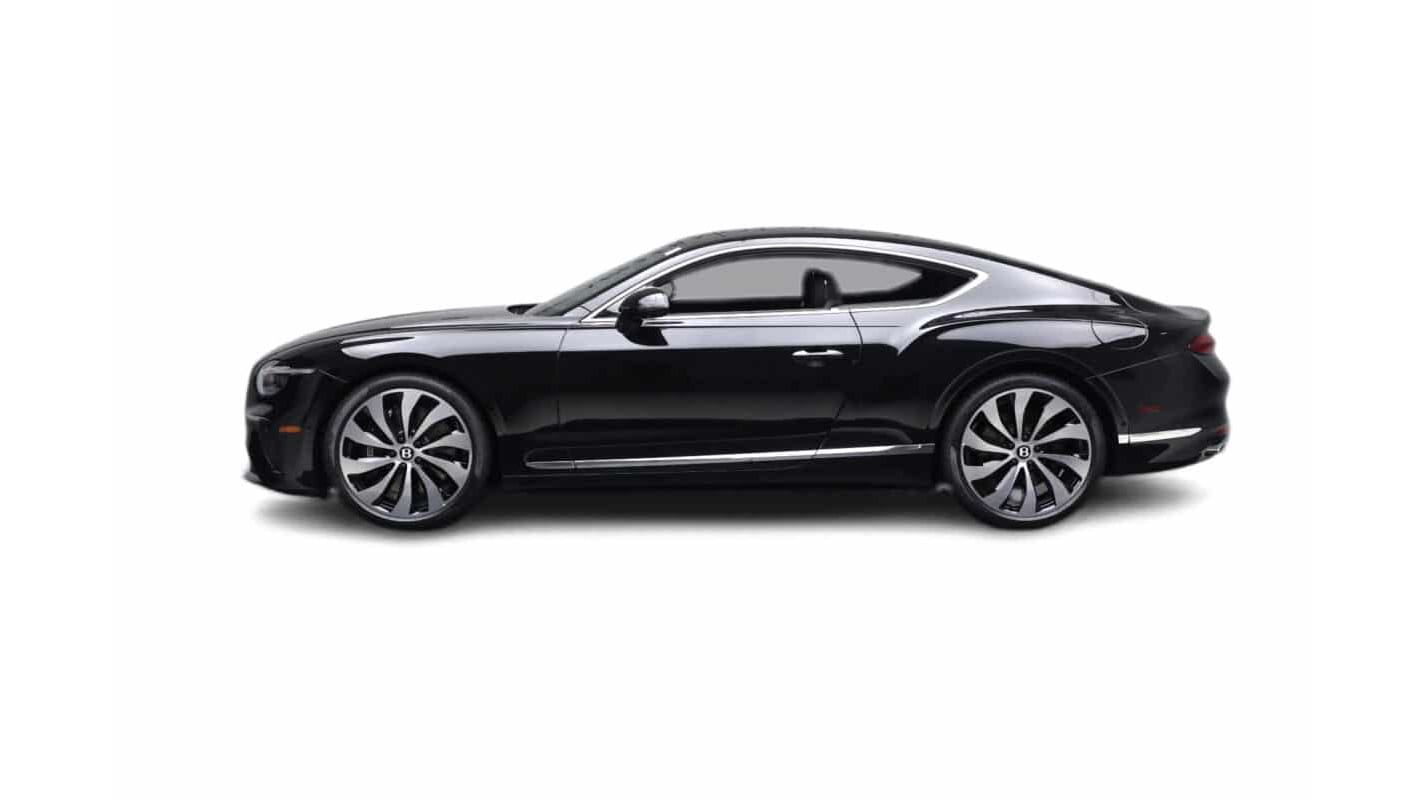
Supercars come into their own on this legendary climb, about 59 kilometres from Grenoble. The road leaves Le Bourg-d'Oisans and rises 13.8 kilometres at an average of 8.1 per cent, reaching 13 per cent at its steepest. Twenty-one numbered hairpins carry it to the resort at 1,860 metres, counting down from 21 at the bottom to 1 at the top. Fausto Coppi won the first Tour de France finish here in 1952, the race's first mountain-top finish. Each bend arrives faster than the last, your grip tightens and your pulse builds as the countdown reaches single digits.
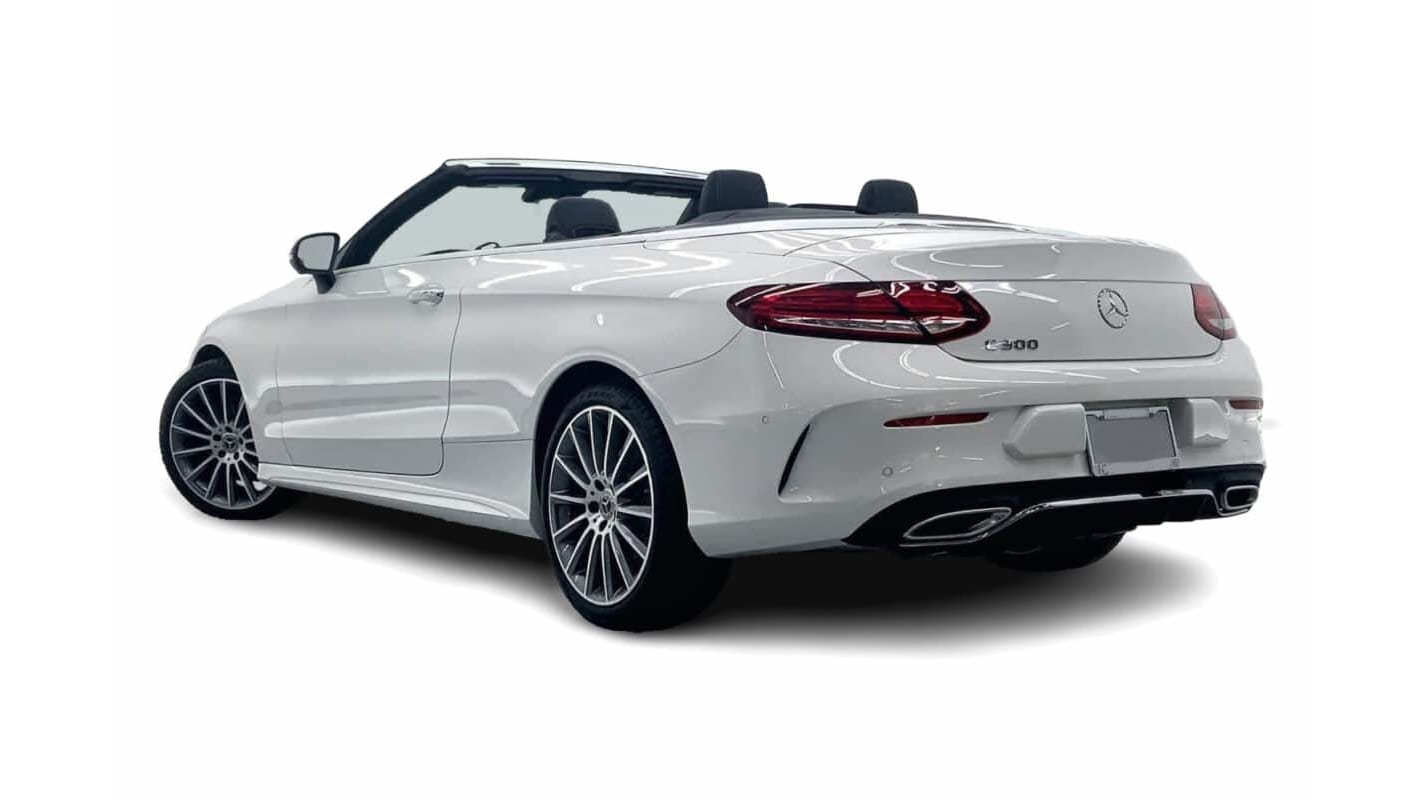
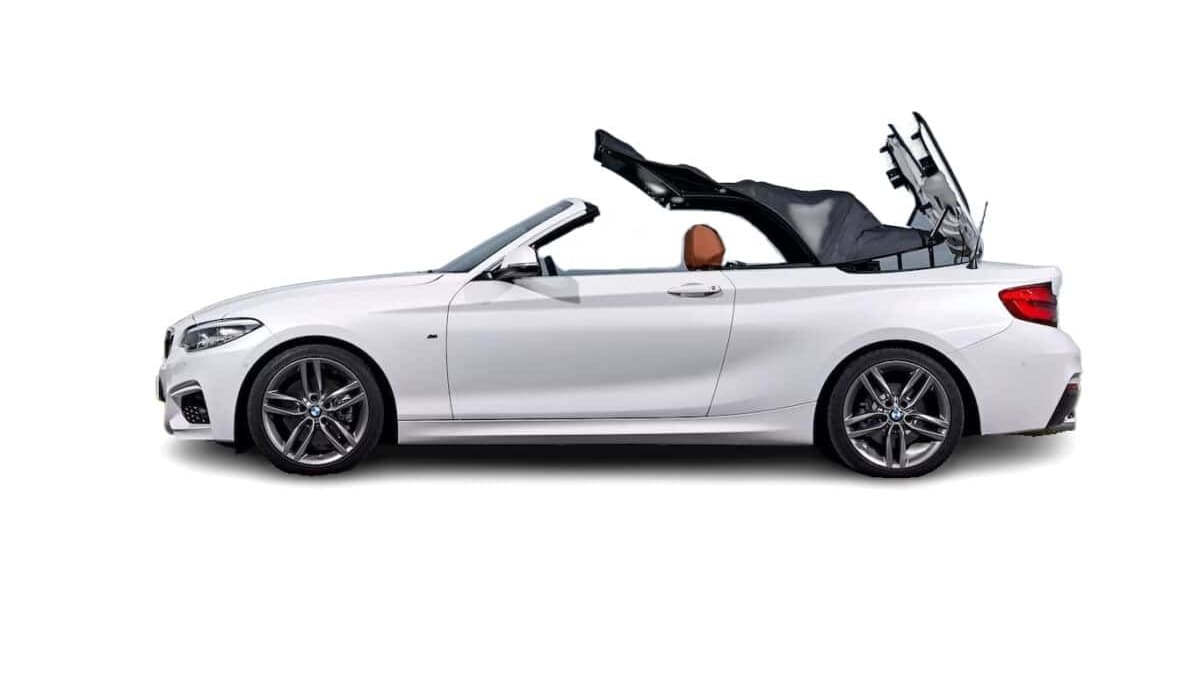
Open the roof for the plateau that rises above Grenoble. The Vercors massif covers about 135,000 hectares, running about 60 kilometres north to south, and its eastern cliffs face the city. Its highest point, the Grand Veymont, reaches 2,341 metres. In June and July 1944 the Maquis du Vercors proclaimed the Free Republic of Vercors here, and the cirque of Combe Laval drops in cliffs often over 400 metres. Villard-de-Lans anchors the high plateau. Pine resin and cool air fill the cabin, and the limestone walls flicker past at the edge of the road.
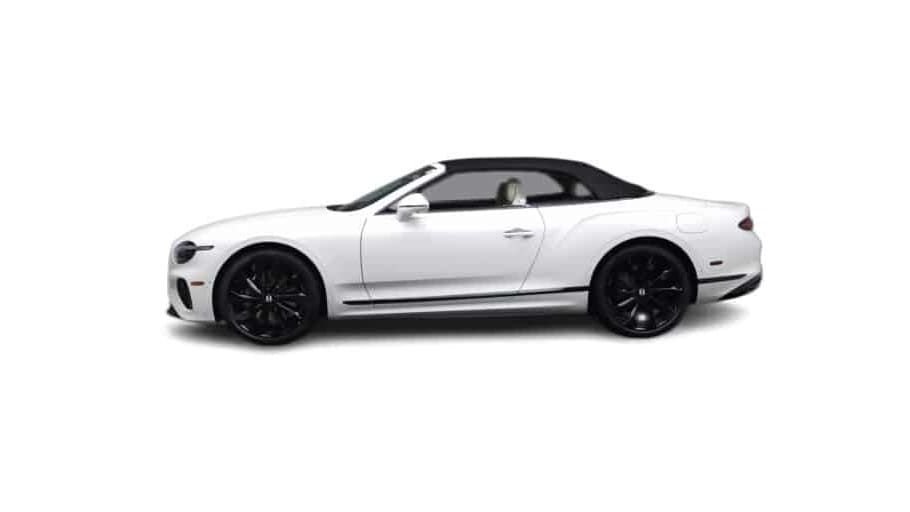
Go slowly on this unhurried day and let a smooth-riding tourer set the pace. The Chartreuse range runs from Grenoble north towards Lac du Bourget, and the Carthusian Order takes its name from these mountains, where its first hermitage was founded in 1084. The monks have produced their liqueur since the 1740s, and the Parc Naturel Régional de la Chartreuse was created in May 1995. Chamechaude, the highest summit, stands at 2,082 metres, and the village of Saint-Pierre-de-Chartreuse gave the range its name. On the climb the leather seat is soft, the cabin hushed, and the forest closes in on both sides.
Yes. A hotel, a city address or a residence in the valleys around Grenoble can all receive the car. Tell us the place and the dates, and we organise the delivery.
Yes. Grenoble Alpes-Isère Airport (GNB, ICAO LFLS) has a business aviation terminal, and it is among our delivery points.
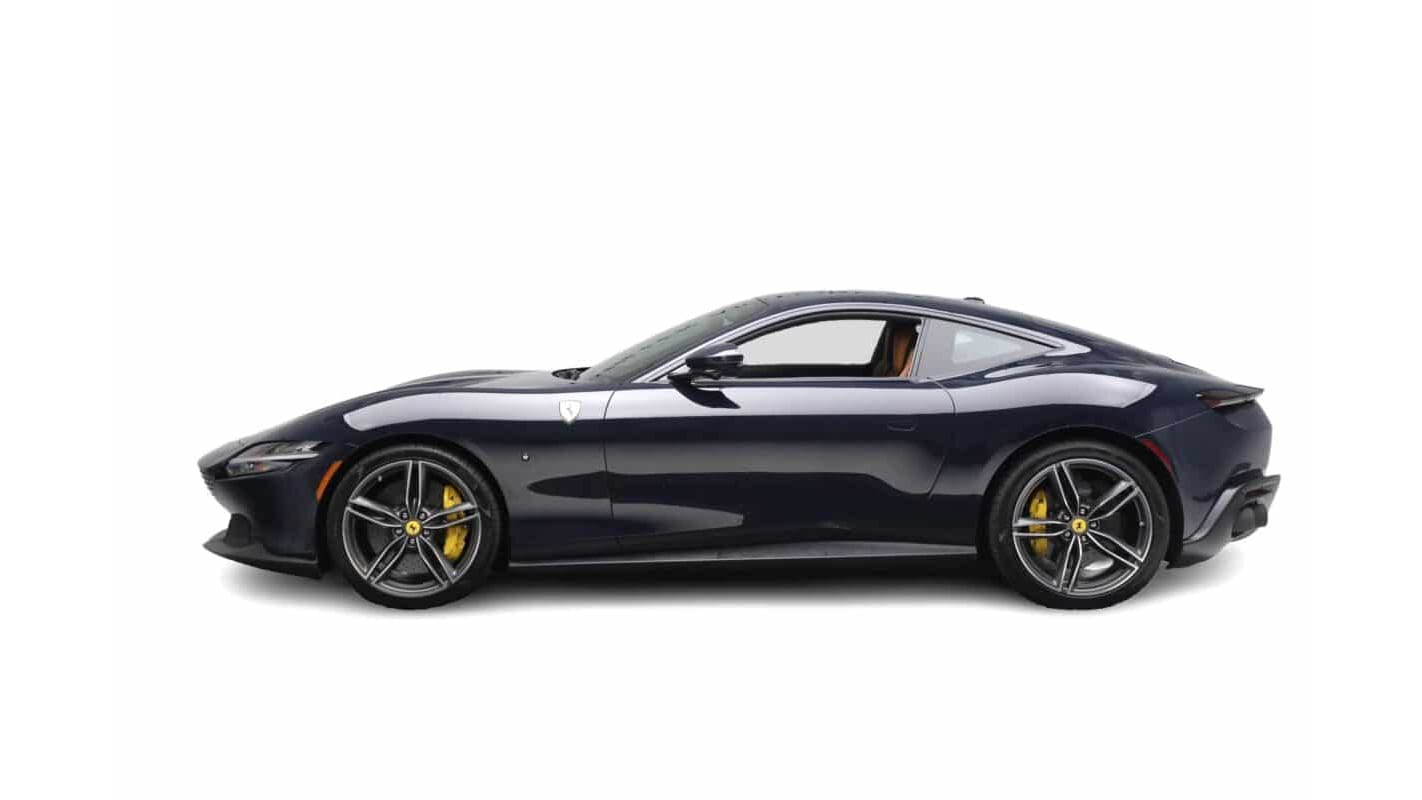
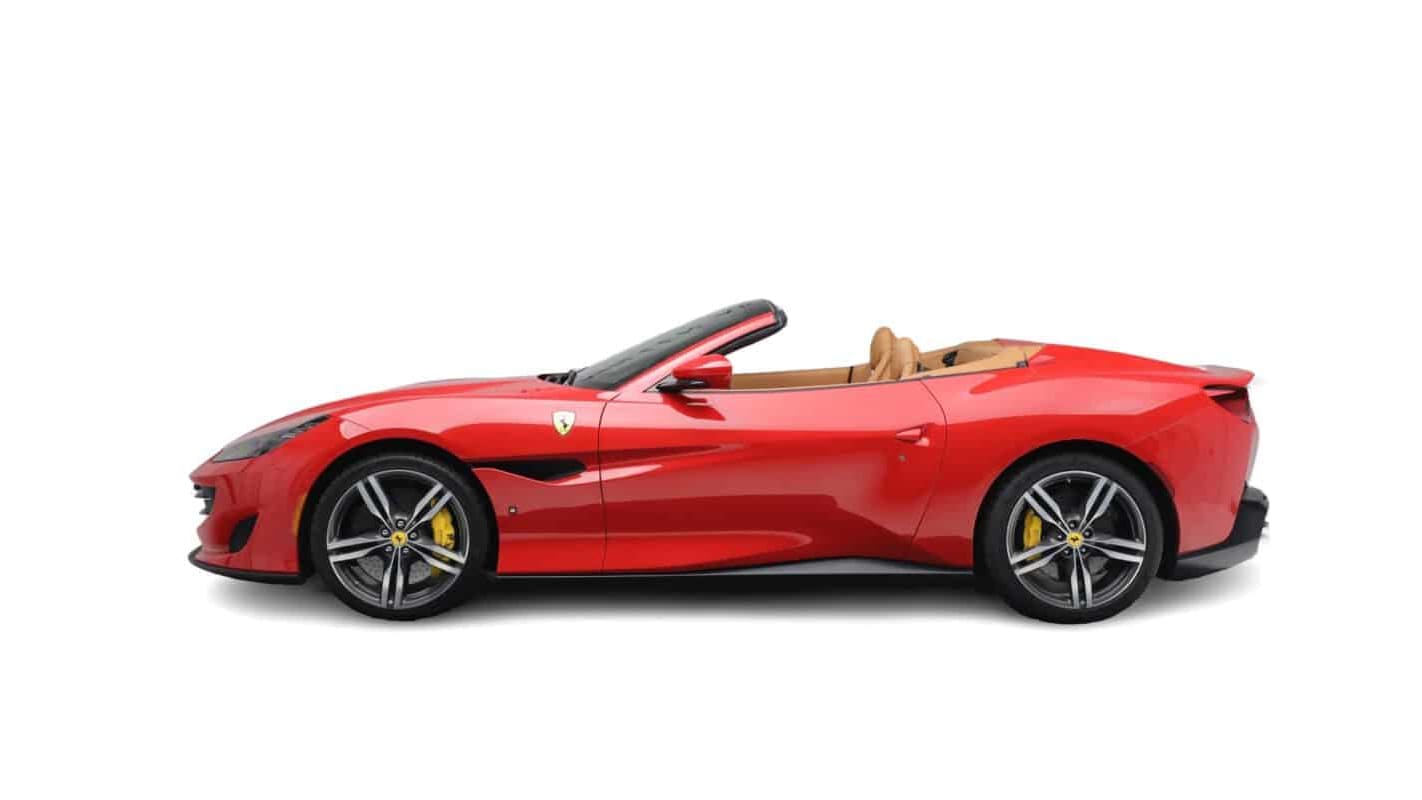
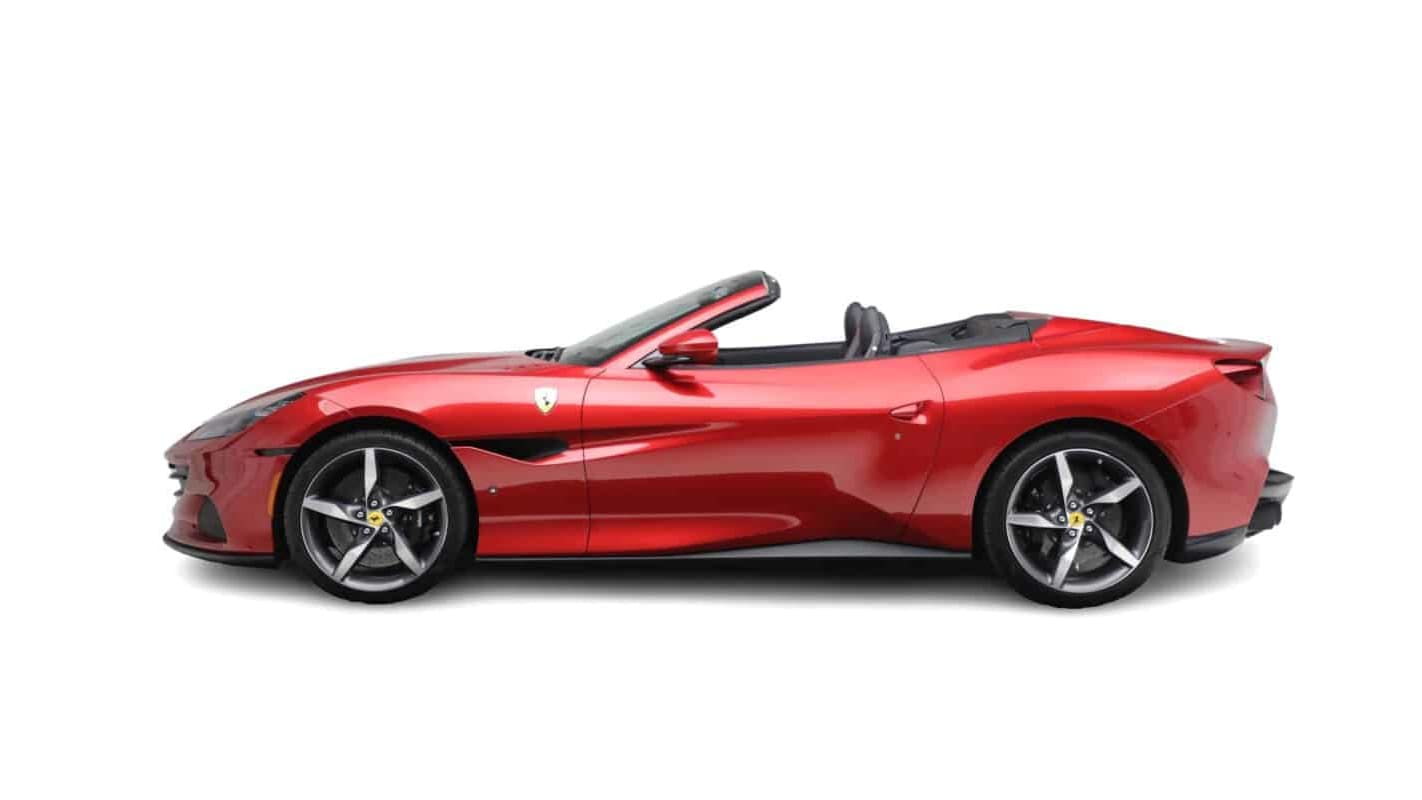
Alpe d'Huez calls for a supercar, the Vercors for a convertible, and the Chartreuse for a refined tourer.
The resort lies about 59 kilometres from Grenoble. The famous climb starts at Le Bourg-d'Oisans and runs 13.8 kilometres to the summit.
Yes. Annecy, Megève and Courchevel are among our other Alpine locations, and Lyon lies to the north-west.
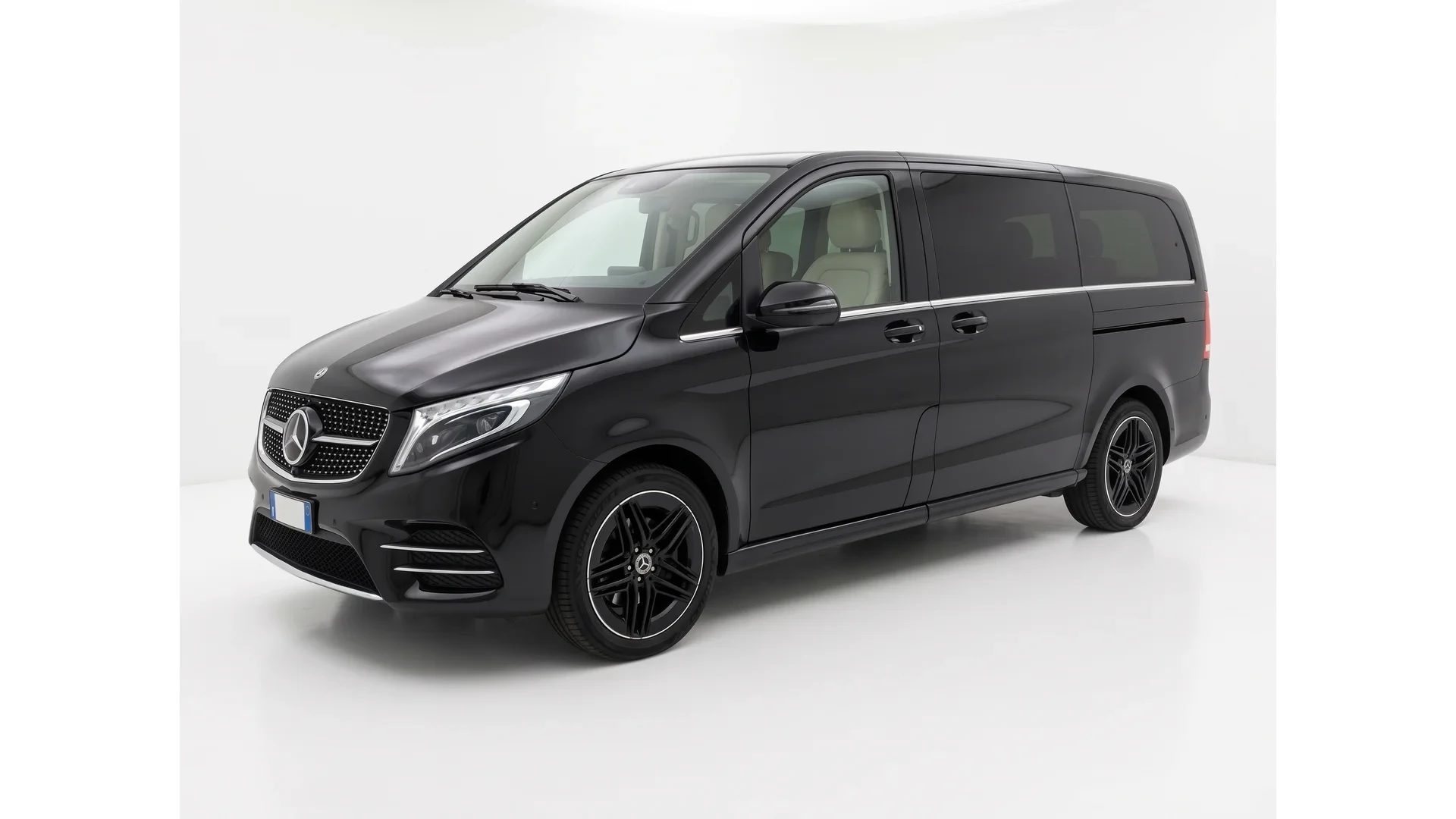
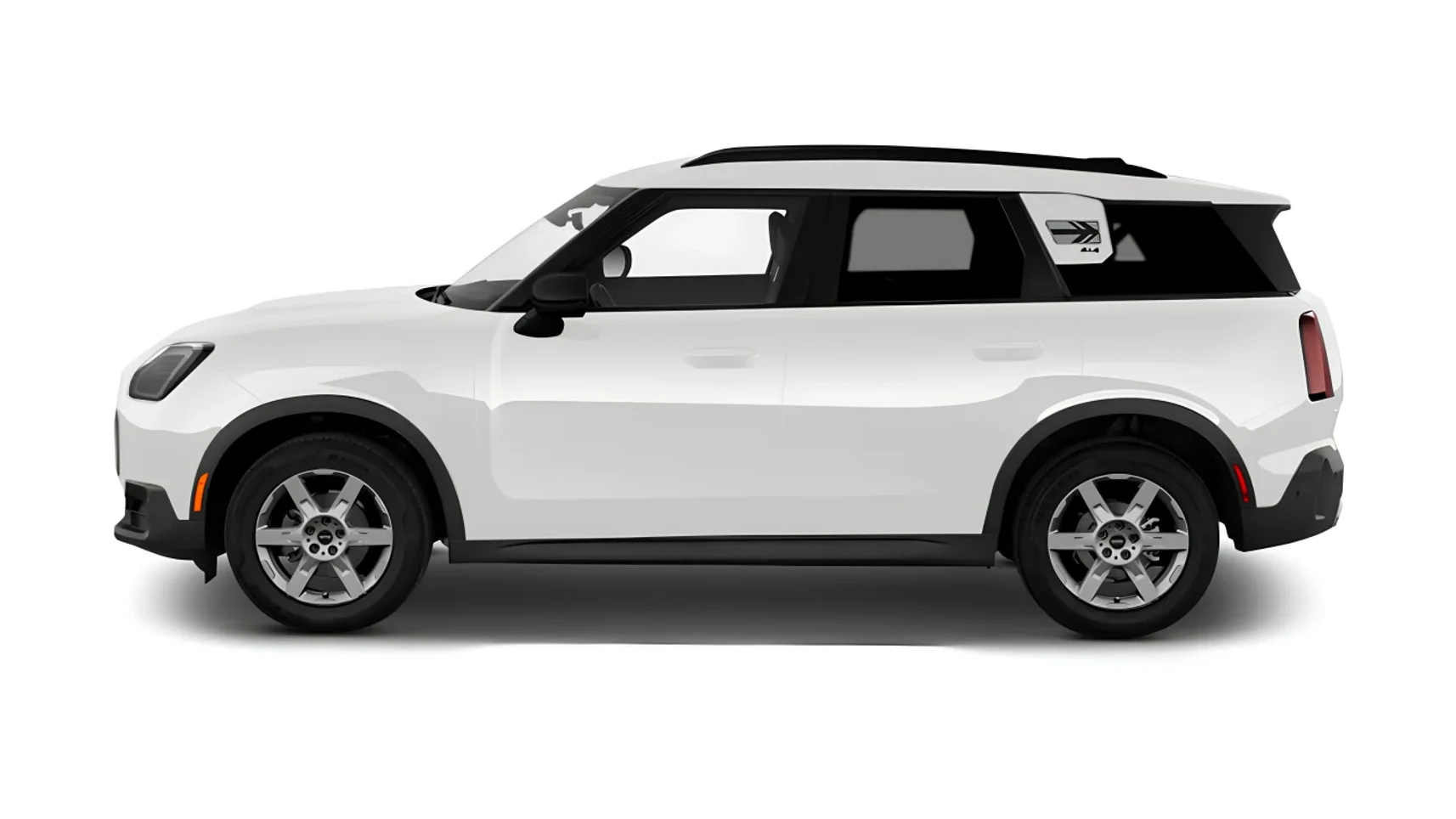
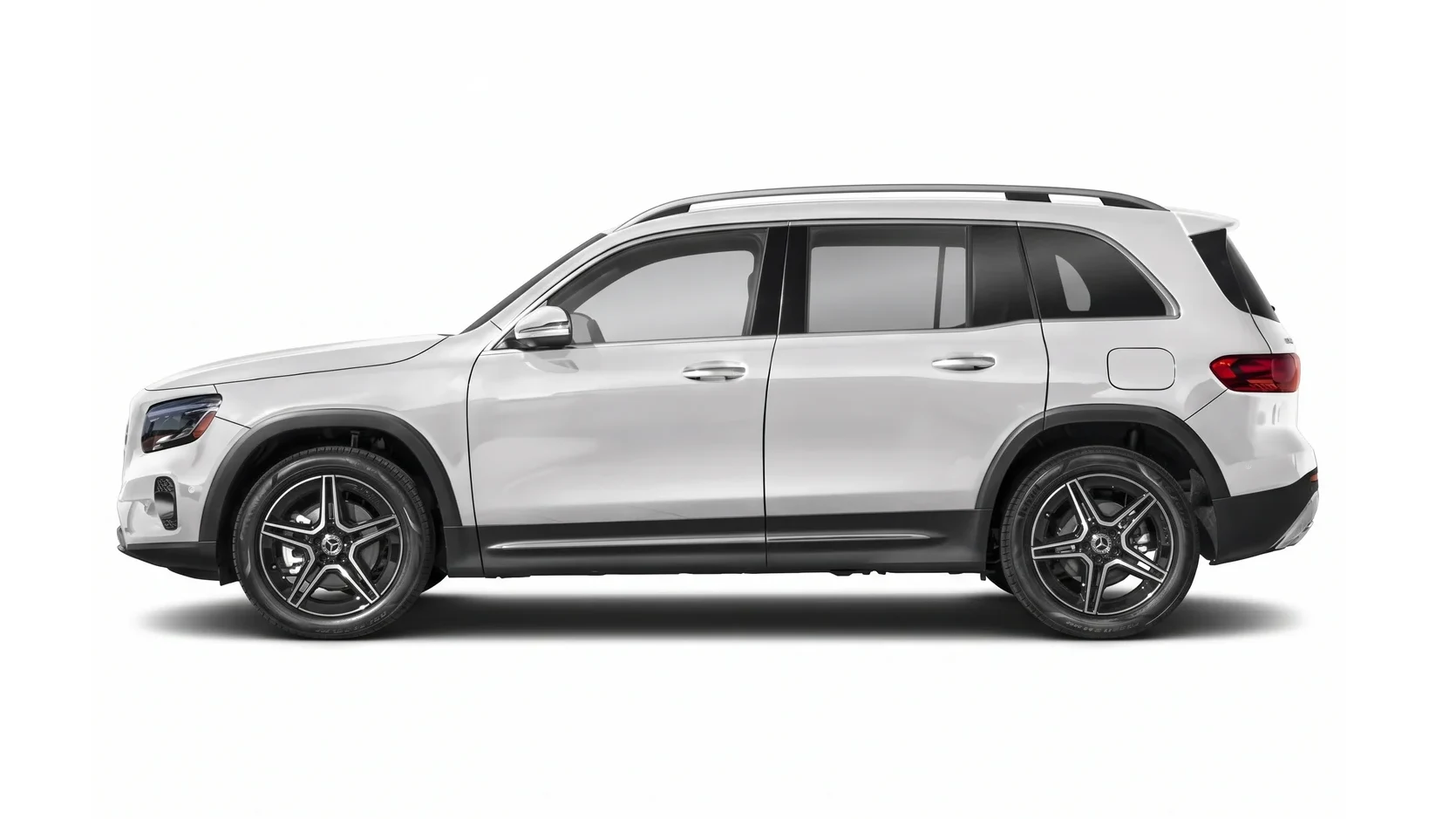
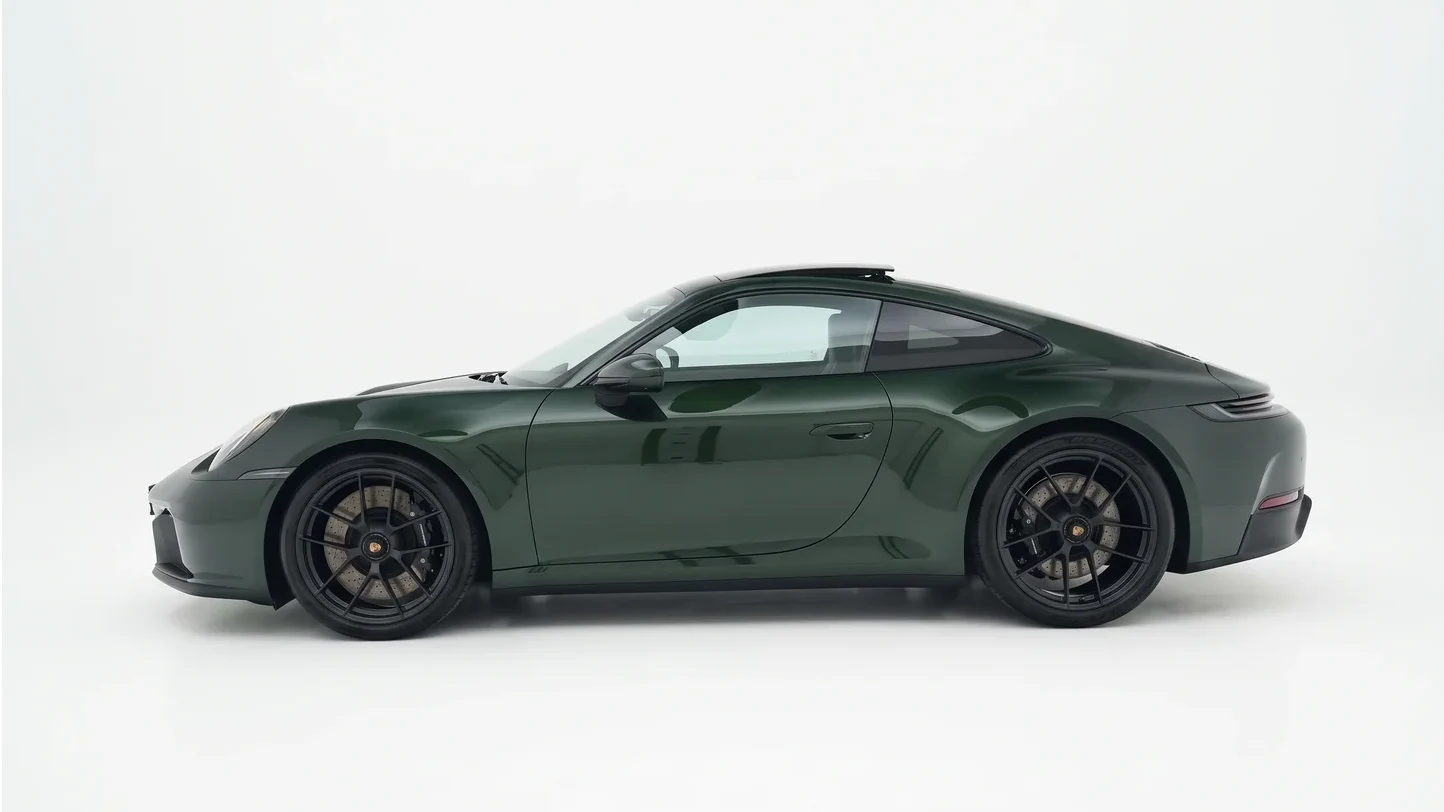
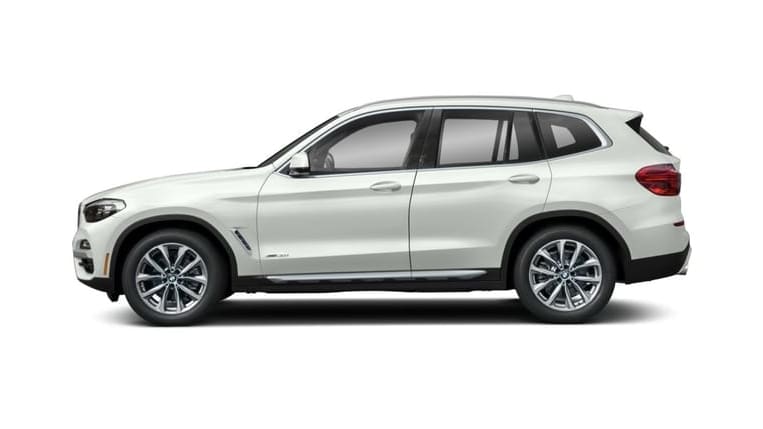
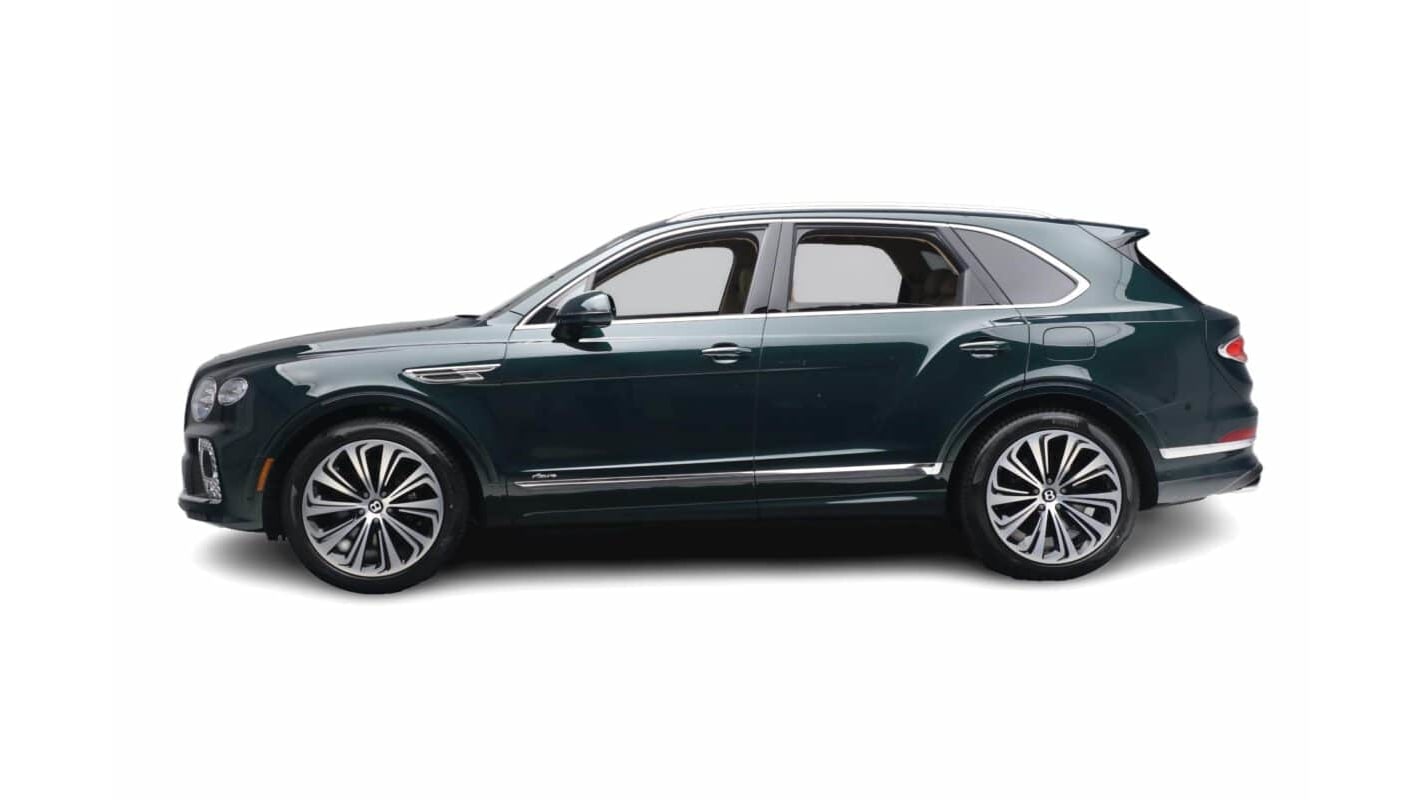
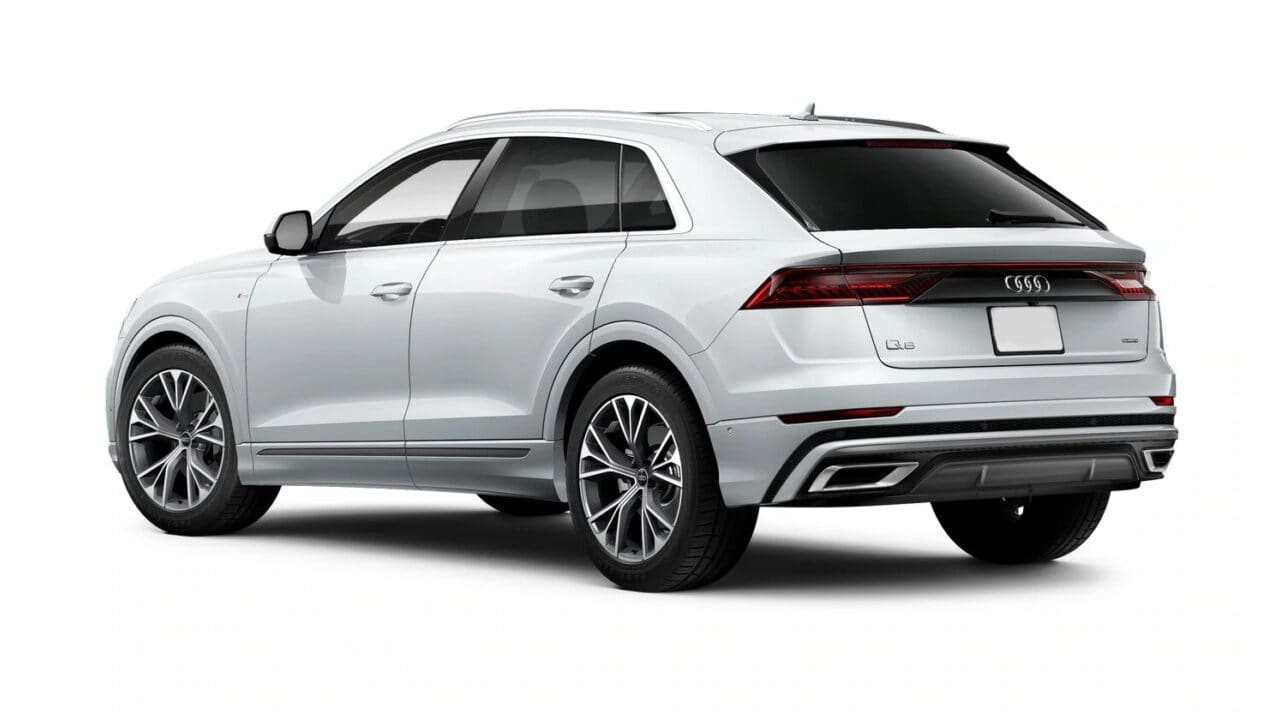
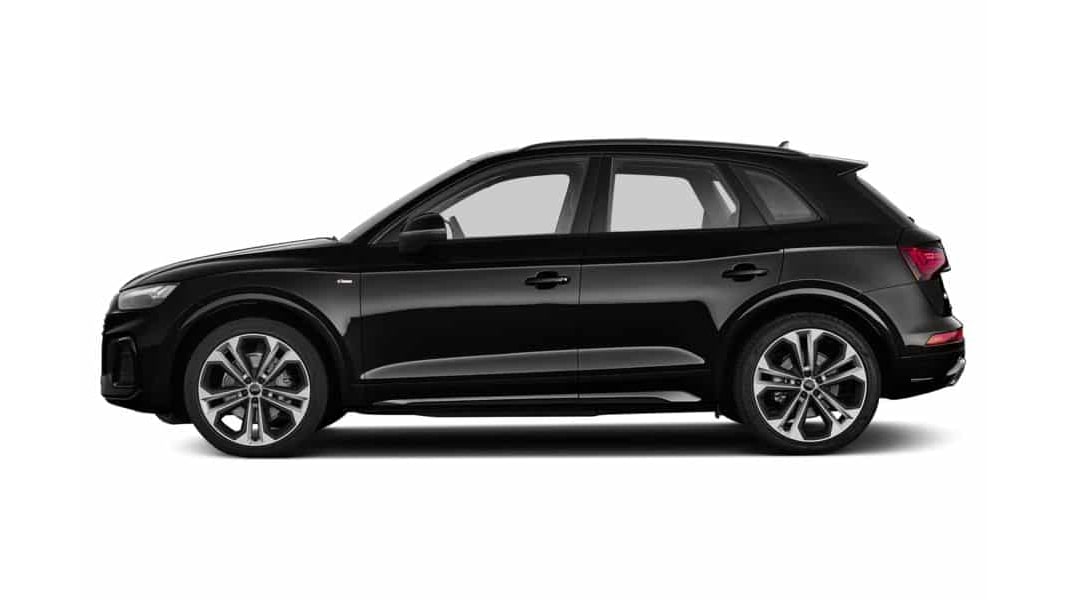
Choose from our supercars, sports cars, cabriolets, prestige cars and SUVs, tell us where you are staying in Grenoble, and the keys will be ready for your luxury car hire.