United Kingdom
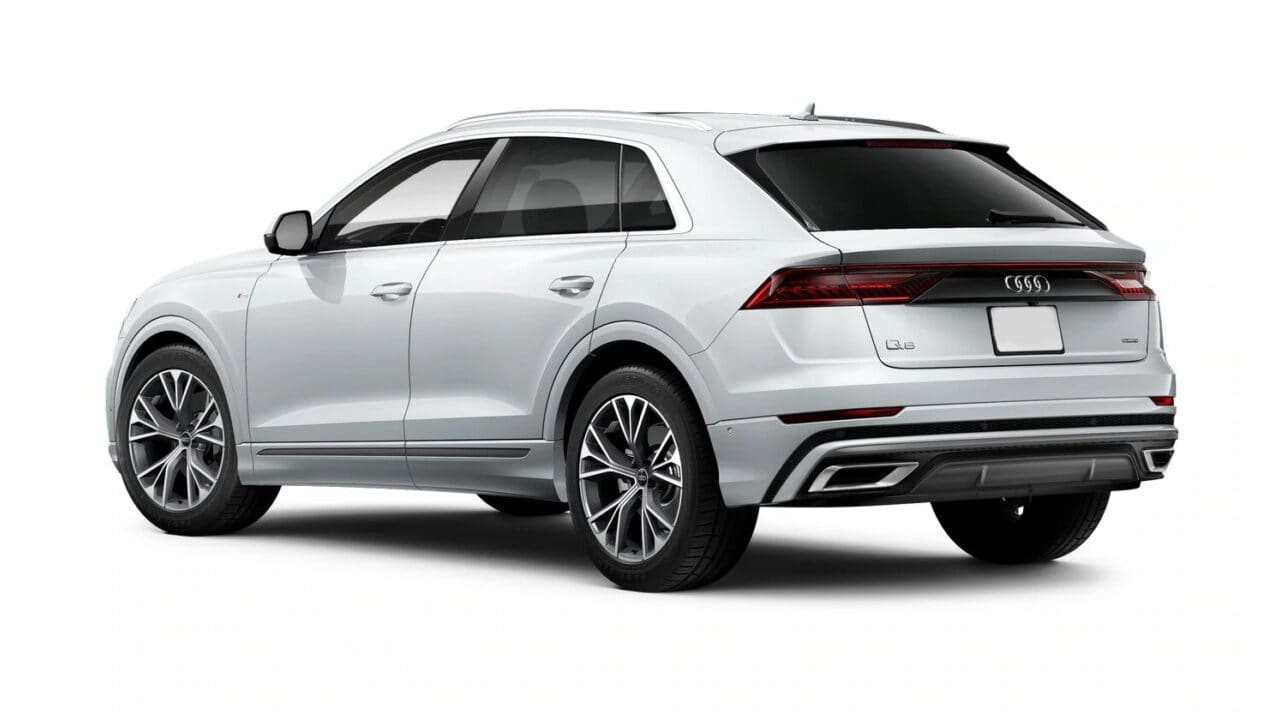
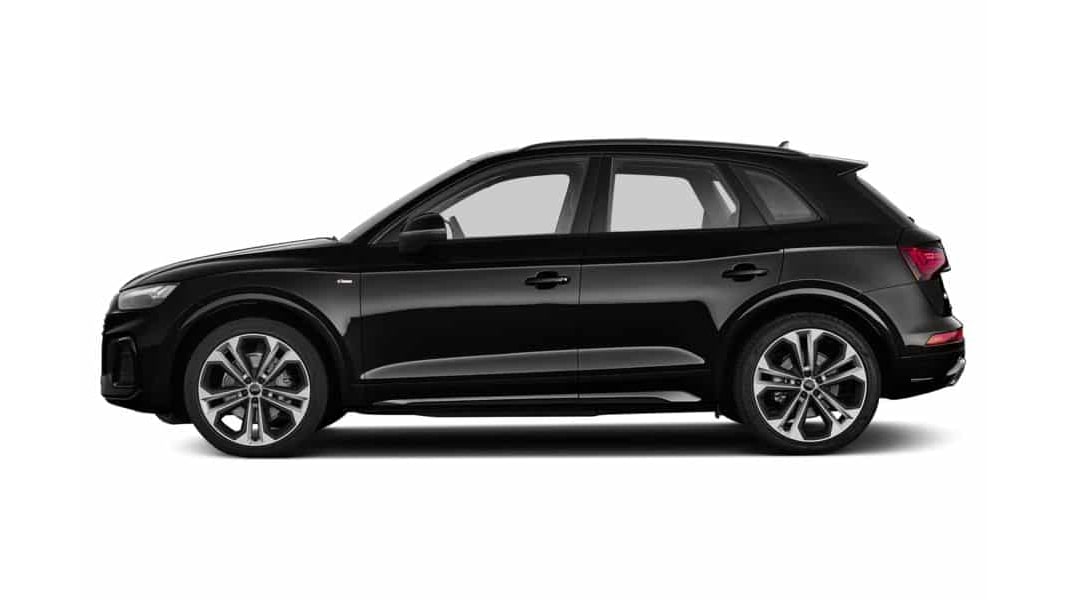
Luxury Car Rental in Coventry
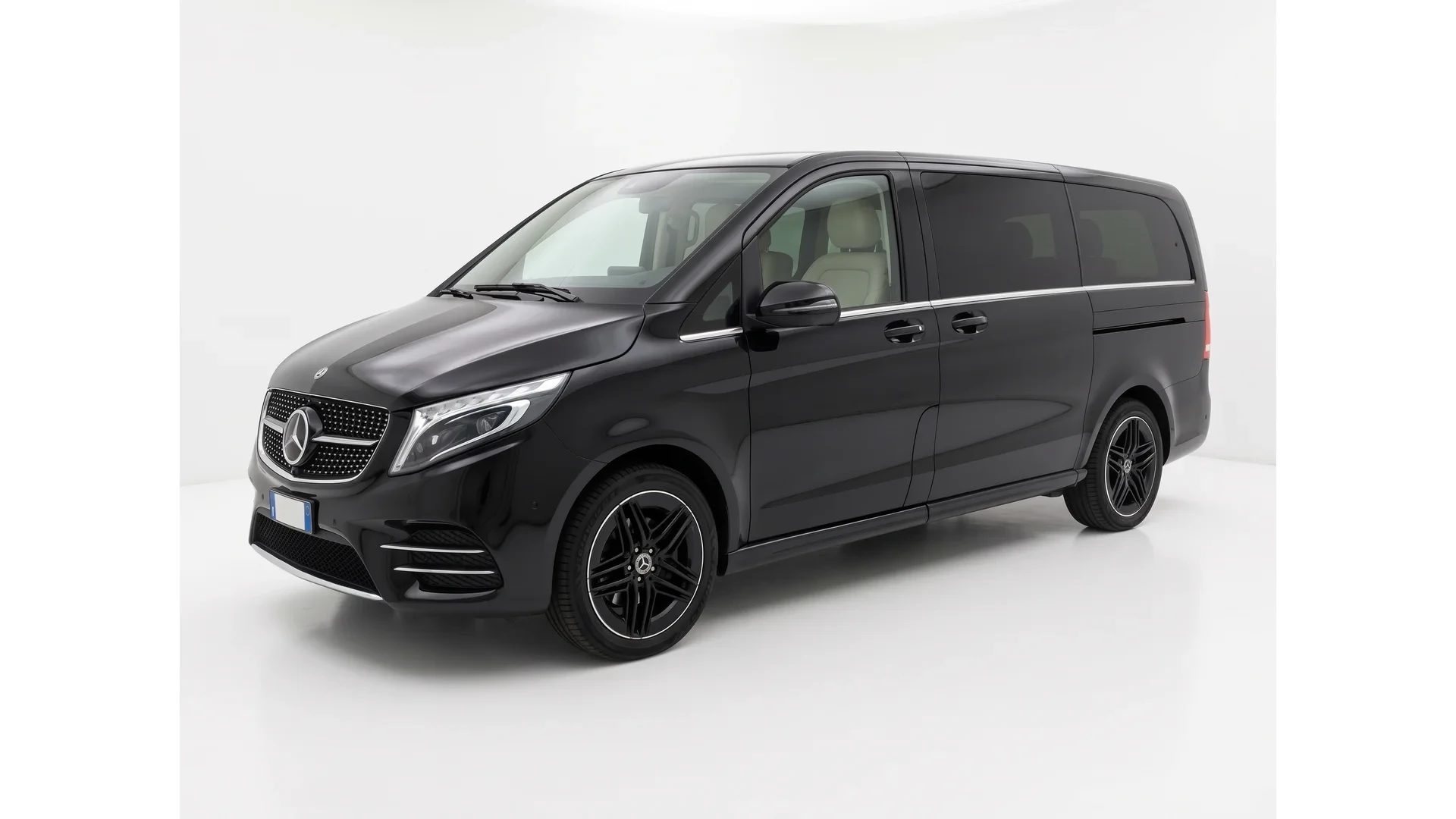
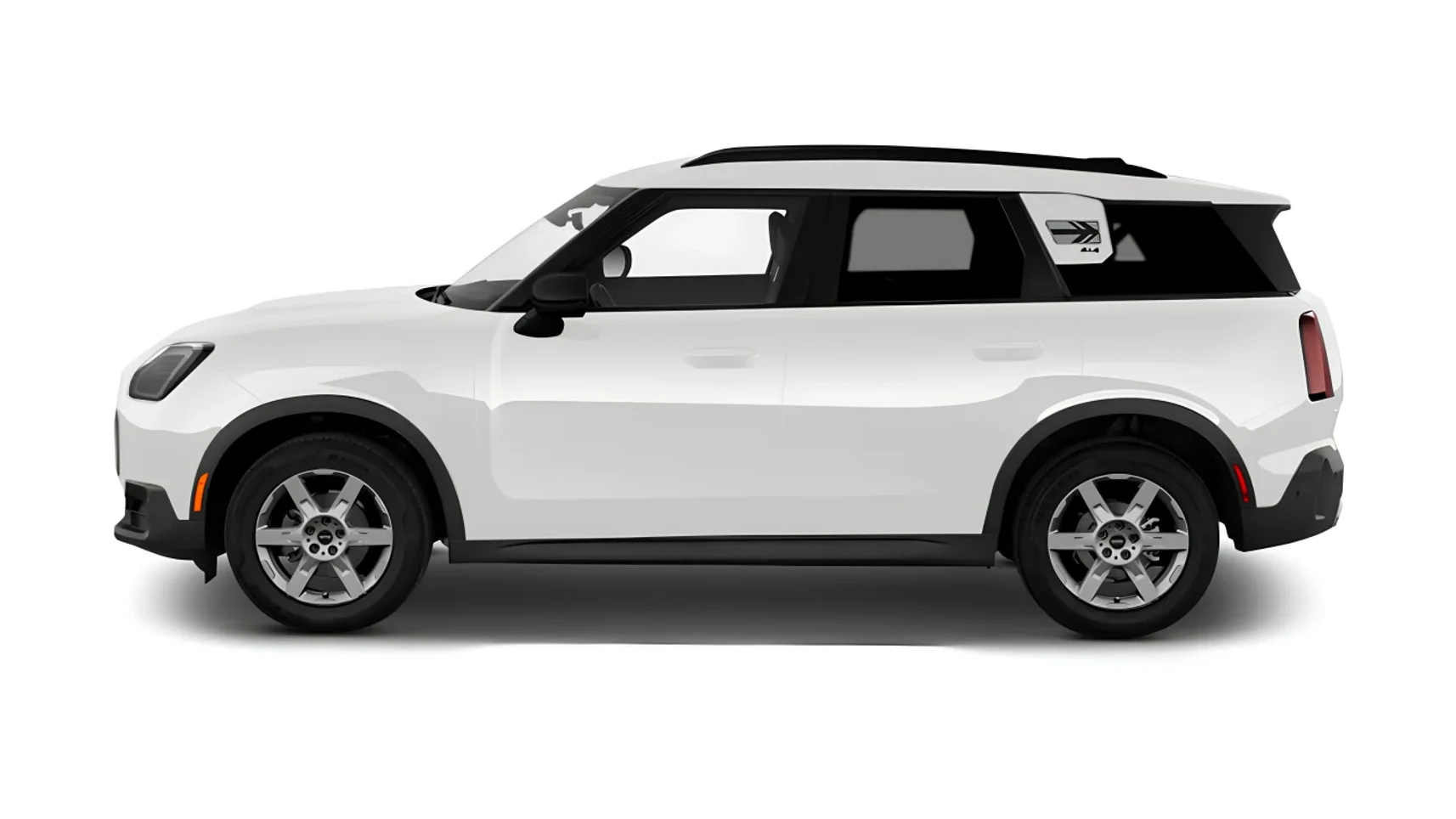
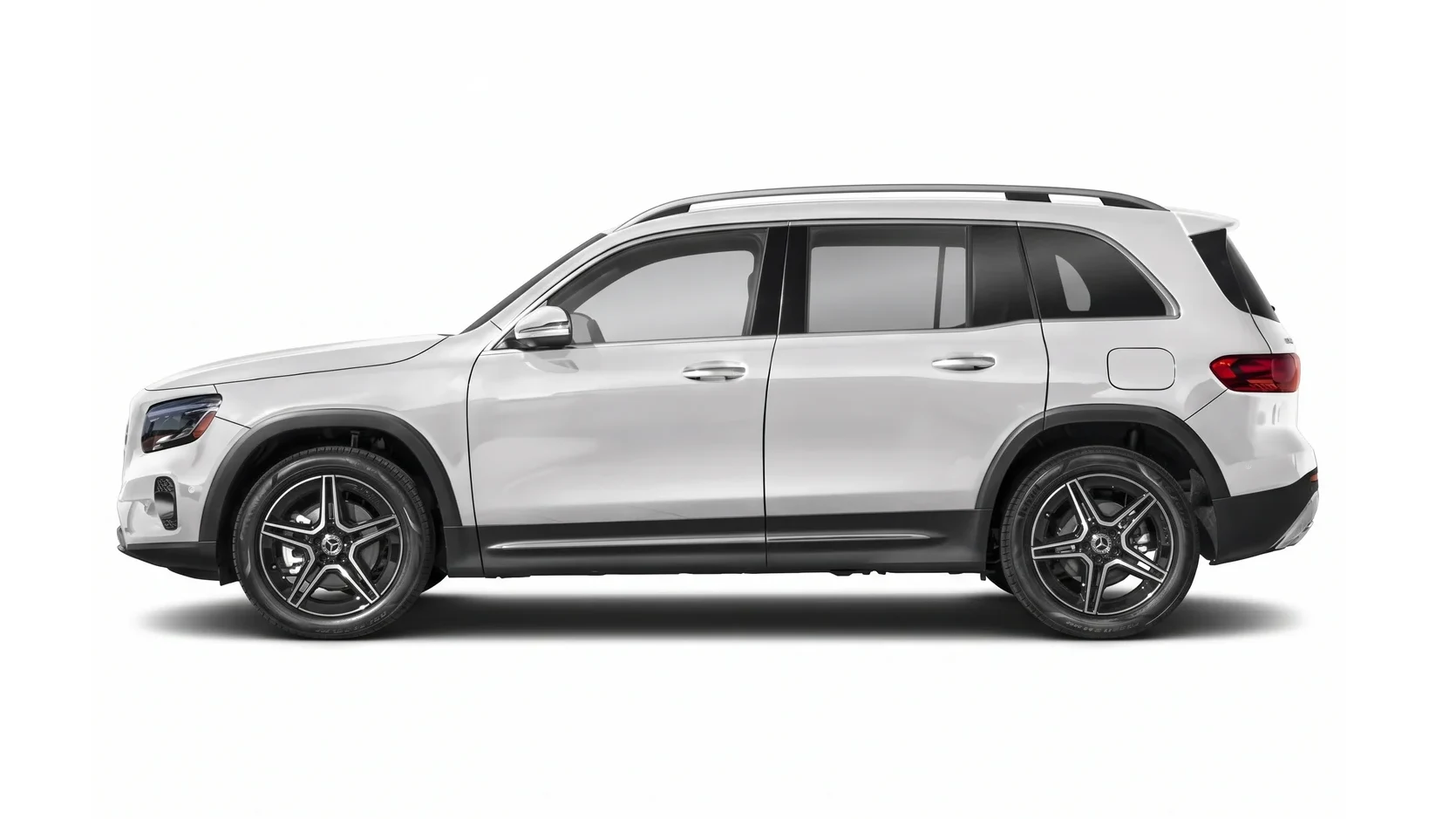
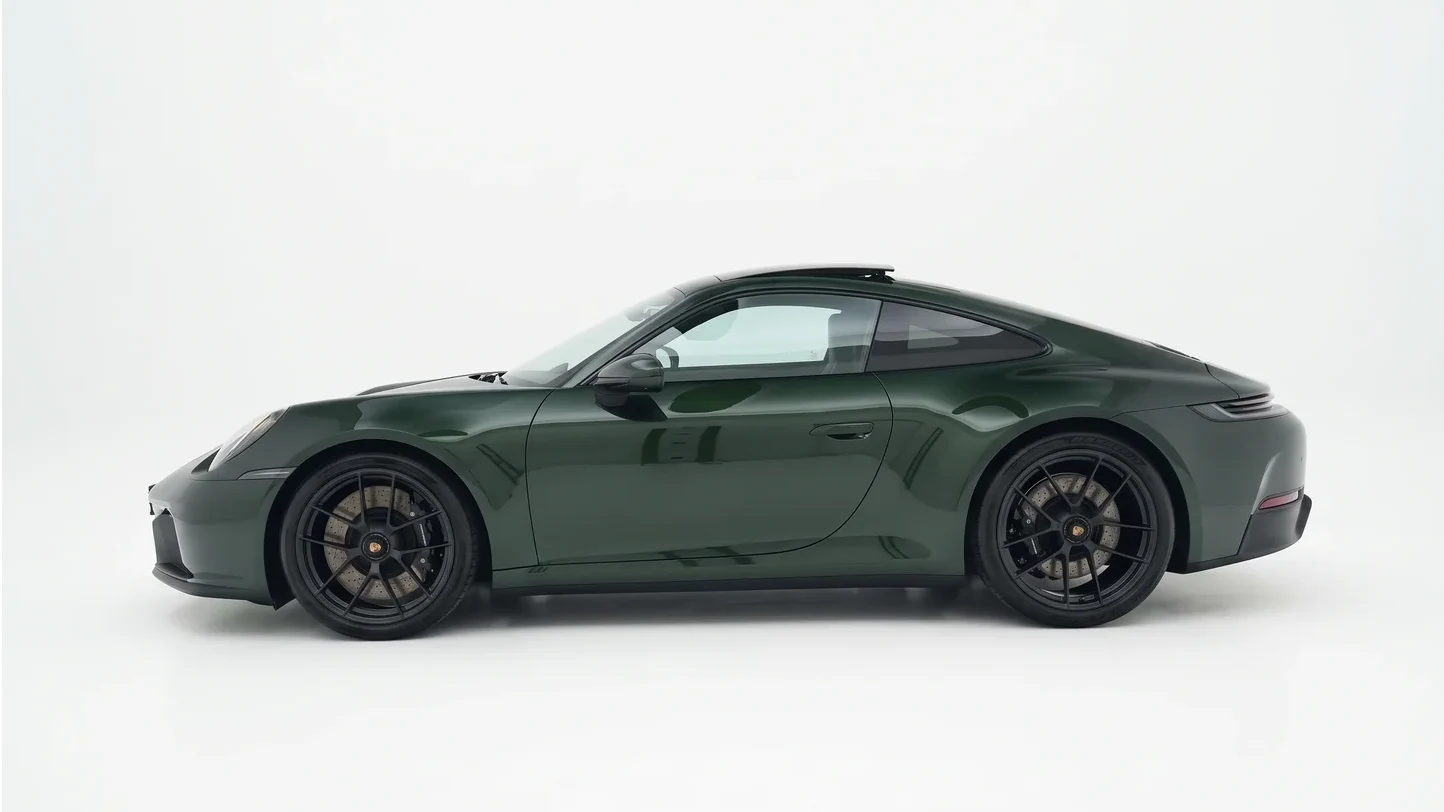
143 vehicles available · Delivered to your location · Model guaranteed
See our fleet in Coventry →
Descend from the elevated ridge of the West Midlands plateau and Coventry reveals itself in layers — first as a sprawl of rooftops punctuated by the three distinctive spires that survived the Blitz, then as something far more complex than its postwar reputation suggests. The approach along Kenilworth Road sharpens this contrast deliberately: a corridor of mature English woodland that gives way to a city quietly rewriting its own story. Coventry's identity was forged in the factories that built Jaguar, Triumph and the Rover — machinery that became legend — and that obsession with mechanical precision still courses through the place. Park the car and the conversation changes. The Cathedral ruin, left deliberately unrestored beside its modern successor, is one of Britain's most considered architectural statements about resilience and memory. For the evening, Coombe Abbey Hotel — a former Cistercian monastery transformed into a country house of considerable drama — offers a setting where twelfth-century stonework and candlelit dining coexist without apology. Coventry does not perform luxury for visitors. It simply exists, layered and unapologetic, waiting for those who arrive with a discerning eye rather than a checklist.