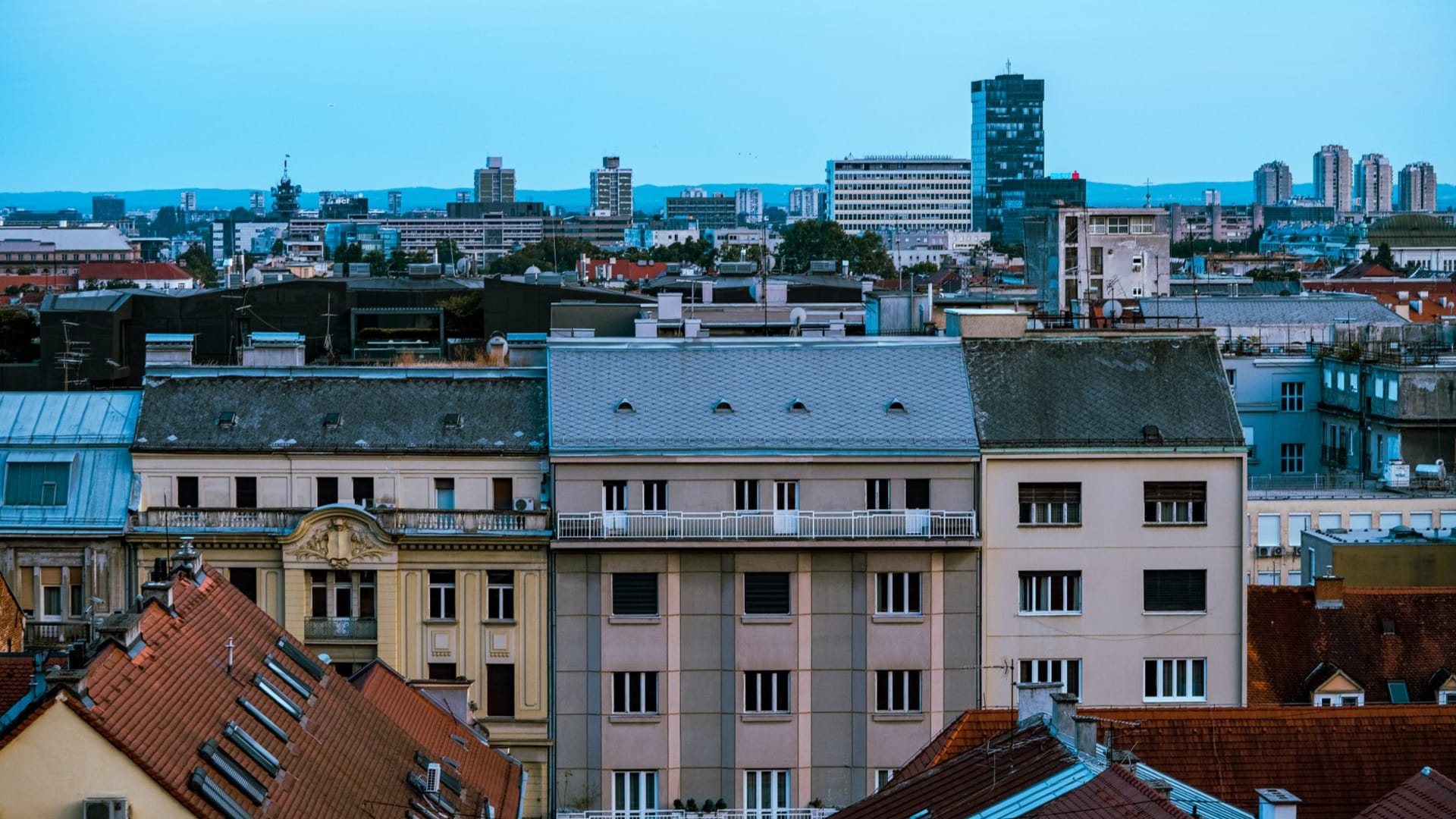
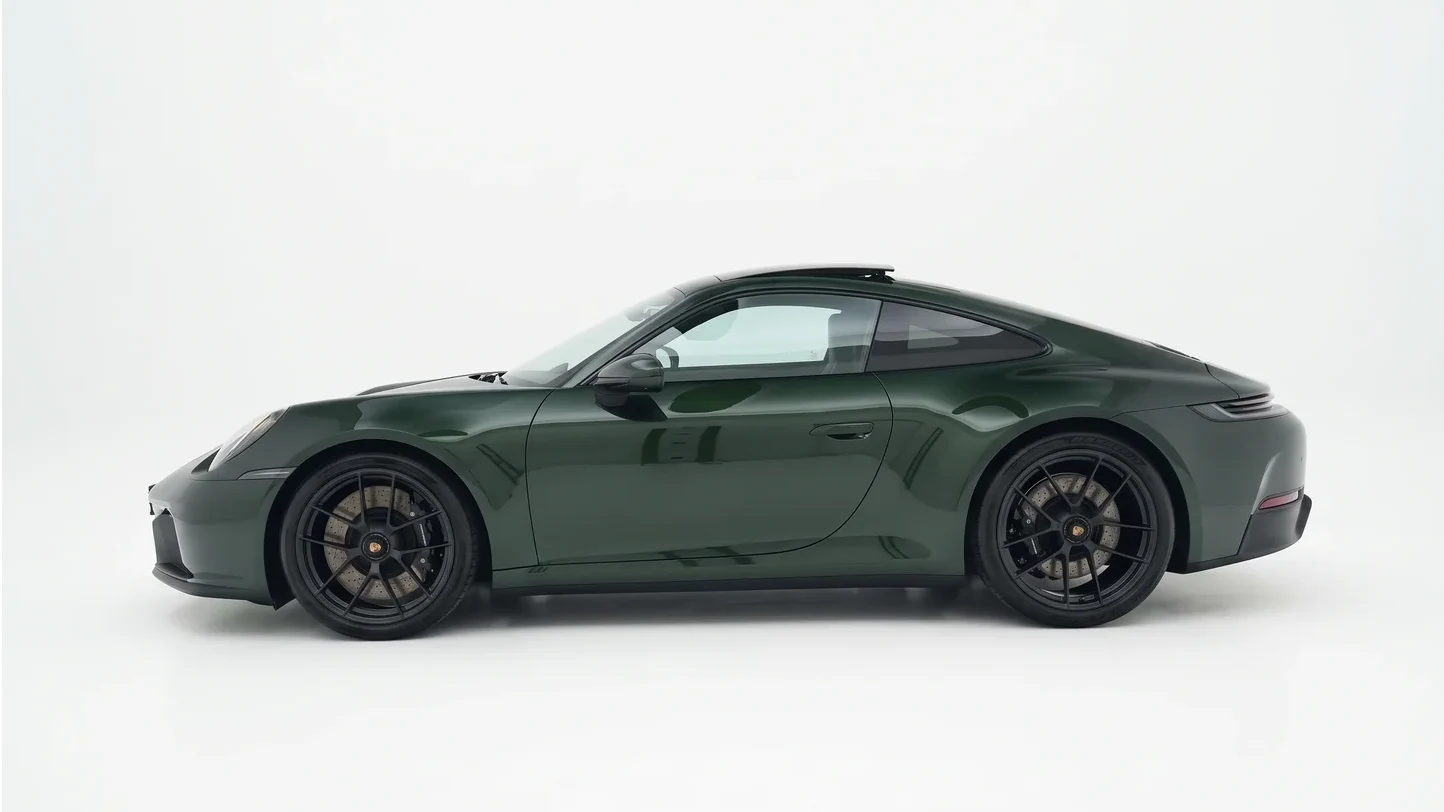
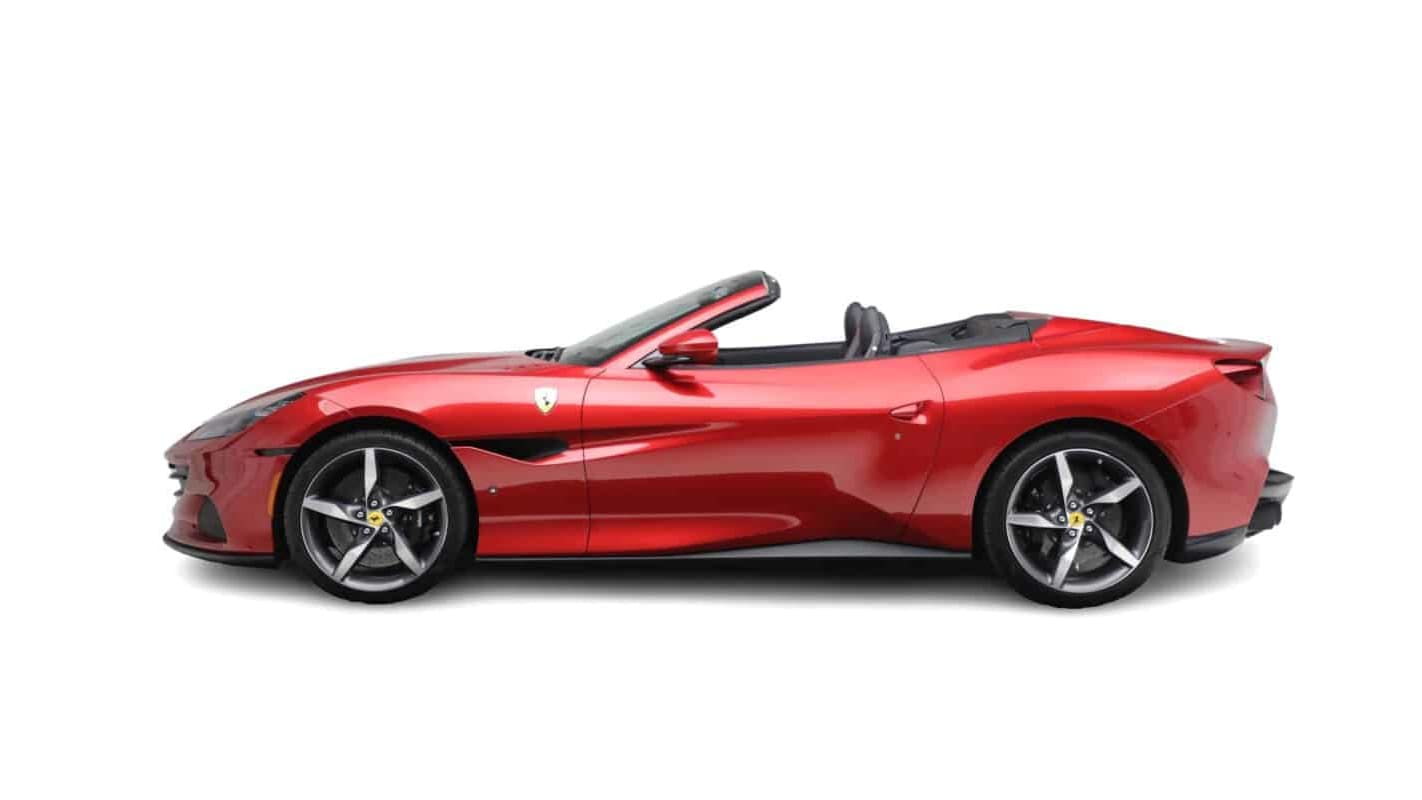
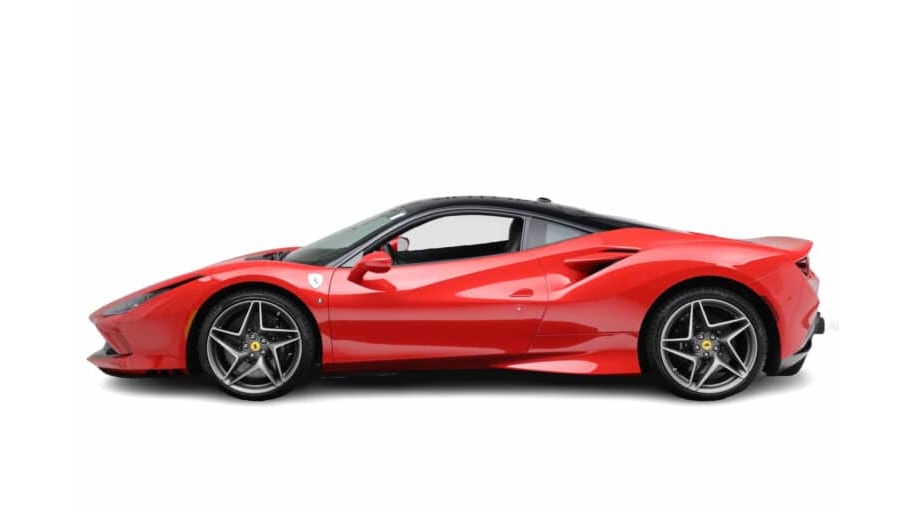
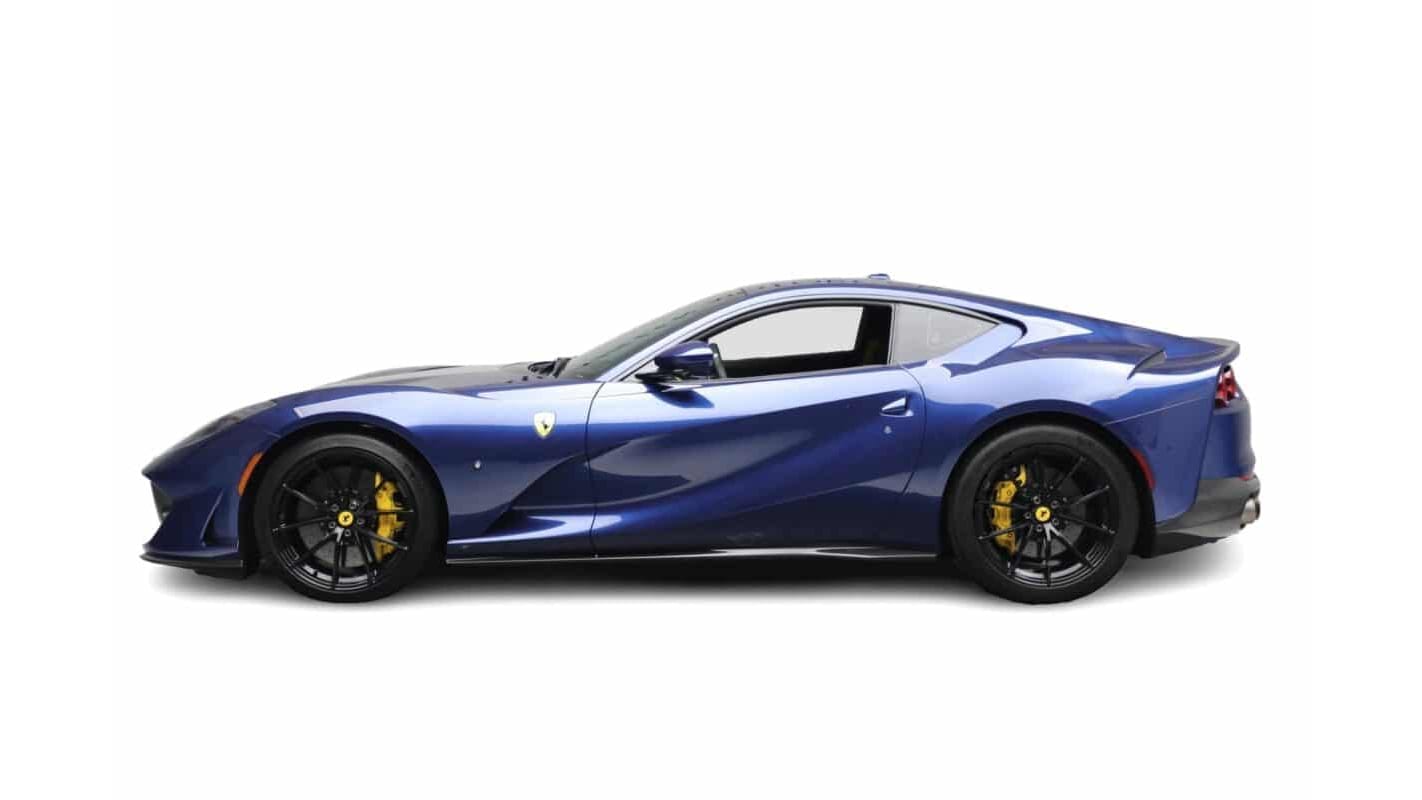
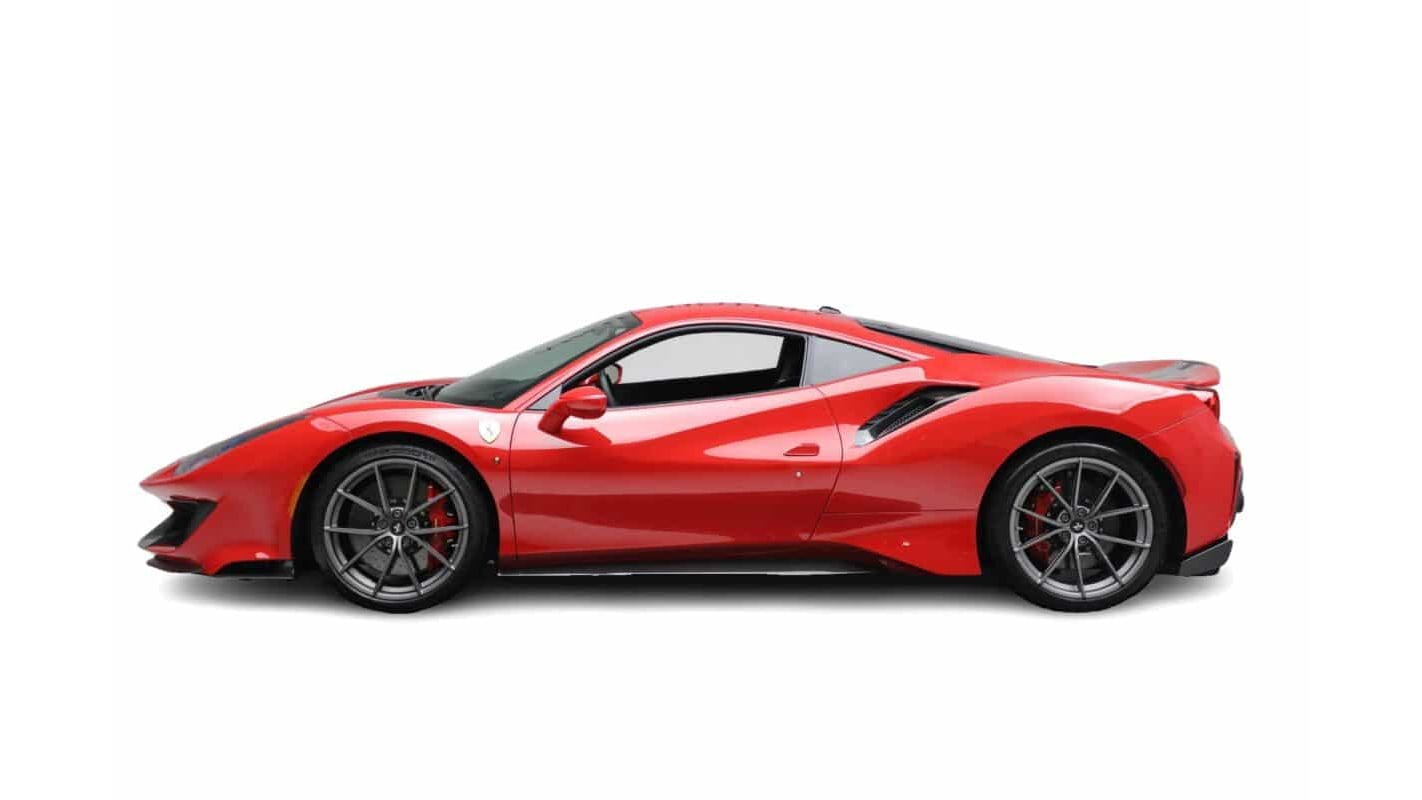
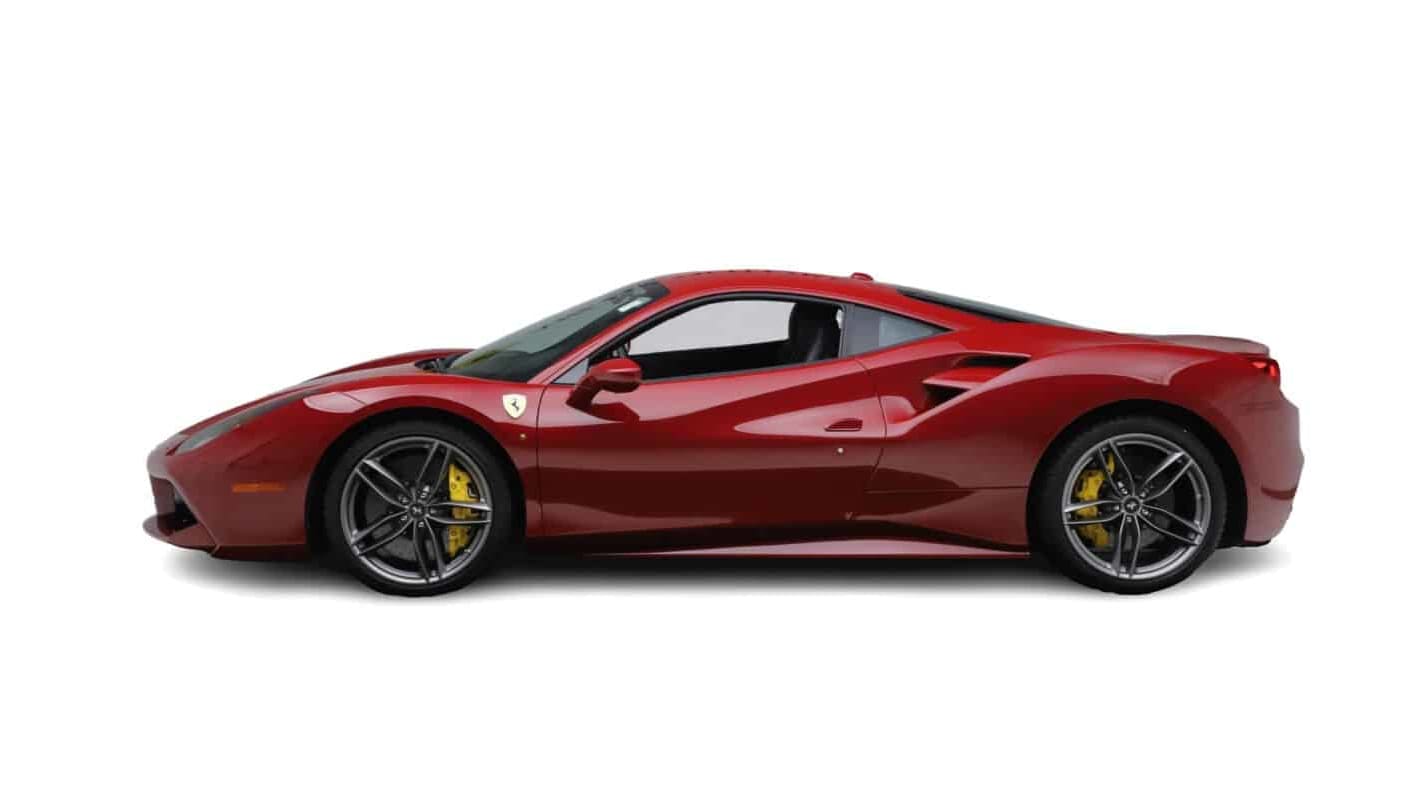
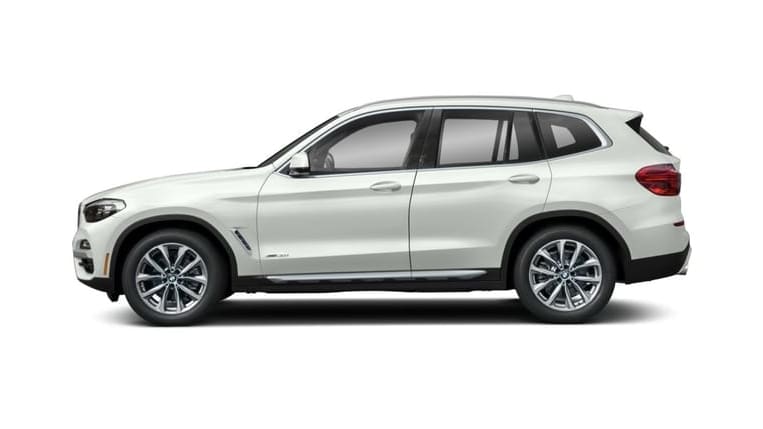
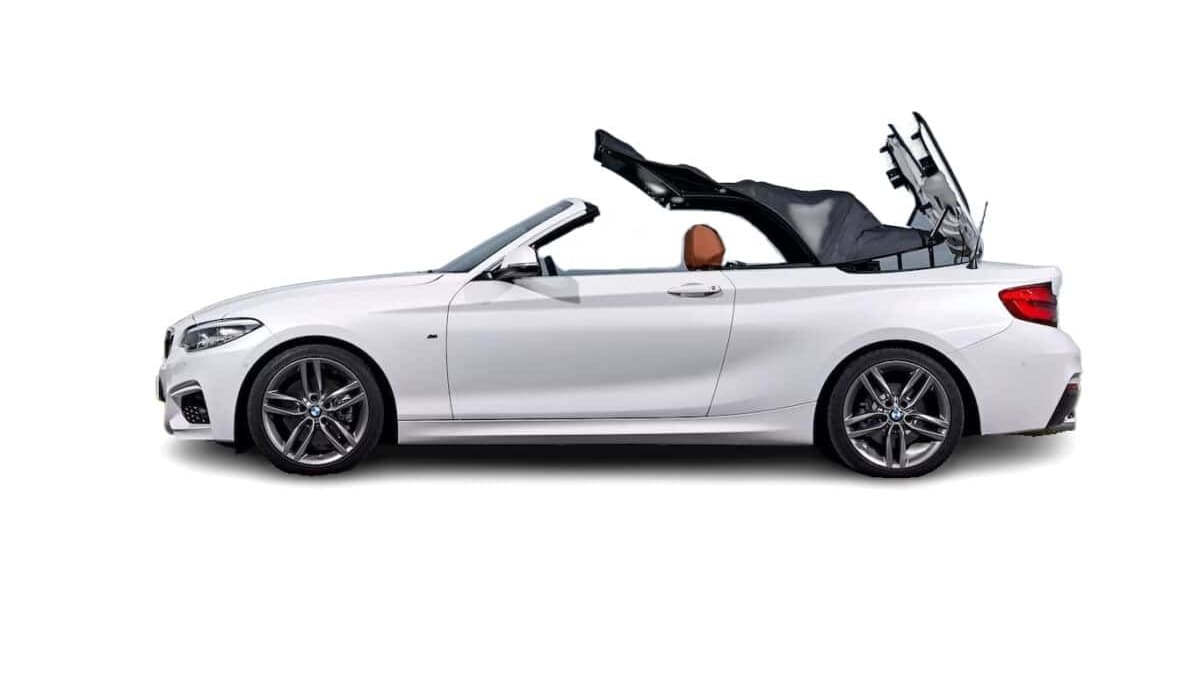
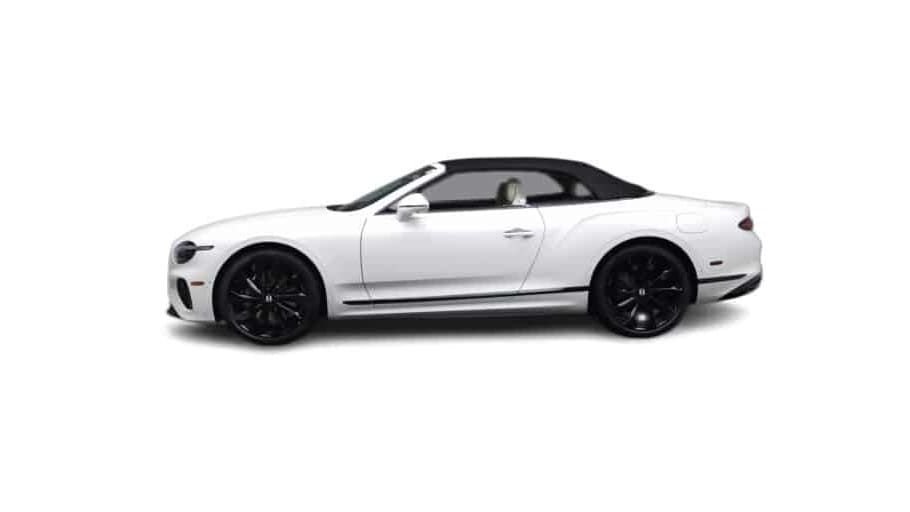
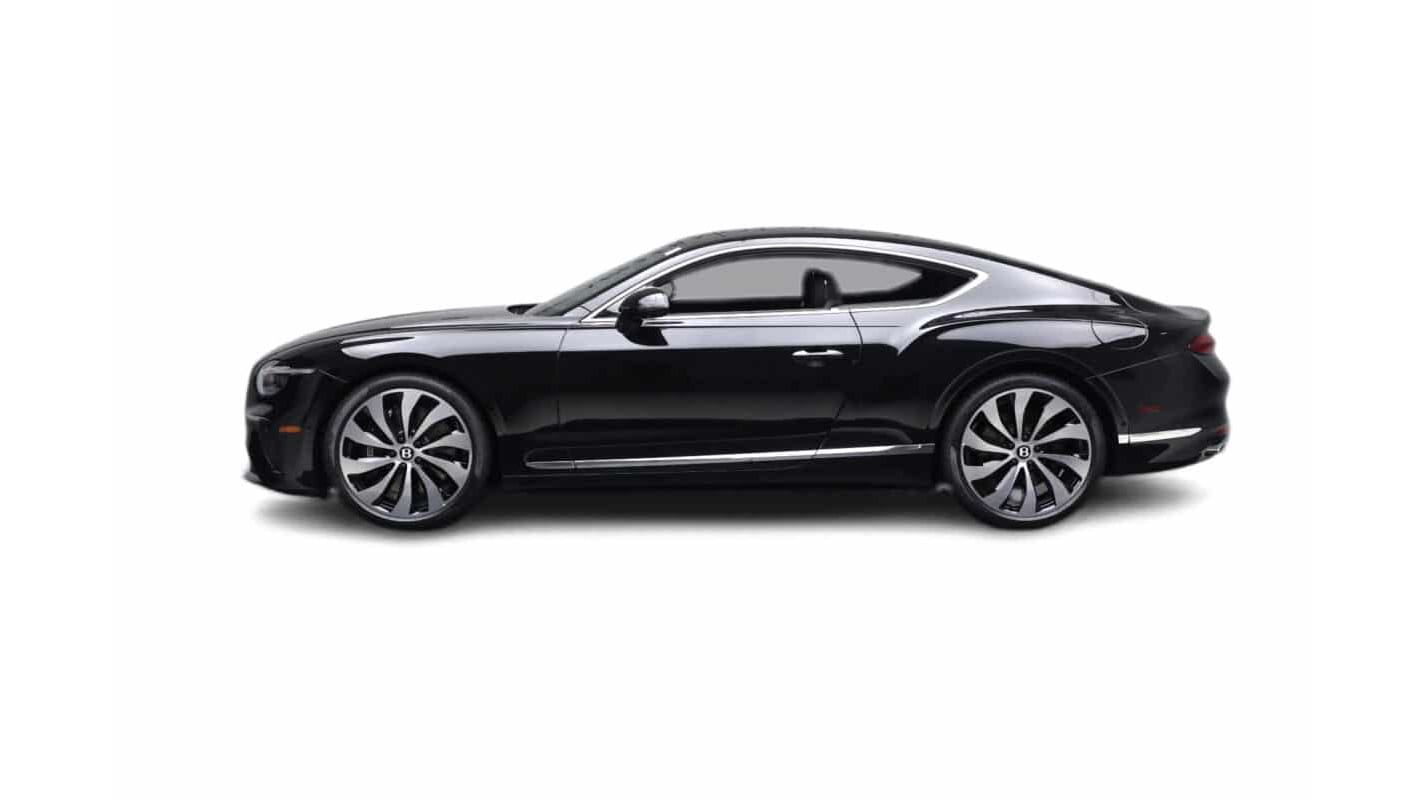
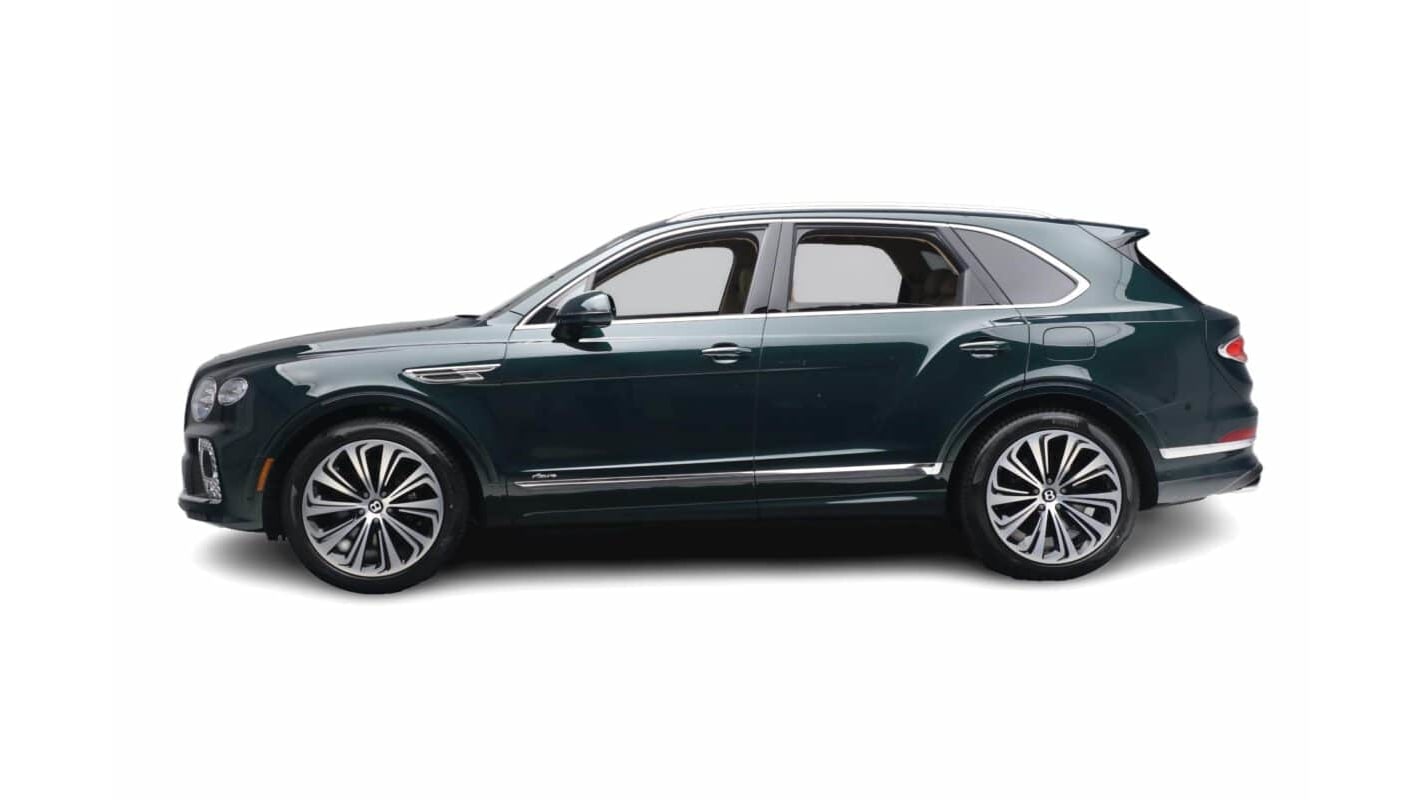
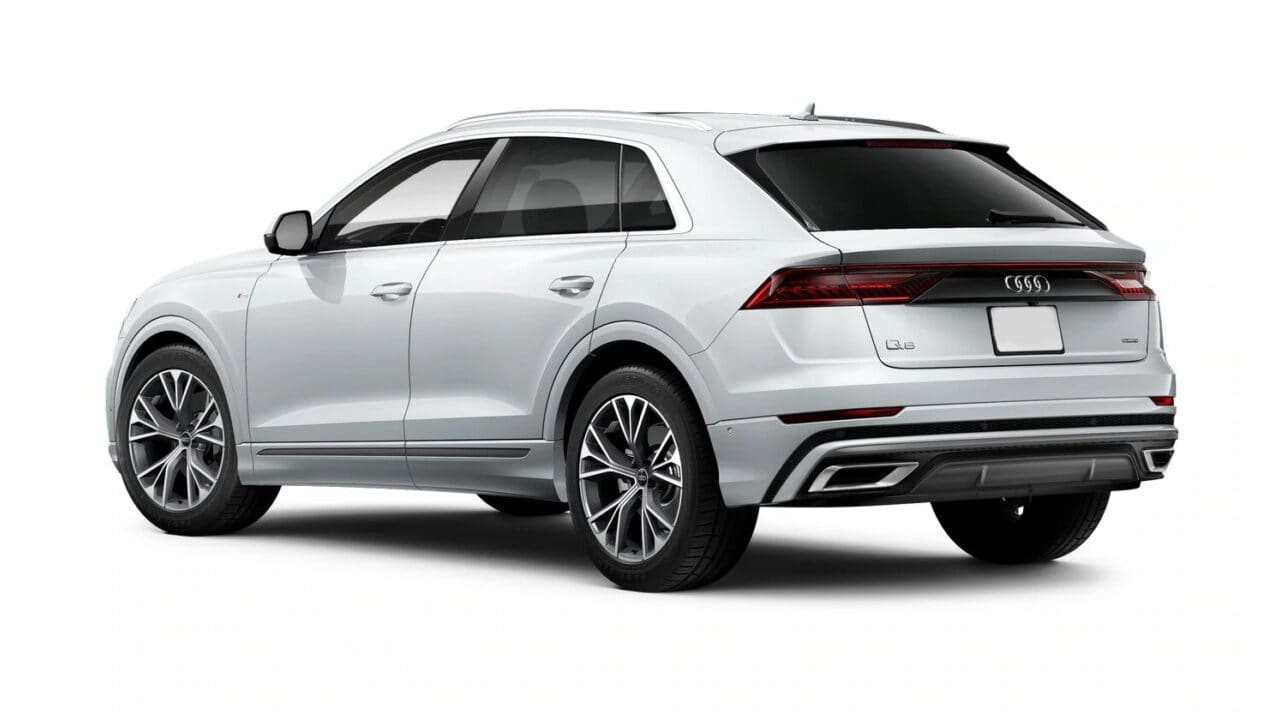
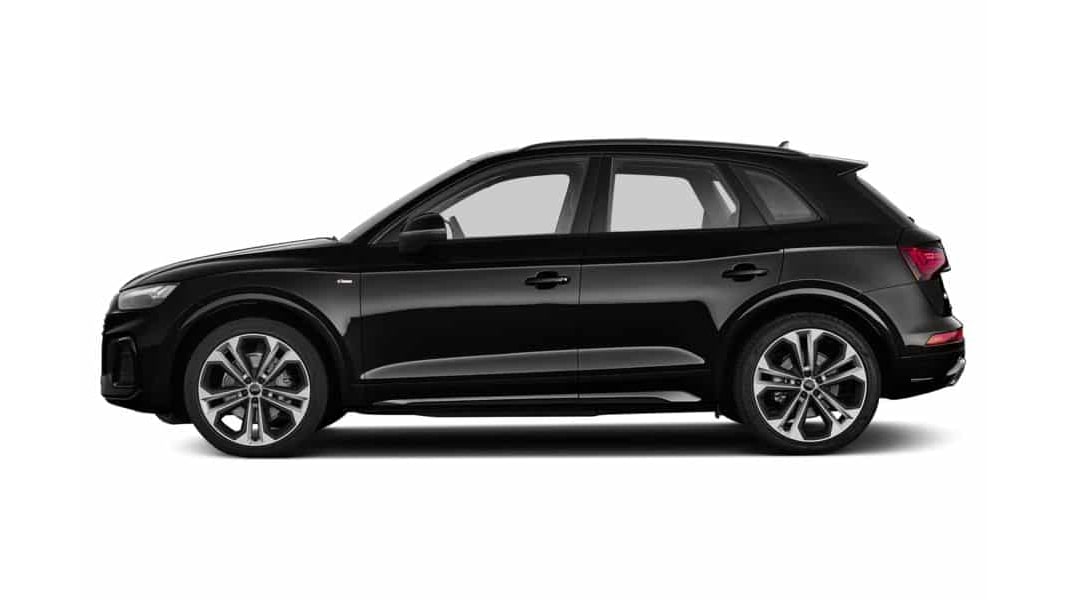
The Magistrala peels away from the Dalmatian coast as the light turns amber, and by the time the road climbs inland toward Zagreb, the city announces itself not with a skyline but with a particular quality of silence — the kind that expensive capitals cultivate deliberately. Pull into the upper town before dusk and the cobblestones of Gornji Grad hold the last warmth of the day in their seams. Zagreb operates on its own frequency: neither the frenetic pace of a new-money destination nor the museum-fatigue of an over-visited one. The Esplanade Zagreb Hotel, built in 1925 to receive Orient Express passengers, still carries that original sense of purposeful arrival — marble corridors, Zinfandel's restaurant, a bar where the aperitivo hour feels genuinely earned. This is a city for those who prefer their discoveries unannounced. The café terraces along Tkalčićeva run without performance or pretense, the art nouveau facades ask nothing of you, and the car — still warm from the coastal drive — sits parked on a street where locals will clock it without spectacle. That restraint is Zagreb's greatest luxury.
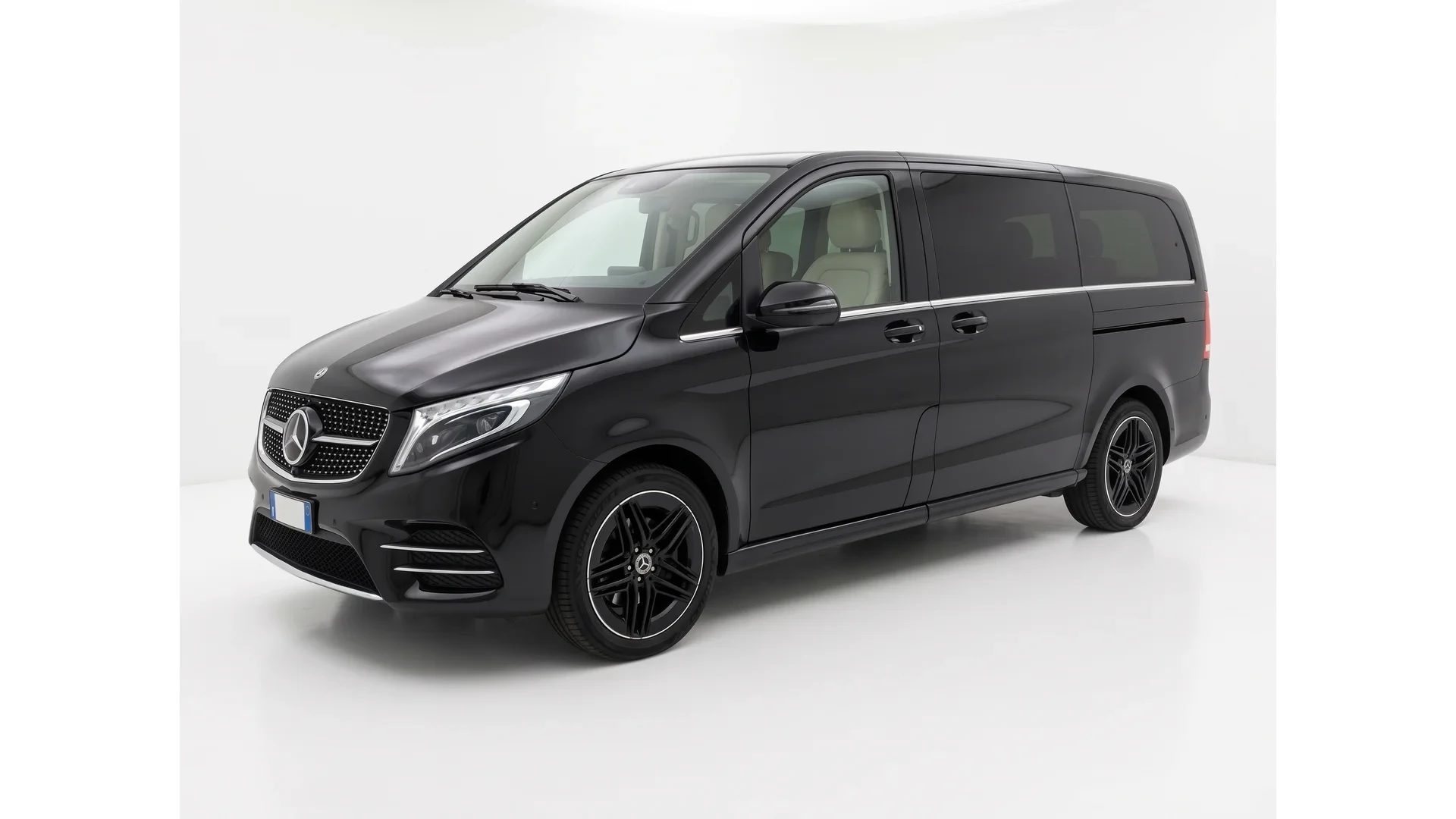
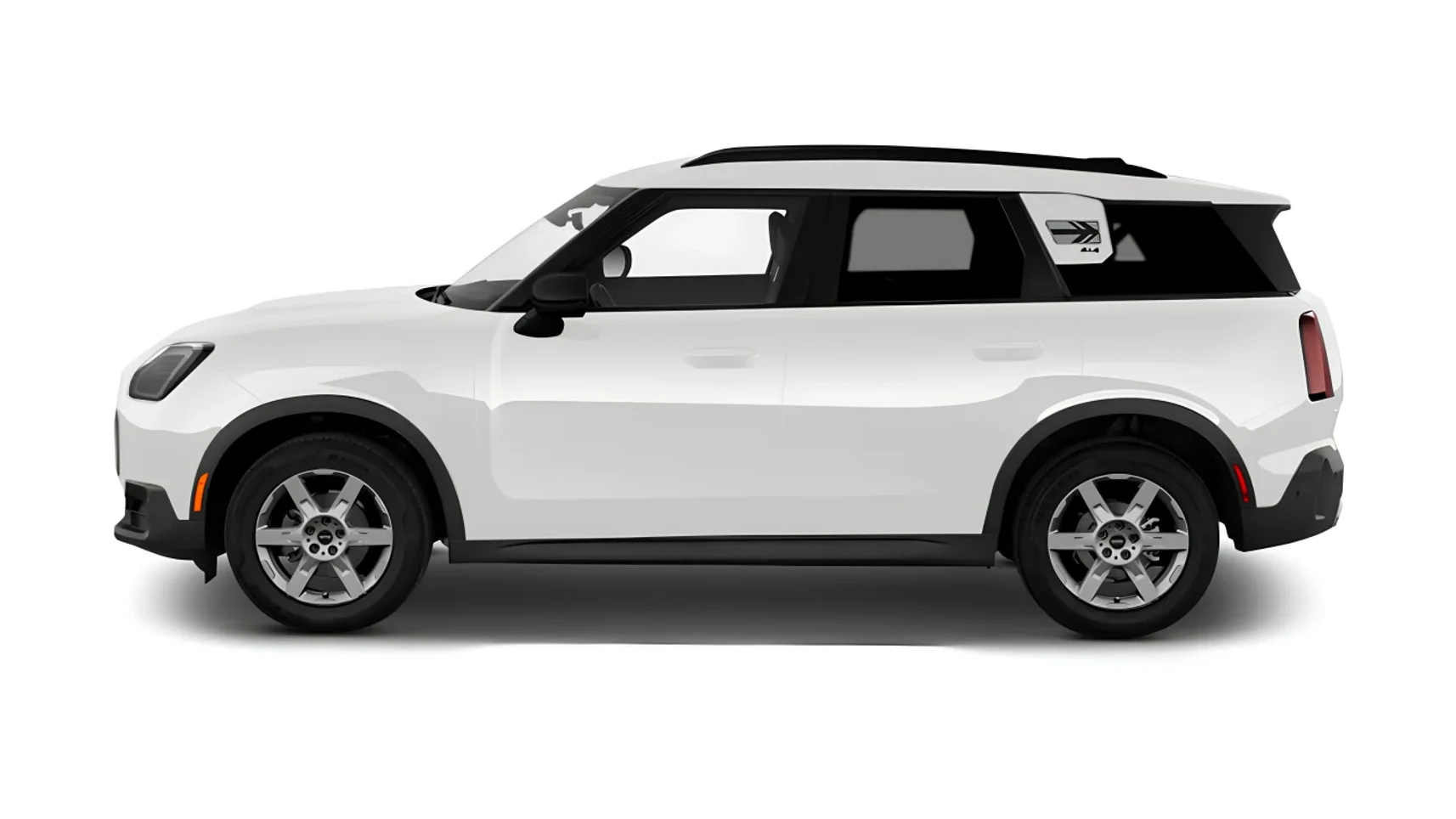
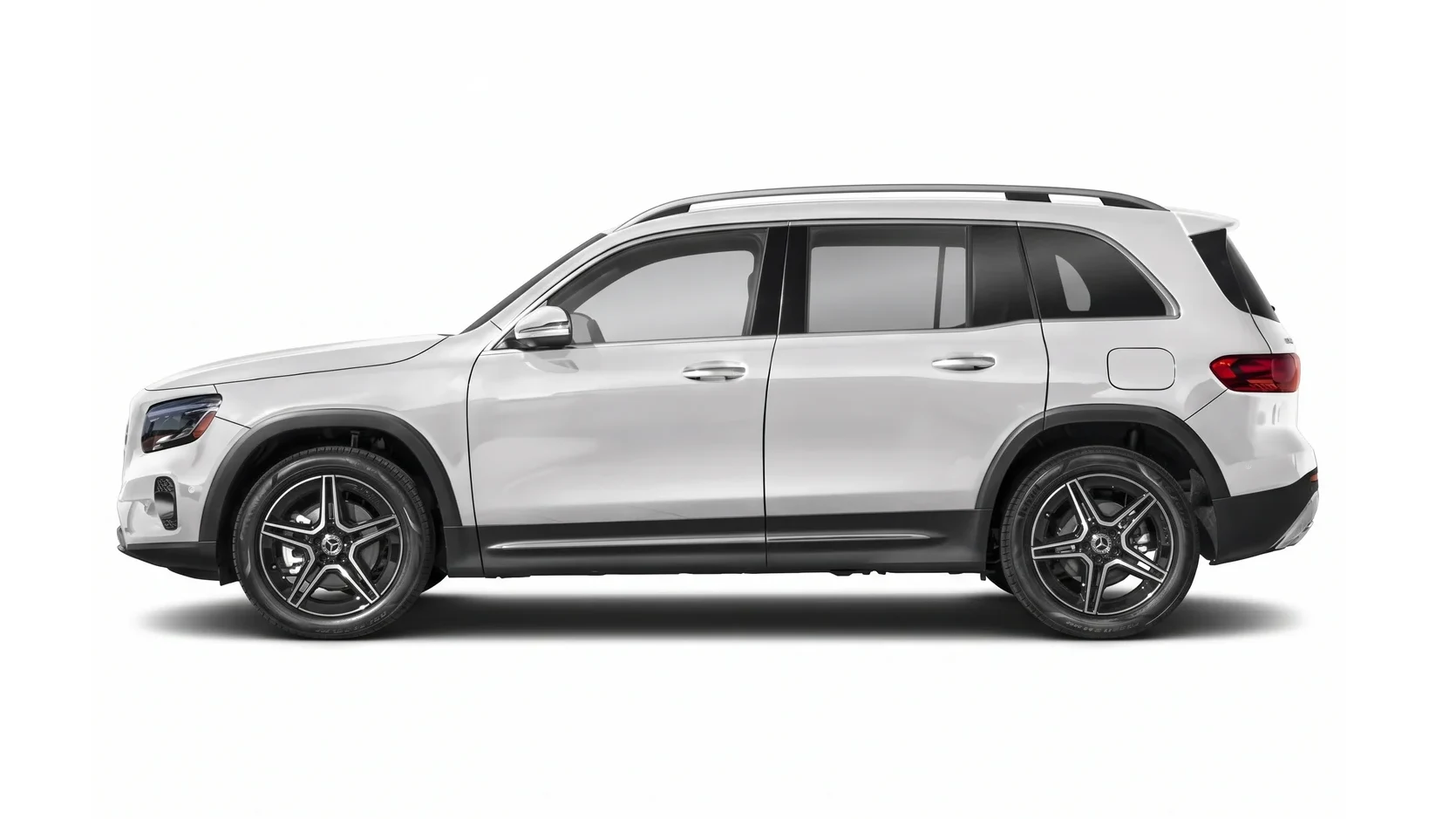
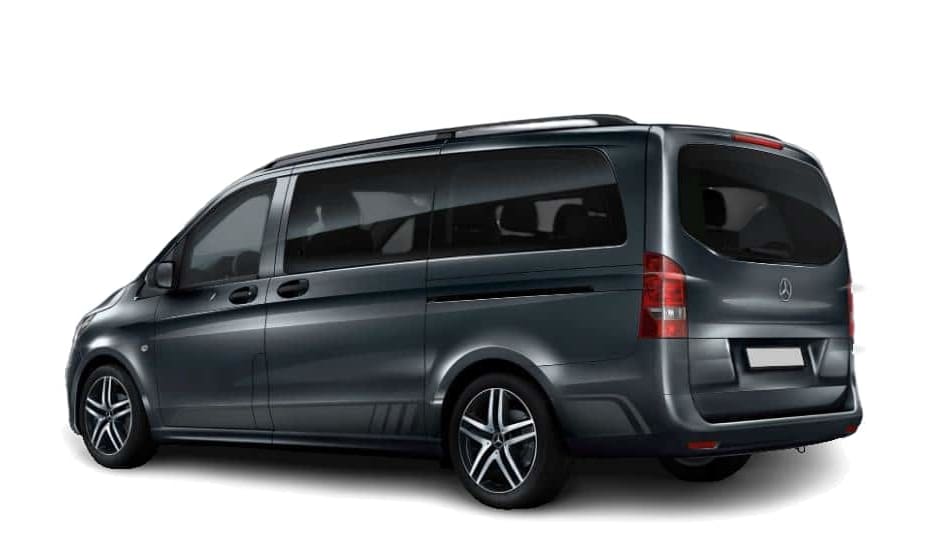
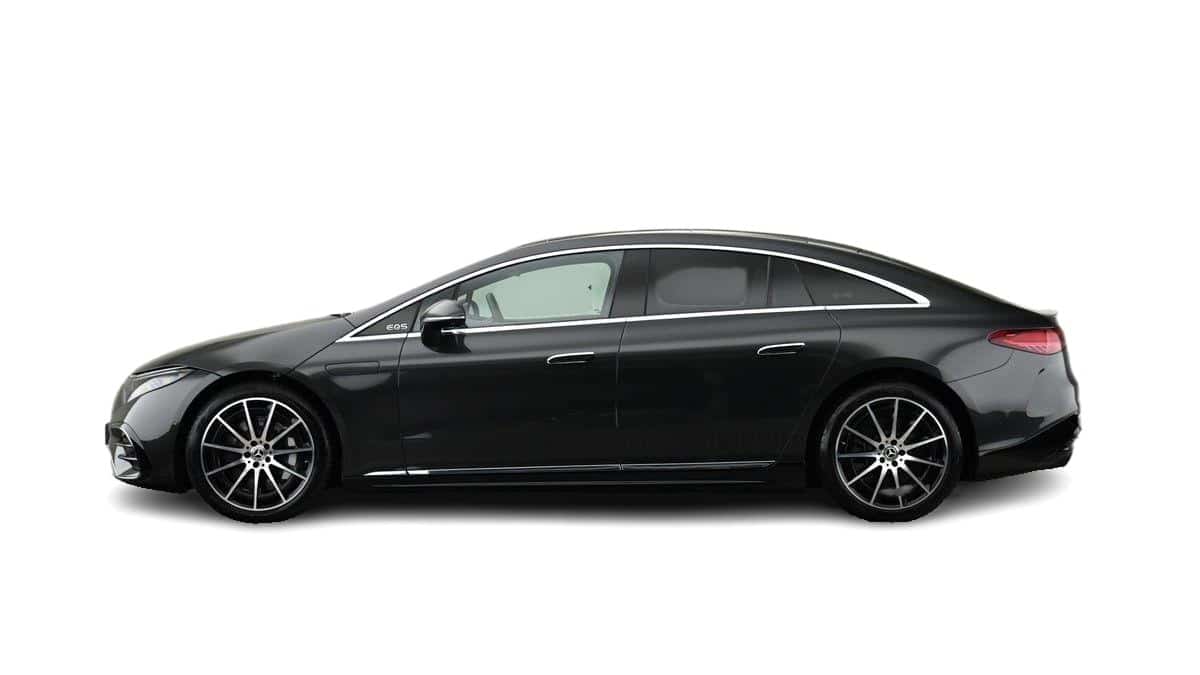
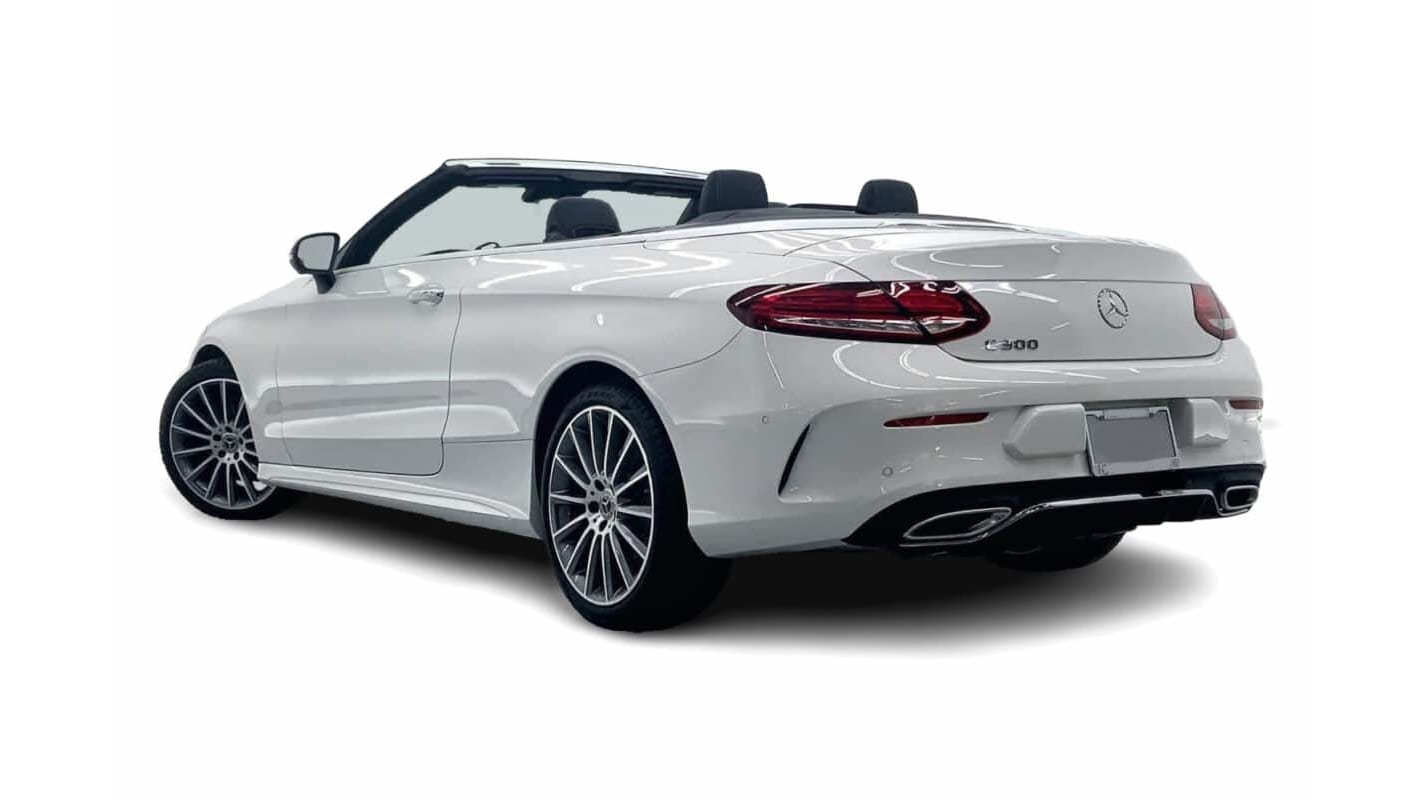
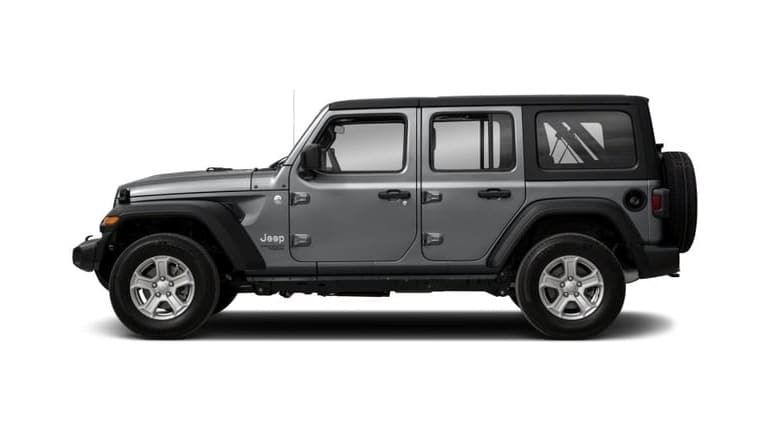
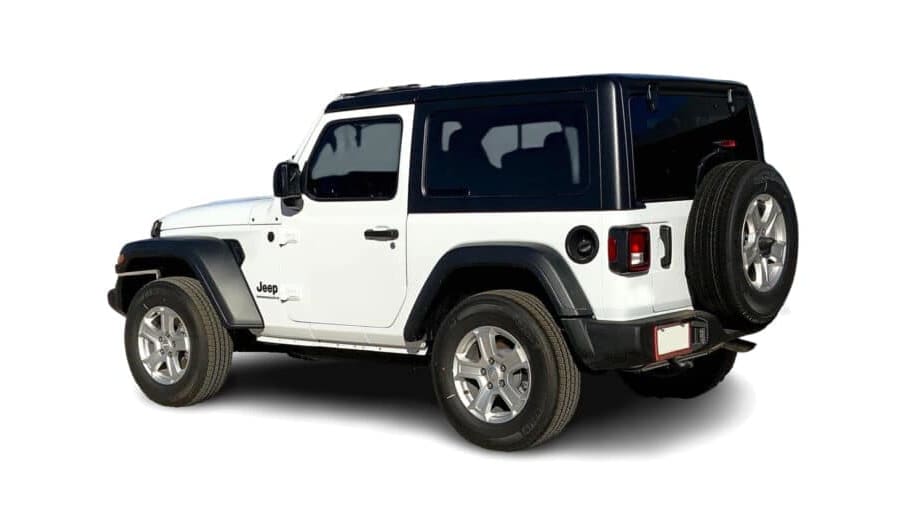
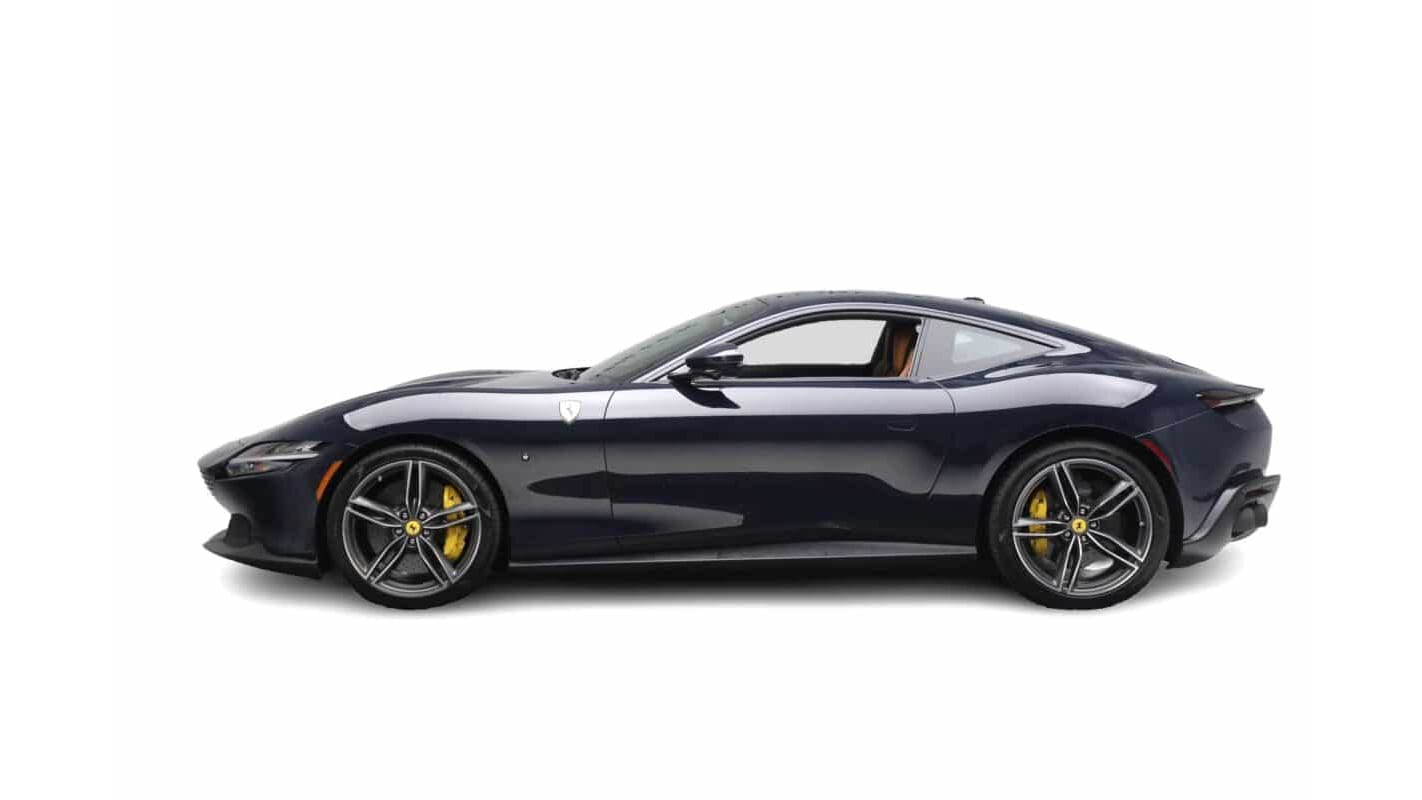
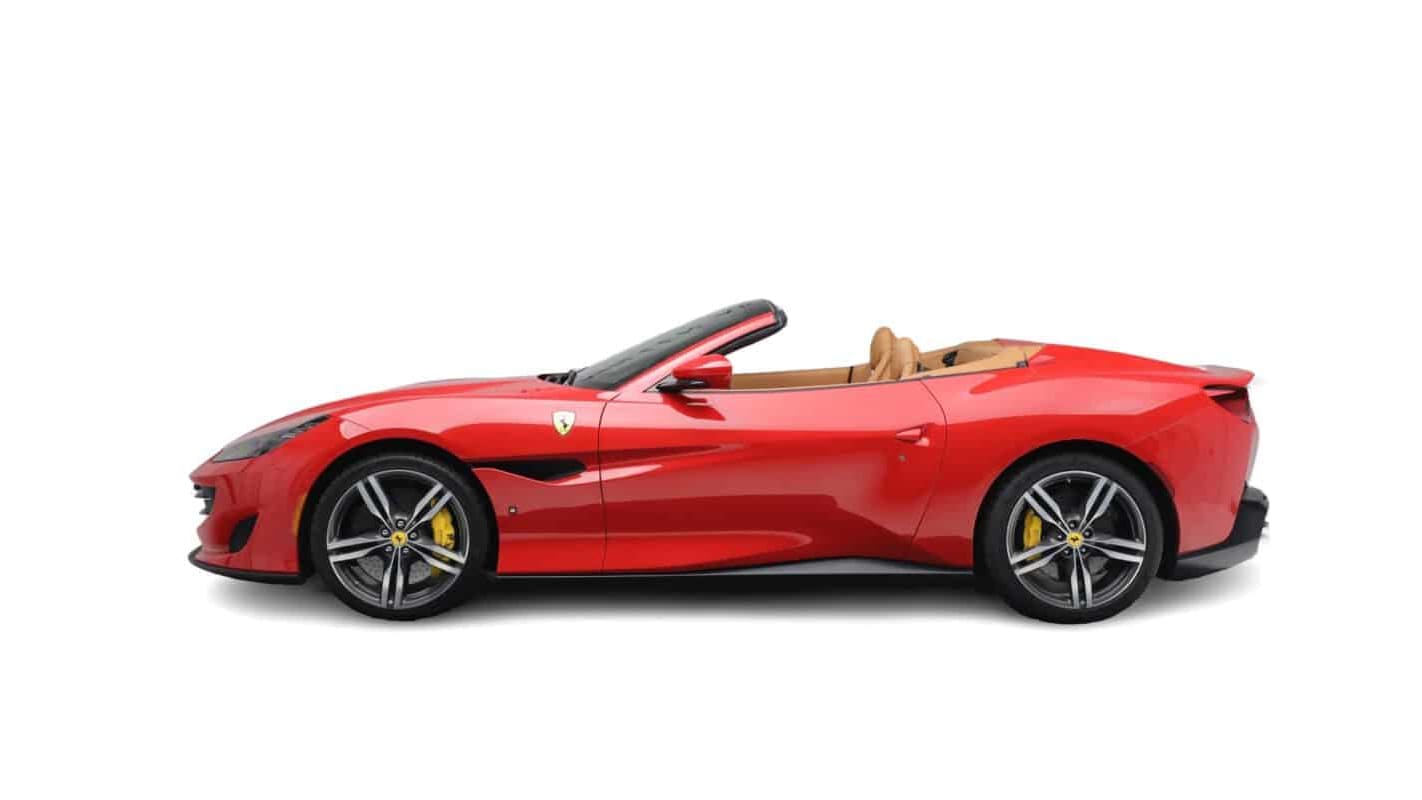
Full Fleet in Zagreb
143 vehicles — exact model guaranteed, delivered to you