The Netherlands
Luxury Car Rental in Tilburg
143 vehicles available · Delivered to your location · Model guaranteed
See our fleet in Tilburg →
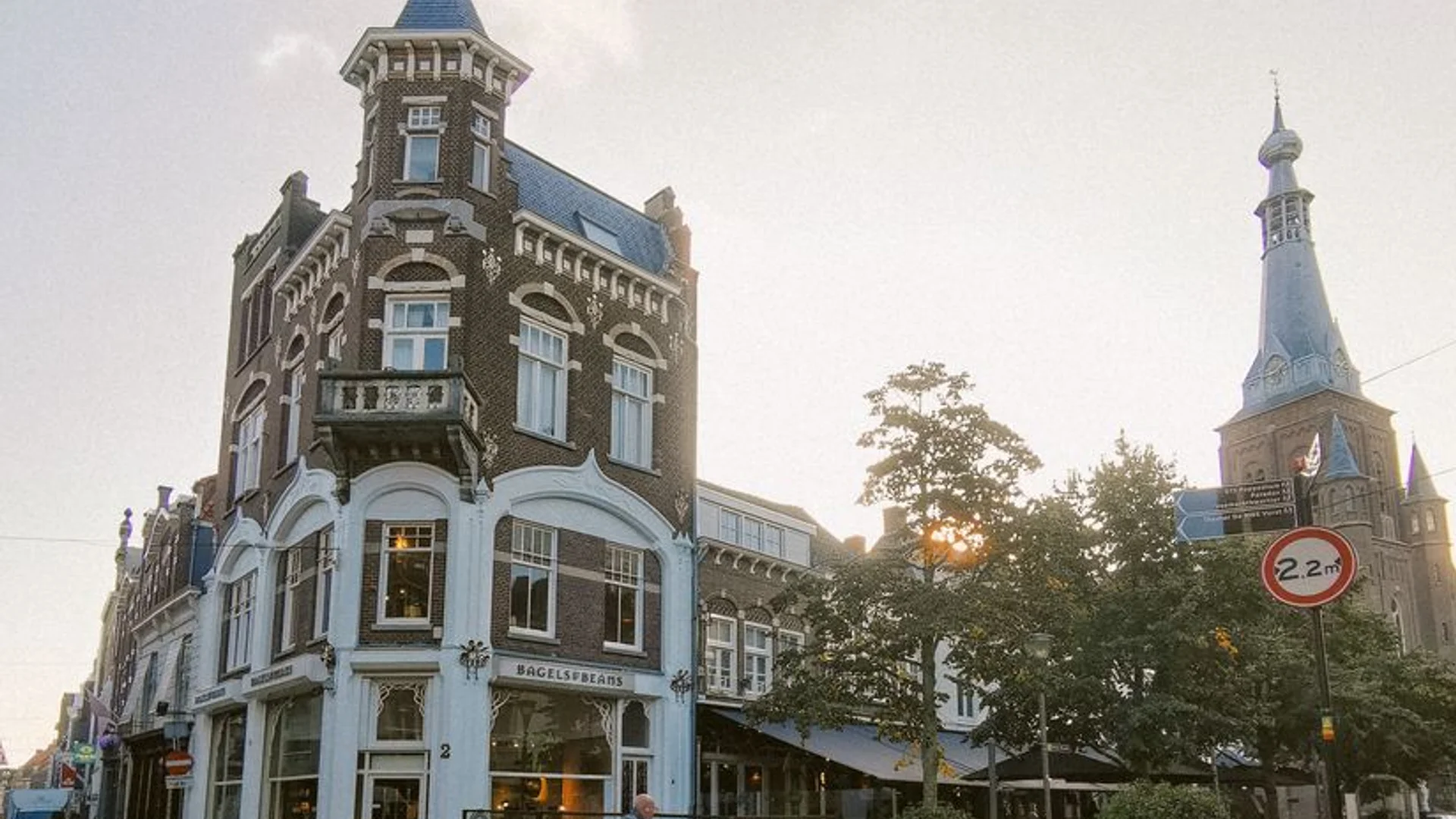
Tilburg made its money on wool, then on rail, then on reinventing what to do with the buildings both industries left behind. The best example is LocHal — a colossal 1930s railway workshop, all steel trusses and glass, now a public library and cultural space so vast it makes conversation feel unnecessary. The city doesn't sentimentalise this history so much as keep using it: the old rail yard is now Spoorpark, a green stretch cutting straight through what used to be industrial grit. A car built entirely for function, one that happens to look extraordinary doing it, belongs in this landscape more naturally than in most — the same principle Tilburg has been applying to its own skyline for a decade. Stay at Auberge du Bonheur, a design hotel built inside a former leather factory in nearby Oisterwijk, where the industrial bones are the whole point rather than something renovated away. Tilburg was never trying to be beautiful. It became beautiful anyway, on its own terms.