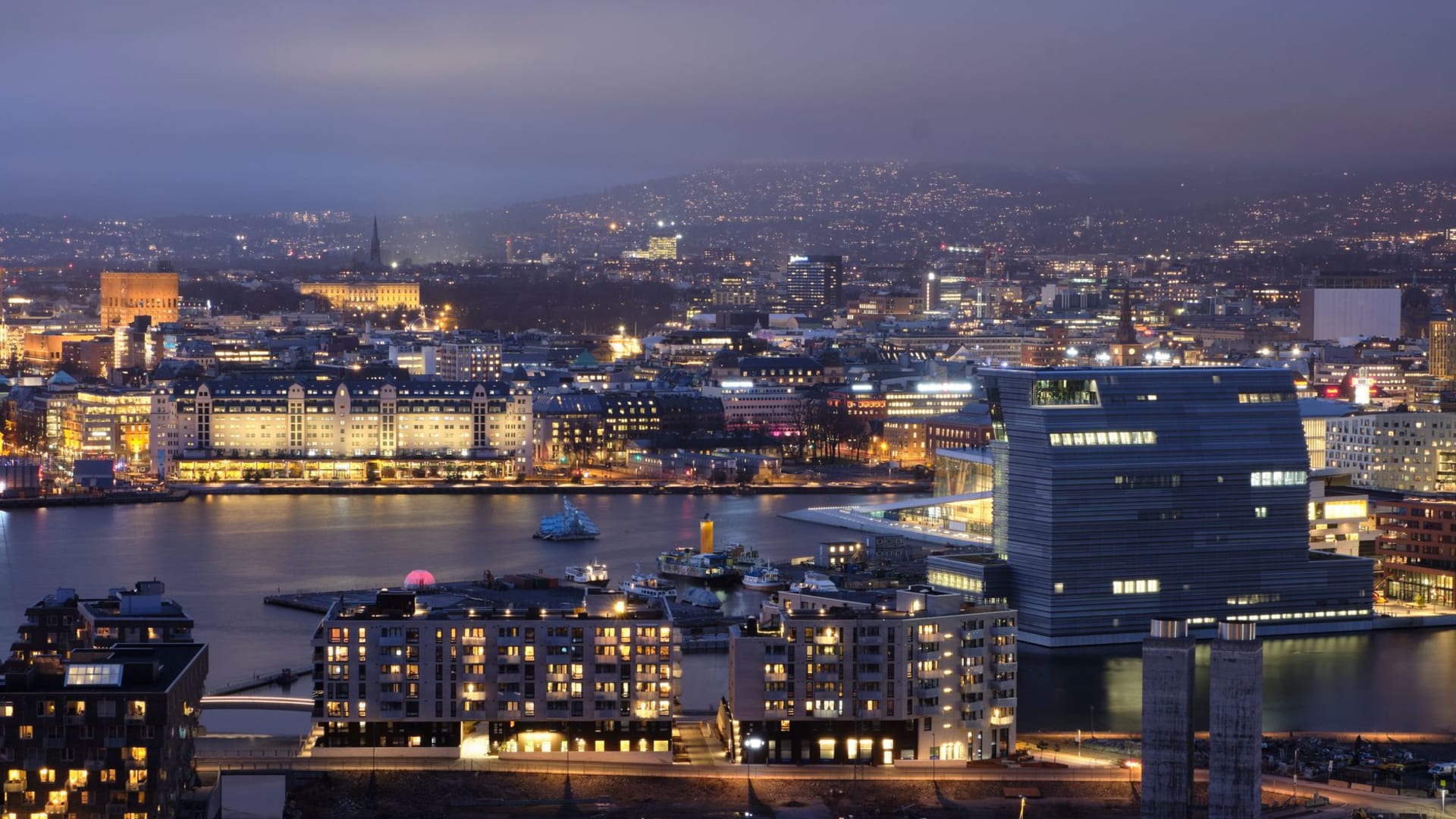
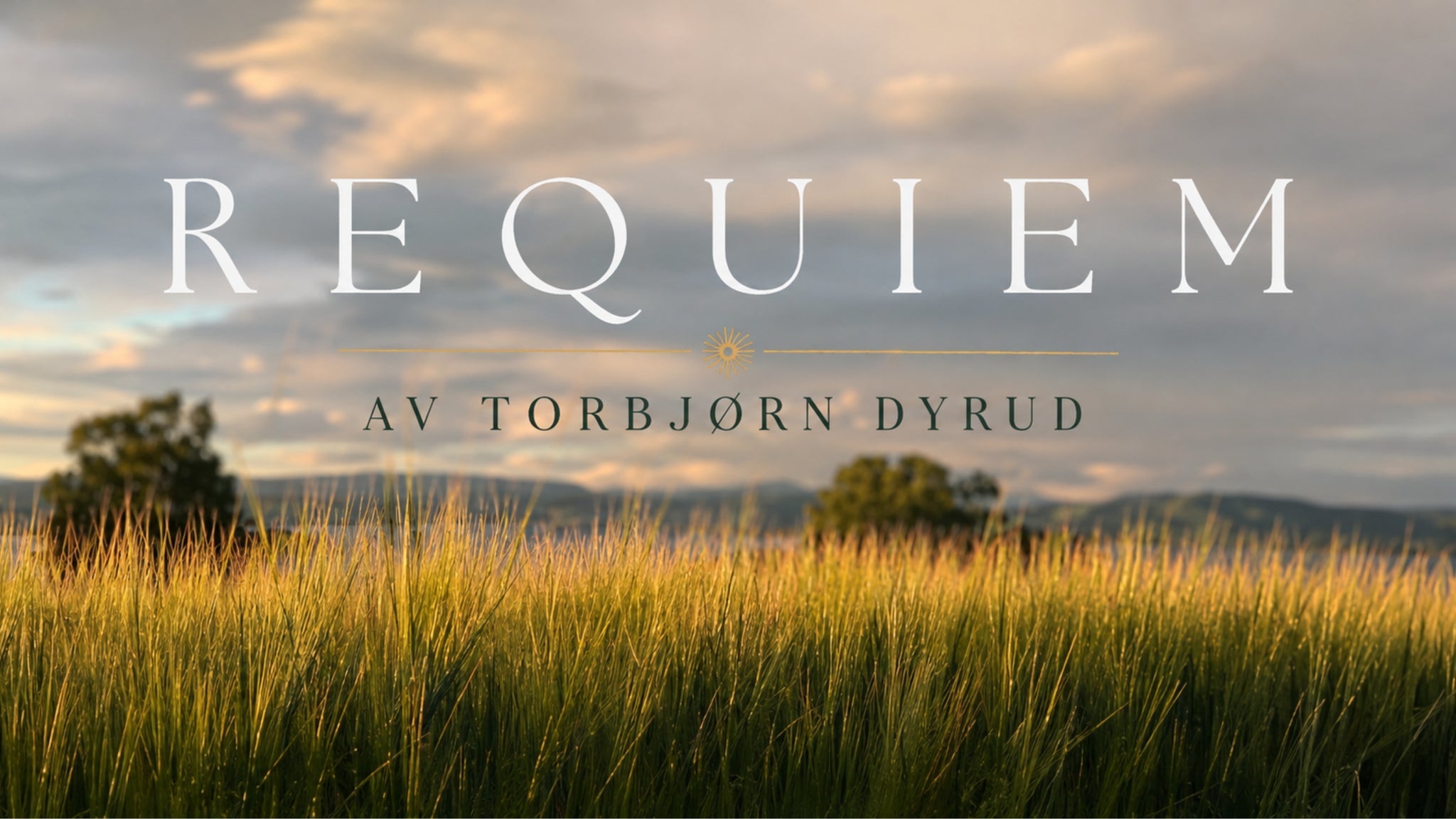
The Oslofjord does something unusual at golden hour — it doesn't perform. The light simply arrives, low and amber, dissolving the boundary between water and sky with the kind of restraint that feels almost architectural. Coming in along the Bygdøylokket coastal road in something with a low roar and a wide stance, you understand immediately why Norwegians distrust excess. The landscape makes it redundant. The peninsula unfolds quietly — sailboats moored with military precision, timber museums sitting behind bare birch trees, a city that refuses to announce itself. By the time you cross into Tjuvholmen, the art island quarter pressed against the fjord's edge, the transition from wilderness to gallery district happens in under a kilometre. The Thief hotel occupies the tip of this peninsula with the confidence of a building that knows exactly what it is: a private art collection you can sleep inside. Original works hang in corridors. The bar looks directly onto the water. Oslo rewards drivers who arrive rather than rush — the city doesn't open up to those in a hurry, but to those who approach it with the same cool deliberation it extends to everything else.
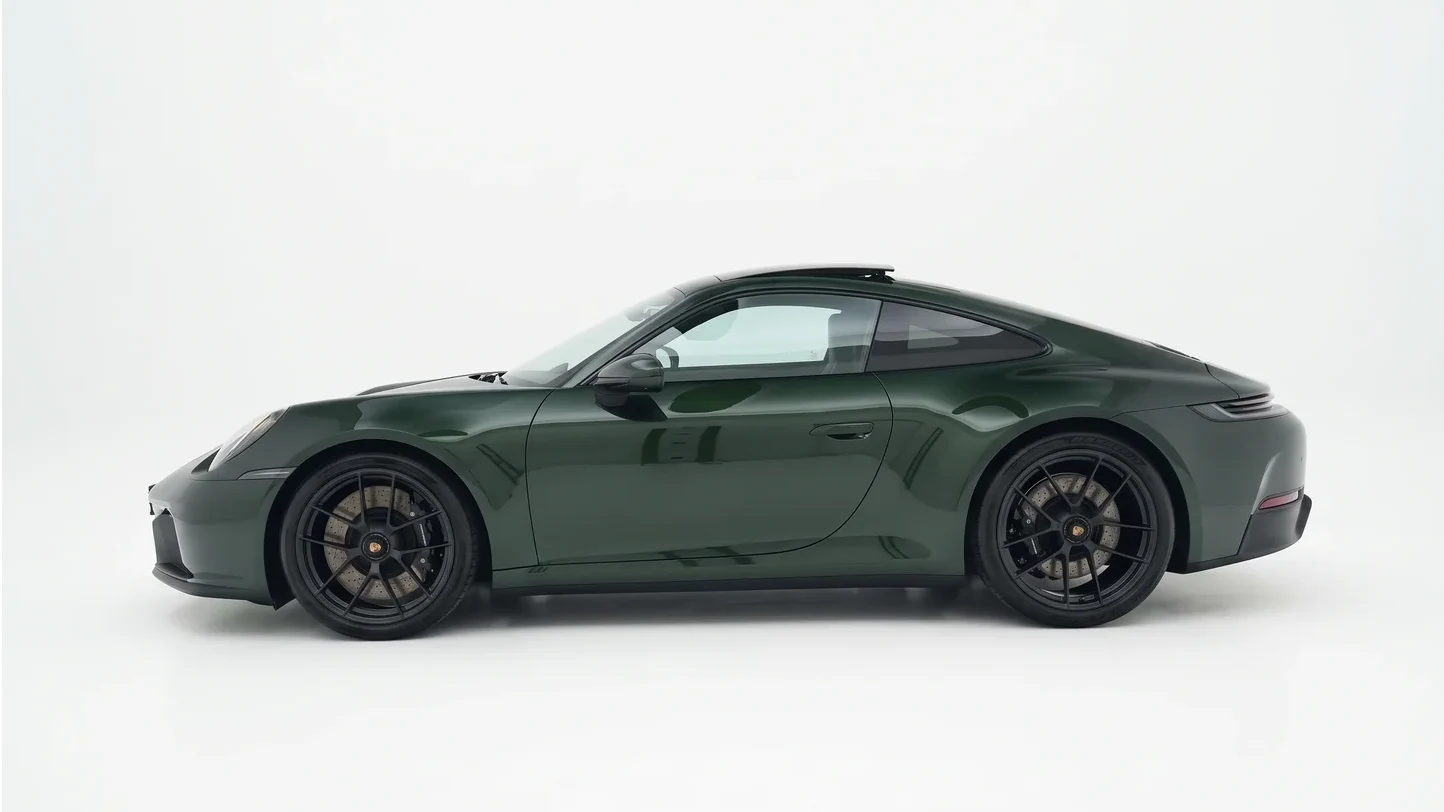
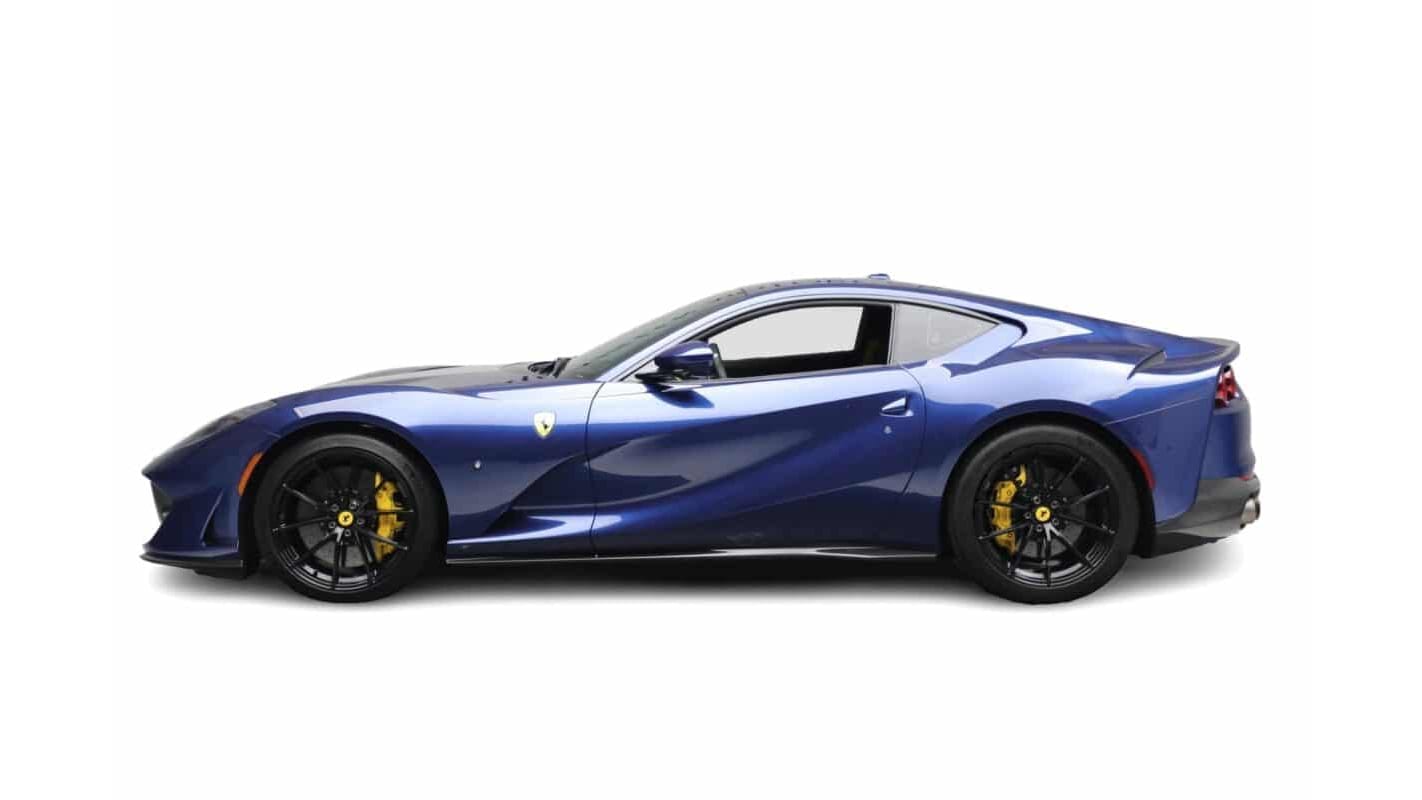
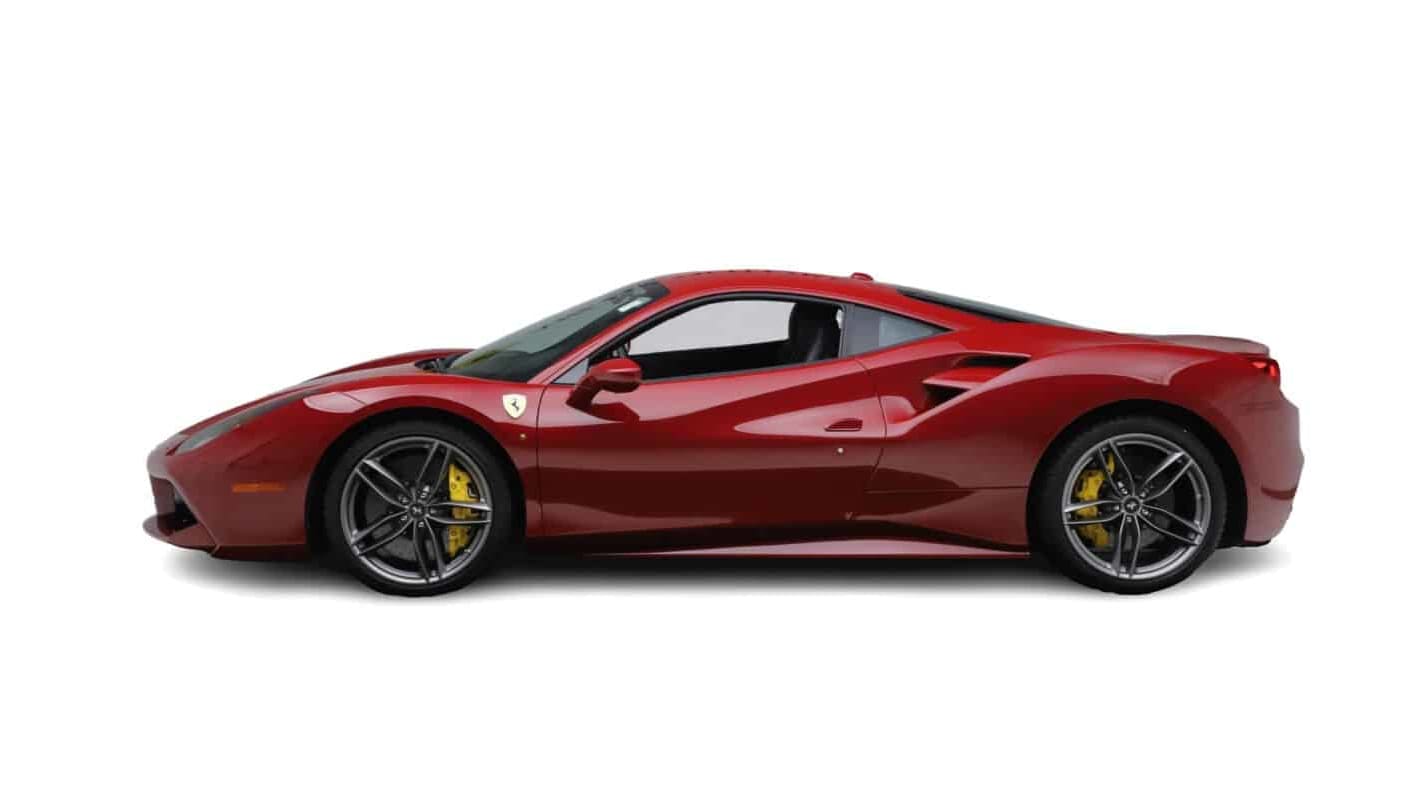
Full Fleet in Oslo
143 vehicles — exact model guaranteed, delivered to you