Germany
Luxury Car Rental in Mannheim
143 vehicles available · Delivered to your location · Model guaranteed
See our fleet in Mannheim →
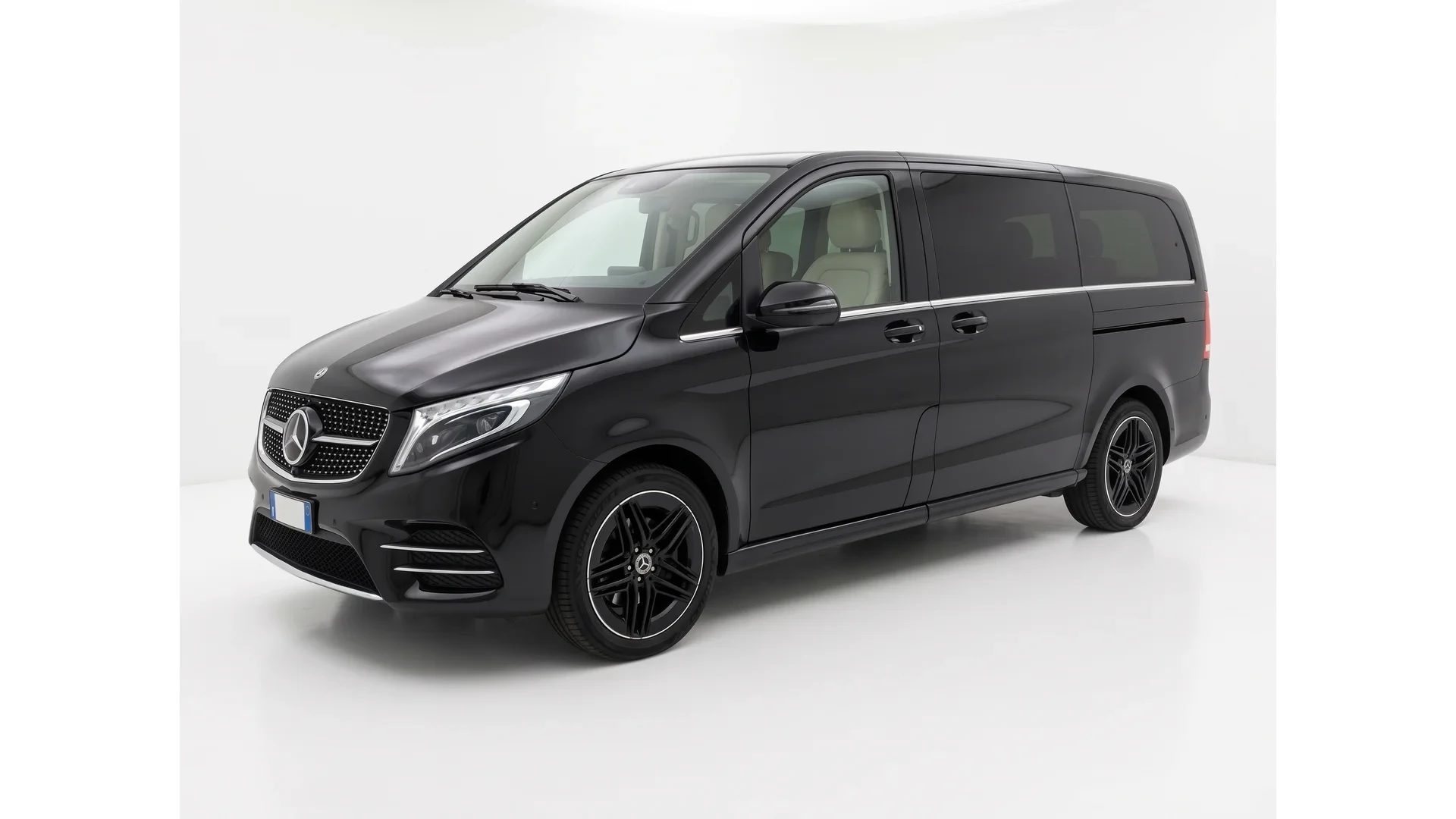
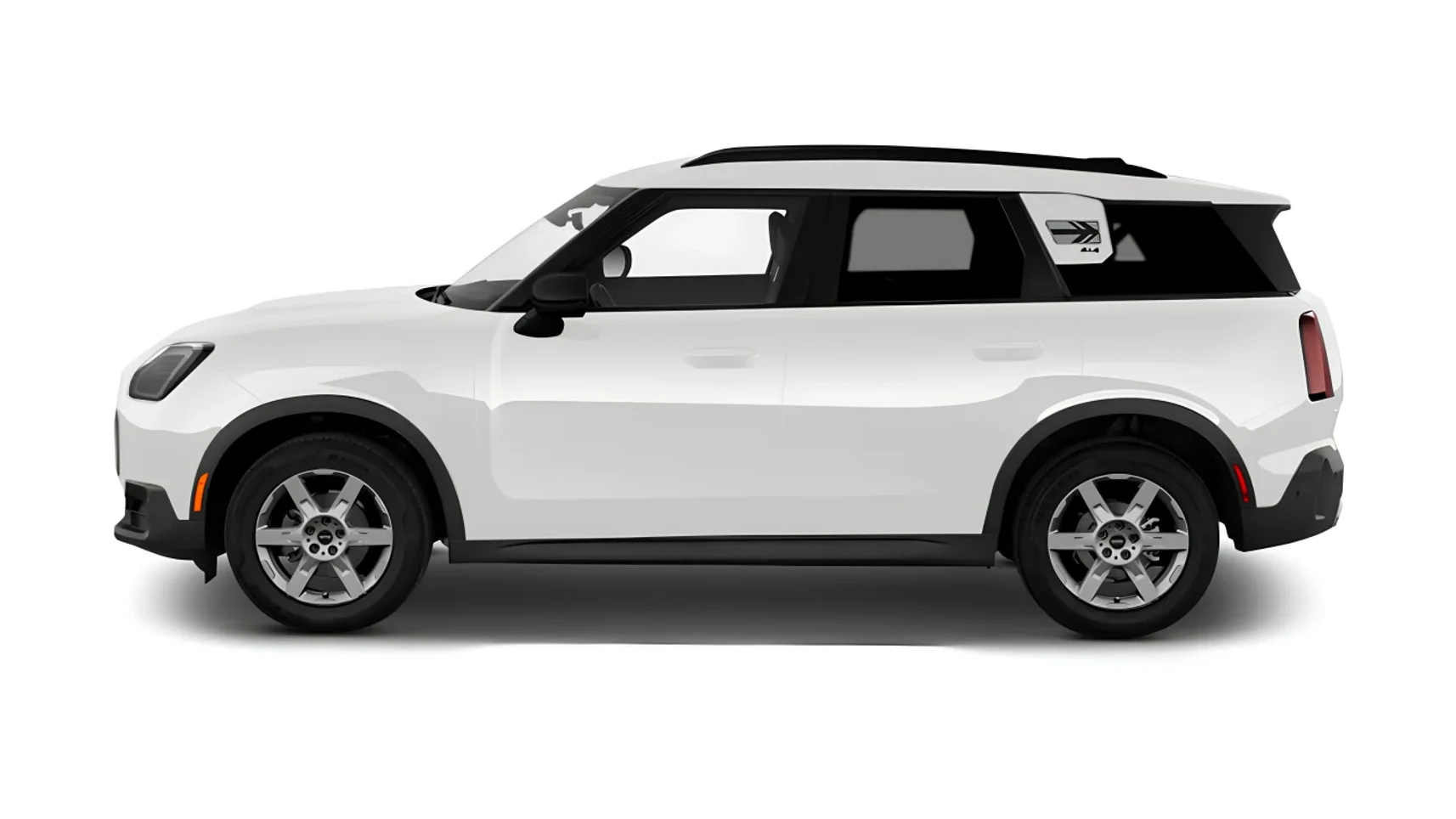
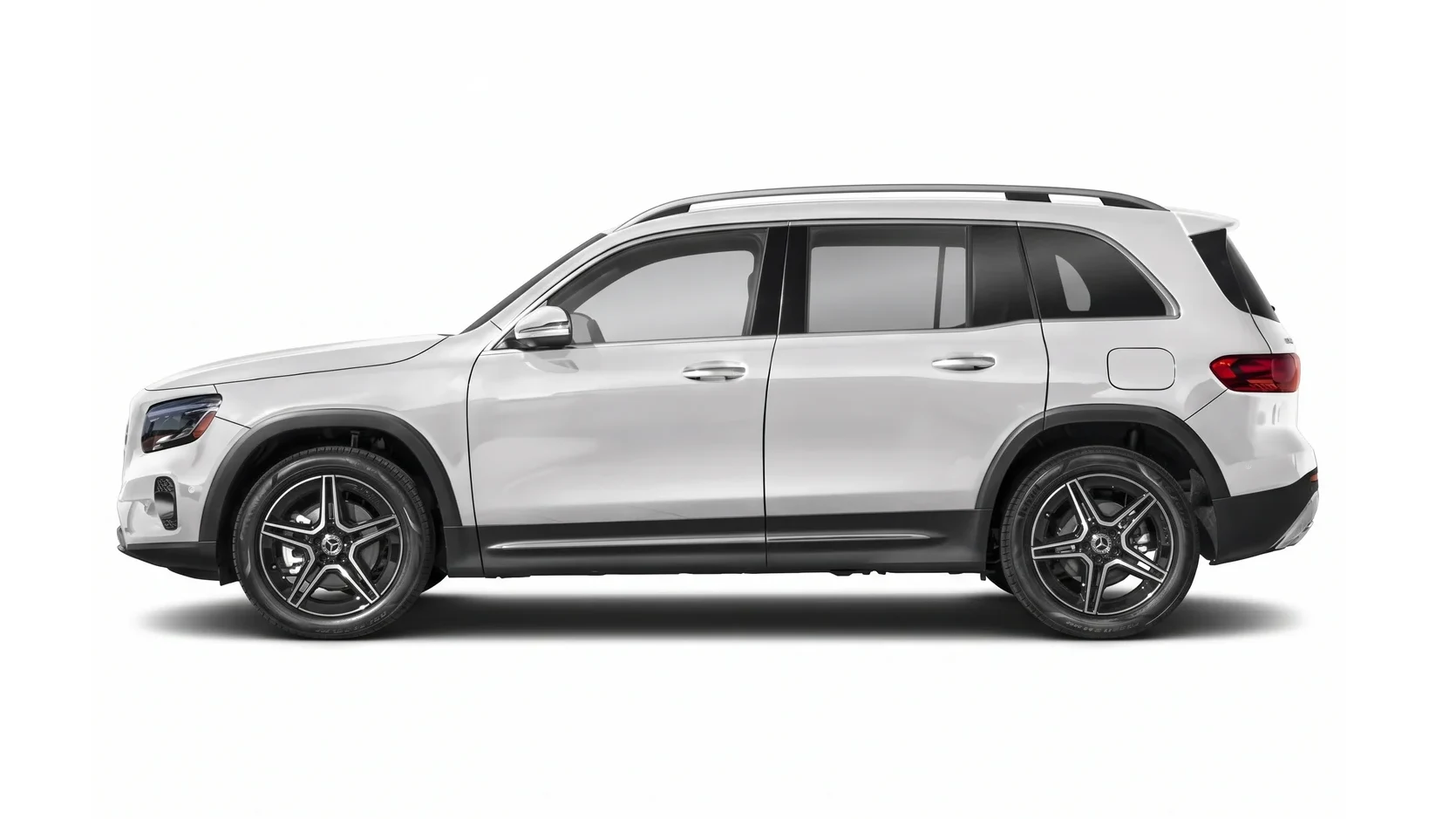
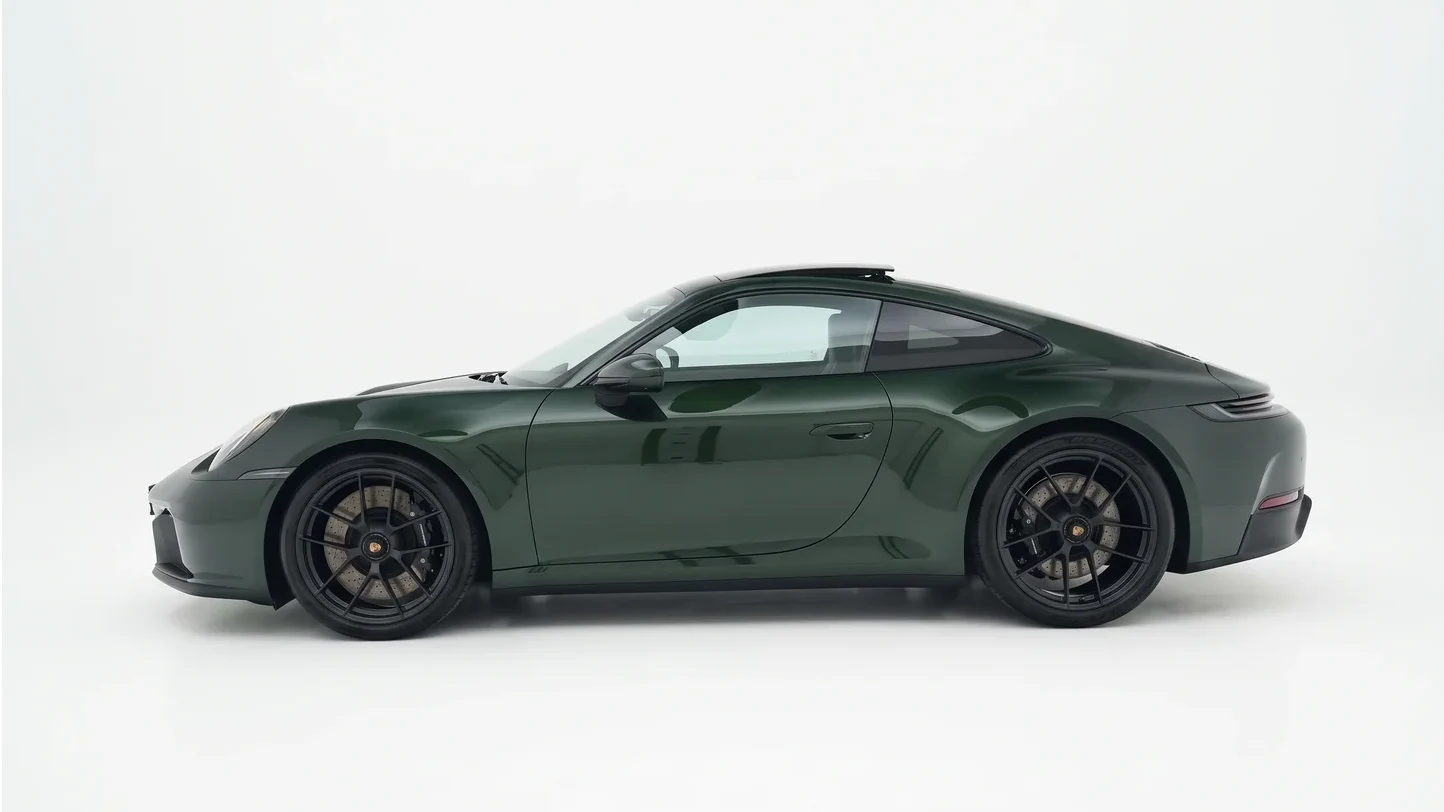
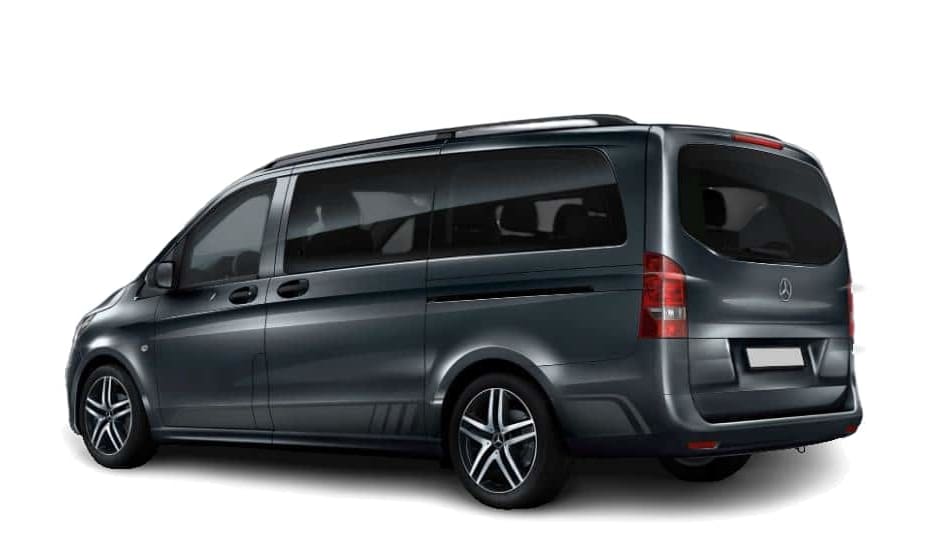
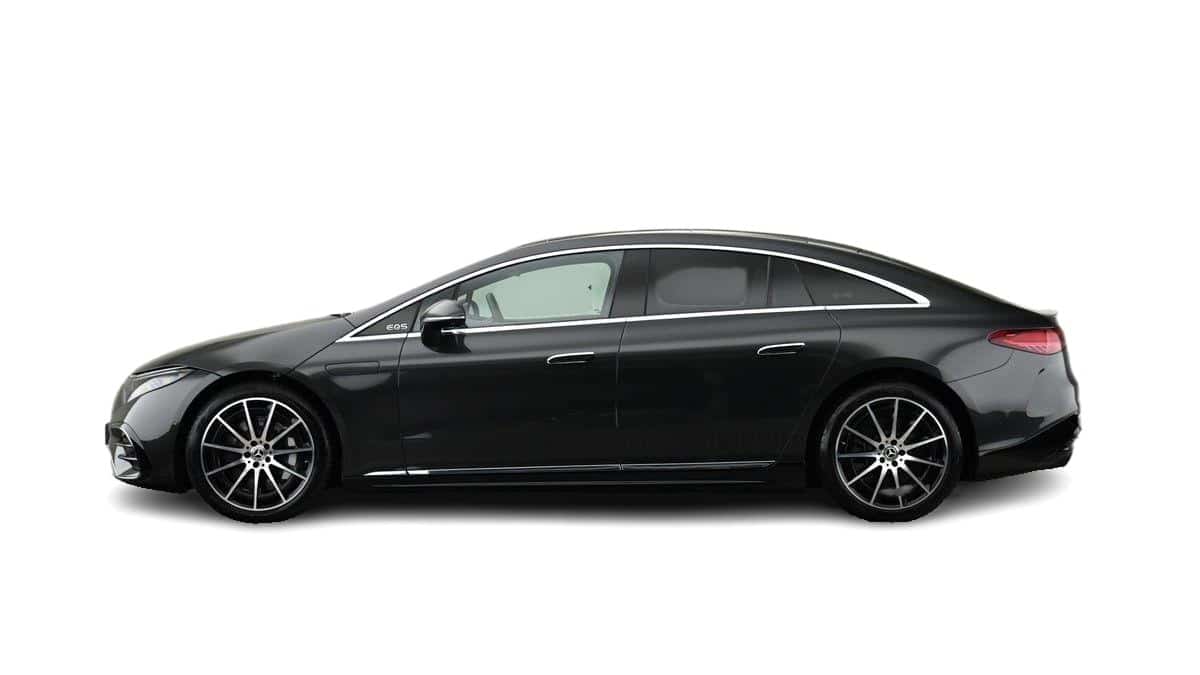
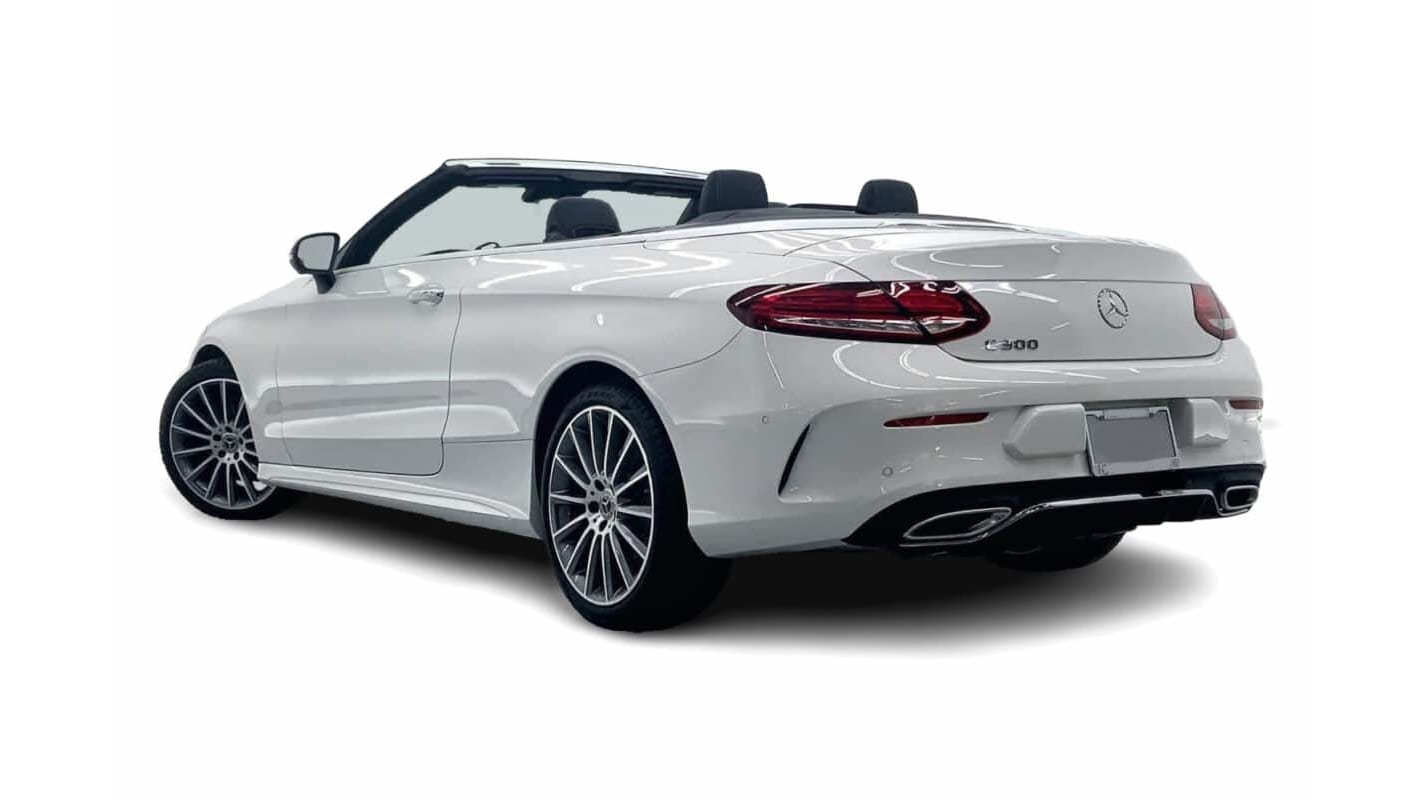
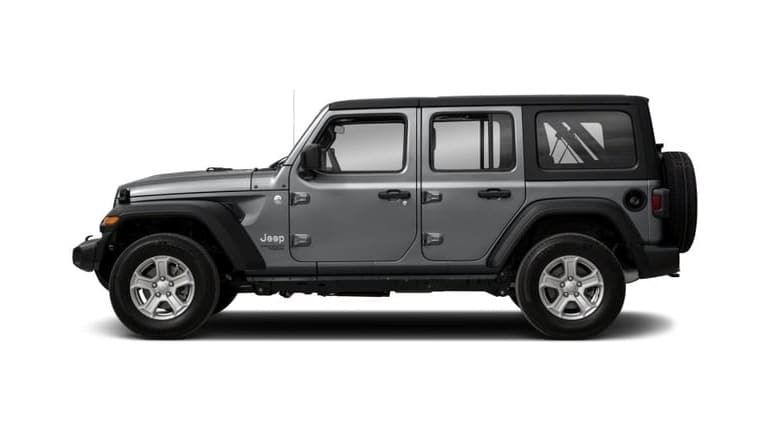
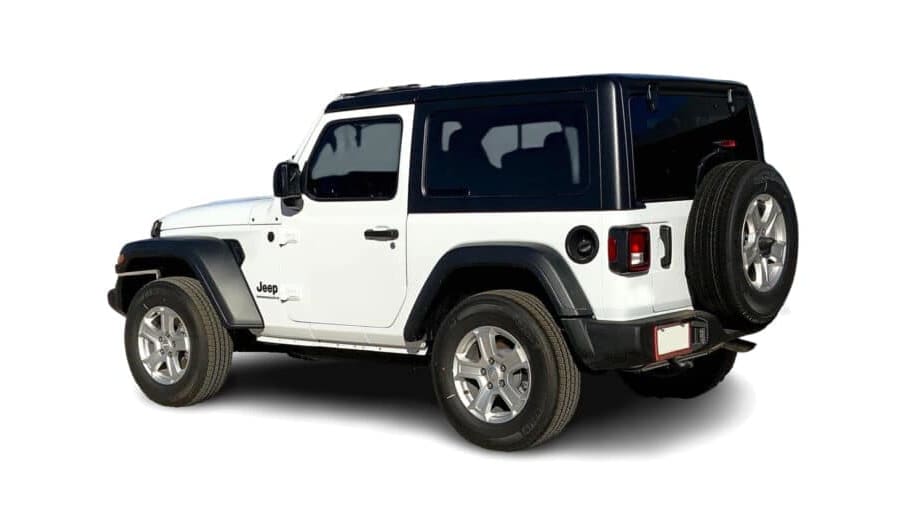
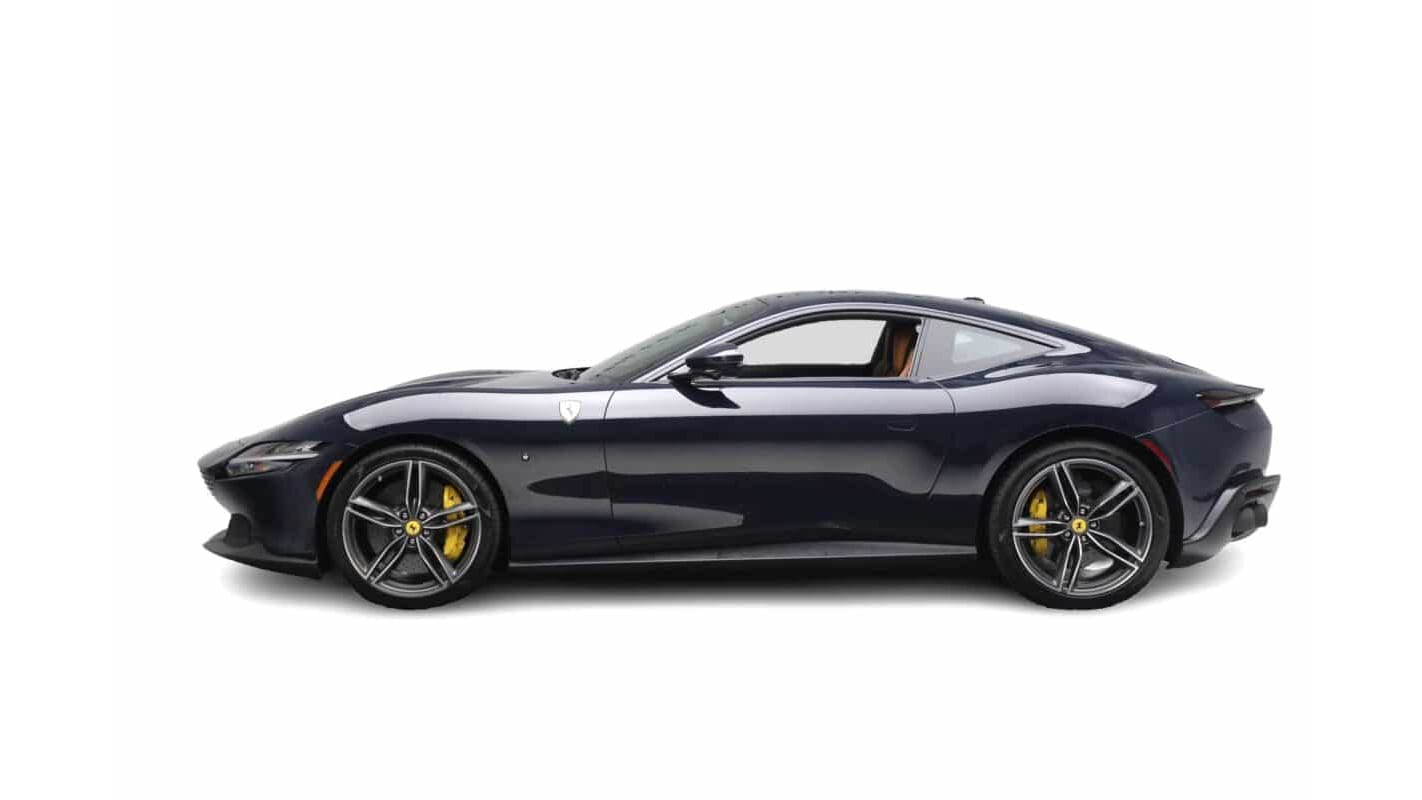
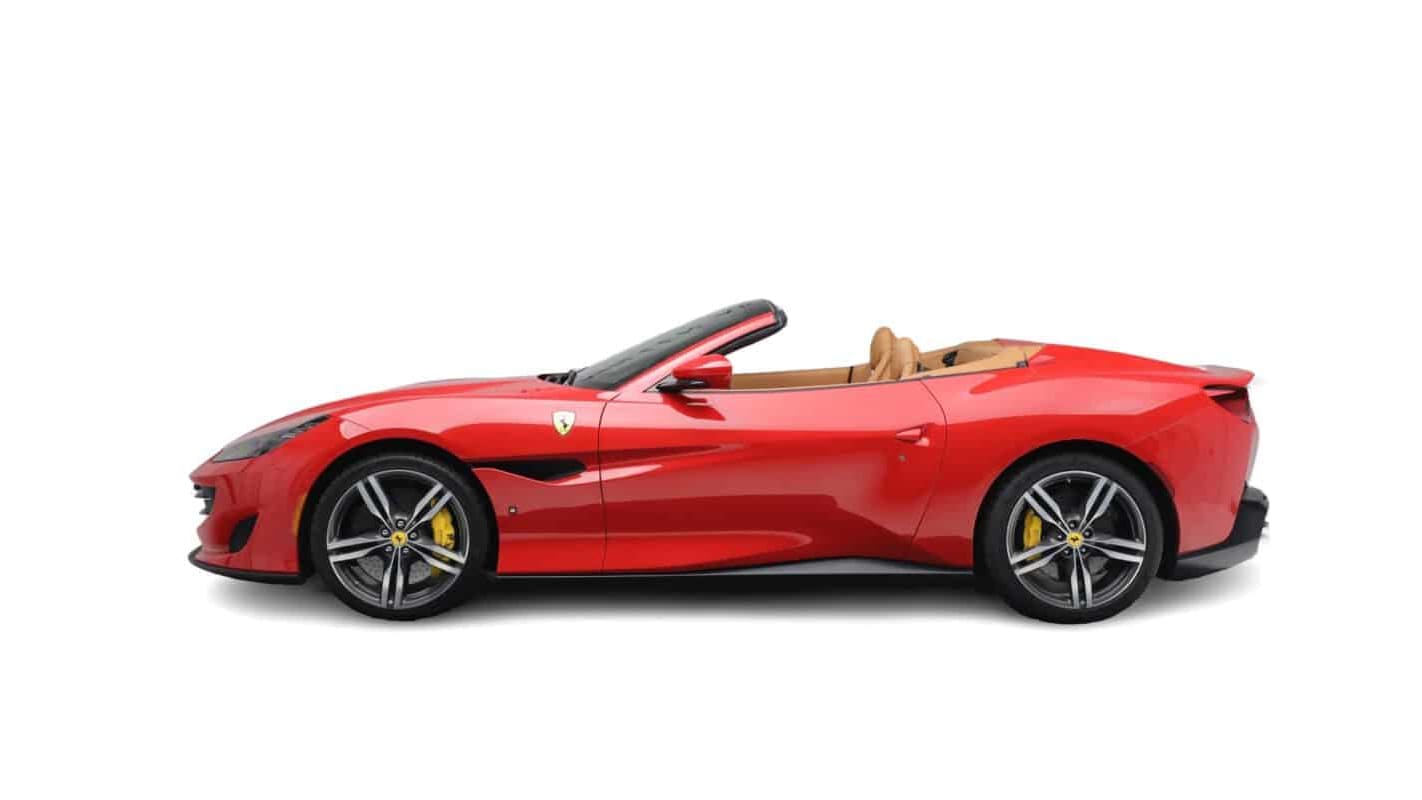
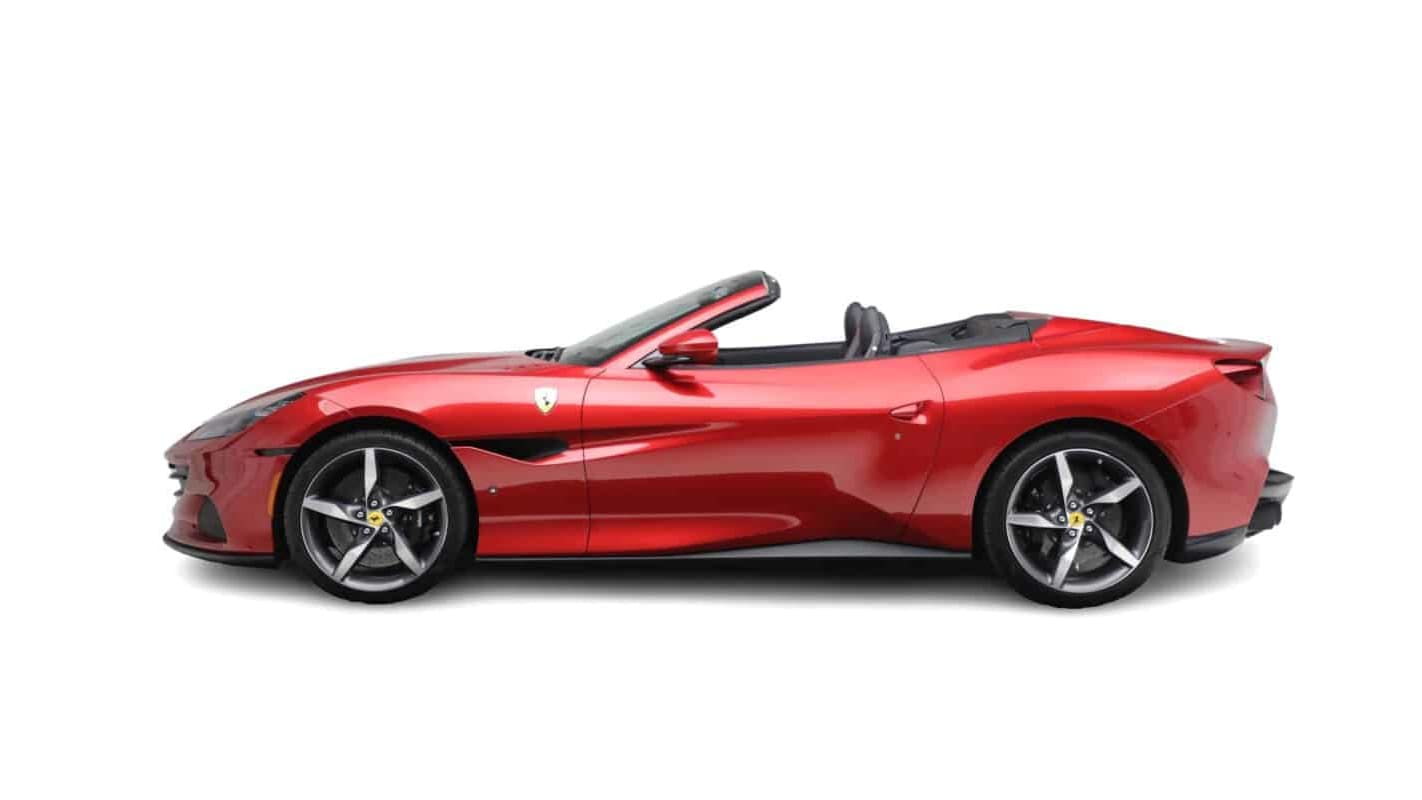
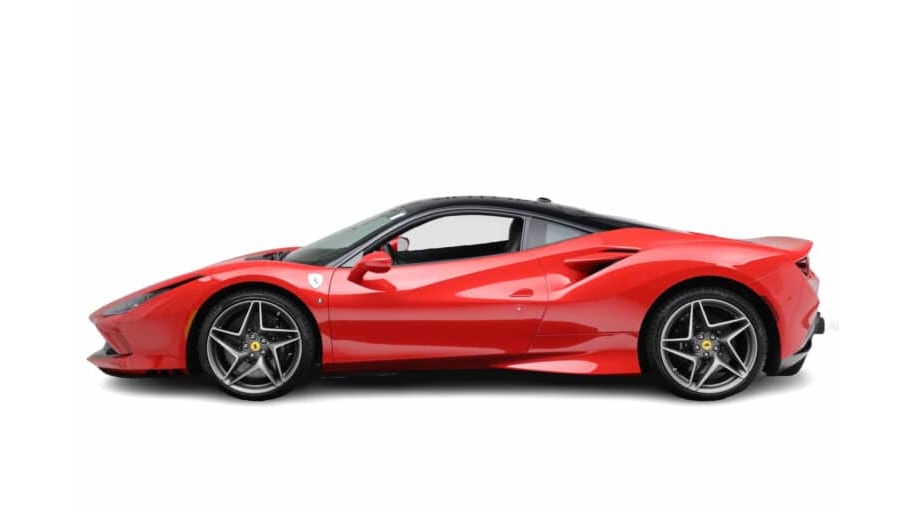
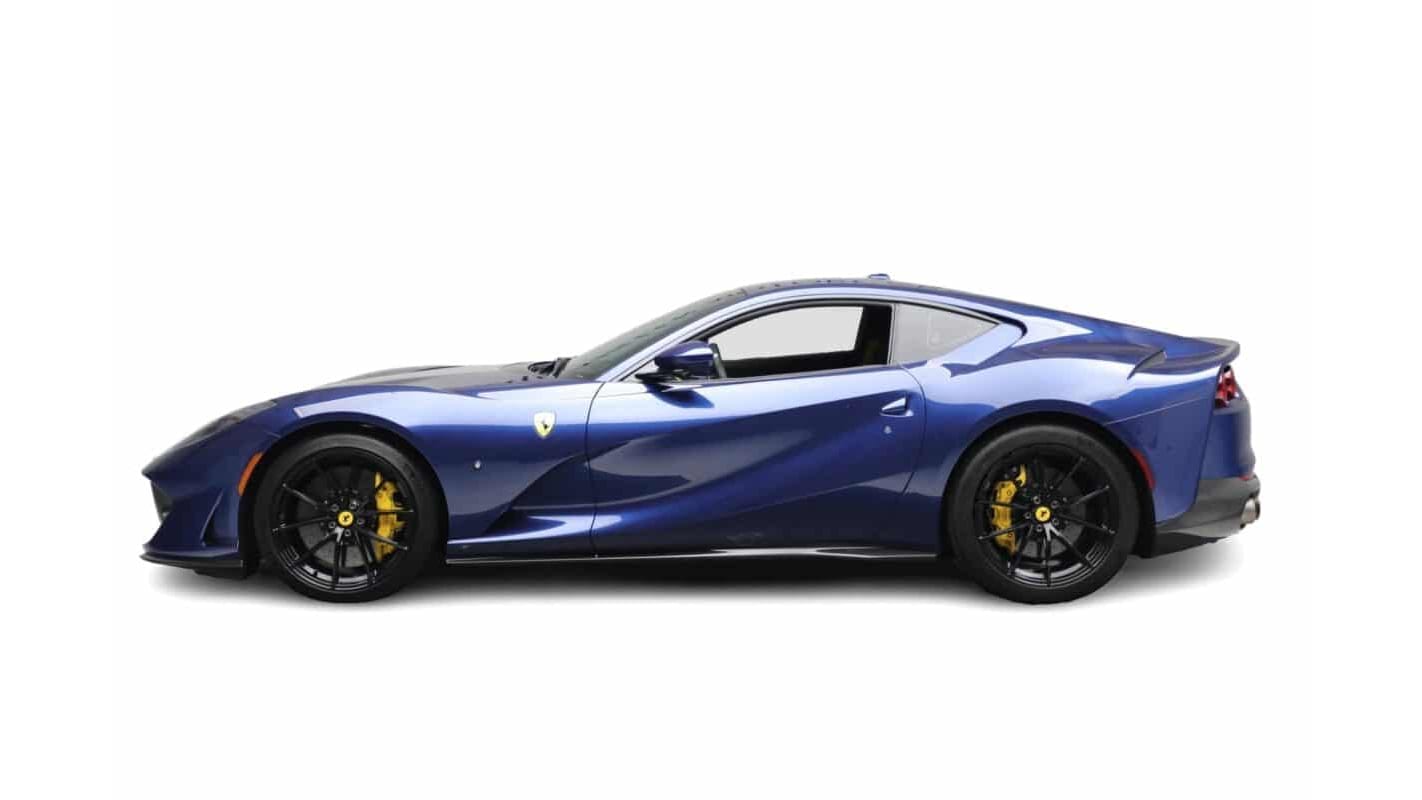
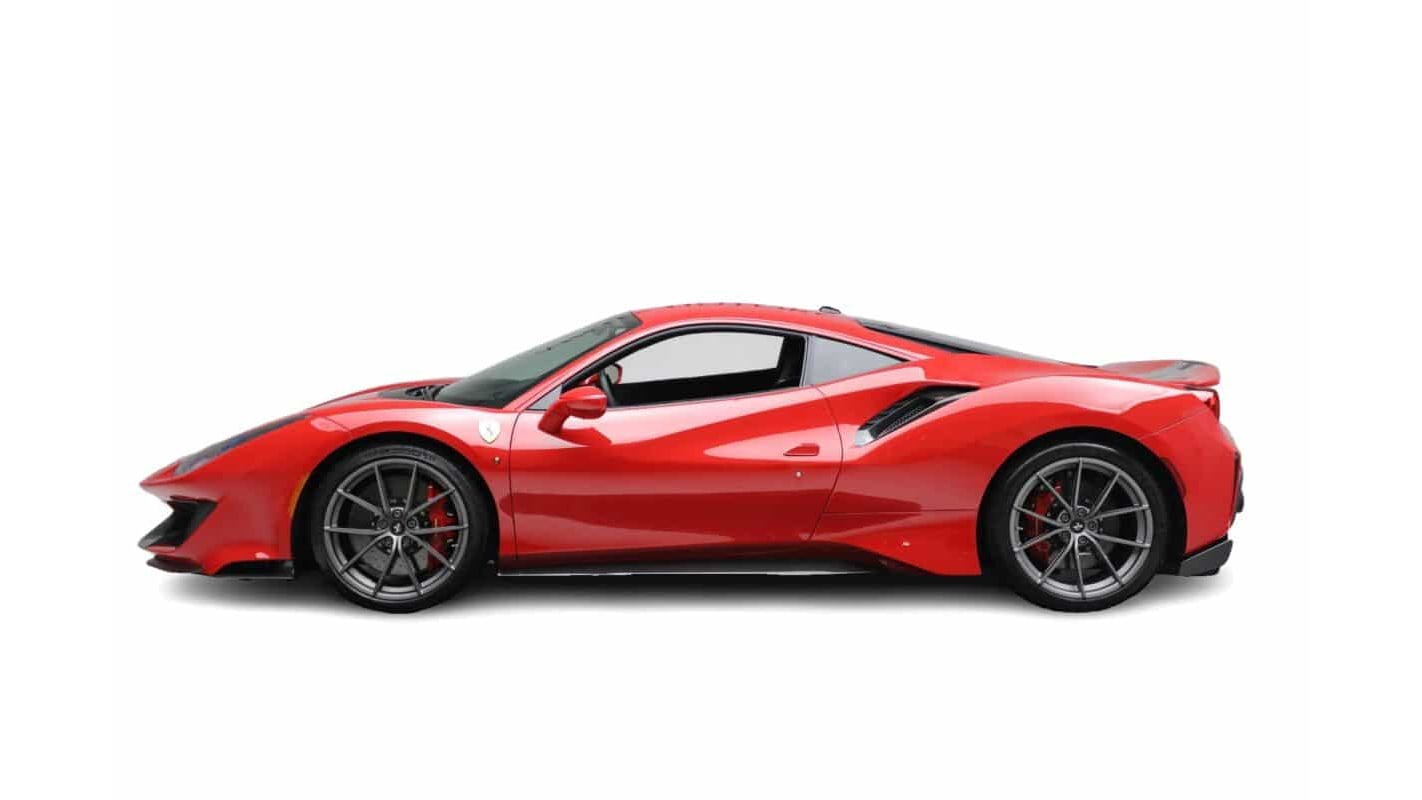
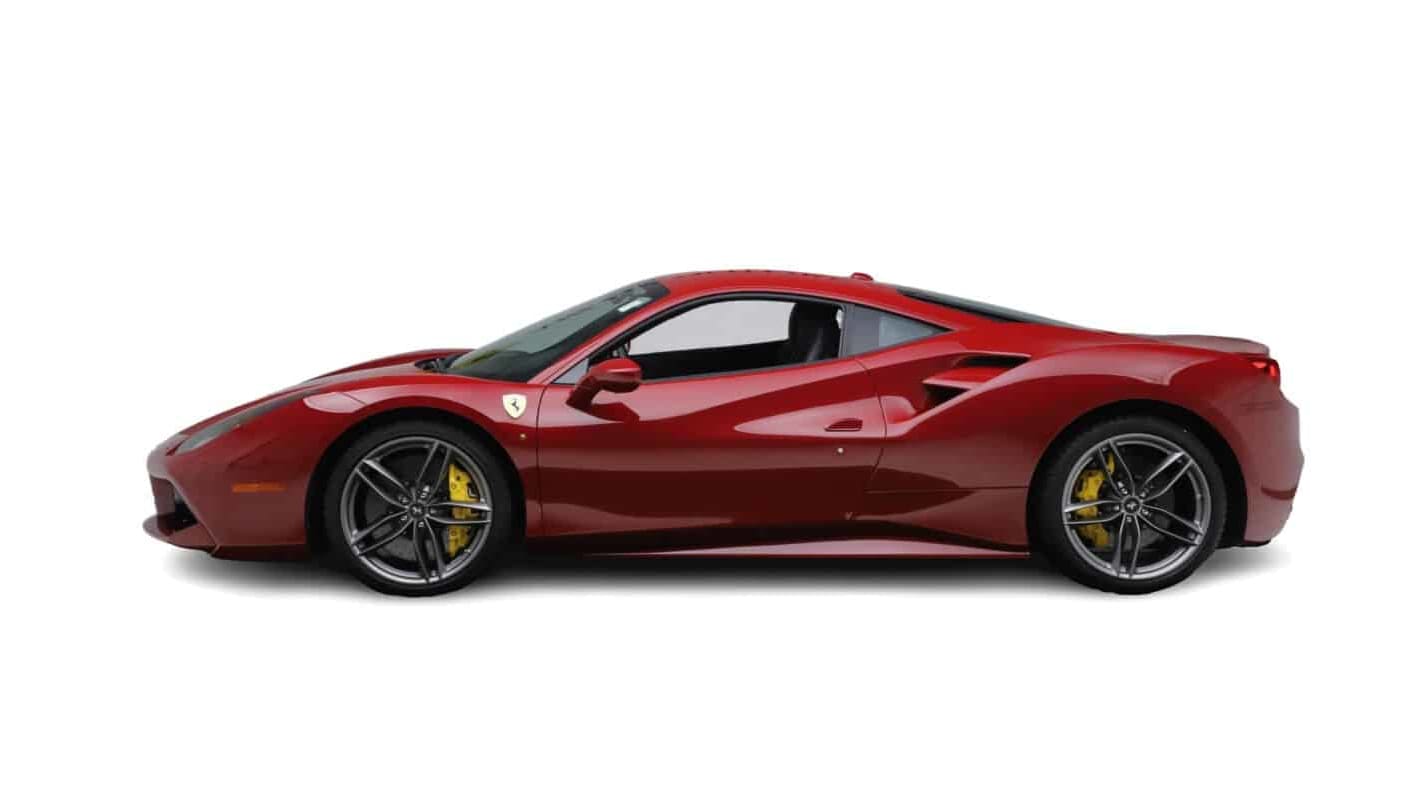
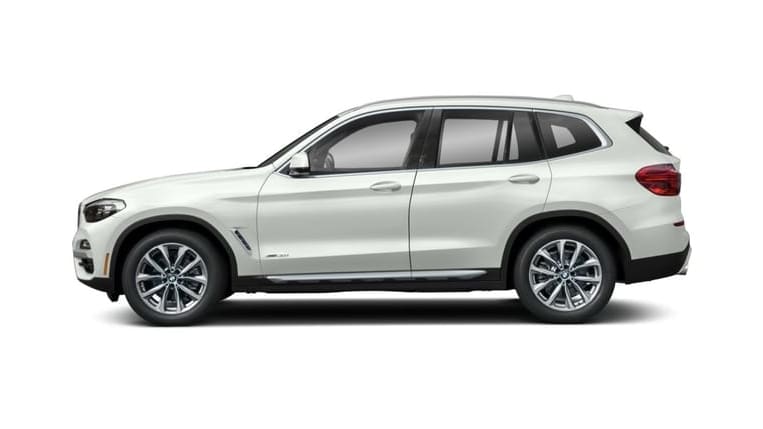
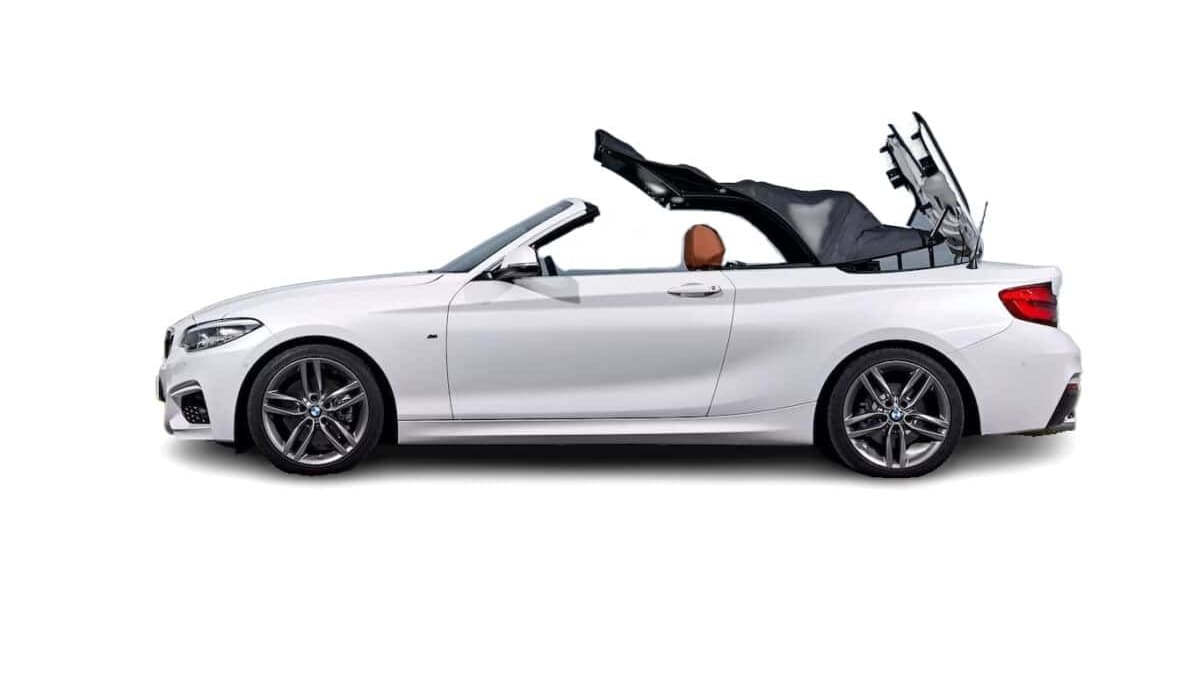
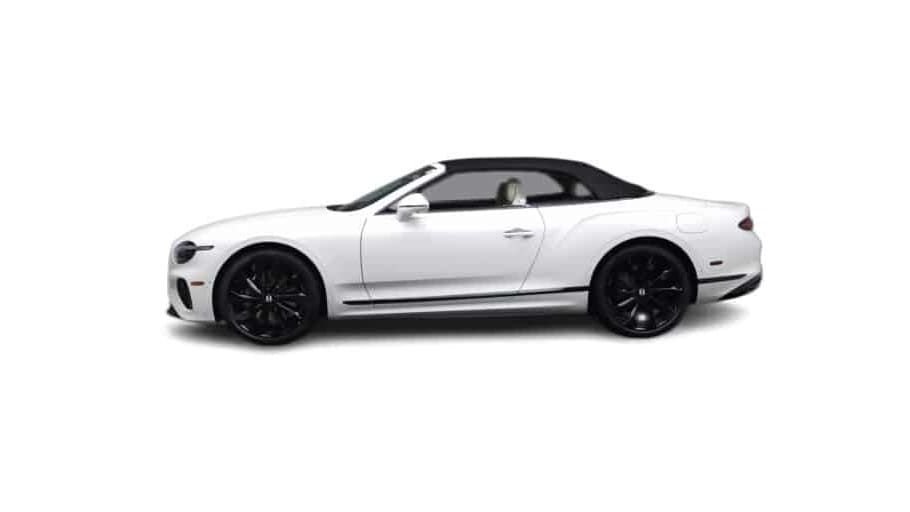
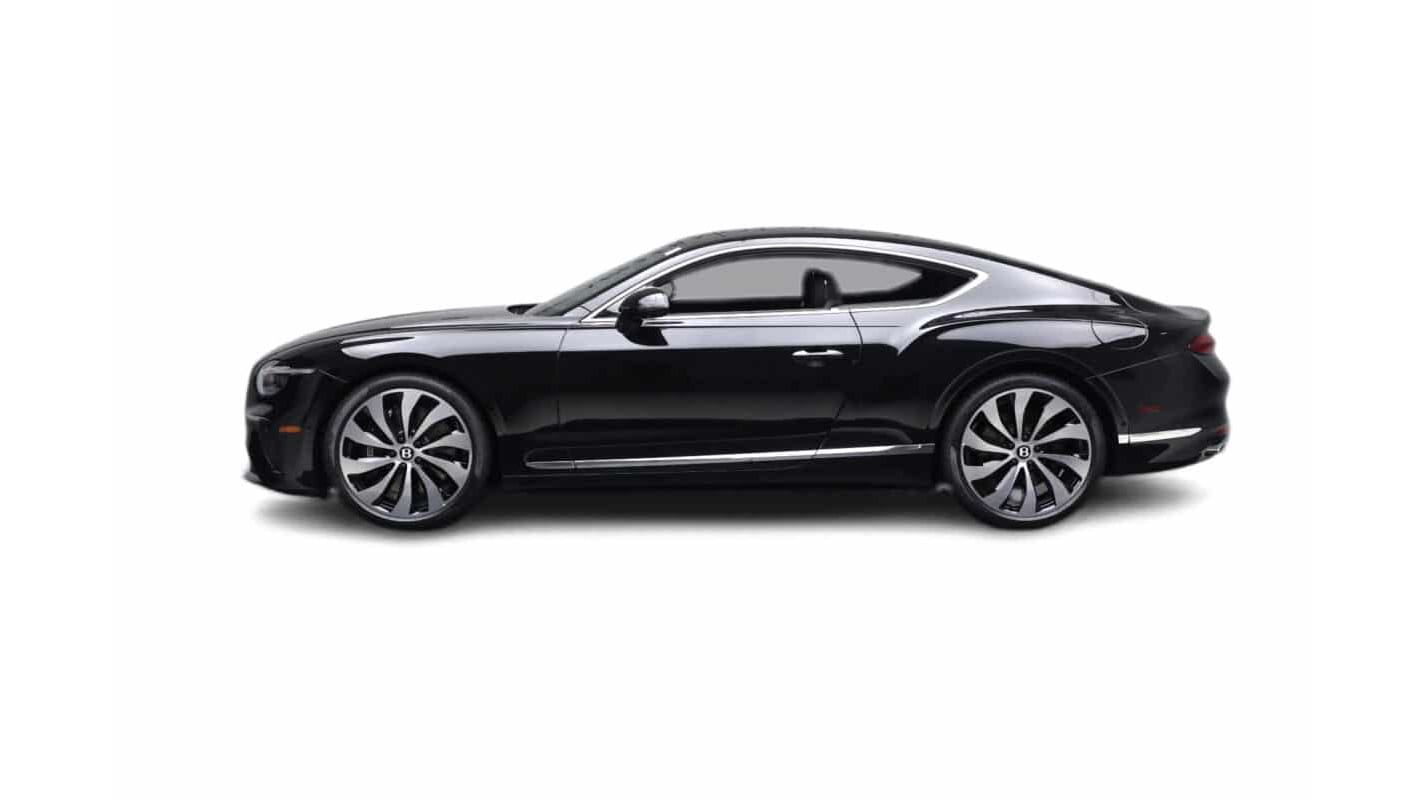
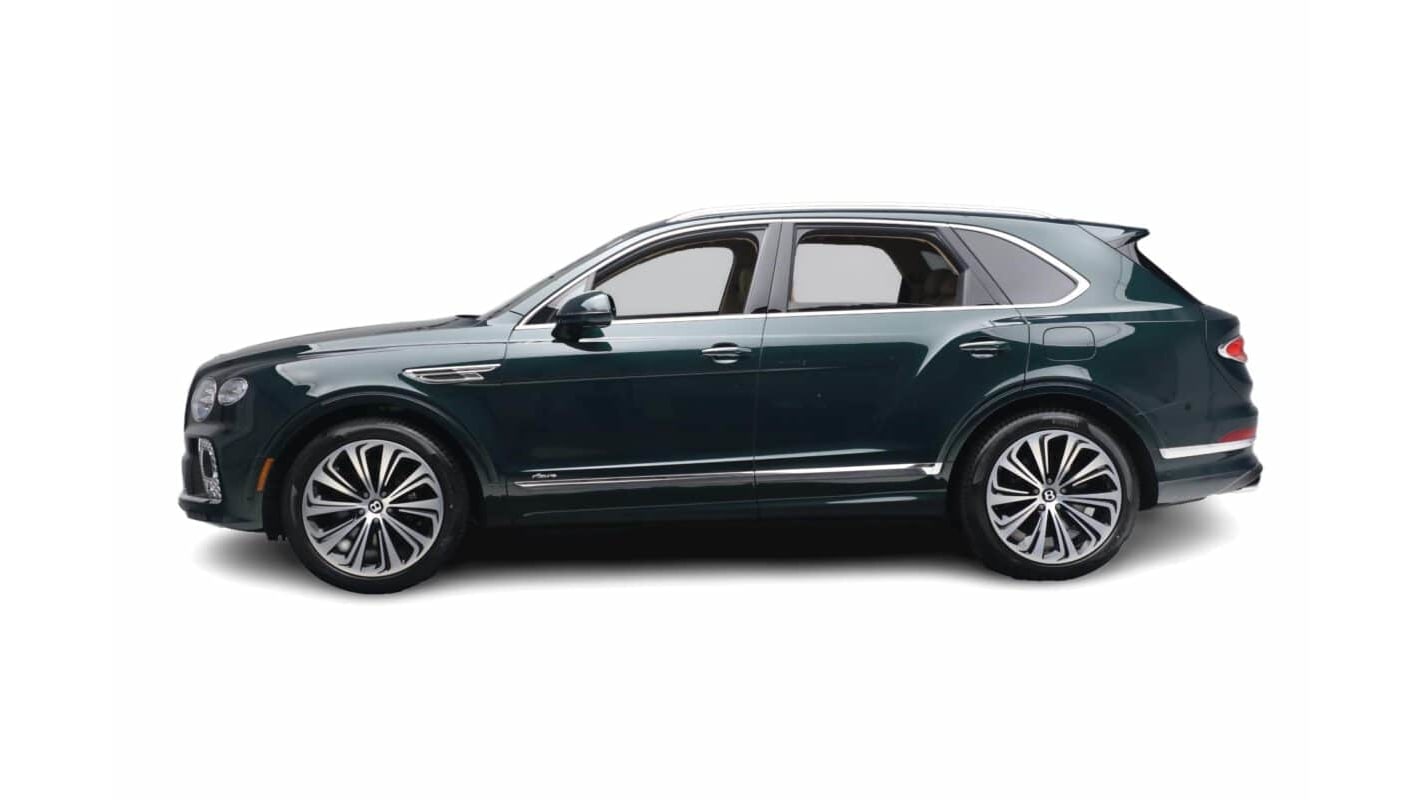
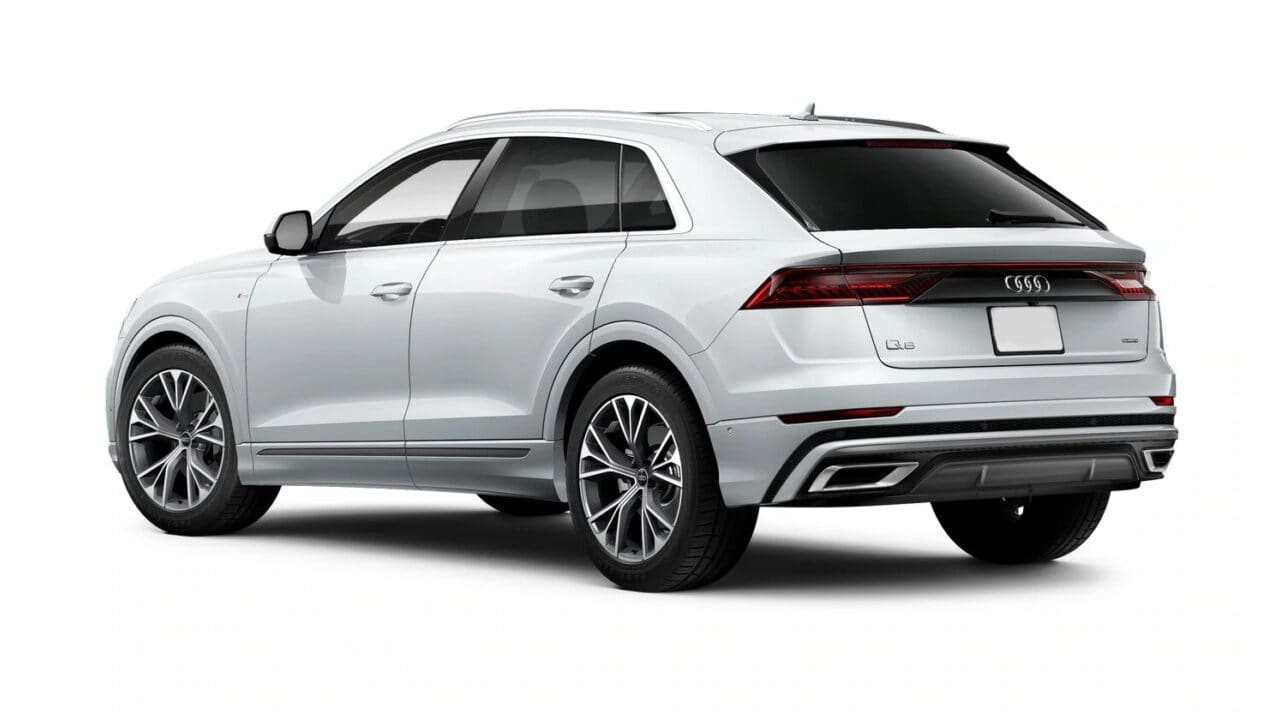
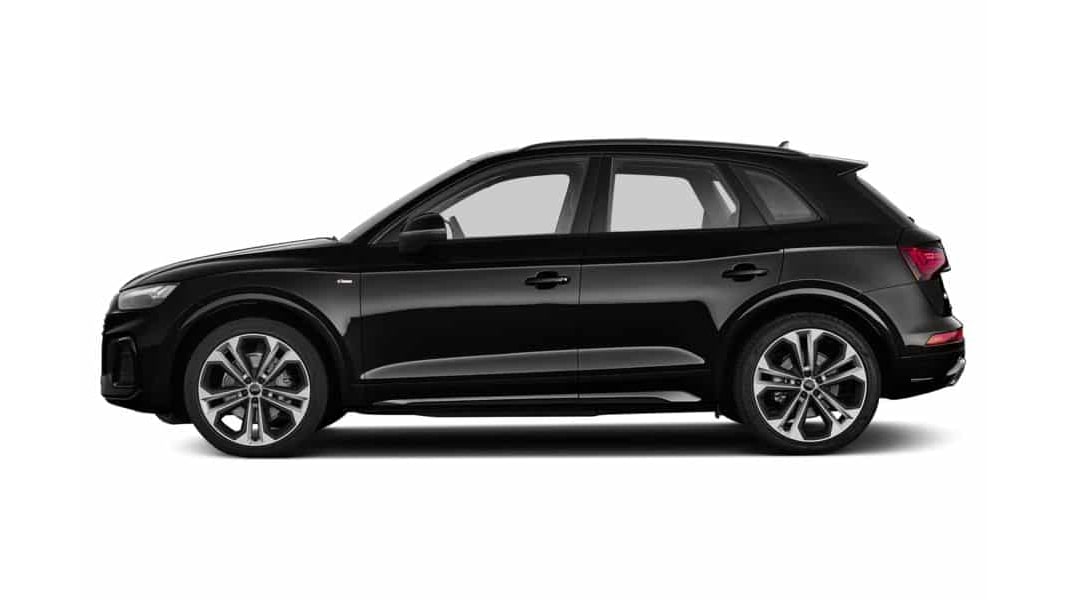
Luxury car rental in Mannheim with Zeus Prestige comes to your hotel, your home or any other address in Mannheim, and to Mannheim City Airport (MHG). Rent or hire a supercar, sports car or convertible, or choose a luxury SUV for longer days, and take the Palatinate wine road, the Neckar valley and the Bergstrasse on your own schedule.
Frederick IV, Elector Palatine, began building the fortress of Friedrichsburg in 1606 and granted Mannheim city status on 24 January 1607. The centre follows a grid, with blocks labelled from A1 to U6, and the city is known as the Quadratestadt, the city of squares. The Rhine and the Neckar meet here.
After the Electoral court moved to Mannheim in 1720, Karl Philip began the palace, which is often ranked as the largest Baroque palace after Versailles, with the Jesuit Church beside it. Both were complete by 1760. The Nationaltheater, founded in 1779, staged the premiere of Schiller's Die Räuber in 1782, and in 1817 Karl Drais set out from Mannheim on his two-wheeled running machine, the ancestor of the bicycle.
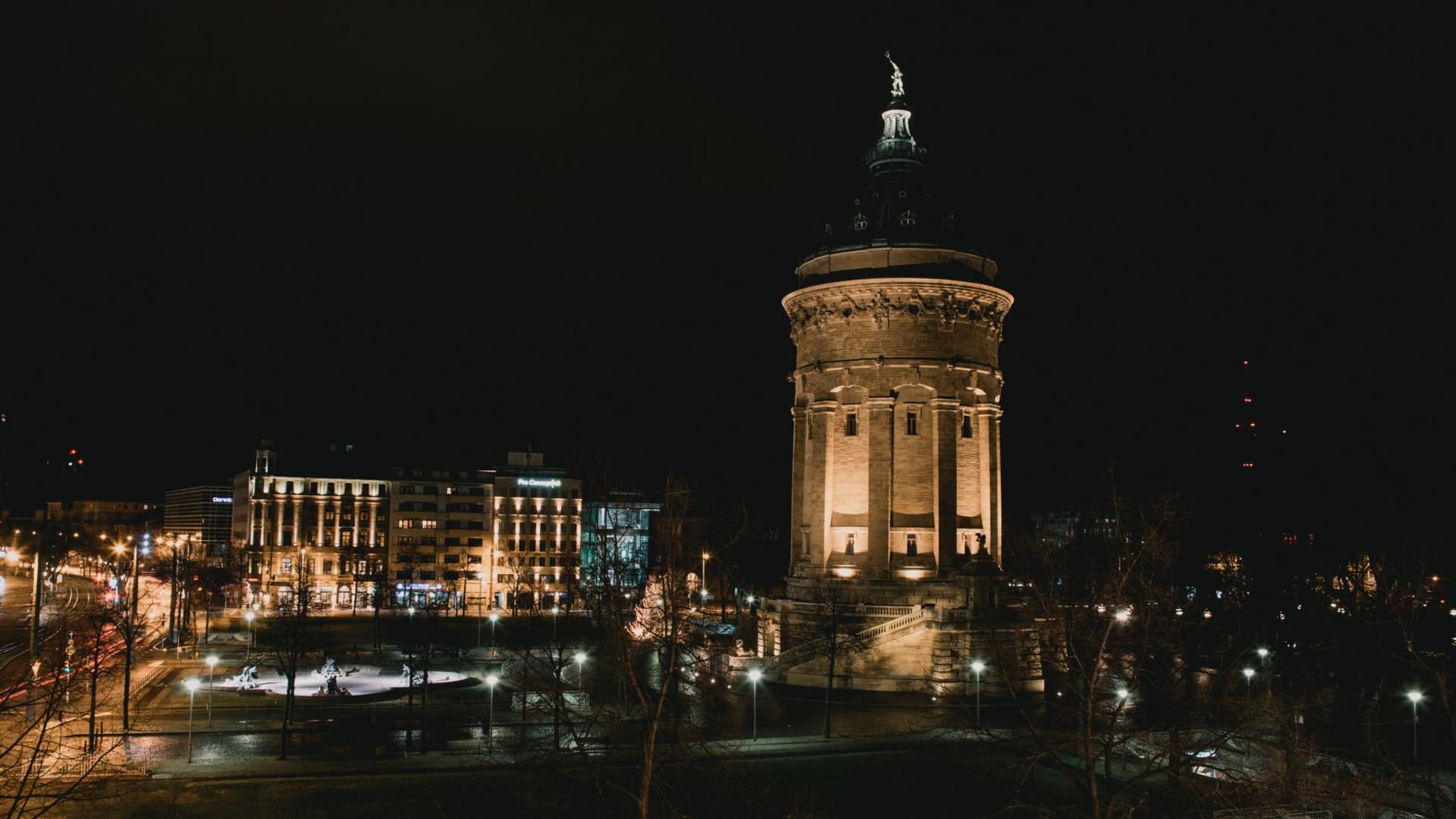
The water tower on Friedrichsplatz is the city's emblem, and Luisenpark and the riverbanks give Mannheim its green side.
Take the roof down for the German Wine Road, which runs through the vineyards of the Palatinate west of Mannheim. At Bad Dürkheim a giant wine barrel built in 1934 holds a restaurant. Deidesheim follows, and at Neustadt the Hambach Castle looks out over the plain, where the Hambach Festival of 1832 called for German unity and liberty. The air smells of grapes and warm red sandstone. Take lunch in a wine estate and drive back with the evening light on the hills.
Follow the Neckar east from Heidelberg in a supercar. Beyond Heidelberg Castle the river road tightens into bends beneath wooded slopes, and at Neckarsteinach four medieval castles stand along the ridge above the town. Hirschhorn and Eberbach come next. The pulse races as the river appears and vanishes between the trees, and each corner exit brings the next straight a little faster than the last.
The Bergstrasse, the road along the western edge of the Odenwald, is grand tourer territory. Weinheim's two castles look down on the town, Heppenheim lies beneath the Starkenburg, and in spring the almond and cherry blossom brightens the slopes. The turn signal clicks softly at each village, and the car covers the miles in near silence while you take in the view.
Yes. We deliver to hotels, offices and homes in Mannheim and the Rhine-Neckar region. Send us the address when you book.
Yes. We deliver to Mannheim City Airport (MHG), including its private aviation terminal (ICAO EDFM), and to Frankfurt Airport (FRA, ICAO EDDF), a major international hub nearby.
A convertible fits the Palatinate wine road, a supercar the Neckar valley, and a grand tourer the Bergstrasse and longer trips.
Frankfurt lies to the north, Mainz to the north-west, Karlsruhe to the south and Stuttgart to the south-east.
Yes. Vineyards, river valleys and forested hills lie on every side, and the motorways reach the Black Forest and the Rhine gorge within a day's drive.
Choose from our sports cars, cabriolets, SUVs and exotics, tell us where in Mannheim to deliver, and the keys will be ready for your luxury car hire.