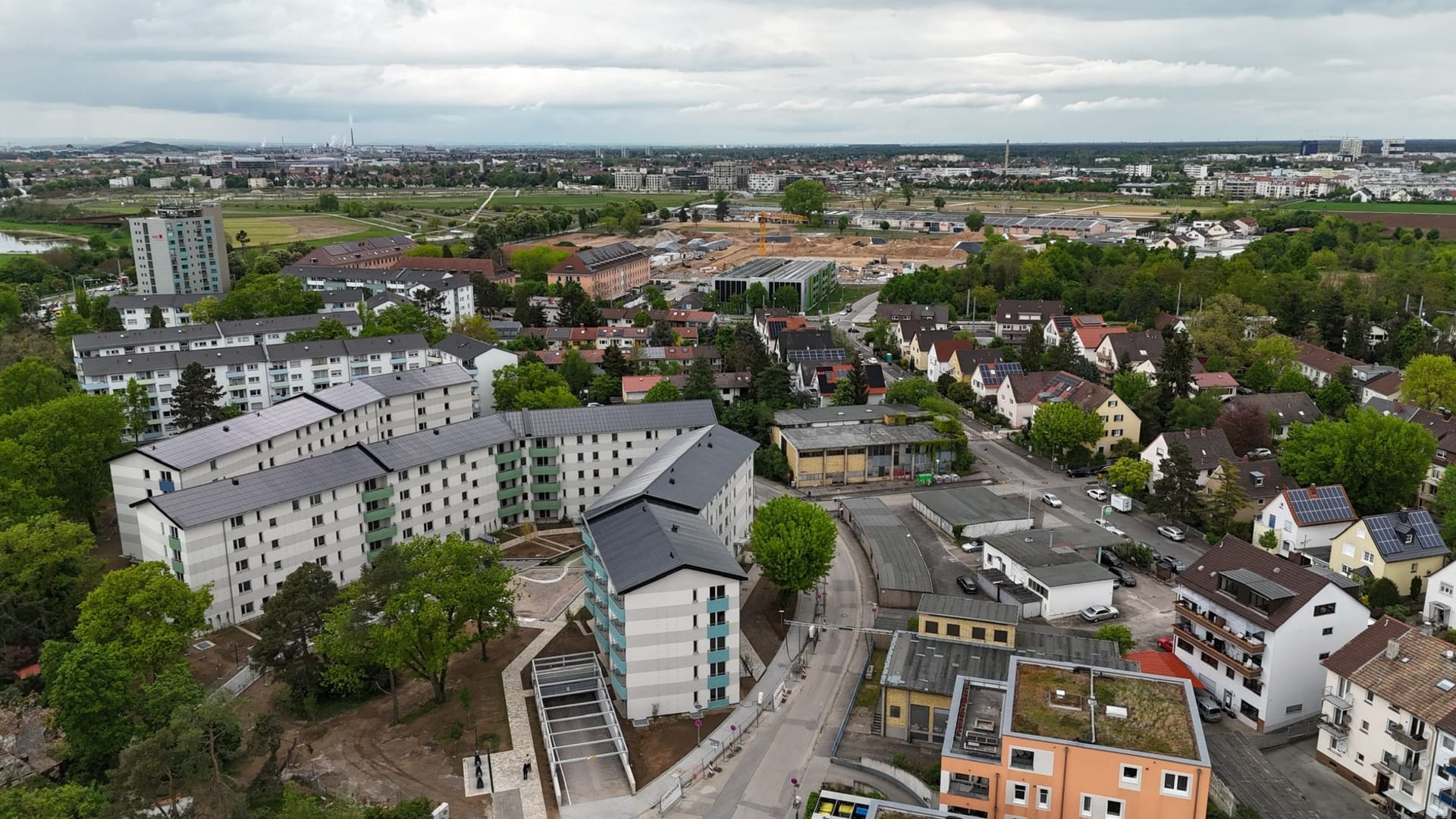
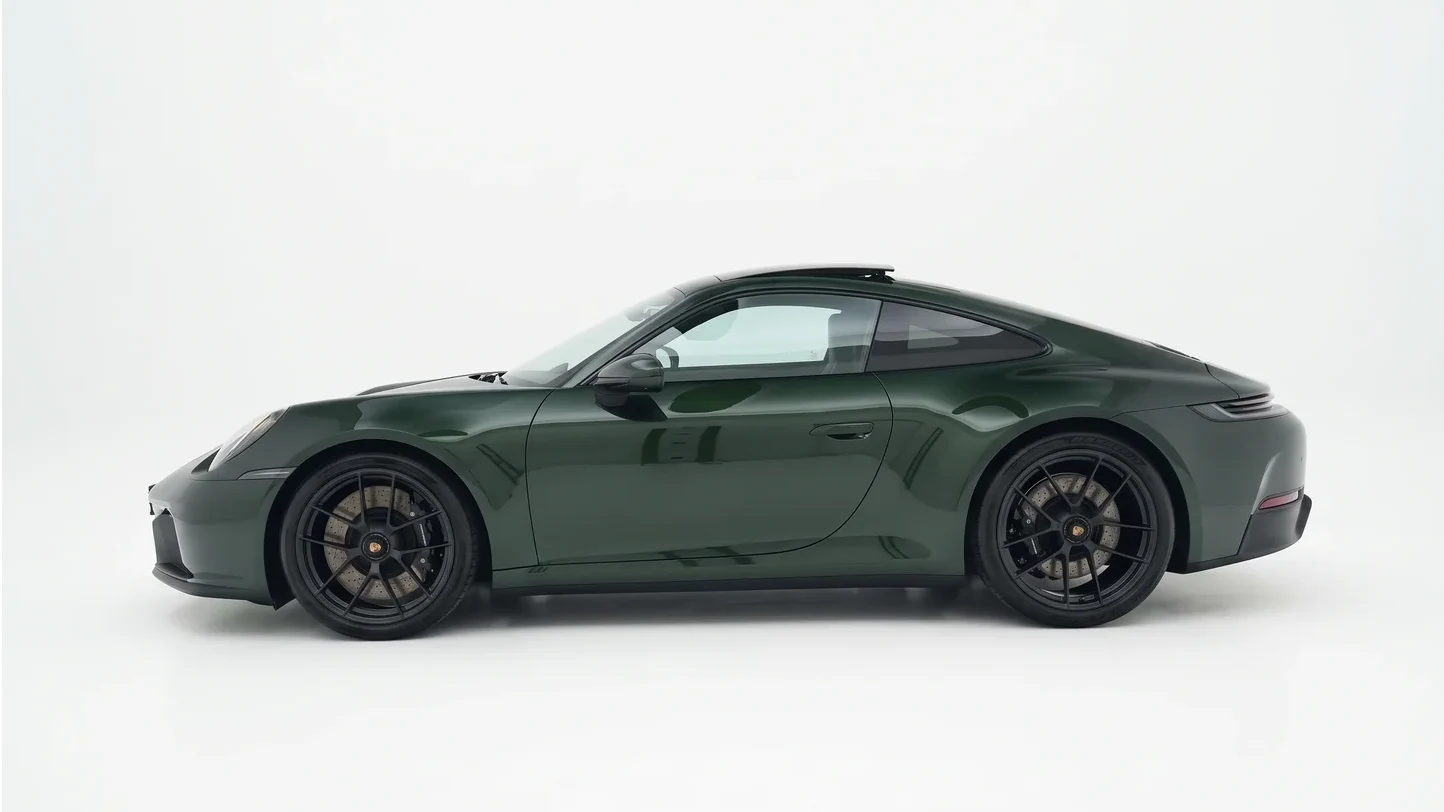
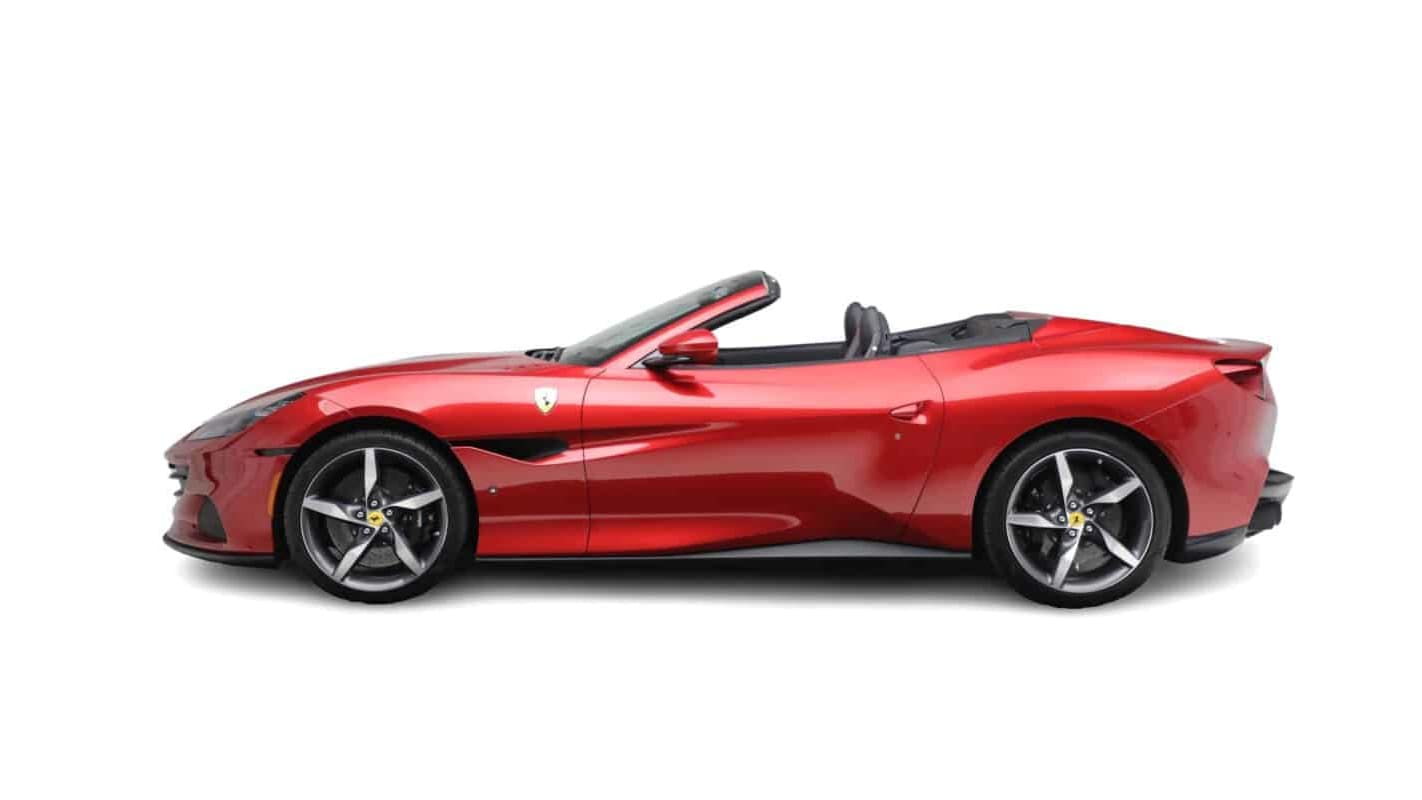
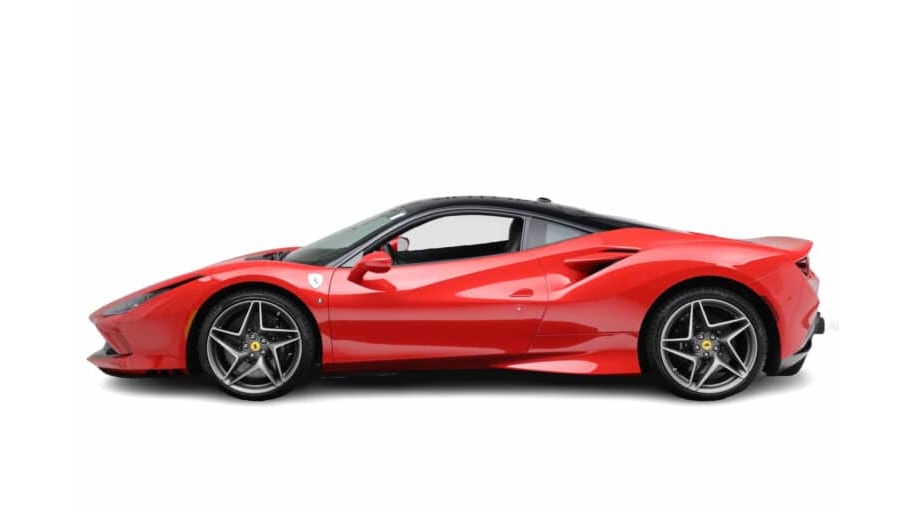
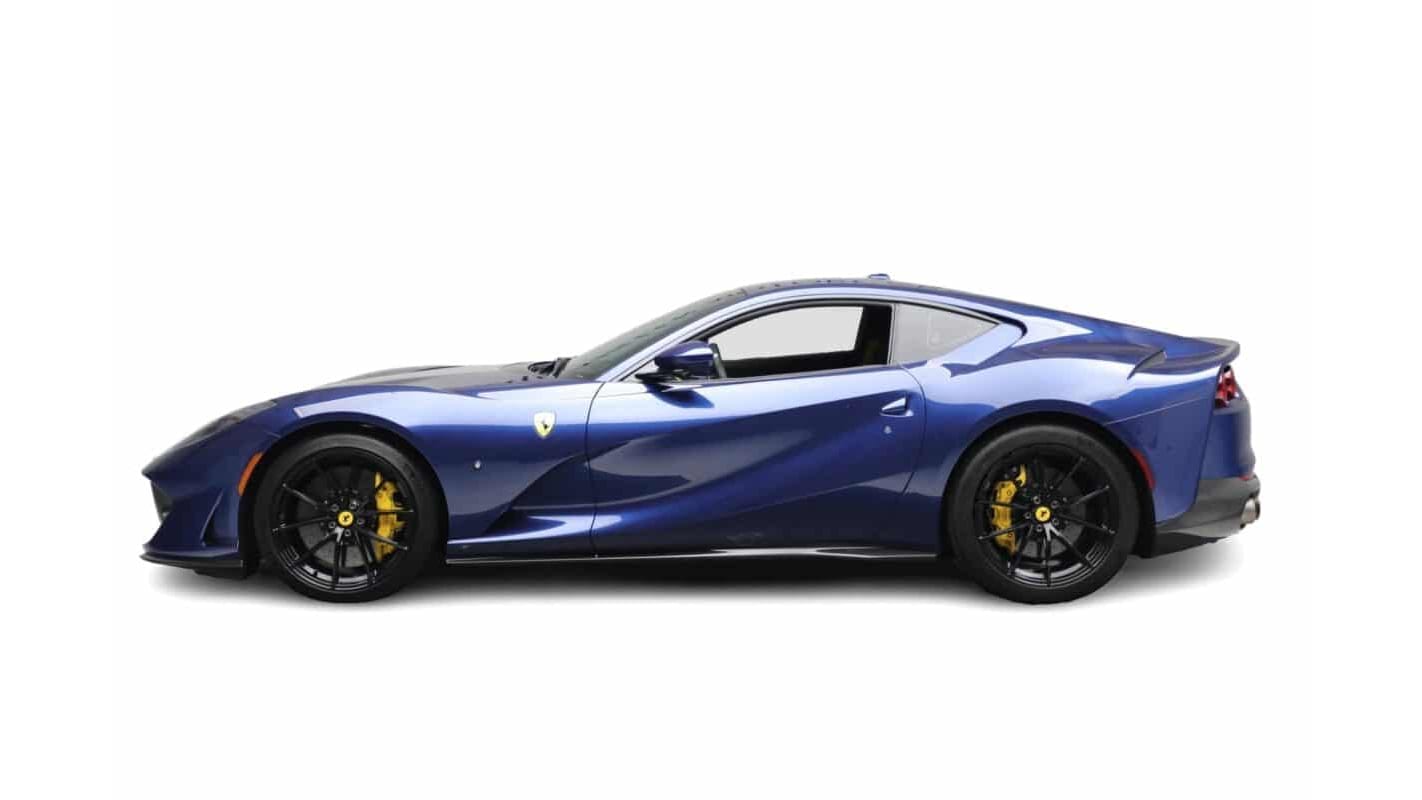
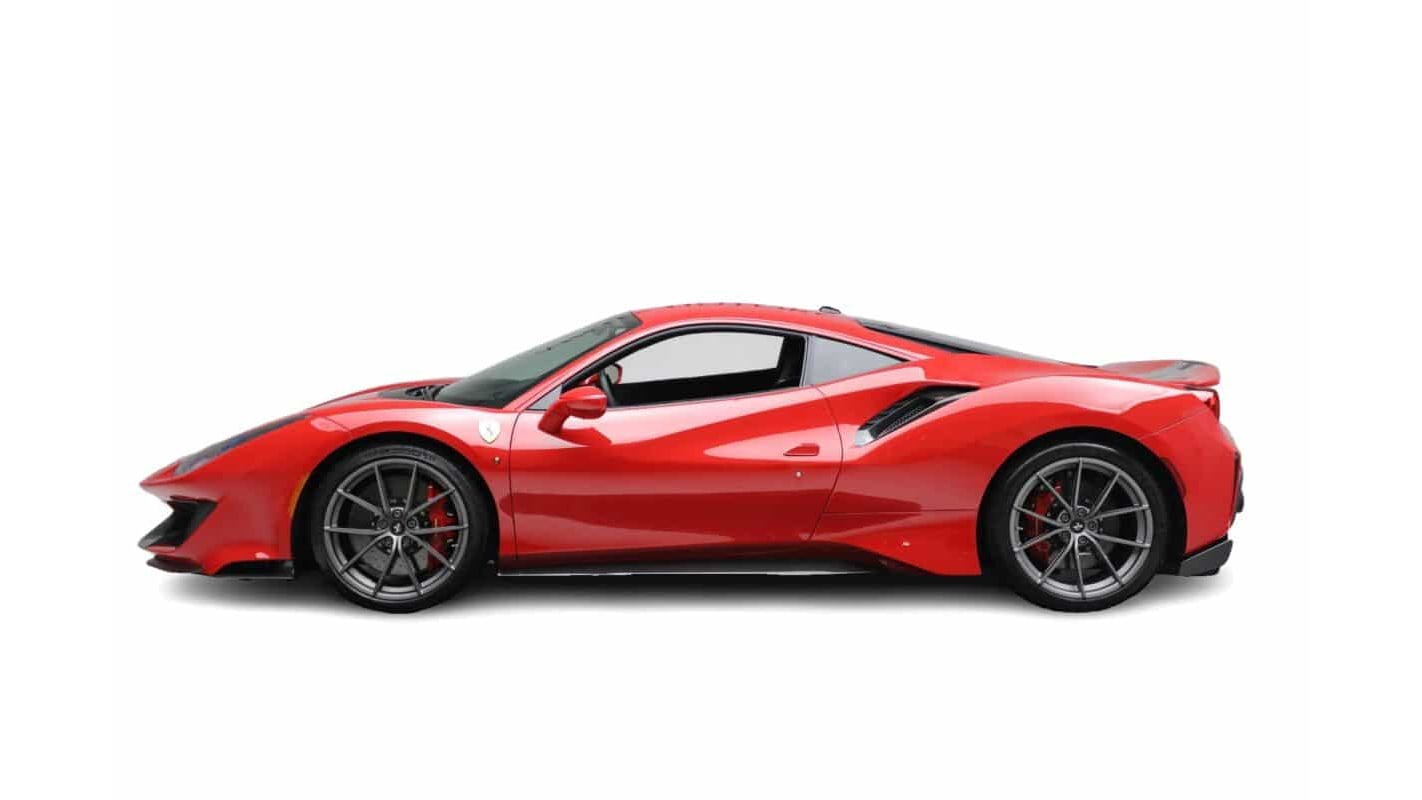
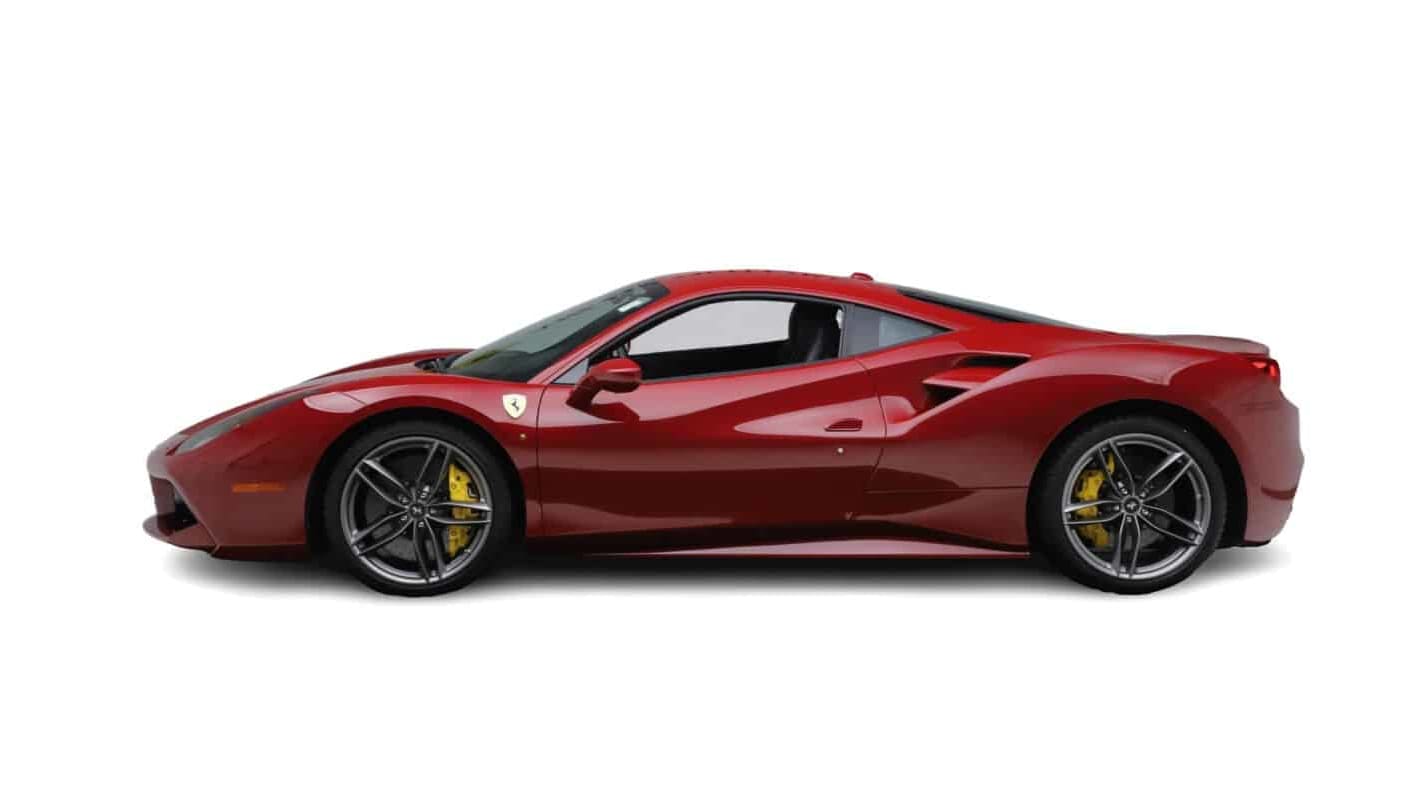
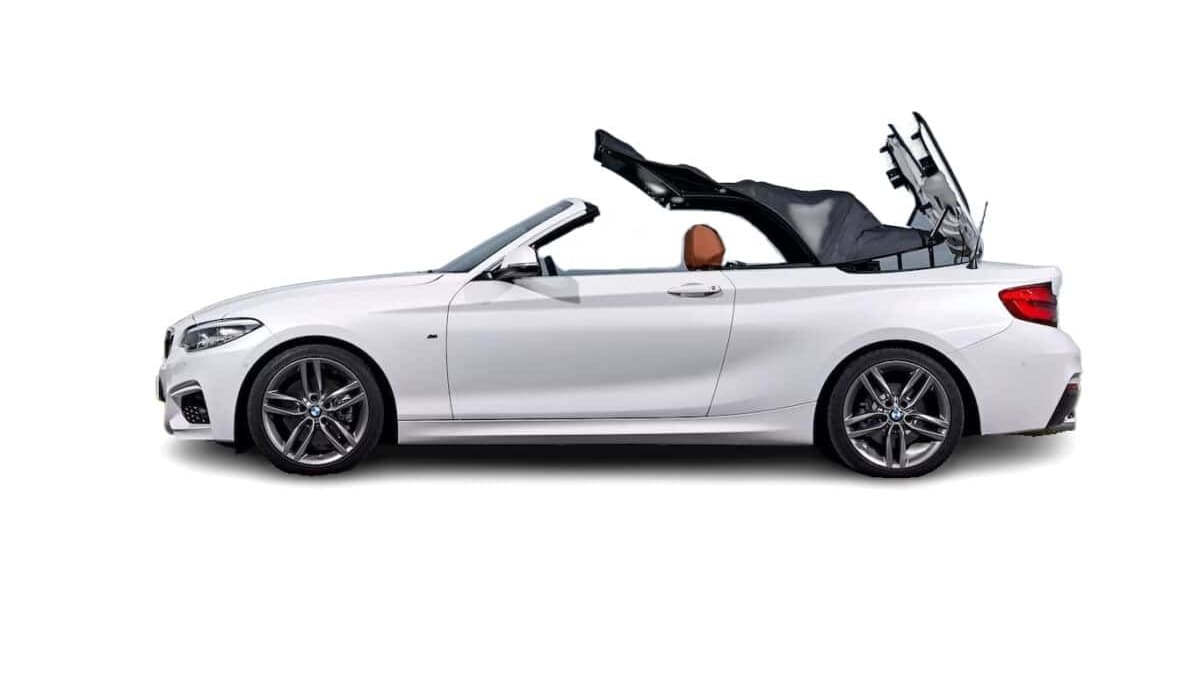
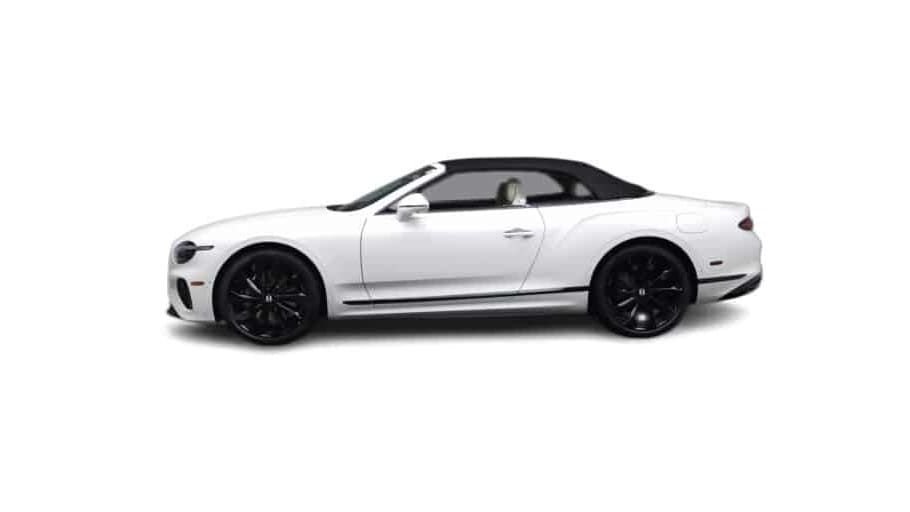
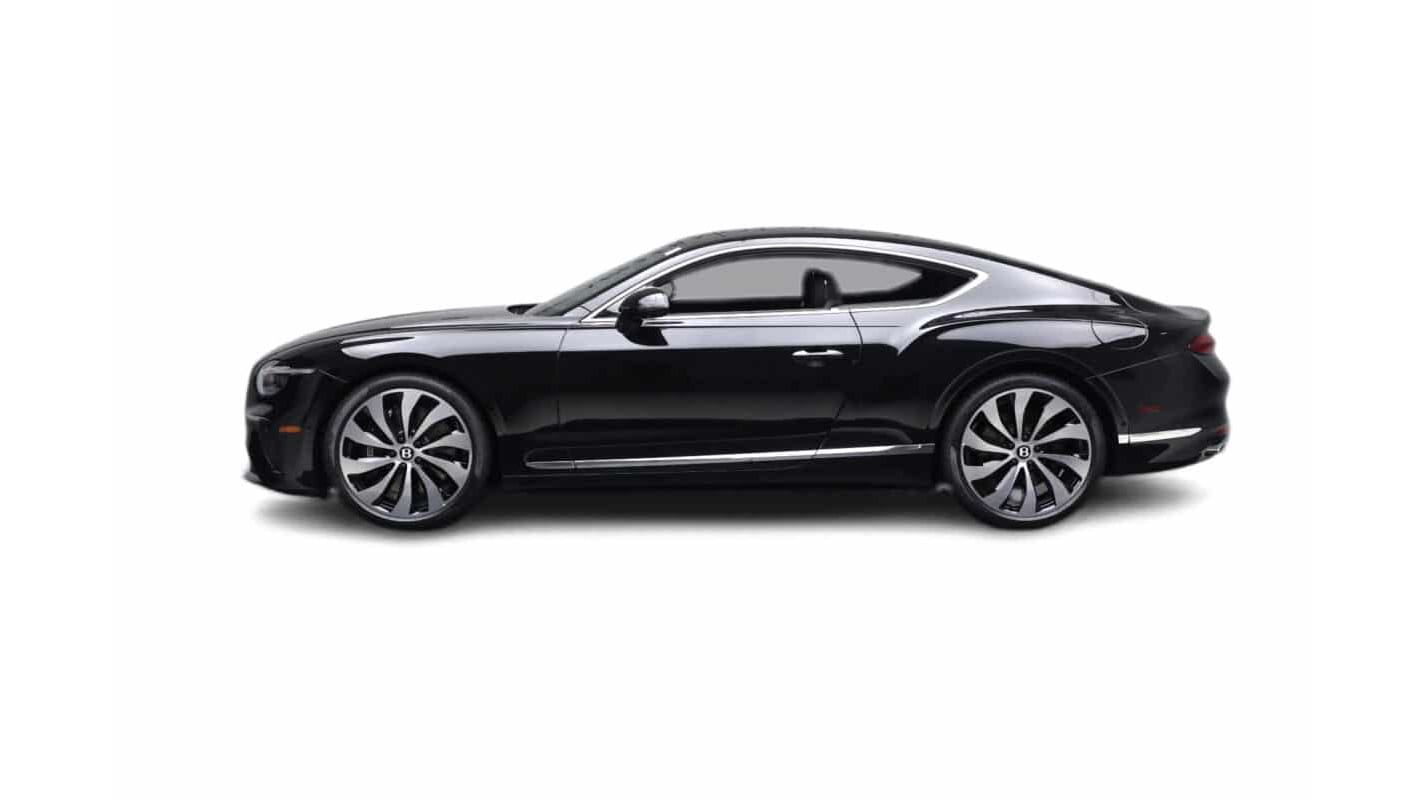
Before the city wakes, Oberhausen belongs entirely to those who understand stillness. A low mist settles over the Rhein-Herne-Kanal, softening the silhouettes of the gasometers and the great skeletal cranes that once defined this region's industrial dominance. In the grey-blue quiet of early morning, the A40 Ruhrschnellweg is yours alone — a corridor that cuts through the heart of the Ruhr with a directness that rewards a car built for urgency. There are no crowds, no hesitation, just the clean hiss of asphalt and the measured breathing of a well-tuned engine. This is where the reinvention of post-industrial Germany feels most honest: not a erasure of the past, but a confident overlay of the new. The Gasometer Oberhausen — Europe's largest gas holder repurposed as a cathedral of culture — watches over the morning like a secular monument to transformation. Later, Landhaus Milser offers the kind of unhurried, white-linen composure that asks nothing of you except presence. Oberhausen does not perform for visitors. It simply continues — purposeful, evolving, and best appreciated through the windshield of something exceptional.
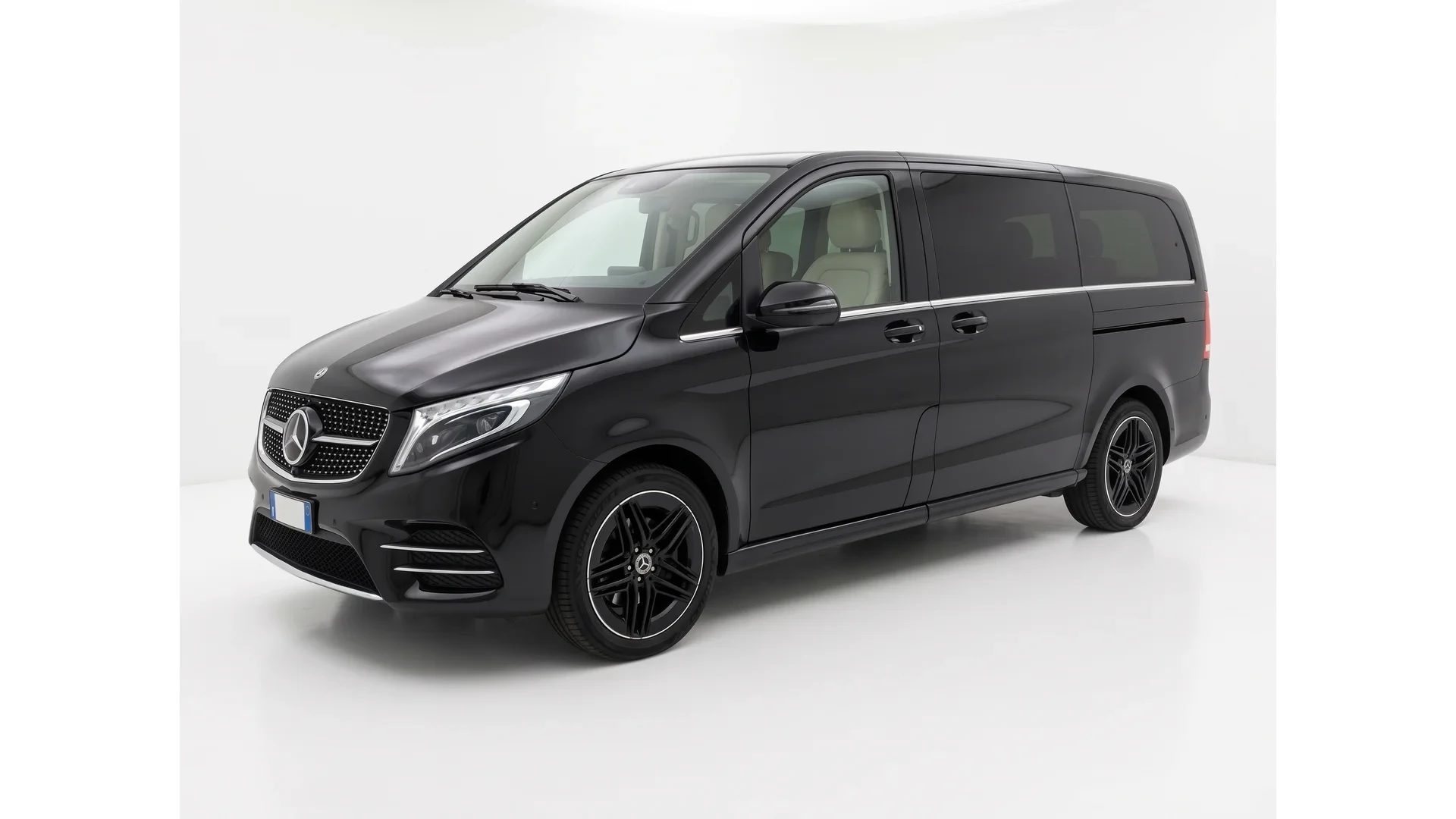
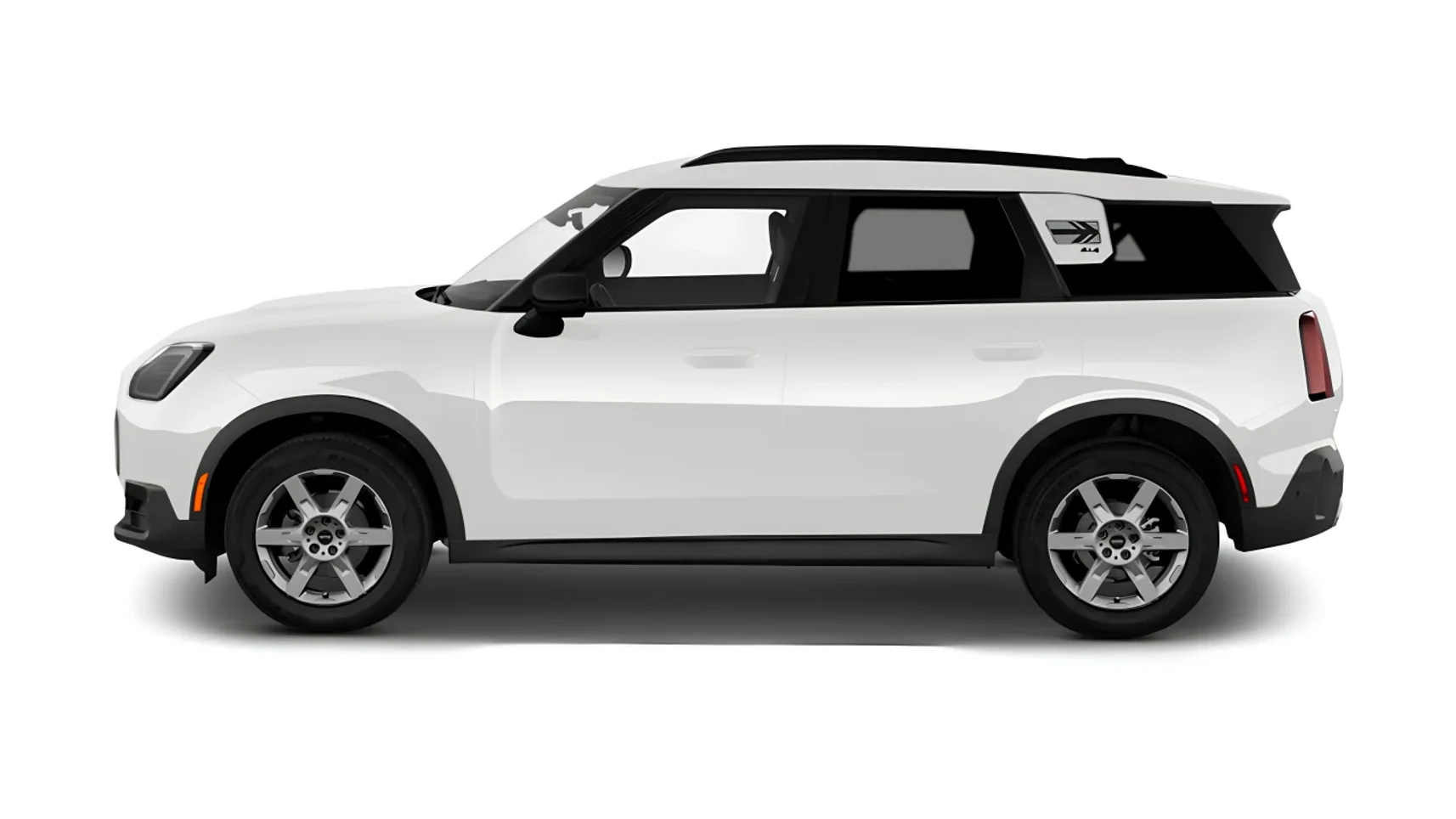
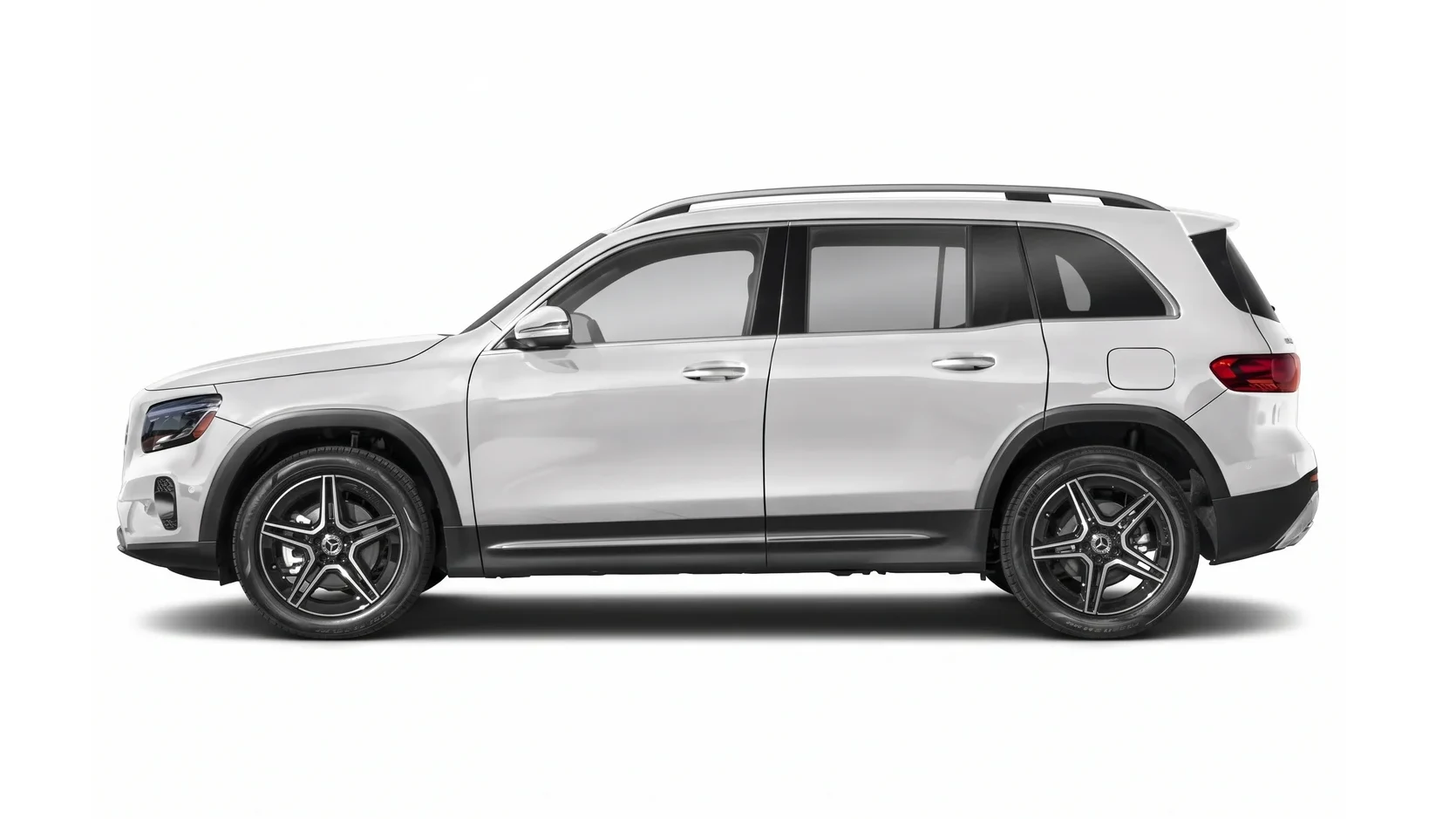
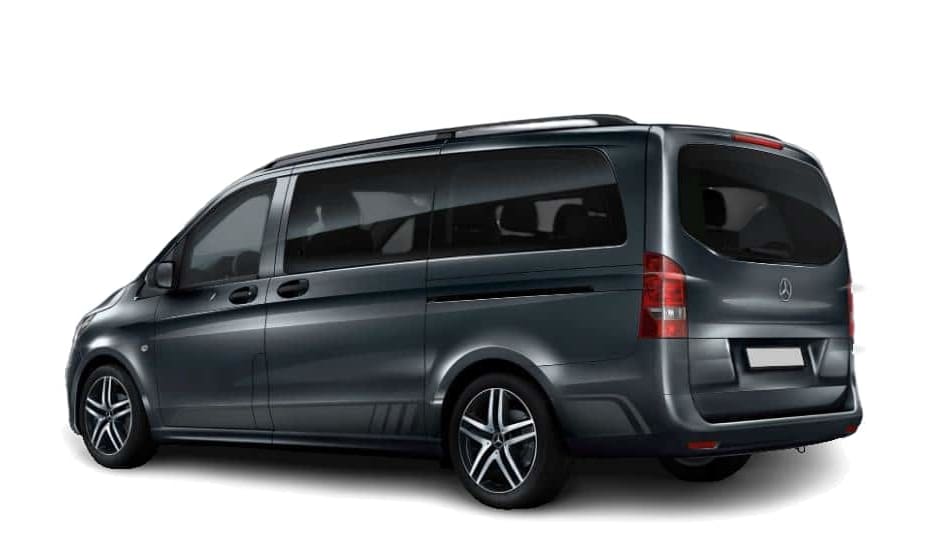
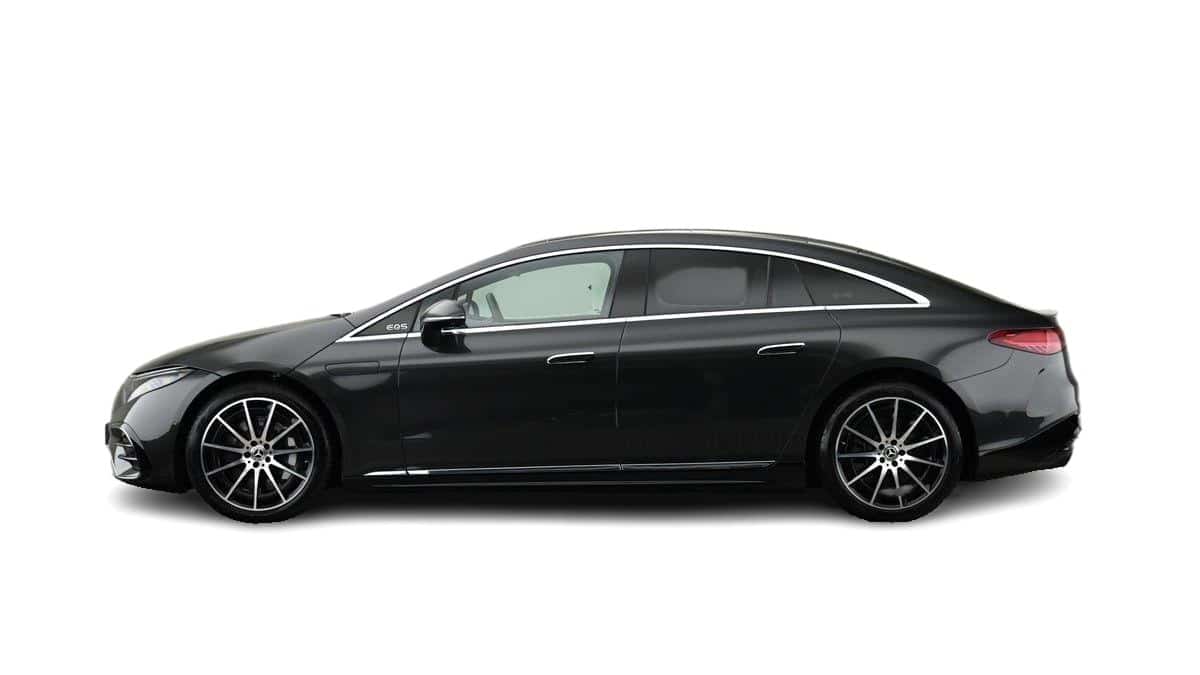
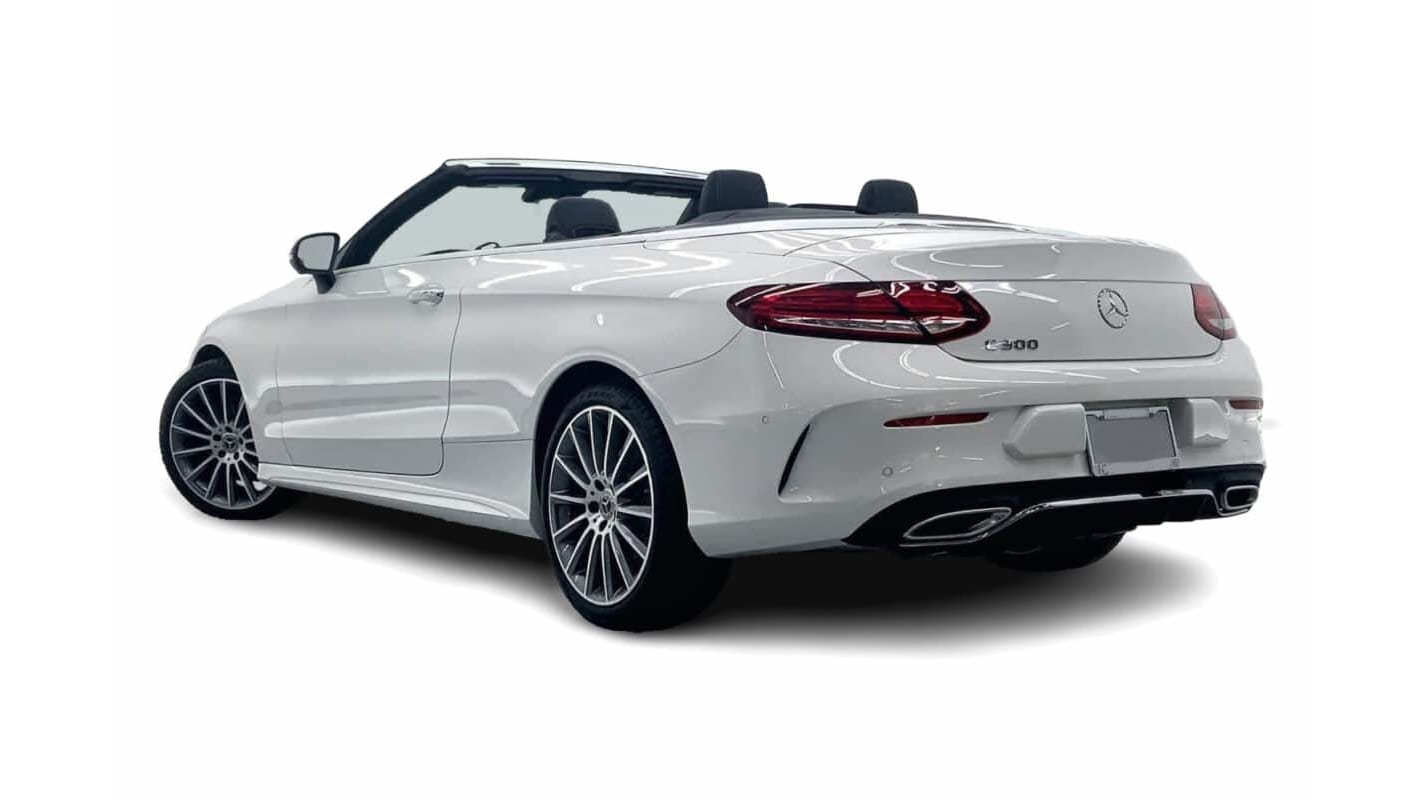
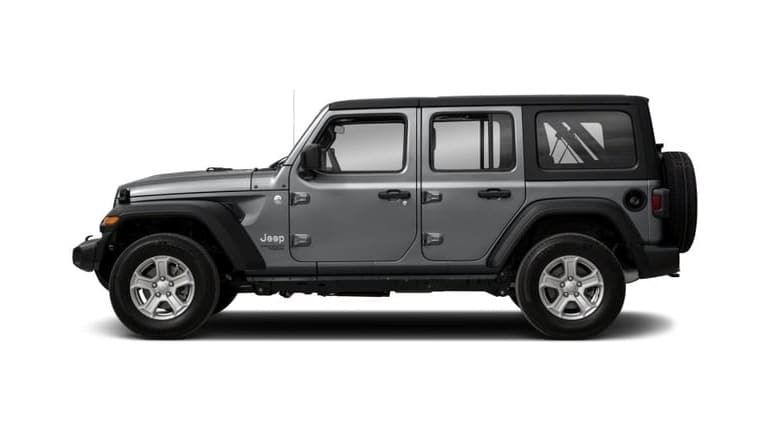
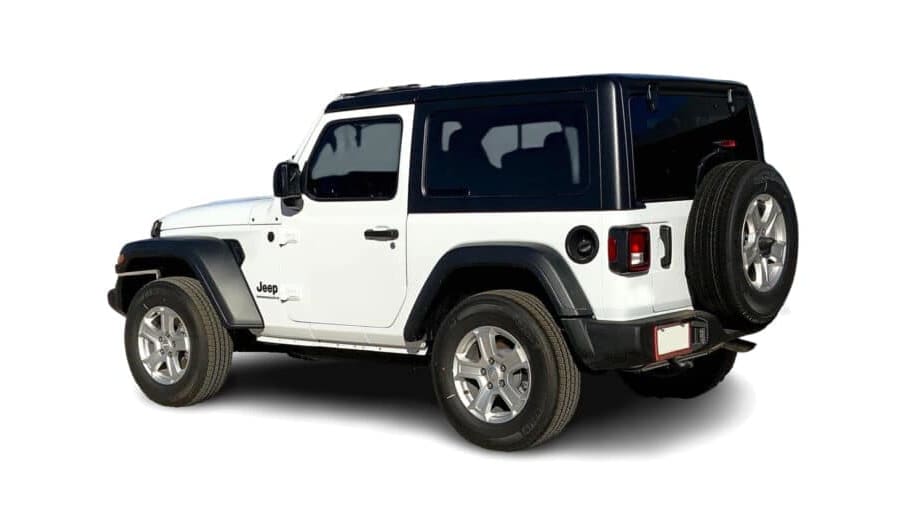
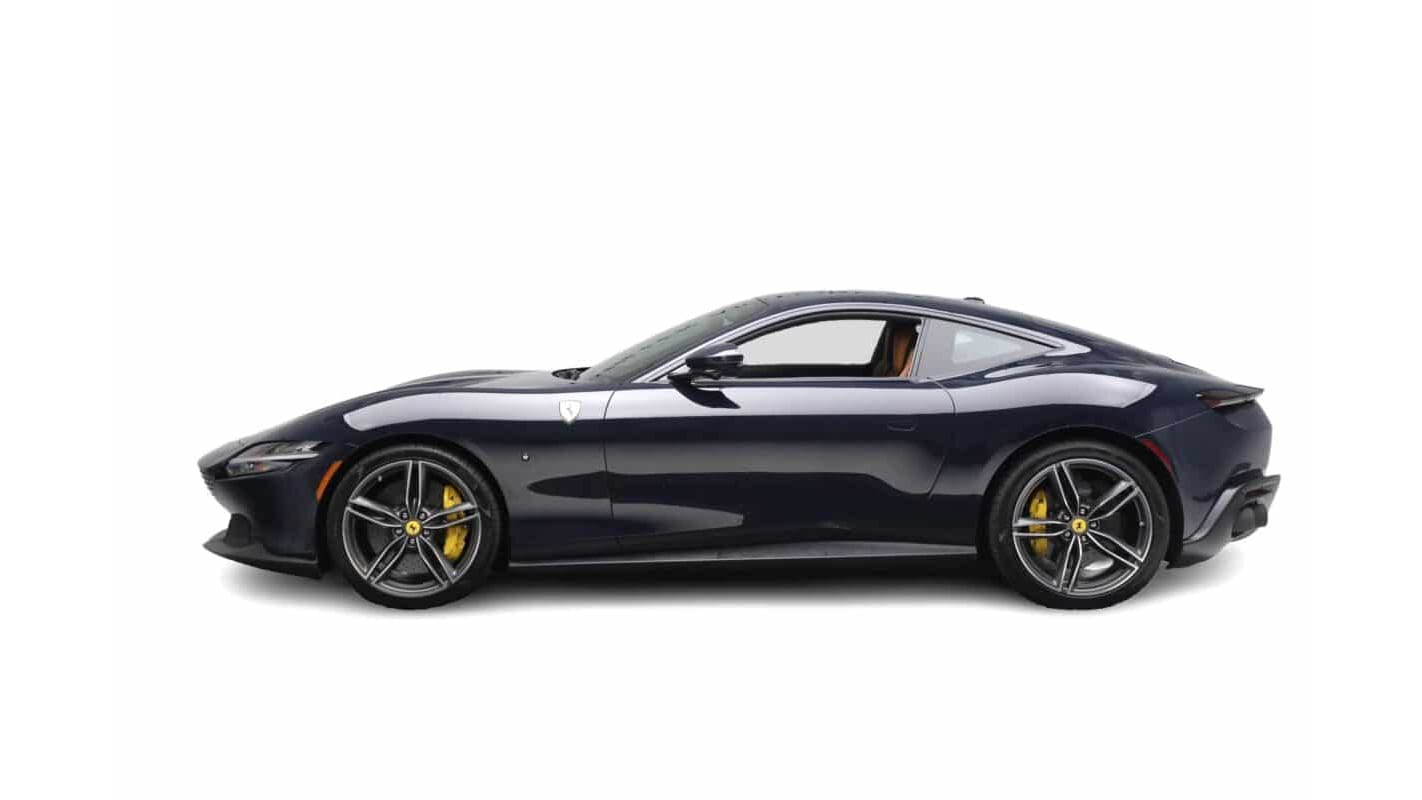
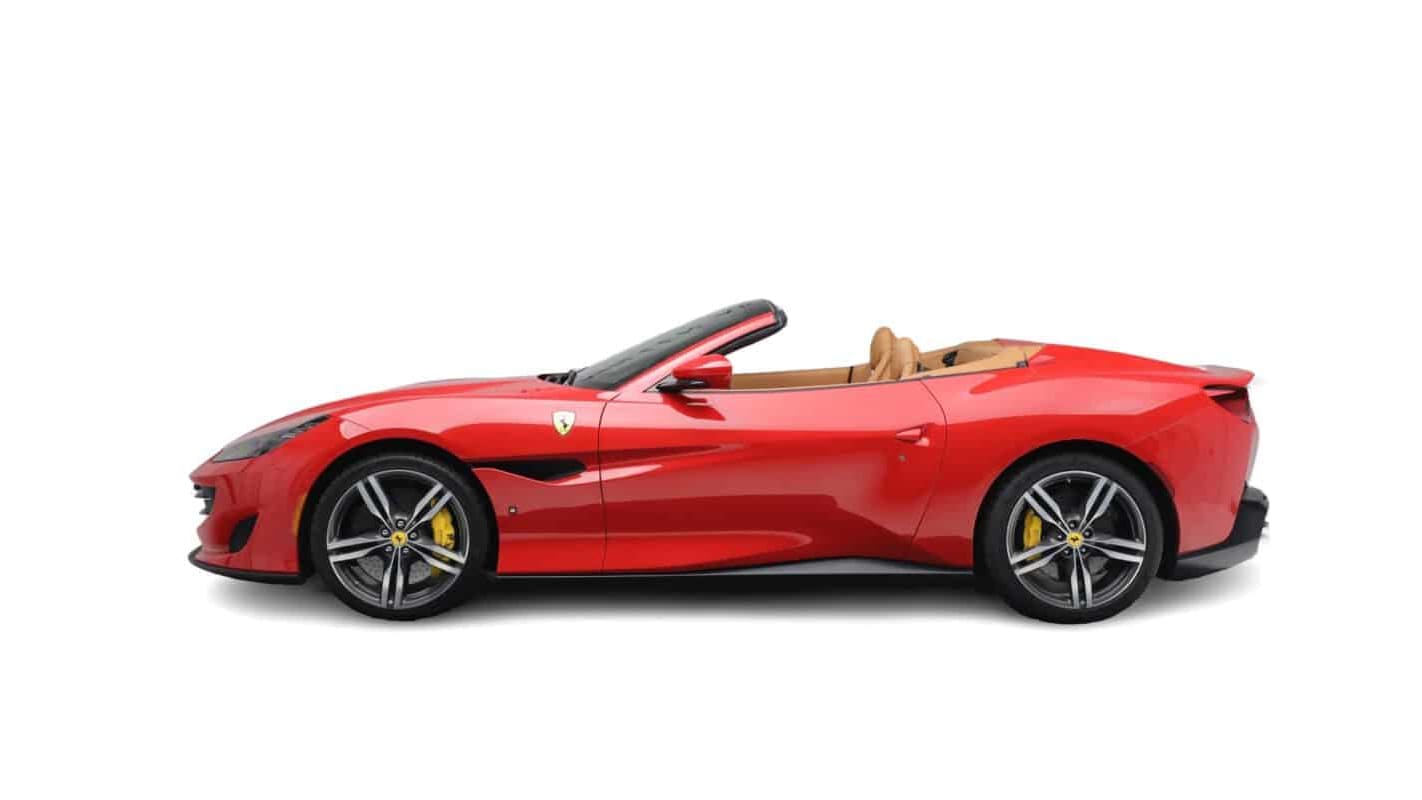
Full Fleet in Oberhausen
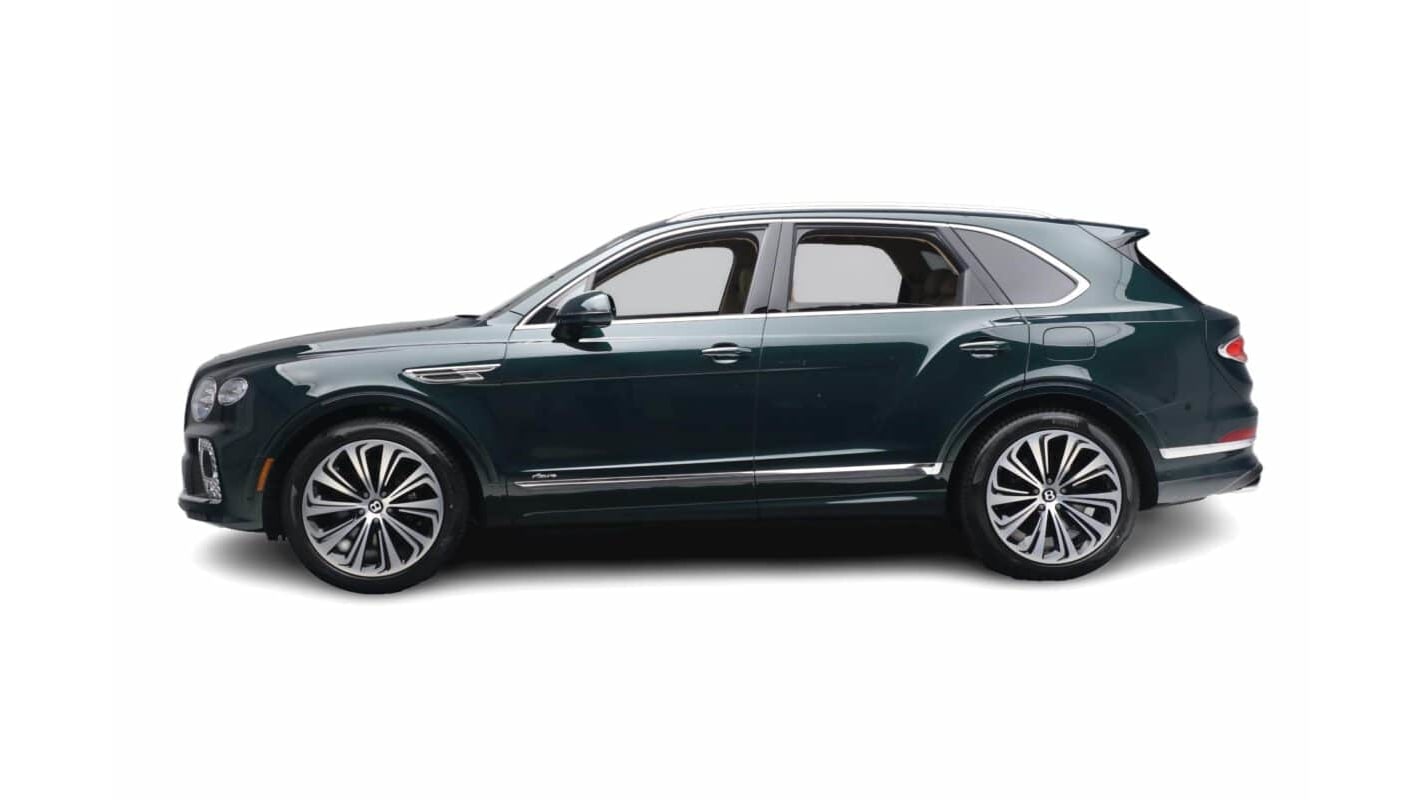
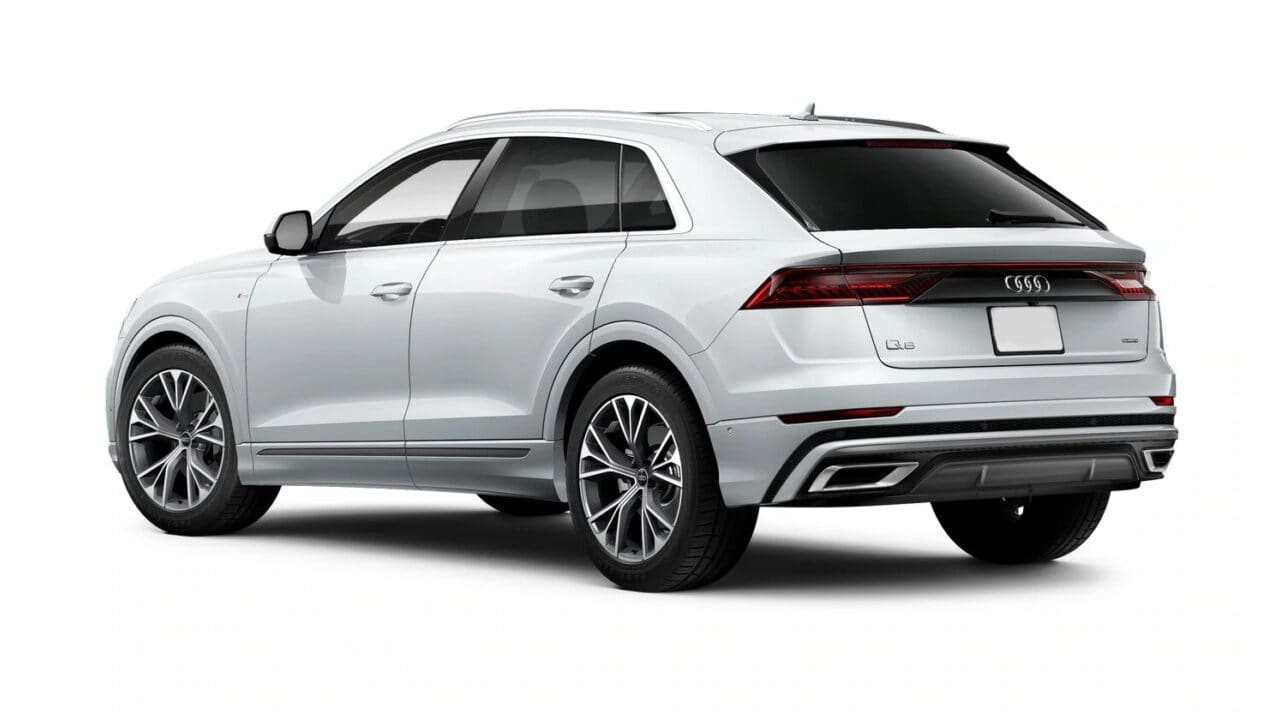
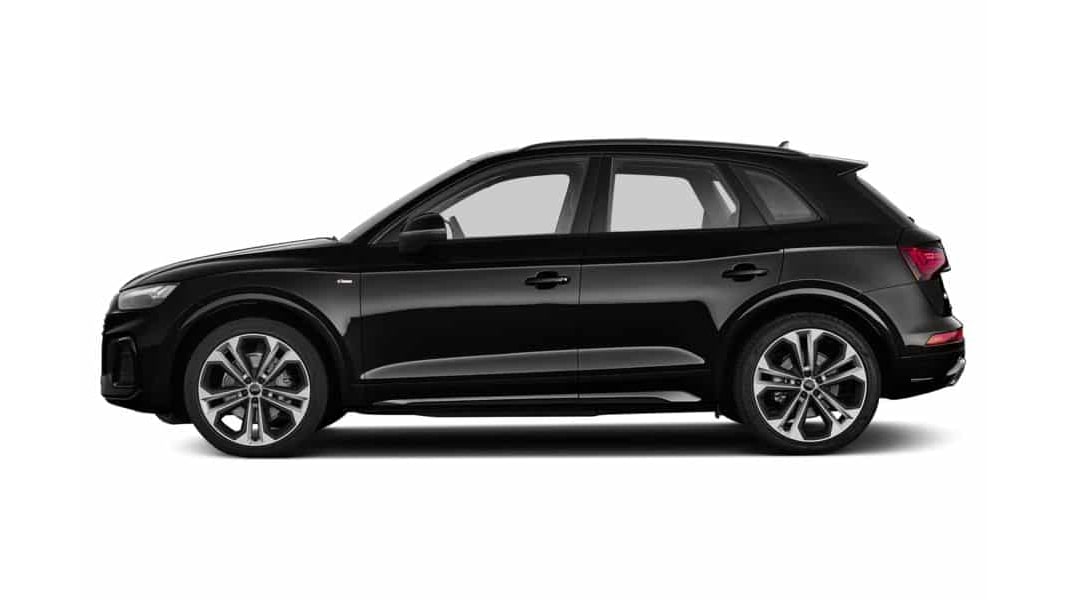
143 vehicles — exact model guaranteed, delivered to you