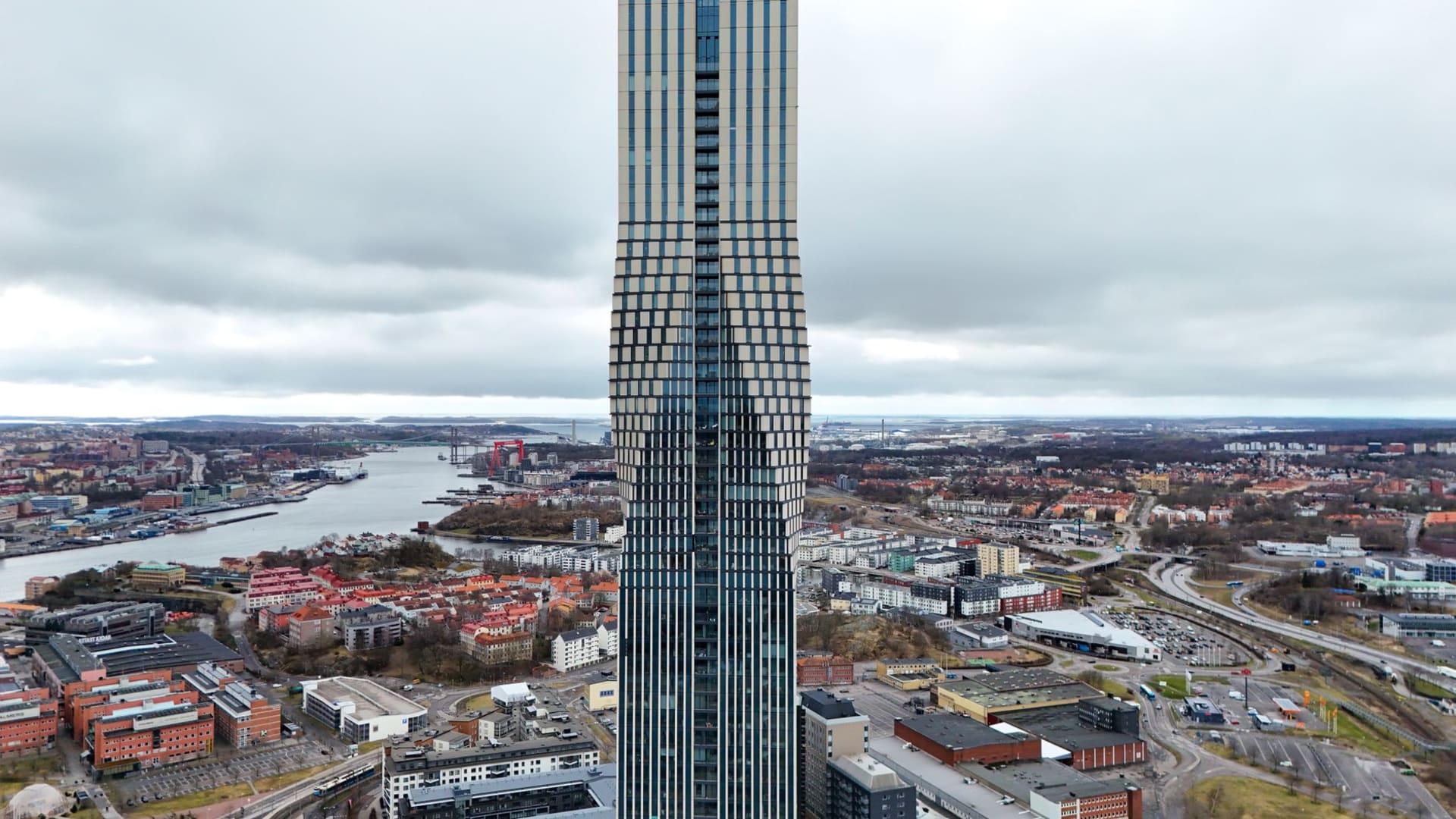
Gothenburg rewards those who slow down. Begin within the historic center, where the Dutch-engineered canal grid and low-slung 17th-century facades create an architectural intimacy that suddenly breaks open — a wide avenue, a grand square, a neoclassical facade that arrives without warning. This is a city built on deliberate contrast, and it repays careful attention. The Clarion Hotel Post, a converted early-20th-century postal palace on Drottningtorget, offers the kind of unhurried grandeur that defines Gothenburg's relationship with its own history: serious, earned, never performative. From the city, Route 160 north along the Bohuslän coast strips everything back further still — granite islands fractured into the grey-green sea, fishing villages that have resisted reinvention, a horizon that stays open and unresolved for miles. There are no theatrical switchbacks here, no Alpine drama. The power of this drive is accumulative, a slow revelation of something genuinely ancient. Gothenburg does not announce itself. Its confidence is structural, embedded in stone and water and the particular quality of northern light that turns an ordinary afternoon into something quietly irreducible.
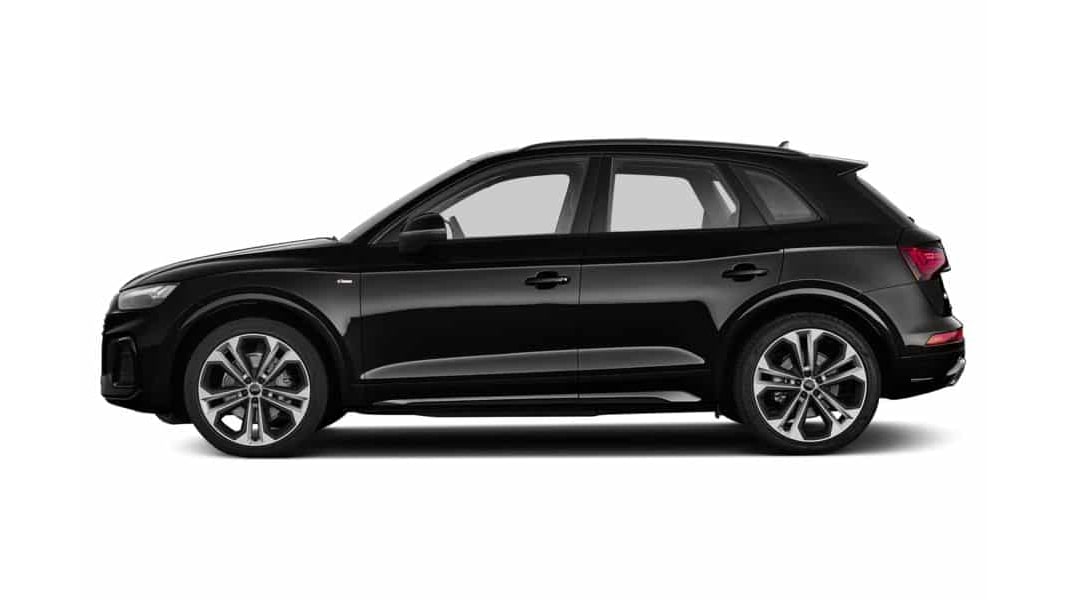
Full Fleet in Gothenburg
143 vehicles — exact model guaranteed, delivered to you