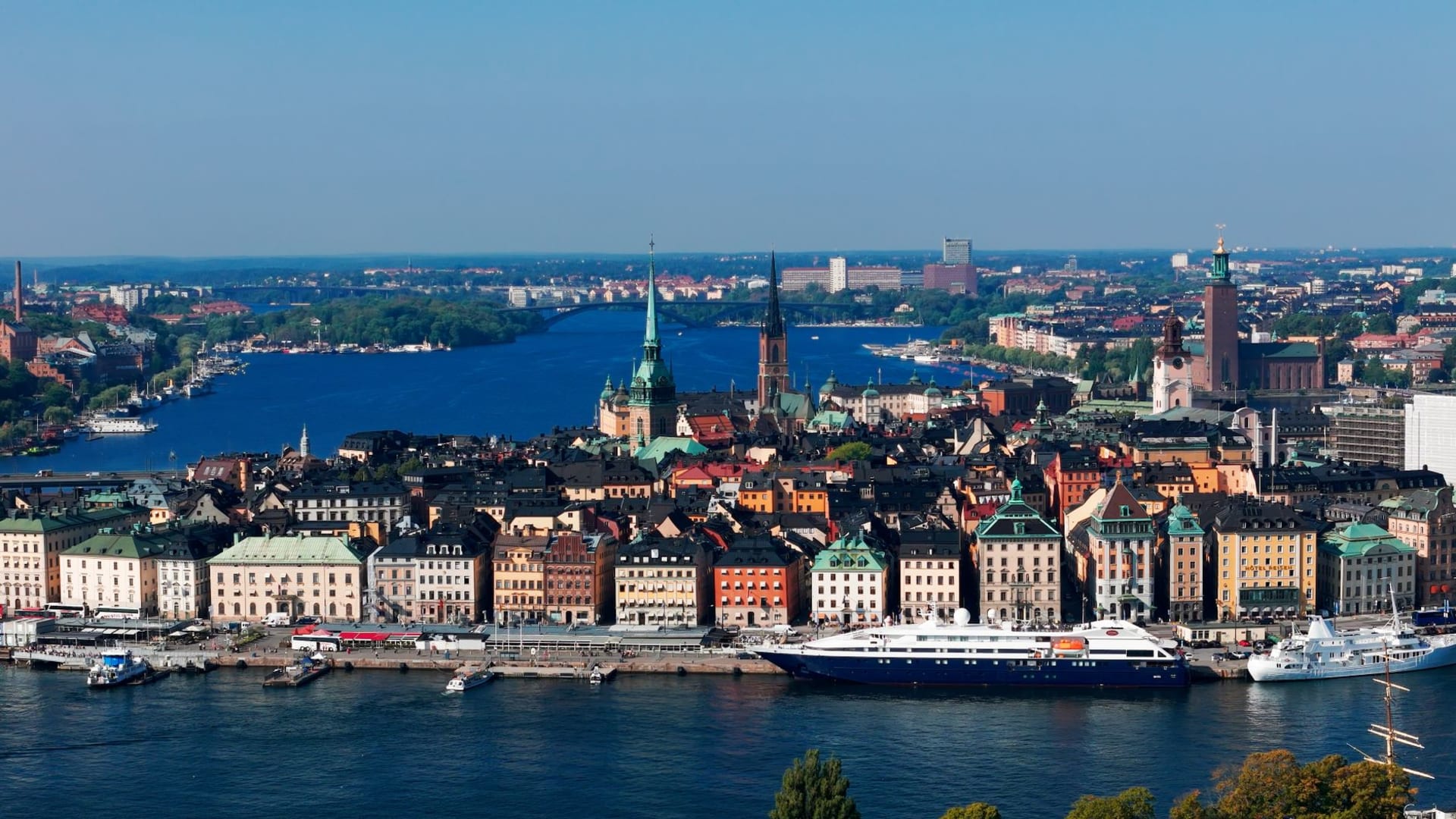
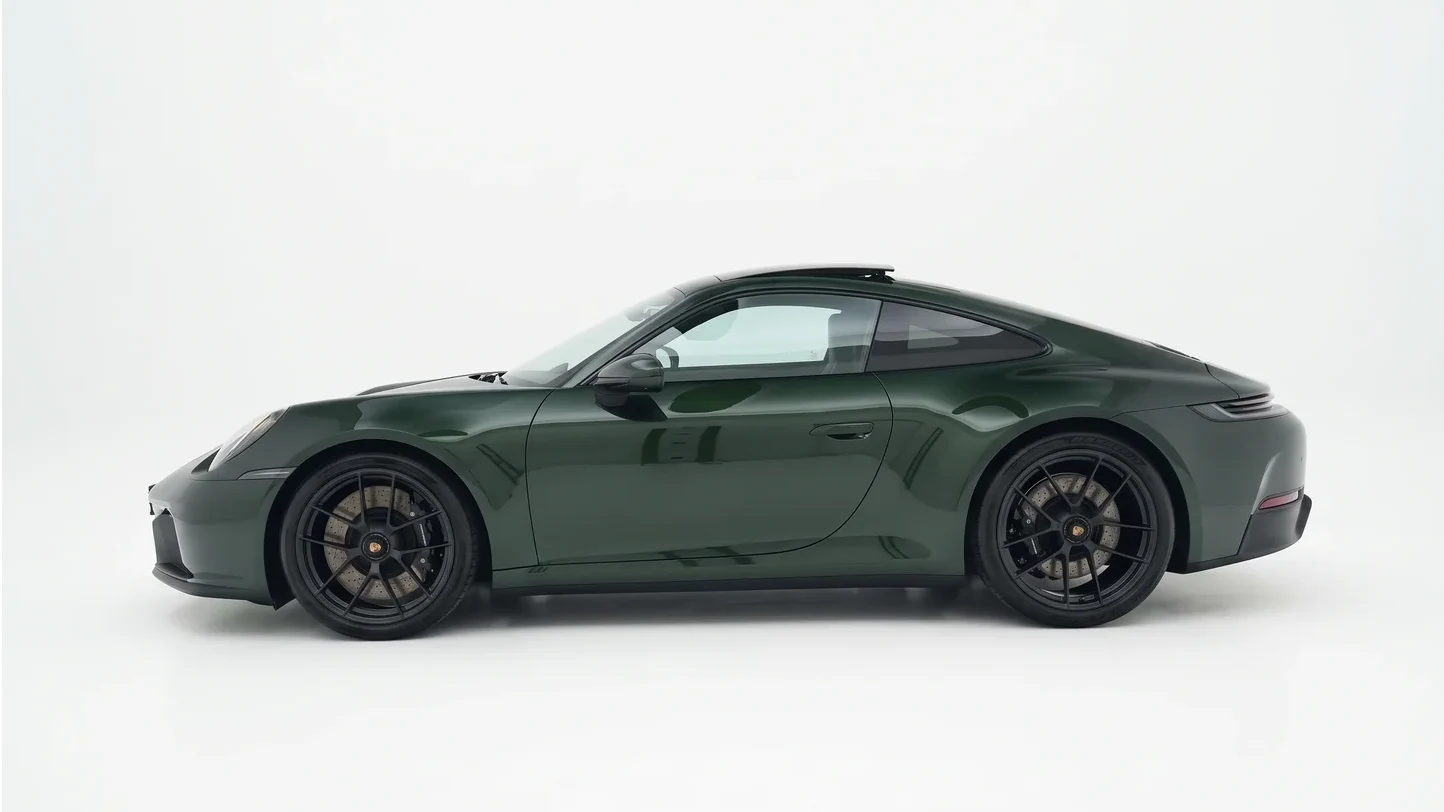
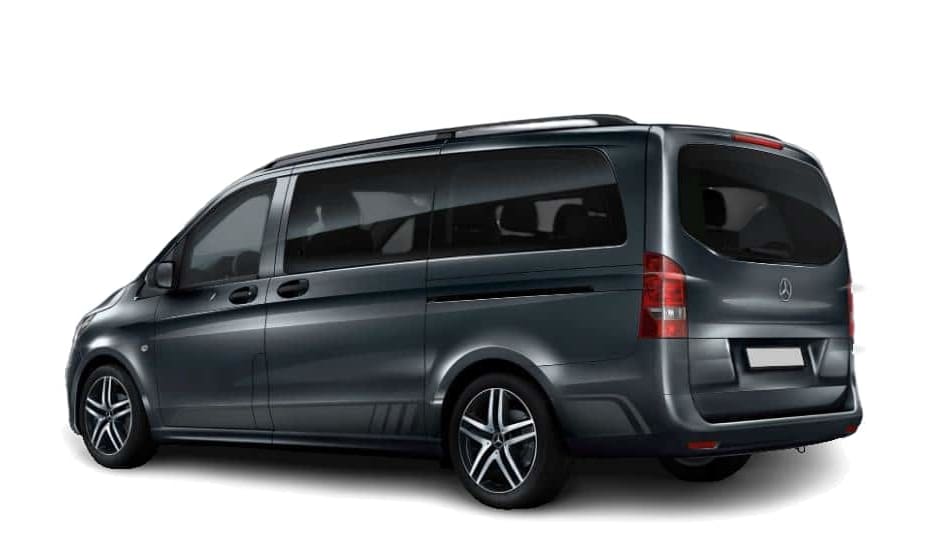
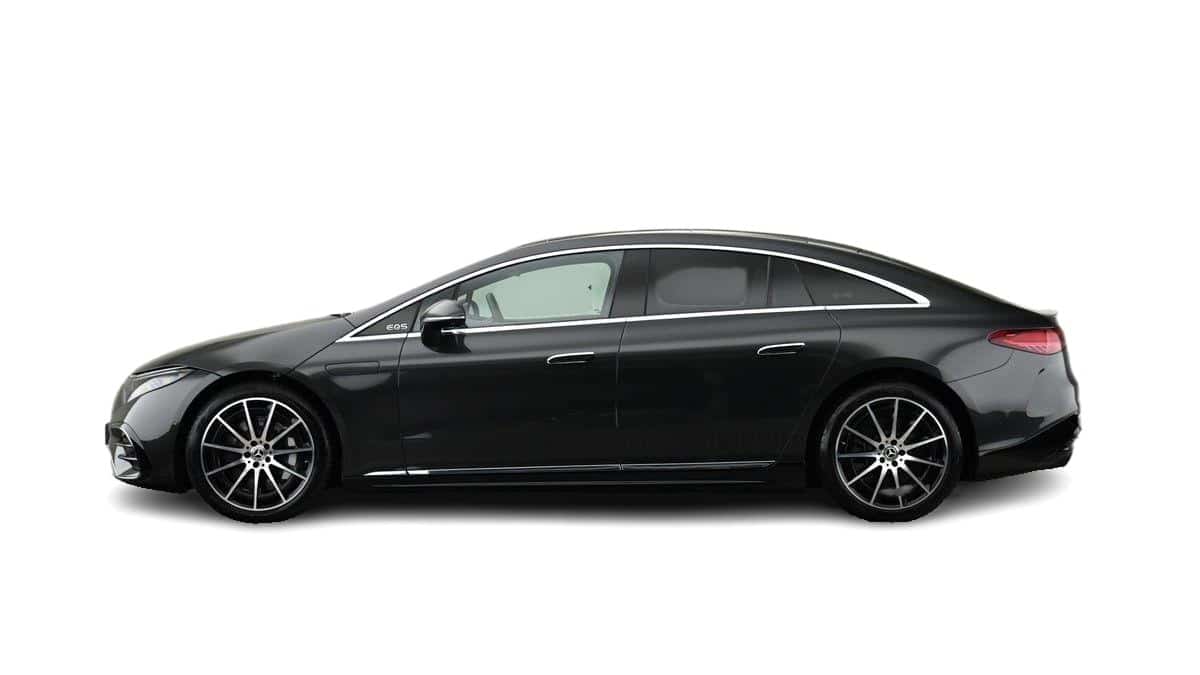
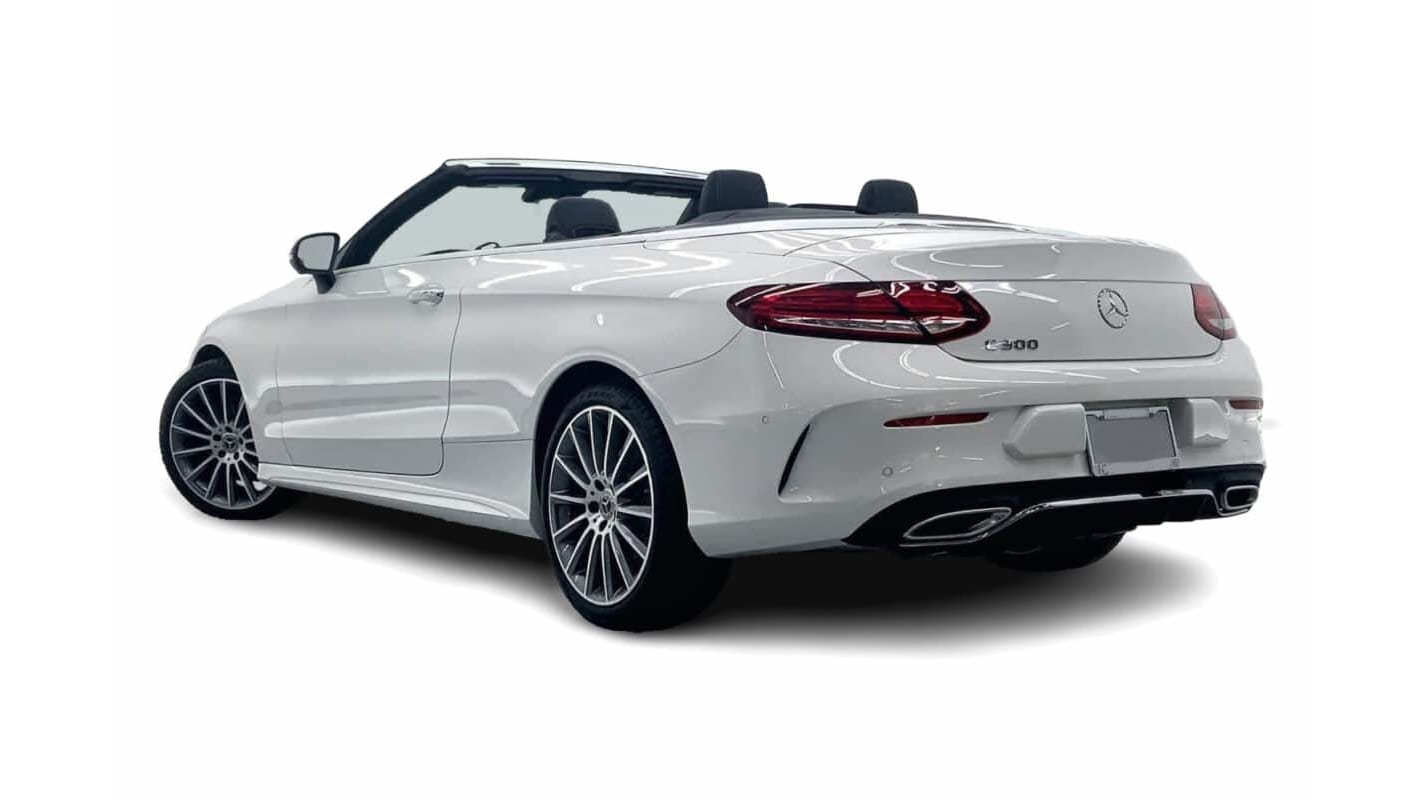
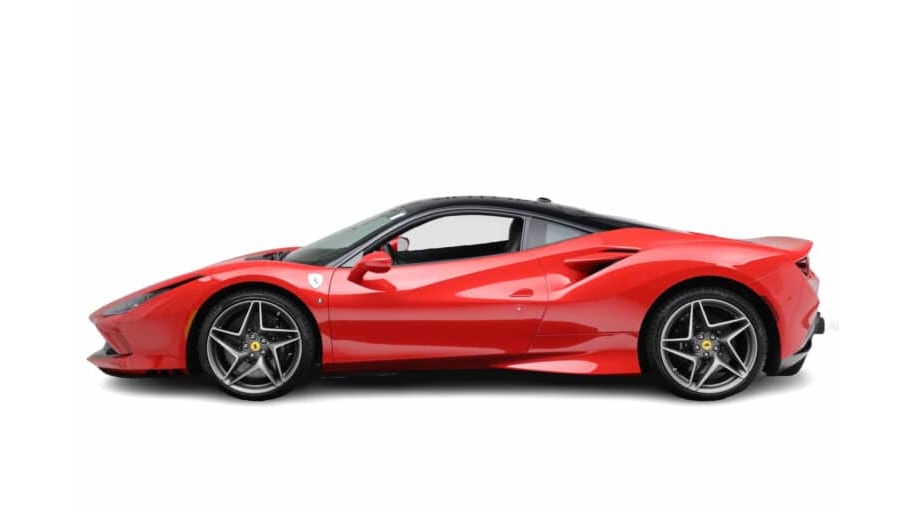
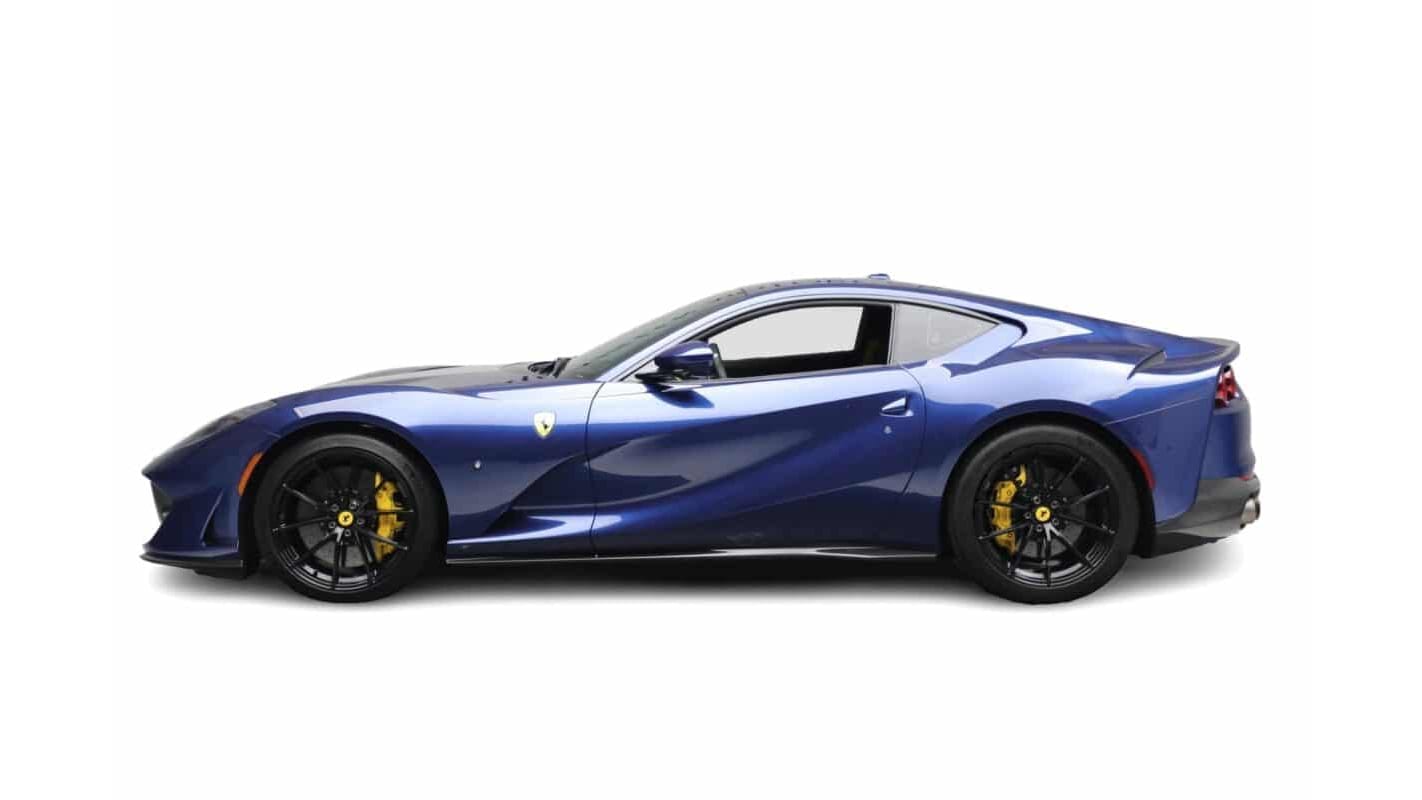
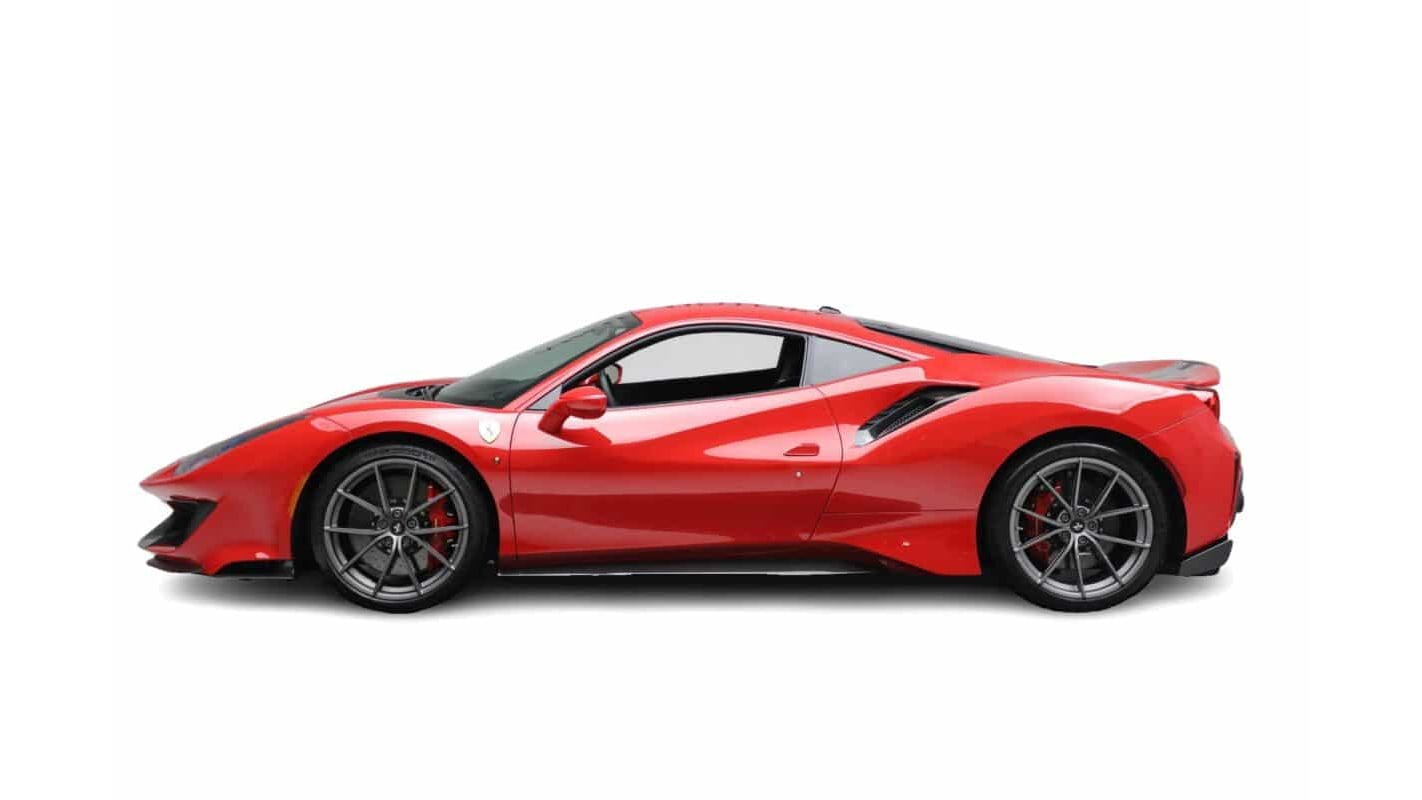
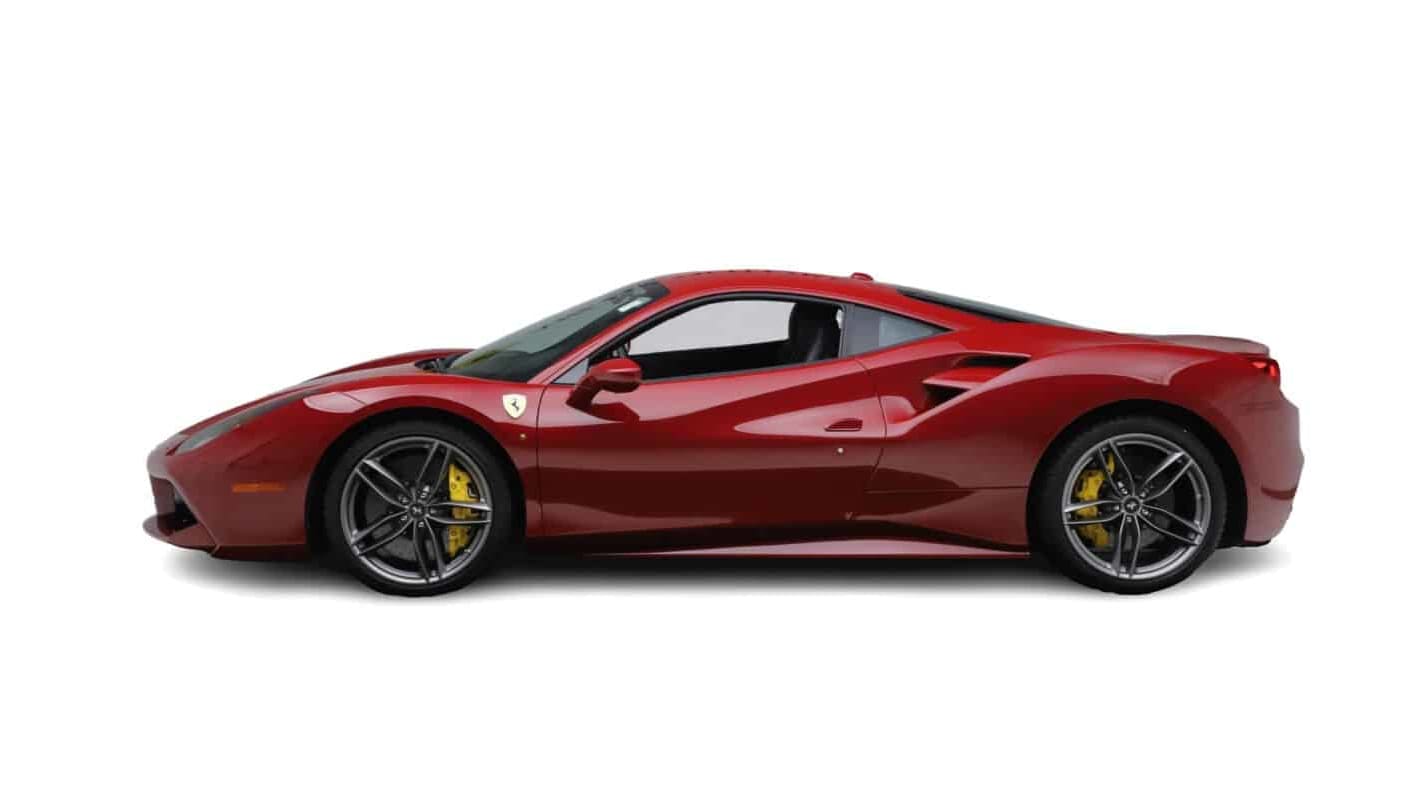
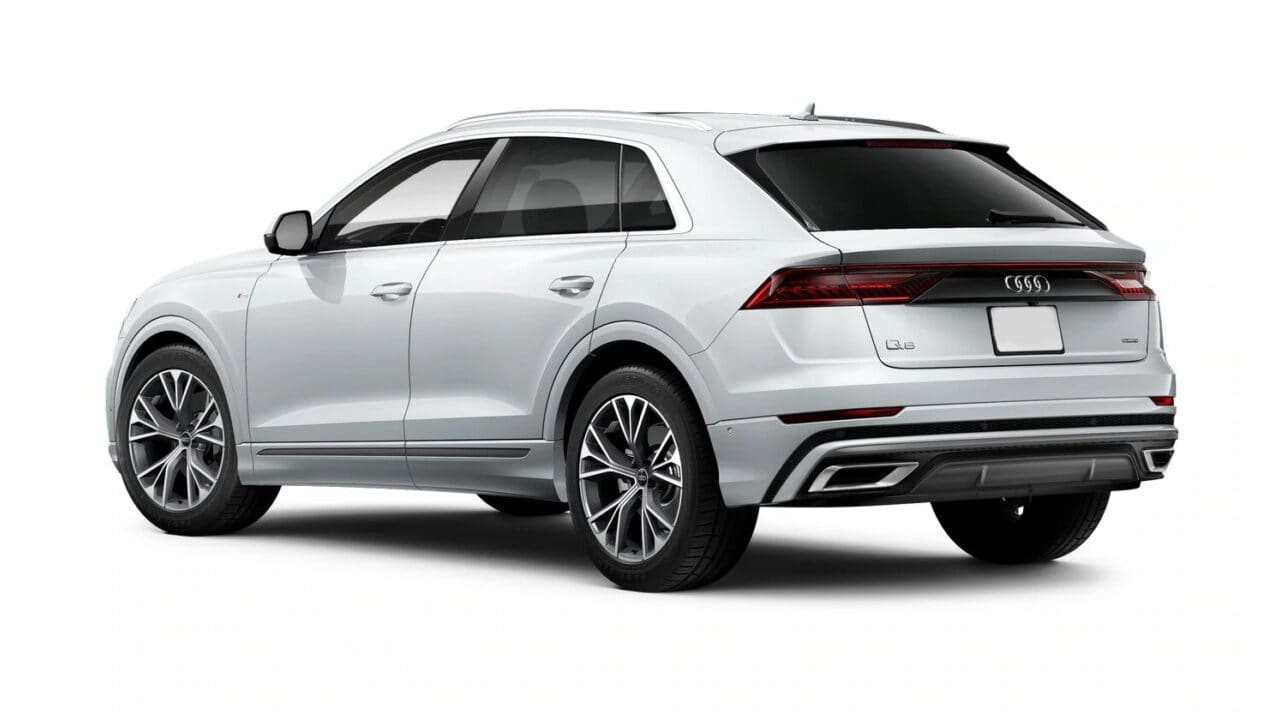
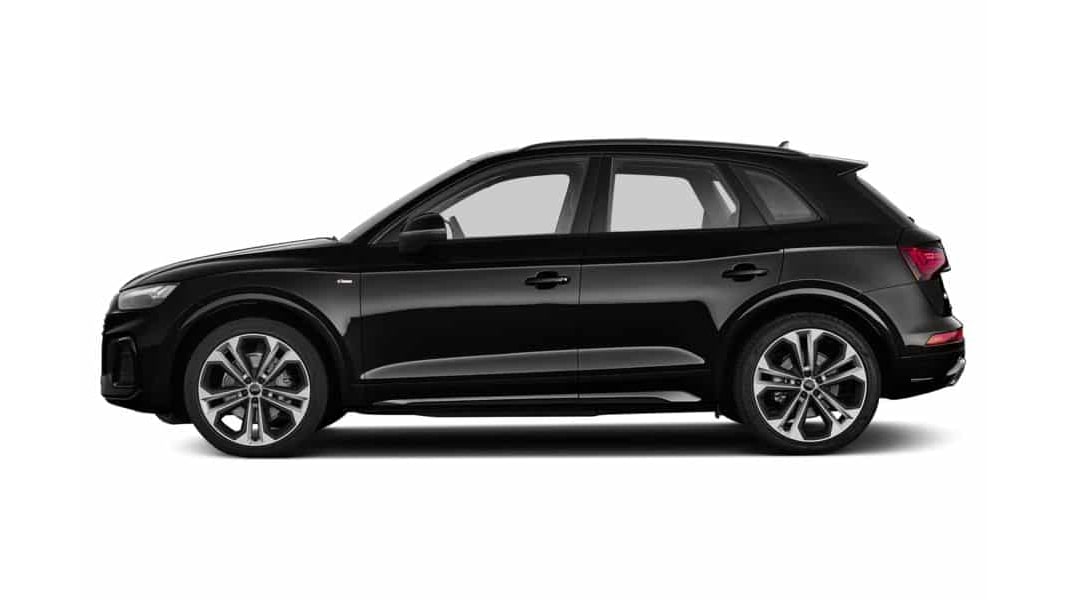
The descent from the highlands north of the city offers something most capitals deny you — perspective. Stockholm does not announce itself. It assembles gradually, a archipelago of copper rooftops and dark water emerging through pine and granite, the city's geometry made legible only from above. Behind the wheel on Drottningholmsvägen, threading alongside the lake toward the royal palace's baroque silhouette, the car becomes a frame through which Sweden's controlled precision reveals itself: clean lines, deliberate space, nothing wasted. Stockholm's luxury is architectural in its logic. The Grand Hôtel Stockholm, positioned on the Strömmen waterfront opposite the Royal Palace, does not compete with the city — it converses with it. A suite facing east at dawn receives light that exists nowhere else in Europe, a specific blue-white luminescence that Scandinavian painters spent centuries trying to capture. This is a city that rewards those who resist the impulse to rush. The cold clarity of the air, the silence between moments, the way iron-grey water holds a reflection longer than it should — Stockholm operates on its own frequency, and the right car tunes you into it immediately.
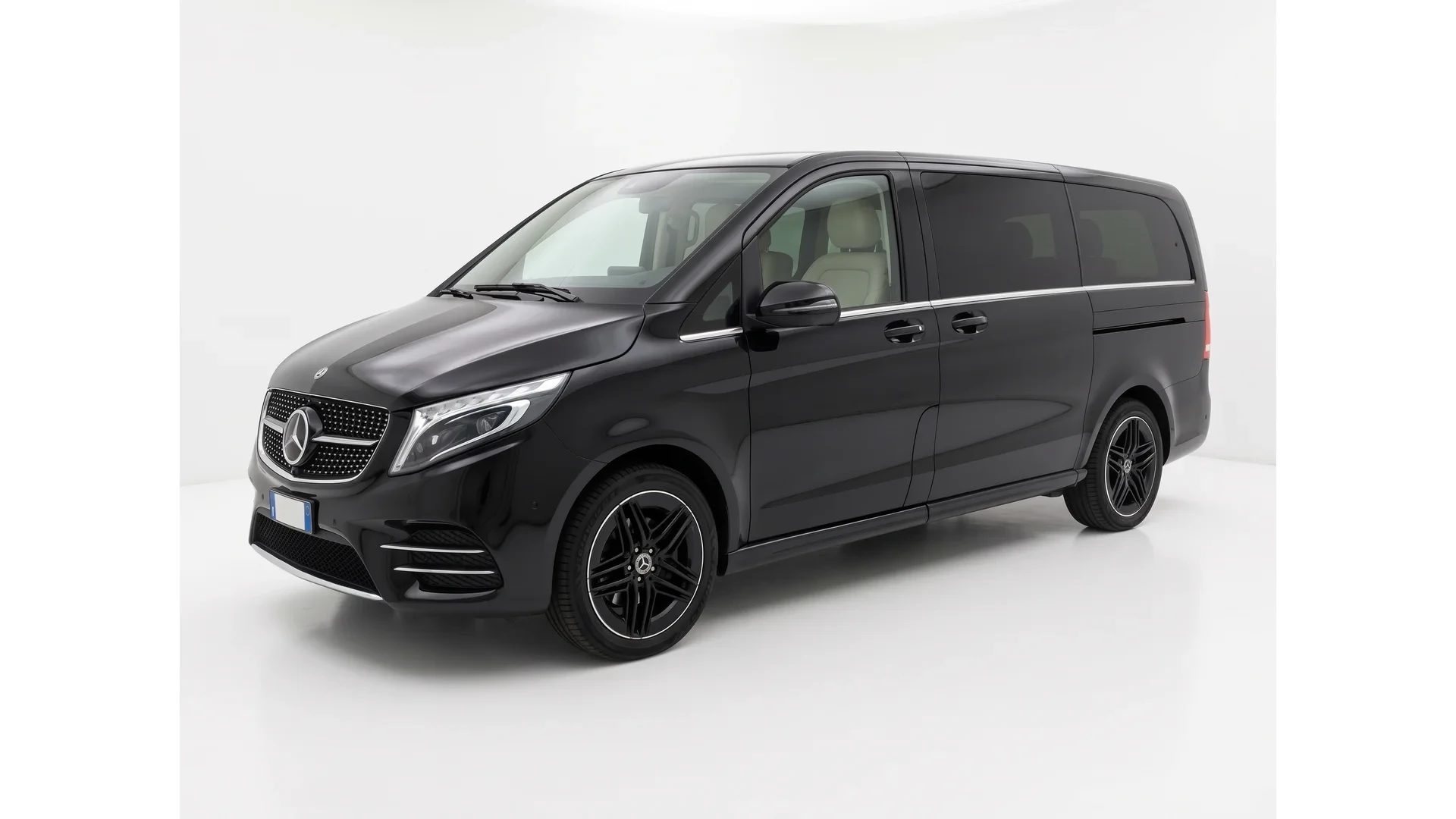
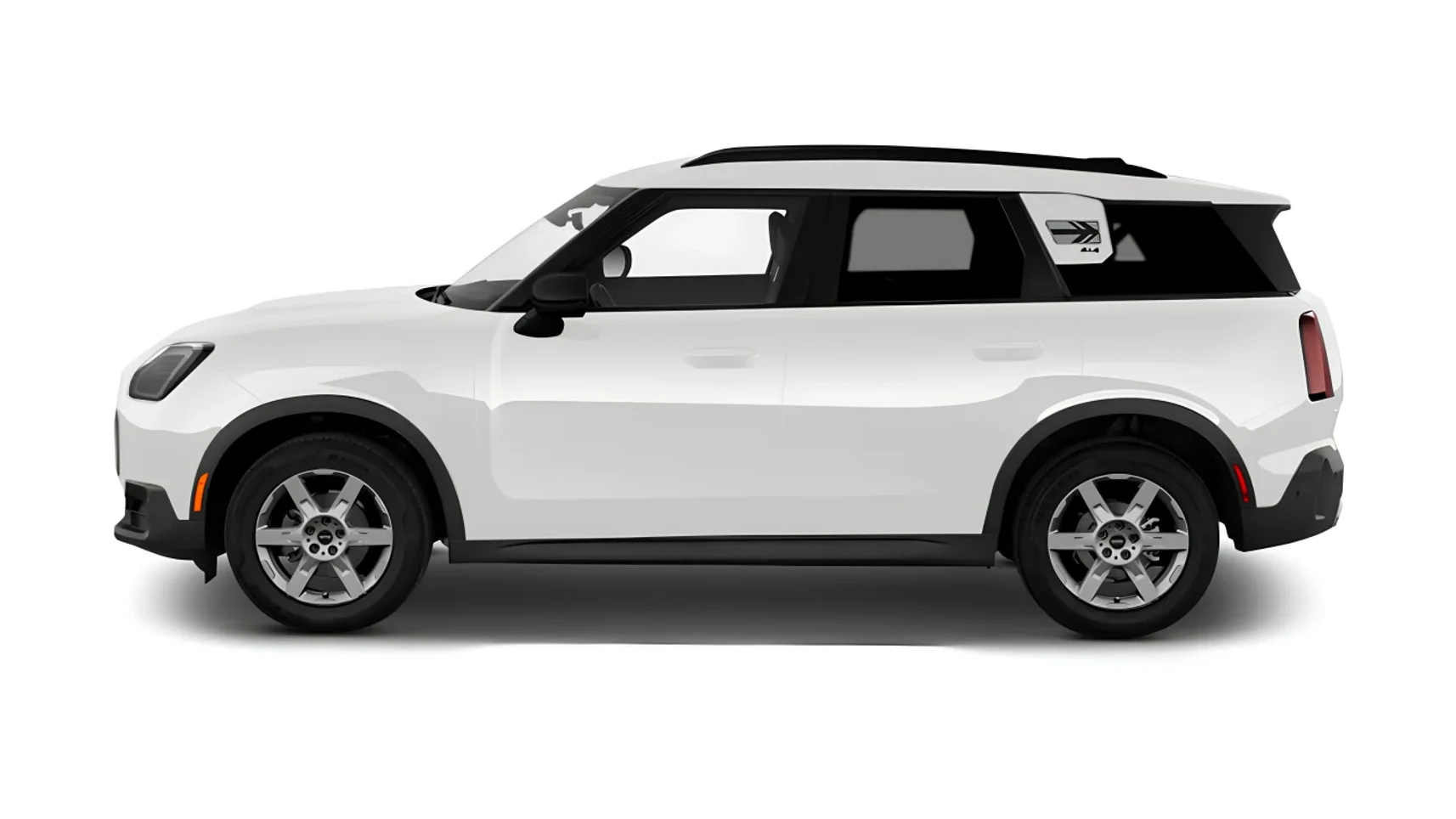
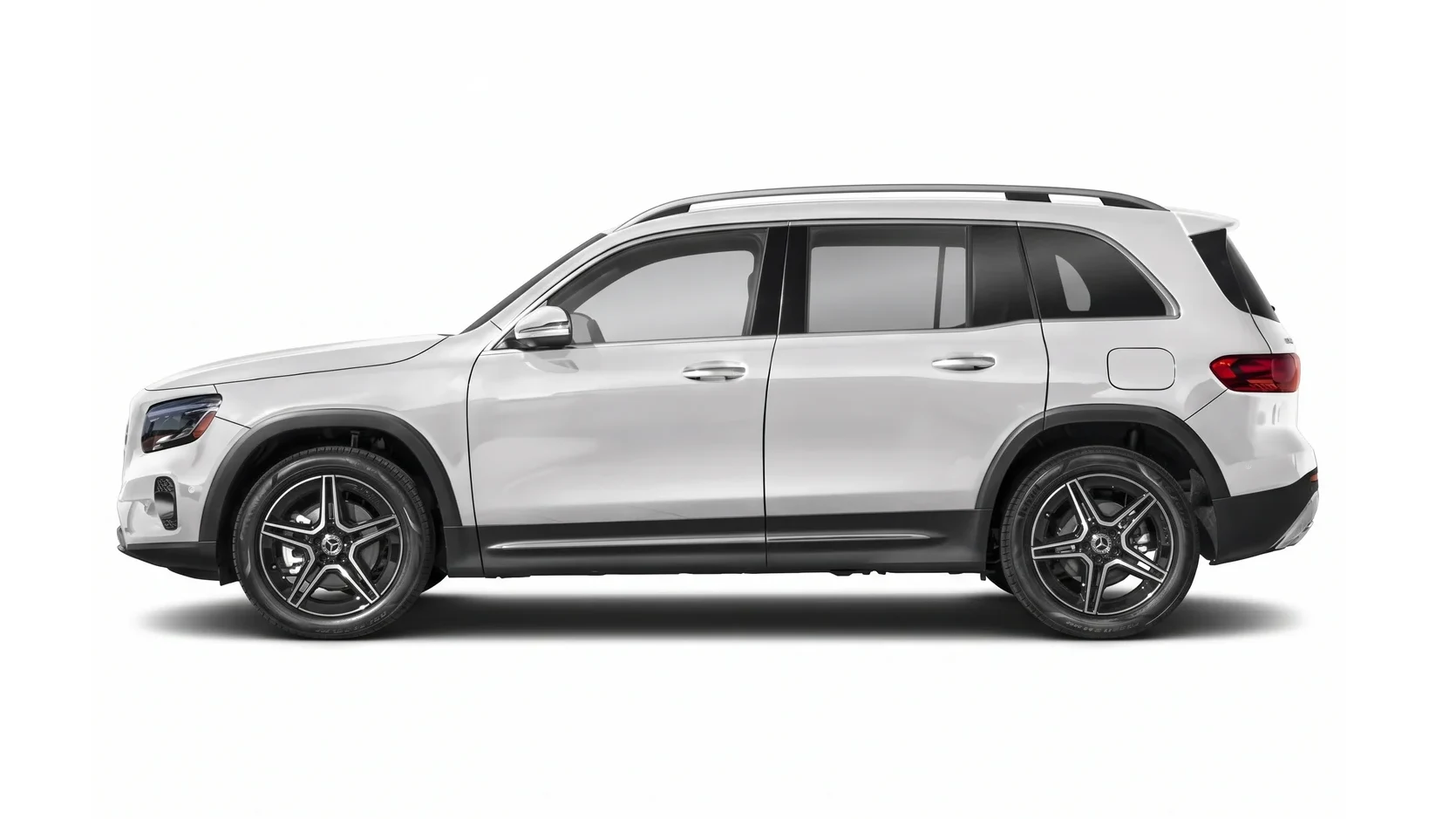
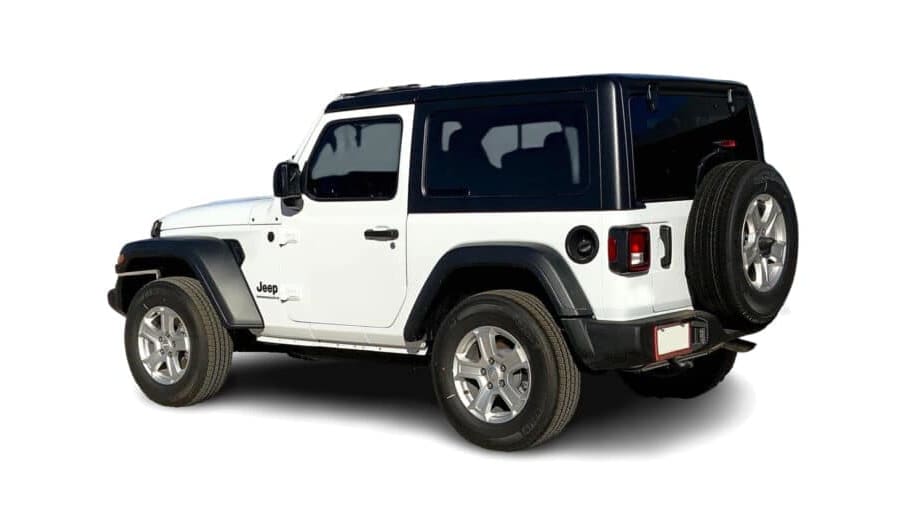
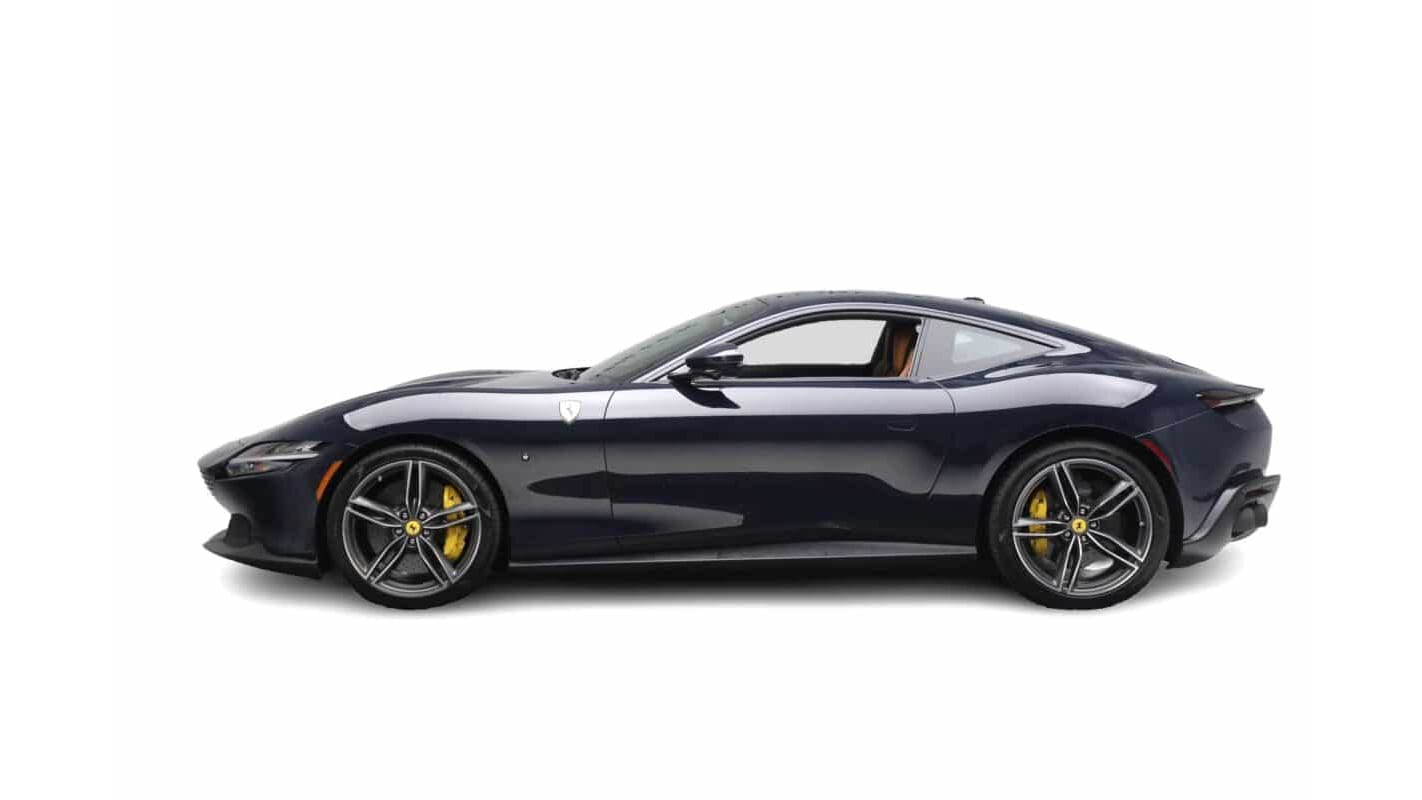
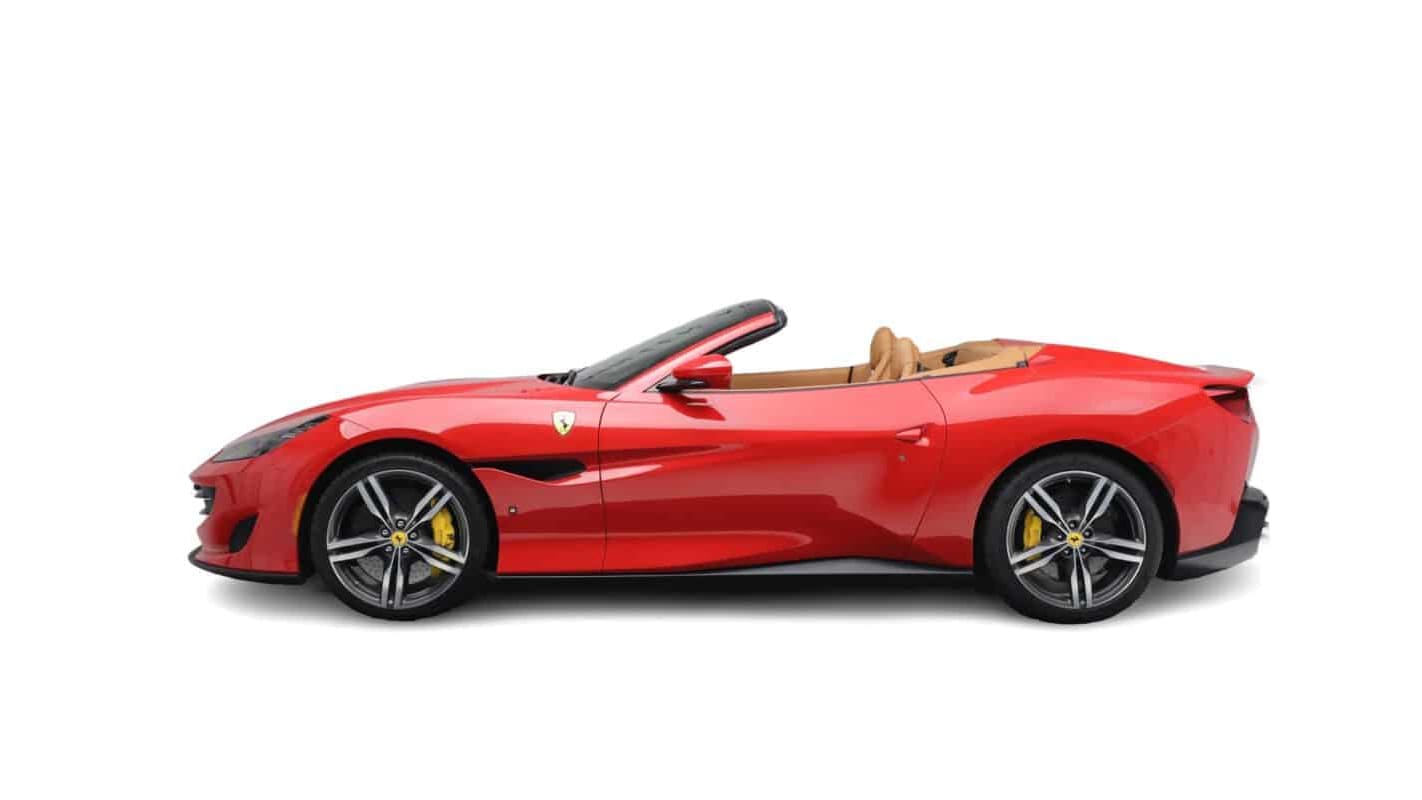
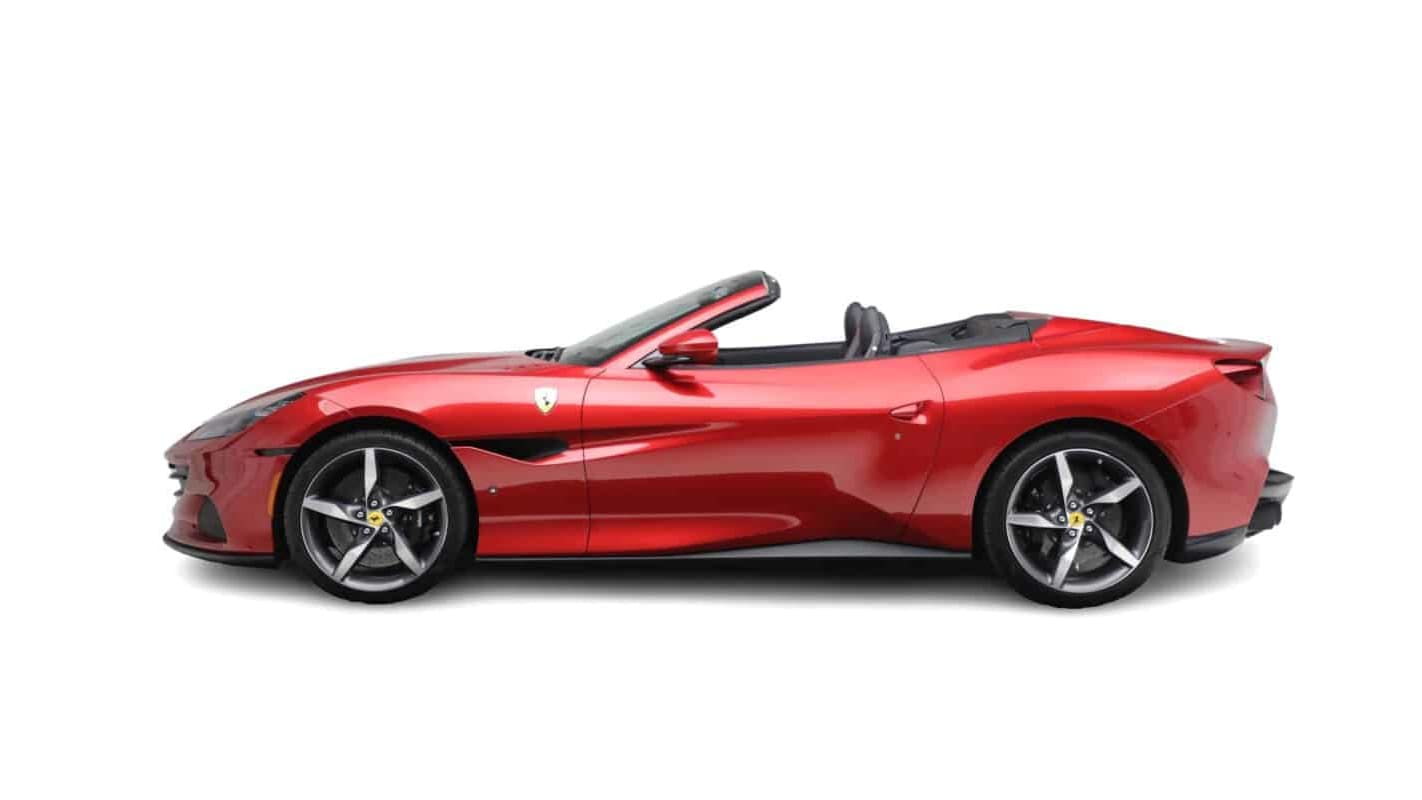
Full Fleet in Stockholm
143 vehicles — exact model guaranteed, delivered to you